
REVIEW · POTSDAM DAY TRIPS
Potsdam: Entry to DAS MINSK Kunsthaus in Potsdam
Textiles get political at DAS MINSK in Potsdam. This ticket gets you into a former GDR terrace restaurant turned modern art space, and I like the way the exhibitions mix modern and contemporary art with artworks from the Hasso Plattner Collection. That combo makes the building feel more than just a backdrop; it’s part of the story you’re walking through.
The big attention-getter right now is the group show Soft Power, using textile design to question power relations in three chapters. My only caution: one visitor found parts of the presentation heavy and suggested using audio support for context, so if you want an upbeat museum mood, plan your pacing and take breaks.
In This Review
- Key things to know before you go
- Entering the former Minsk building: art inside a 1970s GDR shell
- The main exhibition right now: Soft Power and three chapters of textile meaning
- How the Hasso Plattner Collection reframes art from the former GDR
- Two hours that actually feel like enough: a simple visit flow
- Reading the room: what the review feedback suggests about mood and context
- Café HEDWIG and terrace views: where the visit slows down
- Price and value at about $11 for 2 hours
- Who this fits best (and who should consider alternatives)
- Should you book DAS MINSK Kunsthaus entry?
- FAQ
- How long does the DAS MINSK Kunsthaus entry take?
- How much does the ticket cost?
- Is a guided tour included?
- What exhibitions will I see?
- Is skip-the-line access included?
- Is the venue wheelchair accessible?
- Can I cancel for a refund?
- Is there a café on site?
Key things to know before you go
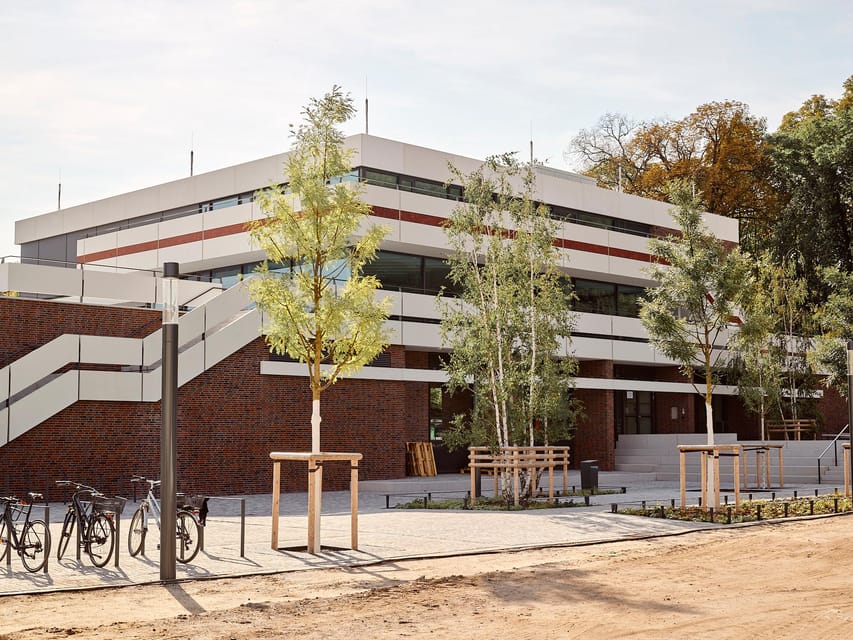
- Former GDR modernist building: you’re visiting the art inside a 1970s terrace-restaurant structure.
- Changing exhibitions: modern and contemporary art rotate over time, so your experience won’t always match someone else’s.
- Hasso Plattner Collection works from the former GDR: these pieces are shown in new settings, not treated like museum fossils.
- Soft Power (textile design): the exhibition is organized into three chapters and links textiles to questions of power.
- Café HEDWIG + terraces: you can switch from gallery mode to a slower meal, especially in summer.
- Self-guided feel: there’s no guided tour included with this entry ticket, so you’ll want to read thoughtfully or use any audio help available.
More palace-and-park days out in Potsdam
- Potsdam: City and Castles Tour★ 4.7 · 3,721 reviews
- Potsdam: Palace Tour by Boat★ 4.5 · 2,369 reviews
- Potsdam: Sanssouci Palace and Prussian Palaces Entry Ticket★ 4.5 · 2,101 reviews
- Potsdam by Boat: Island Cruise★ 4.6 · 1,308 reviews
Entering the former Minsk building: art inside a 1970s GDR shell
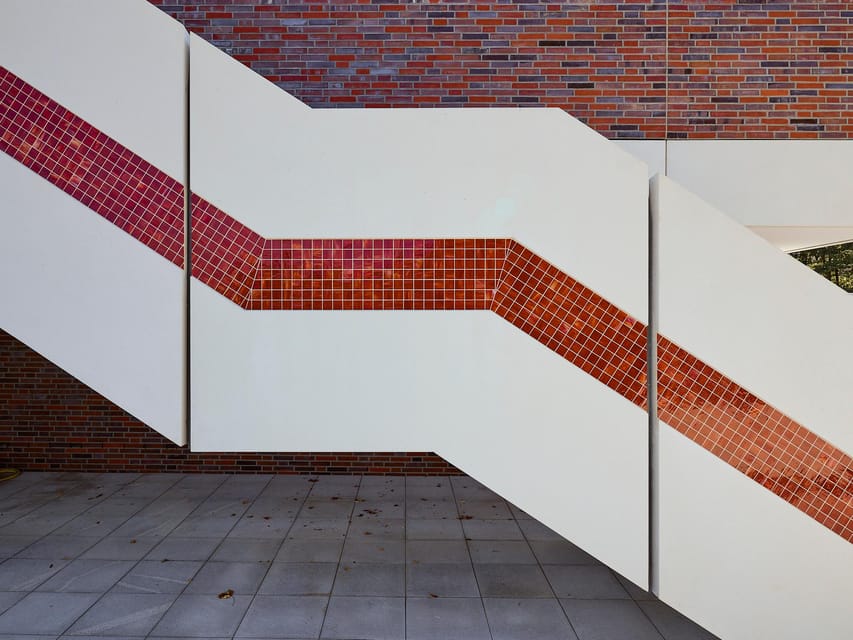
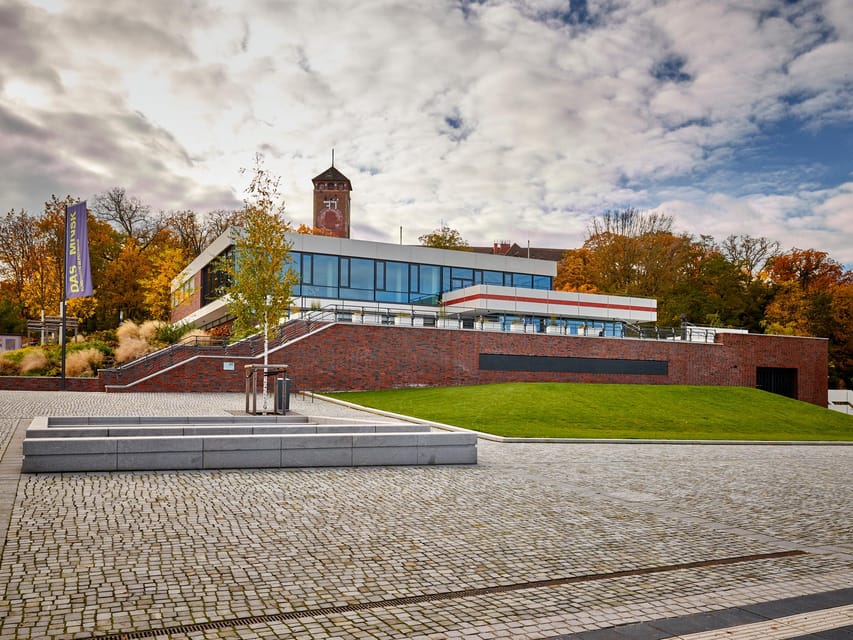
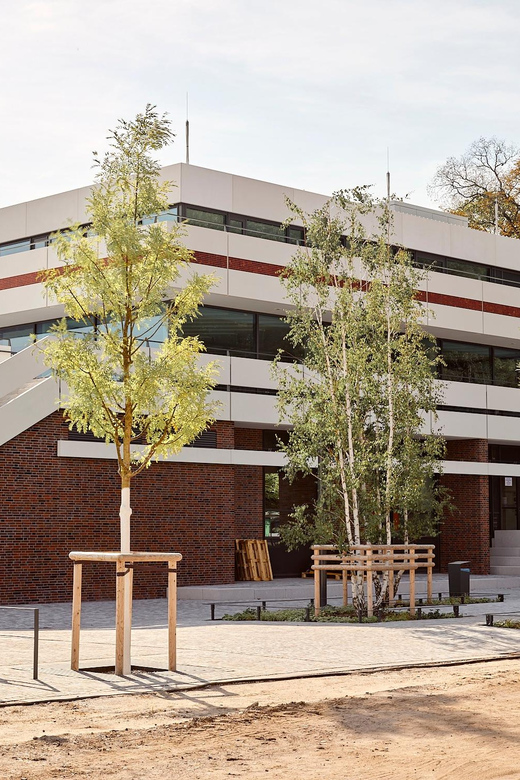
DAS MINSK Kunsthaus is one of those places where the architecture does some of the talking. The building started life as a terrace restaurant called Minsk in the 1970s, in the modernist style of the GDR. That matters because you’re not just looking at art; you’re moving through a space shaped by a specific era’s ideas about public life, materials, and form.
Even if you’re not chasing architectural details, you’ll feel the shift as the space transitions from social setting to exhibition setting. It gives the galleries a kind of “in-between” mood: not solemn and stuffy, but also not casual in the usual museum way. For me, that makes it easier to spend the full two hours without mentally rushing.
If you’re the type who likes museums that connect objects to place, you’ll probably enjoy the way the modernist structure frames contemporary conversation. And if you’re just after great views and a quick stop, you can also treat the terrace areas and café as your main payoff.
The main exhibition right now: Soft Power and three chapters of textile meaning
Your ticket focuses on the exhibition spaces, and the headline show in spring is Soft Power. This is not textile design as craft trivia. The exhibition presents textile design as a tool—an artistic means of expression—to question power relations.
The show is arranged in three chapters, which is a helpful detail. It suggests you won’t see everything at once in one long corridor. Instead, you can move from one idea to the next and let the themes build. That structure is useful if you want to understand the logic behind the artworks rather than only admire technique.
Here’s the real takeaway for your visit: textiles are often treated as soft, decorative, and “safe.” This exhibition flips that. You’ll likely spend time noticing how fabric, pattern, and design language can carry arguments about control, influence, and identity. If you’ve ever wondered why political messaging can show up on clothing, flags, or banners, this kind of exhibition usually lands better than a purely historical display.
One more practical note: since guided tours aren’t included, the way you experience this depends on how much context you want. If you prefer extra explanation, plan to use any on-site audio option or interpretive materials you see along the way.
How the Hasso Plattner Collection reframes art from the former GDR
A key reason this museum visit works is the way it treats artworks from the former GDR. The works come from the Hasso Plattner Collection, and they’re displayed here in new contexts rather than as a simple timeline of the past.
For you, that means the museum isn’t only asking, What happened? It’s also asking, What does it mean now? Seeing GDR-era artworks placed beside modern and contemporary pieces can change how you read them. Shapes and visual styles that might once feel dated can start looking like early experiments—ideas that later artists echoed, adapted, or argued against.
This is where the “encounter” feeling comes in. The former Minsk terrace restaurant setting already carries the idea of meeting and gathering. Then the exhibition approach turns that into an art experience: different eras and viewpoints sitting in the same room, not locked into separate chapters.
If you’re visiting Potsdam and want at least one museum stop that doesn’t feel like a straight history lecture, this approach is a good match.
Two hours that actually feel like enough: a simple visit flow
The duration listed for this entry is 2 hours, and that’s a realistic window for a focused, not-too-rushed circuit.
Here’s a pacing plan that keeps the visit enjoyable:
1) Start with your bearings
Walk in, scan for the current featured exhibition (Soft Power), and then take a few minutes to understand how the show is organized across its chapters. This is where you save time later. When you know the route, you don’t waste minutes backtracking.
2) Give textiles your full attention first
Don’t split your focus between rooms. I’d handle the Soft Power exhibition as your anchor, since it’s the most clearly defined theme and structure (three chapters). If you like ideas you can follow, this order helps.
3) Then switch gears to the changing art mix
Next, let yourself drift into the rest of the exhibition spaces featuring modern and contemporary art. This is a great stage for quiet comparison—looking at how themes and styles echo across different works.
4) Look for the GDR connections
As you move, keep an eye on the artworks from the former GDR that come from the Hasso Plattner Collection. Try not to force a checklist. Instead, ask a simpler question: What feels new when the context changes?
5) Finish with a break if you can
If you’re visiting in summer, the terraces can be a big part of the point. Even outside summer, stepping away for a drink can keep you from feeling overloaded by more intense material.
Because this is entry ticket only—no guided tour included—you’ll get the best experience if you actively choose your pace. If you’d rather not think too hard, you can still do that. Just pick a couple of “focus zones” and let the rest be a pleasant wander.



Reading the room: what the review feedback suggests about mood and context
The rating average is 4.1 from 24 reviews, so the overall impression is solid. But it’s worth noting the range in opinions so you don’t get surprised by the emotional tone.
One strongly negative review highlighted that the museum felt beautifully renovated, but also complained about a lack of an initial briefing and recommended audio accompaniment. The same review also described the exhibitions as negative, dark, or burdensome, while praising the café and views. Another review was simply positive, with no extra detail.
So here’s the practical way to use this info: go in ready for an exhibition that’s not trying to entertain you with cheerful color stories. If you tend to find heavier themes draining, plan breaks and don’t feel you have to “finish” every room.
And since guided tours aren’t included, you may want to rely on on-site explanations as you go. If audio support is available, it can help your brain connect the dots quickly.
Café HEDWIG and terrace views: where the visit slows down
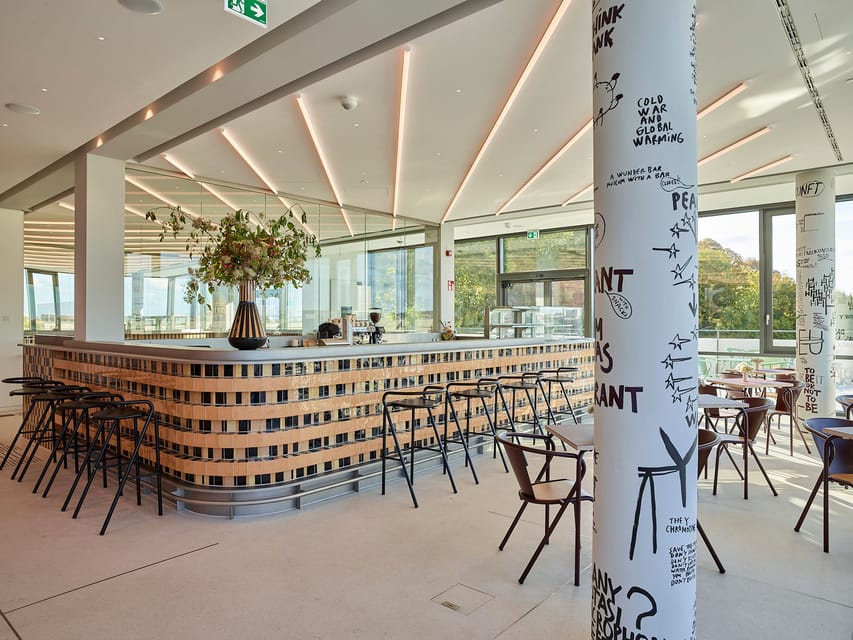
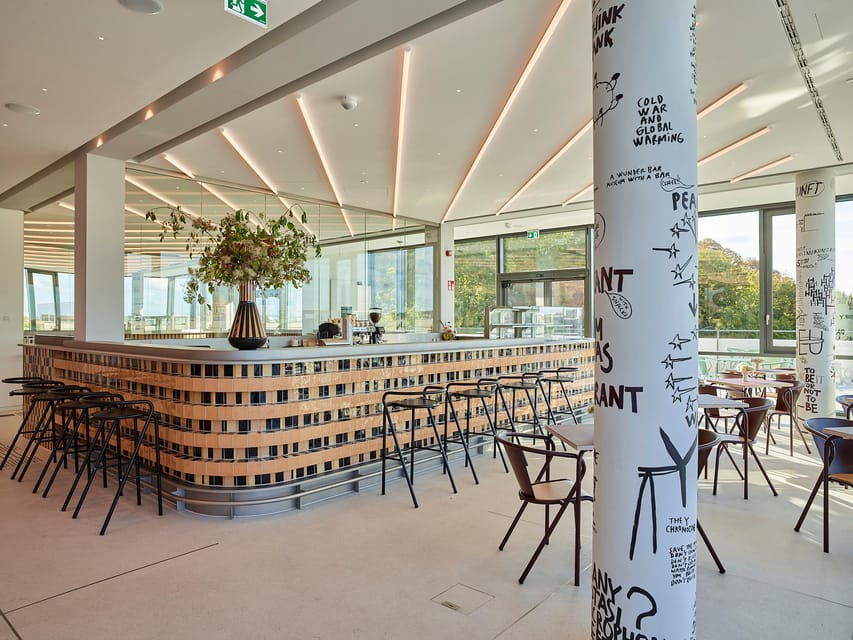
Art museums are better when you can step out without feeling like you’re breaking a rule. That’s one of the strengths here: the building includes a café called HEDWIG, with lunch, cakes, and coffee.
In practice, this gives you two advantages. First, you can turn your two-hour visit into a more comfortable experience, especially if you’re hungry or traveling with anyone who doesn’t want to sprint from room to room. Second, it gives you a natural time to decompress if the exhibition themes get intense.
In summer months, the terraces offer a great view over the city. Even if you don’t chase skyline photos, a terrace pause is a smart way to reset your perspective. You’ll be reminded that Potsdam is a place you experience outdoors too, not only inside museums.
If you want the most value from your stop, plan to include one café moment. It doesn’t have to be a full meal—coffee and cake can be enough to make the visit feel complete.
One last small but useful detail: a negative review specifically praised the toilets as gender-appropriate. It’s not the kind of thing you think about until you need it, so it’s good that the facility is handled with care.
Price and value at about $11 for 2 hours
At $11 per person for entry, this is priced in the sensible range for a museum visit in Potsdam. What helps the value is that you’re not paying just for one static display. You’re getting access to changing exhibitions featuring modern and contemporary art, plus the featured thematic focus (Soft Power) and the broader context around artworks from the former GDR.
The two-hour duration is important for value too. You can get a satisfying visit without turning it into your entire day. And since skip the ticket line is included, you don’t lose time if there’s any waiting.
What’s not included: guided tours, events, or workshops. That’s fine if your style is independent museum time. If you prefer learning through a guide, you may want to pair this stop with a separate tour elsewhere in Potsdam.
Overall, this feels like a good “single stop” museum choice: structured enough to follow, flexible enough to browse.
Who this fits best (and who should consider alternatives)
This entry ticket works best for you if:
- You like modern and contemporary art, not just one genre.
- You’re curious about how art can be reframed through different historical contexts.
- You enjoy exhibitions with themes you can think about while you walk.
- You want an easy, two-hour plan with a café and terraces as a built-in bonus.
It may be less ideal if:
- You need a cheerful, feel-good museum atmosphere.
- You want a guided explanation as part of the ticket.
- You dislike exhibitions that can feel heavy or emotionally weighted.
If you’re traveling with teens or adults who are textile-curious, Soft Power is the obvious hook. If you’re more architecture-minded, the building itself gives you another angle besides the artwork.
Should you book DAS MINSK Kunsthaus entry?
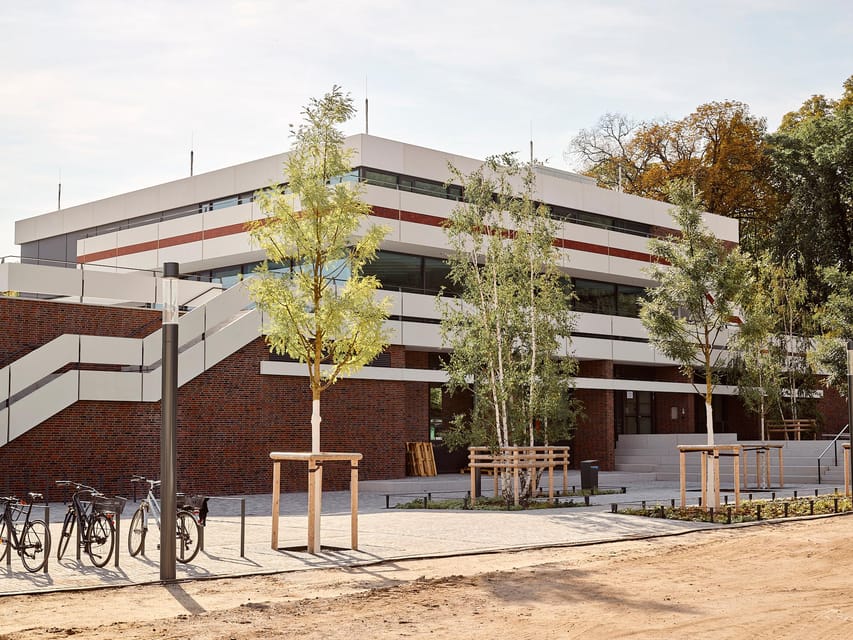
Yes, if you want a focused, independent art break in Potsdam that connects contemporary exhibitions to former GDR material in a way that feels like a real conversation. At about $11 and two hours, it’s an easy add-on when your day needs one thoughtful museum stop—and the café/terrace setup gives you a comfortable landing point.
I’d say book it especially if you’re interested in how textiles can carry political meaning. And if you’re sensitive to darker themes, plan your pacing and use any audio or interpretive help available on site so the context doesn’t leave you guessing.
FAQ
How long does the DAS MINSK Kunsthaus entry take?
The visit duration is listed as 2 hours.
How much does the ticket cost?
The price is $11 per person.
Is a guided tour included?
No. Entry includes access to the exhibitions, but guided tours, events, and workshops are not included.
What exhibitions will I see?
You can expect changing exhibitions with modern and contemporary art, plus works from the former GDR presented in new contexts. The current featured show listed is Soft Power (textile design), presented in three chapters.
Is skip-the-line access included?
Yes, the ticket includes skip the ticket line.
Is the venue wheelchair accessible?
Yes, it is listed as wheelchair accessible.
Can I cancel for a refund?
Yes. You can cancel up to 24 hours in advance for a full refund.
Is there a café on site?
Yes. The building includes Café HEDWIG, offering lunch, cakes, and coffee, and in summer the terraces have city views.
More Tour Reviews in Potsdam
A Day in Potsdam
Round out your days in Potsdam
Potsdam Day Trips, compared.
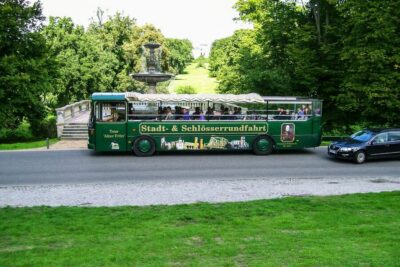 ★ 4.7Potsdam: City and Castles TourFrom $293,721 reviews
 ★ 4.5Potsdam: Palace Tour by BoatFrom $272,369 reviews
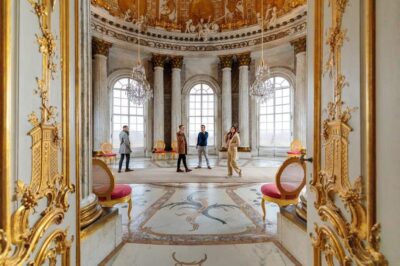 ★ 4.5Potsdam: Sanssouci Palace and Prussian Palaces Entry TicketFrom $252,101 reviews
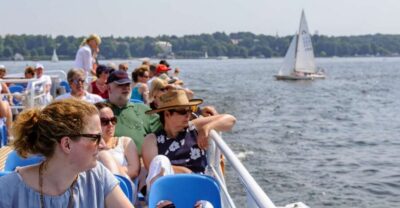 ★ 4.53-Hour World Heritage Cruise to PotsdamFrom $251,569 reviews
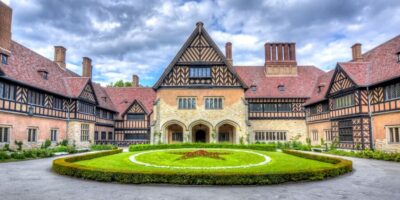 ★ 4.6Sachsenhausen Concentration Camp and Potsdam TourFrom $651,334 reviews
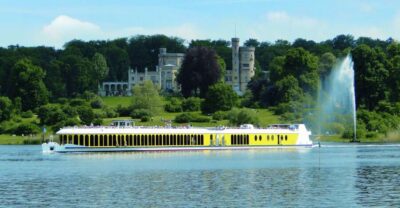 ★ 4.6Potsdam by Boat: Island CruiseFrom $421,308 reviews
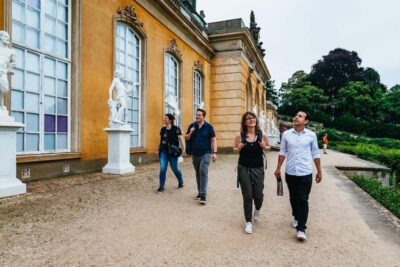 ★ 4.7From Berlin: Potsdam and Sanssouci Palace Tour with EntryFrom $751,219 reviews
 ★ 4.2Potsdam: City Sightseeing Hop-On Hop-Off Bus TourFrom $23864 reviews
Browse the lists this tour appears in