
REVIEW · POTSDAM DAY TRIPS
Potsdam: Museum Barberini Entry Ticket
Monet and Morisot in one stop. Museum Barberini in Potsdam puts 100+ Impressionist works in a reconstructed palace right in the historic center, and it’s especially strong on Claude Monet. Even before you get to the big names, the museum’s layout makes it easy to spot how artists changed what they saw, not just how they painted it.
I also love that the collection doesn’t treat abstraction like a separate world. You get the sense of how careful observation helped artists build realistic-looking scenes even as style shifted toward something more experimental. The only downside is timing: at about 2 hours, you’ll likely hit the highlights, but you may want more time if you like to read every label.
To keep your pace smooth, you can download a free digital audio guide in the Barberini app, then use it as you move room to room. You’ll finish with options like the museum store and the Barberini Café for a low-key reset.
In This Review
- Key things to know before you go
- Stepping into a reconstructed palace in Potsdam
- The Impressionist core: Monet, Morisot, Renoir, and the rest
- How observation turns realism into abstraction
- The rotating element: three special exhibitions per year
- Using the Barberini app audio guide without feeling rushed
- What the ticket covers (and what it doesn’t)
- Pace, rules, and the café-and-store finish
- Price and value: why $11 can feel like a deal
- Who this museum ticket suits best
- Should you book the Museum Barberini entry ticket?
- FAQ
- How long should I plan to spend at Museum Barberini?
- What does the entry ticket include?
- Are food and drinks allowed inside the museum?
- Is Museum Barberini wheelchair accessible?
- Can I bring a backpack or bags into the museum?
- Can I cancel and pay later?
Key things to know before you go
- A major Impressionist collection in Potsdam’s historic center: over 100 paintings tied to founder Hasso Plattner, housed in a reconstructed palace.
- Second-largest Claude Monet collection in Europe: if you love Monet, this is a serious stop, not a quick photo break.
- Heavy hitters across Impressionism: Berthe Morisot, Pierre-Auguste Renoir, Gustave Caillebotte, Paul Cézanne, and more.
- Three special exhibitions each year: access to rotating shows with loans from international museums and collections.
- Barberini app audio guide: download to your phone and use it to structure a 2-hour visit.
- Strict on bags and touching exhibits: you’ll want to travel light so the rules don’t slow you down.
More palace-and-park days out in Potsdam
- Potsdam: City and Castles Tour★ 4.7 · 3,721 reviews
- Potsdam: Palace Tour by Boat★ 4.5 · 2,369 reviews
- Potsdam: Sanssouci Palace and Prussian Palaces Entry Ticket★ 4.5 · 2,101 reviews
- Potsdam by Boat: Island Cruise★ 4.6 · 1,308 reviews
Stepping into a reconstructed palace in Potsdam
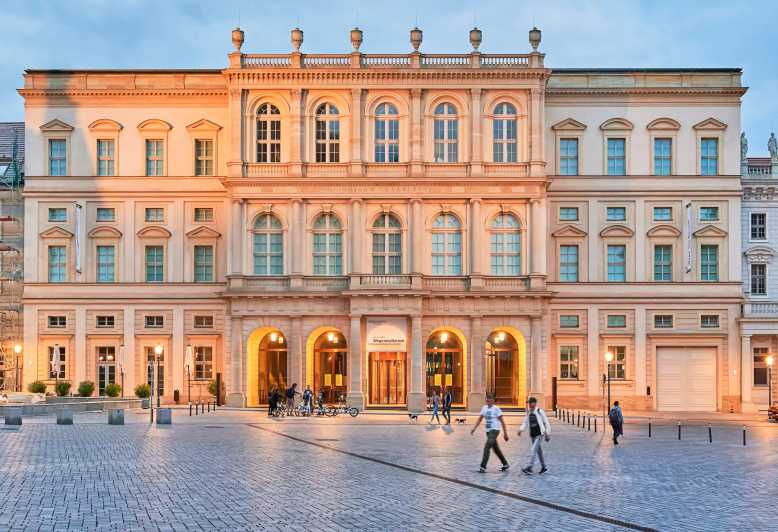
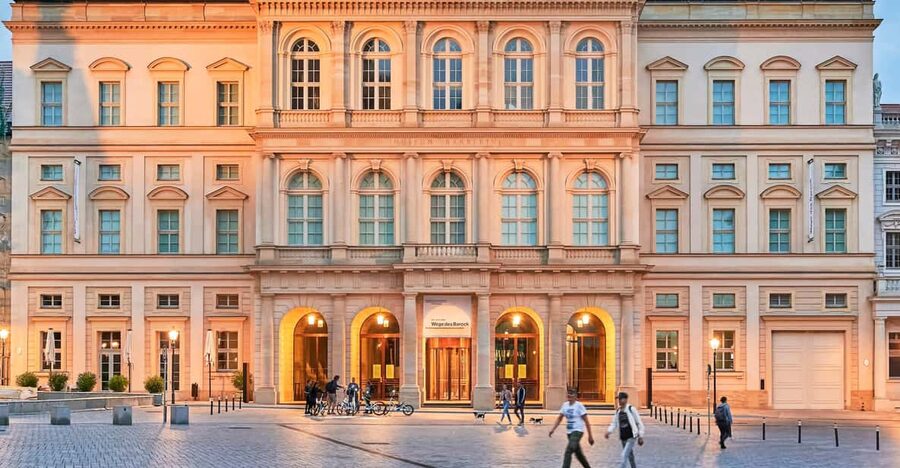
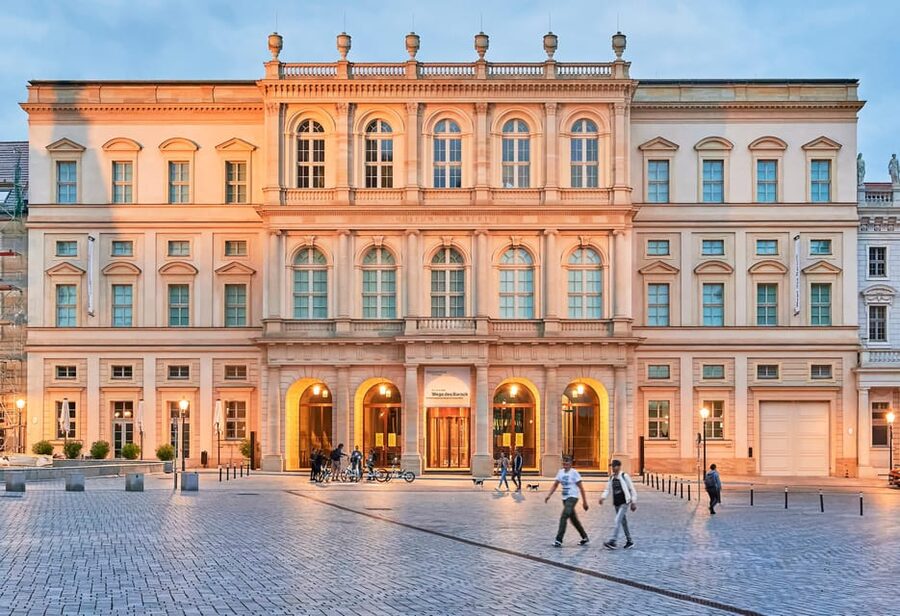
Museum Barberini is set in a reconstructed palace in Potsdam’s historic center, which matters more than it sounds. You’re not wandering through a generic art box; you’re walking through rooms built to frame art like it belongs to the space. That helps you settle in fast, especially if you’re combining this stop with other Potsdam sightseeing.
Once inside, the museum is designed for getting from one key group of works to the next without feeling lost. In other words, it works well for first-timers who want to understand the story quickly, and it still rewards repeat visits if you’re the type who likes to go back and compare what you noticed the first time.
The Impressionist core: Monet, Morisot, Renoir, and the rest
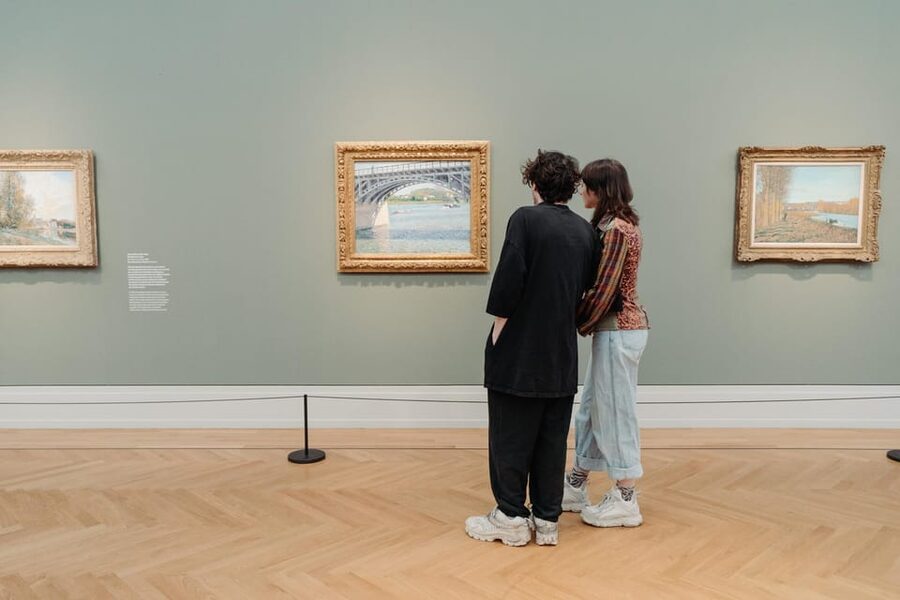
The heart of the experience is the permanent collection—over 100 Impressionist paintings from founder Hasso Plattner. You’ll see major names you probably learned from books, but here they land in a real museum setting where brushwork and color choices feel physical.
What really pulls me in is the breadth across artists who are often discussed separately. You get Berthe Morisot alongside Paul Cézanne, plus painters like Pierre-Auguste Renoir and Gustave Caillebotte. That mix is useful because it lets you see how Impressionism wasn’t one single look—it was a live conversation between artists.
And then there’s Monet. The museum has what’s described as the second-largest collection of Claude Monet paintings in Europe. Even if you’re not an absolute Monet superfan, that scale changes the visit. Instead of a few famous pieces, you get a real sense of how Monet’s eye developed through different subjects and moments.
How observation turns realism into abstraction
This collection has a quiet superpower: it shows how artists’ observation skills helped create realistic depictions that still point toward abstraction. That’s a big deal if you sometimes feel like modern art is about ideas only, not seeing.
In practice, this means you’ll keep noticing details while the style shifts around them. You might start by thinking you’re just viewing scenes, and then you realize the scene is built from the act of watching—light changes, edges soften, and perception becomes part of the artwork itself. It’s one of the best ways to understand why Impressionism feels immediate, even when it’s technically complex.
If you like art that rewards slowing down a little, you’ll probably spend extra time with the works that sit right on the line between recognizable and dreamlike. With only a 2-hour window, your best move is to pick a few key paintings and let those guide your attention rather than trying to see everything at the same depth.
The rotating element: three special exhibitions per year
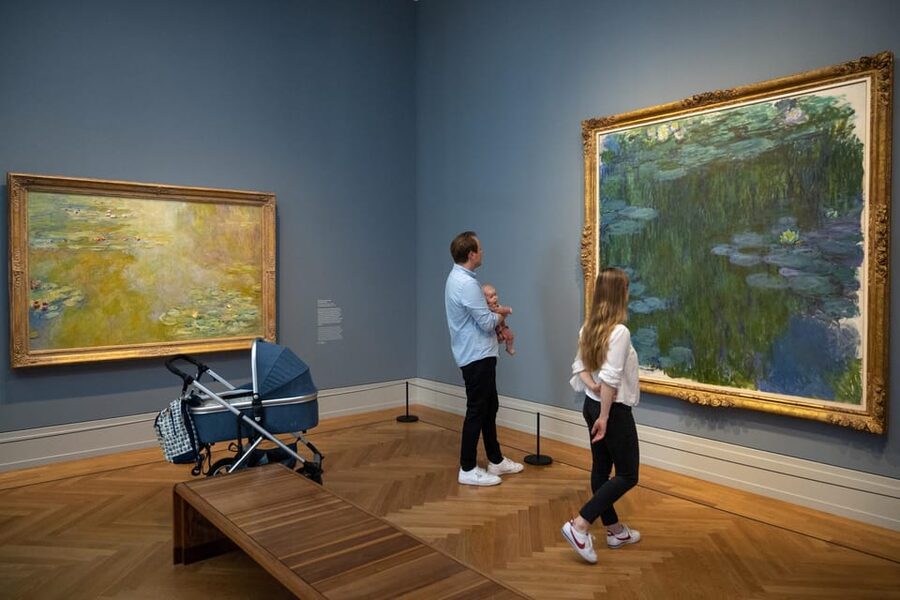
Beyond the permanent collection, you’ll have access to three special exhibitions annually. These shows bring in works on loan from international museums and collections, so you’re not only seeing the Barberini’s core strengths—you’re also getting a chance to connect Impressionism to what was happening around it.
This is valuable because it changes the museum from a static highlight reel into something that stays current. If you live nearby (or you’re traveling with flexibility), it’s also one of the reasons people return: the permanent collection gives you the foundation, and the special exhibitions give you a new angle each year.
A practical note: special exhibitions can be the part where you lose time, because they’re often designed for closer reading. In a 2-hour visit, decide early whether you want one special exhibition to be your main focus, or if you want to skim quickly to make sure you hit the permanent collection anchors.
More Potsdam tours to line up side by side



Using the Barberini app audio guide without feeling rushed
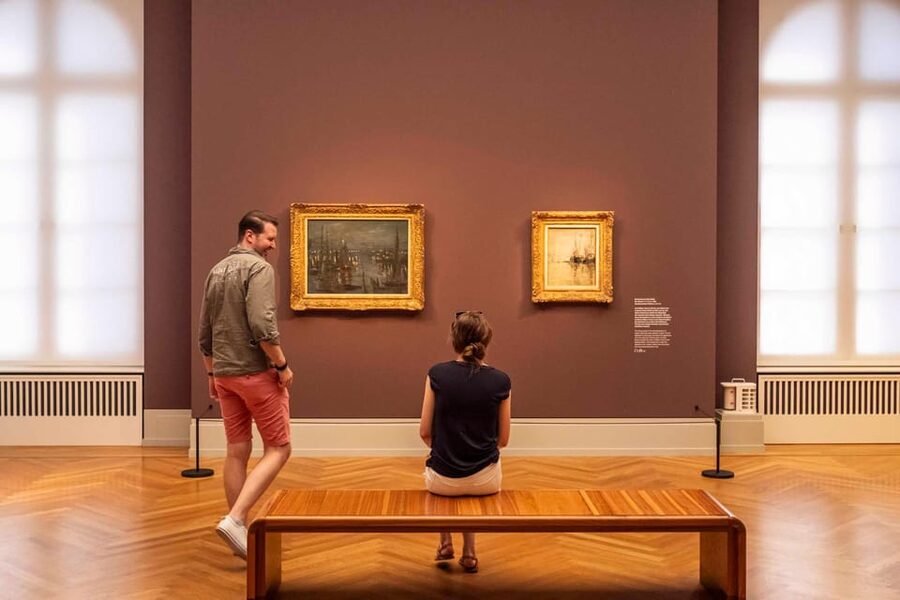
The ticket includes a digital audio guide through the Barberini app, downloaded to your phone. This matters because it turns a museum visit from wandering into a paced experience you control.
With only about 2 hours, the audio guide is your friend for three reasons:
- It helps you choose what to prioritize when there are many strong works in front of you.
- It gives you context as you move, so you’re not stuck reading labels while other parts of the room move faster.
- It keeps your visit coherent even if you change your mind mid-route.
My suggestion: don’t try to listen to everything start-to-finish. Use it like a map for your attention. Pick a few works you care about most—Monet, Morisot, Cézanne are obvious starting points—then let the guide shape what you notice next.
If you prefer a quieter visit, you can also use the guide as selective prompts. Walk first, then press play where a painting grabs you.
What the ticket covers (and what it doesn’t)
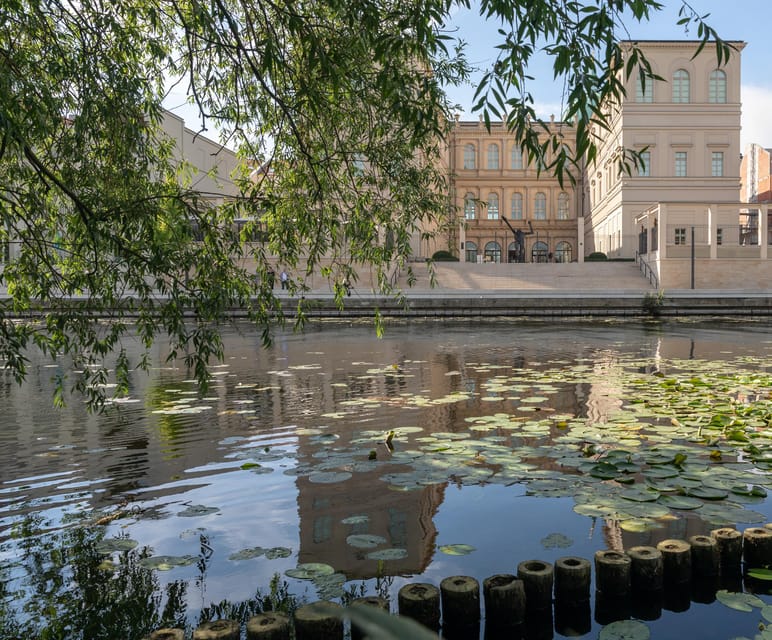
Your entry ticket covers the museum, including the permanent Impressionist collection and access to the special exhibition space. You also get the audio guide in the Barberini app as part of the experience.
What’s not included is education programs, workshops, and events. The museum does run a lively calendar—things like symposia, readings, guided tours, concerts, film evenings, and workshops—but those require extra tickets. So if you’re traveling for a pure “art viewing” session, you’ll likely be happy with just the entry ticket.
Also watch the on-site rules. The museum doesn’t allow food and drinks inside, and it forbids touching exhibits. Bags and backpacks are also not allowed, along with bikes and pets (assistance dogs are allowed). That means your visit depends a lot on how lightly you can travel.
Pace, rules, and the café-and-store finish
At around 2 hours, Museum Barberini is a smart fit for a morning or afternoon slot. The challenge isn’t getting in—it’s choosing where to spend your attention. The good news is that this collection is strong enough that even if you don’t see every single painting in perfect detail, you still get a satisfying overview.
If you’re traveling with items like a larger bag or backpack, plan ahead so you don’t end up stressed at the entrance. When a museum is strict like this, it’s usually faster to follow the rules early than to scramble on arrival.
When you’re done, you can reset at the Barberini Café and stop by the museum store. Since food and drinks aren’t allowed inside the galleries, the café finish is a practical way to make the visit feel complete without breaking the rules.
Price and value: why $11 can feel like a deal
The price is listed at about $11 per person, and for what you get, that’s a straightforward value proposition.
You’re paying for:
- admission to a major Impressionist permanent collection (over 100 paintings)
- access to special exhibitions happening that year (three annually)
- a free digital audio guide via the Barberini app
- a visit designed to work well in about 2 hours
You’re not paying for a scripted tour with a guide standing over you, and you’re not paying extra for an education program. That’s a good deal if you like control over pacing. It’s also a good deal if you want to cover a lot of art quickly without feeling like you’re stuck in a group schedule.
If you’re Monet-leaning, the value improves further because the museum’s Monet holdings are described as the second-largest in Europe. That kind of concentration is hard to beat at this price point.
Who this museum ticket suits best
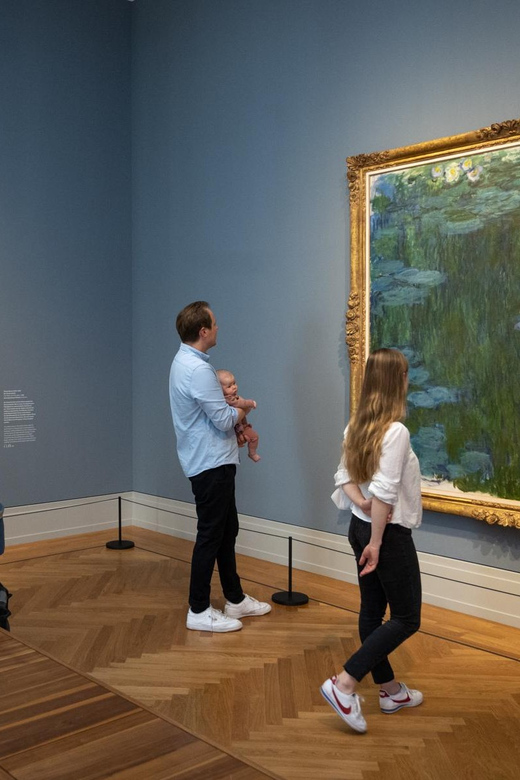
This ticket is a good fit if:
- you want a concentrated Impressionist hit without spending half a day
- you care about Monet and want more than one or two familiar works
- you like the connection between observation and artistic style shifts
- you’re the type who uses audio guides to structure your museum time
It’s also workable for many kinds of travelers. If you’re traveling solo, the self-paced audio guide style is freeing. If you’re with family or friends who don’t all love the same artists, the mix of names and the rotating special exhibitions help you split attention without leaving the museum empty-handed.
Should you book the Museum Barberini entry ticket?
If you want a museum visit that feels efficient and art-forward, I’d book this. The combination of over 100 Impressionist paintings, serious Monet depth, and included audio guidance makes it a strong value at about 2 hours.
The main reason not to book is if you’re the kind of visitor who needs lots of time to read, linger, and listen for every painting. The museum’s rules (no bags, no touching, no food/drinks in galleries) also mean you’ll enjoy it more if you travel light and keep your focus on the art.
FAQ
How long should I plan to spend at Museum Barberini?
The experience is listed at about 2 hours, so plan your visit around that time window.
What does the entry ticket include?
The ticket includes entrance to Museum Barberini, access to the permanent collection of Impressionist paintings and the special exhibition, plus a digital audio guide via the Barberini app.
Are food and drinks allowed inside the museum?
No. Food and drinks are not allowed.
Is Museum Barberini wheelchair accessible?
Yes, it is listed as wheelchair accessible.
Can I bring a backpack or bags into the museum?
No. Backpacks and bags are not allowed.
Can I cancel and pay later?
Yes. You can cancel up to 24 hours in advance for a full refund, and you can reserve now and pay later.
More Tickets in Potsdam

More Tour Reviews in Potsdam




A Day in Potsdam
Round out your days in Potsdam



Potsdam Day Trips, compared.
 ★ 4.7Potsdam: City and Castles TourFrom $293,721 reviews
 ★ 4.5Potsdam: Palace Tour by BoatFrom $272,369 reviews
 ★ 4.5Potsdam: Sanssouci Palace and Prussian Palaces Entry TicketFrom $252,101 reviews
 ★ 4.53-Hour World Heritage Cruise to PotsdamFrom $251,569 reviews
 ★ 4.6Sachsenhausen Concentration Camp and Potsdam TourFrom $651,334 reviews
 ★ 4.6Potsdam by Boat: Island CruiseFrom $421,308 reviews
 ★ 4.7From Berlin: Potsdam and Sanssouci Palace Tour with EntryFrom $751,219 reviews
 ★ 4.2Potsdam: City Sightseeing Hop-On Hop-Off Bus TourFrom $23864 reviews
Browse the lists this tour appears in