REVIEW · BERLIN
Berlin: David Bowie in 1970s West-Berlin
Bowie fans, this one hits close to home. This tour threads through 1970s West-Berlin, linking Bowie’s years there (1976–1978) to places like Hansa Studios, former clubs, and the City West streets that shaped his sound.
I love the way it turns famous stops into real context: Bowie’s electronic-sound curiosity, the influence of Düsseldorf and West-Berlin, and even the early landing spot in Edgar Froese’s apartment with Tangerine Dream. I also love the guide approach—Martin Sauter keeps things clear, friendly, and funny, with lots of detail and flexibility in a private setting.
One thing to consider: this is mostly an outdoors-and-on-the-move tour. If you want a lot of indoor time or a built-in meal, you’ll need to plan for that since food and drinks aren’t included.
In This Review
- Key things you’ll notice on this Bowie-in-West-Berlin tour
- Why 1976–78 West-Berlin mattered for Bowie
- Starting at Martin Gropius Bau: the Bowie exhibition vibe (without the museum overload)
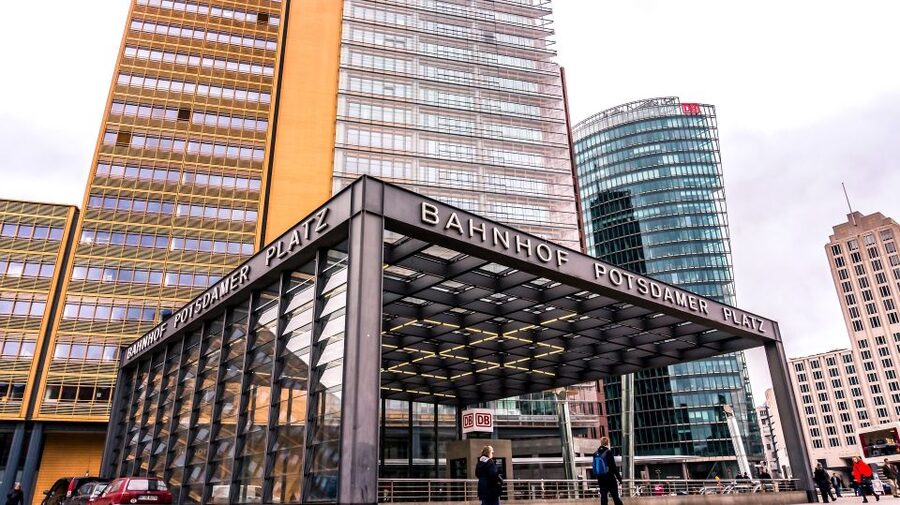
- Potsdamer Platz and City West: getting your bearings fast
- Standing in front of Hansa Studios: when sound becomes a location
- The club nights: Dschungel and Chez Romy Haag from the street level
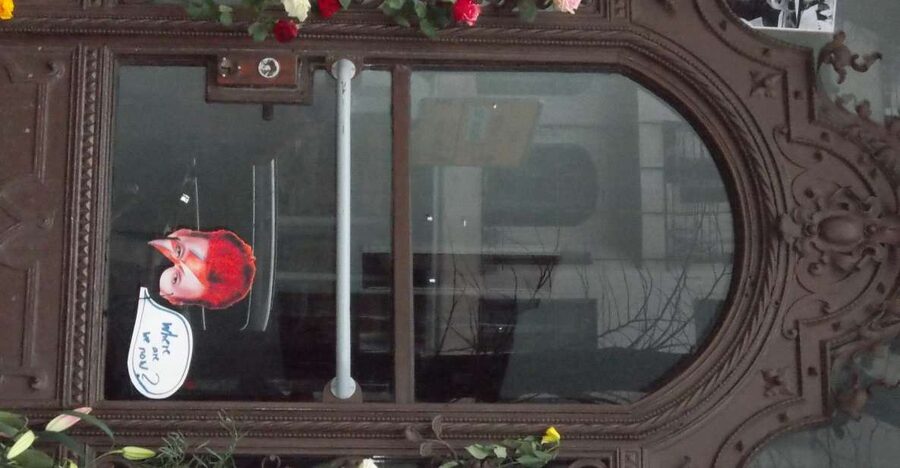
- The bus to Bowie’s Berlin home: closing with the most personal stop
- How Martin Sauter keeps the tour lively (and still accurate)
- Price and value: is $288 per person fair?
- Who this tour is best for
- Should you book this Bowie-in-West-Berlin tour?
- FAQ
- How long is the tour?
- What does the tour cost?
- Where does the tour start?
- Where does the tour end?
- Is hotel pickup included?
- What places will we see?
- What languages is the tour offered in?
- Is it a private group?
- Are food and drinks included?
- Can I cancel for a full refund?
Key things you’ll notice on this Bowie-in-West-Berlin tour
- Hansa Studios in front of the real building, tied to how Bowie worked with the sound of the era
- A practical 1970s soundtrack story, linking songs to specific parts of West-Berlin rather than random trivia
- Former club locations like Dschungel and Chez Romy Haag, where the nightlife atmosphere still matters
- Berlin home ending point, reached by bus after you’ve seen the wider City West context
- A private tour format guided in English, French, or German by Martin Sauter
Still narrowing down your days in Berlin? Here are more tours to weigh up.
- Berlin: Reichstag, Dome and Government District Guided Tour★ 4.7 · 18,288 reviews
- Berlin: 1-Hour City Tour by Boat with Guaranteed Seating★ 4.3 · 16,993 reviews
- Berlin: TV Tower Standard Entrance Ticket★ 4.4 · 15,883 reviews
- Berlin: Boat Tour Along the River Spree★ 4.4 · 11,252 reviews
Why 1976–78 West-Berlin mattered for Bowie

Bowie’s move to West-Berlin wasn’t just a change of scenery. After finishing Nicolas Roeg’s The Man Who Fell to Earth, he decided to leave his earlier life behind and settle in a city that was actively inventing new sounds.
A big theme here is music technology. You’ll hear why Bowie was fascinated by the emerging electronic sound, with Düsseldorf and West-Berlin both playing roles, and how that obsession shaped what he made while he lived there.
You also get the human side of that transition. Before he found his own flat, Bowie was given a place to stay in Tangerine Dream’s founder Edgar Froese’s apartment—an early chapter that helps explain why Berlin quickly felt like more than a backdrop.
Starting at Martin Gropius Bau: the Bowie exhibition vibe (without the museum overload)
The tour begins at Martin Gropius Bau, a strong first stop because it anchors you in Berlin’s long-running Bowie attention. This is where the legendary David Bowie exhibition appeared in 2014, and using that spot as a starting point helps you get the frame right away.
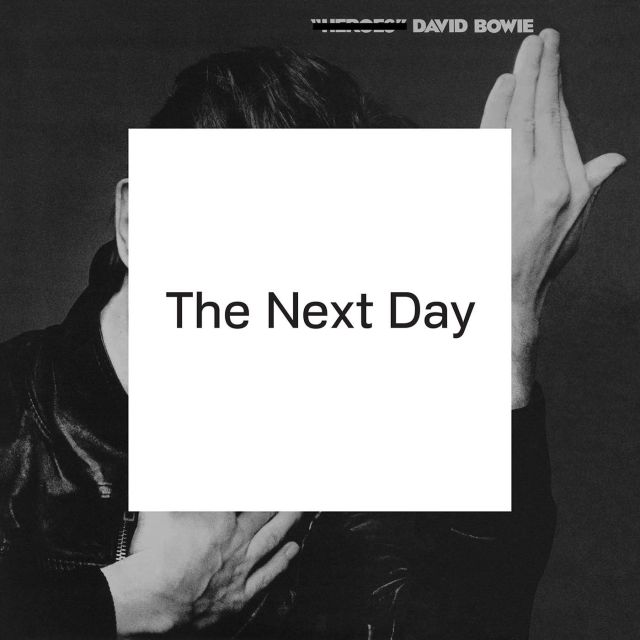
From there, you’ll move toward Potsdamer Platz, which Bowie later referenced in his 2012 Where Are We Now. It’s a useful reminder that Berlin wasn’t just a “past life” for him—it stayed in his creative memory long after he left.
This opening stretch matters for one simple reason: you’ll start learning the geography before you get hit with the emotional stuff. It’s easier to understand the later stops once you’ve got the layout in your head.
Potsdamer Platz and City West: getting your bearings fast
Once you’re out in the open, the tour leans into West-Berlin’s older identity—especially the City West side of town. You’ll pass landmarks and familiar corridors like Potsdamer Platz and continue through the area that feels like a meeting point between everyday Berlin and the music scene Bowie watched closely.
You’ll also go past KaDeWe. This isn’t about claiming Bowie lived a luxury lifestyle. It’s more about using a major landmark to show the kind of urban reality he was surrounded by during those years, where culture, commerce, and nightlife all shared the same streets.
The route is designed so you don’t just hear names—you learn the “why this place” logic. That’s what keeps the tour from turning into a list of famous addresses.
Standing in front of Hansa Studios: when sound becomes a location
The tour’s best-known stop is Hansa Studios, and yes—you’ll stand in front of the studio itself. For Bowie fans, that’s the big visual payoff. For everyone else, it’s the moment where you understand how seriously the city’s music world mattered to him.
What makes this stop valuable is the connection between place and process. You’re not just looking at a building; you’re hearing how Berlin’s electronic curiosity and modern studio culture fed the kind of work Bowie wanted to make in West-Berlin.
This is where the guide’s style really helps. Martin Sauter tends to explain things in a way that feels conversational, not like a lecture—clear, well-paced, and often with humor that keeps the story moving.
Also, the private-group format makes a difference here. If you’re a hardcore fan focused on specific songs, you can usually follow that lane more directly. If you’re more curious about Berlin’s era, Martin can tilt the explanation toward the city.





The club nights: Dschungel and Chez Romy Haag from the street level
One of my favorite parts of the experience is the way it brings nightlife into focus using real locations. You’ll pass the former locations of the Dschungel and the area around Chez Romy Haag, which helps you picture the social side of Bowie’s West-Berlin life.
These stops are interesting for more than nostalgia. Clubs aren’t just entertainment in a music story; they’re where people meet, ideas cross-pollinate, and scenes accelerate. Bowie’s time in Berlin wasn’t happening in isolation, and the tour makes that clear.
You’ll also get a tour-wide theme about how Berlin shows up in his songs. The guide ties the city’s influence to tracks like Heroes, plus songs such as Boys Keep Swinging, Yassassin, and Neuköln—including a note that Bowie intentionally misspelled Neuköln. Those details matter because they show Berlin as a real creative ingredient, not just a setting.
If you’re the type who likes music history but hates dry dates, these club stops are where the story becomes human-scale.
The bus to Bowie’s Berlin home: closing with the most personal stop
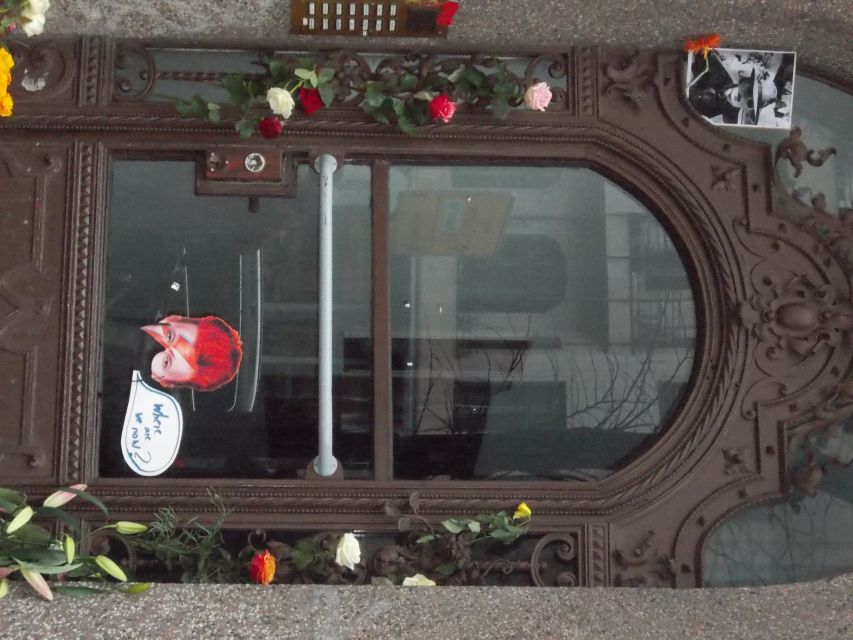
After you’ve walked the main City West and studio beats, you board a bus to get to David Bowie’s Berlin home. The tour ends outside the home, which is the most intimate feeling moment of the day.
This ending works because you’ve already built the context. You’ve seen where he spent time culturally, you’ve heard how Berlin influenced his sound, and now you’re finishing at the place representing his day-to-day life.
There’s a practical upside too: that bus segment breaks up the pace. With a total duration of 3 hours, you don’t feel like you’re doing an all-day marathon, and the structure keeps the time focused.
How Martin Sauter keeps the tour lively (and still accurate)
This is a guided experience built around one main thing: storytelling with details you can actually use. The guide, Martin Sauter, is known for being personable and very knowledgeable about Bowie and Berlin, but the better word is readable.
In real terms, that means you’re not stuck waiting through long monologues. The tour has a rhythm—walk past this, pause there, connect it to that song or that sound shift—and it stays engaging.
It’s also a private group, and the guide can adapt to what you care about. If you’re visiting as a fan, you’ll likely appreciate the “on the ground” feel of standing where Bowie’s life intersected with Berlin’s music scene. If you’re visiting Berlin with broader interests, you’ll still come away with a clearer sense of what West-Berlin felt like in those years.
Price and value: is $288 per person fair?
At $288 per person for a 3-hour private tour, you’re paying for focus, not just a route. In this case, the value comes from three things you don’t get from a big group bus tour: a smaller setting, an in-depth narrative about why Bowie chose Berlin, and a route that includes studio frontage plus multiple specific West-Berlin hangouts.
Hotel pickup is available if you want it, which can quietly save time and hassle. And since the tour includes a bus transfer to Bowie’s home, it’s not just walking and pointing.
The trade-off is simple: food and drinks aren’t included, and it’s mostly an outdoors experience. So if you’re hungry, you’ll want to plan something before or after, and you’ll want comfortable shoes because you’ll be spending time out in the city.
For fans who care about Bowie’s Berlin phase specifically, this price can feel very reasonable. For casual visitors who mainly want a general highlights sweep of Berlin, you might prefer a broader attractions tour—unless Bowie’s story is the real reason you’re here.
Who this tour is best for
This tour is a strong fit if any of these describes you:
- You came to Berlin because of Bowie, especially the West-Berlin years between 1976 and 1978
- You like music history that links songs to real streets and specific places
- You want a private guide who can keep the pace friendly and responsive
It’s also a good choice for people who know Bowie by reputation but want the missing context. You don’t need to be an expert to follow along, because the story is built from the city outward, not from random facts that don’t connect.
Should you book this Bowie-in-West-Berlin tour?
I think you should book it if Bowie’s time in West-Berlin is what you want your Berlin trip to revolve around. The combination of Hansa Studios, former club sites, and the ending at Bowie’s home gives you both the big landmarks and the personal ending that makes the story stick.
Skip it if your ideal tour is lots of indoor museums, or if you need a meal included. This is designed for seeing places from street level and hearing what those places meant, not for staying seated in climate-controlled spaces.
If you do book, pick a moment when you’re not rushed. With a 3-hour private format, you’ll get the best experience when you can slow down, listen, and let the West-Berlin story land where it belongs: on the streets.
FAQ
How long is the tour?
The tour lasts 3 hours.
What does the tour cost?
The price is $288 per person.
Where does the tour start?
The tour starts at Martin Gropius Bau, where your guide is holding a David Bowie album, book, or CD.
Where does the tour end?
The tour ends at David Bowie’s Berlin home. You’ll reach it by bus after touring the other stops.
Is hotel pickup included?
Hotel pickup is included if you request it.
What places will we see?
You’ll stand in front of Hansa Studios, pass the former locations of the Dschungel and Chez Romy Haag, and you’ll also see stops including Potsdamer Platz and KaDeWe, before heading to Bowie’s home.
What languages is the tour offered in?
The live guide offers the tour in English, French, and German.
Is it a private group?
Yes, it’s a private group.
Are food and drinks included?
No, food and drinks are not included.
Can I cancel for a full refund?
Yes. You can cancel up to 24 hours in advance for a full refund.