
REVIEW · SPREE RIVER CRUISES
Berlin East Side Tour 2.5 hour cruise with commentary
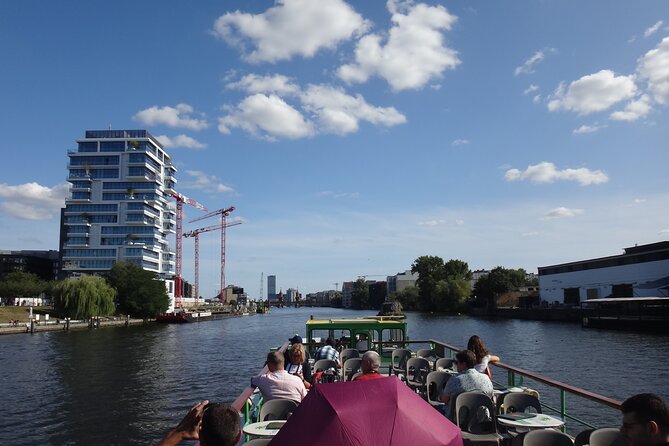
Berlin from a boat beats almost anything. This 2.5-hour East Side cruise turns a normal afternoon into an easy history loop on the Spree—East Side Gallery, Museum Island sights, and government landmarks all in one ride.
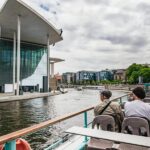
I especially like how the live narration gives you real context while you float past places you’d usually need multiple bus or walking stops to reach. And I like the on-the-water views: bridges, domes, and big public buildings look different when you’re low on the waterline instead of on the sidewalk.
One drawback to plan for: the boat’s experience depends a lot on where you sit. The upper deck can be hot and the sound can be harder to catch there, while the lower areas may feel stuffier if ventilation is limited.
In This Review
- Key highlights to watch for
- Booking this 2.5-hour Spree loop: what you’re really paying for
- Meeting at Alte Börse and settling in for the ride
- Upper deck vs lower deck: comfort, sound, and why it changes everything
- Lustgarten and Berlin Cathedral views: the monument you can’t miss
- Museum Island from the Spree: UNESCO in your peripheral vision
- Mühlendammschleuse lock: where Berlin’s waterways shaped the city
- East Side Gallery: Cold War art you can see in motion
- Oberbaum Bridge area and the Spree sculptures you’ll recognize
- Nikolaiviertel and the TV Tower: old settlement and modern skyline
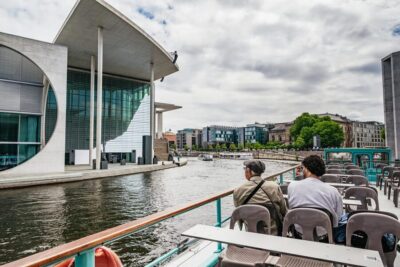
- Reichstag, government buildings, and House of World Cultures in one river view
- Bridges and border-memory spots: Palace of Tears and the Spree’s crossings
- Who should book this cruise, and who might skip it
- Price and value vs shorter cruises and walking tours
- So, should you book the Berlin East Side Tour?
- FAQ
- How long is the Berlin East Side Tour cruise?
- Is the onboard commentary offered in English?
- Do I pay extra for food and drinks?
- Where do I meet, and where does it end?
- Is there a toilet on board?
- Can I cancel for free?
Key highlights to watch for
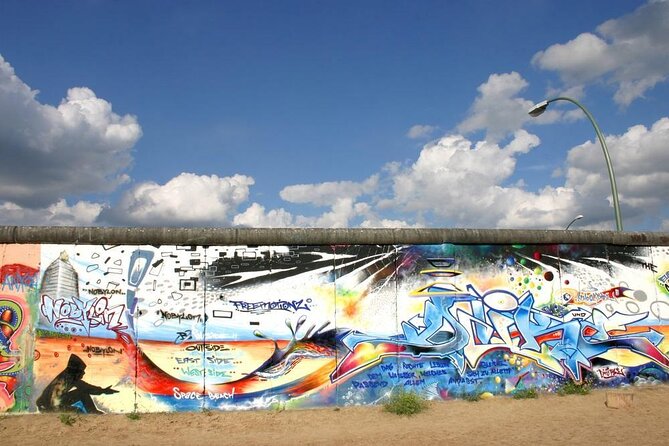
- East Side Gallery from the Spree: art on the longest surviving stretch of the Berlin Wall, explained as a border-era story, not just a mural.
- Mühlendammschleuse lock time: you slow down for the lock near Berlin’s founding area and feel how the waterways shaped the city.
- Museum Island and the Lustgarten axis: cathedral, palace-world museums, and UNESCO-listed Museum Island viewpoints from the river.
- Oberbaum Bridge and the East-meets-south skyline: you get a postcard-like cross-section of districts you’d otherwise piece together.
- Modern Berlin icons in one pass: Reichstag dome exterior views, House of World Cultures, and the river bridges that knit neighborhoods.
- Pick your deck for comfort: great views upstairs, but sound/heat can be a mixed bag.
More time out on the Spree
- Berlin: Boat Tour Along the River Spree★ 4.4 · 11,252 reviews
- Berlin: 1-hr Boat Tour with Bilingual Live Guide (DE/EN)★ 4.7 · 5,653 reviews
- Berlin: 3.25-Hour Spree & Landwehrkanal Boat Tour★ 4.6 · 4,311 reviews
- Berlin: 1-Hour City Sightseeing Cruise★ 4.4 · 2,210 reviews
Booking this 2.5-hour Spree loop: what you’re really paying for
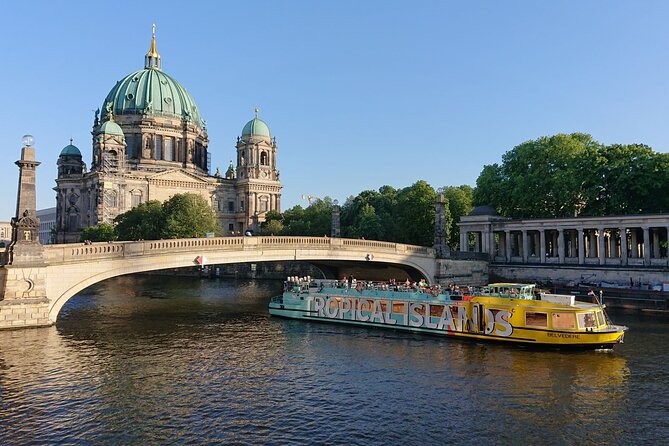
This ride is priced at $36.04 per person for about 2 hours 30 minutes of cruising with live commentary in English and German. That may sound like “just another cruise” until you map what you’re actually seeing. You’re not only gliding past postcard spots; you’re also going through the city’s water infrastructure and getting close to major landmarks along a long stretch of the Spree.
The value shows up in three ways. First, you get a longer run than the common 1-hour options, so the tour has time to reach more interesting bends of the river. Second, live commentary helps you understand what you’re looking at without needing to stop and read signs every few minutes. Third, you’re seeing many of Berlin’s key points from a single angle—water level—so the city’s scale and layout click faster.
The small practical details matter too. The boat runs with a maximum of 55 travelers, you’ll have a toilet on board, and you get a mobile ticket. There’s also an onboard bar for drinks and food, but it’s own expense, not included.
Meeting at Alte Börse and settling in for the ride
You start at Anlegestelle Alte Börse / BWSG Berliner Wassersport und Service GmbH, Burgstraße 27, 10178 Berlin. The scheduled departure is 2:45 pm and the cruise returns to the same meeting point.
Because it’s a river cruise through a busy central corridor, I’d treat this like any other timed attraction: arrive early enough to find seating and get settled before the boat pulls away. If you want the best views, you’ll usually want to be on deck early. If you want quieter surroundings and easier access to the onboard bar area, arriving early still helps you avoid the “stuck with whatever seat is left” problem.
Upper deck vs lower deck: comfort, sound, and why it changes everything
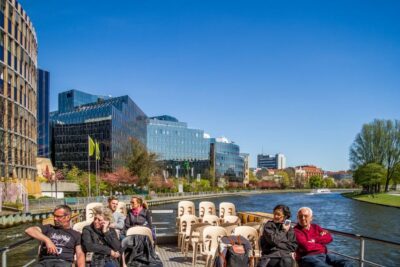
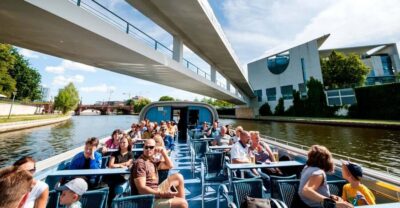
This is the part people feel in their bones, because Berlin weather can flip fast. The upper deck is where the views are easiest—open sightlines, great photos, and that fresh-air feeling you only get on the water. One downside: on sunny afternoons it can get hot upstairs, and sound can be harder to follow if wind carries it away or if you’re not in the best listening spot.
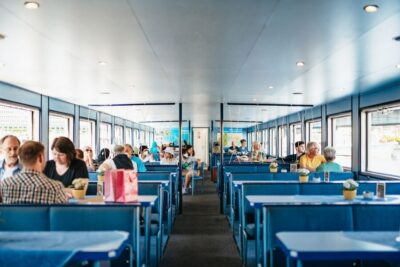
Downstairs is usually more sheltered, but you may still run into comfort issues. Some boats on the Spree can feel stuffy if air circulation is weak, and if windows don’t open fully you’ll feel that. One practical tip: bring a light layer you can adjust, not a single “perfect” outfit. You’ll thank yourself when the sun hits the upper deck and then the angle changes.
Also pay attention to seating layout. Seats can be arranged in connected rows, which can feel tight if you’re tall or you’re sharing a bench with strangers. If you’re picky about space, go for the areas that let you stretch rather than the center benches.
Finally: the narration is live and two languages are involved. If you’re an English-first listener, try to position yourself so you’re ready for the moment the English portion begins. If you join the cruise already late to boarding or you spend time adjusting, the early part of the commentary may be less clear than you hoped.
Lustgarten and Berlin Cathedral views: the monument you can’t miss
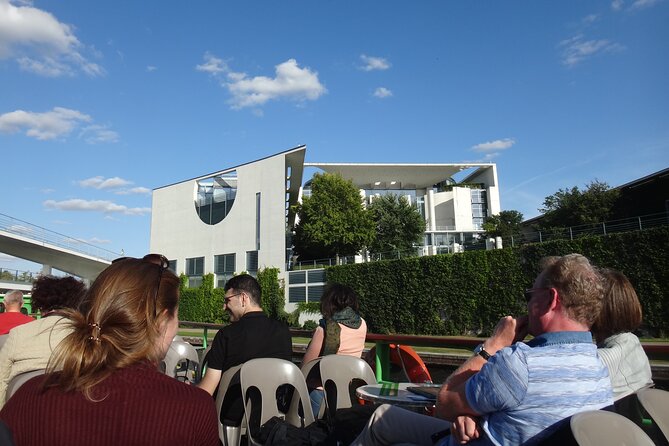
One of the easiest wins of this cruise is how it lines up the Berlin Cathedral (Oberpfarr- und Domkirche zu Berlin) near the Lustgarten. From the water, the cathedral reads as more than a pretty façade. You see its sheer mass and its “official Berlin” posture at the heart of Museum Island’s cultural zone.
This church was built in 1894–1905 in a Neo-Renaissance / Neo-Baroque style, and it’s also a major Protestant landmark and a dynastic burial site. Even if you don’t go inside, the river perspective helps you understand why this area matters: it’s the city’s museum and monument belt, built to be seen from key public spaces and thoroughfares.
If you like architecture, this is one of the moments to lean in and look up—not just straight ahead. Cathedral lines tend to “snap” into place when you see them from a consistent lower angle like the Spree provides.
More boat trips around Berlin

Museum Island from the Spree: UNESCO in your peripheral vision
You’ll also pass the Museum Island (Museumsinsel) area—one of Europe’s most important museum complexes. It’s UNESCO World Heritage as a whole (listed in 1999), built between 1830 and 1930 for Prussian royal projects by multiple architects.
From the river, you’re not touring the galleries, but you get the bigger picture: five major museums in one museum-corridor pack. Expect the river-side views of the Old Museum, New Museum, Old National Gallery, Bode Museum, and Pergamon Museum (and the nearby James Simon Gallery opened in 2019 as a visitor center).
Here’s why this matters even if you’re not museum-hopping today: Museum Island is a design concept. Standing on the street, you can lose the relationship between buildings. From the water, it feels like a planned skyline and it’s easier to see how the ensemble works.
Mühlendammschleuse lock: where Berlin’s waterways shaped the city
This cruise includes the Mühlendammschleuse lock, and this is a genuinely interesting “slower” moment. The lock is located in the Mitte district east of Mühlendamm on the Fischerinsel, in the course of the Spree. It’s tied to the early network of water connections between Berlin and Cölln, where the city’s story began.
The lock itself is part of modern Berlin infrastructure (in operation since 1942) and it overcomes a drop of 1.51 meters. You’ll have time to experience the lock passage and the boat’s rhythm changes as you approach it.
If you’re used to sightseeing only through buildings and monuments, this is a nice balance. It reminds you that Berlin isn’t just a history story—it’s a geography story too. And the waterways are one of the reasons Berlin became what it is.
East Side Gallery: Cold War art you can see in motion
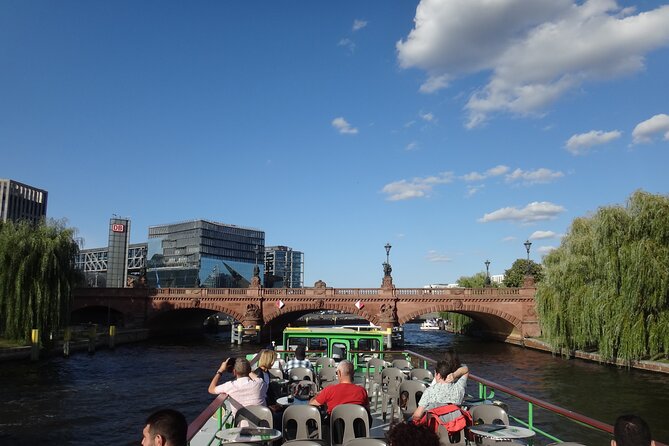
The highlight for most people is the East Side Gallery, the permanent open-air gallery on the longest surviving section of the Berlin Wall along Mühlenstraße by the Spree.
In spring 1990, after the wall opened, 118 artists from 21 countries painted this stretch over 1316 meters. What you see today isn’t the original entire length, though. Due to urban planning measures, only replicas made in 2009 remain in places. The commentary helps you understand the difference between the wall-as-border and the wall-as-memorial.
Important detail that the cruise context makes clear: the “actual border” here ran along the Kreuzberg bank of the Spree, and the gallery sits on what’s called the Hinterland Wall, meaning it faced East Berlin while separating the border area.
This is one of those times when looking from the water feels more emotional than looking from the sidewalk. The Spree puts a literal “gap” between you and the art, so you feel the border logic more directly.
Oberbaum Bridge area and the Spree sculptures you’ll recognize
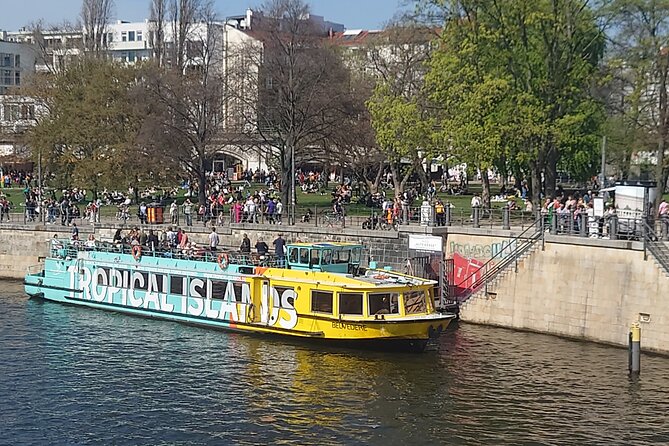
As you continue, you pick up the river’s best mix of landmark architecture and public art. You’ll glide through the area around Oberbaumbrücke, with views that make the bridge feel larger and more layered than it does on land.
You’ll also get the Molecule Man, a monumental sculpture by the American artist Jonathan Borofsky, created in May 1999. It’s a three-person sculpture set up in the Spree near the intersection of Kreuzberg, Alt-Treptow, and Friedrichshain districts.
If you’ve never seen Molecule Man in person, you might expect it to feel like a quirky roadside statue. From the boat, it becomes something else: a marker of how Berlin keeps adding contemporary art into older, story-heavy city space.
Nikolaiviertel and the TV Tower: old settlement and modern skyline
The cruise also brings you past Nikolaiviertel, Berlin’s oldest settlement area. It was almost completely destroyed during World War II and later rebuilt in 1980–1987 by architect Günter Stahn for the East Berlin magistrate on the city’s 750th anniversary.
This is a place that can look “storybook” if you only see photos. From the river, it reads more like a reconstructed town edge—useful for understanding how Berlin rebuilt itself without losing its shape.
Then there’s the Berlin Television Tower. At 368 meters, it’s the tallest building in Germany and one of the continent’s most recognizable TV towers. The cruise gives you the skyline connection, letting you clock where modern Berlin rises from the city’s historic core.
Reichstag, government buildings, and House of World Cultures in one river view
One reason this cruise works so well for first-timers is that you get the “big three” of Berlin’s modern identity without switching transport: the Reichstag, international culture architecture, and the river’s government-district layout.
The cruise passes the Reichstag building, seat of the German Bundestag since 1999. You see the accessible glass dome above the plenary hall and the modernized form after major destruction and later redesign. The commentary frames it as the parliament’s layered story: imperial era, Weimar era, then the postwar rebuilding and redesign in the 1990s.
You’ll also see the House of World Cultures (HKW). Since March 1989, it’s been an exhibition space for international contemporary art and a forum for current discussions, with a special focus on non-European cultures and societies. It’s known informally in Berlin by its shape as the Pregnant Oyster, and from the river you get a clean view of why people call it that.
If government architecture isn’t your usual thing, this is still worth it. The river angle makes these buildings feel less like distant “photo targets” and more like part of Berlin’s daily plan.
Bridges and border-memory spots: Palace of Tears and the Spree’s crossings
Berlin’s bridges aren’t only for getting across. They’re part of the story. On this cruise you cross into sightlines of several key crossings and riverside areas.
You’ll see the Weidendammer Bridge, which traces back to an earlier bridge from the 17th century, making today’s bridge the third oldest bridge in the old Berlin city center. You also pass the area around Friedrichstraße where the Palace of Tears sits—the colloquial name for the former departure hall at the border crossing point Bahnhof Friedrichstraße.
The Palace of Tears gets its name from East Germans saying goodbye to visitors from the West in tears. The commentary explains how the space functioned in the GDR travel system, including that the control counters were manned by Ministry for State Security employees in GDR border troop uniforms.
This is one of those moments where you might find your brain quiet for a second. A river cruise is supposed to be easy, but Berlin forces you to feel the weight of places like this even when you’re just passing by.
Who should book this cruise, and who might skip it
This tour is a strong match if you want an efficient day structure. It’s excellent for:
- Your first 1–2 days in Berlin when you want many highlights without changing plans
- People who love architecture and city form more than “museum ticket lines”
- Anyone who wants a calmer alternative to constant walking
You might consider a different option if:
- You’re very sensitive to heat or airflow issues and only feel comfortable in fully climate-controlled spaces
- You rely on crystal-clear narration and sit wherever the sound drops (choose your seat carefully)
- You’re traveling with small kids and need very short attention spans (the time is on the longer side)
For solo travelers, it can feel easy because you’re seated while Berlin moves past. For couples, it’s a nice “talk and watch” setup—especially if you grab a good view on the upper deck.
Price and value vs shorter cruises and walking tours
At $36.04, you’re paying for a longer ride plus the lock passage and more distant landmarks than many standard options. One clear advantage is that the extra time lets the route stretch farther along the Spree and reach more of the “layers” of Berlin in a single outing.
Compared with walking tours, you’re not getting the close-up street-level details. But you are getting speed, comfort, and a consistent viewpoint. Compared with shorter cruises, this one feels less like a warm-up lap and more like a real tour of the river corridor.
And yes, the bar is on board for drinks and food at your expense. That’s not a negative—just plan for it. Bring water expectations and enjoy that you can take a break without leaving the boat.
So, should you book the Berlin East Side Tour?
I’d book it if you want a 2.5-hour, viewpoint-first way to connect East Side Gallery memory to modern Berlin architecture. It’s a good use of an afternoon because it gives you structure: cathedral zone, Museum Island sights, the lock near Berlin’s beginnings, the Wall memorial area, and government landmarks before you’re back where you started.
Skip it (or at least choose your deck carefully) if comfort and sound clarity are your top priorities. Your seat choice matters. On warm days, plan for the possibility that upstairs heat can be real, and upstairs listening can be imperfect. If you want the most relaxing experience, arrive early, pick your spot, and dress for shifting temperatures.
If you get that right, this cruise is one of the easiest ways to make Berlin feel like one connected city instead of a pile of separate stops.
FAQ
How long is the Berlin East Side Tour cruise?
It runs for about 2 hours 30 minutes.
Is the onboard commentary offered in English?
Yes. The cruise includes live commentary in English (and also German).
Do I pay extra for food and drinks?
Yes. There’s an onboard bar with food and drinks, but it is own expense. Food and drinks are not included.
Where do I meet, and where does it end?
You start at Anlegestelle Alte Börse / BWSG Berliner Wassersport und Service GmbH, Burgstraße 27, 10178 Berlin and the tour ends back at the same meeting point.
Is there a toilet on board?
Yes, there is a toilet on board.
Can I cancel for free?
Yes. You can cancel up to 24 hours in advance for a full refund.
More Tours in Berlin


More Tour Reviews in Berlin
More Hours on the Spree

Round out your days in Berlin
Spree River Cruises, compared.
 ★ 4.31-Hour City Tour by Boat with Guaranteed SeatingFrom $2516,993 reviews
 ★ 4.4Boat Tour Along the River SpreeFrom $3411,252 reviews
 ★ 4.71-hr Boat Tour with Bilingual Live Guide (DE/EN)From $225,653 reviews
 ★ 4.63.25-Hour Spree & Landwehrkanal Boat TourFrom $384,311 reviews
 ★ 4.5Potsdam: Palace Tour by BoatFrom $272,369 reviews
 ★ 4.41-Hour City Sightseeing CruiseFrom $252,210 reviews
 ★ 4.42.5-Hour East Side Boat Cruise with CommentaryFrom $352,016 reviews
 ★ 4.6Spree Boat Tour to MüggelseeFrom $251,973 reviews
Browse the lists this tour appears in