REVIEW · BERLIN
Delicious Deutsch: Learn German while creating German Breakfast
German breakfast, taught with real food.
This Berlin experience pairs a hands-on market-to-kitchen day with German practice built around what you see, touch, cook, and taste. You start with fresh produce and ingredients, then you turn them into an elaborate breakfast while beginner to intermediate German language skills get used out loud.
I like two things most. First, the German learning is practical, because you’re not memorizing phrases in the abstract—you’re using vocabulary while you handle ingredients and follow recipes. Second, the host experience sounds genuinely warm, with guides such as Kit known for making people feel like old friends and even helping families keep their kids included.
One consideration: the start time is listed as 9:30 pm, so double-check your confirmation and plan your evening logistics before you go.
In This Review
- Key highlights you should know
- Why a German breakfast lesson works for language learning
- From Goltzstraße to the market: where your German starts
- Cooking in a Berliner kitchen: hands-on German, not classroom German
- The German you’ll use: ingredients, techniques, and speaking confidence
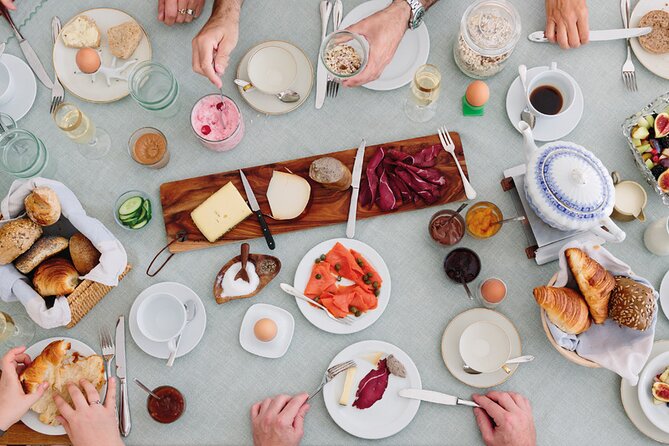
- What the meal is like: an elaborate Frühstück you can taste
- Price and logistics: what $110 buys you in Berlin
- Who this suits best (and who might want a different plan)
- Should you book? My practical take
- FAQ
- Where is the meeting point?
- How long is the experience?
- What does the price include?
- Is transportation included?
- Is it a private group?
- Are service animals allowed?
Key highlights you should know
- Market shopping as language practice: You learn words and expressions while selecting fresh items in a farmer-style outdoor market setting.
- A multi-sensory way to study German: The class is designed around seeing, handling, cooking, and tasting, so the language sticks better.
- A real home-cooking vibe: You cook in the host’s home, not a classroom, which keeps the focus on doing.
- Beginner to intermediate friendly: The program is designed to build speaking ability from basic comfort levels.
- Dietary flexibility can be accommodated: There are examples of the host working around dietary restrictions.
- Private group feel: It’s your group only, so you’re more likely to actually speak and ask questions.
Still narrowing down your days in Berlin? Here are more tours to weigh up.
- Berlin: Reichstag, Dome and Government District Guided Tour★ 4.7 · 18,288 reviews
- Berlin: 1-Hour City Tour by Boat with Guaranteed Seating★ 4.3 · 16,993 reviews
- Berlin: TV Tower Standard Entrance Ticket★ 4.4 · 15,883 reviews
- Berlin: Boat Tour Along the River Spree★ 4.4 · 11,252 reviews
Why a German breakfast lesson works for language learning

If you’re trying to learn German in Berlin, you need more than a worksheet and a good app. This experience is built around action. You see ingredients, you handle them, you prepare and cook them, and you taste them. That’s not just fun. It’s a smart way to connect new words with real meaning.
The teaching approach is multi-sensory on purpose. When you use multiple senses and physical movements at the same time, your brain has an easier job filing the new language into memory. It also gives your mouth a reason to work: you’re speaking because you’re cooking, not because someone handed you a script.
This is also why the setting matters. Berlin has plenty of ways to practice German, but a breakfast-focused class naturally pulls you into the vocabulary of everyday life: food, ingredients, and cooking steps. And since the program targets beginner to intermediate levels, you’re not expected to already sound fluent. You’re expected to try.
Finally, it’s not just language. You also pick up context about German food culture and you’ll hear some Berlin history, depending on your guide and the conversation flow.
From Goltzstraße to the market: where your German starts
Your day begins at Goltzstraße 36, 10781 Berlin, and it ends back at the same meeting point. The experience starts at 9:30 pm per the listing, so check your booking confirmation carefully. Because you’ll likely be standing and moving around, wear shoes that handle uneven sidewalks and carry your water bottle if you get thirsty easily.
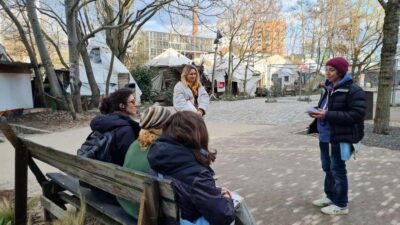
The program starts with ingredient shopping in an outdoor market environment that feels like a farmer-style place. That opening matters. It sets the tone for the language learning right away: you’re not waiting until the kitchen to begin. You’re asking for things, talking through what you’re choosing, and using German terms tied to the actual foods you’ll cook.
You should expect your guide to connect the market items to what people eat and why. In past sessions, guests have described lively discussions about fresh, local, and sustainable meat and produce philosophies. That kind of conversation does two things for you. It makes the food feel real, and it gives you language for values and preferences, not only menu words.
What to watch for: market pacing can vary. If you’re traveling with kids or you’re watching your energy for the evening, tell your guide what you need. Because this is a private activity (just your group), you have a better chance to match the pace to your comfort.
Cooking in a Berliner kitchen: hands-on German, not classroom German
After selecting ingredients, you move into the cooking portion at the host’s home. This is where the “Deutsch” part gets real. Recipes force sequence. Ingredients force specificity. Cooking tools force action. And all of it creates natural moments to speak out loud.
I like this setup for one reason: you’re not just repeating words. You’re turning them into steps. You might get recipe directions, cooking techniques, and ingredient explanations alongside the German you need to understand and respond. Even if your vocabulary is small, the physical activity supports the meaning.
This is also the point where the embodied learning idea becomes practical. When you’re chopping, mixing, simmering, or plating, the sensory cues help your brain build stronger associations. Smell helps. Texture helps. Temperature helps. It’s easier to remember “the word for this step” when you’ve just done it.
In reviews of this style of experience, hosts like Kit have been described as especially welcoming, with homes that feel comfortable and organized for cooking. One standout theme is how well the host includes people, including children. If you’re traveling as a family, that matters. German practice works better when everyone feels relaxed enough to participate.
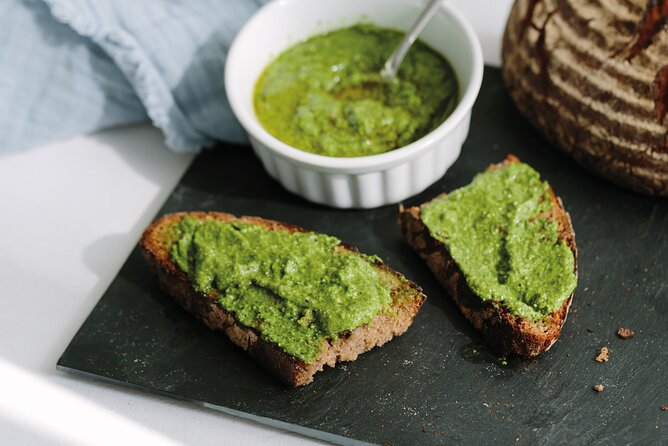
One more practical note: the experience includes breakfast, so you’re not just learning and then leaving hungry. You’ll plan to cook and then eat what you made.
The German you’ll use: ingredients, techniques, and speaking confidence
Beginner to intermediate language learning can fail when it only rewards passive listening. This class is set up to reward speaking. You’re likely to hear German connected to real objects and real tasks, which lowers the pressure of guessing meaning.
Here’s the kind of German you can expect to practice in a cooking context:
- Ingredient vocabulary tied to what you actually bought
- Cooking verbs and step phrases that match the action happening right now
- Simple explanations of techniques and what changes when you cook
- Conversation moments as you coordinate the process with your group
The good news is that you don’t need to know perfect grammar to participate. Cooking is forgiving. You can point, react, ask, and confirm. And because it’s private, your guide can steer the language toward what you can handle.
If you’re the type who learns by doing, you’ll probably feel a quick boost in confidence. And if you’re more anxious about speaking, the structure helps. People often fear language classes because they feel like they’re being tested. Here, the goal is feeding people and making a meal. Speaking becomes part of the work.
Also, because the experience is set in Berlin, the food talk often connects to the local food story. You’ll pick up how Germans think about ingredients and meals, plus some Berlin context. That turns language study into cultural study, which makes it more motivating.



What the meal is like: an elaborate Frühstück you can taste
The experience is framed as a German breakfast affair. You’ll create an elaborate breakfast and then eat it as part of the program. That included meal is a major part of the value. Many language experiences cost money but give you very little tangible output. This one produces food—and the food is part of the learning loop.
Because you’re cooking with fresh produce and ingredients from the market, you get to connect the choices you made outside with the final results. That makes the vocabulary stick even if you forget a word later. You’ll remember the ingredient and the step, and you’ll understand why the guide said what they said.
In past sessions, people have described the day as a highlight of their trip, and the focus has stayed on the overall experience: market time, ingredient selection, cooking with a warm host, and time that can stretch longer when the conversation and cooking flow naturally. Your exact pace depends on your guide and your group, but the key idea is the same: expect a full, hands-on food experience, not a quick photo-op stop.
Dietary restrictions have reportedly been accommodated as well. If you have dietary needs, mention them clearly during booking so your guide can plan the shopping and cooking process.
Price and logistics: what $110 buys you in Berlin
At $110 for about three hours (approx.), the price may feel high compared to a standard class. Here’s why it can still make sense. You’re paying for three things at once:
- A market portion where the guide helps you select ingredients
- A private cooking instruction experience in a real home setting
- The included breakfast meal, made from ingredients you chose
Also, it’s a private activity, meaning it’s only your group. That usually improves the value for speaking practice because you aren’t competing for attention with strangers.
Two logistics points to keep in mind:
- Private transportation isn’t included, so plan to reach Goltzstraße 36 by public transit. The location is noted as near public transportation, which helps.
- The listed start time is 9:30 pm, so confirm whether that’s correct for your specific date. If you’re planning dinner and transit, don’t assume it’s a daytime class.
A small practical reality: because it’s a hands-on food class, you’ll do better if you come with a clear head and an appetite. You don’t need fancy cooking skills. You do need willingness: to taste, to ask, to try.
Who this suits best (and who might want a different plan)
This is a great fit if you:
- Want German practice that happens in real situations, not just in listening exercises
- Like food and want to learn the vocabulary of ingredients and cooking steps
- Prefer a private, small-group feel
- Enjoy market culture and home cooking more than restaurant-only travel
You might consider an alternative if you:
- Are short on time for an evening start (since the listed start time is 9:30 pm)
- Hate being hands-on with cooking or food prep
- Want only sightseeing and minimal language speaking
One more question to ask yourself: do you learn better through doing? If yes, this kind of Frühstück-focused class can be one of the most memorable ways to study German while you’re already surrounded by German language in Berlin.
Should you book? My practical take
If you’re in Berlin and you want a German experience that feels useful on day two, not just educational on day one, I think this is worth booking. The market-to-kitchen flow gives you structure. The included breakfast gives you payoff. And the private format improves your odds of speaking.
It’s especially attractive if you’re at beginner to intermediate level and you want confidence through real tasks. The best version of this booking is when you show up curious, ready to taste, and willing to use German in small ways.
Just do one thing before you go: confirm the start time for your date. Then plan your transit and appetite accordingly.
FAQ
Where is the meeting point?
The tour starts at Goltzstraße 36, 10781 Berlin, Germany, and it ends back at the same meeting point.
How long is the experience?
It lasts about 3 hours (approx.).
What does the price include?
The price includes breakfast.
Is transportation included?
No, private transportation is not included.
Is it a private group?
Yes. It’s a private tour/activity, and only your group participates.
Are service animals allowed?
Yes, service animals are allowed.