REVIEW · BERLIN
DJ for a Day: Learn to Mix Like a Pro in Berlin.
Turntable skills in two hours.
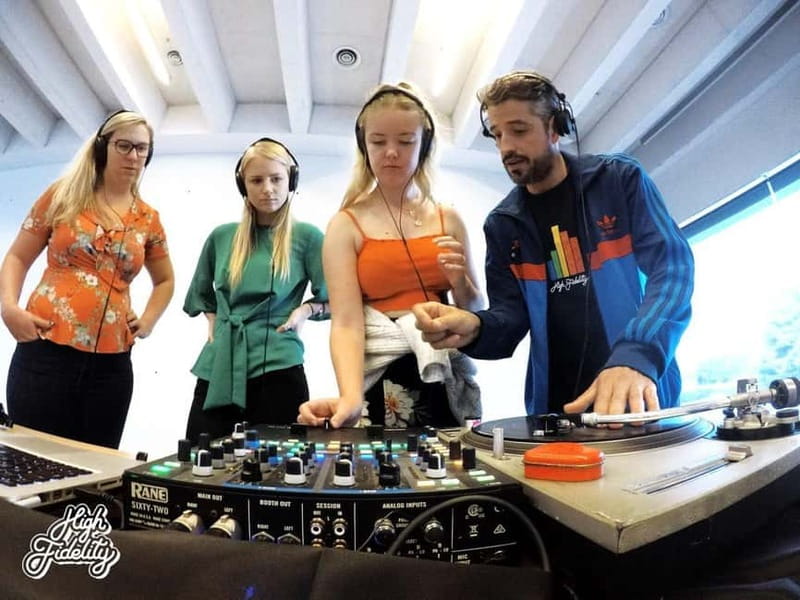
This hands-on Berlin DJ lesson gets you mixing on real gear, with both CDJ and vinyl training, plus a guide who explains how electronic music grew up in the city. You’ll practice choices you can actually hear—EQ, transitions, and scratching—while also getting pointed at what makes different Berlin clubs sound the way they do.
I love how structured the teaching is without feeling stiff. You start with the basics of beat-matching and mixing, then you move fast into doing it yourself—so even total beginners can end up building a short set. I also love the vinyl vs CDJ contrast, because it’s not just trivia. You feel the difference in technique, timing, and control when the music is literally under your hands.
One consideration: the studio has rules about luggage. Carry-on bags or large suitcases aren’t allowed, so pack light and bring only what you need for two hours.
In This Review
- Key Points You’ll Care About
- DJ For a Day in Berlin: What This Workshop Gets You
- Your First Steps: Basics, Beat Structure, and Fast Feedback
- Mixing Like a Pro: EQ, Transitions, and Making Tracks Behave
- Vinyl Scratching: The Skill That Makes DJing Feel Physical
- CDJ vs Vinyl: Why You’ll Notice More Than Equipment
- Picking Your Sound: Techno, Trance, Psytrance, House, and More
- The Berlin Connection: More Than Steps on a Mixing Deck
- Studio Vibe, Small Group Energy, and the Important Rules
- Price and Value: Is $104 for 2 Hours Worth It?
- Who Should Book This Workshop (and Who Might Want Something Else)
- FAQ
- FAQ
- How long is the workshop?
- What does it cost, and is the price per person?
- How many people are in the group?
- What equipment will I use during the session?
- What languages does the instructor speak?
- Are there any restrictions on who can join, or what I can bring?
- Do I have to pay right away, and can I cancel?
- Should You Book DJ for a Day in Berlin?
Key Points You’ll Care About
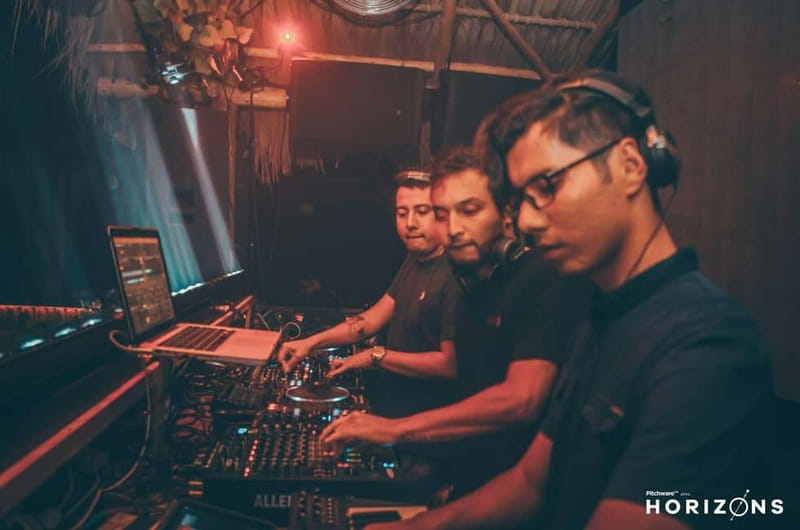
- CDJ and vinyl time in the same session so you learn both approaches side by side
- Scratching training with different styles like hip hop, techno, and pop
- Effects and a real mixing table so you’re not just pressing buttons
- You choose the vibe from techno, trance, psytrance, house, and more
- A small group capped at 2 for more direct coaching from Jesus Otero Valeta (also known as Sasha)
- Drinks included (coffee, water, or soft drinks)
Still narrowing down your days in Berlin? Here are more tours to weigh up.
- Berlin: Reichstag, Dome and Government District Guided Tour★ 4.7 · 18,288 reviews
- Berlin: 1-Hour City Tour by Boat with Guaranteed Seating★ 4.3 · 16,993 reviews
- Berlin: TV Tower Standard Entrance Ticket★ 4.4 · 15,883 reviews
- Berlin: Boat Tour Along the River Spree★ 4.4 · 11,252 reviews
DJ For a Day in Berlin: What This Workshop Gets You
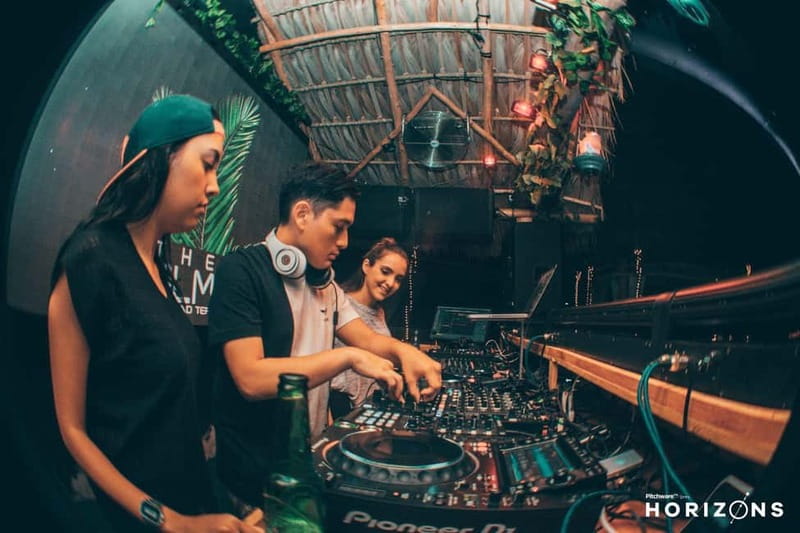
Berlin has a way of turning music into a daily language. Even if you’ve never mixed a track before, this workshop aims to give you that language fast—without pretending it’s magic. In two hours, you’re not becoming a touring DJ. You are learning the core moves that make DJing work: timing, transitions, and control.
The experience is built around two things that matter immediately. First, you’ll work with real DJ hardware—CDJ controls plus turntables and vinyl. Second, your instructor, Jesus Otero Valeta (Sasha), doesn’t just teach buttons. He connects the technique to the way Berlin electronic music evolved and how clubs expect tracks to behave on the floor.
So you leave with more than a memory. You leave with muscle memory for what to do next time you press play at home.
Your First Steps: Basics, Beat Structure, and Fast Feedback
The session starts with fundamentals, but it’s not a lecture. Think of it like learning the rules of rhythm, then using them right away.
You’ll learn how DJing can create structure—the kind you might associate with composers like Beethoven or Mozart, but explained through beats. In other words: how songs are organized so you can keep energy moving instead of just switching tracks randomly.
From there, you build the essentials:
- how to handle vinyl and the turntable setup
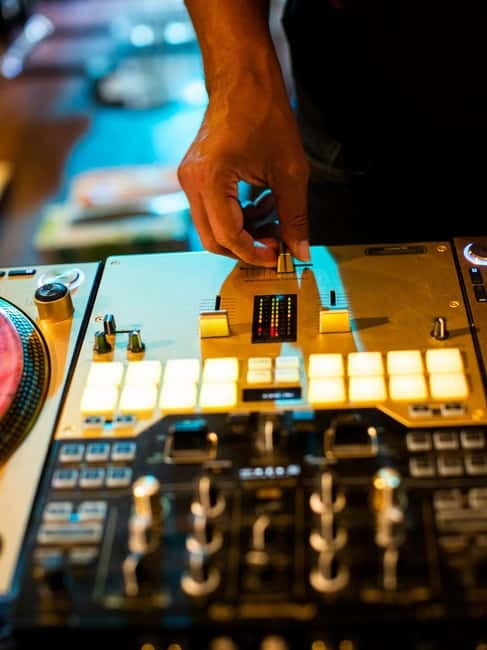
- how to use the mixing table (including effects)
- how to mix and transition with a goal, not guesswork
A big plus is the coaching style. The instructor teaches in English and German, and the small group size means you can actually ask questions while you’re doing it. When you’re learning mixing, that matters. You don’t want to wait until the end to fix one detail that changes the whole sound.
Mixing Like a Pro: EQ, Transitions, and Making Tracks Behave
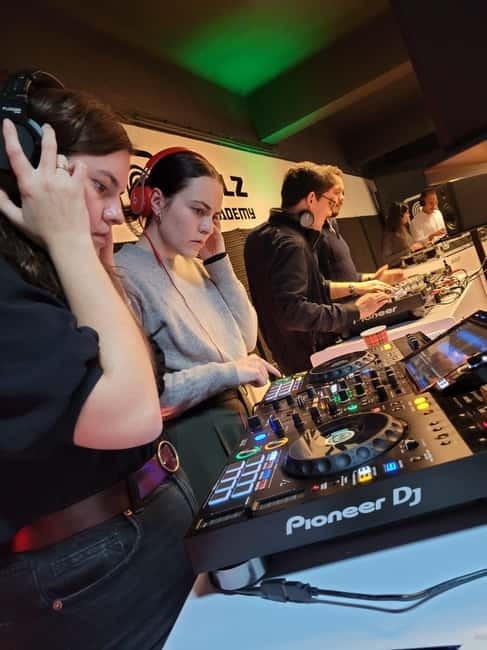
If you want to sound smooth, you need more than volume faders. This workshop focuses on the part of DJing that separates raw noise from intentional flow: controlling frequencies and timing.
You’ll practice mixing transitions in styles that can include techno, trance, progressive, hard techno, hardcore, hip hop, and hard style. That range is useful because the techniques carry over—even when the music changes. Hardcore might push you toward sharper control. House might reward smoother phrasing. The goal is the same: align tracks so the energy doesn’t jump around.
In a hardcore-focused example, you can expect to work on aligning two tracks’ frequency centers, using EQ to shape the overlap, and then making transitions feel natural. Even if you don’t choose hardcore, that lesson still helps you understand what the EQ is for: it’s not a magic tone knob. It’s a tool for keeping the mix readable.
And yes, you’ll get to play. The whole point is that you learn by doing—so the last part of the session isn’t just watching. It’s your turn to test what you learned.
Vinyl Scratching: The Skill That Makes DJing Feel Physical
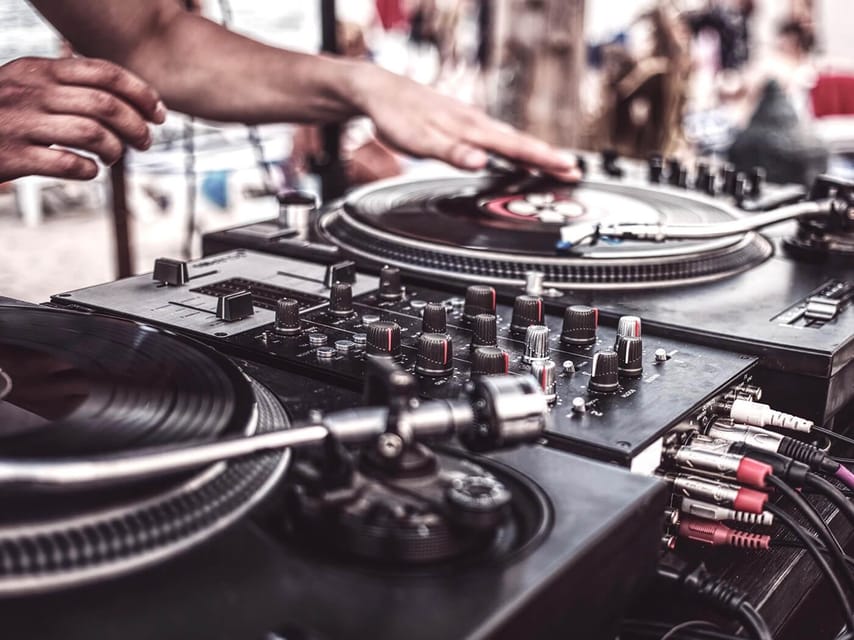
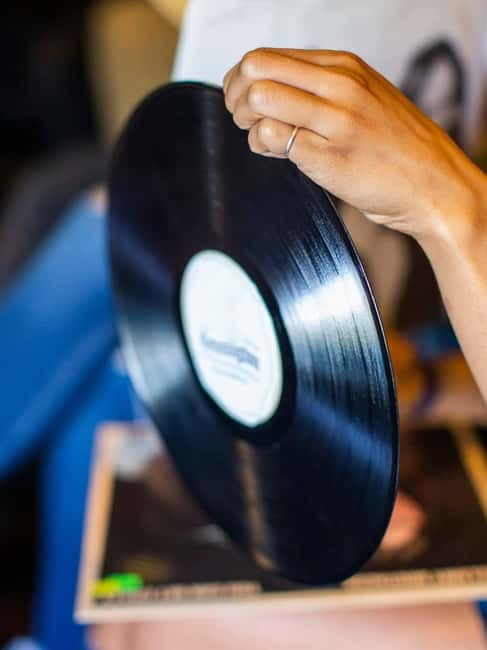
Vinyl is where DJing stops being theoretical. Scratching is controlled chaos, and the workshop treats it like a teachable skill, not a party trick.
You’ll learn scratching basics with different approaches, including styles like hip hop, techno, and pop. That’s a smart choice because scratching isn’t one move. It’s a family of techniques, each with its own sound and timing. You’re not just copying one pattern; you’re learning why the pattern lands.
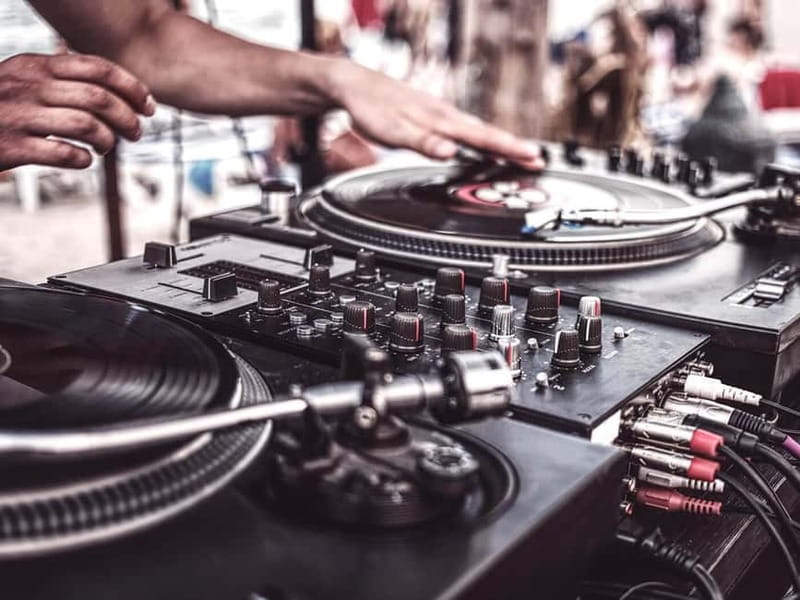
And you’ll also experience how vinyl changes your timing compared with digital decks. With vinyl, everything feels connected to physical motion: the turntable, the resistance, and the way you track the beat by ear and hand. With CDJ, you can rely more on display and precision timing. Both are useful. But your hands learn faster when you try both.
One reason this matters for your future DJing is confidence. If you only learn CDJ, vinyl skills later can feel like a whole new world. Here, you get a bridge. Even short practice makes the differences real.




CDJ vs Vinyl: Why You’ll Notice More Than Equipment
This workshop is great for one practical reason: you get the comparison while your brain is still soaking up the basics.
You can play using CDJ (and you might also have the option to sing one song, depending on how the session is structured), and you can play with vinyl too. The teaching then highlights the technique differences, not just the gear differences.
Here’s what that means in plain terms:
- With CDJ, you can move quickly through cueing and mixing, and the interface gives you speed.
- With vinyl, you learn more about manual control and timing, and your transitions rely on physical precision.
Both routes build DJ competence. But if you want to understand the craft, vinyl is the fastest way to understand what DJs mean when they talk about touch.
Picking Your Sound: Techno, Trance, Psytrance, House, and More
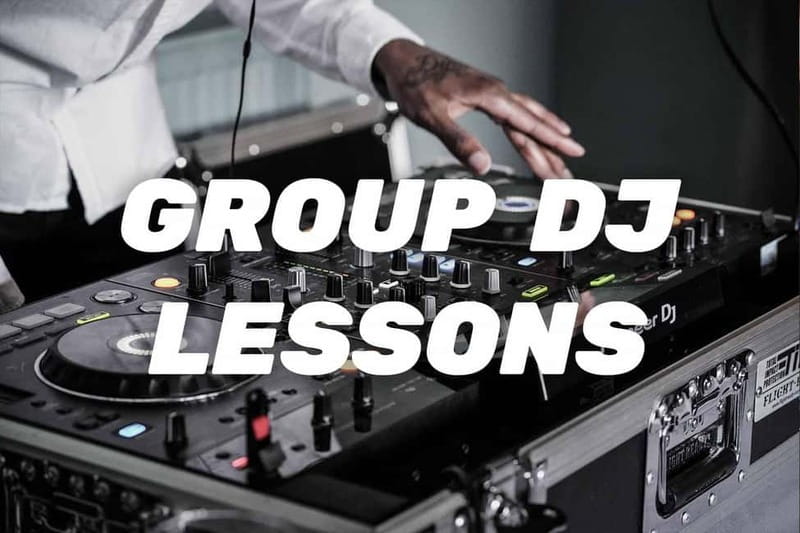
You don’t have to fit into one music box. You’ll get to choose from genres like techno, trance, psytrance, and house. And the workshop also covers the broader Berlin spectrum—progressive, hard techno, hardcore, hip hop, and hard style.
This flexibility is more than fun. It helps you learn faster because you practice on music you actually want to hear. When you care about the track, you pay attention to the details that matter: where the beat hits, how energy climbs, and when a transition makes sense.
It also sets you up for understanding club culture in Berlin. Different venues want different pacing and energy. In this workshop, you can expect the instructor to explain the kind of sound each club tends to play, including pointing you to some of the older institutions in the scene.
The Berlin Connection: More Than Steps on a Mixing Deck
Berlin electronic music didn’t appear fully formed. It evolved in waves, influenced by the city’s culture, nightlife, and the way DJs shaped what people wanted to dance to.
You’ll get a guided explanation of Berlin’s electronic music development and how the scene changed over time. The practical part is the takeaway: you understand why certain styles became associated with certain eras and how those patterns can influence what you play now.
It’s not history as a museum. It’s history as a map for taste. That’s why this workshop feels more “Berlin” than a generic DJ class. You’re learning technique plus context, so the sound has a story.
Studio Vibe, Small Group Energy, and the Important Rules
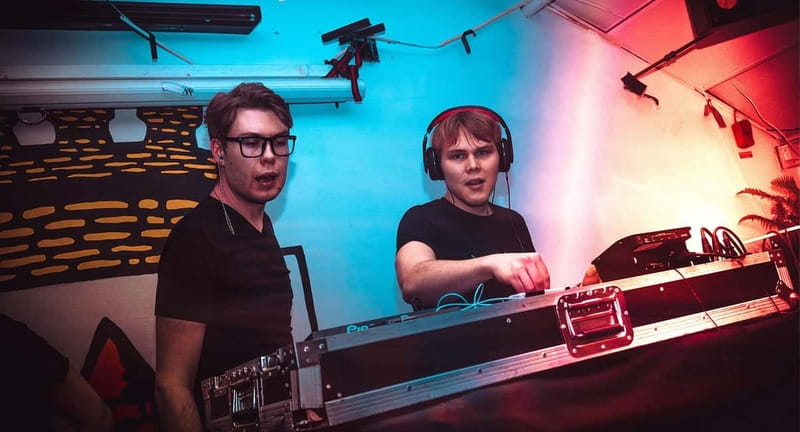
This is a small-group setup—limited to 2 participants—so you’re not stuck competing with a dozen people for attention. That size makes a difference when you’re learning something as hands-on as mixing. You can ask a question right when you need it, and you don’t lose momentum waiting for someone else.
There’s also a practical studio rule: carry-on bags and large suitcases aren’t allowed in the studio. It’s worth planning for that. Bring a small bag only, and keep everything simple. If you’re traveling light already, you’ll feel right at home.
You’ll also have basic “comfort” support. Drinks are included, like coffee, water, or soft drinks, so you can focus instead of searching for a café mid-class.
Meeting point is close and easy: there’s a REWE supermarket nearby the door. That helps when you’re navigating Berlin on foot and don’t want a long scavenger hunt.
Price and Value: Is $104 for 2 Hours Worth It?
At $104 per person for a 2-hour workshop, the value comes from three factors: time, equipment access, and coaching intensity.
You’re paying for hands-on practice on real gear, not just observing. And you’re getting direct instruction from Jesus Otero Valeta (Sasha) in English or German. The small group cap at 2 people raises the odds you’ll actually get help while you’re mixing—rather than just receiving general tips.
You also get included drinks, which sounds minor until you’ve done enough “intense learning” experiences to know it helps. It keeps the mood relaxed, which makes it easier to learn in the first place.
Could it be pricey if you’re only curious for five minutes? Yes. But if you want to learn mixing skills you can use again, two hours with a vinyl/CDJ setup and close coaching is a solid deal.
Who Should Book This Workshop (and Who Might Want Something Else)
This workshop is a great match if:
- you love electronic music and want to play the styles you already listen to
- you’re curious about Berlin nightlife culture, not just mixing theory
- you want hands-on coaching in a tiny group
- you specifically want vinyl scratching experience, not only digital mixing
It may be less suitable if:
- you’re traveling with large luggage and don’t want to worry about studio restrictions
- you’re looking for a long, multi-day DJ course (this is a focused 2-hour intro)
- you’re bringing kids—children under 13 aren’t suitable
One more note: pets aren’t allowed, so keep that in mind if you’re traveling with animals.
FAQ
FAQ
How long is the workshop?
It lasts 2 hours.
What does it cost, and is the price per person?
The price is $104 per person. If you bring a companion, you need to let the instructor know in advance so a reduced rate can be applied.
How many people are in the group?
It’s a small group limited to 2 participants.
What equipment will I use during the session?
You’ll get hands-on time with DJ gear, including CDJ and vinyl. You’ll also learn fundamentals like handling vinyl/turntable and using the mixing table with effects. The highlights also mention you can sing one song.
What languages does the instructor speak?
The instructor speaks English and German.
Are there any restrictions on who can join, or what I can bring?
Children under 13 aren’t suitable, pets aren’t allowed, and carry-on bags or large suitcases aren’t allowed in the studio.
Do I have to pay right away, and can I cancel?
You can reserve now & pay later (pay nothing today). Free cancellation is available up to 24 hours in advance for a full refund.
Should You Book DJ for a Day in Berlin?
If you want a Berlin experience that actually puts you behind the decks, book it. The biggest reason is simple: you learn by doing, with both vinyl and CDJ, plus close coaching from Jesus Otero Valeta (Sasha). You’ll leave with practical mixing fundamentals, scratching exposure, and a clearer sense of how Berlin club sounds connect to what you play.
Just pack light for the studio, pick the genres you like before you arrive, and treat the first attempt as practice—not performance. In two hours, that mindset makes all the difference.