
The water turns Berlin quieter fast. This 5-hour cruise around Müggelberge feels like a reset button, with you gliding past Köpenick, Berlin’s largest lake, and the regatta area at Grünau, all from the comfort of the boat. I especially love how the route mixes big-city rivers with countryside views, and how the boat keeps moving so you’re always seeing something new—like the Müggelturm area and the 1920s waterways around New Venice.
One thing to plan for: seating on the deck can be a bit uncomfortable on a long ride, so if you’re picky about comfort, bring layers and consider where you sit.
In This Review
- Key moments worth penciling in
- From Treptow Harbor to Köpenick: where Berlin loosens its grip
- Müggelsee and Müggelberge: big views, big forest scale
- New Venice on the water: 1920s bridges and canals
- Dämeritzsee, the Gosen Canal, and Seddinsee: slow travel through water highways
- Grünau international regatta site: sports history from the water
- Food, drinks, and seating: what to expect during the 5 hours
- Price and value: why $35 can make sense (and when it might not)
- Who should book this cruise—and who should pick something else
- Should you book the 5-hour Müggelberge cruise?
- FAQ
- How long is the cruise around Müggelberge?
- Where does the cruise depart from?
- How much does it cost?
- What route does the boat follow?
- Are food and drinks included?
- Are there different start times?
- How is cancellation handled?
Key moments worth penciling in
- Köpenick old town along the waterfront: the Captain of Köpenick statue shows up by the town hall
- Müggelsee and Müggelberge views: you get perspective on the Greater and Lesser Müggelberge from the water
- Müggelturm panoramic height: a look tied to the 82-meter viewpoint idea
- New Venice waterways: bridges and canals built in the 1920s, seen at a slow, water-level pace
- Regatta energy at Grünau: the oldest sports area of Berlin from the Spree route
- Simple plan, few logistics: a single cruise that loops back to Treptow Harbor
More time out on the Spree
- Berlin: Boat Tour Along the River Spree★ 4.4 · 11,252 reviews
- Berlin: 1-hr Boat Tour with Bilingual Live Guide (DE/EN)★ 4.7 · 5,653 reviews
- Berlin: 3.25-Hour Spree & Landwehrkanal Boat Tour★ 4.6 · 4,311 reviews
- Berlin: 1-Hour City Sightseeing Cruise★ 4.4 · 2,210 reviews
From Treptow Harbor to Köpenick: where Berlin loosens its grip
Your day starts at Treptow Harbor, a short walk (about 5 minutes) from Treptower Park station. I like this setup because it’s straightforward: you’re not juggling multiple transfers or hunting for a complicated meeting point. Once you’re on board, the vibe shifts quickly. Even though you’re still in Berlin, the river feels wider and calmer as the boat rolls away from the busy center.
Early on, you head toward Köpenick, an area surrounded by parkland. One of the easiest things to notice from the water is the Captain of Köpenick statue by the town hall. It’s one of those details that makes the history feel visible without forcing you to read a sign. If you like “seeing landmarks pass by” more than you like walking tour marathons, this part hits the sweet spot.
Practical tip: keep an eye on both sides of the boat when you’re near Köpenick. Stops and shoreline sights can appear and disappear fast, and from water level you get different angles than you would from a street view.
Müggelsee and Müggelberge: big views, big forest scale
After Köpenick, the cruise moves toward Müggelsee, Berlin’s largest lake. This is where the scenery starts to do the real work. From the boat, you’re not just looking at water—you’re seeing how large the Müggelberge area is, including the Greater and Lesser Müggelberge.
The Müggelberge region is known for over 320 kilometers of forest paths and waterways. You don’t need to hike any trails to feel that scale. The water-level perspective makes it obvious that this is an outdoor system, not a small lake park. Instead of “one pretty view,” you get changing shoreline and layered greenery as the boat continues.
The cruise also connects to the idea of the Müggelturm, the viewpoint at 82 meters. You won’t be climbing a tower during the cruise (this is a boat trip, not a hike), but it’s useful context: you’ll understand why people go up there. When you see the height referenced in the route, it makes the landscape feel more like a place with views you can earn—not just a pretty background.
Why it matters for you: a boat cruise is great when you want nature without committing to a full half-day walk. If you’re visiting Berlin with a packed schedule, this kind of “views with minimal effort” is exactly the kind of time saver that still feels meaningful.
New Venice on the water: 1920s bridges and canals
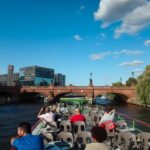
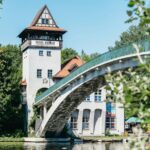
Next comes New Venice, reached by continuing along the Müggelspree. The standout here is the design feel. The area’s bridges and canals were built in the 1920s, and from the water you get a clear sense of planned waterways rather than random river bends.
What I like about this segment is how it changes the mood. You go from broad countryside impressions to a more human-made water network. The canal-and-bridge setup gives you neat lines and angles that are fun to watch. It also makes the cruise feel like more than “just sailing past trees.” There’s a little architecture and planning here, and you can see it without getting out your phone and trying to translate everything.
Practical tip: if you’re into photos, this is usually a better time than the open-lake stretches. Bridges and canals create visual structure, which makes pictures look less like generic water shots and more like a place.
Dämeritzsee, the Gosen Canal, and Seddinsee: slow travel through water highways
From New Venice, the route continues across Dämeritzsee, then along the Gosen Canal to Seddinsee. This is the “steady rhythm” portion of the cruise. Instead of big dramatic landmarks, you get long stretches where the scenery works through repetition and subtle change—water, shoreline, and the occasional sight that breaks the pattern.
Why this part is valuable: it’s the kind of travel that helps you slow down. A 5-hour cruise is long enough that you stop feeling like you’re rushing for highlights. You start settling in, watching how the bank changes, and noticing the water traffic and boat traffic without needing to do anything.
The cruise also references the oldest sports area of Berlin at the Grünau international regatta site later on, and you can sense that even before you arrive. There’s a difference in how the shoreline looks when it’s tied to sports infrastructure. It’s less “wild edges” and more “designed for activity,” even when the water feels calm.
If you get antsy when you sit still for long, bring something simple: a light snack you’re allowed to bring (if permitted by the operator), a book, or download some offline maps for Berlin so you can stay mentally organized while you relax.
More boat trips around Berlin
Grünau international regatta site: sports history from the water
One of the most interesting stops on this route is the Grünau international regatta site, noted as Berlin’s oldest sports area. Watching a regatta venue from the water is a different experience than seeing it from a grandstand. You get the practical geometry: channels, shorelines, and the open water needed for rowing and racing.
This part also pays off visually because the Spree route gives you a sense of direction. You’re not just wandering in a lake maze; you’re moving through Berlin’s water system. After the quieter canal segments, the Spree brings a sense of return—like the city is waiting just beyond the bend.
Why it works: if you’re traveling with people who don’t always love “nature tours,” the regatta site adds a sports anchor. It gives the cruise a second theme besides scenery: human activity tied to the water.
Food, drinks, and seating: what to expect during the 5 hours
The cruise includes the sailing, but food and drinks are not included. You can buy them on board, which is useful if you want to keep things simple and not pack a picnic.
Here’s the balanced reality check: onboard service can be smooth, but on a longer trip it can also get slow at peak moments. One review specifically complained about needing to wait over an hour to place an order and described unfriendliness around the process. Another review praised super service, so you’re not guaranteed an issue—but it’s smart to know that service speed may vary.
So how do you plan like a pro?
- If you want drinks during the cruise, consider ordering earlier rather than waiting until you’re hungry.
- Bring a light buffer snack if you’re sensitive to delays.
- If you have dietary restrictions, confirm expectations early with the crew. One passenger reported a problem related to eating their own food and diet needs, so don’t assume the rules will be flexible.
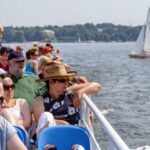
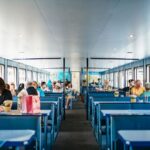
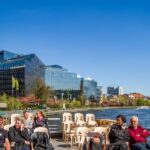
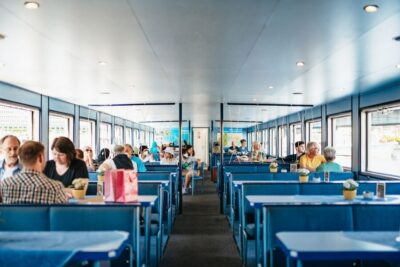
Seating is another practical variable. There’s at least one note that deck chairs may not be ideal for the full duration. If you want maximum comfort, wear layers and choose a spot that won’t punish you for sitting still. Five hours is long enough that small discomfort adds up.
Price and value: why $35 can make sense (and when it might not)
At about $35 per person for a 5-hour cruise, this is priced like a solid half-day activity. I think it’s good value when you want:
- a low-effort way to see multiple areas,
- time on the water without paying for multiple separate attractions,
- and an outdoor plan that still feels like part of a Berlin itinerary.
You’re basically paying for transportation plus the “route experience.” Since food isn’t included, factor that in if you plan to eat on board. Still, you’re not forced into purchasing a meal package just to participate.
When might it not be value for you? If you hate waiting for service or you’re very sensitive to seating comfort, then the experience becomes more about logistics than scenery. In that case, it could still be worth it—but I’d treat it like an outdoor viewing session and bring what you need to stay comfortable.
Bonus value angle: the cruise covers a lot of named water areas and ends back at Treptow Harbor. That loop matters. You get variety without needing a second plan for how to get back into the city.
Who should book this cruise—and who should pick something else
This is a great fit if you want a relaxed Berlin day with real change of scenery. I’d especially recommend it for:
- couples or friends who like scenic transit,
- people who want nature and water views without a hike,
- visitors who already saw the classic central sights and want something quieter,
- families looking for an easy, single-ticket activity (as long as seating comfort works for your group).
It may not be perfect if:
- you need frequent stops with long on-shore exploration (this is mostly a sailing experience),
- you’re very particular about comfort for a full 5 hours,
- you strongly depend on fast on-board service for meals and drinks.
If you fall into the “needs comfort” category, plan your seating strategically, bring layers, and consider having a small snack so you’re not stuck waiting.
Should you book the 5-hour Müggelberge cruise?
If you want a half-day that feels like you left the city behind, I’d book it. The route through Köpenick, toward Müggelsee, past the New Venice waterways, and alongside the Grünau regatta site gives you variety without exhausting you. You get countryside views from the water, plus enough built-environment interest to keep it from being one long tree line.
My “yes, book it” rule is simple: if you can handle sitting comfortably for about five hours and you’re okay buying drinks or snacks on board, this cruise is a smart value choice. Just go in knowing that service speed may vary, and seating comfort may be hit-or-miss.
FAQ
How long is the cruise around Müggelberge?
The duration is 5 hours.
Where does the cruise depart from?
The meeting point is Treptow Harbor, which is about a 5-minute walk from Treptower Park station.
How much does it cost?
The price is $35 per person.
What route does the boat follow?
It departs Treptow Harbor, goes toward Köpenick, continues toward Müggelsee and the Müggelspree, passes areas including New Venice, Dämeritzsee, the Gosen Canal, Seddinsee, and the Grünau international regatta site, then returns to Treptow Harbor along the Spree.
Are food and drinks included?
No. Food and drinks are not included, but you can purchase them on board.
Are there different start times?
The activity says check availability to see starting times.
How is cancellation handled?
The tour offers free cancellation up to 24 hours in advance for a full refund.
Out on Berlin's Water

More Tour Reviews in Berlin


More Hours on the Spree
Round out your days in Berlin
Spree River Cruises, compared.
 ★ 4.31-Hour City Tour by Boat with Guaranteed SeatingFrom $2516,993 reviews
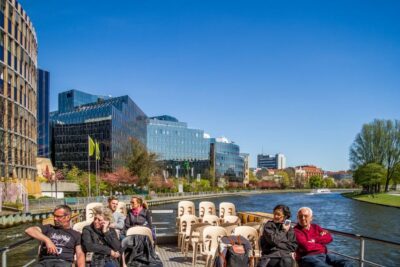 ★ 4.4Boat Tour Along the River SpreeFrom $3411,252 reviews
 ★ 4.71-hr Boat Tour with Bilingual Live Guide (DE/EN)From $225,653 reviews
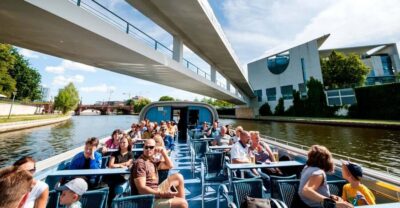 ★ 4.63.25-Hour Spree & Landwehrkanal Boat TourFrom $384,311 reviews
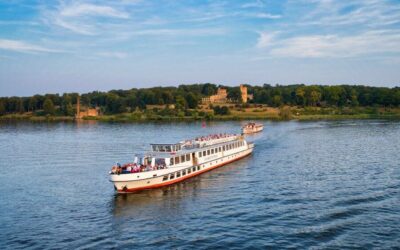 ★ 4.5Potsdam: Palace Tour by BoatFrom $272,369 reviews
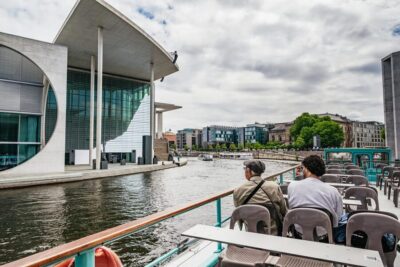 ★ 4.41-Hour City Sightseeing CruiseFrom $252,210 reviews
 ★ 4.42.5-Hour East Side Boat Cruise with CommentaryFrom $352,016 reviews
 ★ 4.6Spree Boat Tour to MüggelseeFrom $251,973 reviews
Browse the lists this tour appears in