
REVIEW · CITY TOURS
Homeless on chic streets: city tour in Berlin from personal experience
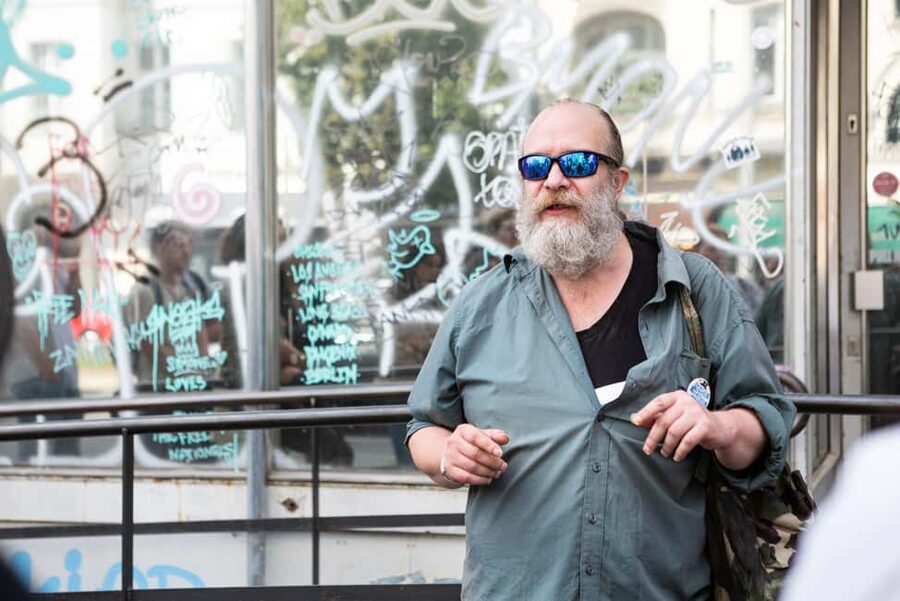
Berlin looks different when you follow Dieter Bichler. This is a 2-hour city tour in Charlottenburg that swaps postcard Berlin for the street-level reality of homelessness, starting right at Berlin Zoologischer Garten station. You follow the route of a man who lost his apartment in Thuringia and ended up doing daily survival work on the streets around Kantstraße.
What I really like is how the tour puts real stories ahead of performance. You get space for personal encounters and conversations, not just facts, so the city changes shape as you hear how people organize food, warm up, and look for sleep.
One drawback to consider: this is not a classic sightseeing tour, and one reviewer noted they would have liked more detail about potential sleep places.
In This Review
- Key things to know before you go
- Why this Berlin homelessness tour hits harder than typical sightseeing
- Starting at Berlin Zoologischer Garten: the address you actually need
- Following the Kantstraße axis: why an affluent street can feel cold
- Dieter Bichler’s story: Thuringia to survival in Berlin
- What you’ll actually learn (and what you won’t)
- Space for conversations: how the tour feels in real life
- Price and value: why $23 makes sense here
- Who this tour is best for
- Should you book this Berlin street tour with Dieter Bichler?
- FAQ
- FAQ
- Where does the tour start?
- How long is the tour?
- How much does it cost?
- Is it a classic sightseeing tour?
- What neighborhood does the tour focus on?
- Who is the guide?
- Is the tour wheelchair accessible?
- What language is the tour in?
- What should I bring?
- Can I cancel and get a refund?
- Is the tour suitable for children?
Key things to know before you go
- Dieter Bichler’s first-hand story: Thuringia to Berlin, then survival around Zoo station and Kantstraße.
- Charlottenburg from the street: an affluent district seen through the daily routines of homelessness.
- Public, not private: the tour’s biggest point is how the rules of city life shift when you’re without a home.
- Conversation space built in: you’re invited to engage, not just listen.
- No classic sights: the value comes from perspective and lived experience, not landmarks.
- Small, human scale: it’s designed around individual perspectives and direct dialogue.
More Berlin tours to line up side by side
- Berlin: 1-Hour City Tour by Boat with Guaranteed Seating★ 4.3 · 16,993 reviews
- Berlin City walk Government District and Places of Democracy★ 4.7 · 8,467 reviews
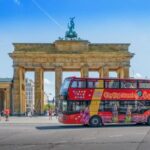
- Berlin: City Sightseeing Hop-On Hop-Off Bus Tour★ 4.1 · 4,233 reviews
- Berlin: 1-Hour City Sightseeing Cruise★ 4.4 · 2,210 reviews
Why this Berlin homelessness tour hits harder than typical sightseeing
If you’ve only seen Berlin from viewpoints and guided bus windows, this tour will feel like a reset. The route centers on Charlottenburg, a part of the city many people associate with shopping streets and polished facades. But on this walk, the focus shifts to what happens when your life depends on stations, parks, and the open air.
I like that the experience is grounded in one person’s path—Dieter Bichler—and then widened into the daily logic of survival. The city isn’t treated like a backdrop. It’s treated like a system: where people go, what they do to stay warm, how they organize basic needs, and how “privacy” changes when everything is public.
There’s also a moral clarity here. Homelessness is not packaged as a tragedy for entertainment. The tour is more practical than sentimental, with room for you to ask questions and learn how people cope day to day.
And yes, that means it can feel uncomfortable at times. You’re walking in the same urban spaces you’d normally pass quickly, except now you’re paying attention to rules you never had to think about before.
Starting at Berlin Zoologischer Garten: the address you actually need
The tour meets at Berlin Zoologischer Garten station, at the stairs of the McDonald’s (Hardenbergpl. 11, 10623 Berlin). This matters more than it sounds. Starting at a major transit hub frames the theme instantly: a station is where you can blend in and also where you’re always visible.
From the first moments, the tour’s energy is about attention. You’re not just orienting yourself in Berlin. You’re being guided to notice how a place functions when people have to rely on it for daily survival.
Expect the guide to set the tone in German. The experience is specifically described as having some content shown in its original language, so if your German is basic, you can still follow the big picture, but you’ll benefit from listening carefully to the guide’s phrasing.
Following the Kantstraße axis: why an affluent street can feel cold
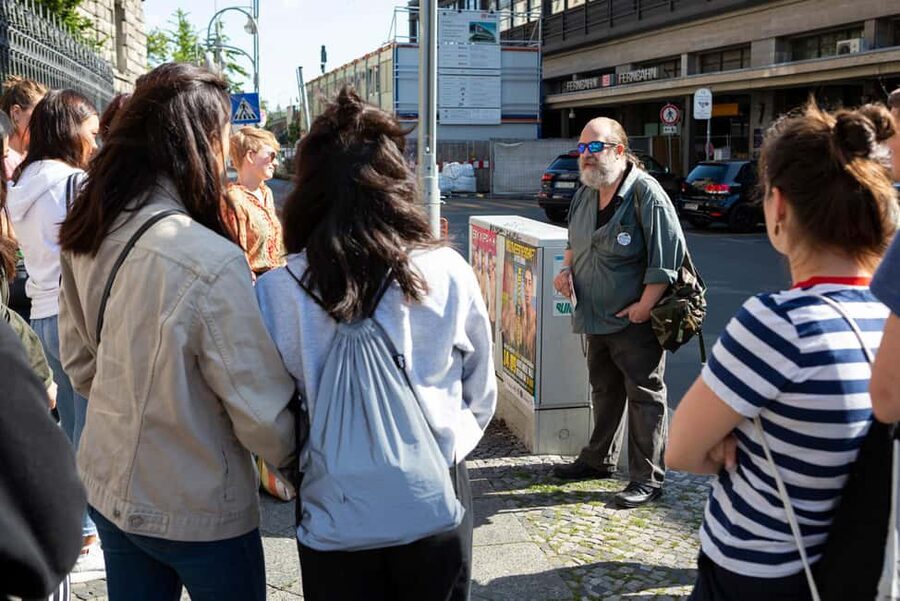
After the meet-up at Zoo station, the walk heads along Kantstraße through Berlin-Charlottenburg. That’s the key contrast of the whole experience. Kantstraße can look like a normal urban corridor in daylight, with the kind of streetscape many people associate with comfort and convenience. Here, it becomes something else: a route tied to food, warmth, and finding somewhere to sleep.
I like that the tour doesn’t only describe homelessness as a condition. It describes homelessness as a set of routines and choices. When you lose a home, the city becomes your schedule. Parks, stations, and streets turn into the places you repeatedly return to—not as tourist stops, but as infrastructure.
The tour also emphasizes a big theme: everything is public, nothing is private. That doesn’t just mean you see more. It means the city’s social rules change. You can feel the difference between moving through a space and living in it.
If you’re the kind of traveler who loves cities because they feel layered, this is a powerful way to read Berlin. You’ll likely notice storefronts and sidewalks differently afterward, because you’ll understand the human logistics happening underneath the surface.
Dieter Bichler’s story: Thuringia to survival in Berlin
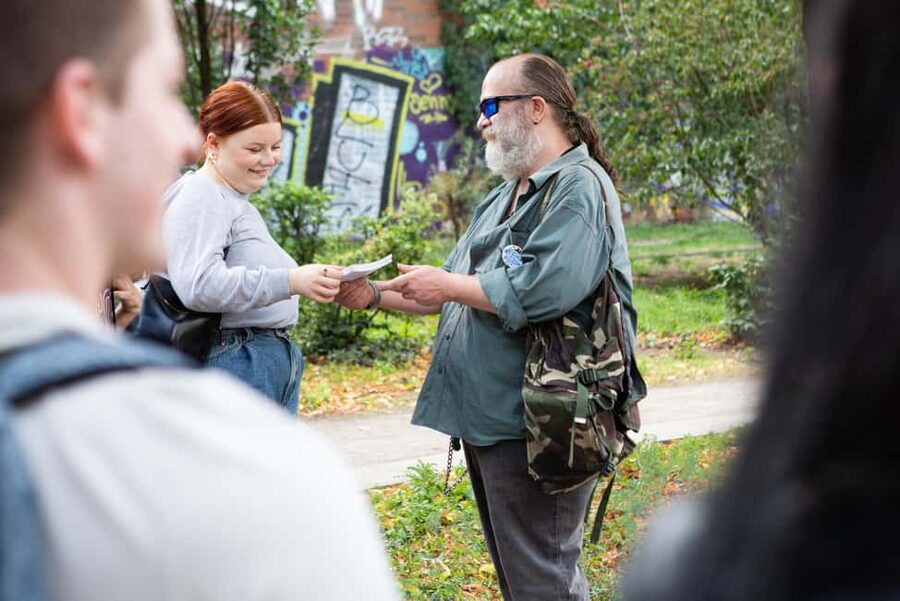
A central thread is Dieter Bichler’s own journey. In the fall of 2012, after losing his apartment in Thuringia, he ended up around Berlin’s Zoo station. From there, he moved with a group of homeless people along Kantstraße, organizing ways to handle urgent needs like food, warmth, and sleeping somewhere suitable.
That timeline gives the tour weight. It’s not a general discussion. It’s a lived trajectory: displacement, adaptation, and then the day-to-day decisions that keep people going.
What I appreciate most is how the tour treats friendships as part of survival, not an afterthought. It frames street friendships as something that can form because people share the same constraints. When private life is limited, social life can become one of the few remaining forms of support.
This tour is also described as focusing on being poor in an affluent district. That contrast can sting, but it’s also the point. You come away seeing how inequality isn’t abstract. It has a map. It has addresses. It shows up on streets that normally look comfortable.


What you’ll actually learn (and what you won’t)
This experience is designed to sharpen your senses for a different kind of Berlin perception. You learn how homelessness changes the way you experience everyday spaces—parks, stations, and public streets—because those places become the center of life.
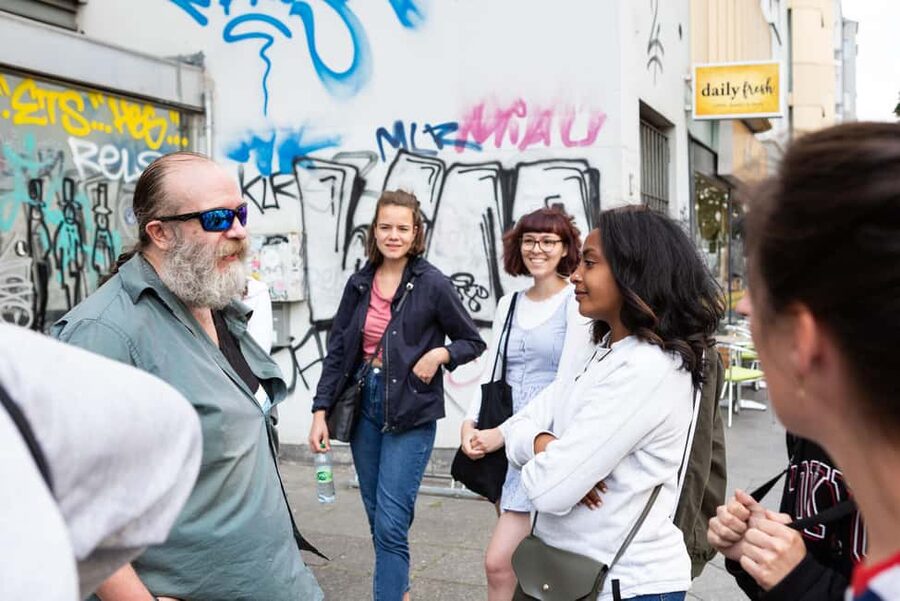
You also learn through encounters and dialogue. The concept is built around people who are otherwise talked about taking the floor. That creates a more direct relationship between you and the topic. Instead of hearing homelessness as a distant statistic, you hear it as a set of experiences with human detail.
Now, the trade-off: there are no classic sights. That’s stated plainly in what’s not included. So don’t expect a monument-heavy route, photo stops, or a checklist of famous Berlin buildings.
One practical note from a real review: a past participant felt the tour was still excellent, but would have been better with more detail about sleeping places. If that’s a question you’re going to wonder about anyway, keep in mind this is focused on survival and perspective first, not on a guidebook for where to sleep.
Space for conversations: how the tour feels in real life
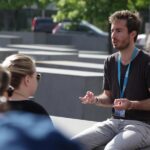
One of the best parts of this tour, based on the way it’s described, is that it makes room for interaction. It’s not just a speaker and a silent group. It’s built around personal encounters and conversations, so you’re encouraged to ask and connect.
That has a couple of effects on you as a visitor. First, you’ll probably listen longer and more carefully. Second, you’ll leave with a mindset shift: homelessness stops being a topic you can file away, and becomes something you understand as daily life in public space.
It’s also why this kind of tour can feel more human and less clinical. You’re not reducing people to labels. You’re learning how someone thinks about their city and their survival.
Still, be respectful with your questions. This is personal experience. The best moments usually come when your curiosity stays grounded and your tone stays gentle.
Price and value: why $23 makes sense here
At about $23 per person for a 2-hour walk, the price is fairly modest for a guided experience in Berlin—especially one that centers on direct first-hand perspective. This isn’t a ticket to a museum hall with a fixed route. It’s an individual’s time and teaching, built around communication and lived context.
Where the value really shows is the focus. You’re paying for a specific viewpoint you can’t get from typical tours. If you want the usual highlights, you’ll likely feel the cost isn’t justified. But if you want to understand Berlin with your eyes open—especially in Charlottenburg—this price feels like a practical way to learn from someone who has lived the topic.
Also, tipping is welcome (not required). That’s a small signal that the guide’s work is personal and ongoing, not just scripted narration.
Who this tour is best for
This is ideal if you:
- want a street-level Berlin perspective rather than a landmarks-only plan
- like conversations and question time
- appreciate first-hand accounts over abstract lectures
- enjoy walking tours that connect you to real neighborhoods and real issues
It’s not a great fit if you want:
- a classic sightseeing schedule
- a kid-friendly outing (it’s not suitable for children under 16)
- a comfortable “stay above the topic” experience
Language is also a factor. The live guide is German, so if you don’t understand much German, you may still follow the main themes, but your experience may be less detailed.
Should you book this Berlin street tour with Dieter Bichler?
Yes, if you’re traveling to understand Berlin beyond the usual highlights. I think this is a strong choice for adults who can handle serious material with empathy and curiosity. The combination of Dieter Bichler’s story, the Charlottenburg contrast, and the emphasis on public-space reality makes it more than a standard city walk.
Skip it if you’re shopping for famous sights, quick photo opportunities, or a family-friendly outing. Also consider whether you want deeper specifics about sleeping arrangements; one reviewer wished for more detail, so temper your expectations if that topic is your top priority.
If you do book, come prepared. Wear comfortable shoes, bring water, and dress for the season. Your comfort won’t make the subject lighter, but it will help you stay present for the full 2 hours.
FAQ
FAQ
Where does the tour start?
The meeting point is at Berlin Zoologischer Garten station, at the stairs of the McDonald’s (Hardenbergpl. 11, 10623 Berlin, Germany).
How long is the tour?
The tour lasts 2 hours.
How much does it cost?
It costs about $23 per person.
Is it a classic sightseeing tour?
No. It’s described as having no classic sights.
What neighborhood does the tour focus on?
It runs through Berlin-Charlottenburg, from an unusual perspective.
Who is the guide?
The tour is led by Dieter Bichler, and the live tour guide language is German.
Is the tour wheelchair accessible?
Yes, it is wheelchair accessible.
What language is the tour in?
The live tour guide is German, and some content is shown in its original language.
What should I bring?
Bring comfortable shoes and water, plus weather-appropriate clothing. In summer, bring a hat; in winter, dress warmly.
Can I cancel and get a refund?
Free cancellation is available up to 24 hours in advance for a full refund.
Is the tour suitable for children?
No. It is not suitable for children under 16.
More City Tours in Berlin



More Tours in Berlin


More Tour Reviews in Berlin
Round out your days in Berlin
City Tours, compared.
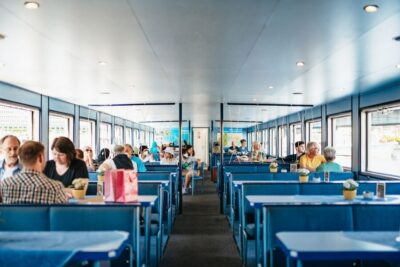 ★ 4.31-Hour City Tour by Boat with Guaranteed SeatingFrom $2516,993 reviews
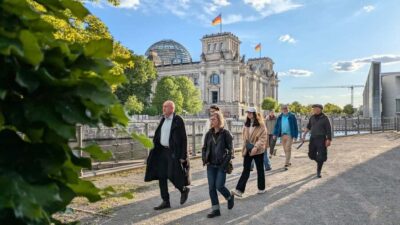 ★ 4.7Berlin City walk Government District and Places of DemocracyFrom $2948,467 reviews
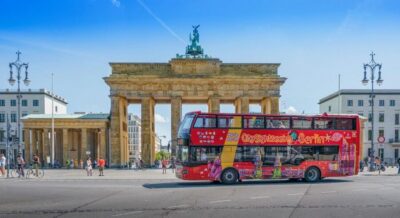 ★ 4.1City Sightseeing Hop-On Hop-Off Bus TourFrom $254,233 reviews
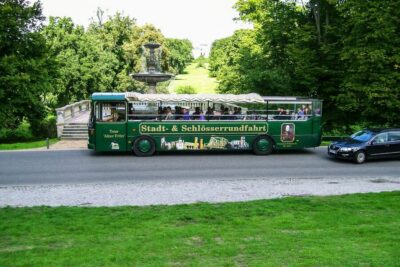 ★ 4.7Potsdam: City and Castles TourFrom $293,721 reviews
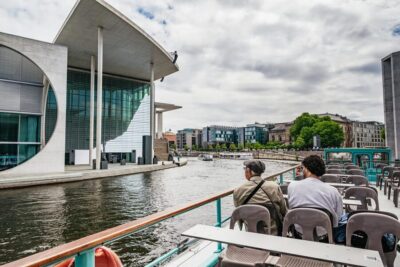 ★ 4.41-Hour City Sightseeing CruiseFrom $252,210 reviews
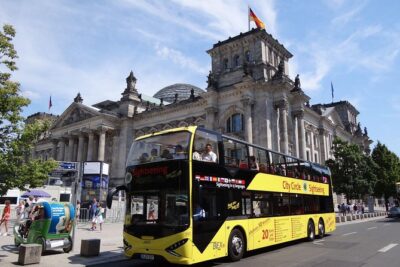 ★ 3.5Berlin City Hop-on Hop-off Tour with Optional CruiseFrom $311,155 reviews
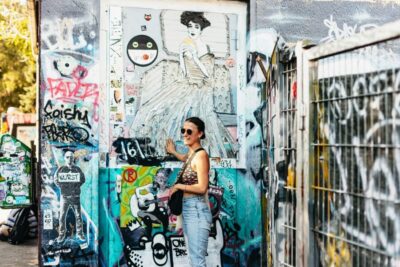 ★ 4.8City Street Art Guided Walking TourFrom $231,051 reviews
 ★ 4.1Berlin Combo Package: City Tour & Spree Boat TourFrom $64996 reviews
Browse the lists this tour appears in