

REVIEW · CITY TOURS
Individual city tour Berlin for max. 8 persons
Berlin hits fast, and this tour knows how. You get big-name sights like the Brandenburg Gate and Reichstag without the stress of a packed bus, plus a personal feel in a group of max 8. I like the way it strings together history you can actually see, and the standout part is the guide’s storytelling and patient Q&A, like Katherine’s charm with groups spanning ages 17 to 77. One drawback to plan for: it’s a 3-hour route with lots of stops, so you should expect quick overviews rather than long museum deep-time, and entrance fees aren’t included.
You’ll also appreciate the comfort touches: an air-conditioned vehicle, pickup from your Berlin address, and a mobile ticket. On the language side, it’s offered in English, and the route covers both official landmarks and everyday neighborhood texture—think old backyards in Scheunenviertel and the graffiti-covered Wall section.
In This Review
- Key highlights you’ll notice right away
- A Three-Hour Berlin Grand Tour For Small Groups
- Price and Logistics: What $447.44 Buys You
- Pickup and Starting Time: Start Where You Are
- Stop 1: Brandenburg Gate and the Story of Division to Reunification
- Historic Center Boulevard: Lime Trees, Key Institutions, and Nazi-Era Book Burning
- Berlin State Opera and the Restored Grand Buildings
- The Tallest Tower Stop: A Quick Reality Check on Berlin’s Scale
- The Reichstag and Government Buildings: Changeable History in One View
- Museum Island: Pergamon Altar and Nefertiti on the Short Route
- Federal President Seat: Prussian Royal Roots in a Neat Setting
- Hauptbahnhof and the Reconstructed Royal Palace View
- Nikolaikirche Area: Cradle of Berlin and the Comfort of Pedestrian Streets
- The French Church and Refugee Story in One Beautiful Square
- Potsdamer Platz: From European Busiest Square to Modern Architecture
- Longest Preserved Berlin Wall Remnant and the Graffiti Artists
- Embassy District: Old Messages and Hypermodern Contrasts
- Victory Column and Gedächtniskirche: Prussian Victory to WWII Remembrance
- Checkpoint Charlie and Scheunenviertel: Border Memory Plus Neighborhood Life
- Comfort, Pacing, and How to Make It Enjoyable
- Who This Private Berlin Highlights Tour Fits Best
- Should You Book This Berlin City Tour?
- FAQ
- How long is the Berlin city tour?
- What is the group size limit?
- What does the price include?
- Is pickup from my hotel or address included?
- Is the tour offered in English?
- Are entrance fees included?
- Can I cancel for a full refund?
Key highlights you’ll notice right away
- Small group (up to 8) keeps the pace human, with time for questions
- English-speaking guide tells the story behind the sights, not just facts
- Classic photo stops like Brandenburg Gate, Checkpoint Charlie, and the Reichstag area
- Museum Island context with named treasures like the Pergamon Altar and Nefertiti (mainly exterior/overview)
- Berlin Wall memory made visible via the long preserved painted remnant
More Berlin tours to line up side by side
- Berlin: 1-Hour City Tour by Boat with Guaranteed Seating★ 4.3 · 16,993 reviews
- Berlin City walk Government District and Places of Democracy★ 4.7 · 8,467 reviews
- Berlin: City Sightseeing Hop-On Hop-Off Bus Tour★ 4.1 · 4,233 reviews
- Berlin: 1-Hour City Sightseeing Cruise★ 4.4 · 2,210 reviews
A Three-Hour Berlin Grand Tour For Small Groups
This is the kind of Berlin intro that works when you want the “greatest hits” without turning your day into a logistics puzzle. With a private setup for up to 8 people, the guide can shift pace for your group, and that matters when you’re mixing different interests and ages.
The route is built to cover a lot of ground by car, which is a smart move in a city where distances add up. You’ll ride in an air-conditioned vehicle, and pickup from wherever you’re staying saves time you’d otherwise spend hunting meeting points.
You also get a mobile ticket, so you’re not juggling printed papers on a busy day. The overall vibe is organized and practical: you’ll stop, look, listen, and then move on—repeat for about 3 hours.
Price and Logistics: What $447.44 Buys You
The price is listed per group (up to 8), not per person, which is where the value gets interesting. If you’re traveling with family or friends, splitting the cost can make this feel like a good deal compared with separate individual tours.
Another reason it can be good value: you’re getting private transportation plus a guided route that hits many of Berlin’s top locations. You’re not paying for each stop’s “individual attraction package,” and since some key sights have free admission time built into the experience (like Brandenburg Gate, Checkpoint Charlie, and Scheunenviertel), you’re not forced into extra ticketing just to see the essentials.
That said, not everything is included. Entrance fees are not part of the price, and bottled water and snacks aren’t included either. I suggest you plan on bringing water or grabbing a snack before you start, especially if your group is the type that asks lots of questions (which, judging by the guide praise, is likely).
Pickup and Starting Time: Start Where You Are
One practical win here is pickup at the location of your choice in Berlin. Instead of coordinating a meet-up near a major station and hoping everyone arrives on time, you can tell them your exact address and choose a start time that fits your day.
This also helps if you’re mixing Berlin plans—museums in the morning, dinner later, or a show at night. Since the tour runs about 3 hours, you’re not locked into an all-day commitment.
Just remember: you’ll want to provide the exact address and your desired start time early enough for confirmation. The tour confirms at booking time, so you can plan confidently once you have that.
Stop 1: Brandenburg Gate and the Story of Division to Reunification
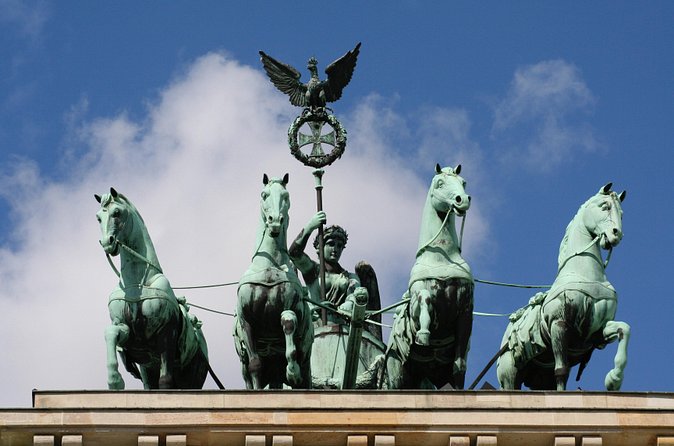
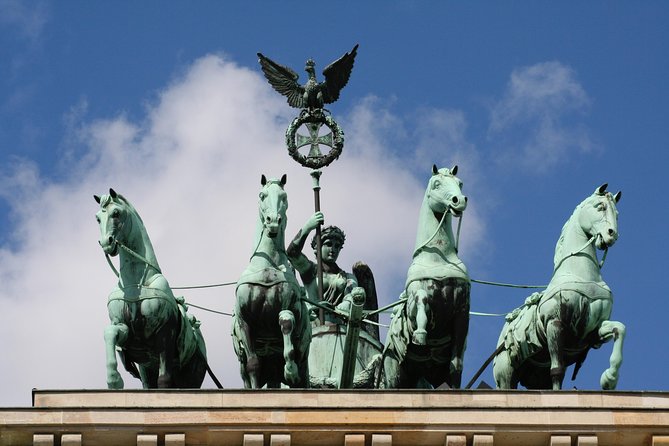
You start with Berlin’s most famous landmark, the Brandenburg Gate. This is a spot where the photos are easy, but the meaning takes a minute longer—because the gate became a symbol of division and reunification.
What I like about this stop on a short tour: it’s a strong “anchor” for everything you’ll see later. When you stand near it, other places—government buildings, border sites, Wall memory—start to connect in your head.
Plan for a short photo moment and a quick orientation. The stop is listed at 5 minutes, so you won’t have time to linger for long viewpoints, but you also won’t waste your whole tour here. This is about getting your bearings fast.
Possible consideration: if you’re the type who wants long, quiet time in one place, Brandenburg Gate may feel like a quick stop rather than a full experience.



Historic Center Boulevard: Lime Trees, Key Institutions, and Nazi-Era Book Burning
After the gate, you move into the historic center area with famous lime trees and a grand boulevard feel: elegant cafés, monumental buildings, and the equestrian statue of Frederick the Great. This stretch is a good reminder that Berlin isn’t only concrete history—it has long cultural rhythms too.
You’ll see landmarks like Humboldt University, the Kronprinzenpalais, the German Historical Museum, and the place of book burning by the Nazis. That last detail matters. It’s not just a “cool fact” stop; it’s a reminder that cultural life can be attacked and controlled, and the guide’s context is what turns the setting into something you remember.
I also like that you get this stop as part of the broader route. You’re not just watching memorials; you’re also seeing how institutions and public spaces shaped daily life before and after the worst chapters.
Berlin State Opera and the Restored Grand Buildings
Next up is the Berlin State Opera, associated here with Daniel Barenboim as principal conductor. The tour notes the opera has been painstakingly restored, which signals that the guide isn’t treating it as a “background building.” Restoration is a story of money, priorities, and what a city chooses to preserve.
You’ll likely get a visual look rather than a long interior visit, since entrance fees aren’t included. That’s fine if your goal is understanding where Berlin’s cultural power sits in physical space.
If you’re an opera fan, you might be tempted to add an extra plan to see it more fully later. The tour gives you the location and the context so you can decide if you want to go deeper on your own.
The Tallest Tower Stop: A Quick Reality Check on Berlin’s Scale
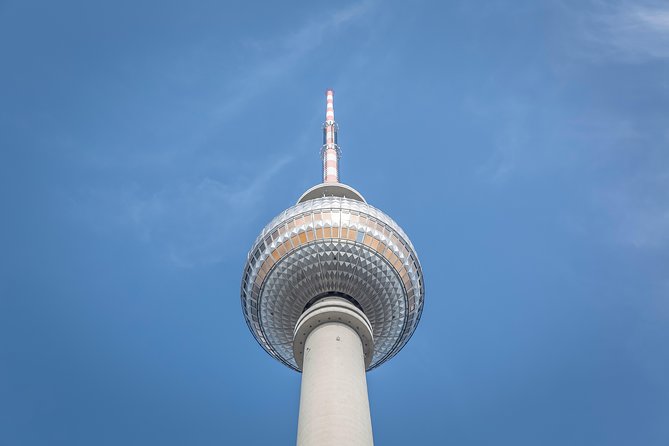
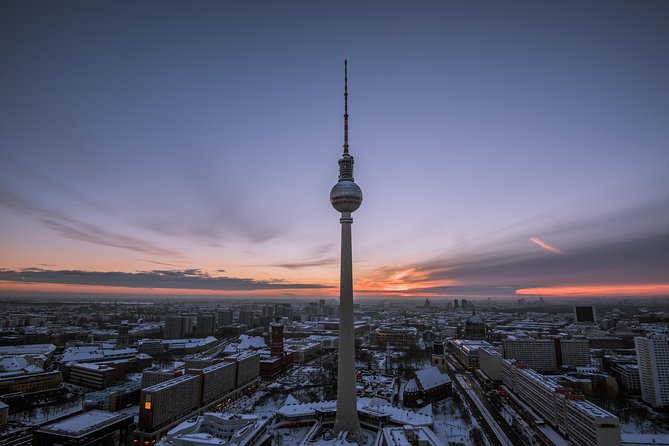
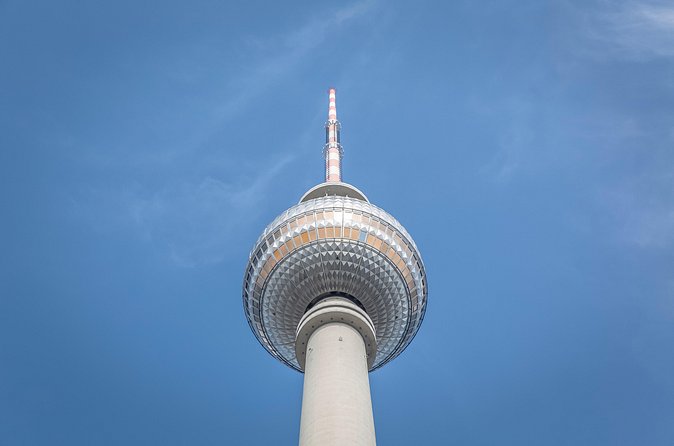
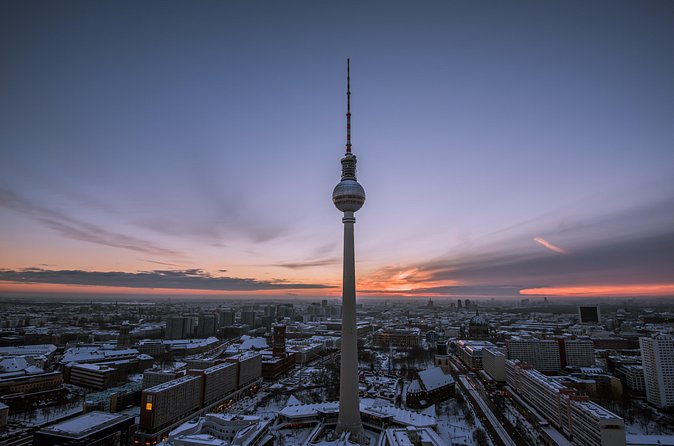
The itinerary includes seeing the city’s tallest tower. This is one of those “take a breath and look around” moments. Even if you don’t go inside, seeing it on the route helps you understand Berlin’s skyline and how the city has grown around its historical core.
On a 3-hour tour, think of this as a visual marker. You can use it later as a reference point when you’re mapping the rest of your day.
The Reichstag and Government Buildings: Changeable History in One View
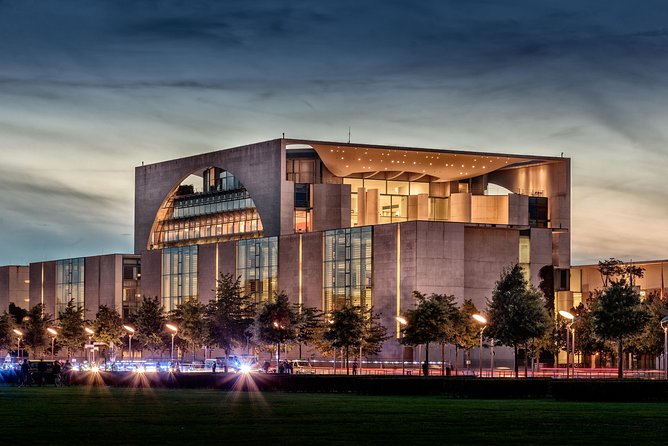
You’ll reach the Reichstag, the seat of the German parliament, and it’s framed as a building that mirrors Germany’s changing history. From here, you can also see the Federal Chancellery and other government buildings.
This is a strong stop for first-time visitors because it connects symbols to power. The guide’s role is key here: you don’t just see the structure; you get told why it matters and what it represents.
One practical note: since entrance fees aren’t included, you should plan for exterior viewing and explanations rather than a long internal visit unless you arrange separate tickets.
Museum Island: Pergamon Altar and Nefertiti on the Short Route
Museum Island is a UNESCO World Heritage Site, and the tour points out major museums there, including the Pergamon Altar and the Nefertiti. This is a smart inclusion because many first-timers land at Museum Island and feel overwhelmed by options.
The tour’s job here is not to replace an in-depth museum day. It’s to help you understand why Museum Island matters and what “name items” you might want to see later if you come back.
A consideration: if you’re hoping for a full museum visit during the 3 hours, you’ll need extra time. Entrance fees aren’t included, and most museums on Museum Island will require their own planning.
Federal President Seat: Prussian Royal Roots in a Neat Setting
You’ll also see the seat of the Federal President, described as the former summer palace of Prussian kings. That detail is useful because it shows continuity: the same ground can shift roles over centuries, from royal leisure to modern state function.
Even on a quick roadside stop, palace-to-modern-government context helps you interpret Berlin’s layers. You start to notice how older prestige buildings get repurposed instead of erased.
Hauptbahnhof and the Reconstructed Royal Palace View
The itinerary includes the newly built main station (listed as the largest crossing station in Europe) and then moves to the reconstructed 500-room palace with a magnificent Baroque façade. That palace now houses museums, and from there you also get a good view of the Berlin Cathedral.
This is a lot for one tour, but it’s also why the route works. You get:
- modern infrastructure scale at Hauptbahnhof
- historical architectural “rebuild” at the palace
- a big-picture view toward the cathedral
Since this isn’t an entrance-and-museum-ticket program, treat it as a geography and architecture orientation. Later, you can decide which interiors you want to pay for.
Nikolaikirche Area: Cradle of Berlin and the Comfort of Pedestrian Streets
Then the route shifts to the cradle of Berlin, the oldest part of the city center around the medieval Nikolaikirche. Today it’s described as a cozy pedestrian zone with pretty cafés, and that’s a nice change of tempo after the government and museum stops.
This section can work especially well if your group likes atmosphere, not only monuments. It’s also a helpful way to reset your brain before you move into the more emotionally heavy sites like Wall remnants and border history.
Quick guide note: use this stop to look around a bit and take a breather. Even if the tour doesn’t allocate long time, you’ll appreciate the smaller-scale streets after the monumental architecture.
The French Church and Refugee Story in One Beautiful Square
You’ll stop to see the French church in one of the most beautiful squares in Europe and learn about French religious refugees in Berlin. This kind of stop is why I like guided city tours: it turns a pretty building into a story about people seeking safety.
Because the tour is structured for a short time window, you’ll likely get the key explanation and then move on. That’s not “less meaningful” so much as it’s carefully prioritized.
If you’re a person who loves connecting immigration stories to city design, this will feel like a satisfying human layer in the middle of big political landmarks.
Potsdamer Platz: From European Busiest Square to Modern Architecture
Potsdamer Platz is next, once the busiest square in Europe, now a modern district with shops and restaurants designed by world-famous architects. This stop is good because it shows Berlin doing two things at once: remembering its past while reworking the city’s future-facing identity.
The guide’s take matters here. You don’t just walk past modern buildings; you’re reminded why this area mattered before it was rebuilt into what you see now.
If you like shopping or want a quick place for coffee later, this area sets you up well for continuing your day independently.
Longest Preserved Berlin Wall Remnant and the Graffiti Artists
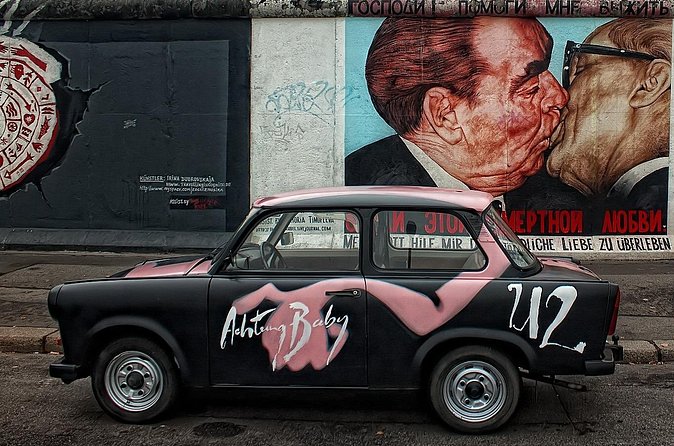
One of the most powerful stops is the longest preserved remnant of the Berlin Wall, described as completely painted by graffiti artists from all over the world. This is the kind of scene that can feel emotional even if you don’t consider yourself a “history person.”
The guide helps you read it beyond the aesthetics. You’re looking at memory, loss, and also the way art can claim public space after a painful era.
Timing here is part of the reality of a 3-hour tour: you’ll get the key points and photo opportunities, not a long reflective visit. If you’re someone who processes best by lingering, you might want to plan extra time on your own later.
Embassy District: Old Messages and Hypermodern Contrasts
The Berlin Embassy District stop includes the idea of old messages from the pre-war period mixed with hypermodern buildings of varied styles. This contrast is a great lesson in how Berlin layers time.
You can literally look for the “same city, different eras” feeling. The point isn’t to memorize buildings; it’s to train your eye so you notice Berlin’s patchwork logic when you walk around later.
In a short tour, this type of stop keeps Berlin from becoming one-note. It reminds you that the city still changes while history remains visible.
Victory Column and Gedächtniskirche: Prussian Victory to WWII Remembrance
You’ll see the Victory Column placed at the intersection of major axes, recalling victories of the Kingdom of Prussia. It’s a big monument, but the tour framing makes it clear: Berlin’s monumental design often carries political intent.
Then you shift to the Gedächtniskirche, included as a ruin reminder of Berlin’s destruction in the Second World War. A ruined church can feel heavy, and this stop works best when the guide gives you context for why it was left standing in that state.
Practical advice: wear comfortable shoes here. Even if you’re not walking far, you’ll likely pause for viewpoints. Also, if your group includes kids or teens, ask the guide to explain the symbolism in plain language—this is where a good guide earns their keep.
Checkpoint Charlie and Scheunenviertel: Border Memory Plus Neighborhood Life
After the west-side landmarks, the tour includes Checkpoint Charlie, described as the most famous border crossing in Berlin. That’s a high-recognition site, but you’ll get more than a postcard angle with the guide’s explanation of what this kind of crossing meant in daily reality.
Checkpoint Charlie has a listed 5-minute stop time, which means expect quick highlights rather than a long interpretive visit. The goal is to make it real and place it on your mental map.
Finally, you’ll visit Scheunenviertel, the former Jewish quarter and a place known for old Berlin backyards. With a listed 10-minute stop, you get a slightly longer neighborhood window than the fastest photo sites.
This is where the tour adds a human texture. Berlin history isn’t only parliaments and walls; it’s also the everyday living spaces where people’s lives unfolded.
Comfort, Pacing, and How to Make It Enjoyable
Because this tour covers a lot in about 3 hours, pacing is everything. I’d treat it like an orientation walk by vehicle: you’re getting a curated route so you can decide what to do next.
Come with a flexible mindset. If you want to spend an hour inside one building, you won’t get that on a highlights itinerary. Instead, focus on listening well and taking notes in your head—what you loved will guide your next stops.
The vehicle is air-conditioned and you’ll have private transportation, which helps a lot if your day starts warm or you’re squeezing Berlin between other plans.
Also, bring something small you can snack on. Snacks and bottled water aren’t included, and you’ll enjoy the tour more if your energy stays steady.
Who This Private Berlin Highlights Tour Fits Best
This tour fits best if you want a guided hit list that still feels personal. It’s also a good choice for groups who want one guide voice to connect the dots—especially if you don’t want to piece Berlin together by yourself.
It’s also suitable if your group spans ages or interests. One of the strong signals from the guide praise: Katherine handled a wide range with patience and warmth, and that kind of group-friendly approach matters in real life.
If you’re traveling solo and prefer private attention, max 8 still means you’ll feel less lost than in larger bus groups. Just keep in mind you’re paying per group, so value depends on how many people share it.
If you’re a museum-first traveler who knows you want to spend hours inside the major collections, this may feel too short for that goal. In that case, use it as your planning tool, then book museum time separately.
Should You Book This Berlin City Tour?
I’d book this if you want a smart, time-efficient introduction to Berlin’s big stories: reunification landmarks, Wall memory, government symbolism, and key neighborhood texture—all in one compact route with pickup and a private group size.
I wouldn’t book it if you need long, ticketed museum hours or you hate quick stops. This tour is built for getting your bearings and understanding what matters, not for doing deep ticketed dives at every site.
My decision rule: if you have half a day to learn Berlin’s “why,” this tour can save you hours of confusion later. Then you can come back on your own for the places that really hooked you—like Museum Island, the Reichstag area, or the Wall-related sites.
FAQ
How long is the Berlin city tour?
The tour lasts about 3 hours.
What is the group size limit?
It is for max. 8 persons, and it’s a private tour for only your group.
What does the price include?
The price includes an air-conditioned vehicle and private transportation.
Is pickup from my hotel or address included?
Yes. Pickup is offered, and you can provide the exact address in Berlin for pickup.
Is the tour offered in English?
Yes, the tour is offered in English.
Are entrance fees included?
No. Entrance fee tickets are not included.
Can I cancel for a full refund?
Yes. You can cancel up to 24 hours in advance for a full refund.
More City Tours in Berlin


More Tours in Berlin


More Tour Reviews in Berlin
Round out your days in Berlin
City Tours, compared.
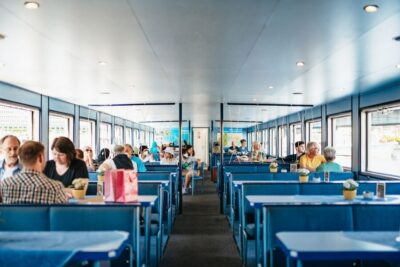 ★ 4.31-Hour City Tour by Boat with Guaranteed SeatingFrom $2516,993 reviews
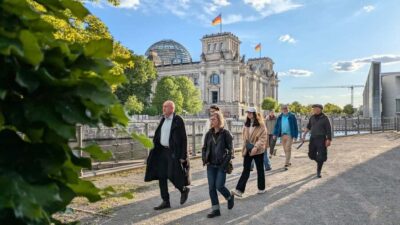 ★ 4.7Berlin City walk Government District and Places of DemocracyFrom $2948,467 reviews
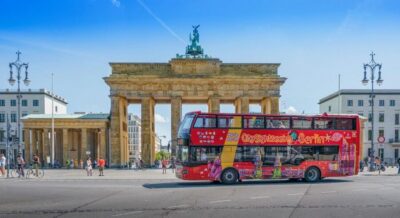 ★ 4.1City Sightseeing Hop-On Hop-Off Bus TourFrom $254,233 reviews
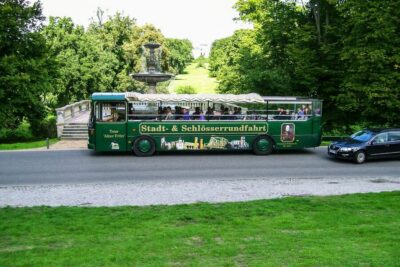 ★ 4.7Potsdam: City and Castles TourFrom $293,721 reviews
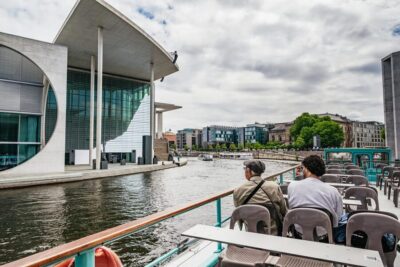 ★ 4.41-Hour City Sightseeing CruiseFrom $252,210 reviews
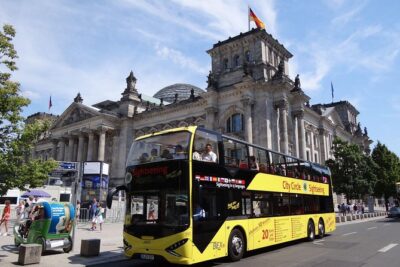 ★ 3.5Berlin City Hop-on Hop-off Tour with Optional CruiseFrom $311,155 reviews
 ★ 4.8City Street Art Guided Walking TourFrom $231,051 reviews
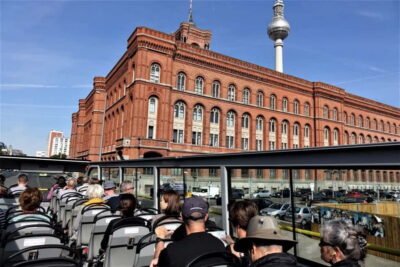 ★ 4.1Berlin Combo Package: City Tour & Spree Boat TourFrom $64996 reviews
Browse the lists this tour appears in