
REVIEW · BERLIN PUB CRAWLS & NIGHTLIFE
Produce Techno and House Music in Berlin
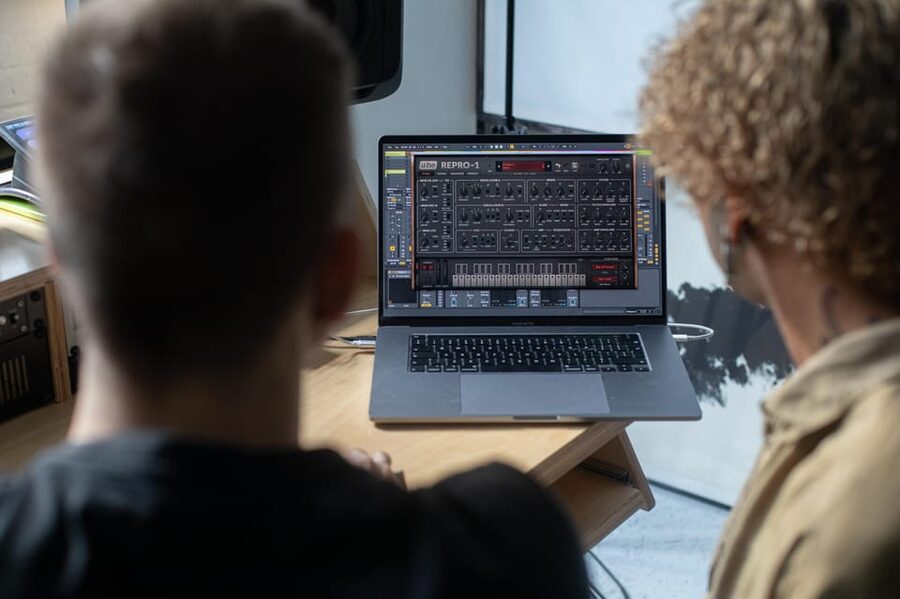
A two-hour studio session can change how you hear music. In Berlin’s clubbing district, you’ll learn house and techno production in a real working studio, not a demo room. What I like most is the hands-on focus on synthesizer and drum machine programming, plus the step-by-step path to recording, arranging, and mixing. One thing to consider: this is active, computer-and-gear work. If you’re hoping for a relaxed sightseeing add-on, you may feel a bit rushed.
This masterclass is built for people who want to make something, even if you’ve never touched music software before. You’ll sit in an English-speaking setup with a small group (limited to 4), which helps the instructor adjust fast. And because the studio includes both modern tools and vintage gear, you get lessons that feel connected to how Berlin artists actually build tracks.
In This Review
- Key Takeaways If You Want Berlin’s Sound, Not Just Berlin’s Nightlife
- Berlin’s Clubbing District Studio: Real Track-Making, Not a Museum Tour
- Andy Sexton’s Teaching Style: Philosophy Plus Practical Steps
- Synth and Drum Machine Programming: Where House and Techno Grows Teeth
- Recording and Arranging a House or Techno Track: From Loops to a Real Structure
- Mixing Down for Club Play: The Part People Usually Skip
- The Studio Gear: Modern Tools, Vintage Character, and Real Microphones
- Value and the Real Meaning of $147 for Two Hours
- Time, Pace, and What You’ll Leave With
- Who This Workshop Fits Best (and Who Might Be Unsatisfied)
- Studio Etiquette and Expectations That Keep Things Smooth
- Should You Book This Berlin Techno and House Production Masterclass?
- FAQ
- Do I need prior music production experience?
- How old do participants need to be?
- How long is the masterclass?
- Is the instructor available in English?
- How many people are in the group?
- Is the studio wheelchair accessible?
Key Takeaways If You Want Berlin’s Sound, Not Just Berlin’s Nightlife
- Small-group teaching (up to 4 people) means more time at the controls, not just watching
- Synth and drum machine programming for house and techno, with practical workflow steps
- Record, arrange, and mix down so your track is prepared for club-style playback
- Modern + vintage studio gear, plus a big range of microphones and acoustic instruments
- No prior experience required, but you still get a structured method you can reuse
More of Berlin after dark
- Berlin: Pub Crawl with Shots and VIP Club Entry★ 4.9 · 710 reviews
- Berlin: Pub Crawl & Party with Free Shots & VIP Club Access★ 4.8 · 455 reviews
- Original Pub Crawl Berlin★ 3.5 · 198 reviews
- Berlin Pubcrawl: Shots, Party Games, Prices & VIP Club Entry★ 4.9 · 90 reviews
Berlin’s Clubbing District Studio: Real Track-Making, Not a Museum Tour
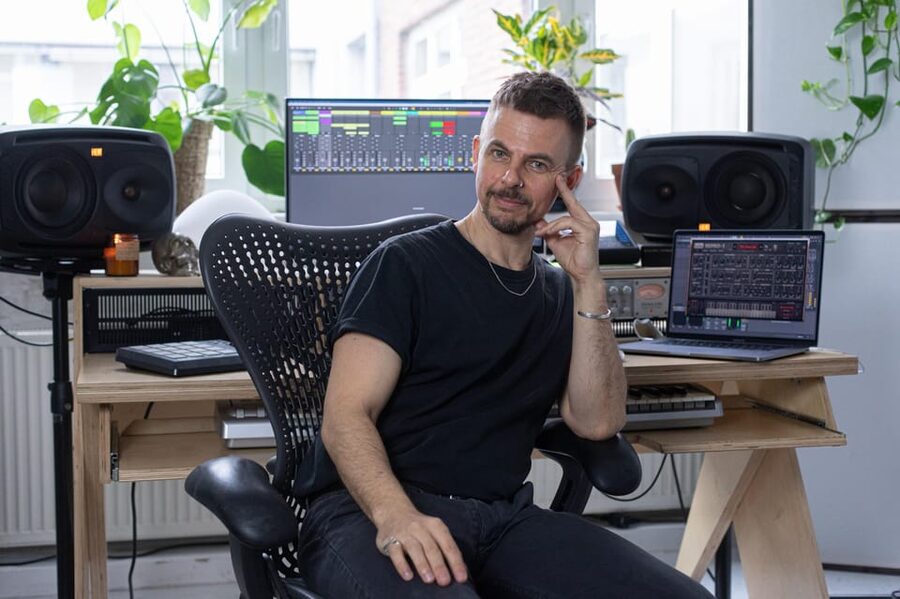
This is one of those experiences that fits Berlin’s spirit: you learn by doing. You start in the heart of the clubbing district, in a large industrial building with reddish brown brick. That setting matters. The whole vibe is practical and music-first, with the kind of energy you associate with Berlin’s underground scene.
In a typical class, you might get shown buttons and told what they do. Here, the focus is on building a track you can understand as you make it. That’s the big difference. You’re not just copying settings. You’re learning how choices create groove, tension, and movement—things that are central to house and techno.
Because it’s two hours, you’ll likely feel the pace quickly. The payoff is that you get a complete workflow in one sitting: programming, recording/arranging, and mix-down preparation. If you’re the type who likes to see how the sausage gets made, this will feel satisfying rather than abstract.
Andy Sexton’s Teaching Style: Philosophy Plus Practical Steps
The instructor, Andy Sexton, teaches in English, and the class is designed so you don’t need prior music production experience. That alone is a major value point. Many electronic music workshops quietly assume you already know your way around software and signal flow. This one starts from the beginning and still aims at something real.
One of the strongest themes from the learning experience is methodology. You’re not only shown how to make sound; you’re taught a way to think about making sound. The studio approach emphasizes structure and workflow—how to organize your steps so you can move from idea to completed arrangement without getting lost.
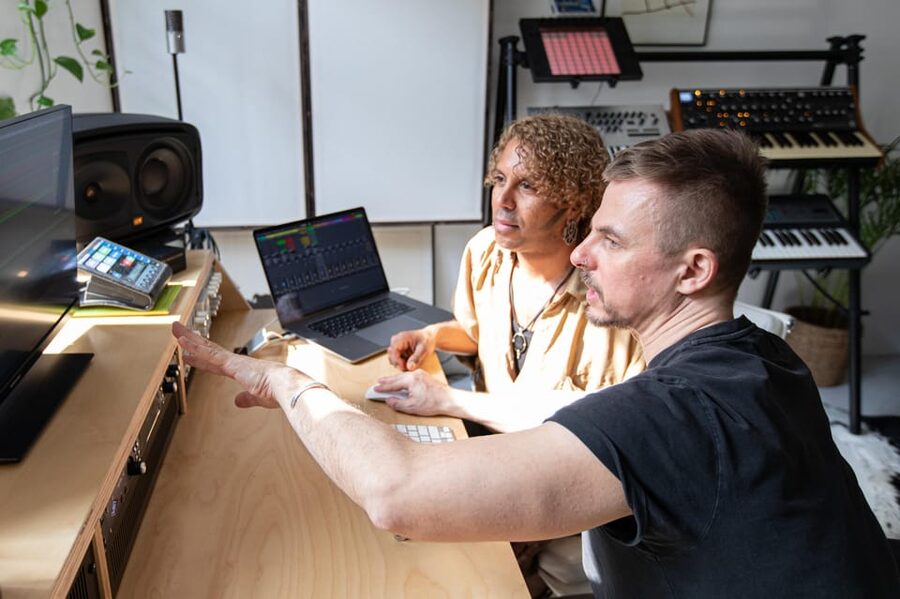
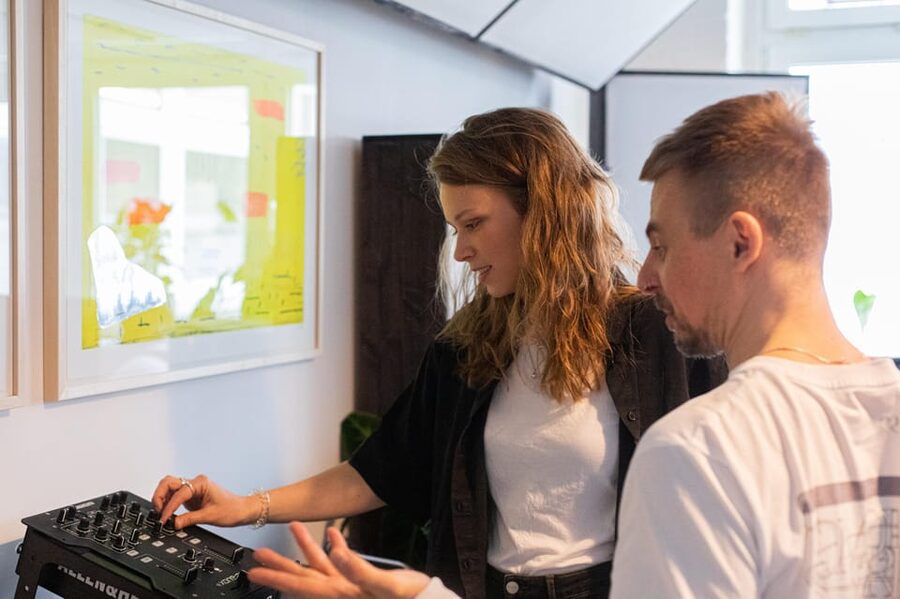
You’ll also benefit from the small-group format. When only a few people are in the room, the instructor can correct what matters and move on. That means you spend your time producing, not waiting for the next explanation.
And yes, the vibe includes personality. People describe the session as friendly and guided, with humor that makes the gear less intimidating. That matters more than it sounds. Berlin’s techno world can feel intimidating from the outside. In the studio, you get the human side of it fast.
Synth and Drum Machine Programming: Where House and Techno Grows Teeth
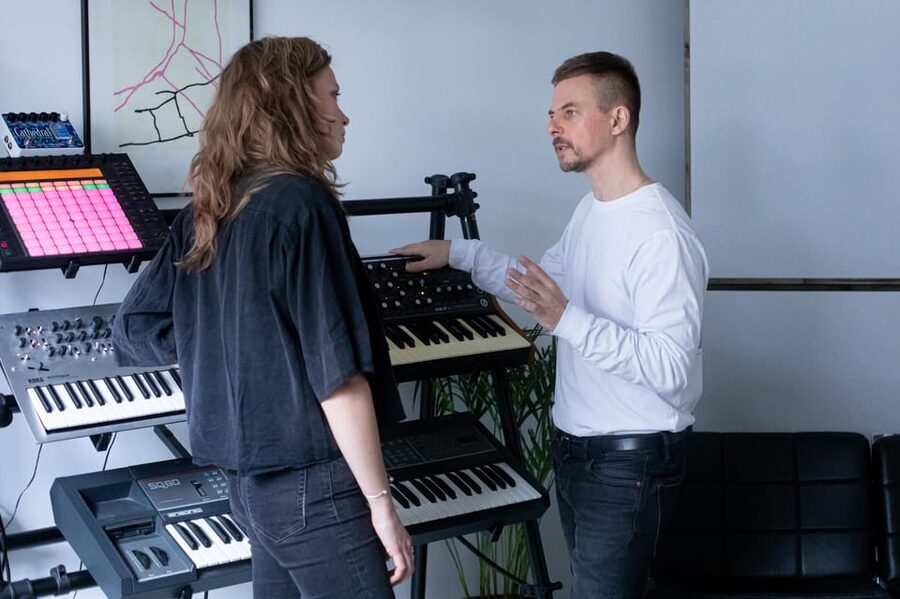
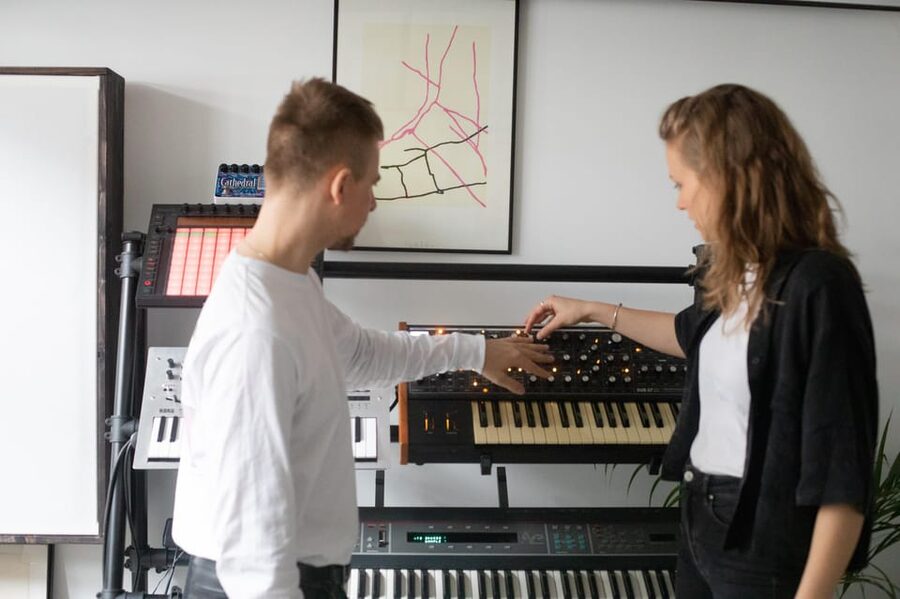
Programming is the heart of this masterclass. You’ll learn how to program synthesizers and drum machines to create a track, and that’s where you start hearing the difference between playing sounds and building rhythm.
Here’s what this lesson is really teaching you: control. House and techno groove isn’t magic. It’s pattern decisions. It’s timing. It’s how you stack hits, vary accents, and keep energy moving without turning the whole track into noise.
You’ll work through:
- Setting up synth parts for your melodic or harmonic character
- Building drum patterns that create drive
- Using programming as a creative tool, not a chore
The class is also designed to help you connect your choices to what you hear. That’s why it’s so valuable even if you later switch software. Your ears and your workflow get trained.
If you’re a beginner, this is also a confidence-builder. You’ll get the feeling of accomplishment quickly because you can hear progress fast. If you already have some experience, the session still helps because it focuses on structure—how to keep your steps organized so you don’t start over every time something sounds off.
Recording and Arranging a House or Techno Track: From Loops to a Real Structure
After programming, the next goal is recording and arranging. This is where your track stops being a collection of sounds and becomes a composition with momentum.
You’ll record and arrange a house or techno track using professional software. That means you’re not just sketching loops. You’re building an arrangement—something that has a start point, movement, and sections that make sense as a DJ-friendly, club-ready track.
The studio setup supports this because it’s not limited to electronic instruments alone. It includes acoustic instruments like piano, guitar, and percussion, along with a vast array of microphones. So even if you’re primarily creating electronic parts, you can explore organic textures and capture them properly.
What you should watch for during this stage is the concept of layering. In club music, layers are what keep a track alive. You don’t need to add more sounds just to add more sounds. You add when it creates clarity, contrast, or forward motion.
By the time you reach arrangement, you’re thinking like a producer: What comes next? What should stay stable? Where do you build energy? The session gives you a framework to answer those questions without guessing randomly.




Mixing Down for Club Play: The Part People Usually Skip
A lot of music lessons stop at creation. This one includes mixing down the track preparation for playing in the club. That’s huge, because mixing is where your track stops sounding like a bedroom demo and starts behaving like something that can survive big speakers.
In two hours, you won’t become a mastering engineer. But you can learn the essential mindset behind mixing: balance, clarity, and levels. You’ll prepare your track so it has the right shape for playback in a club context.
Mix-down in this setting likely covers the basics you need to avoid common beginner pitfalls:
- Parts fighting each other in the same frequency space
- Levels that sound fine on headphones but collapse on larger systems
- A track that lacks punch because transient energy isn’t managed
Even if you already know the basics, this segment is valuable because it’s tied to the goal: club play. Your ears start listening for what club systems emphasize—kick presence, rhythm consistency, and overall mix cohesion.
This is also where the instructor’s production frameworks really help. You’re not only moving sliders. You’re making decisions with a purpose.
The Studio Gear: Modern Tools, Vintage Character, and Real Microphones
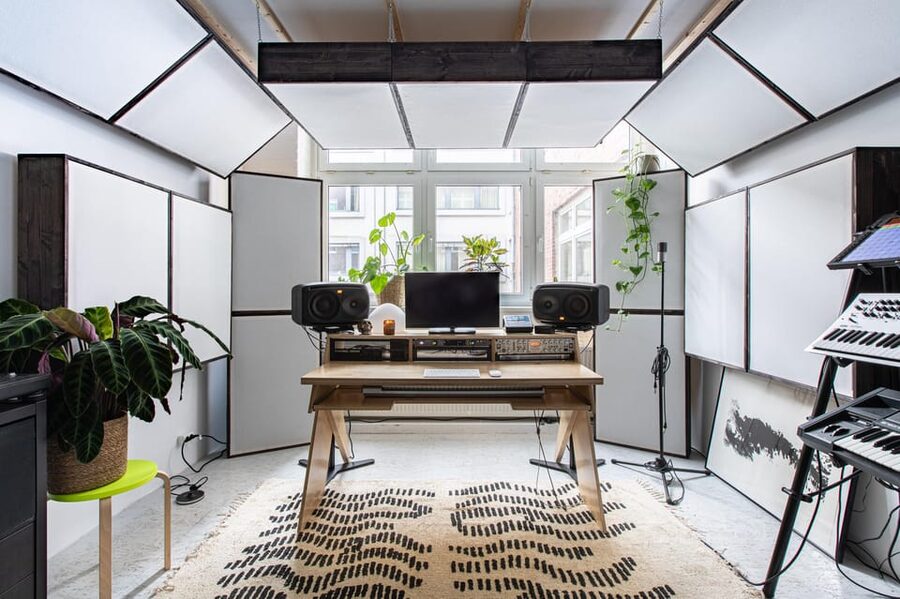
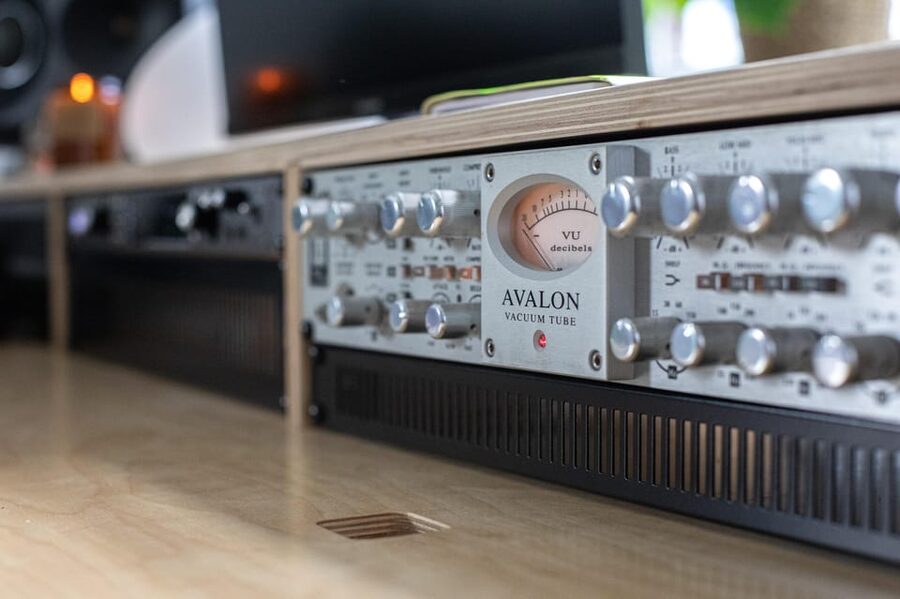
One reason this experience feels authentic is the equipment mix. The studio includes modern and vintage music gear, plus a vast array of microphones and acoustic instruments. That combination matters for two reasons.
First, it shows you a broader palette. Modern gear can be clean and fast. Vintage gear often adds character and texture. When you learn production in a studio with both, you start thinking in terms of sound personality, not just technical correctness.
Second, microphones and acoustic instruments add realism. If you choose to record piano, guitar, or percussion elements, you’re learning that a club track can include real physical performance, as long as it’s captured and integrated well.
The class also includes access to professional music production software. So you’re using actual tools rather than a limited demo version with missing features. That’s another practical value boost: the workflow you learn is transferable.
Bottom line: you’re learning in a place designed for serious work. That changes how seriously you approach the session—and it tends to make your results feel more satisfying.
Value and the Real Meaning of $147 for Two Hours
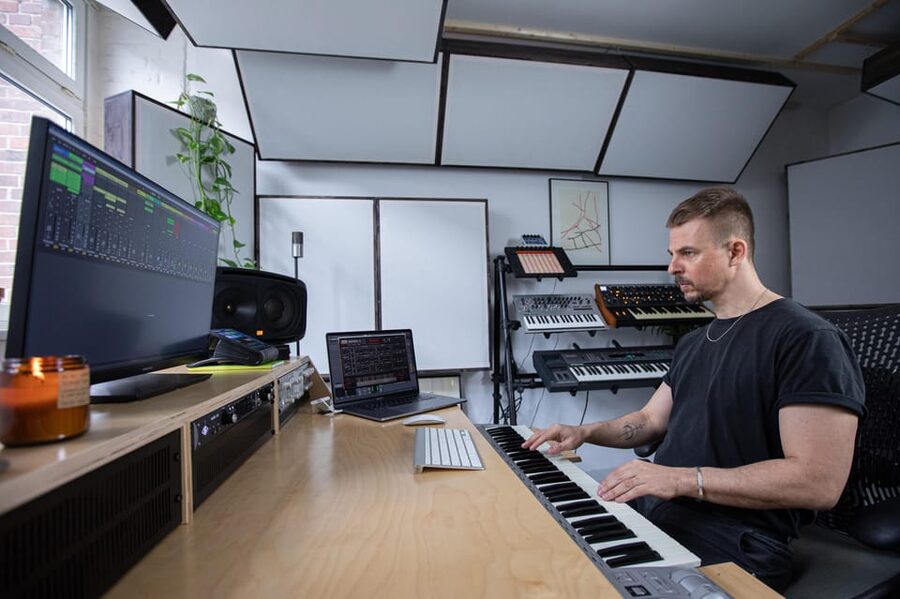
At $147 per person for a two-hour session, you’re paying for focused coaching plus the use of a professional setup. The key is what’s included: software access, studio gear use, synthesizer and drum machine programming guidance, recording and arrangement, and mix-down preparation.
If you tried to reproduce this yourself in Berlin—paying for studio time, buying software access, and learning the workflow from scratch—you’d likely spend far more money and far more time. Even without doing any outside price comparisons, the value here comes from compression. You get a full pipeline taught in one sitting.
Also, the small-group limit (up to 4) is a real money lever. In a big class, instructors can’t watch every signal chain and fix every small mistake. Here, you get more attention per minute.
Two hours won’t turn you into a full-time producer. But it can give you something more useful than that: a repeatable framework. Once you understand the workflow you practiced, you can keep building on it at home.
Time, Pace, and What You’ll Leave With
This masterclass is scheduled for two hours. That means you’ll move through stages quickly: programming, recording/arranging, then mix-down preparation. If you hate time pressure, you might find it intense. But if you like momentum, it’s a good fit.
The studio setting also encourages momentum. When your gear is ready and your instructor is teaching in sequence, you’re less likely to stall. Beginners often do best when they have a clear next step.
You can also expect the session to be structured enough that you don’t spend the whole class tinkering without results. The goal isn’t just learning theory. The goal is leaving with a track built through the workflow you were taught.
And because the group is small, you’re more likely to get personal corrections. That turns the time into progress, not just activity.
One more thing: the instruction is in English, so it’s straightforward to ask questions. If you’re comfortable with basic English music terms, you’ll pick up the method fast.
Who This Workshop Fits Best (and Who Might Be Unsatisfied)
This is a strong choice for beginners. The class explicitly requires no prior music production experience, and the teaching approach is designed to guide you step-by-step.
It’s also a smart option if you already know music production but want a Berlin-specific lens on house and techno structure. The session connects sound choices to the workflow that creates grooves and arrangements in this style.
You should consider skipping it if you mainly want nightlife vibes or a tour-like experience. This is hands-on studio work. You’ll be programming and shaping sound, not just listening.
Age-wise, the minimum is 10 years old. Children under 10 aren’t suitable for this activity. If you’re traveling with a kid who’s genuinely curious about making music, the studio format might work well, but it’s still important they can handle the active session length.
Accessibility is also a plus: the studio is wheelchair accessible. So if mobility access is a concern, you’re not left guessing.
Studio Etiquette and Expectations That Keep Things Smooth
The studio rules are simple and aimed at keeping the session focused: no smoking, no alcohol or drugs, and no littering. Plan to arrive ready to work, not to snack or party.
Meals and drinks are not included. You’ll want to eat beforehand or plan for water breaks, depending on your own needs. Since you’re working close to audio equipment and screens, keeping your energy steady helps you stay present.
Transportation to and from the studio isn’t included either. So make sure you can get to the reddish brown brick industrial building and find the front door without stress.
Also, you’ll meet a few minutes before the scheduled start time. That small buffer helps you settle in and start quickly, which matters when the whole workshop is only two hours.
Should You Book This Berlin Techno and House Production Masterclass?
Book it if you want to leave Berlin with more than photos. You’ll get a structured, studio-real way to build a house or techno track: synth and drum machine programming, recording/arranging, and mix-down preparation for club play. The small group size and the professional setup push this beyond a generic intro class.
Skip it if you’re hoping for a passive experience or a long, relaxed hangout. This is active work, and you’ll get the most out of it if you’re willing to sit down, try things, and follow the workflow.
If you’re the kind of traveler who loves learning a craft while you’re there, this masterclass fits perfectly. Berlin’s electronic identity isn’t just in the clubs. It’s in the studio decisions that make grooves move.
FAQ
Do I need prior music production experience?
No prior music production experience is required. The masterclass is designed to guide you through the process.
How old do participants need to be?
Participants must be at least 10 years old. Children under 10 years are not suitable for this activity.
How long is the masterclass?
The duration is 2 hours.
Is the instructor available in English?
Yes. The instructor teaches in English.
How many people are in the group?
The group is small and limited to 4 participants.
Is the studio wheelchair accessible?
Yes. The activity is wheelchair accessible.
More Tour Reviews in Berlin

Berlin After Dark





Round out your days in Berlin
Berlin Pub Crawls & Nightlife, compared.
 ★ 4.9Pub Crawl with Shots and VIP Club EntryFrom $22710 reviews
 ★ 4.8Pub Crawl & Party with Free Shots & VIP Club AccessFrom $11455 reviews
 ★ 3.5Original Pub Crawl BerlinFrom $19198 reviews
 ★ 4.9Berlin Pubcrawl: Shots, Party Games, Prices & VIP Club EntryFrom $2590 reviews
 ★ 4.0Alternative Berlin Pub CrawlFrom $1086 reviews
 ★ 4.6Underground Party TourFrom $5861 reviews
 ★ 5.0Alternative Pub Crawl, Bars, Beats & Insider StoriesFrom $1754 reviews
 ★ 4.5Party and Beer Bike Private Sightseeing Tour Berlin with Pick-upFrom $4232 reviews
Browse the lists this tour appears in