REVIEW · BERLIN
Red Berlin: Secrets of the Communist Capital
Berlin’s Cold War still walks with you. On this Red Berlin tour, you trace the former Soviet sector from a meet-up near Brandenburg Gate to Wall sites like Bernauer Straße, guided through Stasi surveillance, diplomatic tensions, and the story behind today’s memory of East Berlin.
I love how the route focuses on places tied to the Wall and border system, not just big-picture dates. I also like the human storytelling style—people consistently praise guides (like Marcel, Dominic Dom, Ernestine, Sarah Enright, and Sophie) for making the Cold War feel like a movie you can walk through.
One thing to consider: it’s a 2-hour walking tour, so you’ll want comfortable shoes, and if you’re traveling in winter, darker end-of-day light can affect photos.
In This Review
- Key things to watch for
- Where You Start: Starbucks by Brandenburg Gate, Then Straight Into the Cold War
- The Former Soviet Sector Walk: Learning the City Through Its Fault Lines
- Embassies of Cold War Powers: Diplomatic Buildings on a Knife-Edge
- Palace of Tears: Wall Crossings and the Emotional Machinery of Borders
- Ghost Stations: When Transit Becomes a Warning
- Stasi and Surveillance: The Spy Network That Changed Daily Life
- Ostalgie: Why East Berlin Memory Is Still Complicated
- Price and Value: Does $30 Make Sense for a 2-Hour Walking Tour?
- Getting There Without Headaches: The AB Ticket Requirement
- What to Bring (and What to Expect During the Walk)
- Who This Tour Is Best For
- Should You Book Red Berlin: Secrets of the Communist Capital?
- FAQ
- How long is the Red Berlin tour?
- Where do I meet the guide?
- How much does it cost?
- Do I need public transit to join the tour?
- Is the tour guided and in English?
- What’s included in the price?
- Is the tour wheelchair accessible?
Key things to watch for
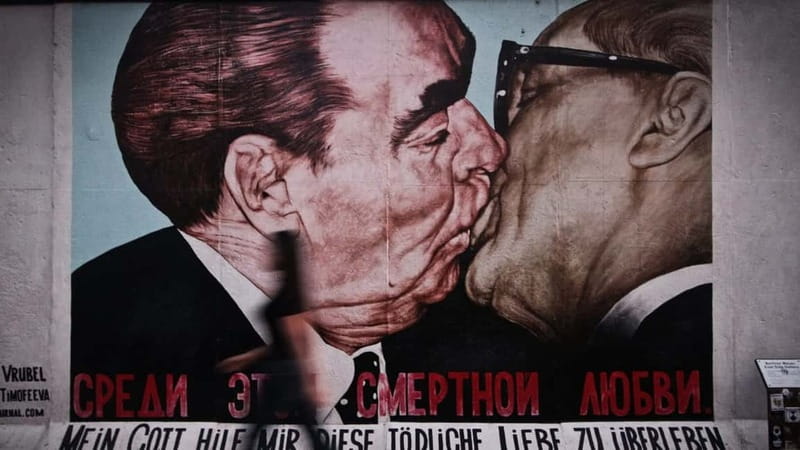
- Four Cold War embassies: you’ll see how diplomacy sat right on the fault line
- Palace of Tears: a border-crossing story you can’t get from a textbook
- Ghost Stations: you’ll learn why some places were left to linger in silence
- Stasi spy network: surveillance as a citywide system, not a vague concept
- Ostalgie: you’ll hear how nostalgia can coexist with painful truth
Still narrowing down your days in Berlin? Here are more tours to weigh up.
- Berlin: Reichstag, Dome and Government District Guided Tour★ 4.7 · 18,288 reviews
- Berlin: 1-Hour City Tour by Boat with Guaranteed Seating★ 4.3 · 16,993 reviews
- Berlin: TV Tower Standard Entrance Ticket★ 4.4 · 15,883 reviews
- Berlin: Boat Tour Along the River Spree★ 4.4 · 11,252 reviews
Where You Start: Starbucks by Brandenburg Gate, Then Straight Into the Cold War
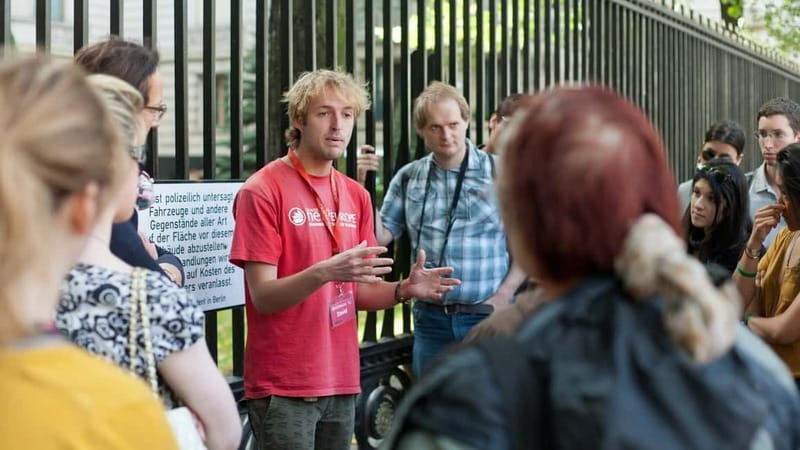
Meeting is simple and easy to spot: head to Starbucks Café near the Brandenburg Gate area, and look for the guide with a red umbrella and red t-shirt. That matters more than it sounds. Berlin’s big landmarks pull you in ten directions at once, so having a clear visual cue helps you start the tour with your head in the right place.
From the beginning, the tour’s tone is set for practical history. You’re not being asked to memorize a timeline; you’re being asked to notice a city that functioned under pressure. In a couple hours, you’ll get a guided path through East Berlin’s frontline geography and the mindset behind it.
The Former Soviet Sector Walk: Learning the City Through Its Fault Lines
The tour is built around the former Soviet sector—a part of Berlin where Cold War tension wasn’t theoretical. This is the kind of walking tour where the streets feel like documents: routes, borders, and “normal” buildings take on new meaning once you understand what sat behind them.
You’ll hear how Berlin existed as a frontline between two systems, and how the population lived with the constant reality of the Wall and the surveillance state. The strongest part of this approach is that it turns abstract geopolitics into something local. You start thinking like a resident: where could you go, what did you risk, and who was watching?
The walk is also a good fit for people who want history without a museum bottleneck. You can ask questions along the way, and the guide’s job is to keep the story moving at a human pace instead of turning it into lectures.
Embassies of Cold War Powers: Diplomatic Buildings on a Knife-Edge
One of the headline stops is visiting the embassies of four Cold War powers. Even if you’ve walked past embassies before, this is different. Here, those buildings aren’t just architecture; they’re signals of influence, negotiation, and confrontation happening side by side.
What I like about this part is the cause-and-effect framing. You’ll connect how diplomatic presence worked during a period when the city could have escalated fast. Standing near embassies, you can see why the Cold War wasn’t only about armies. It was also about messages, monitoring, and leverage—played out in ordinary spaces that most people walk by without thinking.
If you enjoy political history, this section gives you a clear “why this location matters” explanation. If you’re more into people and everyday life, it still works, because it shows how international pressure shaped local reality.
Palace of Tears: Wall Crossings and the Emotional Machinery of Borders
The tour’s border story centers on the Palace of Tears, where you’ll discover crossing points of the Berlin Wall. This is one of those sites that carries the weight of what borders do to families and decisions—especially in a city where the Wall wasn’t a symbol. It was a system.
This stop is valuable because it reframes the Wall. Instead of seeing it only as a barrier of concrete, you start viewing it as a process: checkpoints, procedures, and the emotional math of separation. The name itself tells you the tone, and the guide helps you understand the purpose behind the drama.
In practice, this is also a great moment to slow down. You’ll have time to take in the surroundings and connect what you’ve heard earlier—diplomacy, power, and surveillance—to what residents actually faced when crossing wasn’t just complicated, it was life-changing.




Ghost Stations: When Transit Becomes a Warning
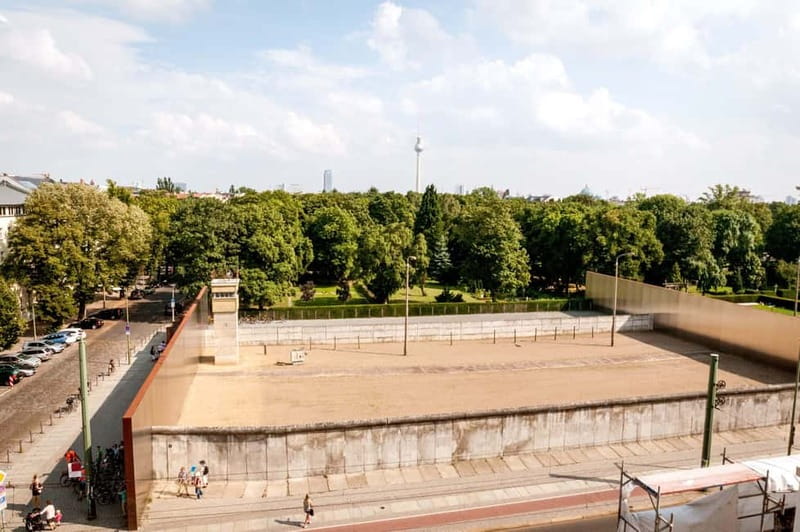
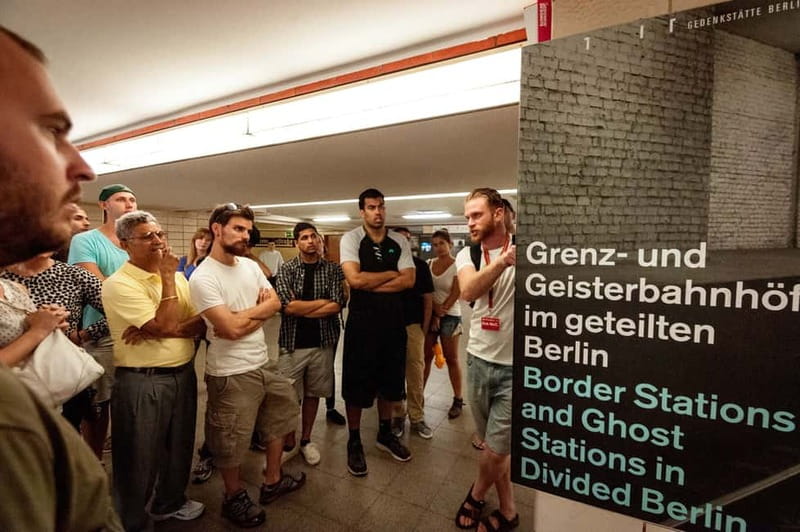
Another standout theme is the Ghost Stations. The tour treats them as more than eerie trivia. You learn why some stations became infamous, and what their existence says about a city cut into pieces.
This part is powerful because it shows how control can hide inside infrastructure. A train station is supposed to mean movement and connection. In Cold War Berlin, it could also become a sign of restriction and a reminder that lines on a map became rules people couldn’t outrun.
If you like history with atmosphere, this is where the tour earns its nickname-worthy energy. The guide’s storytelling style helps you picture the odd contradiction: the city still looked like Berlin, but the rules of the city stopped making sense in a normal way.
Stasi and Surveillance: The Spy Network That Changed Daily Life
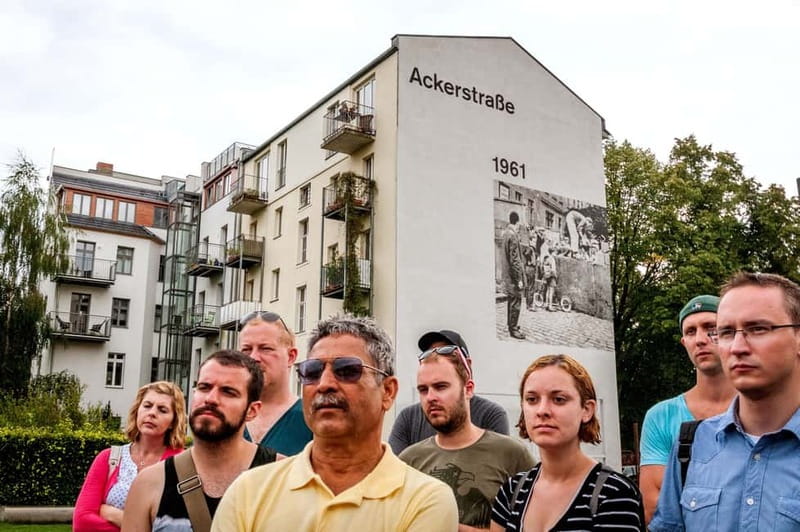
You’ll also learn about the Stasi, described on this tour as the largest spy network the world has ever seen. That line is big, but what makes it useful is how the tour connects surveillance to daily life. It’s not about spy gadgets; it’s about the risk of being watched—everywhere, all the time.
For me, the best tours don’t treat surveillance as a villain in a thriller. They show you surveillance as a system that shaped behavior, speech, and even relationships. That’s the angle you’ll get here, as the guide explains how an entire population could live with observation hanging over ordinary routines.
This is also where the tour’s structure pays off. By now you’ve walked through embassy power, border-crossing reality, and “ghost” transit spaces. Stasi surveillance ties it together: you start seeing the Cold War not as two sides yelling across a border, but as a machine that influenced what people did when no one else could see.
Ostalgie: Why East Berlin Memory Is Still Complicated
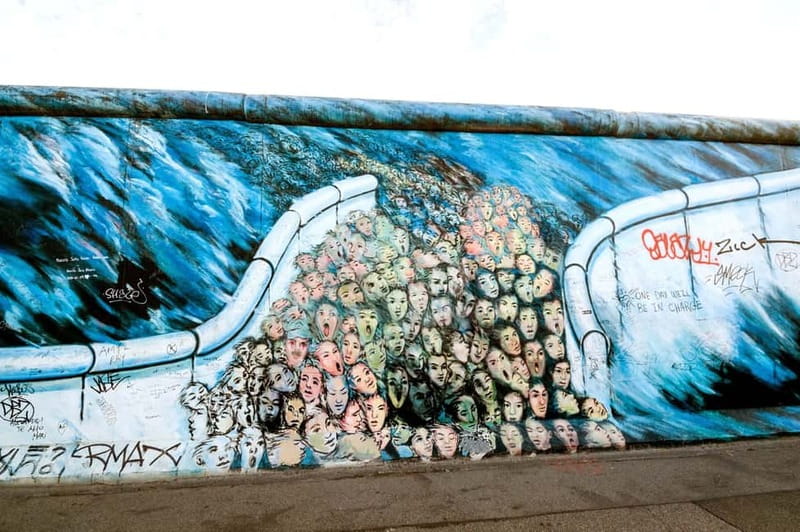
The tour ends with the phenomenon of Ostalgie—East German nostalgia—and it’s one of the more thought-provoking parts of the experience. You’ll learn about the idea that after reunification, some people developed a longing for certain parts of East life, even while the system behind it caused serious harm.
This theme is valuable because it keeps the story honest. It doesn’t reduce everything to either a victory narrative or a total tragedy narrative. Instead, it highlights how memory works after a regime changes—how people can miss familiar things, even when they know the bigger picture was broken.
If you’re the kind of visitor who thinks history should end with closure, this section may challenge you—in a good way. Berlin doesn’t allow neat endings. It asks you to hold contradictions and still make sense of them.
Price and Value: Does $30 Make Sense for a 2-Hour Walking Tour?
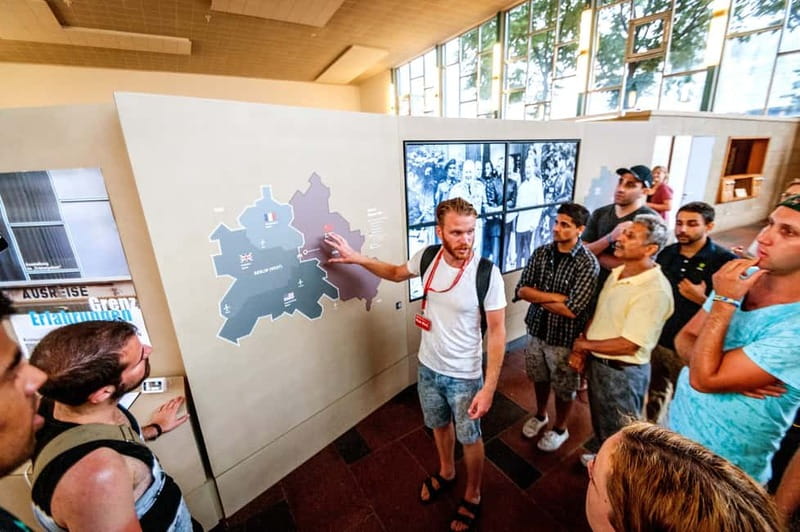
At $30 per person for a guided 2-hour walking tour, this isn’t a “do everything Berlin” deal. It’s a targeted hit: Cold War Berlin, Communist East Berlin, and the Wall-era story told through specific locations. For the time you spend walking and listening, the value is strong.
Here’s what you’re really buying: a human guide who can connect sites like Palace of Tears, Ghost Stations, and Wall-adjacent areas to how people lived under the Stasi. If you tried to stitch this together on your own, you’d need research, route planning, and context-building. This tour compresses that work into a compact format.
One practical benefit: the tour includes time for lunch. That matters because history-heavy days can turn into a constant hunt for food. Having built-in time helps you avoid the “tour ends, and you’re suddenly starving” problem.
Also, the tour is live-guided in English, and it’s wheelchair accessible, which makes it more flexible for mixed mobility groups.
Getting There Without Headaches: The AB Ticket Requirement
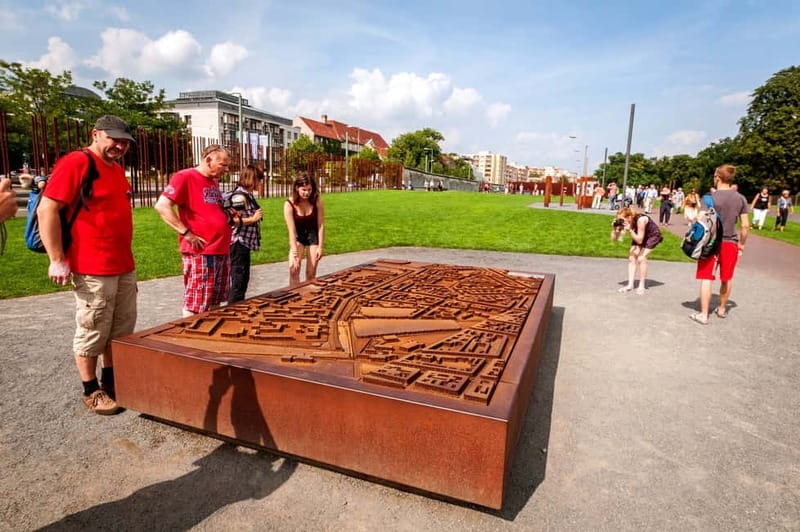
To participate, you’ll need an AB transit ticket. A day card is recommended, which is a helpful clue: you’re likely to use transit beyond just the tour timing.
This requirement is worth thinking about early. Berlin’s transit can be a little confusing if you’re new, and nothing ruins a history day faster than standing near a meeting point while figuring out ticket types. If you’ve got a day card ready, you can focus on walking and learning instead of logistics.
What to Bring (and What to Expect During the Walk)
Bring comfortable shoes. That’s the basic requirement, but it’s also the real secret to enjoying a Wall-and-Stasi-style tour. The story is intense; your feet shouldn’t turn it into a suffering contest.
A few other practical tips based on how tours like this usually work in Berlin:
- If you travel in winter, the ending light can be limited, so plan photos earlier in the day.
- Expect a lively pace rather than slow sightseeing. This tour is designed for story flow, not lingering in every spot.
You’ll finish at Bernauer Straße, which is a fitting end point for a tour centered on separation, movement, and what the Wall did to the city’s pulse.
Who This Tour Is Best For
This tour is ideal if you want a guided Cold War overview that feels grounded in Berlin’s real geography. It’s especially good for:
- First-time visitors who want context before diving into museums and monuments
- History fans who care about how everyday life worked under control
- People who like stories with emotion, not just dates
It may feel too heavy or too politically focused if you’re mainly in Berlin for nightlife, shopping, or art with no interest in the Wall-era mindset. But if you’re curious about how a city becomes a frontline, this one hits the mark.
Should You Book Red Berlin: Secrets of the Communist Capital?
Yes—if you want a tight, guided walk that connects Cold War politics to visible places, this is a strong booking. The Palace of Tears stop and the focus on Stasi surveillance give you more than trivia. You’ll leave with a clearer picture of how the Wall shaped movement, fear, and even memory.
Book it if you have about two hours and you enjoy questioning what you see on the street. Skip it if you’re only after relaxed sightseeing or you dislike emotionally intense history.
FAQ
How long is the Red Berlin tour?
The tour duration is 2 hours.
Where do I meet the guide?
Meet your guide in front of Starbucks Café near Berlin’s historic Brandenburg Gate. The guide will have a red umbrella and a red t-shirt.
How much does it cost?
The price is $30 per person.
Do I need public transit to join the tour?
Yes. An AB transit ticket is required to participate. A day card is recommended.
Is the tour guided and in English?
Yes. It’s a live tour with an English-speaking guide.
What’s included in the price?
Included features are the guided tour of Communist East Berlin and time for lunch.
Is the tour wheelchair accessible?
Yes. The tour is wheelchair accessible.