
REVIEW · CITY TOURS
Rickshaw Sightseeing City Tours Berlin – Rikscha Tours
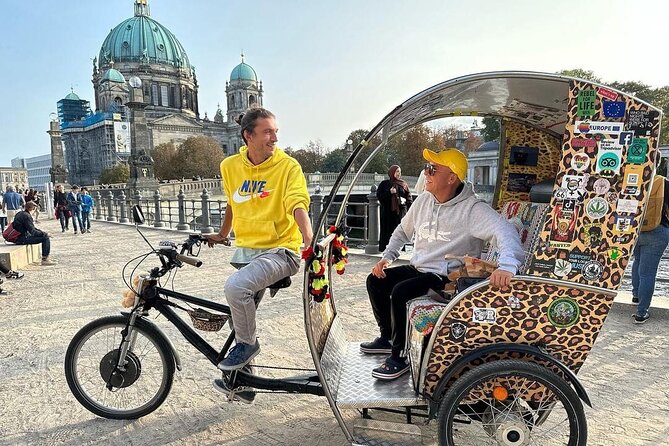
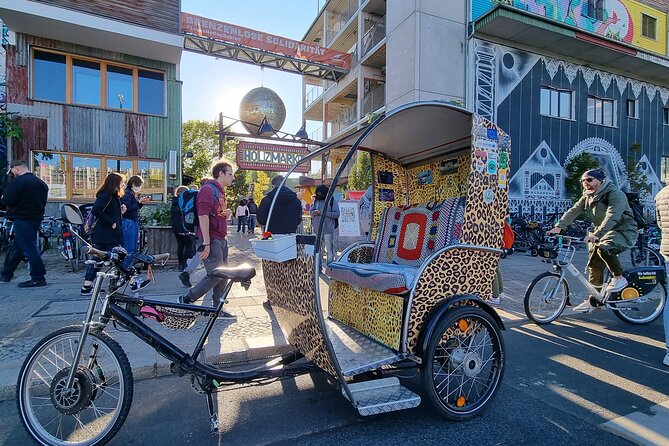
Berlin by rickshaw feels like a time machine. You glide past major sights, with Wi‑Fi and a warm blanket so the whole ride stays comfortable even when Berlin turns chilly.
I also like that the experience is built for close views, not long waits at curbs. Expect lively narration, and guides (often Leo) help you slow down at the best spots, plus offer a photographer-style service for images along the way.
One caution: there have been reports of no-shows and hard-to-reach moments. If this is a must-do for your schedule, confirm close to departure and keep a simple backup plan.
In This Review
- Key takeaways before you go
- Why a Berlin rickshaw beats the bus for big-sight sightseeing
- Comfort that actually helps on cold Berlin nights
- The route: Brandenburg Gate to Museum Island, via Berlin’s major turning points
- Brandenburg Gate: classicism and the centerline of Berlin
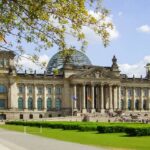
- Reichstag / Bundestag: power, destruction, and rebuilding
- German Chancellery: modern architecture with a lighter feel
- Tiergarten Soviet War Memorial: tanks, names, and graves
- Potsdamer Platz: where modern Berlin took shape
- Topography of Terror: Nazi crimes and the space that remembers
- Gropius Bau: contemporary art and photography hub
- Memorial of the Berlin Wall and the Cold War line in motion
- Checkpoint Charlie: the famous crossing and the rules of who could pass
- Friedrichstraße and Gendarmenmarkt: city life plus exact geometry
- Deutscher Dom and Konzerthaus: religious display and Schinkel classicism
- Bebelplatz and the Nazi book burnings memorial
- Neue Wache and the Berlin Cathedral area: war memory in stone
- Museum Island: UNESCO-level museum complex in close view
- The New Synagogue and old-town textures around Oranienburger Straße
- Alexanderplatz and the East Side Gallery: modern crowds, wall art
- What you actually get included (and what you pay for separately)
- Price and value: $105.72 per group for a private rickshaw route
- Reliability reality check: how to protect your schedule
- Who this rickshaw tour fits best
- Should you book Rikscha Tours’ Berlin rickshaw sightseeing?
- FAQ
- How long is the rickshaw sightseeing tour in Berlin?
- Where does the tour meet, and is pickup available?
- How many people can be in a group?
- What comfort items are included?
- Are entrance tickets included for major stops like the Reichstag?
- Is the tour offered in English?
- What happens if the weather is bad?
Key takeaways before you go
- Close-up landmark viewing: You’ll get angles you usually miss from buses or walking.
- Comfort for cold evenings: Warm blanket included, plus onboard Wi‑Fi.
- Photo help built into the tour: The guide can act as your on-the-spot photographer.
- Real Germany through big historical stops: Parliament, Cold War sites, and memorials in one route.
- Private group ride: Only your group rides—great for couples or small plans.
- One risk to take seriously: A few bookings reported reliability problems.
More Berlin tours to line up side by side
- Berlin: 1-Hour City Tour by Boat with Guaranteed Seating★ 4.3 · 16,993 reviews
- Berlin City walk Government District and Places of Democracy★ 4.7 · 8,467 reviews
- Berlin: City Sightseeing Hop-On Hop-Off Bus Tour★ 4.1 · 4,233 reviews
- Berlin: 1-Hour City Sightseeing Cruise★ 4.4 · 2,210 reviews
Why a Berlin rickshaw beats the bus for big-sight sightseeing

A bus is efficient, but it’s also distant. On a rickshaw tour, you move at a pace that makes you feel like you’re part of the street scene. That matters in Berlin, where many top landmarks sit on wide, busy avenues—and it’s easy to lose sight of details on foot.
This tour also gives you time for the moments that make photos work. When you’re close, you can actually read the architecture, see the angles, and capture memorials and façades without trying to fight for a window seat.
And because it’s a small private group, the guide can shape the ride to your interests. If you want more time on certain streets or less time lingering at others, it’s easier to do that when the vehicle isn’t full of strangers.
Comfort that actually helps on cold Berlin nights
What I find smart here is the focus on comfort that changes how long you’ll enjoy the ride. A warm blanket means you’re not rushing through the experience just because your legs or back feel the cold.
Then there’s onboard Wi‑Fi, which is genuinely useful in Berlin sightseeing. You can map your next stop, check transit options, or look up context while you’re still out seeing the place—no need to wait until you’re back at the hotel.
Music also comes into play. If you request music, it adds a light, fun layer to an itinerary that includes serious Cold War and WWII-related sites.
The route: Brandenburg Gate to Museum Island, via Berlin’s major turning points
This is an all-zones kind of tour. You’ll start at the Brandenburg Gate area, then work through key political, WWII, and Cold War landmarks—before shifting toward the Museum Island area and nearby historic neighborhoods.
Because the tour is listed as about 1 to 4 hours, you’re not doing everything slowly. You’re doing a lot of Berlin with brief stops and close-by viewing, which works best when you treat the ride as an overview you can later expand on.
Brandenburg Gate: classicism and the centerline of Berlin
You begin right at Brandenburg Gate, one of Berlin’s most recognized monuments. It was built in the late 1700s using designs linked to classical architecture from Greece, and it was meant to close out the boulevard Unter den Linden in a grand, intentional way.
On a rickshaw, you don’t just see it like a postcard. You get closer sightlines and can notice the way the monument sits in the street layout, which helps you understand why this area became such a powerful symbol over time.
Reichstag / Bundestag: power, destruction, and rebuilding
Next comes the Reichstag and the Bundestag area, where multiple turning points in German history attach themselves to the building. You’ll hear key events tied to the balcony proclamation in 1918, the Reichstag fire in 1933, and the Soviet victory symbolism from 1945.
A practical note: the Reichstag admission ticket isn’t included. If you want to go inside, you’ll need to plan that separately.
From the rickshaw, the value is the outside perspective. You can take in the setting and then decide later whether your curiosity is strong enough to add an interior stop.
German Chancellery: modern architecture with a lighter feel
The German Chancellery is next, and it’s not just a government building—it’s designed to feel transparent and light in its form. The main structure rises between wings and uses large glass areas paired with concrete, creating a striking mix of openness and solidity.
Here’s the benefit of riding close: you see how the design breaks up the mass of the building, and you notice the rhythm of pillars and glass segments better than you would from a distance.
Entrance isn’t included, so think of this stop as visual and interpretive, not a timed-entry attraction.
Tiergarten Soviet War Memorial: tanks, names, and graves
In the Tiergarten you’ll pass the Soviet War Memorial, flanked by two T 34 tanks. There’s also a bronze soldier figure holding a rifle, and you’ll see inscriptions with names of fallen Soviet soldiers.
The memorial’s core viewing is quick, and admission is free. That makes it a strong match for a rickshaw schedule: you can spend a few minutes focusing on the details without turning the tour into a museum marathon.
Potsdamer Platz: where modern Berlin took shape
Potsdamer Platz brings you into a different Berlin mood. This area was planned as a district with shops, cinemas, and cafes set in among large buildings, and it became an everyday hangout for locals—not just an architectural showpiece.
From the rickshaw, it’s easier to spot the layout and how the district connects rather than treating it as one big scenic blur.
Topography of Terror: Nazi crimes and the space that remembers
Then you’re at Topography of Terror, a site associated with the planning and control of Nazi crimes. You’ll get the core context about the institutions located there between 1933 and 1945.
This one is free to visit from an admission standpoint. Still, it’s heavy subject matter, so the rickshaw pace helps you keep moving without feeling stuck.
Gropius Bau: contemporary art and photography hub
The ride continues by Gropius Bau, a cultural center for art and photography. It’s a good contrast stop—less memorial tone, more arts-and-culture energy.
Admission isn’t included here, so you’ll mainly get the outside context unless you choose to add an interior visit separately.
Memorial of the Berlin Wall and the Cold War line in motion
You’ll then reach a memorial stretch connected to the Berlin Wall. This is one of those places where being able to see the structure from close range makes the message feel more immediate.
Admission isn’t included. Still, just seeing it from the street with the guide’s context can give you a clearer picture of how the wall shaped daily life.
Checkpoint Charlie: the famous crossing and the rules of who could pass
Checkpoint Charlie is next—one of the most famous border crossings during Berlin’s division. The tour gives the basics on why it was so significant, including who could cross and the broader border point system.
Admission is free, so again you can focus on the viewing. The rickshaw format makes it easier to take photos without turning the stop into a long queue-style experience.
Friedrichstraße and Gendarmenmarkt: city life plus exact geometry
After the border history, Friedrichstraße and the shopping mile vibe bring you back into modern street Berlin. Then the tour moves toward Gendarmenmarkt, a square shaped by French Protestant settlement history and renamed over time to reflect the guard and stables of the Gens d’armes ward regiment.
This is a great area for photos because the buildings and square layout are so structured. From the rickshaw, you can get angles that show the square’s symmetry better than from one sidewalk position.
Deutscher Dom and Konzerthaus: religious display and Schinkel classicism
You also pass Deutscher Dom, where there’s a permanent exhibition about the historical development of liberal parliamentary democracy in Germany. Admission isn’t included, so you’ll mainly absorb the building presence unless you plan an entry.
Konzerthaus am Gendarmenmarkt comes next, tied to classicist architecture and associated with Karl Friedrich Schinkel’s work. It also has connections to an older comedy house turned into a national theater, which helps you understand why this part of Berlin feels so carefully designed.
Admission isn’t included, but riding past is still worthwhile because the architecture is the story here.
Bebelplatz and the Nazi book burnings memorial
At Bebelplatz, you’ll see the memorial tied to the Nazi book burnings. On May 10, 1933, over 20,000 books were burned there, and the tour connects this to the idea of persecuting what was seen as non-German spirit.
Admission is free. This is one of the stops that feels especially powerful with a guide’s framing because it turns a site you might otherwise glance at into something that makes sense.
Neue Wache and the Berlin Cathedral area: war memory in stone
Then you’re near Neue Wache, a central memorial for victims of war and tyranny since the early 1990s. Nearby, the Berlin Cathedral area is also included, and the Lustgarten on Museum Island connects palace-era space to today’s public square life.
These are strong stops if you like your sightseeing to include meaning, not just scenery.
Museum Island: UNESCO-level museum complex in close view
Museum Island is next, and it’s a UNESCO World Heritage museum complex. Admission is free in this tour format for the viewing stops, which is useful because it lets you focus on the area’s scale and placement.
The rickshaw approach helps here because Museum Island can feel big and spread out on foot. From the vehicle, you get the overall geography and can decide which museums you’d want to return to later.
The New Synagogue and old-town textures around Oranienburger Straße
You also pass by the New Synagogue on Oranienburger Straße, described here as once the largest and most important synagogue in Germany. This stop adds another layer beyond politics: it’s about community, identity, and the deep changes Berlin went through.
Then you move into Nikolaiviertel, Berlin’s oldest residential area with historic houses, restaurants, and coffee-shop energy around Nikolaikirche. This section is a nice tonal reset, shifting from heavy remembrance to the kind of street atmosphere that makes Berlin feel lived-in.
Alexanderplatz and the East Side Gallery: modern crowds, wall art
Finally, the tour reaches Alexanderplatz, noted as one of Berlin’s liveliest places. It’s the kind of city square where the rickshaw pace works because it helps you avoid getting swallowed by foot traffic while still seeing the scene.
And you’ll also include the East Side Gallery, a remnant of the Berlin Wall turned into open-air gallery art. This is one of the best closing notes for a route that already covered the wall’s division—because here, the wall’s memory has been transformed into public expression.
What you actually get included (and what you pay for separately)
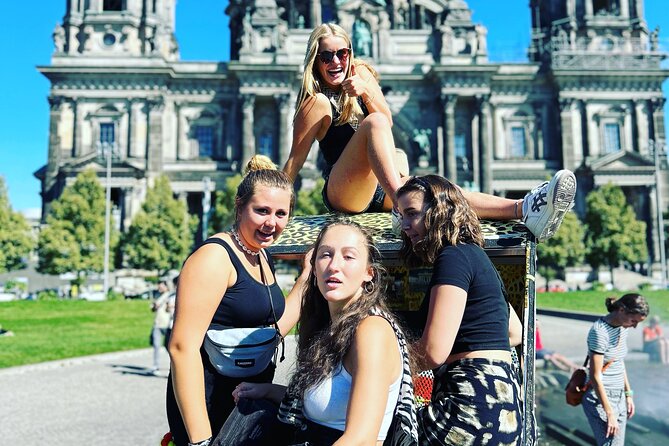
This experience includes a few practical things that help the ride feel like a complete package: warm blanket, Wi‑Fi onboard, and a photographer-style service. There’s also music on request, which can make the ride feel more like a personal street tour than a scripted history lecture.
Not included: alcoholic beverages and coffee or tea. Also, some key stops have admission ticket not included (like Reichstag/Bundestag, Gropius Bau, the memorial of the Berlin Wall area as listed, and spots like Deutscher Dom and Konzerthaus).
So plan for this as a guided viewing tour first. If any one site really grabs you, you can always build a return visit later when you’re choosing a museum ticket on your own terms.
Price and value: $105.72 per group for a private rickshaw route
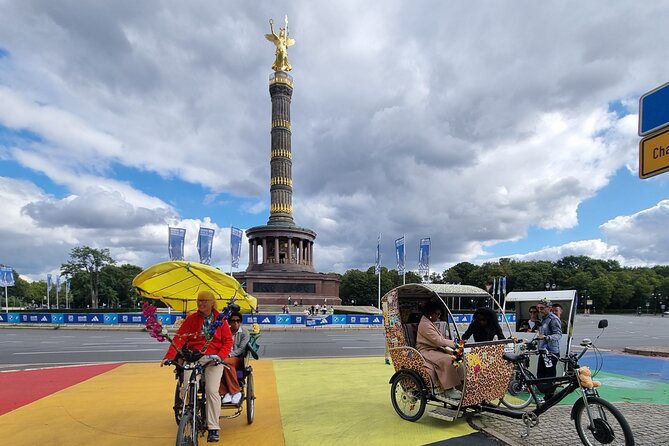
At $105.72 per group (up to 2), the value comes from three things. First, it’s private, so you’re paying for your own small group ride rather than squeezing into a shared vehicle with strangers.
Second, you’re getting comfort and tech—warm blanket plus onboard Wi‑Fi—plus photo help. Those small inclusions add up when you compare it to a bus tour that gives you less time at the best angles.
Third, the route covers a long list of Berlin’s biggest political and memorial reference points. Even with short stops, you get an efficient overview that helps you prioritize what to revisit afterward.
If you’re traveling solo, it can still be good value because the tour is private, but it’s most cost-effective for two people who want the best experience per hour.
Reliability reality check: how to protect your schedule
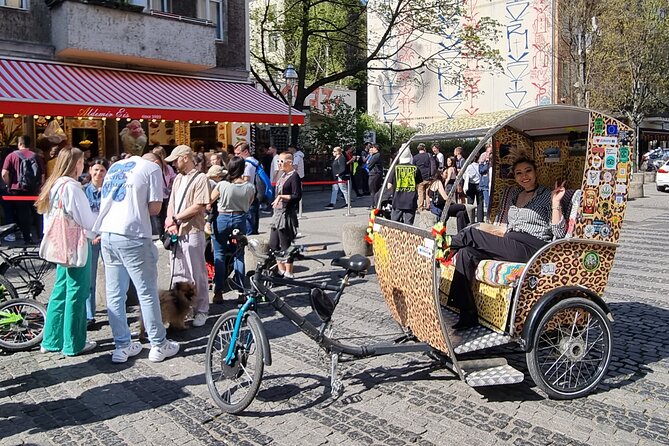
Here’s the honest part. A number of bookings reported no-shows or communication failures. That doesn’t mean every ride will go wrong, but it does mean you should take timing seriously.
My practical advice is simple:
- Confirm the tour close to start time.
- Stay reachable on the day.
- Keep your next plan flexible, especially if you booked this near dinner or your last evening.
Also, there’s mention of safety-related cancellations in cold weather tied to battery problems. If you’re visiting during a deep freeze, treat it as another reason to verify day-of.
Who this rickshaw tour fits best
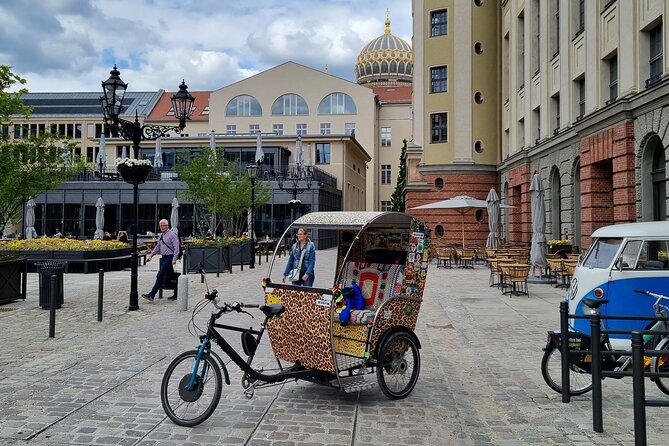
This is a great fit if you want:
- close-up landmark viewing without getting stuck in a slow walk
- a guided route that touches major WWII and Cold War reference points
- a couples-friendly, private outing with comfort perks
It’s also smart for first-time Berlin visitors who want a strong orientation. The route helps you map the city so you know where you’d want to spend more time later.
Should you book Rikscha Tours’ Berlin rickshaw sightseeing?
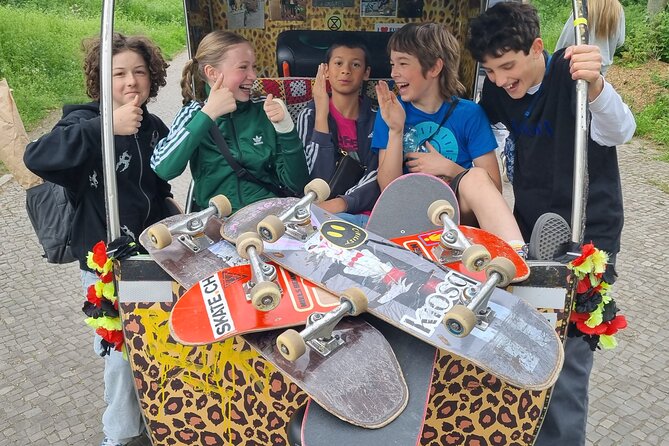
If you’re trying to see a lot of Berlin landmarks with a personal guide, I’d say it’s worth considering—especially for couples and anyone who cares about close-up photos, warm comfort, and a lively guide like Leo.
But don’t treat it as a set-it-and-forget-it plan. Because reliability complaints do show up, confirm shortly before you meet and keep a backup option.
If you do that, you’ll likely end up with the kind of Berlin experience that feels more human than a checklist.
FAQ
How long is the rickshaw sightseeing tour in Berlin?
The tour is listed as about 1 to 4 hours, depending on how your route and stops are handled.
Where does the tour meet, and is pickup available?
The meeting point is Brandenburg Tor (10117 Berlin). Pickup is offered within a 2 km radius from Brandenburgertor.
How many people can be in a group?
It’s priced per group up to 2 people, and it’s a private tour/activity for your group.
What comfort items are included?
A warm blanket is included, and you also get onboard Wi‑Fi. Music on request is part of the experience, and there is a photographer included.
Are entrance tickets included for major stops like the Reichstag?
Admission ticket costs are not included for some stops, including Reichstag/Bundestag, Gropius Bau, and the Konzerthaus area items listed. Some other memorial areas are free to view.
Is the tour offered in English?
Yes, the tour is offered in English.
What happens if the weather is bad?
The experience requires good weather. If it’s canceled due to poor weather, you’ll be offered a different date or a full refund.
More City Tours in Berlin

More Tours in Berlin

More Tour Reviews in Berlin
Round out your days in Berlin
City Tours, compared.
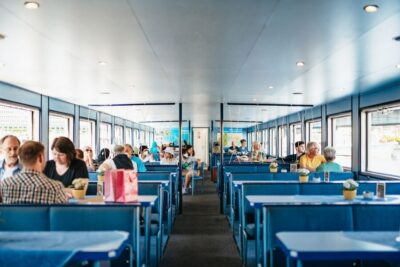 ★ 4.31-Hour City Tour by Boat with Guaranteed SeatingFrom $2516,993 reviews
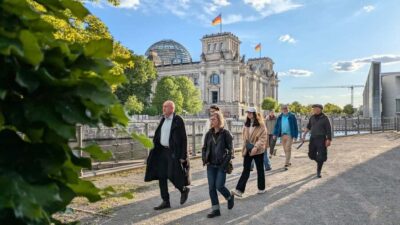 ★ 4.7Berlin City walk Government District and Places of DemocracyFrom $2948,467 reviews
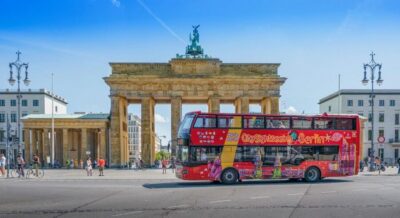 ★ 4.1City Sightseeing Hop-On Hop-Off Bus TourFrom $254,233 reviews
 ★ 4.7Potsdam: City and Castles TourFrom $293,721 reviews
 ★ 4.41-Hour City Sightseeing CruiseFrom $252,210 reviews
 ★ 3.5Berlin City Hop-on Hop-off Tour with Optional CruiseFrom $311,155 reviews
 ★ 4.8City Street Art Guided Walking TourFrom $231,051 reviews
 ★ 4.1Berlin Combo Package: City Tour & Spree Boat TourFrom $64996 reviews
Browse the lists this tour appears in