
Sicily shows up in Berlin, hands-on. I really like the authentic Sicilian cooking angle, where you learn the origin and history behind the island’s symbolic dishes before you start cooking. I also like the social, unwind-with-food setup: you make the meal, then sit down to eat with drinks flowing and good conversation. One thing to keep in mind: the workshop is only 3 hours, so if you want extra cooking time (like a dessert focus or take-home portions), plan to ask ahead or adjust your expectations.
You’ll be in a small group with an instructor who teaches in English, German, and Italian, and the class ends with a recipe booklet so you can recreate what you made. I found that practical for real life: it’s not just a night out, it’s a skill you can repeat at home.
In This Review
- Key highlights you should care about
- What the Siciliamo workshop feels like (and why it’s more than a class)
- Your 3-hour flow: from dish origins to your own dinner
- Step one: the story behind Sicilian dishes
- Step two: hands-on cooking with a local chef approach
- Step three: sit down and eat what you made
- Step four: take the recipes home
- Unlimited drinks and how they affect your experience
- The group size, languages, and teaching style that make it work
- Price check: is $147 worth it?
- Location in Berlin: why it can vary (and how to plan)
- Who this workshop fits best
- What you get and what you may need to clarify
- Should you book Siciliamo’s Sicilian Cooking Workshop in Berlin?
- FAQ
- How long is the Sicilian Cooking Workshop in Berlin?
- How much does it cost?
- Are drinks included?
- Do I need to bring cooking equipment?
- Is there a welcome drink?
- Will I eat what I cook?
- Do you get recipes to take home?
- What languages are the instructors?
- Is pick-up or drop-off included?
- Can the menu be changed for me?
Key highlights you should care about
- History + technique, not just chopping and tasting
- Unlimited drinks culture paired with your meal
- A small-group feel with room to chat
- Recipe booklet at the end with step-by-step guidance
- Attentive staff and a friendly, fun atmosphere
- Hands-on prep with cooking equipment and latex gloves provided
More Berlin tours to line up side by side
- Eat Like a Berliner: Market Tour, Cooking Class and Lunch★ 5.0 · 15 reviews
What the Siciliamo workshop feels like (and why it’s more than a class)
This is a Sicilian cooking workshop in Berlin that’s built around two things: understanding the food and then cooking it the traditional way. You don’t just get handed a recipe and told to follow along. Instead, the instructor explains the origin and history of the island’s symbolic dishes—how they connect to the historical, cultural, and religious moments that shaped Sicily.
That background matters more than you’d think. When you know why a dish exists, you cook with better instincts. You start paying attention to the ingredients, the method, and the idea behind the steps. And because the class is hands-on, the history isn’t just a lecture you politely endure. It becomes the why behind what you’re doing.
The other big “why” is the overall mood. This is not a stiff, silent cooking lab. You’ll work, laugh, and then sit down to enjoy the meal you cooked. Drinks are part of the flow, and the experience is designed so you leave feeling fed and socially recharged—useful if you’re traveling solo, meeting people for a fun night, or planning a small team activity.
Your 3-hour flow: from dish origins to your own dinner
Let’s talk structure, because knowing the rhythm helps you decide if this fits your style.
Step one: the story behind Sicilian dishes
At the start, you’ll learn about the origin and history of key symbolic dishes from Sicily. The instructor ties these to past events and traditions, including the cultural and religious threads that influenced Sicilian cooking. Even if you’re not a food-history nerd, this gives you context you can actually feel while cooking—like you’re participating in something with roots.
Step two: hands-on cooking with a local chef approach
Next comes the working part. You wear your apron, roll up your sleeves, and cook using fresh ingredients and traditional methods. The class provides the cooking equipment, so you’re not trying to guess what tools you’ll need or scramble to bring anything special.
This is where you’ll learn the “how” that makes Sicilian food taste like itself. Instead of rushing, you’ll follow steps designed to help you build real technique: how to prep properly, how to move through cooking stages, and how to balance the end result so the final dish works the way it should.
More Berlin tours to line up side by side





Step three: sit down and eat what you made
Then the best part: you feast on your creations. The experience is designed so the cooking and dining are connected—like one continuous evening rather than a class that ends and then you figure out dinner.
Your meal is paired with drinks. The description references Italian wine and also mentions a spritz or soft drinks as part of pairing. At the same time, the included items list water and wine, while beer and soft drinks are listed under not included. If you care a lot about a specific drink, I’d message ahead so you know what to expect with certainty.
Step four: take the recipes home
At the end of the course, you’ll receive a booklet with information and recipes step by step. This is a big deal for value. One of my favorite things about classes like this is when they don’t evaporate the next day. A written guide helps you repeat the dishes at home without relying on memory.
Unlimited drinks and how they affect your experience
This workshop doesn’t treat drinks as an afterthought. The vibe is clearly built for relaxation while you cook and eat. Unlimited drinks are part of the concept, and you also get a welcome drink.
Practically, that means you can focus on the cooking without feeling “on the clock” to keep yourself sharp. It also nudges the group toward conversation—snapping people out of that polite, stand-offish mode that sometimes shows up in group activities.
Here’s the honest part: drinks can change how you experience a cooking class. If you’re the type who wants a calm, zero-noise learning environment, you might prefer a shorter BYOB-style lesson without alcohol. But if you want a fun evening where you chat with like-minded people while learning real cooking skills, this setup makes sense.
What’s explicitly included: water and wine, plus a welcome drink.
What’s explicitly not included: beer, and soft drinks are listed as not included.
So if your ideal drink is beer or a specific soft drink, don’t assume. Ask before you go so you don’t arrive expecting something that isn’t covered.
The group size, languages, and teaching style that make it work
The workshop is built around a small group. That changes everything. In a large class, you can feel invisible. In a small group, you’re more likely to get real help when you hit a snag—like if a sauce needs time or a step feels unclear.
The instructor teaches in English, German, and Italian, which is a nice advantage in Berlin where you’ll often mix languages. You can follow along without playing guessing games, and the chance to ask questions makes the experience feel less like performance and more like learning with people.
You’ll also get latex gloves included. That sounds minor, but it’s practical for handling prep tasks comfortably and cleanly.
What I like about this teaching setup is the balance: you get both the story of the dishes and the technique to make them. You’re not just tasting; you’re practicing. And because you’re cooking the meal you’ll later eat, you’re learning with a clear goal in mind.
Price check: is $147 worth it?
At $147 per person for about 3 hours (listed as 210 minutes), this isn’t a “cheap and cheerful” activity. So the question is value: what are you actually paying for?
You’re paying for:
- Instruction from a local chef-style teaching approach
- Cooking equipment and guided prep
- A meal tied directly to what you cook
- Drinks as part of the experience (with water and wine included, and unlimited drinks in the concept)
- A recipe booklet so you can repeat the cooking at home
For me, the value comes from the full package. You’re not paying just for time with a cookbook. You’re paying for a guided evening where the cost includes food, drink, and take-home recipes.
Where the price might feel high is if you’re the type who only wants light tasting, or if you’re mostly looking for a place to hang out and drink rather than cook. If that’s you, you might compare against simpler food experiences in Berlin.
But if you want a structured activity, enjoy cooking, and like the idea of taking Sicilian recipes home, $147 can feel fair for what’s included.
Location in Berlin: why it can vary (and how to plan)
The class location may vary depending on group size. You’ll be informed by email or phone. That means you should keep your schedule flexible around the meeting point and not plan a tight connection that assumes a fixed address.
Also note: pick-up and drop-off aren’t included. So you’ll want to get yourself there on your own, then head out afterward when the class finishes.
If you’re bringing friends, this flexibility can actually help—small groups sometimes get placed in locations that work for the best setup. Just treat location details as something to confirm before you leave.
Who this workshop fits best
This is a strong match for:
- People who like hands-on cooking and want technique, not just samples
- Solo travelers who want an easy way to meet others during dinner conversation
- Food lovers who appreciate the origin stories behind what they eat
- Team-building groups that want a shared activity with a relaxed meal at the end
It may be less ideal if:
- You want a very quiet, no-drinks learning environment
- You’re expecting specific accommodations for menu changes
- You’re hoping for extra dishes beyond the core workshop flow, like a dessert-focused session with time to perfect it
One more practical note from the vibe of the experience: it’s fun and social, and staff attention seems to be part of why people walk away happy. That matters, because a cooking class lives or dies on pacing and help when you need it.
What you get and what you may need to clarify
Here’s the practical rundown based on what’s stated:
- Included: water, wine, welcome drink, cooking equipment, latex gloves, food, and a recipe booklet
- Not included: pick up/drop off, changes on the menu, beer, and soft drinks (as listed)
Menu changes aren’t part of the agreement, so if you have a strong preference or dietary requirement, reach out early. And because the drinks details have a bit of conflicting wording between “pairing” and “not included,” a quick email can save you disappointment.
If you want a special class or a private event, you’re told to reach out to [email protected].
Should you book Siciliamo’s Sicilian Cooking Workshop in Berlin?
I’d book it if you want a friendly, small-group evening where you cook real Sicilian-style dishes, learn why they matter, and then sit down to eat your own results. The combination of a recipe booklet and a meal-with-drinks setup makes it feel like more than a one-off activity.
Skip it or ask extra questions first if you only want dessert, want specific drink types like beer or guaranteed soft drinks, or need a strict menu change. And because the location can shift depending on group size, make sure you have an easy plan for how you’ll get to the meeting point in Berlin.
If your goal is a fun night with tangible skills you can repeat later, this hits the mark.
FAQ
How long is the Sicilian Cooking Workshop in Berlin?
It lasts 3 hours, listed as 210 minutes.
How much does it cost?
The price is $147 per person.
Are drinks included?
The experience is described as having unlimited drinks. Water and wine are listed as included, and beer and soft drinks are listed as not included.
Do I need to bring cooking equipment?
No. Cooking equipment is included, and latex gloves are provided.
Is there a welcome drink?
Yes, a welcome drink is included.
Will I eat what I cook?
Yes. You’ll feast on the food you prepare during the course.
Do you get recipes to take home?
Yes. You’ll receive a recipe booklet with information and step-by-step recipes.
What languages are the instructors?
The instructor teaches in English, German, and Italian.
Is pick-up or drop-off included?
No, pick up and drop off are not included.
Can the menu be changed for me?
Menu changes are listed as not included, so if you need a specific request, you should contact the provider.
More Workshops in Berlin

More Cooking Classes in Berlin
More Tour Reviews in Berlin






Round out your days in Berlin
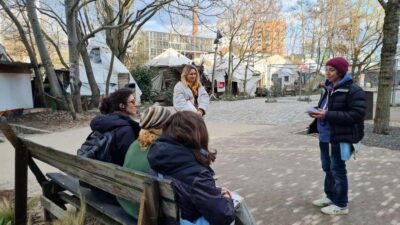



Workshops, compared.
 ★ 4.6Self-Guided Family and School Class Scavenger HuntFrom $47128 reviews
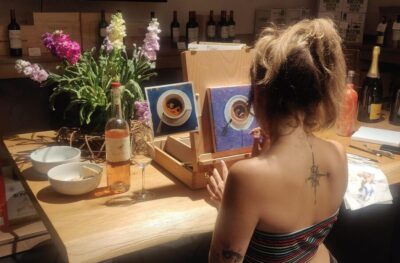 ★ 4.7Wine on Canvas – Paint Workshop and Wine TastingFrom $4759 reviews
 ★ 5.0Casting Workshop with Natural MaterialsFrom $3423 reviews
 ★ 4.5Berlin Photography Masterclass – Private Photography LessonFrom $18023 reviews
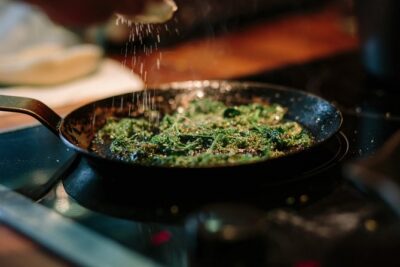 ★ 5.0Eat Like a Berliner: Market Tour, Cooking Class and LunchFrom $27815 reviews
 ★ 5.0Hands-On Mobile Photography WorkshopFrom $574 reviews
DJ workshop in BerlinFrom $1764 reviews
★ 5.0Hands-On Mobile Photography WorkshopFrom $574 reviews
DJ workshop in BerlinFrom $1764 reviews
 ★ 4.0Graffiti Workshop Berlin with professional graffiti artistsFrom $1194 reviews
Browse the lists this tour appears in