
REVIEW · COMEDY & CABARET SHOWS
The Stachelschweine anniversary program: I’ve still got a Tesla in Berlin
Berlin meets cabaret with sharp elbows.
This anniversary show, I’ve got another Tesla in Berlin, is the kind of fast-moving political satire that feels close enough to read the fine print. I like the Berlin-cool style paired with serious social commentary, and the production leans hard into what it means to be current, not nostalgic. One heads-up: it’s performed in German, so you’ll want solid German to catch the jokes.
What also makes it satisfying is the setting. You’re watching the kind of political kabarett that usually feels like it belongs in a local watering hole—except here it’s organized at Die Stachelschweine, Berlin’s first cabaret theater, and you get the jokes live, not filtered through a video clip. The other consideration is seating: you choose a seating category, but you don’t get to pick exact seats, so your view depends on what your category ends up meaning in the room layout.
Still, if you want a 2-hour evening that uses comedy to talk about money, politics, and tech in plain, punchy terms, this is an easy one to get excited about.
In This Review
- Key things to know before you go
- Die Stachelschweine: Berlin’s First Cabaret Theater Feeling
- Getting There: Europacenter Basement Entrance and Quick Pre-Show Checks
- Price and Value: What $53 Buys for a 2-Hour Satire Fix
- The 2028 Plot: Wagenknecht, Pistorius, and a Debt-Fueled Future
- Black Humor With Berlin Cool: Why This Satire Hits Live
- Music-Forward Cabaret Pace: A Show That Keeps Moving
- Seating and Language: German-Only Makes or Breaks the Night
- A Quick Walk Through What Happens During Your 2 Hours
- Who Should Book This Show (and Who Might Not)
- Should You Book I’ve got another Tesla in Berlin?
Key things to know before you go
- Die Stachelschweine is Berlin’s first cabaret theater, so the venue adds weight to the experience
- The show is political satire in 2028, built from very current themes like debt, corporate power, and austerity
- Expect lots of music inside the fast cabaret rhythm, not just dialogue
- It’s performed in German, so language is the main make-or-break factor
- The show is small-group limited to 6, which keeps the energy tight and immediate
More cabaret, comedy and the variety stage
- Berlin: FALLING | IN LOVE Grand Show Friedrichstadt-Palast★ 4.7 · 1,268 reviews
- Berlin: 1.5-Hour Comedy Bus Tour in German★ 4.5 · 1,165 reviews
- Quatsch Comedy Club Berlin: Die Live Show Entry Ticket★ 4.7 · 919 reviews
- Berlin: Laughing Spree Comedy Show on a Boat★ 4.9 · 670 reviews
Die Stachelschweine: Berlin’s First Cabaret Theater Feeling
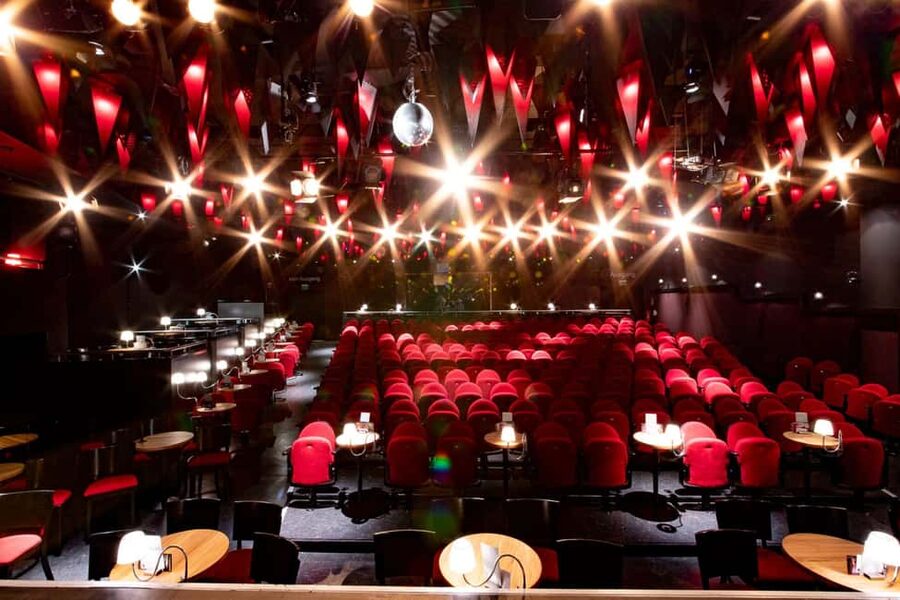
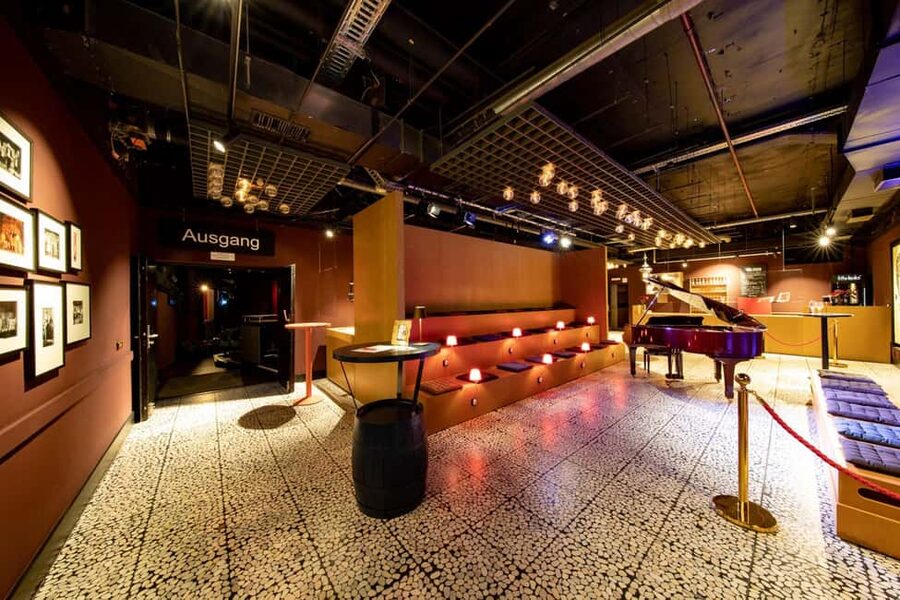
There’s something special about watching satire in a place that’s built for it. Die Stachelschweine isn’t just a random performance room—it’s presented as Berlin’s first cabaret theater, and that matters because the show lands differently when the space expects this kind of biting humor.
The vibe you’re walking into is part theater, part friendly trap. You’re close enough that the performers’ timing feels personal, and the room encourages that give-and-take energy you want from political comedy. Berlin’s known for its edge, and this is the kind of edge that doesn’t soften its target just because it’s entertainment.
I also like the way the anniversary format signals focus. This isn’t an experimental add-on; it’s a designed event with a specific theme—so you’ll feel the show’s point as it escalates.
Getting There: Europacenter Basement Entrance and Quick Pre-Show Checks
Logistics for this show are simple, but you should arrive with a bit of buffer. The theater entrance is in the basement of the Europacenter, and that detail is worth saving to your map app before you go. If you’re used to finding theater entrances quickly on street level, this one can throw you for a minute.
Plan on a quick pre-show moment because you’ll need to swap your voucher at the box office before the show starts. That’s the kind of step that’s fast when you’re calm, and annoying when you’re sprinting. If your phone shows the voucher but you don’t yet have it exchanged, you’ll want to handle that before you’re tempted to drift into your seat.
Also note: seating is based on a category, not a specific named seat. So don’t be surprised if your ticket doesn’t behave like a reserved concert seat map.
Price and Value: What $53 Buys for a 2-Hour Satire Fix
At $53 per person for 2 hours, the price feels reasonable for a live, locally produced kabarett show—especially one that’s doing topical political satire. You’re not just buying laughs; you’re paying for writing, direction, performance, and music all working together in one tight package.
Here’s the practical way to think about value. If you’re in Berlin and you want an evening that’s uniquely local—Berlin-specific humor, Berlin-specific political teeth—this can beat generic attractions where you’re mostly paying for time passing. A show like this gives you density: jokes per minute, references per scene, and music that keeps the pace moving.
The other value factor is group size. It’s limited to 6 participants, so even though it’s theater, it doesn’t feel like you’re lost in a crowd. That closeness helps you feel the satire as something live and immediate, not something politely heard from a distance.
The 2028 Plot: Wagenknecht, Pistorius, and a Debt-Fueled Future
The anniversary program I’ve got another Tesla in Berlin builds a future picture set in 2028. The central engine is political and financial pressure: national debt grows, and the story follows what happens when leaders respond with promises that sound good in speeches but impossible in reality.
The show introduces Chancellor Wagenknecht and Vice-Chancellor Pistorius under mounting pressure because the national debt keeps expanding. The satire then starts attaching numbers to everyday life, which is part of why it feels sharp. A cheese sandwich costs 14 euros. Corporate shifts follow: BASF and Bayer have moved to Asia, and VW and BMW are now part of Tesla. The tone is absurd—but the targets are familiar.
It also plays with creditworthiness in a way that turns policy language into slapstick. The federal credit rating is downgraded to BB, and the sketch suggests half of the taxes go to pay interest. That’s a heavy concept, but the show keeps it moving with jokes and rapid twists, so you aren’t sitting through a lecture. You’re watching a nightmare scenario get turned into comedy.
Then Pistorius offers a plan: fund election promises with one move. In the show’s version of reality, promises include pensions from 55, free public transport, and rent caps at 1989 levels. The punchline setup is that Berlin has a secret plan too—selling the capital as if it were Germany’s silverware.
The story also drags in recognizable tech and media power. An electric car developer and microblogging service owner are described as jumping in to make things easy. The promise is that from now on, nothing can go wrong. And of course, that’s where the show snaps forward into chaos.
You don’t need to know every reference to enjoy the structure, but you’ll enjoy it more if you like satire that treats economics like character motivation—money pressures drive decisions, and those decisions create the next joke.





Black Humor With Berlin Cool: Why This Satire Hits Live
This is political satire “up close” and described as uncensored and live—meaning the performance style expects you to follow fast and react. The humor uses black comedy as a weapon: it doesn’t try to be polite about suffering, it uses exaggeration to show the logic behind bad policy.
The show is built to stay quick. It’s written to feel like the present tense: current issues get turned into near-future sketches, and then the production adds music so scenes don’t drag. If you’ve ever wanted comedy that feels like it’s happening now rather than “remember when,” this is that energy.
One detail I find smart in how this anniversary program is framed: it doesn’t just mock politicians. It mocks the machinery around them—corporate consolidation, financial storytelling, and the idea that public life can be treated like a product line.
The show ultimately lands on a theme you can feel even if you miss every single reference: nobody’s planning to sell Berlin. That message sits under the jokes like a stubborn heartbeat, which gives the whole thing more staying power than pure sarcasm.
Music-Forward Cabaret Pace: A Show That Keeps Moving
You get “lots of music” here, and it isn’t decoration. Music in kabarett helps you switch gears fast: satire becomes rhythm, then rhythm becomes punchline. When the jokes are politically sharp, the music gives you a reset without breaking the momentum.
The creative team leans into that structure:
- Written by Frank Lüdecke and Sören Sieg
- Directed by Frank Lüdecke
- Music by Luca Fazioli
- Arrangements by Martin Rosengarten
- Starring Santina Maria Schrader, Mirja Henking, Sebastian Stert
Those names matter because they suggest a designed show, not a loose set of skits. If you like cabaret as a form—where performance, timing, and sound all work together—this kind of credit list usually means the music is integrated into the comedy engine.
Also, because the program runs about 2 hours, the pacing needs to be tight. The show aims for that: quick scenes, music transitions, and escalating absurdity. One review noted the program felt shortweilig, meaning entertaining and hard to look away from, and the structure supports that kind of reaction.
Seating and Language: German-Only Makes or Breaks the Night
Let’s talk about the biggest real-world factor: the play is in German. If you don’t read German comfortably or you’re at a beginner level, the show might still be amusing visually, but the political satire—the actual point—could go past you.
So here’s my practical advice. If you’re choosing based on comfort with German, judge yourself honestly. You don’t need poetry-level skills, but you do need enough language to track jokes as they land. This show uses quick dialogue and current references, and kabarett rewards attention.
Then there’s seating. You can pick a seating category, but you can’t pick exact seats. That means you might end up nearer or farther depending on how the room maps categories. One practical tip from the ticketing experience: your ticket might not show a seat number or table number, so you should plan to check in at the counter before the show begins. That step is part of getting your bearings in the room.
On the plus side, the venue is wheelchair accessible, which is a real benefit for people who need it. The show is also small-group limited to 6, so you’re not navigating a giant crowd once you’re inside.
A Quick Walk Through What Happens During Your 2 Hours
Even though it’s a theater performance rather than a multi-stop walking tour, you can still think of it in phases.
First: arrival and check-in. You head to the Europacenter basement entrance, exchange your voucher at the box office before the show, then get sorted into your seating category.
Next: settling into the show’s rhythm. Because this is a fast-paced cabaret, you don’t have long to mentally adjust. The performers get going quickly with that 2028 premise—Wagenknecht, Pistorius, debt pressure, and escalating absurd costs.
Then: the satire escalates. You’ll hear about the cheese sandwich price, corporate migrations, Tesla-related ownership shifts, and the credit rating downgrade. These aren’t random facts; they’re comic props in a consistent argument about how money decisions show up in daily life.
After that: music and scene transitions keep everything moving. Instead of one long monologue, the show uses music to reset you and keep the jokes coming. The cast’s delivery helps the show feel continuous rather than segmented.
Finally: it lands on the “everything goes wrong” turn. The ending energy matters because it gives the audience a sense of payoff: the premise collapses, and the show uses that collapse to underline its message about Berlin and power.
Who Should Book This Show (and Who Might Not)
This is best for you if you want:
- Political satire in a live theater format rather than watching stand-up filmed for TV
- A Berlin-specific evening that feels current, not touristy
- A show with music built into the comedy
- A smaller setting where the energy feels closer and more immediate
It might be less ideal if:
- You’re not confident with German. The show is German-language, so the humor needs you.
- You prefer entertainment that avoids political edge. The humor is uncensored and confrontational by design.
- You want guaranteed exact seating. You’ll pick a category, but exact placement isn’t guaranteed.
If you’re debating between a sightseeing block and an evening like this, I’d choose it when you want your Berlin trip to include a “think-with-your-feelings” experience. The show uses comedy to talk about money and power. That’s a satisfying use of your time.
Should You Book I’ve got another Tesla in Berlin?
Book it if you want a 2-hour, music-driven political kabarett show with tight pacing and a near-future premise that sticks in your head. The small-group feel, the theater context of Die Stachelschweine, and the strong creative team make it more than just a generic comedy night.
Skip or reconsider if your German isn’t strong enough to follow rapid humor, because this show’s value is in the details. Also, if you hate satire that takes direct aim at politics and economics, you may find it frustrating rather than fun.
If you’re comfortable with German and you like Berlin’s sharper side, this is one of the easiest “worth it” evenings you can add to your trip.
More Tour Reviews in Berlin

Cabaret, Comedy and Variety




Round out your days in Berlin


Comedy & Cabaret Shows, compared.
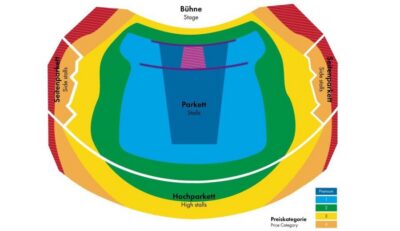 ★ 4.7FALLING | IN LOVE Grand Show Friedrichstadt-PalastFrom $511,268 reviews
 ★ 4.51.5-Hour Comedy Bus Tour in GermanFrom $391,165 reviews
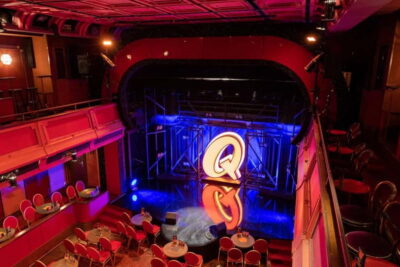 ★ 4.7Quatsch Comedy Club Berlin: Die Live Show Entry TicketFrom $46919 reviews
 ★ 4.9Laughing Spree Comedy Show on a BoatFrom $15670 reviews
 ★ 4.5FALLING | IN LOVE Grand Show at Friedrichstadt-Palast BerlinFrom $52632 reviews
 ★ 4.6English Stand-Up Comedy Show with Free Pizza and Free ShotsFrom $10343 reviews
 ★ 5.0SIXX PAXX Men´s Performing Arts Show BerlinFrom $66304 reviews
 ★ 4.5Cabaret – The Berlin Musical at Tipi am KanzleramtFrom $71303 reviews
Browse the lists this tour appears in