
REVIEW · TOURS
Berlin Battlefield Tour – Operation Berlin 1945
This street walk ends WWII in Europe. I like that this small-group Berlin battlefield tour doesn’t stay in the abstract; you move from key points to key points as your guide explains strategy, street fighting, and why certain locations mattered in Operation Berlin 1945. The main drawback to plan for: meeting up can be a little chaotic if the guide’s visual marker (they use a colored umbrella) isn’t easy to spot right away.
My other big draw is the way the tour ties big-picture command decisions to what people actually faced on the ground. When the guide is Jochen, the stories have real bite, and you come away understanding not just what happened near the Reichstag, but how commanders on both sides were thinking under crushing pressure.
In This Review
- Key Things I’d Put on Your Radar
- Entering Berlin’s Last WWII Chapter, One Crosswalk at a Time
- Meeting at MEININGER Berlin Hauptbahnhof: Fast Start, Realistic Expectation
- From the First Viewpoint to Moltke Bridge: Why Location Means Everything
- Platz der Republik: Mapping Strategy onto Today’s Berlin
- The Reichstag Objective: The Moment the City Became a Target
- Weidendammer Brücke: Desperation, Hope, and the Endgame
- What You’ll Get Beyond the Walk: Photos, Maps, and Clear Takeaways
- Rain, Shoes, and Small-Group Reality
- Price and Value: When $57 Makes Sense
- Who This Tour Is Best For
- Should You Book Operation Berlin 1945?
- FAQ
- How long is the Berlin Battlefield Tour – Operation Berlin 1945?
- Where does the tour start?
- What language is the tour in?
- Does the tour run in bad weather?
- What should I bring?
- Is the tour wheelchair accessible?
- Is there free cancellation?
Key Things I’d Put on Your Radar
- “Then & Now” photos and maps that help you connect modern Berlin to the 1945 battlefield layout
- Moltke Bridge as a practical lesson in why crossings can decide entire battles
- A guided walk focused on Soviet objectives and the Reichstag assault story
- Weidendammer Bridge for the tour’s final stretch of desperation, hope, and chaos
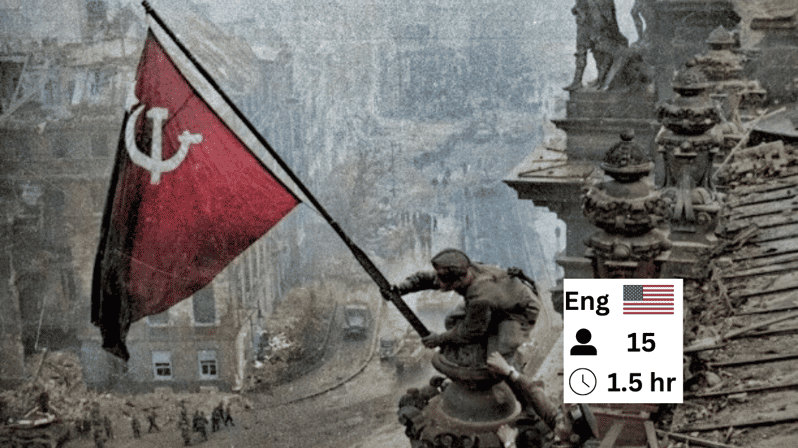
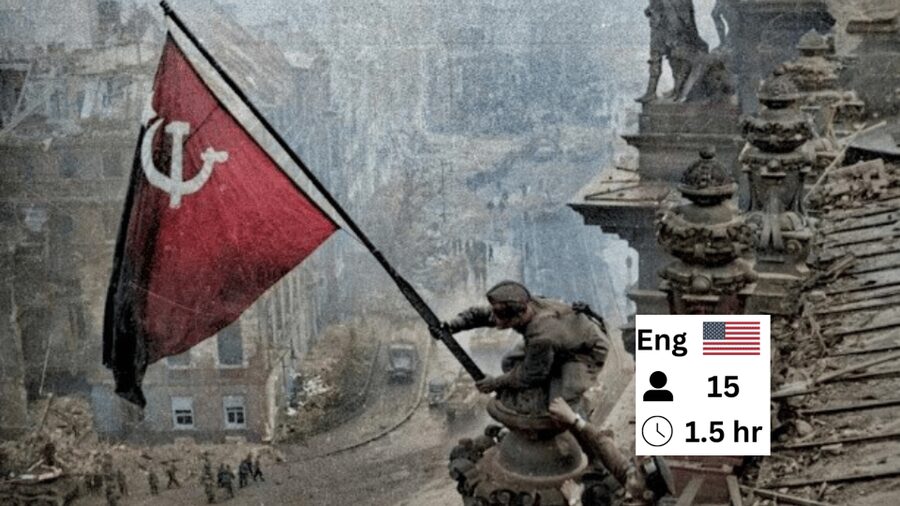
- The tour’s promise to explain the Soviet flag-raising narrative—and why certain versions persist
Still narrowing down your days in Berlin? Here are more tours to weigh up.
- Berlin: Reichstag, Dome and Government District Guided Tour★ 4.7 · 18,288 reviews
- Berlin: 1-Hour City Tour by Boat with Guaranteed Seating★ 4.3 · 16,993 reviews
- Berlin: TV Tower Standard Entrance Ticket★ 4.4 · 15,883 reviews
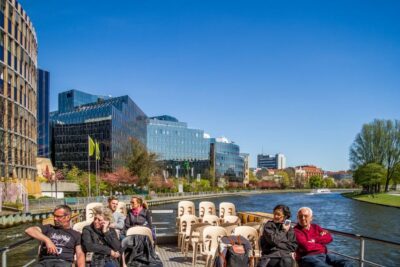
- Berlin: Boat Tour Along the River Spree★ 4.4 · 11,252 reviews
Entering Berlin’s Last WWII Chapter, One Crosswalk at a Time
The Battle of Berlin is one of those WWII topics that can feel like a textbook chapter until you stand in the spaces where it played out. That’s the strength of this Berlin battlefield tour: it’s built as a sequence of sights, not a slide show. In about 150 minutes, you cover enough ground to understand the “shape” of the fighting—especially the pressure around the Reichstag and the attempts to break out near the end.
Price-wise, $57 per person isn’t “budget,” but it’s not wildly out of line for a specialist WWII guide in central Berlin, especially with an expert guide, small-group format, and “Then & Now” materials. Where you get value is in the focused storytelling: you’re not touring Berlin’s highlights in general. You’re touring the last act of the European war.
You’ll want to bring the basics that make a walking tour work: comfortable shoes, water/snacks, and rain gear or an umbrella. The tour runs rain or shine and the provider supplies umbrellas when weather turns.
Meeting at MEININGER Berlin Hauptbahnhof: Fast Start, Realistic Expectation
The tour meets outside the MEININGER Hotel Berlin Central Station, on the south side of Berlin Hauptbahnhof. The address is Ella-Trebe-Straße 9, 10557 Berlin. Your guide will be standing outside holding a blue umbrella, and the instruction is to arrive about 10 minutes early.
This is one place to be a little extra patient and methodical. A past participant reported that a visual marker issue made it harder to find the guide quickly. You can reduce that risk easily: give yourself a buffer, check the street-facing side of the hotel, and look for the umbrella color before you assume the guide is missing.
Once everyone’s together, the early minutes matter because the guide starts orienting you to what you’re about to see. There’s a short initial viewpoint stop—time to get your bearings—before the walk turns into the “battlefront route.”
From the First Viewpoint to Moltke Bridge: Why Location Means Everything
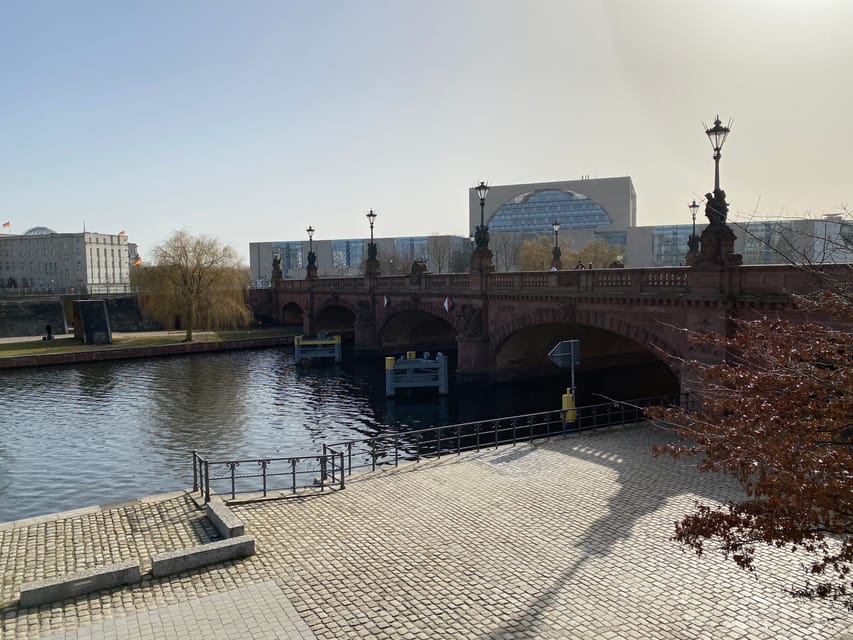
After the starting orientation, you move through a short walk segment designed to help you understand how the battlefield flowed through Berlin’s streets and crossings. The first major set piece is the Moltkebrücke (Moltke Bridge).
Bridges aren’t just scenic. In a city like Berlin, they’re chokepoints. Control of crossings affects movement, supply, and the ability to bring force to where the fight is going next. At Moltke Bridge, you get that lesson in plain terms: you’re shown how a bridge becomes a strategic question rather than a simple landmark.
A practical benefit of this stop is pacing. Even if you’re not a military history specialist, it helps to have one clear, understandable objective early in the tour: why this crossing mattered, what it enabled, and why the fighting around these approaches could turn deadly fast. It also sets up how your later stops connect back to the same strategic logic.
Platz der Republik: Mapping Strategy onto Today’s Berlin
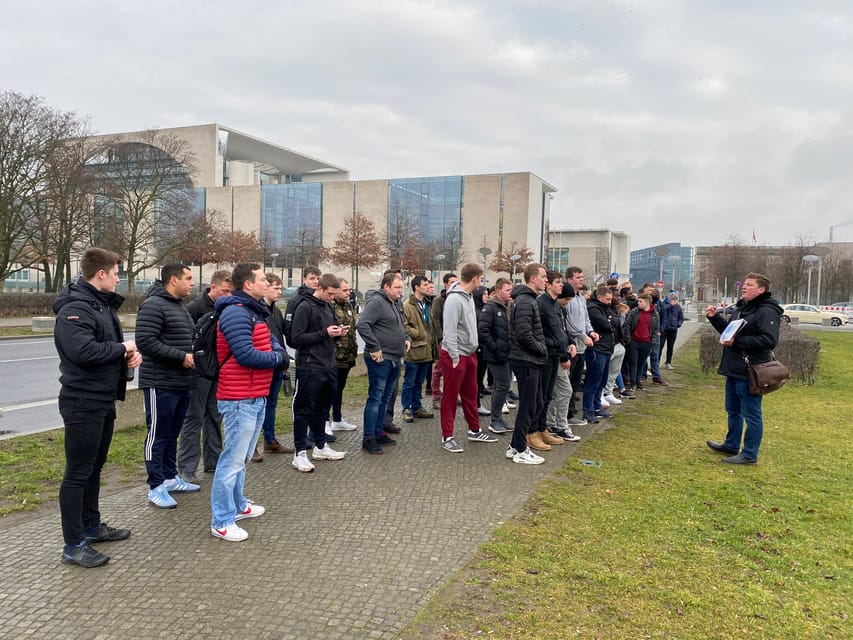
Next comes Platz der Republik, a transition point where your guide connects historical objectives to the geometry of modern Berlin. This is the kind of stop that can feel “less dramatic” at street level—but that’s exactly why it’s useful.
When the guide points out sightlines, approach routes, and the logic of where attackers and defenders would want to be positioned, places like this stop becoming random squares. They become part of the mental map you’ll carry into the Reichstag discussion.
You’ll also appreciate this stop if you’re the type who likes order. The tour is timed for about 20 minutes at this stage, so you’re not stuck wandering without direction. Instead, the guide gives you a few clear takeaways that make the next walk segment feel connected, not random.



The Reichstag Objective: The Moment the City Became a Target
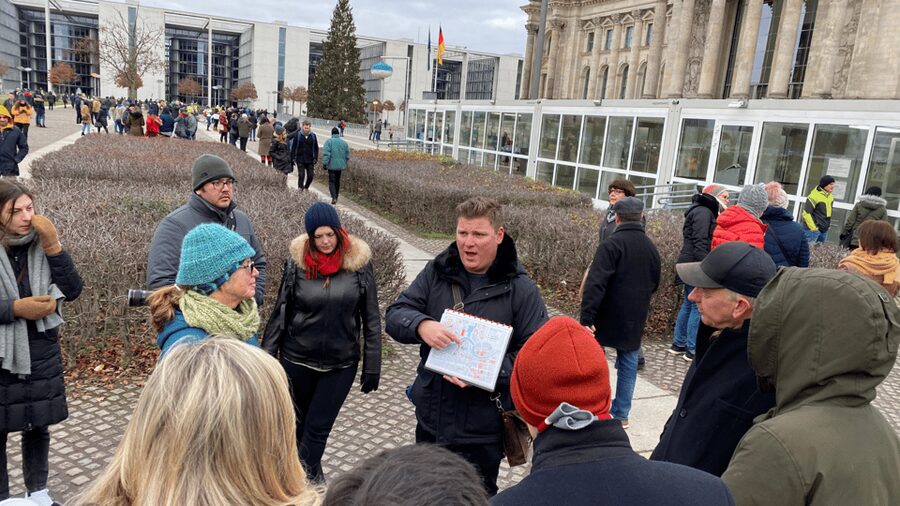
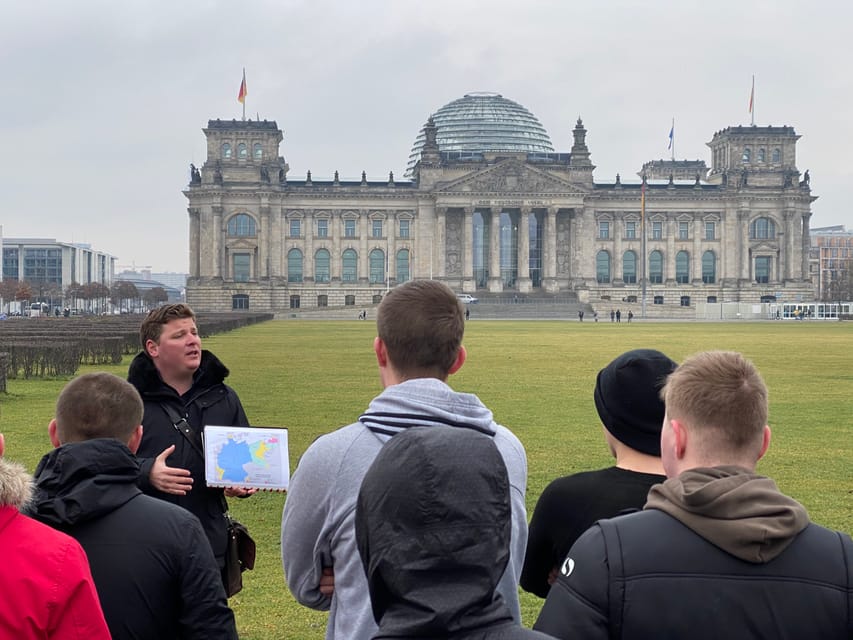
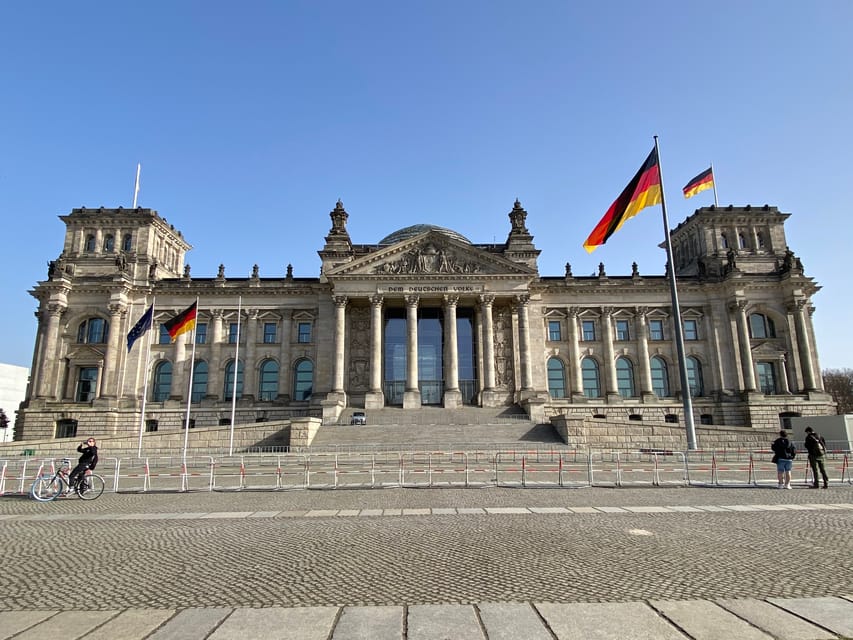
The big story arrives at the Reichstag area, with the tour focused on the intense confrontations around the Reichstag and culminating in the German break-out attempt described in the tour’s framing.
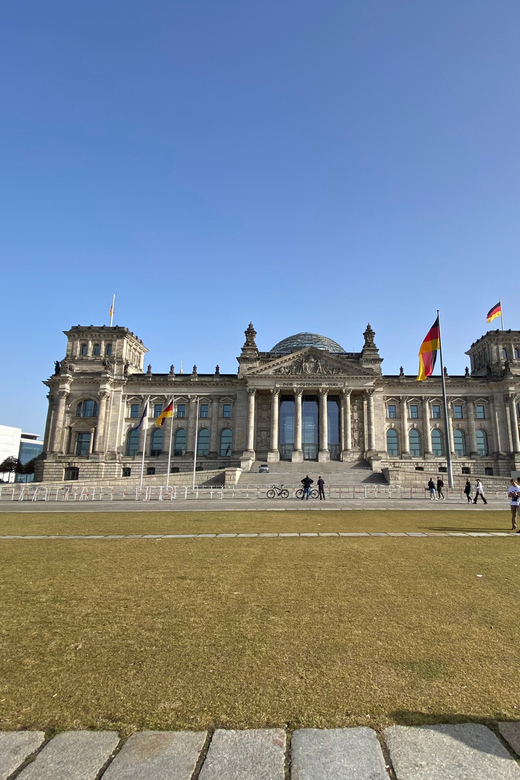
Even if you’ve seen photos of the Reichstag, the tour approach helps you see something different: not just the building, but why the Reichstag mattered as a symbol and as an operational goal for the Soviets. The guide walks you through the lead-up moments and the decisions that shaped how the assault unfolded.
This is also where the tour’s promised “human side of the war” gets real. The Battle of Berlin wasn’t just movements on a chart; it was street-level desperation, fear, and hard choices for soldiers and civilians alike. The guide’s stories of bravery and sacrifice are timed to match what you can visually orient to outside.
One thing to keep expectations honest: your understanding improves because the guide ties the narrative to the street geography and key locations. You’re not watching a video or reading a plaque for 30 minutes. You’re walking while the guide explains what it would have meant to fight for, defend, or push through these spaces.
If you like military history, you’ll also get repeated references to how weapons and tactics created chaos. The tour materials specifically mention the feared MG42 and the sound and feel of artillery in the way the guide brings the battle to life—enough to make the discussion vivid without needing a reenactment.
Weidendammer Brücke: Desperation, Hope, and the Endgame
The final stop is Weidendammer Brücke, where the tour finishes. This is an endgame location in the tour’s storyline: a place associated with the desperation, hope, and carnage of the final stages of the fighting.
If Moltke Bridge teaches you chokepoints, Weidendammer Bridge teaches you collapse and urgency. This is where the narrative focus shifts toward what happens when a battle reaches its limits—when options shrink and people must act fast, even when the outcome feels uncertain.
The tour schedules about 20 minutes here and ends at the bridge area. That ending matters because it closes the “route arc.” Instead of ending mid-story, you leave with a coherent thread: objective, assault pressure, and then the final desperate moves.
What You’ll Get Beyond the Walk: Photos, Maps, and Clear Takeaways
A strong practical element is that you get Then & Now photographs and maps as part of the tour. That’s a big deal if you’re trying to learn fast on vacation. Berlin changes a lot over the decades, and WWII locations can blur together if you only rely on your memory or what you’ve seen online.
During the walk, those visuals help you connect what your eyes see today with what happened there in 1945. It also gives you something to review later in the day, so the tour stays with you after you step back onto regular Berlin streets.
You’ll also get stated learning outcomes that are more useful than they sound on a brochure:
- how military strategy shaped decisions
- what Soviet and German commanders had to weigh
- the human side of a city under siege
- the sense of being close to one of WWII’s most decisive turning points
Even if you already know the basics of the Battle of Berlin, this framework helps you sort what you knew into what it meant on the ground.
Rain, Shoes, and Small-Group Reality
The tour runs rain or shine, and umbrellas are provided. Still, plan smart: Berlin weather can shift fast, and cold rain can soak through cheap outer layers. Bring rain gear if you hate being wet. You’ll walk enough that comfort matters.
You should also expect a walking pace that’s friendly but still active. The stops are short—roughly 20 minutes at several points, and a longer pass at the Reichstag area—so you want comfortable shoes that handle cobblestones or uneven sidewalks.
The small-group format is another practical plus. It tends to make questions easier, and it keeps the guide from speaking only to the loudest person in the back. That matters when the tour is discussing strategy and personal stories rather than “look at that building” facts.
Price and Value: When $57 Makes Sense
At $57 per person, the value comes from four things you’re getting at once:
1) a live English-speaking expert guide
2) a small-group experience rather than a mass tour
3) Then & Now materials that help you learn, not just pass by
4) a tight focus on WWII’s final battle route around the Reichstag
If you’re the kind of traveler who likes one guided perspective rather than researching every detail yourself, this price can feel fair. If you prefer self-guided history browsing with a book or app, you might find it pricey, because you’re paying for interpretation and storytelling.
My advice: decide what you want from your Berlin day. If you want a guided narrative with a route that makes sense, $57 buys that clarity. If you already have strong background knowledge and just want locations, the value might feel weaker.
Who This Tour Is Best For
This tour fits best if you:
- want to focus on WWII in Berlin and especially the Battle of Berlin’s endgame
- like guided explanations that connect military decisions to street-level reality
- prefer walking tours with clear stopping points and materials you can review later
- want a structured route rather than wandering between disconnected landmarks
It may be less ideal if you:
- hate walking in the rain (even with umbrellas)
- want a long museum-style experience with indoor seating
- are looking for broad city sightseeing rather than a focused WWII route
Should You Book Operation Berlin 1945?
I’d book it if you want Berlin to mean something beyond photos—if you want the last WWII battles around the Reichstag explained in a way that matches what you see outside. The guide-led route, the focus on strategic locations like Moltkebrücke and Weidendammer Brücke, and the inclusion of Then & Now photos and maps are the difference between reading about 1945 and understanding it.
I’d think twice if you’re very sensitive to meeting-day confusion. Arrive early and watch for the blue umbrella so you don’t lose time at the start.
FAQ
How long is the Berlin Battlefield Tour – Operation Berlin 1945?
The tour lasts about 150 minutes.
Where does the tour start?
It starts in front of the MEININGER Hotel Berlin Central Station (Ella-Trebe-Straße 9, 10557 Berlin), on the south side of Berlin Hauptbahnhof.
What language is the tour in?
The live tour guide provides the tour in English.
Does the tour run in bad weather?
Yes. The tour takes place rain or shine, and umbrellas are provided if it’s raining.
What should I bring?
Bring comfortable shoes, an umbrella or raincoat if needed, plus snacks and water. Rain gear is also recommended in unfavorable weather.
Is the tour wheelchair accessible?
Yes, it is wheelchair accessible.
Is there free cancellation?
Yes. You can cancel up to 24 hours in advance for a full refund.
More Tours in Berlin


More Tour Reviews in Berlin
Round out your days in Berlin

Tours, compared.
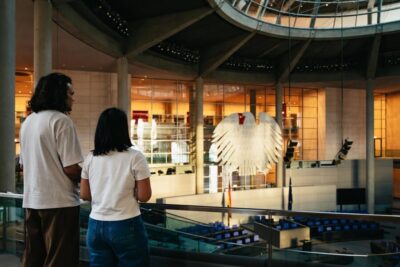 ★ 4.7Reichstag, Dome and Government District Guided TourFrom $1818,288 reviews
 ★ 4.31-Hour City Tour by Boat with Guaranteed SeatingFrom $2516,993 reviews
 ★ 4.4Boat Tour Along the River SpreeFrom $3411,252 reviews
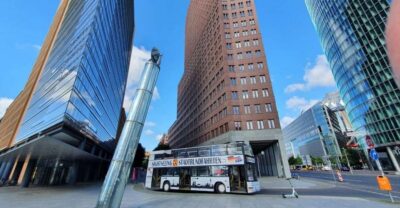 ★ 4.3Hop-on Hop-off Bus Tour with Live CommentaryFrom $228,579 reviews
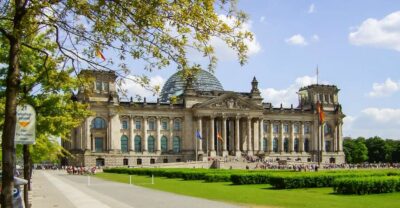 ★ 4.6Reichstag, Plenary Chamber, Cupola & Government TourFrom $188,422 reviews
 ★ 4.9Third Reich & Cold War Guided Walking TourFrom $238,378 reviews
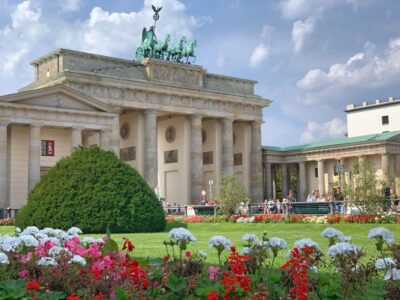 ★ 4.9Discover Berlin Walking TourFrom $235,998 reviews
 ★ 5.0Sachsenhausen Concentration Camp Tour in EnglishFrom $365,711 reviews