
REVIEW · BERLIN HIGHLIGHTS & HIDDEN GEMS
Berlin: Discover Berlin Walking Tour
Berlin history hits you fast. This walking tour strings major landmarks into one clear story, with stops at Brandenburg Gate and Checkpoint Charlie that make the city feel real. I especially like how the guide keeps the timeline moving, and how you also get hard-hitting moments like the Nazi book burning site at Bebelplatz. The only catch is the subject matter turns heavy in spots, so plan for some emotional weight alongside the sightseeing.
On top of the facts, the guide quality is a big part of the value. Anja, a guide with historian-archeologist training, was praised for making context clear and understandable, while Philipp and Ben got love for being warm, focused, and easy to follow without turning the tour into a lecture. If you enjoy asking questions, the pacing is set up so you can do that without derailing the group.
One practical consideration: this tour runs rain or shine, and you’ll be walking for up to a few hours. Bring weather gear and expect stops that help you regroup rather than long, uninterrupted stretches of wet sidewalks.
In This Review
- Key things that make this tour worth your time
- Getting Your Berlin Facts Straight in 2–4 Hours
- What the Walk Is Like When Weather Turns
- Brandenburg Gate and Palace Square: Power, Symbols, and Change
- Museum Island: Learning the City’s Brain
- Checkpoint Charlie: The Cold War Up Close
- Bebelplatz and the Nazi Book Burning Site: Memory That Hurts
- Berlin Wall Stops: Escape Stories and the Human Scale of Borders
- Hitler’s Suicide Site: End of War, Aftermath, and What Comes Next
- How the Guide Turns Places Into Stories (Examples From Real Guides)
- Price and Value: Why $23 Feels Like a Good Deal for Berlin
- What You Should Bring (So the Tour Feels Easy)
- Who This Walking Tour Suits Best
- Should You Book This Berlin Walking Tour?
- FAQ
- FAQ
- How long is the Berlin walking tour?
- How much does it cost?
- Where does the tour meet?
- What sights are included?
- Does the tour run in bad weather?
- What languages are available?
- Is there a private group option?
- Is a guide included?
- Can I cancel and get a refund?
- Can I reserve now and pay later?
Key things that make this tour worth your time
- Big-sight route: Brandenburg Gate, Checkpoint Charlie, Museum Island, plus central landmarks like Berlin Cathedral and Palace Square
- WWII and Cold War in one line: Nazi-era memory points connect directly to Berlin Wall stories and postwar turning points
- Real names, real characters: you’ll hear how figures like Einstein, Marlene Dietrich, and JFK tie into Berlin’s shifts
- The Bebelplatz book burning stop: the site itself and the memorial’s design controversy get explained in plain language
- You physically stand at key moments: you’ll visit the location tied to Hitler’s suicide and hear how Berlin changed afterward
- Guides who answer questions: from Joel’s sheltered-weather pacing to Tobi and Georgia’s strong story flow, the tour is built around interaction
The big Berlin sights, and a few quieter corners
- Berlin: Discover Berlin Walking Tour★ 4.9 · 5,998 reviews
- Berlin: Hidden Backyards Guided Walking Tour★ 4.8 · 5,360 reviews
- Explore Berlin: See All The Iconic Sights & Some Hidden Gems★ 5.0 · 4,429 reviews
- Berlin: Sights and Highlights Bike Tour with a Local Guide★ 4.8 · 2,698 reviews
Getting Your Berlin Facts Straight in 2–4 Hours
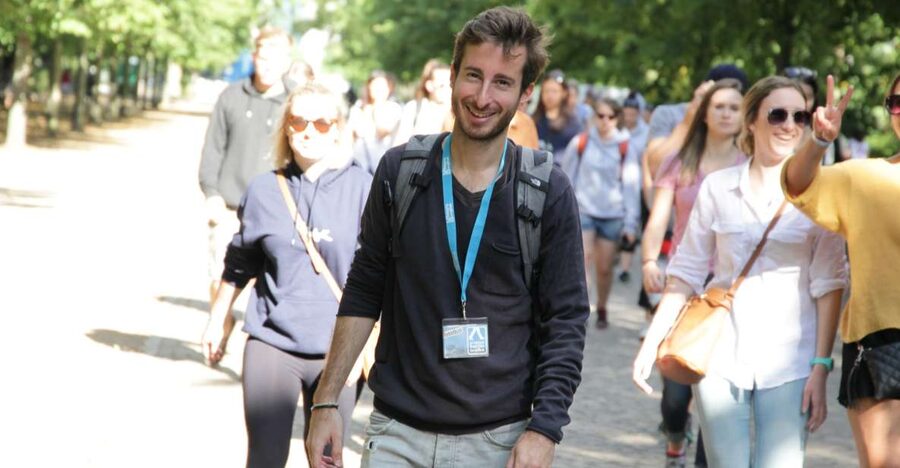
If this is your first time in Berlin, you’ll appreciate how quickly the tour helps you form a mental map. The route centers on the city’s most talked-about sites, but the guide doesn’t treat them like random photo stops. Instead, the landmarks get connected into a narrative that moves from early Berlin origins through Prussian and Imperial eras, then into Nazi rule, the Cold War, and finally today’s Berlin.
That structure matters. Berlin can feel like a patchwork of eras—beautiful, confusing, and sometimes emotionally intense. This tour gives you a thread to hold onto, so when you later wander on your own, things click faster and you miss fewer details.
You’ll also feel that the guides put effort into tone. Multiple reviews mention humor, warmth, and strong pacing, which helps when the tour reaches painful parts of 20th-century history. You’re not just seeing memorials; you’re learning why those places matter to how Berlin explains itself now.
What the Walk Is Like When Weather Turns
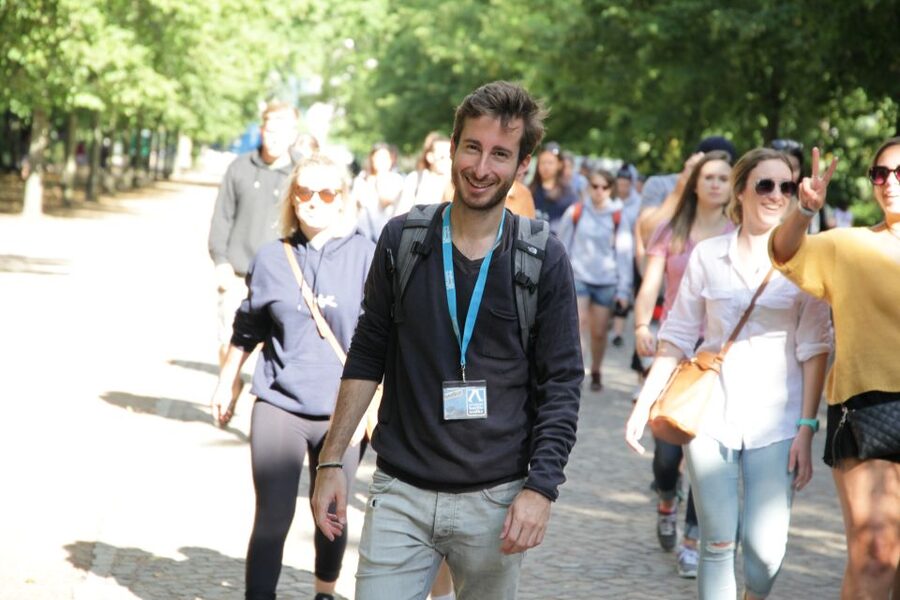
Berlin weather has a way of making plans feel optional. This tour runs in rain or shine, so you’ll want clothing that can handle wind, drizzle, or cold snaps. A few reviews specifically note guides adapting in harsh conditions—Joel stopped in warmer or sheltered areas during snow, which is a smart move when you’re trying to stay focused on stories instead of shivering through them.
The walking time (listed as 2–4 hours) also means you should treat it like a real commitment, not a quick stroll. Even with frequent explanations, you’ll be on your feet long enough to plan a comfortable start and a simple finish for the rest of your day.
Group size can vary. One review mentions a group around 20 people, and the guide still managed to keep everyone together and attentive. That’s a good sign if you’re worried about losing the plot in a larger group.
Brandenburg Gate and Palace Square: Power, Symbols, and Change
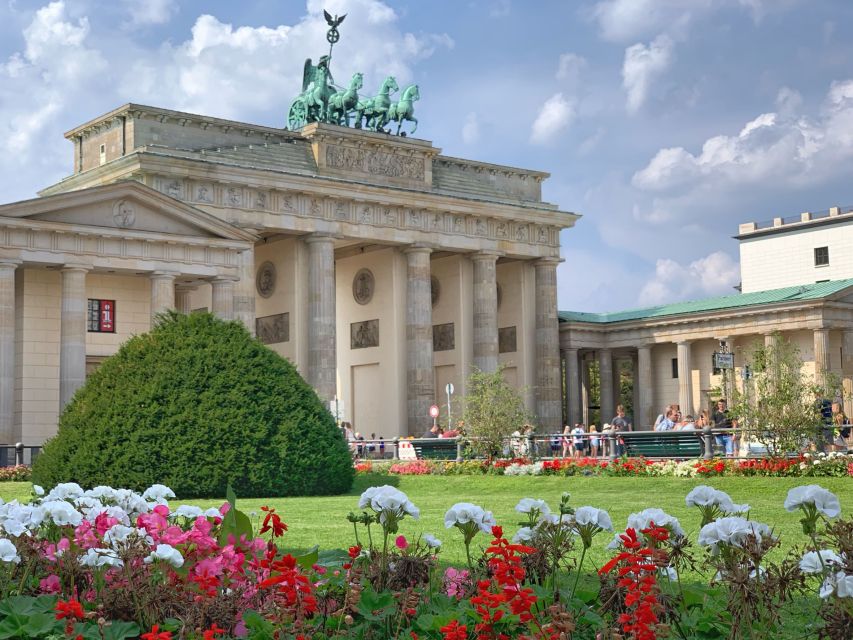
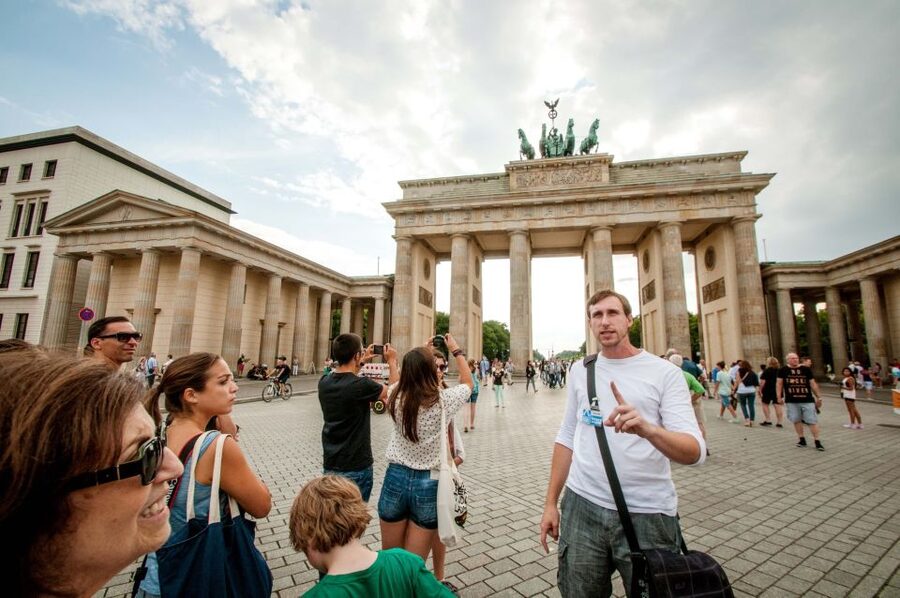
You’ll start encountering Berlin’s big political symbols early. The Brandenburg Gate is more than a famous landmark; it’s a repeat-act on Berlin’s historical stage. In this tour, the gate fits into the wider story of shifting rule—from older German power structures through later state-building—so it feels like a symbol with a long memory, not just a postcard.
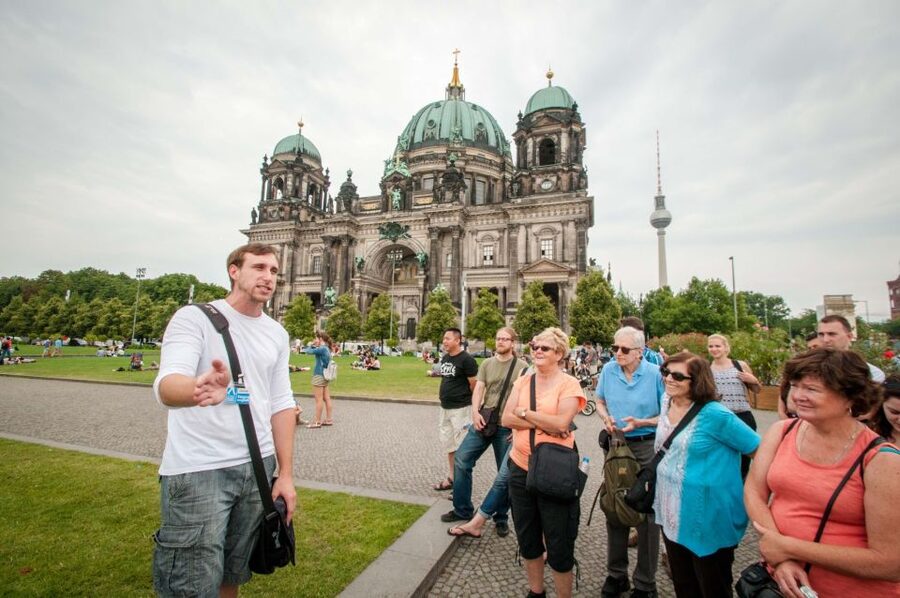
Near there, you’ll also spend time around major civic spaces like Palace Square and Berlin Cathedral. Even if you’re not an architecture fanatic, this pairing helps you understand how governments used public space to project authority. The guide ties what you see to what was happening politically, which helps you read the buildings instead of just looking at them.
A practical tip: when you’re out in these open central areas, keep an eye on how the guide uses the space for stories. When a good guide points out sightlines, sight-to-history connections can be far easier to grasp than if you only stand in one spot scrolling your brain.
Museum Island: Learning the City’s Brain
Museum Island is where Berlin shifts from politics-as-spectacle into culture-as-identity. The tour doesn’t only treat the island as a museum district; it frames it as part of the city’s evolving self-image. You’re hearing the city’s transformation alongside the presence of major institutions, which makes the area feel like more than a convenient stop.
This part of the walk can work well even if you don’t plan to go inside museums. The value here is the context. When your guide explains why the city invested in cultural spaces across different periods, you get a clearer picture of what Berlin chose to preserve—and what it chose to confront.
If you’re the kind of person who likes understanding how places got their reputations, you’ll enjoy this section. It’s not just about art or collections; it’s about the story Berlin tells about itself through institutions.
More of Berlin on foot



Checkpoint Charlie: The Cold War Up Close
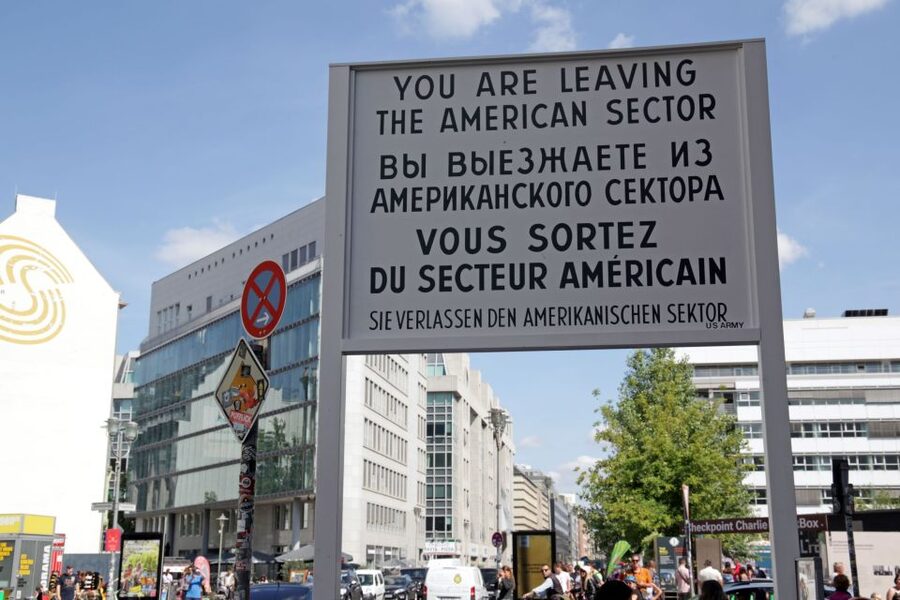
Checkpoint Charlie is where the Cold War stops being a textbook concept. On this tour, the site is used to show how borders worked in daily life—who controlled movement, what fear and rules looked like on the street, and how two systems stared at each other at close range.
The biggest advantage is that the guide doesn’t park at one era. You’ll see the Cold War come from the wreckage of earlier violence and the power shift that followed, then you’ll feel how those pressures shaped Berlin into something split and tense. This is exactly why the tour’s timeline approach is so helpful.
You’ll also hear stories that connect to Berlin’s later turn. That matters because it keeps you from imagining the Cold War as frozen in time. Instead, you get the sense that these places set up the conditions for later change.
Bebelplatz and the Nazi Book Burning Site: Memory That Hurts
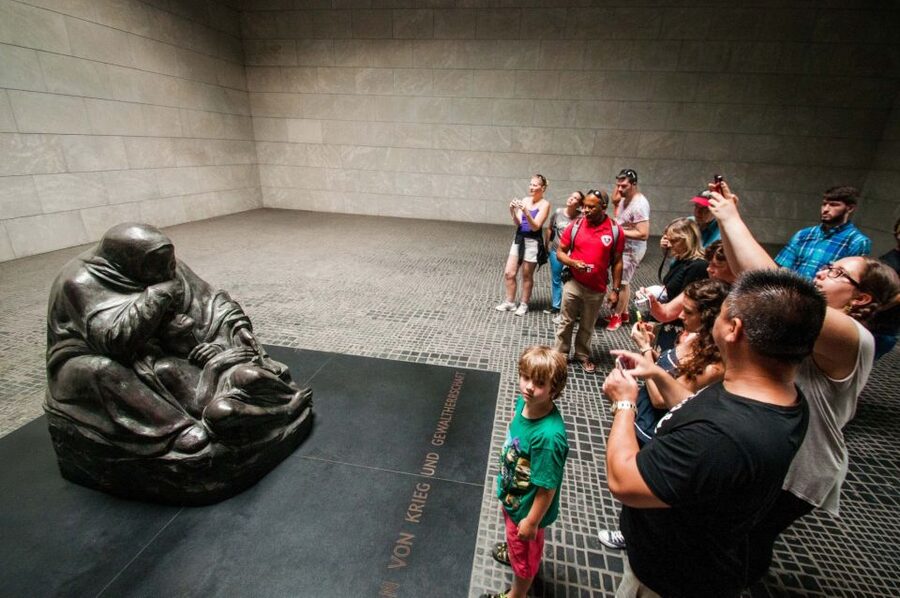
Not every tour does this part well. Here, Bebelplatz is treated as a serious place of memory linked to the Nazi book burning. The guide explains what happened at the site and, importantly, how Berlin acknowledges it afterward.
One detail I really appreciate: the guide discusses controversies over the memorial’s design. You don’t need to be an art critic to find that useful. Learning that even memorial design can spark debate makes you think about how societies handle guilt, education, and public reminders.
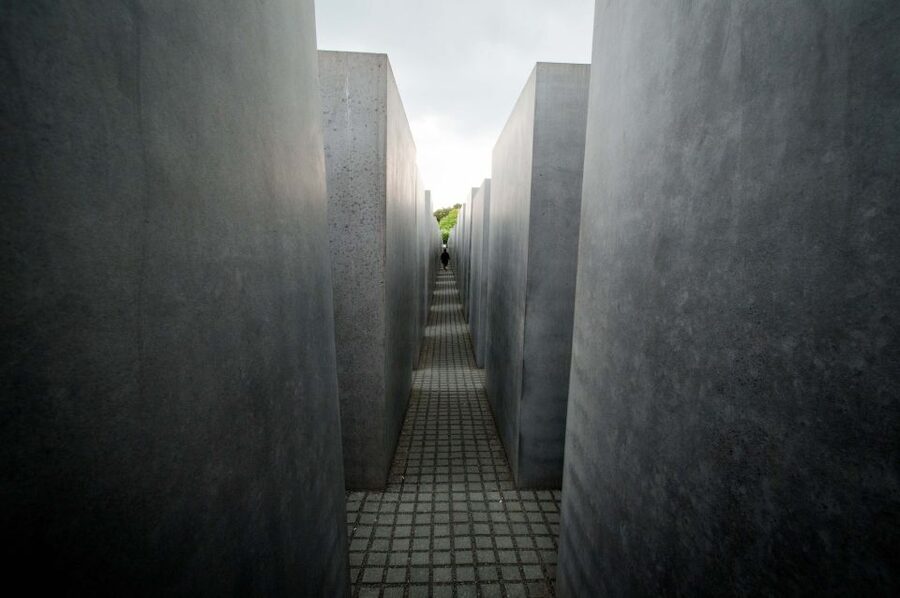
This is also where you should expect the tour to feel emotionally heavier than the earlier stops. You’ll hear about the tragic story of the murdered Jews of Europe, and that context gives weight to why this place is still discussed and visited. Take it at your pace, and don’t feel you have to force your way through it like it’s just another stop on a list.
Berlin Wall Stops: Escape Stories and the Human Scale of Borders

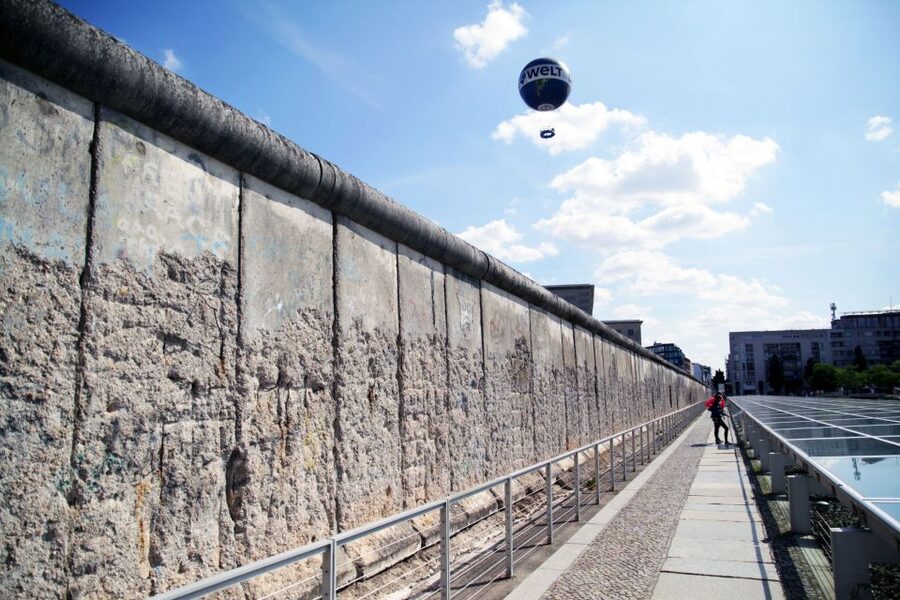
You’ll get the Berlin Wall in a way that feels grounded. The tour approaches the Wall not only as a physical barrier but as a system that shaped lives. Your guide also brings in stories about escapes across the Wall before the fall in 1989, which helps you understand the courage and desperation behind those attempts.
This is one of the most effective parts of the tour because it turns history into people. You’re not just hearing dates; you’re hearing about the real stakes of dividing a city. Even if you’ve read about the Wall before, being told how the Wall affected everyday movement and choices can change how you visualize it.
A practical note: this section can mean more time outside in open areas. If it’s cold or wet, follow your guide’s pace and take advantage of shelter stops when offered. In one snowy day example, the guide’s approach to comfort didn’t weaken the storytelling—it improved attention.
Hitler’s Suicide Site: End of War, Aftermath, and What Comes Next
One of the most striking promises of this tour is that you’ll stand over the spot where Hitler took his life in April 1945. This isn’t “dark tourism” as entertainment. It’s a point on the timeline of Berlin’s collapse and the end of WWII that your guide uses to close major historical loops.
The tour connects the end of that era to what came afterward, including the changes that set the stage for Cold War Berlin and then the eventual reunification moment you’ve seen in photos. That forward connection prevents the experience from feeling like a dead-end stop.
You should also be ready for the emotional weight here. If you’re sensitive to WWII topics or you’re traveling with someone who prefers lighter sightseeing, talk it through before you join. The tour’s structure helps, but the subject itself is unavoidable.
How the Guide Turns Places Into Stories (Examples From Real Guides)
The guide is the engine of this experience, and the reviews give you real clues about what that looks like. Anja was highlighted for clear, understandable context and for weaving in themes with a historian’s eye. Philipp was praised for merging history and current culture without overloading the group, and Ben for giving strong value for money by pointing out what you wouldn’t spot on your own.
Joel and Georgia were both mentioned as excellent with pacing and story flow. Joel in particular was noted for adjusting during freezing/snowy weather—pausing in warmer spots and keeping questions from getting lost. Tobi and Walid were repeatedly credited for humor, energy, and staying accessible even when the material turned heavy.
One more thing I like: the best guides on this tour don’t only recite facts. They bring in human connections. Several reviews mention guides adding family or personal Berlin context, which helps the city feel like a living place, not just preserved ruins and plaques.
Price and Value: Why $23 Feels Like a Good Deal for Berlin
At $23 per person for a 2–4 hour guided walk, this is priced like a solid “start strong” activity. You’re paying for more than time on a sidewalk. You’re paying for someone to connect themes across eras—Prussian to Imperial to Nazi to Cold War to modern Berlin—and for the effort to keep that connected story easy to follow.
The value jumps if you’re short on time. If you only have one day in Berlin, a route like this can give you enough bearings to enjoy the rest of your trip on your own. You don’t just get landmarks; you get a framework for understanding why Berlin looks the way it does.
Could you walk the same spots alone? Sure. But the cost of wandering without context is that you’ll miss the connections that make Berlin feel coherent. Here, your guide’s job is to prevent that feeling of disconnected history—especially at places where the meaning isn’t obvious from the street.
What You Should Bring (So the Tour Feels Easy)
This is a simple tour to prepare for, because the main requirement is weather-ready clothing. Since it runs rain or shine, think layers, a waterproof layer if you need it, and shoes you can walk in for a few hours without suffering.
Also bring a question or two. If you’re curious about how the Wall fell, why memorials are designed the way they are, or how modern Berlin discusses Nazi history, your guide is set up to answer. Multiple reviews highlight that guides encouraged questions and handled them clearly.
Who This Walking Tour Suits Best
This tour is a strong fit if you:
- want a first-pass Berlin orientation focused on the biggest historical themes
- like walking tours that explain what you see (not just where to stand for photos)
- don’t mind heavy WWII and Holocaust-linked material but want it handled with context
- enjoy history that connects to modern life, including cultural references and famous Berlin names
It might be less ideal if you only want light sightseeing with minimal WWII content. The inclusion of Bebelplatz and Hitler’s suicide site means your emotions will be part of the experience, not an afterthought.
Should You Book This Berlin Walking Tour?
If you’re weighing this against a slower, more relaxed Berlin day, I’d book it when you want clarity fast. The route hits major anchors—Brandenburg Gate, Checkpoint Charlie, Museum Island, Bebelplatz, Wall-related stories, and the WWII end point tied to Hitler—with a guide who turns those anchors into a readable timeline.
The decision comes down to your tolerance for serious subject matter and your comfort with weather. If you can handle that, this is one of the best ways to get your bearings in Berlin and leave understanding more than the photos show.
FAQ
FAQ
How long is the Berlin walking tour?
The duration is listed as 2 to 4 hours, with starting times depending on availability.
How much does it cost?
The price is $23 per person.
Where does the tour meet?
The meeting point may vary depending on the option booked.
What sights are included?
The highlights include Checkpoint Charlie, the Brandenburg Gate, Museum Island, the Nazi book burning site at Bebelplatz, and the site of Hitler’s suicide. The tour also references major central landmarks such as Berlin Cathedral and Palace Square.
Does the tour run in bad weather?
Yes. The tour takes place rain or shine.
What languages are available?
The live guide is available in German and English.
Is there a private group option?
Yes. Private group availability is listed.
Is a guide included?
Yes. A guide is included in the experience.
Can I cancel and get a refund?
Free cancellation is available up to 24 hours in advance for a full refund.
Can I reserve now and pay later?
Yes. Reserve now and pay later is listed as an option to keep plans flexible.
More Tours in Berlin





More Tour Reviews in Berlin

Berlin's Icons and Its Quiet Corners



Round out your days in Berlin
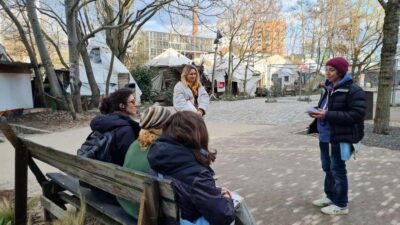

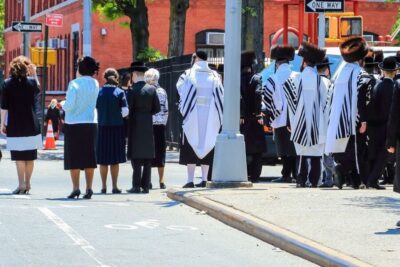
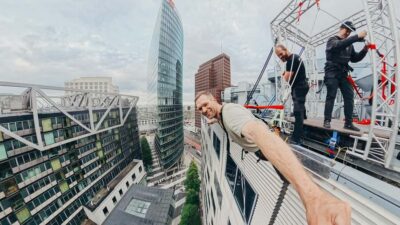
Berlin Highlights & Hidden Gems, compared.
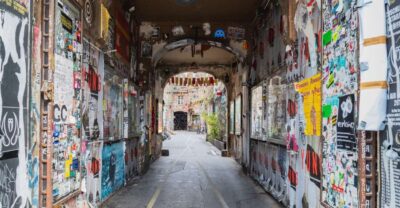 ★ 4.8Hidden Backyards Guided Walking TourFrom $235,360 reviews
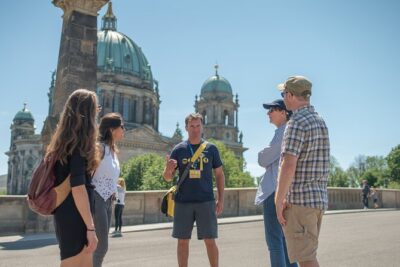 ★ 5.0Explore Berlin: See All The Iconic Sights & Some Hidden GemsFrom $244,429 reviews
 ★ 4.8Sights and Highlights Bike Tour with a Local GuideFrom $412,698 reviews
★ 4.9Explore Berlin: See All The Iconic Sights & Some Hidden GemsFrom $182,018 reviews
★ 4.8Sights and Highlights Bike Tour with a Local GuideFrom $412,698 reviews
★ 4.9Explore Berlin: See All The Iconic Sights & Some Hidden GemsFrom $182,018 reviews
 ★ 5.0Berlin Highlights 3-Hour Bike TourFrom $42948 reviews
★ 4.9Berlin Highlights: 3-Hour Bike TourFrom $37809 reviews
★ 5.0Berlin Highlights 3-Hour Bike TourFrom $42948 reviews
★ 4.9Berlin Highlights: 3-Hour Bike TourFrom $37809 reviews
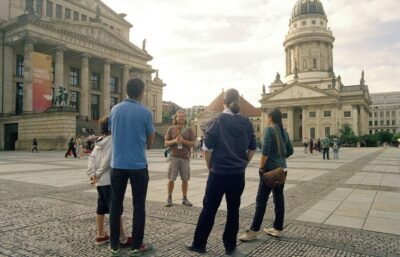 ★ 4.9Berlin Historical Highlights Walking TourFrom $389657 reviews
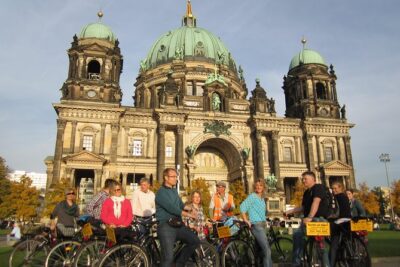 ★ 5.0Berlin Highlights Sightseeing Bike Tour in Small GroupsFrom $43652 reviews
Browse the lists this tour appears in