
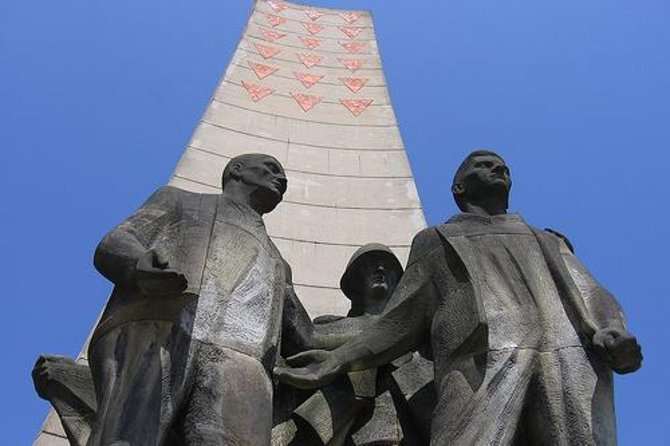
REVIEW · SACHSENHAUSEN MEMORIAL
Berlin: Sachsenhausen Concentration Camp Tour in English
Sachsenhausen is the kind of site that changes your tempo. You start in Berlin and ride out with a licensed guide for an English-first day at the Sachsenhausen Memorial and Museum, where you’ll trace how Nazi persecution worked, from early imprisonments to the 1945 evacuation and death marches.
What I like most is the structure: a town walk in Oranienburg for context, then a focused visit inside the camp’s most important areas. I also like that you’re not left to guess what you’re seeing—this tour is led by a historian-level guide trained by the memorial authority, and you’ll cover the painful specifics without turning it into a hit list.
One thing to plan for: this is a long day of serious, heavy subject matter with a lot of walking, and it’s not a good fit if you have limited mobility. Wear warm layers and plan snacks, because food options aren’t built into the schedule.
In This Review
- Key highlights you’ll feel in your bones
- From Friedrichstraße to Oranienburg: starting on time, starting together
- Oranienburg walk: why the context walk matters
- Inside Sachsenhausen: barracks, torture cells, Station Z, and the gas chamber
- The guide factor: historian-led, respectful, and built for questions
- Timing, weather, and what to bring for a 10:00–4:00 kind of day
- Price and value: what you get for $36.16 and what to budget on top
- Who this tour fits best (and who should skip it)
- Should you book this Berlin-to-Sachsenhausen English tour?
- FAQ
- How long is the Sachsenhausen tour from Berlin?
- What language is the tour offered in?
- Where do I meet the guide?
- Is entry to the Sachsenhausen memorial included?
- Do I need train tickets in addition to the tour price?
- Is food included?
Key highlights you’ll feel in your bones
- An expert historian-led route that keeps the story clear and respectful
- Oranienburg town context that connects the camp to what happened beyond the fence
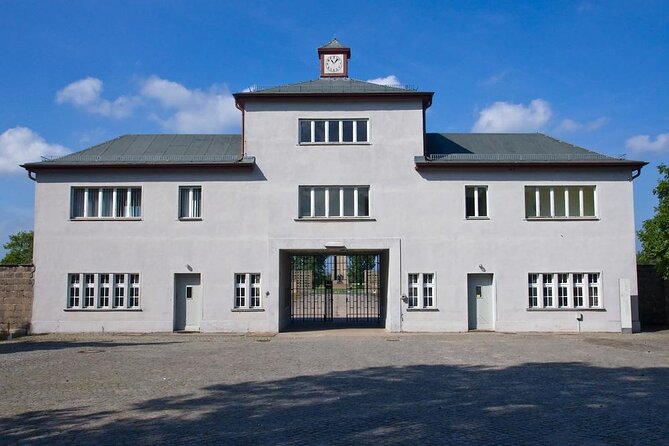
- Station Z, the gas chamber and crematorium, plus punishment and execution-related areas
- A guided focus on how the Nazis classified and targeted people, not just dates and names
- Small-group pacing with a max group size listed at 29 travelers
- A built-in memorial donation: €3 from the tour to the Sachsenhausen memorial per guest
More memorial and remembrance tours from Berlin
- Berlin: Sachsenhausen Concentration Camp Tour in English★ 5.0 · 5,711 reviews
- Berlin: Sachsenhausen Concentration Camp Memorial Tour★ 4.7 · 3,716 reviews
- Berlin: Sachsenhausen Concentration Camp Tour in English★ 4.8 · 1,889 reviews
- Sachsenhausen Concentration Camp Memorial Tour (Max. 15 Guests)★ 5.0 · 1,516 reviews
From Friedrichstraße to Oranienburg: starting on time, starting together
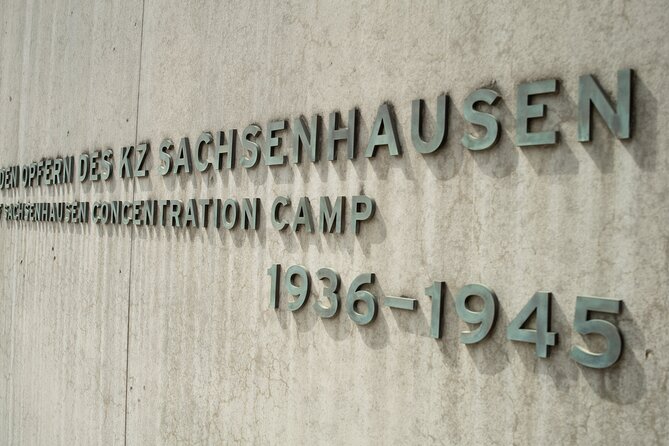
The day runs like it means business. You meet at Reichstagufer 17, 10117 Berlin, near public transit, and you’re asked to arrive 15 minutes early. From there, you’ll take the train toward Oranienburg, where Sachsenhausen was built. The whole schedule is built around a single flow: train out, guided walking time at the memorial, then the train ride back to Berlin.
The tour also runs in English with a mobile ticket, which helps if you don’t want to hunt for paper tickets mid-trip. It’s a group experience (max 29 travelers listed), and that matters here: the guide’s job is to keep everyone oriented at the right places, so you don’t miss key areas or get separated in a site that doesn’t exactly come with cheerful signage.
This is also a day where your body has to cooperate. The guidance calls for moderate physical fitness, and it’s not recommended for limited mobility or walking impairments. You’ll be standing and walking through outdoor memorial grounds and between multiple interior spaces.
Oranienburg walk: why the context walk matters
Before you even enter the camp area, you get a short detour into the real “how did this happen” question. In Oranienburg, you’ll take a guided ride to the S-bahn area and then do a 15-minute walk around the town. The point isn’t sightseeing. It’s connection.
You’ll learn about how townspeople were complicit, and you’ll see places tied to where inmates used to work. That small block of time is worth real attention because it shifts the story away from a single fortress-like prison and toward a system that relied on a wider environment.
For you, that means the camp’s machinery feels less abstract. It also helps you understand why memorial education is so often framed as a warning about society, not only about one leadership group. Even in a brief window, this context walk adds weight to everything you’ll see inside the memorial.
Inside Sachsenhausen: barracks, torture cells, Station Z, and the gas chamber
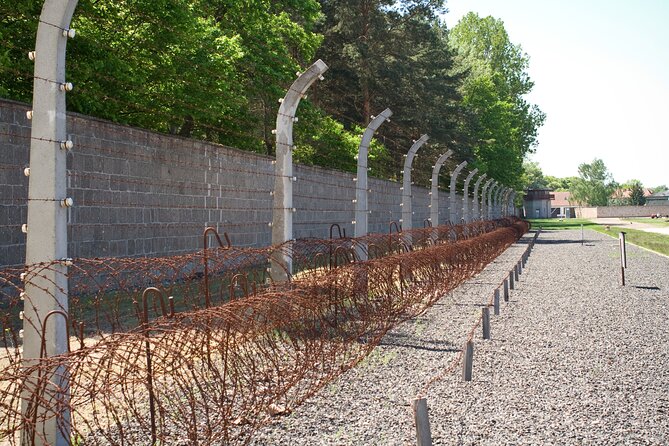
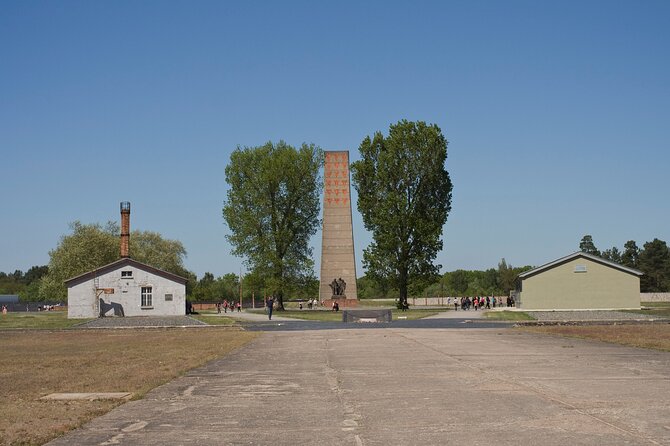
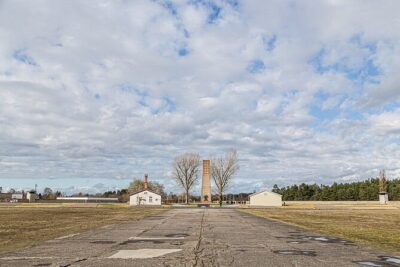
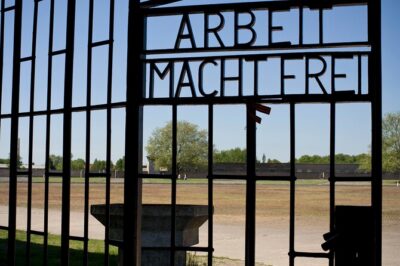
This is the core of the day: a 2.5-hour guided walk through the Sachsenhausen Memorial and Museum. You’ll start within the camp’s remains and focus on areas tied to how the camp functioned as a concentration camp from the ground up, rather than using older buildings.
You’ll see:
- Old barracks
- Prison cells and torture cells
- The camp kitchen
- Station Z, where mass executions took place
- The gas chamber and crematorium
- Infirmaries and a pathology center
- Tower A, the main guard tower
You’ll also encounter the punishment-related areas the tour highlights, including punishment cells, gallows, and burial pits inside the prison grounds.
What makes this section important is how the story is framed. Sachsenhausen held more than 200,000 people between 1936 and 1945. The early prisoners were often political opponents of the Nazi regime. Later, the camp increasingly held people defined by National Socialists as racially or biologically inferior. By 1939, you’ll hear how many prisoners came from occupied European states.
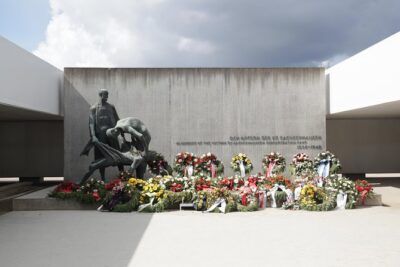
The guide’s job here is to connect the dots without turning them into trivia. You’ll also cover the scale of suffering: tens of thousands died from starvation, disease, forced labor, and mistreatment, and others were victims of the Nazi systematic extermination carried out by the SS.
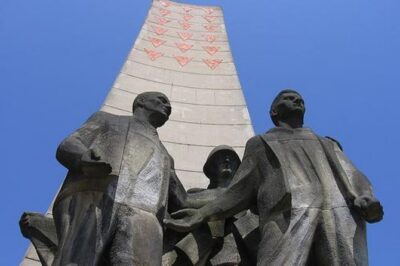
Then comes the end of the camp—when the world tried to move on faster than history allowed. In April 1945, Sachsenhausen was evacuated, and many prisoners died during the death marches. Around that time, about 3,000 sick prisoners, plus the doctors and nurses who had stayed behind, were freed by Soviet and Polish soldiers. That final piece matters because it shows that the cruelty didn’t stop at the gates, and it also helps you understand why memorial education stays urgent.
This is not a tour where you rush for photo angles. You walk. You listen. You process. If you come hoping for a smooth, light day trip, this will feel brutal. But if you come wanting to understand how a modern state can implement systematic terror, this is where the education becomes real.
The guide factor: historian-led, respectful, and built for questions
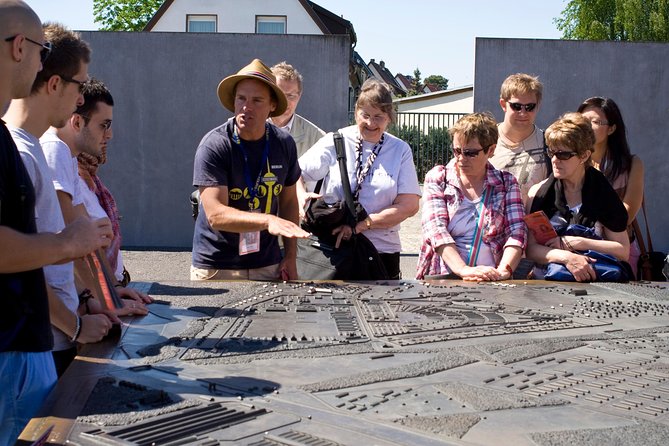
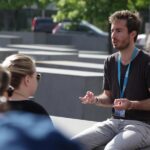
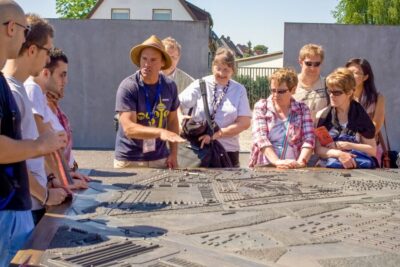
This tour leans hard on the human element: a licensed guide trained by the memorial authority. In plain terms, that means you’re not just getting a script. You’re getting interpretation that stays anchored to what the memorial wants visitors to understand.
What stands out from the guide-led experience is how many people emphasize the same things: the narration is organized, the tone stays respectful, and the guide makes room for questions. Several different guides are mentioned across the experience, including Georgia, Gregor, Mikhail, Tina, Will, Daniel, Hannah, Scott, Emma, and Ariel. The names vary, but the common thread is consistent: clear explanations delivered with empathy, and a willingness to help the group keep moving without steamrolling over the subject.
For you, that translates into a better visit. Memorial sites can become confusing quickly because there’s a lot to see and a lot of terms to sort out. A good guide acts like a map. They point out what you’re looking at, explain why it mattered, and keep the story from flattening into generalities.
One practical note: the site is cold-weather unfriendly on some days, and group size can affect audibility. I’d plan to position yourself so you can hear well, especially if it’s windy or if the group feels bigger than you expected. Cold days make everything harder: hands get numb, and microphones and voices carry less cleanly.




Timing, weather, and what to bring for a 10:00–4:00 kind of day
Plan your body for a 5.5-hour outing, roughly from 10:00 am. It’s a long day with serious walking. And this is the part people often underestimate: you likely won’t have an easy chance to eat.
The practical advice is simple: bring food and water. There’s a specific tip that food is hard to find during the day and that you shouldn’t count on stopping for meals. Even if you’re only eating a snack, you’ll stay sharper for the memorial portion, and you’ll avoid the cranky, foggy feeling that can hit after hours in the cold.
Weather matters because you’ll spend time outdoors around the memorial grounds and during transit. Bring warm layers, and consider that shelter isn’t guaranteed everywhere. One tip called out bringing an umbrella, which is a good reminder: even if you pack for cold, also pack for wet conditions if Berlin is doing Berlin things.
Good walking shoes are recommended. This is also a day where you’ll want to move at a pace that lets you listen. If you power-walk through key areas, you’ll miss the explanation that makes the site connect.
Price and value: what you get for $36.16 and what to budget on top
At $36.16 per person, the ticket price is relatively approachable for what’s included. The big value items are:
- English-language licensed guide
- Memorial entry included
- A €3 donation per guest to the Sachsenhausen memorial
- A structured day with train transport to the Oranienburg area under the tour’s guidance
The additional costs you should budget for are transportation tickets. The guidance is explicit that you’ll need a transit ticket for zones ABC costing approximately €9 per person, and you’ll also need an ABC round-trip train ticket from the meeting point to the memorial, listed at €10.00 per person. Those two numbers may be related to the ticketing approach you choose, but either way, don’t assume the tour price covers all train costs.
How I’d think about value: if you tried to do this alone, you’d have the memorial entry, but you’d need to solve guide-level interpretation yourself—figuring out what Station Z is, why the gas chamber and crematorium are positioned the way they are, and what the punishment-related areas signify. Paying for the guide is what makes the experience more than a self-guided walk.
Also, the memorial donation is a quiet but meaningful part of the math. It doesn’t replace visitor education, but it signals that your ticket contributes directly to the memorial’s work.
Who this tour fits best (and who should skip it)
This tour fits best if you’re:
- Interested in Nazi Germany and the Third Reich with clear context
- Wanting structured, English-language interpretation at a memorial site
- Comfortable with a serious, emotionally heavy subject matter
- Able to handle a day of walking and standing
It’s likely not ideal if you:
- Have limited mobility or walking impairments, since the tour isn’t recommended for those needs
- Expect a casual day trip with flexible stops for shopping and long meals
If you’re traveling as a couple, a group of friends, or solo, the small-group format can feel steady and manageable. If you’re traveling with kids, it might be a tougher match, but the tour data doesn’t specify a minimum age, so you’d need to judge your situation carefully.
Should you book this Berlin-to-Sachsenhausen English tour?
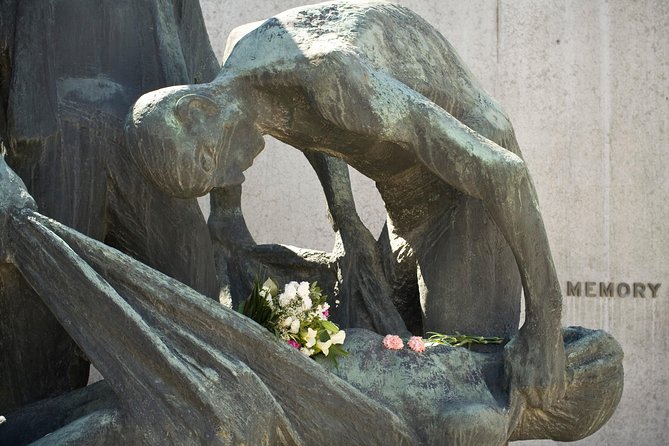
I’d book it if you want your visit to Sachsenhausen to come with structure, respectful interpretation, and the key sites explained in context. The combination of town context in Oranienburg plus a guided walkthrough of the memorial’s most crucial areas makes it a full day of learning, not just a location check.
You should probably think twice if you’re looking for a light itinerary, if your mobility is limited, or if you’d struggle with long, cold walking on a difficult topic. But for most adults who want honest history and a guide who keeps the story clear, this is a strong choice.
One last tip: treat it like a day with homework. Bring food, water, warm clothes, and shoes. Then arrive ready to listen. The payoff is not entertainment. It’s understanding.
FAQ
How long is the Sachsenhausen tour from Berlin?
The tour runs about 5 hours 30 minutes.
What language is the tour offered in?
It’s offered in English.
Where do I meet the guide?
You meet at Reichstagufer 17, 10117 Berlin, Germany, and you should arrive 15 minutes before the start time.
Is entry to the Sachsenhausen memorial included?
Yes. Entry in to the memorial is included.
Do I need train tickets in addition to the tour price?
Yes. You’ll require transit tickets for zones ABC (about €9 per person) and the tour notes an ABC train ticket for the round trip listed at €10.00 per person.
Is food included?
No. Food and drinks aren’t included, and the tour can be a long day.
More Tours in Berlin


More Tour Reviews in Berlin
Sachsenhausen and Remembrance
Round out your days in Berlin
Sachsenhausen Memorial, compared.
 ★ 4.7Sachsenhausen Concentration Camp Memorial TourFrom $213,716 reviews
 ★ 5.0Sachsenhausen Concentration Camp Bus Tour in English from BerlinFrom $681,962 reviews
 ★ 4.8Sachsenhausen Concentration Camp Tour in EnglishFrom $221,889 reviews
 ★ 5.0Sachsenhausen Concentration Camp Memorial Tour (Max. 15 Guests)From $351,516 reviews
 ★ 4.9English Bus Tour to Sachsenhausen Concentration CampFrom $551,380 reviews
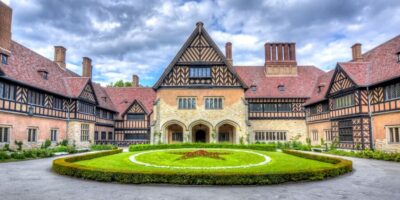 ★ 4.6Sachsenhausen Concentration Camp and Potsdam TourFrom $651,334 reviews
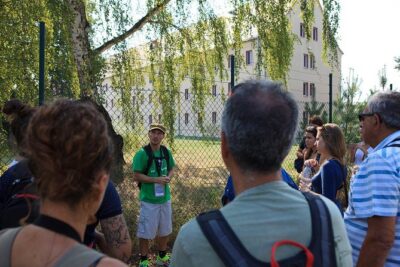 ★ 5.0Sachsenhausen concentration camp.From $341,189 reviews
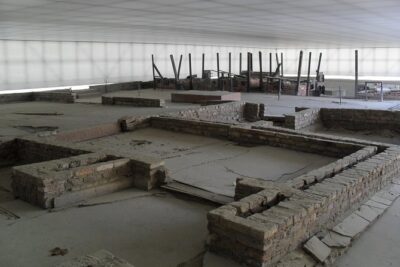 ★ 5.0Visita en español al campo de concentración SachsenhausenFrom $341,170 reviews
Browse the lists this tour appears in