
REVIEW · POTSDAM DAY TRIPS
Berlin: Prussian History Walking Tour with Geo Epoche
If you like old power made visible, this walk fits. You’ll trace Prussian Berlin on foot, with stops that explain what you’re seeing and why it mattered. The route runs through the city’s most famous landmarks and some quieter streets, so the story doesn’t feel like a textbook.
I especially like two things: the guide’s focus on surprising facts and anecdotes at each stop, and the way the tour connects buildings to real people’s lives in past Berlin. It’s also good value for the time—2 hours, guided throughout, plus a brochure with illustrative pictures.
One practical consideration: the tour is entirely in German and includes walking, rain or shine. If you’re not comfortable with German, you may miss a lot of the nuance.
In This Review
- Key highlights you’ll feel fast
- Starting at the Lustgarten: where Prussian Berlin shows its “big plan”
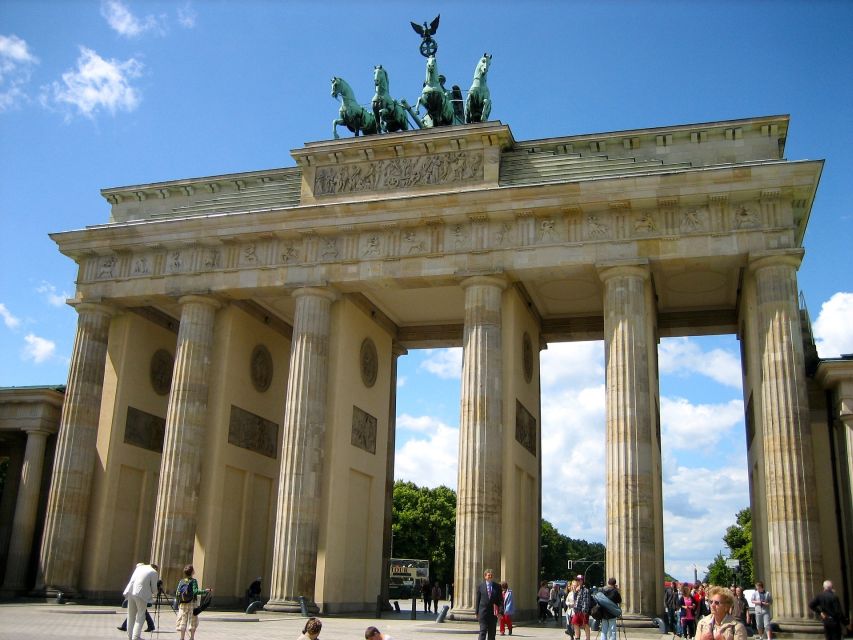
- Walking the core between City Palace and Brandenburg Gate
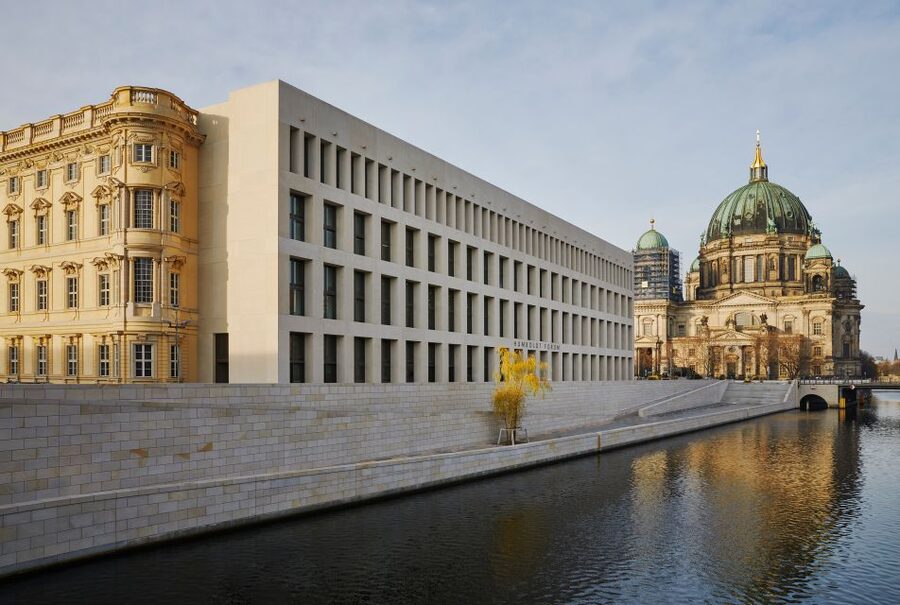
- The Dome and Palace stops: architecture as a political message
- Friedrichswerdersche Curch: when faith meets city planning
- Gendarmenmarkt: the Prussian-era “showpiece” moment
- The Friedrichswerder neighborhood stroll: where the story feels closer
- What you get for $29: value comes from “explained sight-seeing”
- Logistics that matter: rain, walking, and German-only narration
- The kind of traveler who will enjoy this most
- Should you book this Prussian History Walking Tour?
- FAQ
- How long is the Berlin Prussian History Walking Tour with Geo Epoche?
- Where do I meet the guide?
- What’s included in the tour price?
- Is the tour in English?
- Does the tour run in bad weather?
- What should I wear or bring?
- Who can join, and who should avoid it?
Key highlights you’ll feel fast
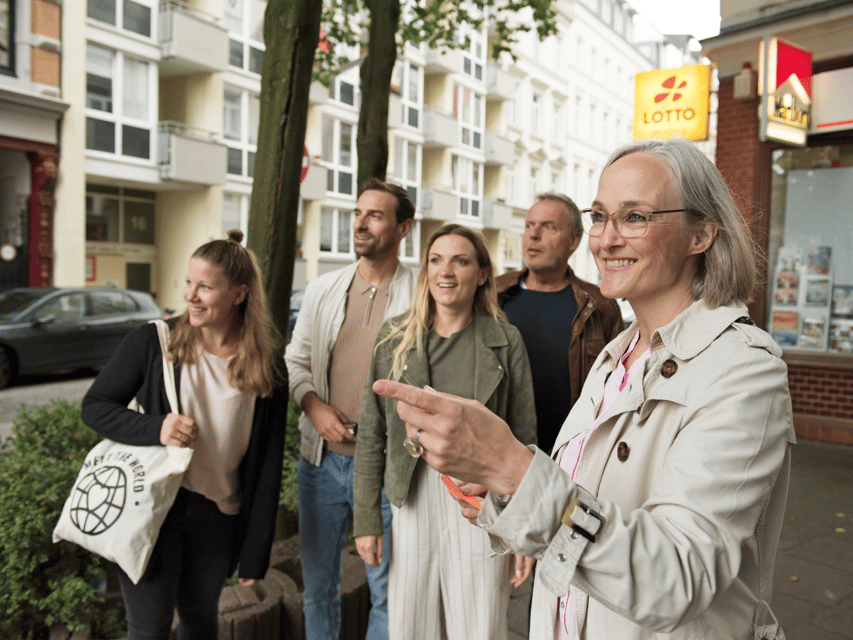
- Lustgarten meeting point at the granite bowl, right where the story of central Berlin begins
- A classic Prussian-era “heart of the city” route between the City Palace, Brandenburg Gate, and the Old Reich Chancellery
- Landmarks with context, not just photos—each stop comes with history and quick human stories
- Friedrichswerder walk that shifts from major monuments to smaller atmosphere and past details
- Brochure with illustrative pictures, handy for remembering what you saw after the tour
More palace-and-park days out in Potsdam
- Berlin: 3-Hour World Heritage Cruise to Potsdam★ 4.5 · 1,569 reviews
- Berlin: Sachsenhausen Concentration Camp and Potsdam Tour★ 4.6 · 1,334 reviews
- From Berlin: Potsdam and Sanssouci Palace Tour with Entry★ 4.7 · 1,219 reviews
- Potsdam Half-Day Walking Tour from Berlin★ 4.5 · 398 reviews
Starting at the Lustgarten: where Prussian Berlin shows its “big plan”
Berlin has a way of looking modern even when you’re standing in the middle of something very old. That’s why I like starting at the Lustgarten. It’s a central stage, and the meeting point is unambiguous: the granite bowl in the Lustgarten. If you arrive early, you’ll have time to get your bearings before the group forms.
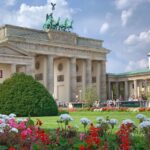
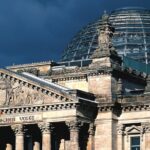
From there, the tour aims straight at the city’s core—between the City Palace, the Brandenburg Gate, and the Old Reich Chancellery. That matters because it’s not random sightseeing. You’re walking the kind of axis where rulers and institutions made their statements in stone and layout.
The tour is led by a live guide and the commentary is entirely in German. So if German is your strong suit, you’ll probably enjoy how the guide handles details from stop to stop. If your German is shaky, bring a flexible attitude: this is the sort of tour where you’ll still see important buildings clearly, but you may not catch all the story threads.
Walking the core between City Palace and Brandenburg Gate
This is the portion I’d describe as the tour’s spine. You’ll cover a compact central stretch where the Prussian era is visible in the architecture and the way the city is arranged. The guide doesn’t just point; you’ll learn what each site represents and hear small, human-sized anecdotes that make the power-and-government storyline easier to hold onto.
A big reason this works for visitors is pacing. Two hours isn’t long, so you want a route that keeps moving while still giving you “why this matters” at each stop. Here, the plan is to keep you in the center long enough to feel connected—how the City Palace area relates to the Brandenburg Gate area, and how those spaces connect back to Berlin’s role as the capital of Prussia.
You also get a clear “glimpse of the lives” of people in earlier Berlin. The key word is glimpse: the guide is using landmarks as anchors, then pulling you back toward everyday life. That’s often where walking tours shine—when the history stops being abstract and starts sounding like someone talking to you on the street.
The Dome and Palace stops: architecture as a political message

Two landmark types show up in the highlights: the Dome and the Palace. Even without memorizing dates, you can read a lot from them. Monumental religious and royal spaces tend to be built to last and to signal authority—so when your guide explains what you’re looking at, it changes the buildings from background to evidence.
On this tour, the guide uses each site as a story prompt. You’re not just learning what the place is; you’re learning what it meant in Prussia’s Berlin. That includes the idea that electors, kings, and emperors weren’t only ruling from offices—they were shaping the city’s public face.
If you like seeing how architecture communicates, you’ll likely enjoy how the tour keeps returning to symbolism. It’s not about one building in isolation. You start noticing patterns: how certain spaces project status, how others reinforce religion or civic identity, and how the surrounding streets help the whole composition work.
Friedrichswerdersche Curch: when faith meets city planning
Then comes Friedrichswerdersche Curch, another stop that turns the volume down from the biggest monuments while still staying in the Prussian story. Churches in central cities often carry more than spiritual meaning. They’re tied to community life, major events, and the local identity of the neighborhoods around them.
What I like about this kind of stop is that it gives the tour balance. Without something like the Friedrichswerdersche Curch, a Prussian-focused walk can tilt too far toward government-and-emperor energy. With it, you get a reminder that the city’s history wasn’t only political. People gathered, worshipped, and lived their routines inside the same urban fabric.
Expect the guide to connect this site to the broader arc of Berlin’s Prussian development. In a 2-hour tour, that’s the sweet spot: enough information to understand the role of the building, but not so much detail that you lose the walk.
More of Berlin on foot

Gendarmenmarkt: the Prussian-era “showpiece” moment
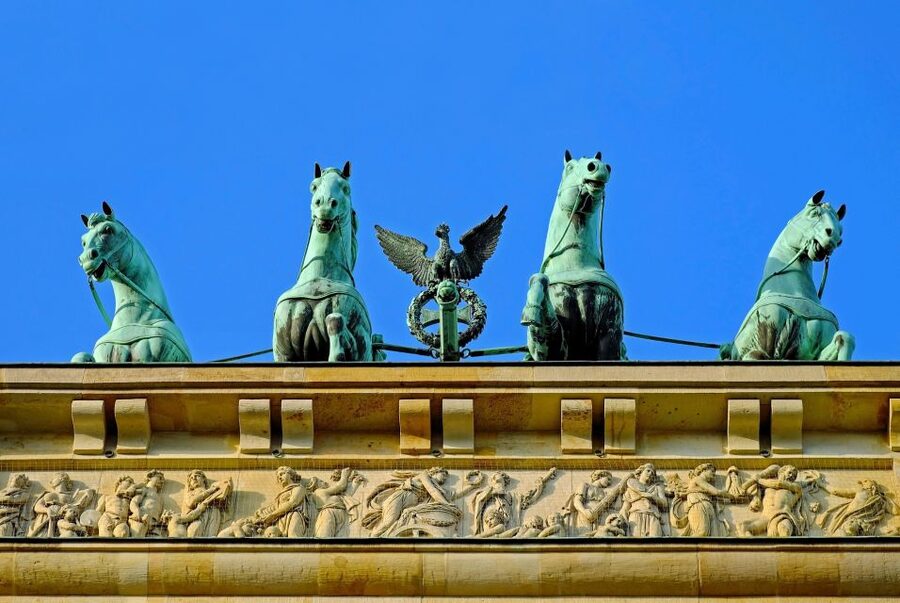
Gendarmenmarkt is one of those places in Berlin where you feel like you’re standing in a set. The tour treats it as a meaningful stop, not just a photo-op. The guide’s job here is to help you see beyond the pretty view and into the historical purpose of the square.
You’ll get context tied to Prussian Berlin and the city’s development. The best moments on this kind of guided walk are when the guide pairs what you can see right now with what used to happen around it. You’ll likely leave with clearer mental images—how the space functioned, who it served, and why it belongs in a Prussian-focused route.
And since the tour includes stories about notable personalities connected to the development of the city, this stop can feel like a hinge. The narrative tends to shift from “look at this building” to “this was how Berlin operated as the capital.”
The Friedrichswerder neighborhood stroll: where the story feels closer
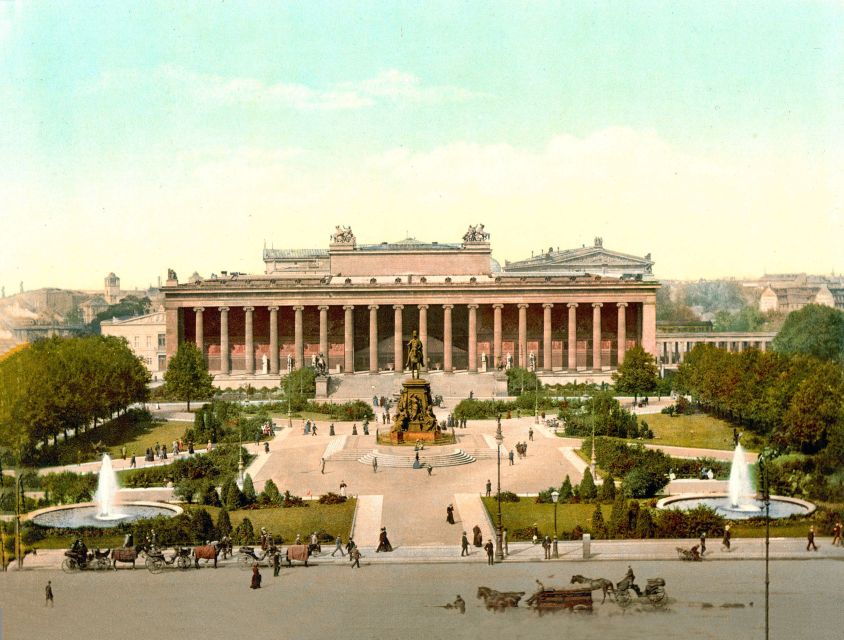
A walking tour should include more than famous façades. That’s why I’m glad this one includes time in Friedrichswerder. Here, the experience turns from grand statements to smaller street-level texture. Even when you’re not inside buildings, you can often feel neighborhood character through layout, scale, and proximity.
This is also where the “hidden treasures” idea comes into play. The tour aims to show you hidden angles—places and impressions you might overlook on your own while racing between major sights.
The guide also uses this neighborhood segment to introduce personalities who played important roles in Berlin’s Prussian development. That’s a smart way to keep the story lively during quieter walking: names give you points of contact with the past, and the neighborhood setting helps you picture how those people would have moved through the city.
If you’re the type who likes walking with a purpose—rather than just following a list of stops—this Friedrichswerder segment is the part that often feels most rewarding.
What you get for $29: value comes from “explained sight-seeing”
At $29 per person, the main value isn’t the monuments themselves. Berlin has plenty of monuments you can see without paying. The value here is the guided structure: a live guide, multiple Prussian-era landmarks, and a sequence that builds context.
Two hours is also a good sweet spot. Long enough for you to feel like you learned something, short enough that it doesn’t swallow a whole day. You’ll walk through the central area and still cover a meaningful slice of the Prussian-era story, including the switch from big landmarks to Friedrichswerder’s calmer streets.
You also get a brochure with illustrative pictures. That’s not just a souvenir. It gives you something to check after the tour so your memories don’t blur—especially helpful when multiple buildings and names come up in one German-guided session.
So yes, it’s relatively inexpensive for a guided tour in central Berlin. But the real “why it’s worth it” is the explanation at each stop. Without that, you’d likely miss the connections between sites and the small anecdotes that make the Prussian story click.
Logistics that matter: rain, walking, and German-only narration
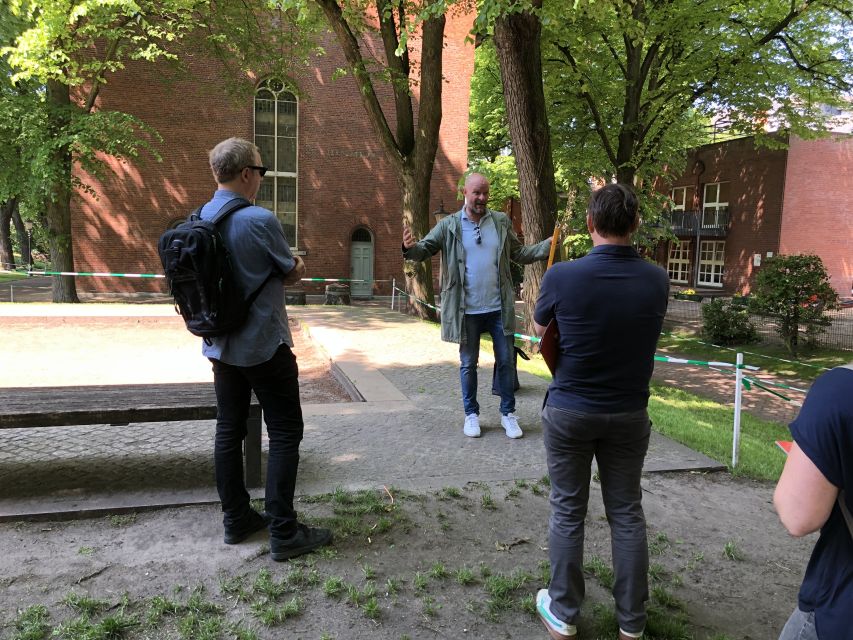
This tour runs rain or shine, so wear shoes you can trust. The walking is described as leisure walking, but it still adds up over two hours—especially if you stop, look around, and keep your eyes on what the guide points out.
Also, it’s not designed for mobility impairments. That’s worth respecting, because uneven surfaces and constant moving can make a central Berlin walk tougher than it looks on a map.
And again: German only. If you don’t speak German, you might still enjoy the architecture and landmarks, but the core of the experience—surprising facts, anecdotes, and the stories about personalities—depends on understanding the guide.
Finally, pets aren’t allowed. Not a deal-breaker for most people, but it can matter if you’re traveling with an animal.
The kind of traveler who will enjoy this most
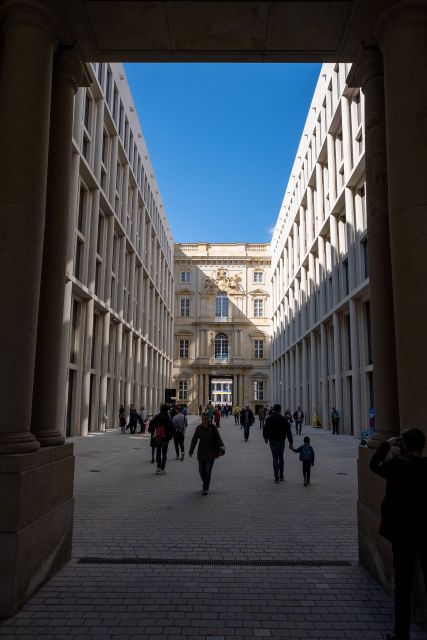
This is a strong fit if you:
- Like walking tours where the guide explains what you’re seeing at each stop
- Want a compact Prussian-era overview of central Berlin
- Enjoy anecdotes and personality-driven history, not just dates and facts
- Are comfortable with German or at least motivated to follow along
It’s less ideal if you:
- Need an English-speaking guide for the full story
- Want a mostly seated experience or limited walking
- Have mobility limitations that make urban strolling difficult
Should you book this Prussian History Walking Tour?
Yes—if your main goal is to understand Prussian Berlin through guided context in a short window. At $29, you’re paying for an organized, landmark-to-story route: Lustgarten to the heart of central sights, then into Friedrichswerder for a more personal feel. I’d book it when you want clarity fast and you’re ready to meet the tour in German.
Skip it if German-only narration is a problem for you, or if the walking format doesn’t work with your mobility needs. Otherwise, this is the kind of tour that helps you leave with a better city picture—why these places are here, and how Prussian Berlin shaped the streets you’re standing on.
FAQ
How long is the Berlin Prussian History Walking Tour with Geo Epoche?
It lasts 2 hours.
Where do I meet the guide?
Meet at the granite bowl in the Lustgarten.
What’s included in the tour price?
A tour guide, a walking tour, and a brochure with illustrative pictures.
Is the tour in English?
No. The tour is entirely in German.
Does the tour run in bad weather?
Yes, it takes place rain or shine.
What should I wear or bring?
Bring comfortable shoes and weather-appropriate clothing.
Who can join, and who should avoid it?
The tour isn’t suitable for people with mobility impairments, and pets aren’t allowed.
More Tours in Berlin



More Tour Reviews in Berlin

A Day in Potsdam


Round out your days in Berlin
Potsdam Day Trips, compared.
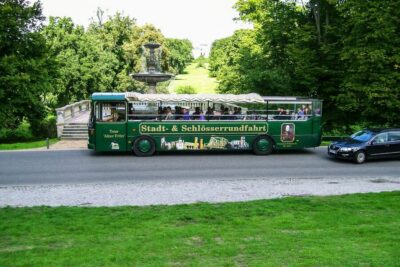 ★ 4.7Potsdam: City and Castles TourFrom $293,721 reviews
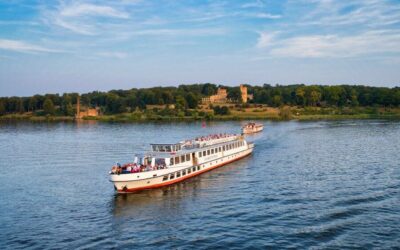 ★ 4.5Potsdam: Palace Tour by BoatFrom $272,369 reviews
 ★ 4.5Potsdam: Sanssouci Palace and Prussian Palaces Entry TicketFrom $252,101 reviews
 ★ 4.53-Hour World Heritage Cruise to PotsdamFrom $251,569 reviews
 ★ 4.6Sachsenhausen Concentration Camp and Potsdam TourFrom $651,334 reviews
 ★ 4.6Potsdam by Boat: Island CruiseFrom $421,308 reviews
 ★ 4.7From Berlin: Potsdam and Sanssouci Palace Tour with EntryFrom $751,219 reviews
 ★ 4.2Potsdam: City Sightseeing Hop-On Hop-Off Bus TourFrom $23864 reviews
Browse the lists this tour appears in