
REVIEW · BERLIN WALL & COLD WAR
Berlin’s Best: 2 Hour Walking Tour Third Reich and the Cold War
Berlin history gets real on this walk. I love how this route strings together Third Reich and Cold War landmarks in a tight, two-hour loop, and I also like that the guide keeps you moving with story-first commentary instead of a long lecture. You’ll pass the big official symbols and also the places where the past still feels physically close.
One heads-up: the subject matter is heavy, so expect serious moments at the Holocaust Memorial and the bunker area, even if your guide brings a calm, human sense of humor. If you’re hoping for light sightseeing, this is not that kind of tour.
In This Review
- Key things that make this walk worth it
- Why this Third Reich to Cold War route works in two hours
- Meeting at Pariser Platz and what to expect before you start
- Brandenburg Gate and the Reichstag: symbols you can read with a guide
- Tiergarten’s Soviet war memorial: tanks that change the mood of the park
- Victory Column and Speer’s Germania fantasy in stone
- Holocaust Memorial: walking through memory with care
- Führerbunker area: hearing the last days where they happened
- Aviation Ministry stretch and the GDR turning point
- Topography of Terror: the HQ sites behind the exhibition
- Niederkirchnerstraße: a real Berlin Wall remnant and escape stories
- Checkpoint Charlie: the Cold War face-off and the Wall coming down
- Price and logistics: is $24.07 a good deal?
- Which guide style makes the difference here
- Who should book this tour (and who might pick differently)
- FAQ
- FAQ
- How long is the Berlin Third Reich and Cold War walking tour?
- What does the tour cost?
- Is the tour offered in English?
- Where do I meet the guide, and when should I arrive?
- Do I need admission tickets for the stops?
- How large is the group?
- Are mobile tickets used, and do I get confirmation?
- Should you book this tour?
Key things that make this walk worth it
- A fast, foot-powered timeline that connects pre-WWII power, Nazi rule, postwar division, and reunification.
- Stop choices that buses can’t replicate well, especially where you’re walking along the edges of former boundaries.
- Free entry listed for every major stop, so you spend your money on the guide, not tickets.
- Small group feel (max 30), which makes questions easier—especially when topics get complicated.
- Guides who balance seriousness and clarity, with names like Glen, Ben, Maggie, and Tom often highlighted for thoughtful answers and pacing.
- A clean ending at Checkpoint Charlie, so you finish with the Cold War’s most iconic face-to-face moment.
More of the Wall and the divided city
- Berlin’s Best: 2 Hour Walking Tour Third Reich and the Cold War★ 5.0 · 5,486 reviews
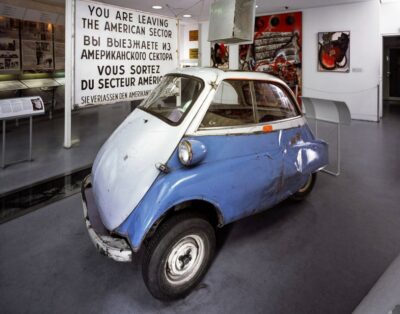
- Skip-the-Line: Berlin Wall Museum at Checkpoint Charlie★ 4.1 · 2,041 reviews
- Berlin: East Side Gallery Spree Cruise in a Solar Catamaran★ 4.1 · 1,086 reviews
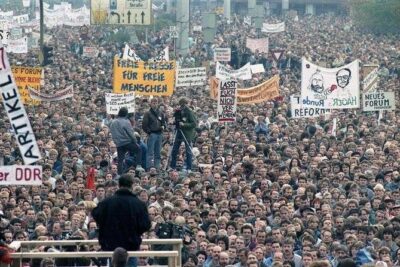
- Cold War, Berlin Wall, Spies and the East Side Gallery★ 5.0 · 1,024 reviews
Why this Third Reich to Cold War route works in two hours
Berlin is a city where history isn’t locked behind glass. It sits in squares, on facades, along street corners, and inside memorials that ask you to move with intention. This tour works because it doesn’t scatter you across 10 neighborhoods and hope you connect the dots. Instead, it keeps a clear through-line: power, terror, war’s aftermath, division, and then reunification.
The pacing also helps. Two hours is long enough to feel the shift from one era to the next, but short enough that you won’t be exhausted before you reach the most gripping stops. Guides on this route are repeatedly praised for getting the balance right—serious when it matters, clear when it’s confusing, and respectful even when the jokes have to be carefully sized.
Meeting at Pariser Platz and what to expect before you start
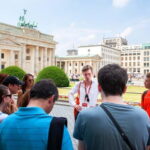
You meet in front of the Tourist Information office at Brandenburg Gate, on the Pariser Platz side. Arrive about 15 minutes early and look for the guide carrying a pink umbrella.
A couple practical notes that make the start go smoothly:
- Bring a phone for the mobile ticket setup, and plan to confirm quickly at check-in.
- Wear shoes you can stand in and walk with. You’re outdoors for the full stretch, and you’ll be stopping and starting often.
This is an English-only tour with a local professional guide, and it runs with a max group size of 30. That matters more than it sounds: in Berlin, crowding can flatten stories. A smaller group keeps the experience readable.
Brandenburg Gate and the Reichstag: symbols you can read with a guide
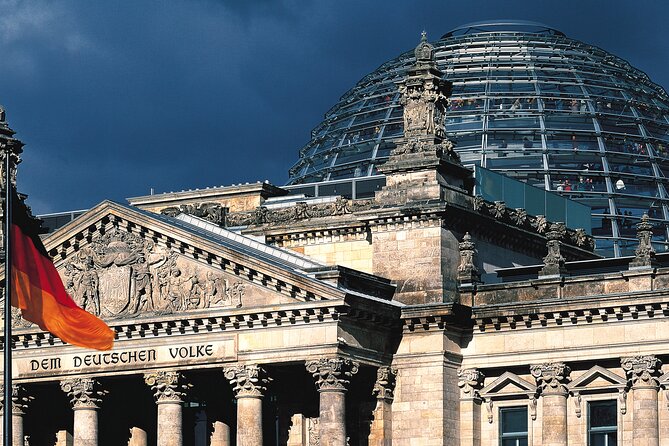
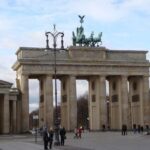
You begin at Brandenburg Gate, the postcard landmark that turns out to be more than just a photo stop. With the guide’s framing, you see why it became a symbol of reunified Germany—not only as a monument, but as a physical point where the country’s story changed direction.
Next up is the Reichstag building area. Your guide connects it to the last century of German history, including the Reichstag fire in 1933 and how the dictatorship used the building. Even if you’ve seen images of the Reichstag before, a guide helps you connect what you’re looking at now to the political power struggles that played out there.
Small drawback to consider: the Reichstag is a major public symbol. That’s great for context, but it also means you’re surrounded by everyday city life. The guide’s job is to cut through the noise and keep the meaning focused.
Tiergarten’s Soviet war memorial: tanks that change the mood of the park
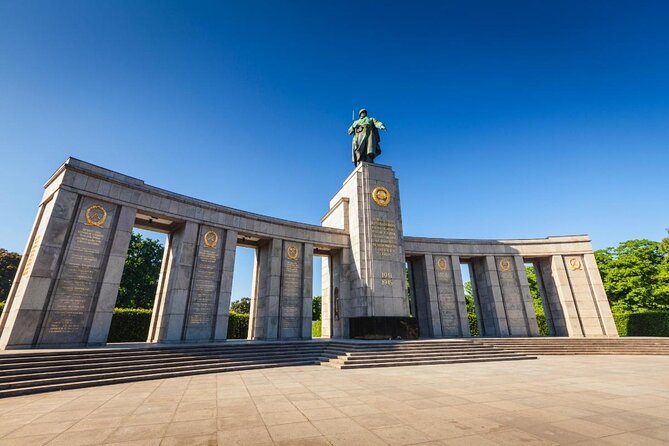
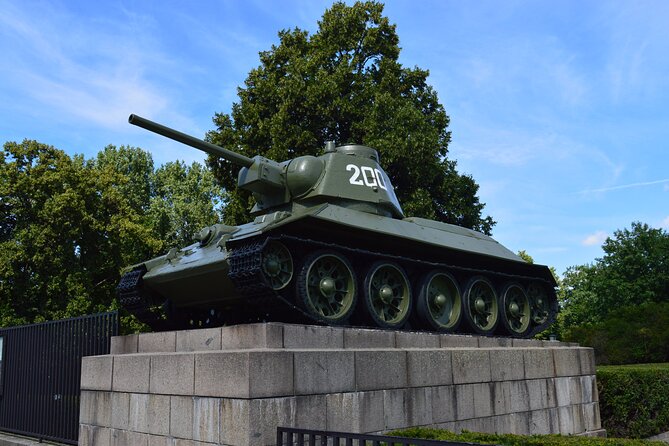
A lot of Berlin history feels like monuments and museums. Then you hit Tiergarten’s Soviet memorial, where you can see Soviet T34/76 tanks and WWII field artillery. It’s a stark reminder that the war didn’t end neatly; it moved into the fabric of the city.
What I like about this stop is that it flips your perspective. If earlier parts of the walk were about how the Nazis took and used power, this one shows what power looked like from the other side of the battlefield. It’s not abstract. It’s metal, weight, and a specific kind of military presence.
You’ll likely feel the emotional shift as you move from architecture to weapons. That’s intentional. Berlin’s Cold War wasn’t just ideology—it was hardware and geography too.
More walks through Berlin's wartime history

Victory Column and Speer’s Germania fantasy in stone
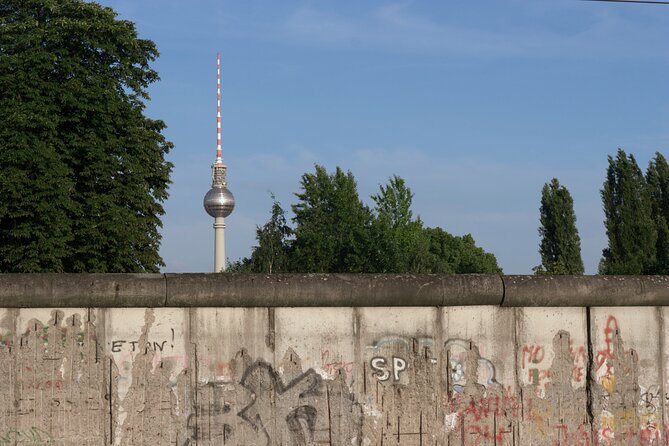
Then the tour moves to the Victory Column and the guide explains why Albert Speer moved it from its original location to the current site. This is one of those stops where you learn how art, planning, and propaganda were all tied together.
You also hear about Speer’s plans for a transformed Nazi capital city concept called Germania, including the fact that Berlin would have been renamed if the Nazis had won. That idea can sound like sci-fi until your guide points out how real-world architecture was meant to sell the vision—make ideology feel permanent.
This is a good stop if you’re the type who likes how history works behind the scenes: not just what happened, but how it was staged.
Holocaust Memorial: walking through memory with care
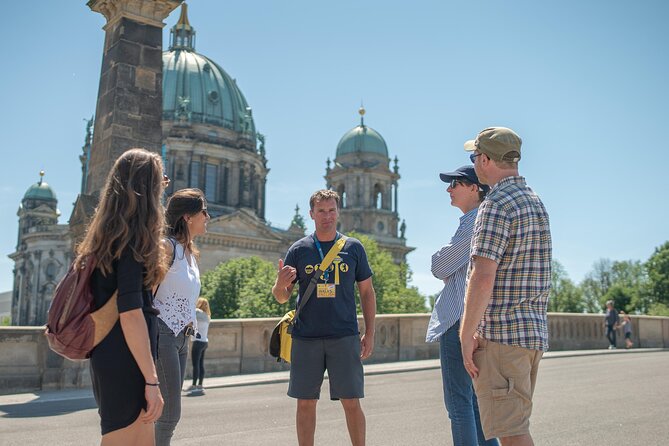
At the Memorial to the Murdered Jews of Europe, you don’t just look. You walk through the immense memorial. Your guide sets context and frames why this space is designed the way it is.
This part is the one you’ll remember the longest. It’s also where the tour’s tone matters most. Guides on this route are often praised for handling difficult topics with sensitivity—keeping the atmosphere respectful while still making the setting understandable.
If you’re visiting Berlin with kids, you might still do this stop, but keep expectations realistic: it’s powerful and heavy. Your guide’s approach is what will determine whether it lands as education, reflection, or overwhelm.
Führerbunker area: hearing the last days where they happened
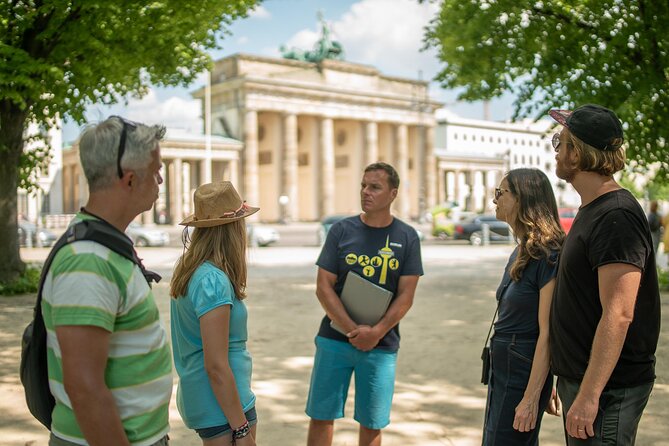
Next you stand above where the Führerbunker once sat. Your guide explains the last days of WWII and Hitler’s suicide on April 30, 1945, then connects how Germans deal with this destructive past today.
What makes this stop valuable is the way it links timing to place. Berlin can make the past feel like it belongs to history books. Here, the guide makes it feel like a final chapter with a date stamped on it.
One consideration: if you’re sensitive to WWII violence, this is the emotional peak of the tour. The guide’s job is to keep it factual and respectful. Your job is to pace yourself—take a moment if you need it.
Aviation Ministry stretch and the GDR turning point
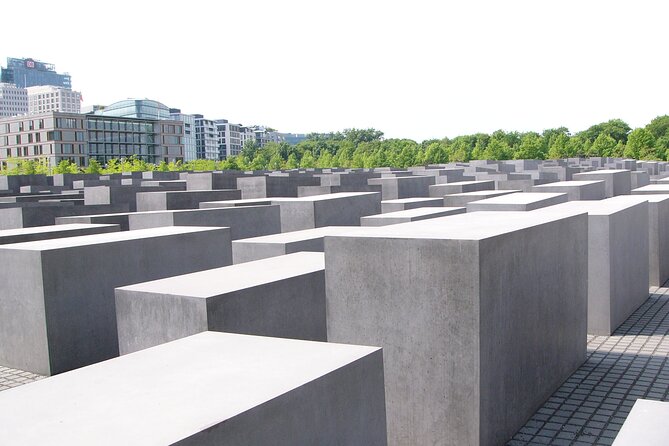
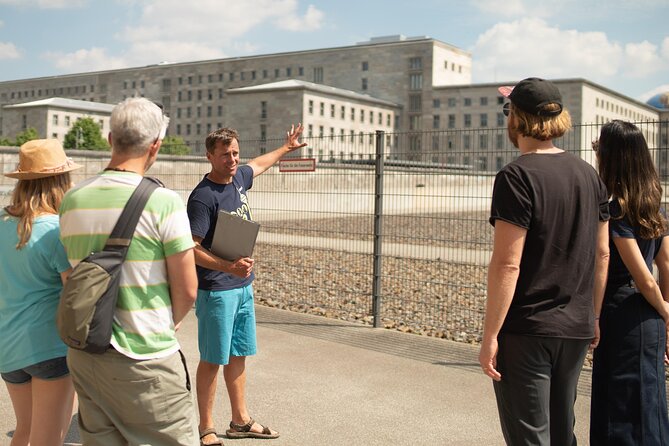
The walk continues along the Aviation Ministry of Berlin, tied to Hermann Göring’s air force ministry. Your guide also explains how the location later connects to East German history: it was the place where the GDR was proclaimed in 1949.
That’s a striking shift, and it’s one reason this tour doesn’t feel like a single-era sightseeing loop. Buildings in Berlin often outlast the regimes that built them. They get reused, rebranded, and repurposed—sometimes within a few years. This stop shows that kind of continuity in a very direct way.
Topography of Terror: the HQ sites behind the exhibition
Then you reach Topography of Terror, the site connected to the Nazi institutions including the SS, Gestapo, and SD. Today it houses the Topography of Terror exhibition, which explains the crimes perpetrated there.
Even if you don’t go deep into the exhibition itself during the walk, the power is in the location. Your guide helps you understand why these names mattered and how the machinery of terror worked. It’s the sort of stop where silence can feel like part of the lesson.
Niederkirchnerstraße: a real Berlin Wall remnant and escape stories
At Niederkirchnerstraße, you see a large preserved piece of the Berlin Wall. The guide shares stories about people trying to escape, including what happened to those who were caught.
This stop is where the Cold War becomes personal. It’s not just two sides arguing through propaganda. It’s people making decisions that could cost them their freedom or their lives. You also hear about everyday life on both sides of the Wall: East Berlin and West Berlin.
One small practical tip that’s come up from people who’ve done this tour in colder months: wear layers and keep your hands warm. You’ll want feeling in your fingers so you can handle your phone, take notes, and stay comfortable while you stand and listen.
Checkpoint Charlie: the Cold War face-off and the Wall coming down
You end at Checkpoint Charlie, the famous crossing point that became a symbol of Cold War standoffs. Your guide brings the moment to life with the Soviet vs USA tank standoff on this street in 1961, then explains how the Berlin Wall came down on November 9, 1989.
This finish works well because it ties together everything you’ve seen. Earlier stops show how power operated under totalitarian rule, and how Berlin was reshaped afterward. Checkpoint Charlie turns that into a final image of confrontation—then a final image of collapse.
Your guide also closes the loop by talking about reunification and what changed in the years that followed. That last part matters. Without it, the walk can feel like a long march of tragedy only. With it, you leave with a sense of how Berlin moved forward.
Price and logistics: is $24.07 a good deal?
At $24.07 per person for about two hours, this tour is good value if you care about guided context. You’re paying for a local English-speaking guide and a tightly planned route that hits big sites like Brandenburg Gate and Checkpoint Charlie while adding lesser-seen connections like the GDR proclamation link at the Aviation Ministry.
Another value point: the tour lists free admission for the major stops. That reduces “surprise costs,” and it lets you focus on learning rather than planning ticket strategies across multiple attractions.
You should still factor in that this is a walking tour. If you dislike walking in winter or you’re not comfortable with long standing moments, the price won’t change the physical reality. The tour length is manageable, but it’s still outside and it’s still history-heavy.
Which guide style makes the difference here
A big theme in what people praise about this walk is the guide’s delivery. Names like Glen, Ben, Maggie, Rebecca, Tom, Joachim, Simon, Georgia, Mikey, Mikhail, Paul, James, and Nickolai show up repeatedly, and the pattern is consistent: guides answer questions, keep the story clear, and handle difficult topics with respect.
What you want from a tour like this is not just facts. You want pacing. You want a sense of what to say where, and when to let a place do the talking. This tour’s strongest reviews point to guides who do exactly that, often including use of historical photos at certain points to help you visualize what stood there earlier.
Who should book this tour (and who might pick differently)
Book it if:
- You want a two-hour “Berlin timeline” that connects the Nazi era to the Cold War without jumping around the city.
- You like walking tours that include explanation at each major stop, not just photo moments.
- You want an ending at Checkpoint Charlie that gives you a clear sense of how reunification fits into the larger story.
You might choose something else if:
- You’re looking for light, carefree sightseeing. This route includes the Holocaust Memorial and the Führerbunker area.
- You don’t enjoy emotional or heavy topics, even with a respectful guide approach.
FAQ
FAQ
How long is the Berlin Third Reich and Cold War walking tour?
It runs for about 2 hours.
What does the tour cost?
The price is $24.07 per person.
Is the tour offered in English?
Yes. It’s offered in English only.
Where do I meet the guide, and when should I arrive?
Meet at Brandenburg Gate (Pariser Platz side) in front of the Tourist Information office. Plan to arrive 15 minutes before the start time and look for the guide with the pink umbrella.
Do I need admission tickets for the stops?
The tour information lists free admission for the key stops, including Brandenburg Gate, the Reichstag building area, the Holocaust Memorial, Topography of Terror, and Checkpoint Charlie.
How large is the group?
The tour has a maximum of 30 travelers.
Are mobile tickets used, and do I get confirmation?
Yes, the tour uses a mobile ticket, and you’ll receive confirmation at booking.
Should you book this tour?
If you want a tight, guided path through Berlin’s most important WWII-to-Cold-War sites, I’d book it. The route makes sense, the timing is manageable, and the guide-led explanations are built for real understanding—not just landmark collecting. Just go in ready for heavy material, dress for standing outdoors, and keep questions handy. This is the kind of walk that can leave you with Berlin in a clearer, more honest focus.
More Tour Reviews in Berlin





Berlin's Wartime History

The Wall and the Cold-War City

Round out your days in Berlin

Berlin Wall & Cold War, compared.
 ★ 4.9Third Reich & Cold War Guided Walking TourFrom $238,378 reviews
 ★ 4.1Skip-the-Line: Berlin Wall Museum at Checkpoint CharlieFrom $212,041 reviews
 ★ 4.1East Side Gallery Spree Cruise in a Solar CatamaranFrom $281,086 reviews
 ★ 5.0Cold War, Berlin Wall, Spies and the East Side GalleryFrom $181,024 reviews
 ★ 4.8Wall Tour – Fates, Love Stories, and HeroesFrom $282585 reviews
 ★ 4.5THE WALL: asisi Panorama Berlin TicketFrom $16580 reviews
 ★ 4.8The Wall and Third Reich Guided Bike TourFrom $41578 reviews
 ★ 4.4German Spy Museum Flexible Entry TicketFrom $27472 reviews
Browse the lists this tour appears in