
REVIEW · BERLIN FOOD TOURS
Classic Bites and Culinary Trends Neighborhood Food Tour in Berlin
Berlin tastes better on foot. This Classic Bites and Culinary Trends food tour threads East Berlin landmarks into your plate and your walk. You start with an intro that sets the political and neighborhood context, then you snack your way through changing streets and changing tastes.
I love that you get a serious spread: coffee with multiple espresso styles, handmade patisserie, savory fusion bites, and dessert at the end. You’re also not stuck in one food lane, which keeps the walk from feeling repetitive.
One thing to consider is the cost: at $205.67, you’ll want to show up with an appetite and comfy shoes. The pace is a walk-through-neighborhoods kind of outing, and you’ll be on your feet for most of the 3 hours 30 minutes.
In This Review
- Key highlights at a glance
- Espresso House to Eberswalder Straße: how the tour flows
- East Berlin on a plate: snacks and street-level history
- Prenzlauer Berg coffee and patisserie: sweet stops that feel local
- Fusion savory, then craft beer: how Berlin’s eating culture becomes a game
- Kastanienallee immigrant influence and the Kulturbrauerei brick landmark
- Oderberger Straße dessert finish: seasonal sweet options
- Price and value: what $205.67 buys you
- Pace, walking distance, and practical tips for a smoother day
- Who should book this tour, and who might skip it
- Should you book Classic Bites and Culinary Trends in Berlin?
- FAQ
- How long is the tour?
- What’s the meeting point and where does it end?
- What food and drinks are included?
- Is the tour offered in English?
- How big is the group?
- Is there a mobile ticket?
- Are service animals allowed?
- Is there a cancellation option if plans change?
- How far will I be walking?
Key highlights at a glance
- Max 8 people keeps the vibe friendly and questions easy
- East-to-West neighborhood storytelling starts at a former East Berlin focus
- Coffee stop with 8 espresso types plus a roasting setup
- Beer-tasting game with both classic and craft options
- Immigrant-influence food stop built around how Berlin tastes today
- Dessert depends on the season at Oderberger Straße
More tastings around the city
- Kreuzberg: Culinary Food Tour★ 4.5 · 770 reviews
- Berlin: Mitte Culinary Food Tour★ 4.5 · 447 reviews
- Berlin: Downtown Food Tour with 8 Authentic Local Tastings★ 4.8 · 342 reviews
- Berlin: Guided Street Food Tour with Tastings★ 4.8 · 310 reviews
Espresso House to Eberswalder Straße: how the tour flows
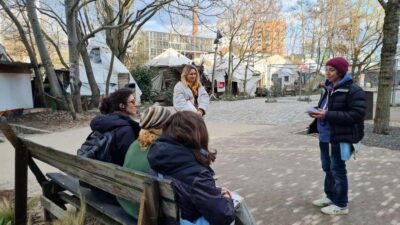
This tour is built for an easy rhythm: you meet for a short setup, then you move stop-to-stop with a guide who ties each bite to the surrounding neighborhoods. It runs about 3 hours 30 minutes, and with a small group you don’t get the usual herd-herding feeling.
You’ll start at Espresso House, Schönhauser Allee 116. That’s in a practical, transit-friendly pocket of north-central Berlin, so it’s easy to reach. The tour ends at Eberswalder Straße (10437 Berlin), near U-2 and tram options like M10 and M12, which makes it convenient to roll straight into dinner plans afterward.
The tour is offered in English, and you’ll get a mobile ticket. It’s also designed so most people can participate, and service animals are allowed. Also note the operator caps the group at 8 travelers, so it’s a good pick if you like talking with your guide rather than just listening over a crowd.
Guides rotate for different departures, and names that show up often in the experience include Tiago, Violeta, Holger, Marcel, Lee, Jane, Sean, and Dov. What stays consistent is the mix: food tastings plus neighborhood history, with the guide answering questions as you walk.
If you’re thinking about timing, this is a tour type that tends to book ahead. A heads-up: it’s commonly reserved about 27 days in advance on average, so I’d aim to lock it in earlier rather than later.
East Berlin on a plate: snacks and street-level history
The first part of the tour is where it earns its keep. You don’t just learn facts. You get a short intro tied to the former East Berlin, then you start tasting in a way that makes the past feel like something that happened on real streets.
Stop one is at Espresso House, where you get that historical framing. The point here is simple: Berlin isn’t one food story. It’s the overlap of political change, migration, and what people could access when their city life looked different.
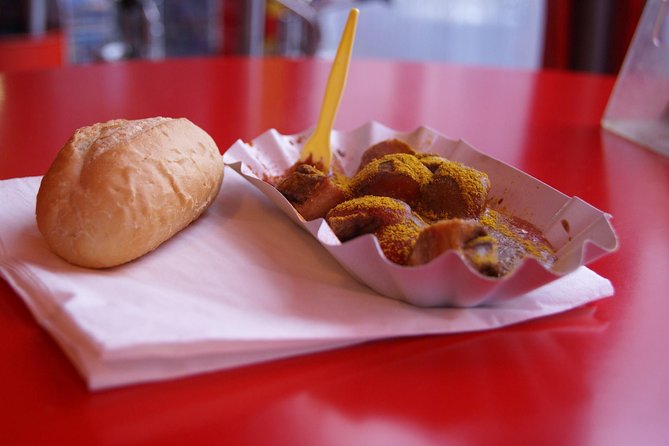
Then you head to Schönhauser Allee for a food stop that’s specifically described as a street snack tied to East Berlin days. The idea is that some classic foods and habits belong to that era and place more than you’d expect. This is the kind of stop that helps you understand why Berlin’s food scene feels practical, international, and never afraid of street-level comfort.
Next comes Stargarder Straße in Prenzlauer Berg, where the tour slows for a better look at side streets and what it felt like before the Berlin Wall era fully faded. This is also where your guide’s job turns into something helpful for you as a visitor: you start noticing renovation patterns, street layouts, and the little details that make old neighborhoods feel alive now instead of frozen in time.
You’ll leave this stretch with a clearer sense of why Berlin’s food doesn’t follow the stereotype of one national cuisine. Here, the city’s history shows up in what people ate, how they ate it, and where they gathered.
Prenzlauer Berg coffee and patisserie: sweet stops that feel local
Berlin is famous for coffee culture, and this tour takes it from general appreciation to specific tastings.
At Pappelallee, you visit a coffee bar described as a secret neighborhood spot where they roast their own beans. The big hook is the tasting setup: you get to sample eight different espresso types. That’s not a random menu moment. It’s a structured way to taste how different beans and preparations shift flavor, from darker notes to lighter acidity. Even if you don’t consider yourself a coffee nerd, this is one stop that makes the city’s modern taste scene feel tangible.
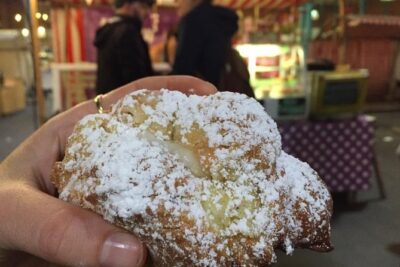
A short walk later, you hit Dunckerstraße for a one-of-a-kind Berlin patisserie. This is where you slow down again, because the focus shifts from coffee to handmade sweets: cakes made by hand, plus hand-picked pastries. If you’ve been worried that a food tour turns into just one type of snack, this stop helps balance the route. You get something more delicate than the street-food vibe, and it gives you a reset before the savory and beer portions kick in.
This segment is also where the small group matters. Short visits still feel unrushed because you’re not shouting over 30 people. You can ask how they make things, how to order, and what to look for when you come back later on your own.
Fusion savory, then craft beer: how Berlin’s eating culture becomes a game
After the sweet and coffee wave, the tour pivots into savory and drink—two categories where Berlin tends to surprise people who expect only classic German comfort.
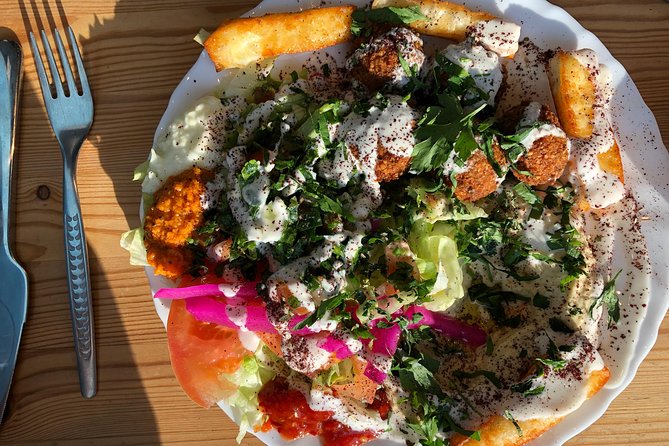
In Prenzlauer Berg, you get a stop described as a fusion savory sensation, paired with a locally brewed concoction. The timing matters here: the visit is longer than the earlier coffee and street stops, around 30 minutes, which suggests you’re not just grabbing a bite. You’re tasting, learning what ingredients and influences are showing up, and getting a sense of how Berlin’s mix-and-match culture works in real life.
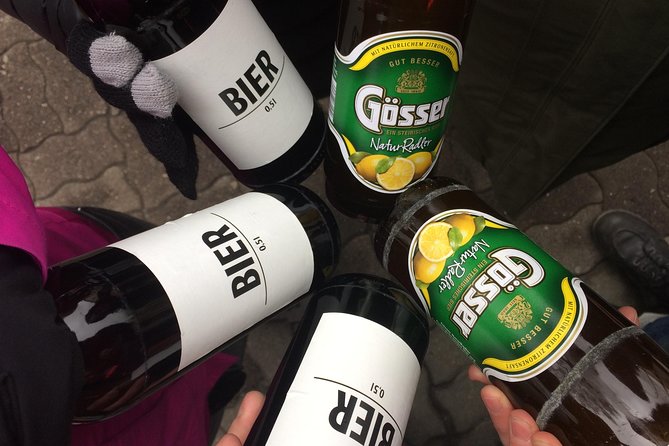
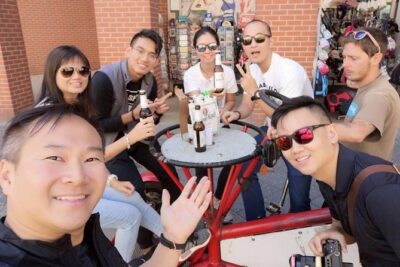
Then comes the beer portion, and it’s handled in a fun, interactive way. At another Prenzlauer Berg stop, it’s beer time with a tasting game. The guide sets it up with a mix of classic and craft Berlin beers, and you play along as you taste. This is one of the best parts if you like learning by doing—because you’re not just listening about beer culture, you’re sampling it with feedback in the moment.
Berlin’s street-drinking reputation is real, and this section gives you the explanation behind it. You learn why it works socially and how it connects to the city’s broader attitude: practical, shared, and not too precious.
Weather can affect the exact drink setting, because the tour includes alcoholic beverages and may include a local beer garden in spring, summer, and autumn if conditions allow. Even if you end up in a more straightforward tasting space, the beer game keeps it lively and memorable.
More Berlin tours to line up side by side

Kastanienallee immigrant influence and the Kulturbrauerei brick landmark
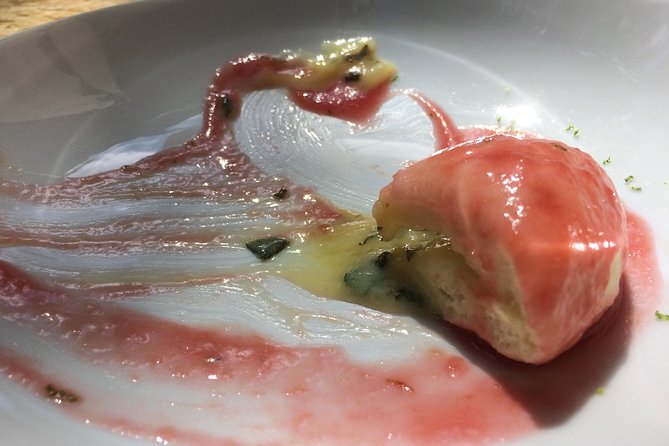
If you want one theme that ties the whole tour together, it’s this: who influences Berlin’s food, and why.
At Kastanienallee, the focus is on immigrant influence. The guide talks about the role Berlin’s immigrant communities have played in shaping the food scene, and you get taste samples that reflect those influences. This is the kind of stop that’s useful long after your tour ends, because you start seeing familiar flavors in a new context when you eat on your own later.
Right around this area, you also get a pass-by of the historic brick Kulturbrauerei. The highlight detail here is specific: in the mid-1800s it was described as Germany’s largest beer producer. Even if you can’t go in, a quick look at the building plus the story helps connect Berlin’s beer legacy to the neighborhoods you’re walking through. And yes, it’s a good photo moment.
This stretch is where your walk starts to feel more like a neighborhood orientation. You’re not only learning food. You’re learning why certain streets and food styles are linked to migration, changing economies, and the ways people built community.
Oderberger Straße dessert finish: seasonal sweet options
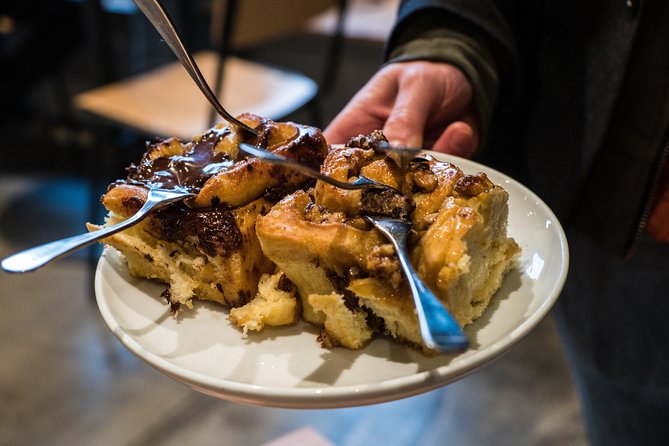
Most food tours end with a cookie. This one ends with options, and that’s smart in a city where seasons change what you’ll want to eat outside.
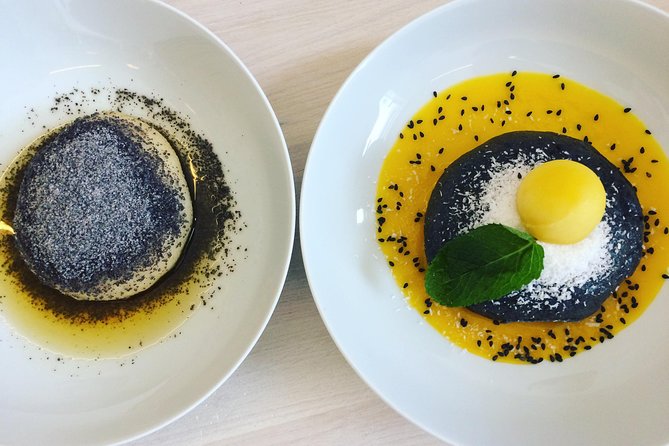
At Oderberger Straße, the tour is framed as dessert time with “there’s always room for dessert” energy—then the stop adjusts based on the season. Depending on when you go, you could land on natural ice cream, a beer garden option, or a heart-warming fluffy dessert.
The practical takeaway for you: don’t lock in expectations in advance. When the guide tells you what’s available that day, go with it. If you’re the type who likes to compare flavors, pay attention to how this dessert stop contrasts with the earlier patisserie and coffee. That contrast is what makes the last hour feel complete rather than redundant.
Also, ending here is a good strategic choice. Oderberger Straße is in a lively zone, so after your tour you’re already positioned to keep eating or to switch to a different mood—casual dinner, a drink, or just wandering streets with better instincts.
Price and value: what $205.67 buys you
Let’s talk money without hand-waving.
At $205.67, this isn’t a budget snack-and-sip. You’re paying for several things at once: a guided walk, multiple food tastings that cover lunch, and a structured mix of coffee, sweet, savory, and beer. The tour also includes regional beer, and alcoholic beverages when appropriate to the day and season.
The inclusion list matters because it changes the math. If you were to recreate this day yourself, you’d spend on transit, multiple separate restaurant stops, coffee flights, dessert, and at least some beer tastings. Here, you’re bundling tastings into one route with someone who tells you what you’re eating and where it fits in Berlin’s food story.
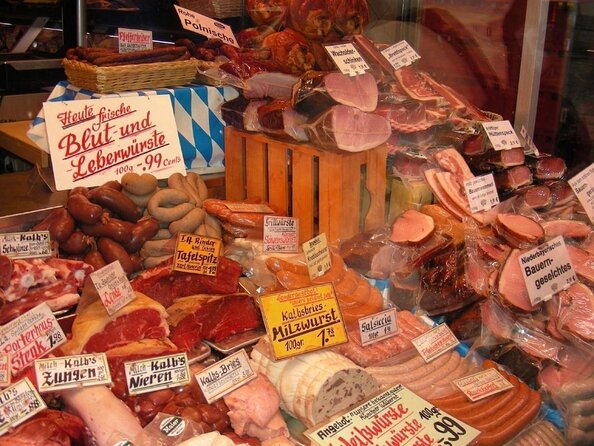
One note from experience-style feedback: people who thought the tour felt expensive often focused on the fact that Berlin’s food isn’t always about classic pork-and-sausage plates for every stop. This tour leans toward street snack history, international influences, and café culture—so if you want the broad German classics only, you might feel under-served.
But if you want a fast way to understand Berlin’s food logic—coffee, pastry, fusion savory, beer culture, and the immigrant story—this price can feel fair. And with a max group size of 8, it’s not one of those experiences where you’re paying for attention you never get.
Pace, walking distance, and practical tips for a smoother day
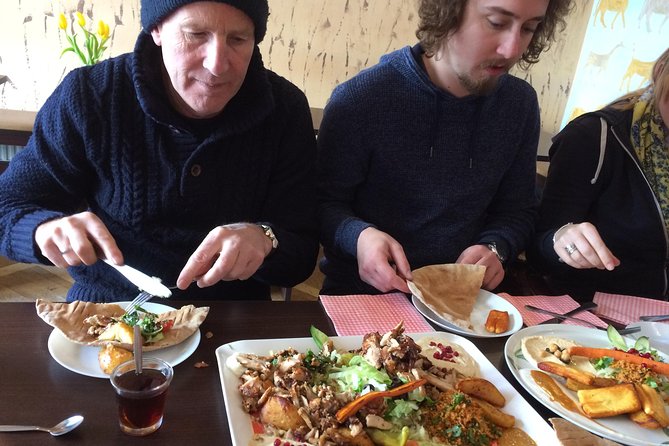
This is a walking food tour, not a seated tasting class. Expect to be on foot for much of the route, and one common detail is around 4 miles of walking across the tour. That means you should plan for:
- Comfortable walking shoes
- Water or a quick snack before you meet (you’ll still eat on tour, but it keeps energy steadier)
- A light layer, because coffee stops and street snacks can happen in shifting temperatures
Berlin streets can be uneven, and the route includes neighborhood sidewalks and side streets. Even if you find the pacing easy, pay attention to your footing and don’t rely on smooth pavement the whole time.
Group size also changes the vibe. With max 8 travelers, you can move at a human pace and actually talk. If you like asking why a dish matters, or how to order next time, this is a good fit.
Also, the tour is in English, so you won’t need to play menu guessing games. You’ll get helpful ordering cues and context along the way.
Who should book this tour, and who might skip it
Book it if:
- You want a guided way to understand Berlin’s food scene beyond one cuisine
- You like variety: coffee, pastry, savory, dessert, and beer in one route
- You’d rather learn by tasting and walking than by reading a guidebook
- You enjoy neighborhoods like Prenzlauer Berg and the north-central Berlin vibe
Skip it or consider another option if:
- You want only traditional German dishes with heavy meat focus
- You’re allergic to alcohol and don’t want any beer-related stops (the tour includes beer tastings, though the structure is designed as a tasting game rather than a drinking contest)
- You prefer a mostly seated experience with minimal walking
This tour is at its best when you’re open to Berlin being a food city of layers: political change, migration, café culture, and beer traditions.
Should you book Classic Bites and Culinary Trends in Berlin?
I’d book it if your goal is to get your bearings fast and eat well while doing it. The mix of East Berlin context, a coffee stop built around eight espresso types, handmade patisserie, fusion savory, and a beer tasting game gives you a full slice of what Berlin feels like today.
If you’re on a short trip, this is also a smart early-stage experience. You’ll leave with names of neighborhoods, styles of food to look for, and a better instinct for where you’ll want to return on your own.
Just go in with the right expectations. This isn’t a single-cuisine parade. It’s Berlin: street snacks, café culture, immigrant influence, and beer heritage, all stitched together with a guide who keeps the day moving and makes the food story make sense.
FAQ
How long is the tour?
The tour lasts about 3 hours 30 minutes.
What’s the meeting point and where does it end?
You start at Espresso House, Schönhauser Allee 116, Berlin, and end at Eberswalder Straße, Berlin. The end point is near public transport including the U-2 line and trams M10 and M12.
What food and drinks are included?
The tour includes food tastings, lunch (your tastings cover lunch plus more for some people), and regional beer. Alcoholic beverages may be offered at a local beer garden depending on season and weather.
Is the tour offered in English?
Yes, the tour is offered in English.
How big is the group?
The maximum group size is 8 travelers.
Is there a mobile ticket?
Yes, the tour offers a mobile ticket.
Are service animals allowed?
Yes, service animals are allowed.
Is there a cancellation option if plans change?
Yes. Free cancellation is available up to 24 hours in advance for a full refund.
How far will I be walking?
The tour is a walking tour through neighborhoods, and it’s commonly described as covering around 4 miles.
More Tours in Berlin





More Tour Reviews in Berlin

Eating Your Way Through Berlin
Round out your days in Berlin
Berlin Food Tours, compared.
 ★ 5.0Berlin Center Food Tour with 8+ Authentic Local TastingsFrom $1181,227 reviews
 ★ 4.5Kreuzberg: Culinary Food TourFrom $589770 reviews
 ★ 4.5Mitte Culinary Food TourFrom $57447 reviews
 ★ 4.8Downtown Food Tour with 8 Authentic Local TastingsFrom $89342 reviews
 ★ 4.8Guided Street Food Tour with TastingsFrom $75310 reviews
 ★ 5.0East Berlin Food & History Tour with Eating EuropeFrom $107204 reviews
 ★ 4.5Berlin Private Walking Food Tour With Locals: the 10 TastingsFrom $184139 reviews
 ★ 5.0Berlin Evening Culinary Tour – Award WinningFrom $229118 reviews
Browse the lists this tour appears in