
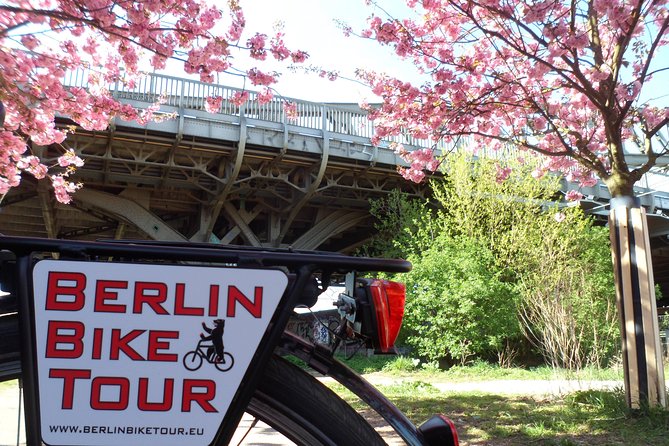
REVIEW · BERLIN BIKE TOURS
Half-Day Bike Tour of Berlin’s Lesser Known And Historical Sites
Berlin hides its Cold War clues in plain sight. This half-day bike tour takes you off the usual track and into East Berlin neighborhoods where history isn’t behind glass. I love that it’s a small group (max 8), which keeps the pace human and makes it easier to ask questions.
Two other things I liked a lot: the route mixes political history with everyday places, like housing blocks and quiet lake breaks, and the stops are short enough that you stay mentally sharp instead of museum-warmed and sleepy. The one real consideration: you’ll be pedaling for about 4 hours, and food and drinks aren’t included, so plan a water bottle and a snack.
In This Review
- Key highlights that make this tour worth your time
- Price and value: what $36.88 buys you in Berlin
- Where you start and how the 4-hour ride flows
- Prenzlauer Berg: apartment blocks that explain Cold War daily life
- Stasimuseum Memorial: the former Stasi prison in plain context
- Ernst-Thälmann-Park and GDR-era housing reality checks
- Platz des 9. November 1989: wall-era history you can’t ignore
- Orankesee and Obersee: quiet lake breaks between the heavy stops
- Weissensee District and Strandbad Weissensee: a longer pause with real atmosphere
- How the guides make it work: Katrin, Markus, and adapting on the fly
- What else you’ll notice on the ride: sites tied to work and training
- Who this tour is best for (and when you should pick something else)
- Should you book this bike tour of East Berlin’s lesser-known sites?
- FAQ
- What is the duration of the Half-Day Bike Tour of Berlin’s Lesser Known and Historical Sites?
- How much does the tour cost per person?
- What time does the tour start and where does it meet?
- Are bicycle and guiding included?
- Is food or drinks included?
- Are admission tickets included for the stops?
- How big is the group, and are children allowed?
- Can I cancel and get a full refund?
Key highlights that make this tour worth your time
- Small-group riding (up to 8 people) keeps the guide’s attention on you, not on a bus full of hats
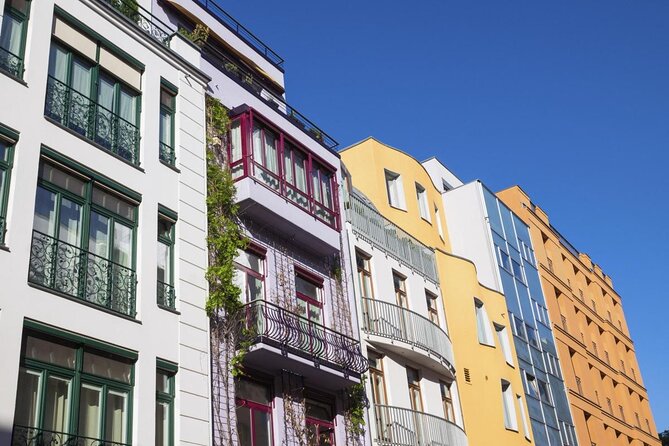
- Prenzlauer Berg helps you understand Cold War life through typical apartment blocks and housing areas
- Stasimuseum Memorial (former Stasi prison) gives context for the secret-police system and informers
- Wall-era traces at Platz des 9. November 1989 lets you see border history in its real setting
- Inner-city lakes (Orankesee, Obersee, Weissensee) break up the story with fresh air and open space
More of Berlin by bike
- Berlin: Sights and Highlights Bike Tour with a Local Guide★ 4.8 · 2,698 reviews
- Berlin Highlights 3-Hour Bike Tour★ 5.0 · 948 reviews
- Berlin Highlights: 3-Hour Bike Tour★ 4.9 · 809 reviews
- Berlin Highlights Sightseeing Bike Tour in Small Groups★ 5.0 · 652 reviews
Price and value: what $36.88 buys you in Berlin
At $36.88 per person for about 4 hours, the value is in two places. First, you get a local guide/driver plus use of a bicycle, so you’re not doing extra logistics or renting gear on the fly. Second, a bunch of the stops are marked with free admission tickets, which matters when you’re trying to keep costs under control.
Also, the stops are mostly exterior views plus brief entries (like the Stasi memorial). That usually means you spend more time riding and asking questions than standing in lines. You do not get food and drinks, though, so treat this like an active morning/afternoon ride: bring water, and if you’re hungry, plan something nearby before or after.
Where you start and how the 4-hour ride flows
The tour starts at Bornholmer Str. 75A, 10439 Berlin, with a 10:00 am start. It ends back at the same meeting point, so you’re not scrambling for a return plan after you’ve pedaled your way through East Berlin’s lesser-known corners.
It’s designed as a half-day that still feels efficient. The timing at the stops is tight enough to keep the momentum, but not so rushed that you miss the explanations. Dress is smart casual, which is a polite way of saying: wear something you can move in, and think about the weather because you’ll be out on bike paths and streets.
One more practical note: there’s no hotel pickup or drop-off. You’ll want to arrive a bit early so you can get your bike sorted and settle in before the guide starts talking.
Prenzlauer Berg: apartment blocks that explain Cold War daily life
Prenzlauer Berg is the heart of what makes this tour different from the usual Berlin highlights. Instead of focusing only on big landmarks, you spend about an hour in the district’s housing fabric—what it looked like, how it functioned, and what daily life could feel like in Cold War-era East Berlin.
This is where history becomes specific. You’re not just learning dates; you’re looking at the kind of buildings people lived in, how neighborhoods were shaped, and what daily routines depended on. The guide’s job here is to connect the architecture to the lived experience: work life, public life, and the feeling of living under a system that was always watching, even when you were doing something as ordinary as going home.
If you like Berlin because it’s honest about the past, you’ll probably enjoy this. And if you’re expecting only dramatic monuments, you might need to recalibrate—this part is more about context and atmosphere than wow-factor photo spots.
Stasimuseum Memorial: the former Stasi prison in plain context
The Stasimuseum Memorial is short in time—about 5 minutes—but it’s the tour’s most pointed stop. You’re visiting the former Stasi prison, which is exactly the kind of place where you can’t fake the seriousness.
What makes this stop valuable is the way the guide frames it: you learn how the secret-police network and informers shaped life. The point isn’t to scare you. It’s to help you understand how control worked in everyday settings—how a state could create pressure without needing a soldier on every corner.
In a short visit, you’re not getting a textbook. You’re getting orientation: what the Stasi were, why they mattered, and how their presence changed behavior. If you want one stop that gives the clearest historical takeaway, this is it.
More Berlin tours to line up side by side
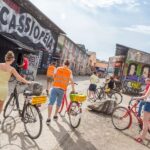
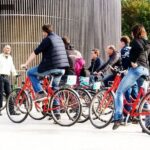
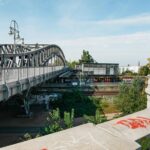
Ernst-Thälmann-Park and GDR-era housing reality checks
Next comes Ernst-Thaelmann-Park, plus a GDR park and housing area setting that also includes a planetarium. The stop is brief (around 10 minutes), so it’s not a long sightseeing break. Instead, it’s a chance to see the planning mindset: parks, housing, and public space used to shape daily routines.
What I like about adding a park-and-housing stop to a political-history tour is balance. You get a reminder that people lived full lives, not just dramatic events. Even under a restrictive system, communities still used public spaces, and those spaces still communicated values—what mattered, what was encouraged, and how life was organized.
If you’re the type who loves “how did people actually live” questions, this stop helps answer them.
Platz des 9. November 1989: wall-era history you can’t ignore
At Platz des 9. November 1989, you’re looking at former border station history and wall-era traces. This is about 15 minutes, and it’s the kind of stop that hits differently when you can see the setting rather than just read it off a plaque.
The guide ties this point to the larger Berlin story: borders weren’t abstract. They were physical, and they shaped movement, fear, and hope. Even if you’ve seen photos of the Berlin Wall before, standing near wall-related traces helps you understand scale and placement—where the system constrained people, and where change began to take hold.
This stop also works well in the ride’s rhythm. By now you’ve had housing context and the Stasi prison context. Border history connects the dots and gives you a clearer sense of why political control mattered on the ground.
Orankesee and Obersee: quiet lake breaks between the heavy stops
After the border history, the route shifts to nature and open space. You’ll pass Orankesee and then Obersee, with short stops around 5 minutes each. These aren’t “main attraction” stops. They’re relief stops, and that’s a good thing.
Here’s why it matters: when tours cram too many heavy sites into a single block, your brain starts buffering. The lakes give you a quick visual reset—water, sky, and breathing room—before you head back into more neighborhood-focused time around Weissensee.
If the idea of constant narration makes you tired, these short breaks are smart. You get context, then a chance to take in the space without feeling like you’re being marched through history at full volume.
Weissensee District and Strandbad Weissensee: a longer pause with real atmosphere
The tour then moves into Weissensee, where you spend about 45 minutes. That longer time is a big part of why the ride feels like more than a checklist. Instead of treating the district as a passing corridor, you get time for the guide to connect the dots between neighborhoods and what life could have looked like.
After that, there’s a shorter stop at Strandbad Weissensee for about 10 minutes. This is a lakeside setting, and it gives the route a more relaxed finish. Not everything in a Cold War story is grim, and this kind of setting helps the tour feel like a lived geography rather than a sequence of “stops to stare at.”
If you time it right and the weather cooperates, this part can feel like a reward for paying attention earlier in the ride.
How the guides make it work: Katrin, Markus, and adapting on the fly
The tour experience rides heavily on the guide. The best versions of this tour feel like a conversation where the history is grounded in real observation, not a speech.
I like that guides such as Katrin are described as fun and accommodating, with good rhetorical ability and the knack for connecting facts to what you’re seeing. I also see the advantage when you get a guide like Markus, who can adjust focus based on what you’ve already seen in Berlin—so you don’t just replay the most common wall-tour stops.
Even when the route is fixed, the explanation can still feel fresh. That’s what helps this tour stay interesting for people who know Berlin a little already, especially if you’ve visited major sites like central wall areas and want the quieter backstory.
What else you’ll notice on the ride: sites tied to work and training
The tour description also points to additional historical layers as you ride: you pass places associated with erstwhile slaughterhouses and breweries, and you see an athletic facility where many famous Olympic athletes trained.
You won’t get a long, separate museum segment for these in the schedule, but the value is in the connections. Berlin wasn’t only politics and walls. It was labor, production, sport, and daily routines. Seeing how those threads fit into the same city helps you understand how big systems affect ordinary life—sometimes through policy, sometimes through work and training spaces.
If you like the “city as a machine” way of understanding history, you’ll probably appreciate these passing details.
Who this tour is best for (and when you should pick something else)
This tour is a great match if you want less-touristy Berlin and you’re genuinely curious about Cold War daily life beyond the standard postcard route. It also fits people who enjoy biking through a city at a steady pace without turning every stop into a long lecture.
It can also work well for teens and students. The ride format gives you movement, and the stories give you context. If your group wants a balance of activity and meaning, this kind of tour tends to land well.
That said, if your vacation goal is to check off the biggest sights—Brandenburg Gate, Museum Island-style heavy hitters—this won’t replace those. It’s a different lens. Think of it as the story behind the city you already know, not a full substitute for major monuments.
Should you book this bike tour of East Berlin’s lesser-known sites?
If you like Berlin for what it means, not just what it looks like, I’d book this. The combination of small-group attention, East Berlin housing context in Prenzlauer Berg, a focused stop at the Stasimuseum Memorial, and then a gentler finish through Weissensee and its lakes makes for a route that feels balanced.
Choose it especially if:
- you want off-the-beaten-path history on a schedule that stays manageable
- you prefer learning from a guide while you move through neighborhoods
- you’re okay bringing your own snack and enjoying a short “history plus breathing room” rhythm
One last decision tip: if you’re prone to getting hangry, plan food so you don’t force the tour to be about hunger. Bring water. Wear comfortable shoes under your smart-casual outfit. Then you’ll get the best version of the ride—clear context, good pace, and Berlin that feels like a real place, not just a photo set.
FAQ
What is the duration of the Half-Day Bike Tour of Berlin’s Lesser Known and Historical Sites?
The tour runs for about 4 hours (listed as approximately 4 hours).
How much does the tour cost per person?
The price is $36.88 per person.
What time does the tour start and where does it meet?
It starts at 10:00 am. The meeting point is Bornholmer Str. 75A, 10439 Berlin, Germany. The tour ends back at the meeting point.
Are bicycle and guiding included?
Yes. The tour includes a driver/guide and local guide, plus the use of a bicycle.
Is food or drinks included?
No. Food and drinks are not included.
Are admission tickets included for the stops?
Admission tickets for the listed stops are marked as free.
How big is the group, and are children allowed?
The tour has a maximum of 8 people per booking. Children must be accompanied by an adult.
Can I cancel and get a full refund?
Yes, you can cancel up to 24 hours in advance for a full refund.
More Tours in Berlin

More Tour Reviews in Berlin
Berlin by Bike


Round out your days in Berlin
Berlin Bike Tours, compared.
 ★ 4.8Sights and Highlights Bike Tour with a Local GuideFrom $412,698 reviews
 ★ 5.0Berlin Highlights 3-Hour Bike TourFrom $42948 reviews
 ★ 5.0Berlin City Bike Tour with Beer Garden StopFrom $83917 reviews
★ 4.9Berlin Highlights: 3-Hour Bike TourFrom $37809 reviews
★ 5.0Berlin City Bike Tour with Beer Garden StopFrom $83917 reviews
★ 4.9Berlin Highlights: 3-Hour Bike TourFrom $37809 reviews
 ★ 5.0Berlin Highlights Sightseeing Bike Tour in Small GroupsFrom $43652 reviews
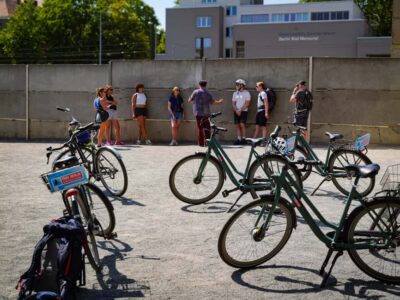 ★ 4.8The Wall and Third Reich Guided Bike TourFrom $41578 reviews
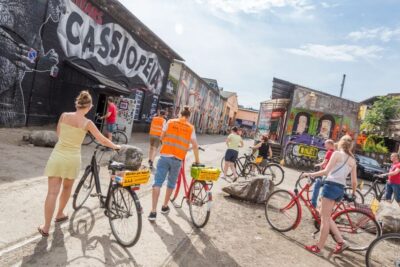 ★ 4.7Alternative Bike Tour of Kreuzberg & FriedrichshainFrom $41548 reviews
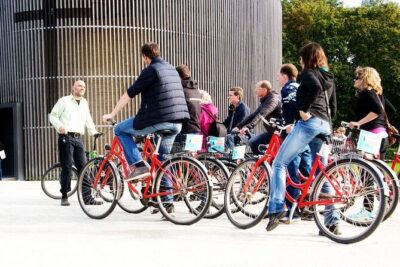 ★ 4.8Guided Bike Tour to Explore the HighlightsFrom $41506 reviews
Browse the lists this tour appears in