
REVIEW · BERLIN WALL & COLD WAR
Berlin: The Wall and Third Reich Guided Bike Tour
Pedal through Berlin’s hardest chapters. This 3-hour bike tour links the Berlin Wall, Cold War borderland traces, and Nazi-era sites—moving fast enough to cover a lot, but pausing for moments that actually land.
I especially like two things: the 15-kilometer ride that keeps you from zigzagging on your own, and the way the guide builds short photo stops into a clear story instead of a scattershot checklist.
One thing to consider: it is a physical city-bike outing. You’ll want to be comfortable cycling for hours, and on wet days some paths can feel slick even with the provided rain gear.
In This Review
- Key highlights I’d circle on your map
- Starting at Nikolaiviertel: where the tour begins near the TV Tower
- Cycling from the Nikolaiviertel to Jewish landmarks and the Berlin Wall Memorial
- Ruppiner Straße to Mauerpark: reading the borderland in small clues
- Behmstraßenbrücke, Flak Tower III, and a real piece of the Wall
- Memorial Gunter Litfin, Invalids’ Cemetery, and the Holocaust Memorial
- Hitler’s bunker, the idea of Germania, and why you can’t go inside
- Sammlung Boros and the Boros Bunker: Cold War-era leftovers made usable
- How the guide style turns fast cycling into a real story
- Price and value: what $41 buys you in 3 hours
- Who should book this bike tour, and who should skip it
- Should you book the Berlin Wall and Third Reich guided bike tour?
- FAQ
- FAQ
- How long is the Berlin Wall and Third Reich bike tour?
- What does the tour cost?
- How far do you bike during the tour?
- Where do I meet the guide?
- Is a bike helmet included?
- What languages are the tours offered in?
- Are ponchos provided if it rains?
- Is the tour family-friendly?
- Can I leave luggage with the operator during the tour?
Key highlights I’d circle on your map
- A Wall-focused route that shows remnants and borderland afterlives, not just museum plaques
- Photo and story stops that connect daily life under division to the escape attempts and fear around the border
- Real remnants of heavy architecture, including bunker-related sites and large-scale structures tied to Nazi plans
- Ghost-station and underground themes explained through the places where those systems once shaped movement
- Family-friendly format, with kids welcome and infant seats available on request
- Guide-led control over pacing, with room for questions and route tweaks based on the group
More of the Wall and the divided city
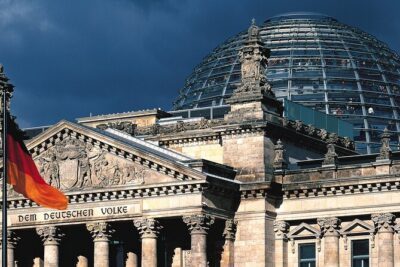
- Berlin’s Best: 2 Hour Walking Tour Third Reich and the Cold War★ 5.0 · 5,486 reviews
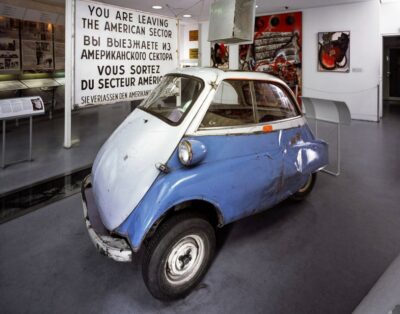
- Skip-the-Line: Berlin Wall Museum at Checkpoint Charlie★ 4.1 · 2,041 reviews
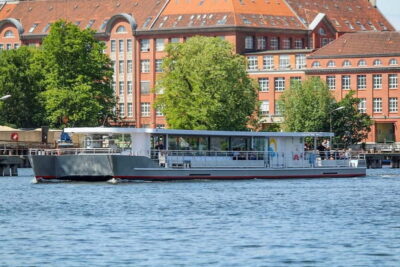
- Berlin: East Side Gallery Spree Cruise in a Solar Catamaran★ 4.1 · 1,086 reviews
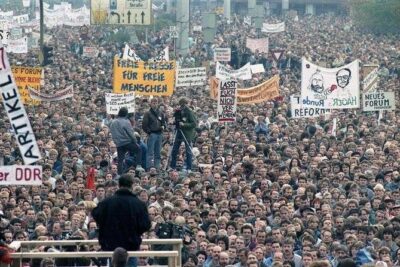
- Cold War, Berlin Wall, Spies and the East Side Gallery★ 5.0 · 1,024 reviews
Starting at Nikolaiviertel: where the tour begins near the TV Tower
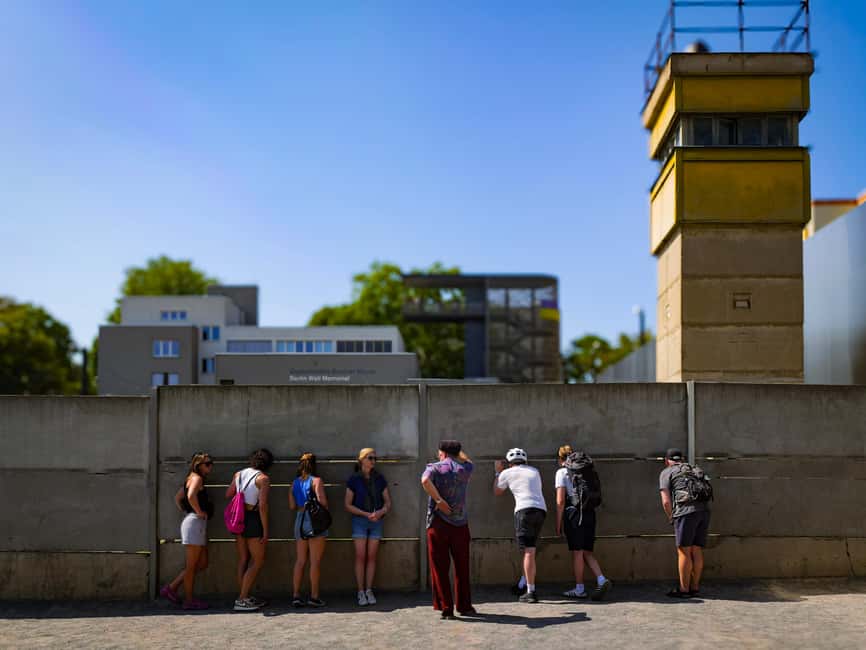
I like the start point because it’s easy to find and it gets you moving quickly. You meet at the FREE BERLIN shop in the courtyard entrance of Poststraße 11, then set out from the Nikolaiviertel area, just a short walk from the TV Tower.
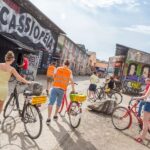
From there, you’ll pick your rental bike. Bikes come with baskets, and the operator says they’re checked regularly by a certified mechanic—plus waterproof ponchos are included if rain hits. On request, you can also get a helmet, and if you have larger luggage, you can leave it safely with the operator for the tour duration.
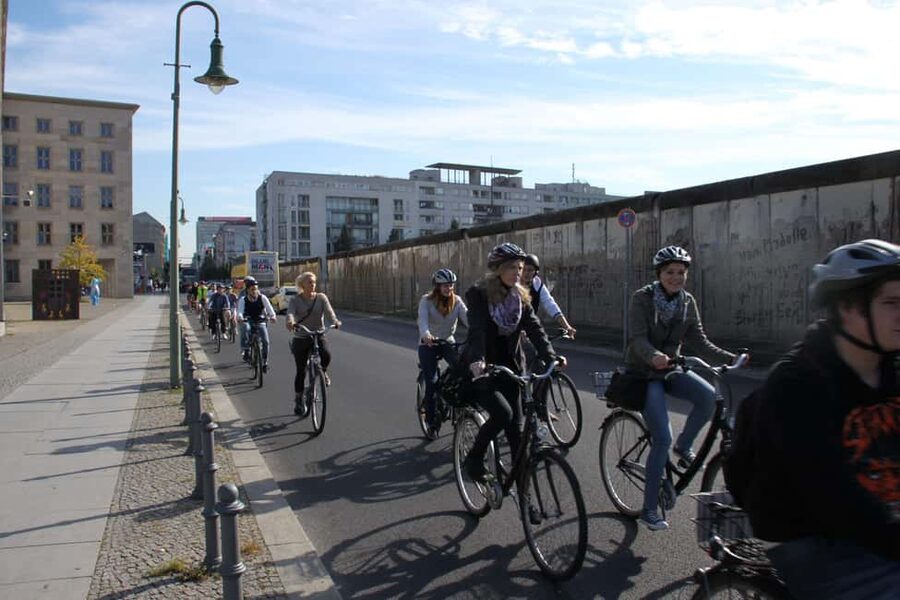
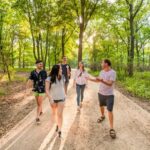
You’re on the road for about 3 hours, covering roughly 15 kilometers. The pace is active but not a grind: the idea is to use cycling to reach multiple meaningful sites without spending your whole day standing still.
Cycling from the Nikolaiviertel to Jewish landmarks and the Berlin Wall Memorial
The first segments help you understand Berlin as layered, not linear. Nikolaiviertel is your launchpad, and then you head toward the New Synagogue Berlin and Jewish Centre area for a brief guided stop. Even early on, the tour’s tone signals that this isn’t a casual sightseeing loop—it’s an attempt to place the 20th century into real neighborhoods and real people.
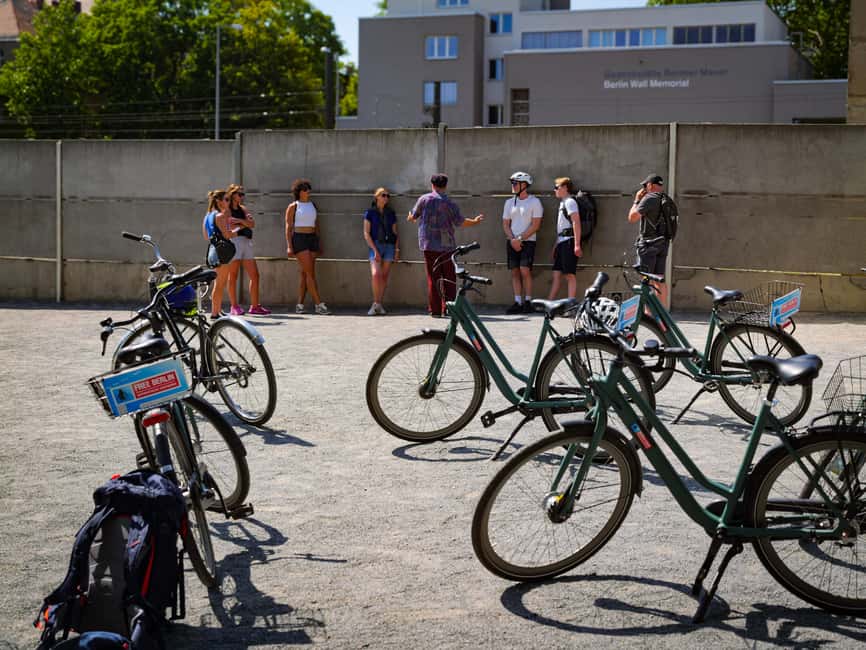
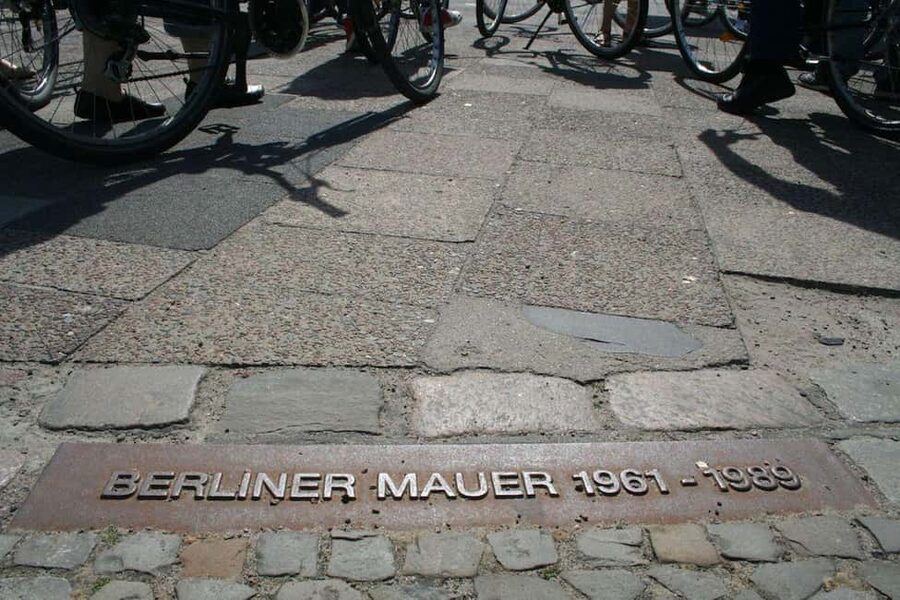
Then comes one of the emotional anchors: the Berlin Wall Memorial on Bernauer Straße. This is a photo stop plus guided explanation, and it’s the kind of place where the guide’s pacing matters. You don’t just look at a segment of wall; you learn why this part of the border became so infamous, and how that borderline functioned in practice.
If you’re the type who wants context before you see the next relic, this order works. You’re still getting rolling, but the tour already starts connecting religion, persecution, and the mechanisms of repression that shaped the city.
Ruppiner Straße to Mauerpark: reading the borderland in small clues
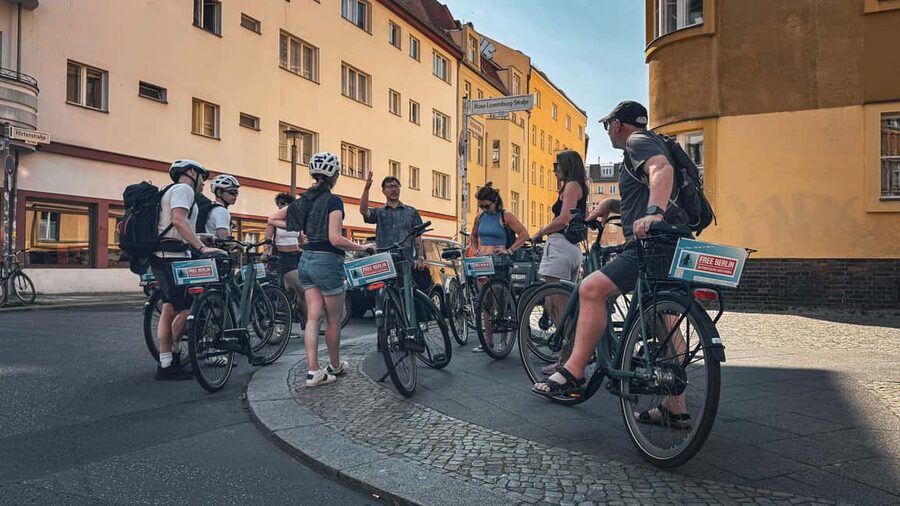
After Bernauer Straße, the tour shifts into “trace mode.” You’ll cycle through Ruppiner Straße, then toward Mauerpark, and continue along the Berliner Mauerweg routes. These stops are built for noticing what you can’t get from a single monument view: the way the former border shaped streets, movement patterns, and what people reused later.
Mauerpark is a good example of what I like about this tour’s approach. It’s not only about what was destroyed; it’s about what replaced it and how everyday life reoccupied space that once carried threat. The guide’s storytelling here is aimed at daily life under division—how routines, routes, and choices changed when the border was close enough to matter.
And then there’s a theme the guide explicitly brings up: ghost stations and hidden underground realities. The tour doesn’t name every station in your face for long, but you learn how the underground systems worked around the border and what it meant for ordinary movement. In a car or on foot, it’s easy to miss that kind of “in-between” knowledge.
One practical note: the ride is often along quieter backstreets and cycle paths, but you may hit a couple of busier road crossings. In other words, this isn’t a fully traffic-free bicycle vacation.
Behmstraßenbrücke, Flak Tower III, and a real piece of the Wall
The route then gives you views that feel more “Berlin skyline” than “theme park.” You’ll pass through Behmstraßenbrücke, where the guide uses the vantage points to explain how the border shaped not just access, but perception.
Next is Flak Tower III Humboldthain, where you’ll do a photo stop and short guided look. Anti-aircraft towers are the kind of structures that can look abstract from a distance; on this tour they’re tied back to wartime priorities, heavy infrastructure, and how the city’s physical layout reflects survival logic.
You’ll also see a piece of the Berlin Wall, treated as an object with meaning rather than a postcard prop. The difference here is that the guide frames what you’re seeing as part of a larger system—watchtowers, border control, and the constant risk of trying to cross.
If you care about architecture and not only events, this section is where that interest pays off. You start noticing how Nazi-era and Cold War-era planning left different marks, sometimes close together.
More walks through Berlin's wartime history
Memorial Gunter Litfin, Invalids’ Cemetery, and the Holocaust Memorial
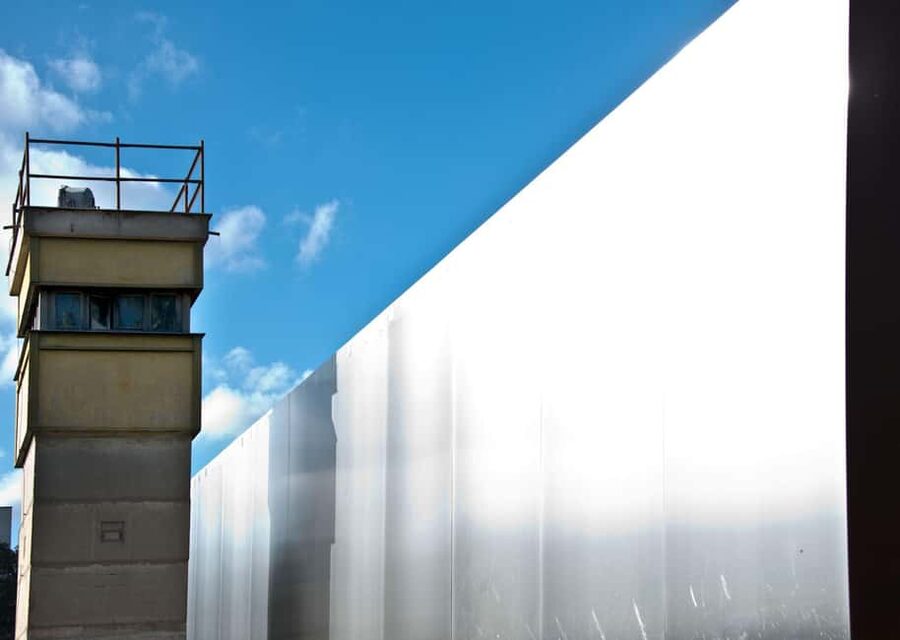
This is where the tour’s seriousness shows its seams—because it doesn’t skip the human side. You’ll stop at the Memorial Gunter Litfin, which focuses on the story behind an escape attempt. The guide’s explanations here tend to slow down just enough that the facts don’t get swallowed by motion.
Then you’ll head to the Invalids’ Cemetery for another guided stop. Cemeteries can feel like “one more stop” on a tour, but on this route they’re used to connect loss to the era that caused it—again, not in a generic way.
After that, there’s a Holocaust Memorial photo stop. The memorial experience is brief, but it’s placed strategically in the itinerary. You don’t jump straight from Wall stories into something neutral; instead, you’re prompted to keep the broader context of Nazi persecution in your head as the tour moves toward the more directly tied Nazi-era sites.
Hitler’s bunker, the idea of Germania, and why you can’t go inside
The tour includes a stop for Hitler’s Bunker (Führerbunker). One thing you should know up front: the Führerbunker is no longer accessible today, and the tour doesn’t pretend otherwise. You’re guided to what you can see from the outside, while the guide explains what the bunker system represented and what the Nazis were trying to build at the city level.
This is also where the guide connects Berlin’s built environment to Nazi fantasies—specifically the plan called Germania, the unrealized dream city. Even though Germania never happened as imagined, the idea mattered because it shaped priorities: where power expected to concentrate, what could be dismantled, and what the city would become if the plan had succeeded.
Some people go into this stop expecting a “visit the site” moment. Don’t. Think of it more like historical orientation—connecting a name you’ve heard to the physical reality of what’s left and what has been repurposed.
In fact, one small downside showed up in real-world feedback: a few people felt they didn’t get quite enough attention on the Führerbunker stop. If Hitler’s bunker is your main reason for booking, ask your guide to make that segment a priority for your group so you don’t feel shortchanged.
Sammlung Boros and the Boros Bunker: Cold War-era leftovers made usable
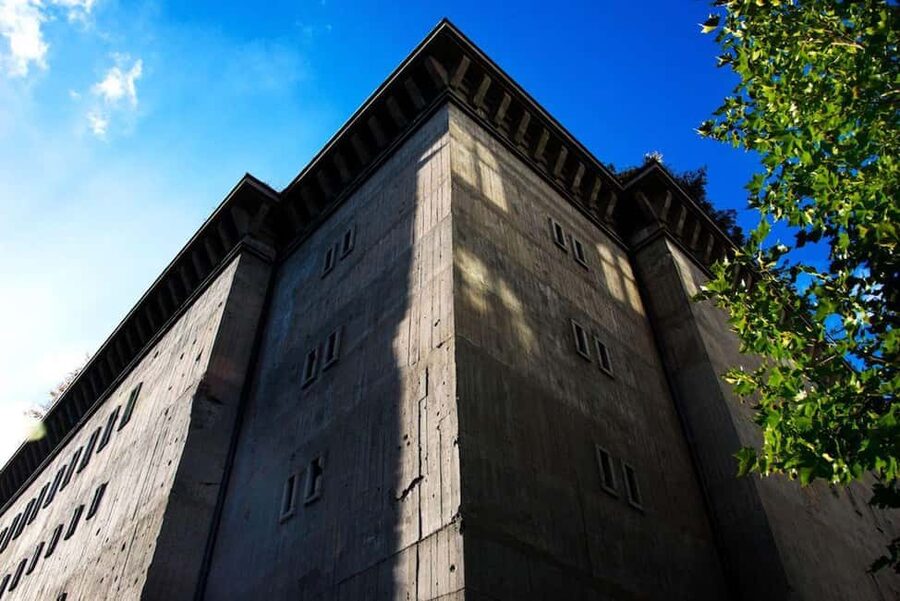
One of the coolest practical parts of the route is the stop at Sammlung Boros – Boros Bunker – Boros Collection. You’re looking at a space that was built for defense and survives as something you can experience from the inside—at least in the form that’s open to the public during the stop.
Even if you’re not an art fan, this kind of repurposing is valuable. It helps you understand something big about Berlin: heavy structures don’t always disappear. Sometimes they get re-used, reinterpreted, and turned into a place where modern visitors can stand where fear used to govern behavior.
This stop also fits the tour’s theme of “then and now.” You’re not only seeing the border as a line on a map; you’re seeing how Berlin absorbs its past into everyday use—sometimes quietly, sometimes with a new purpose.
How the guide style turns fast cycling into a real story
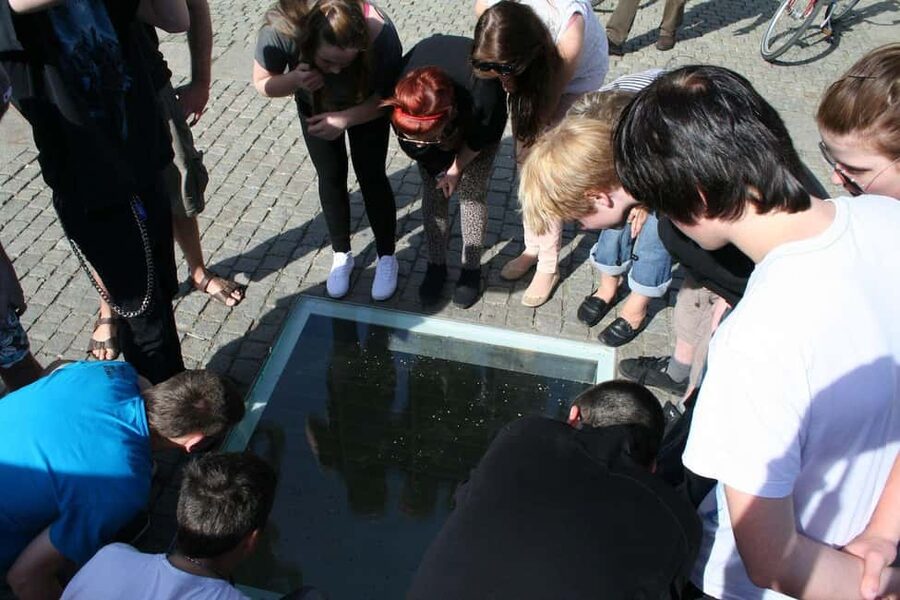
The bike format works here because it keeps you moving, but the guide handles the stops with intention. A lot of small details can get lost on a tour that feels rushed. On this one, the guide’s job is to use the short time you have at each site to connect it to the next place, so the whole route feels like one 3-hour argument for how division changed Berlin.
The tour also follows a FREE BERLIN concept: the guide can tailor the route based on the group’s interests and current events. That matters because Berlin has so many layers and so many possible “must-sees.” When your guide has flexibility, you’re more likely to get the stops that match what you care about rather than being locked into a rigid script.
Language options are also practical: German, French, and English. And from the tone of many guide experiences shared by other visitors, the best guides on this tour tend to be comfortable with questions—even uncomfortable ones. One guide was praised for keeping a calm, friendly demeanor when people asked tough things. Another was singled out for adding personal perspective as a Berliner, which can be powerful when the topics get heavy.
Also, the ride feels safer than you might expect for a city bike tour. Multiple accounts highlight that despite traffic near a couple of points, the group stayed together and the guide watched out for staying safe.
Price and value: what $41 buys you in 3 hours
At $41 per person for about 3 hours and roughly 15 kilometers, this is a strong value if you want guided access to multiple key sites without spending time planning the route yourself. The price includes bike rental (and you can request a helmet), plus waterproof ponchos if the weather turns.
You’re also getting something harder to price than mileage: interpretation. This isn’t a bike ride where someone reads facts while you pedal past. The guide uses each stop—Wall memorials, cemetery sites, bunker-related structures, and the Holocaust Memorial photo stop—to connect the era’s systems: Nazi power, wartime architecture, then Cold War control.
The one tradeoff is time. Most stops are short. If you want long reading time at every memorial or a deeper museum-style visit, you’ll likely need to come back later. That said, for an efficient Berlin introduction to the Wall and the Nazi/Cold War overlap, the value is clear.
Who should book this bike tour, and who should skip it
This is a good fit if you:
- want an active way to see major Wall-related sites without spending your day on transit or map apps
- enjoy short, guided stops where you learn the “why” behind what you’re seeing
- feel comfortable with heavy historical topics in outdoor public spaces
- want a family-friendly outing (kids are welcome, and infant seats can be provided on request)
You might want to skip (or add a day for slower follow-ups) if you:
- can’t comfortably cycle for a full 3 hours
- prefer long, quiet museum time over a “move and learn” format
- need lots of time at each memorial site, because the stop length is built for covering many locations
Wet weather is the other reality check. Ponchos help, but slippery paths can happen. If you’re traveling in rainy weeks, wear shoes with grip and expect the ride to feel different.
Should you book the Berlin Wall and Third Reich guided bike tour?
If your goal is to understand how Berlin’s Wall era connects to Nazi planning and wartime structures, I think you should book it. The tour is built for people who like movement, clear sequencing, and meaningful outdoor stops—especially the Wall Memorial on Bernauer Straße and the broader borderland route that ties everyday life to the fear and control of division.
Book it especially if you want flexibility. The FREE BERLIN format lets the guide shape the route to your group, and private or small-group options can make a big difference when you want to ask questions or spend a little extra time at a stop that matters to you.
I’d pass only if you want a slow, museum-heavy day. This tour is about getting the story in front of you while you ride, and then letting you decide later which places deserve an extra hour on your own.
FAQ
FAQ
How long is the Berlin Wall and Third Reich bike tour?
It lasts about 3 hours.
What does the tour cost?
The price is $41 per person.
How far do you bike during the tour?
The route is described as a 15-kilometer journey.
Where do I meet the guide?
Meet at the FREE BERLIN Bike Tours & Rental office at the courtyard entrance of Poststraße 11. Look for the FREE BERLIN sign.
Is a bike helmet included?
Bike rental is included, and a helmet is available if you request it.
What languages are the tours offered in?
The live guide can speak German, French, and English.
Are ponchos provided if it rains?
Yes. Waterproof ponchos are included in case of rain.
Is the tour family-friendly?
Children are welcome, and infant seats can be provided on request.
Can I leave luggage with the operator during the tour?
Yes. Large pieces of luggage can be left safely with the operator for the duration of the tour.
Berlin by Bike


Berlin's Wartime History
The Wall and the Cold-War City
Round out your days in Berlin
Berlin Wall & Cold War, compared.
 ★ 4.9Third Reich & Cold War Guided Walking TourFrom $238,378 reviews
 ★ 5.0Berlin’s Best: 2 Hour Walking Tour Third Reich and the Cold WarFrom $245,486 reviews
 ★ 4.1Skip-the-Line: Berlin Wall Museum at Checkpoint CharlieFrom $212,041 reviews
 ★ 4.1East Side Gallery Spree Cruise in a Solar CatamaranFrom $281,086 reviews
 ★ 5.0Cold War, Berlin Wall, Spies and the East Side GalleryFrom $181,024 reviews
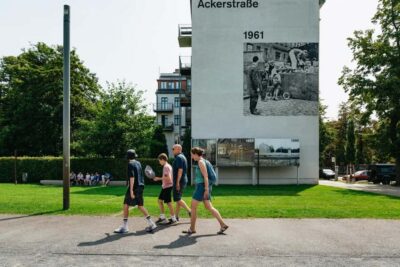 ★ 4.8Wall Tour – Fates, Love Stories, and HeroesFrom $282585 reviews
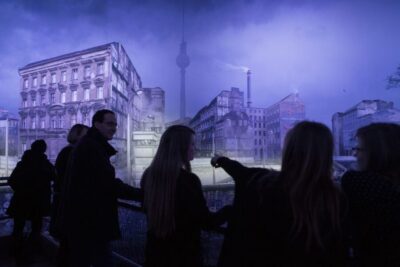 ★ 4.5THE WALL: asisi Panorama Berlin TicketFrom $16580 reviews
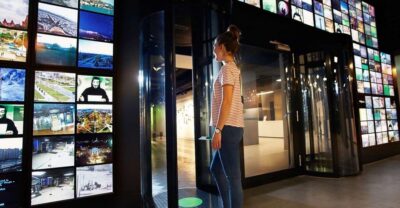 ★ 4.4German Spy Museum Flexible Entry TicketFrom $27472 reviews
Browse the lists this tour appears in