
REVIEW · POTSDAM DAY TRIPS
Private taxi tour to Potsdam and Sanssouci 6-8h
Sanssouci feels like a movie set in real life. This private taxi tour is built for a smooth, English-led day trip to Potsdam, with stops that explain how Prussian rulers designed power, taste, and theater into the city.
I especially like two things: the architecture-and-history focus (including war damage and what got rebuilt) and the fact that you’re not stuck in a rigid bus rhythm—you can get personalized attention from Gunter Bauer.
The main drawback to plan for is timing and costs: some palace and site admissions are not included unless you choose the Sanssouci+ option, and the park involves walking on mostly unpaved paths, so you’ll want solid shoes.
In This Review
- Key things that make this tour work
- Price and logistics: why $179 can make sense
- Rolling out of Berlin: pickup, comfort, and timing
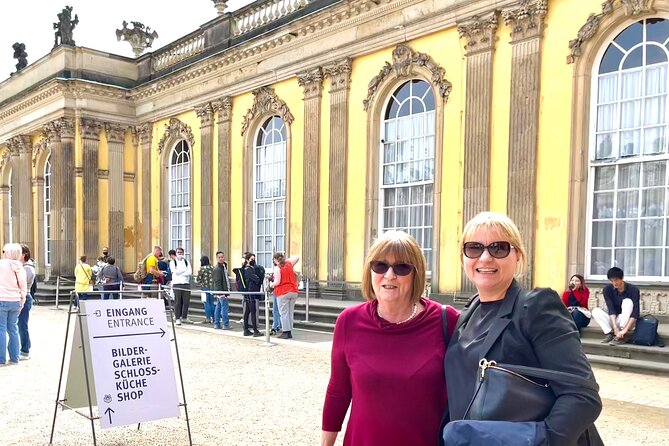
- Sanssouci Palace: the “only eight rooms” feeling
- The Historic Windmill and a quick view reset
- Orangery, winegrower buildings, and the art of “making plants survive”
- The Palace Orangery
- The Chinese-style winegrowers’ cafe
- The Vineyard and Frederick’s guest world
- Sanssouci wine terraces: the postcard view and how they solved a problem
- Peace Church and the Italian campanile idea
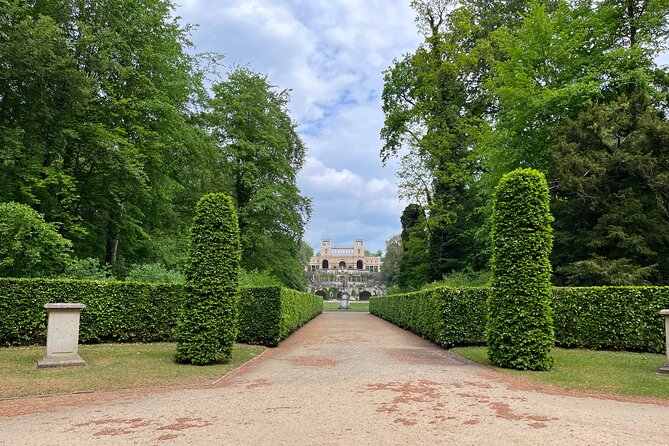
- Sanssouci Park: the real star, with 2 km of palace-to-palace sightlines
- Mode chinoise: tea house as a time machine
- Italian romance and the New Palace complex
- Friendship Temple, grotto thinking, and the fun of small stops
- Potsdam gates and the city beyond the palaces
- Nauen Gate
- Dutch Quarter (red clinker, canals, and craft energy)
- Potsdam center: old buildings, modern rebuilding, and the skyline of churches
- City Palace area and churches
- Cecilienhof Palace: where the 1945 leaders met
- The “English medieval” castle: Crown Prince Augusta and Kaiser Wilhelm II
- Alexandrowka (Russian Colony) vibes: amber-room lore and choir stories
- Glienicke Bridge: spy swaps and the Hollywood pull
- On the way back: New Garden and the Marble Palace views
- What you’ll actually do during the day (time feel)
- Is this tour right for you?
- Should you book this Potsdam and Sanssouci taxi tour?
- FAQ
- How long is the Potsdam and Sanssouci taxi tour?
- What time does the tour start?
- Is pickup from my hotel included?
- Is the tour private?
- Are admission tickets included?
- What should I wear for the park?
Key things that make this tour work
- Hotel pickup by private taxi means you skip the public-transport juggling and get straight out of Berlin
- Gunter Bauer’s style is heavy on on-the-spot explanations, not memorized talking points
- Sanssouci Palace + the park are handled with enough time to actually see details, not just photos
- New Palace and the Pleasure Gardens give you the full Frederick vs. Friedrich Wilhelm IV contrast
- Extra flexibility may be possible if your day allows (for example, adds like Alexandrowka or museum time)
More palace-and-park days out in Potsdam
- Berlin: 3-Hour World Heritage Cruise to Potsdam★ 4.5 · 1,569 reviews
- Berlin: Sachsenhausen Concentration Camp and Potsdam Tour★ 4.6 · 1,334 reviews
- From Berlin: Potsdam and Sanssouci Palace Tour with Entry★ 4.7 · 1,219 reviews
- Potsdam Half-Day Walking Tour from Berlin★ 4.5 · 398 reviews
Price and logistics: why $179 can make sense
At $179.01 per person for a 6–8 hour private taxi tour, the value is less about a bargain and more about control. You’re paying for three things that tours often skimp on:
First, you’re buying easy door-to-door movement: pickup from your hotel or apartment, plus an air-conditioned vehicle and parking fees handled. That matters in a day trip like Potsdam, where getting stuck on transit can steal your best visiting hours.
Second, you’re buying an English-speaking guide who can slow down or speed up based on what you care about—especially if you’re into buildings, style, and the “why” behind the design.
Third, you’re buying time. The schedule is built around key palaces and “pleasure garden” stops, so you’re not spending the day commuting between far-flung sites.
Now the watch-outs:
- Admissions vary. The tour notes that only when you book the Sanssouci+ option you get admission fee for all castle tours. In the day’s stops, you’ll also see items marked admission not included and others marked free or included.
- Your day may feel full. This is a lot to fit in 6–8 hours. If you prefer a super slow, sit-and-read pace, you may want to keep expectations realistic.
Rolling out of Berlin: pickup, comfort, and timing
You start around 10:30 am, and the setup is simple: you’re picked up from your accommodation. One small but important detail—come out to the street only after the guide sends you an SMS/WhatsApp. When you book, include a working cell number.
The vehicle is air-conditioned, and it’s a private outing, meaning only your group rides. Parking fees are included, and the taxi ride plus the city tour are covered by VAT.
If you’re traveling with a baby, a MaxiCosy car seat is available on request. Service animals are allowed too. For most people, the biggest “logistics” issue is not access—it’s footwear. You’ll be on mostly unpaved paths in the park and around the palaces, so skip sandals.
Sanssouci Palace: the “only eight rooms” feeling
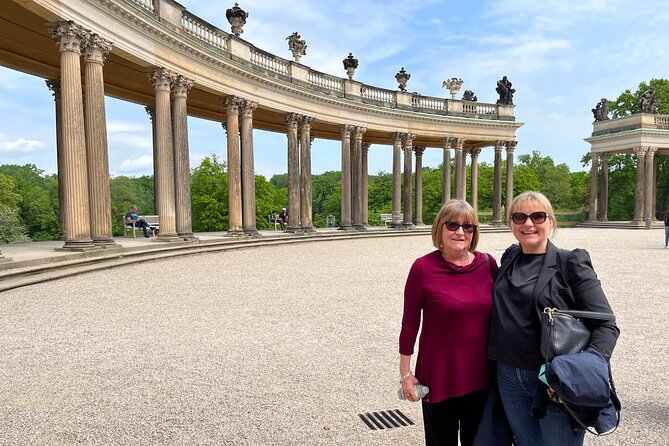
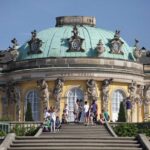
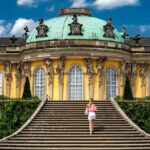
You’ll start with Sanssouci Palace, Frederick the Great’s dream castle. The big idea here is that this isn’t built to impress crowds—it’s built for a ruler’s private fantasy.
What you’ll notice fast:
- It’s a rococo palace with only 8 rooms. That low number changes the vibe. It feels intimate, and each room matters.
- Each room connects to the garden, so the palace reads like a frame for the outside world.
- Frederick’s court life had tight boundaries. The tour’s description points out that access and guesting were restricted (including Voltaire, who was allowed into the king’s male visitors circle).
You’ll also hear why the king’s style shows up in the details. Frederick the Great is presented as living close to his own absolutist ideal—flute music, composition, and conversation in French. The palace is “small” by royal standards, but the point is: you’re seeing how power wanted to be staged.
Admission timing note: the palace is marked as ticket not included in the plan unless you’ve selected Sanssouci+.
The Historic Windmill and a quick view reset
Next is the Historic Windmill, described as surviving thanks to a legal dispute—its owner fought and won. That’s a fun contrast to the rest of the royal world, because it reminds you that Potsdam wasn’t only palace planning; it also had local human stories.
It’s a short stop (about 10 minutes), and the key value is a view over the park. If you’ve been inside buildings most of the day, this works as a reset.
Again, admissions are listed as not included here.
More private tours of Berlin



Orangery, winegrower buildings, and the art of “making plants survive”
A few stops later, you move through a trio of themed structures that explain how this park functioned like a machine for taste and survival.
The Palace Orangery
The orangery houses exotic plants and becomes the winter solution for the park’s greenery. You get an “eye-catcher” ridge moment too, because a Roman-style castle element is created there.
The Chinese-style winegrowers’ cafe
There’s also the Chinese pagoda-style building originally built for winegrowers in the Potsdam vineyards. The point isn’t only scenery—it’s the moment where design turns into experience. The tour emphasizes the mode-chinoise look, with the senses of sight and taste doing their part.
Even if you’re not a fan of “theme buildings,” you’ll learn why rulers and designers loved staging cultures they only half-understood. It’s architecture as storytelling.
The Vineyard and Frederick’s guest world
You’ll also hit palace-adjacent spaces where court life spills beyond the main castle. The tour description notes a private castle for guests and servants—there simply wasn’t room for everything inside the main palace.
A key Frederick-the-Great detail here: Voltaire is mentioned again as lodging close to the king, on top of the vineyard. It underlines how carefully proximity and access were managed.
There’s also time for Frederick’s art collecting, including the unusual choice to house paintings in a specially built castle. It’s an oddball choice in a good way—more collector’s obsession than royal museum.
Sanssouci wine terraces: the postcard view and how they solved a problem
Then comes the Weinbergterrassen, the classic “postcard view” area for Sanssouci Palace. The big story is practical: Potsdam is too far north for easy wine growing, so the gardeners used glass coverings to protect vines from cold.
If you like learning how an aesthetic goal got engineered, this is one of the stops that delivers. It reads like romance, but it’s really agriculture with clever climate solutions. When needed, the tour description even points out they could rely on wine deliveries from France and Italy.
The fountain story ties in too. A higher lake was created to feed the fountain, disguised with a ruin-like structure called the ruin mountain. That piece wasn’t completed during Frederick’s lifetime, which adds a reminder that grand park plans can outlive the person who started them.
This stop is marked around 15 minutes, with free admission for the terrace viewing time.
Peace Church and the Italian campanile idea
The Friedenskirche is where the tour connects Potsdam palaces to Italy-flavored symbolism. The bell tower is described as Italian in style, separated from the main building and reflected in a small pond.
The practical reason to take this stop seriously is that it breaks the “palace loop.” You’re stepping into religious and memorial space, and it’s linked directly to final resting places away from the bustle of Berlin.
Sanssouci Park: the real star, with 2 km of palace-to-palace sightlines
The main payoff is Sanssouci Park itself, with about 45 minutes and an admission marking that says the park ticket is included.
Here’s what makes it more than scenic walking:
- The park is integrated into the setting, connecting the palace with the vineyard and the large fountain over about 2 km.
- The route includes small castles, Roman baths, and the Chinese tea house.
- You get the sense that these weren’t just gardens; they were designed experiences with moments you reach, like sets in a planned day.
One key detail you’ll likely appreciate: the park includes multiple “pleasure garden” attractions, so you’re not stuck doing one long straight walk. If the day feels tight, this variety helps.
Mode chinoise: tea house as a time machine
The Chinese tea house is described as more than a pavilion. It’s set up in the “Mode Chinoise” style with precious furniture and delicate Chinese porcelain, plus gilded decoration.
You don’t need to be an expert in ceramics to get the point. This is about how designers used objects and style cues to create a temporary world. The tour frames it as part of the sensory fantasy.
If you like playful contradictions—European rulers creating a romanticized China inside a Prussian park—this is a highlight.
Italian romance and the New Palace complex
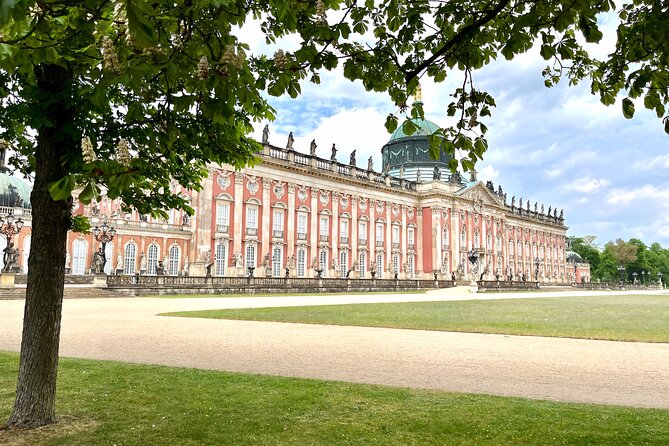
Later you’ll shift to the New Palace and its wider grounds. The tour description calls attention to the scale (even reaching the “600 rooms” idea for the relatives’ apartments), which is your cue that this is a different mood than Frederick’s smaller Sanssouci approach.
What you can expect:
- Relatives and court guests get “holiday home” setups with reception, music, bedrooms, and writing rooms.
- You’ll hear about how kitchens sat far away in “communs” buildings so stench didn’t invade palace life.
- There’s mention of later uses, including Kaiser Wilhelm II.
A standout detail: the park’s design includes modern engineering references, like the elevator and steam-related systems. The tour describes an industrial object hidden behind an oriental building look—so even “technology” is treated as part of the design story.
Friendship Temple, grotto thinking, and the fun of small stops
Not everything here is about massive palaces. You also get stops that represent the era’s taste for small, theatrical escapes.
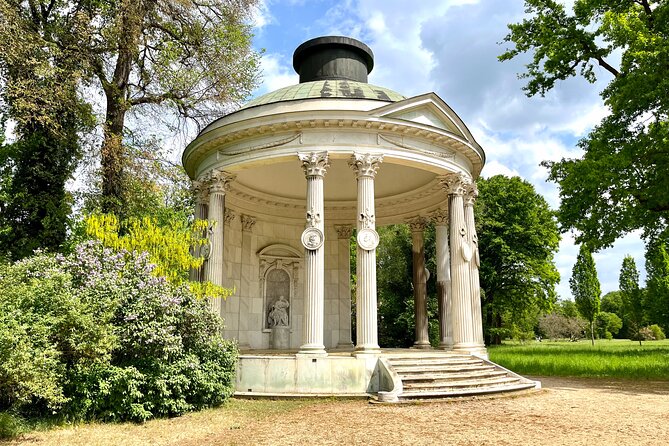
- A Friendship Temple is described as intimate—made for a small tête-à-tête.
- Grottoes are framed as romantic “useless” but popular features, prized for shady caves and refreshment.
- There’s also mention of an “everyone gets a castle” mindset for royal children, with smaller residences expanded or converted to match expected tastes.
These stops help you read the park’s bigger logic: the rulers wanted motion, surprise, and conversation pieces along the walking routes.
Potsdam gates and the city beyond the palaces
As the day expands, you’ll move out from the palace bubble into Potsdam’s broader structure with historic gates and neighborhoods.
Nauen Gate
The Nauen Gate is described as one of the most imposing surviving city gates, kept in medieval Romanesque style. You’ll also get a practical benefit: cafes and restaurants invite you to linger nearby, even if you’re just grabbing a quick break.
Admission here is listed as free, and the stop is around 30 minutes.
Dutch Quarter (red clinker, canals, and craft energy)
The Dutch Quarter comes next. The story is tied to the Great Elector bringing Dutch canal builders from exile during the Thirty Years’ War, who were allowed to build housing in a traditional Dutch style.
The result is a red clinker district that feels like a mini trip to Holland, with small shops and places for drinks and coffee. The plan notes that Queen Beatrix even made a royal visit here, which is a neat reminder that this isn’t only a tourist facade.
You’ll have around 15 minutes, and it’s marked free.
Potsdam center: old buildings, modern rebuilding, and the skyline of churches
You’ll also pass through central Potsdam, including a pedestrian zone lined with townhouses and boutique-style browsing. The plan mentions an Art Nouveau glass roof department store, plus a geometric layout of quarrées where you can drift.
City Palace area and churches
There’s time for the City Palace description and the Garrison Church (both mentioned as key city-rebuilding stories). Potsdam’s older world got damaged and then reshaped, including periods where buildings disappeared under later planning.
One church stop is flagged as visually striking with a dome and colonnades, and the plan encourages you to plan a visit. Another is described as being carefully recreated thanks to patrons and restored as a home for an art collection.
This is where the day trip stops being only “princes and parks” and starts being about how modern Potsdam decided what to bring back.
Cecilienhof Palace: where the 1945 leaders met
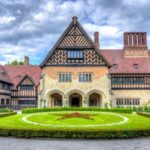
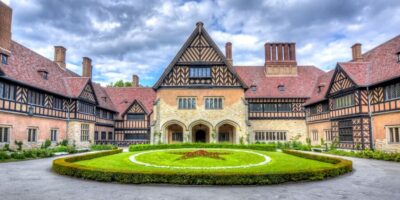
Next is Cecilienhof Palace, the youngest of the Prussian palaces. The tour description frames it as a modern-era comfort palace disguised behind an English-country-house exterior, with central heating and bathrooms.
The must-know reason to stop: it’s the site of the 1945 Potsdam Conference with Truman, Churchill, and Stalin. The conference room is still furnished as it was then, and the outdoor grounds are part of the experience.
This stop works well if you like seeing how a place can hold both royal ceremony and world-power decisions.
The “English medieval” castle: Crown Prince Augusta and Kaiser Wilhelm II
There’s also a castle in the English style described with battlements and turrets. It’s linked to the Crown Prince and his wife Augusta, later known as Kaiser Wilhelm II.
The tour notes a detail that makes the building more human: in old age, Wilhelm reportedly climbed a medieval tower copy daily to study and get a view of Potsdam’s palace landscape.
Alexandrowka (Russian Colony) vibes: amber-room lore and choir stories
One of the later stops is tied to the Russian Colony story. The tour description includes amber-room lore—an amber room reportedly given from Berlin to Tsar Alexander with thanks to the soldier king Friedrich Wilhelm I—and then a wedding celebration decorated by a Russian choir. It even adds a bit of the “locals say descendants still live there” legend.
Whether you treat it as history or storytelling, it’s a memorable cultural detour inside a Prussian setting. It gives you an alternate angle on Potsdam’s identity.
Glienicke Bridge: spy swaps and the Hollywood pull
No Potsdam day trip hits the same without the Glienicke Bridge mention. The tour describes it as closed for 40 years as a border between West Berlin and the GDR, and it notes fabled spy-agent and prisoner exchanges between the US and the Soviet Union.
This stop also gets credit as a filming backdrop for a spy-story imagination. Even if you don’t care about spy plots, it’s a strong reminder that this region’s “romantic ruins and palaces” sat beside real political tension.
On the way back: New Garden and the Marble Palace views
As you head back toward Berlin, the tour includes a sight that’s hard to miss: a palace and park setting near the highway, with the New Garden and the Marble Palace described as Italian-style features.
The day ends with a lake-and-bridge optic moment—where the Crown Prince’s brother Carl reportedly looked across the lake toward Potsdam, and the opposite side points you to New Garden spaces.
It’s a good ending beat because it returns you to scale and geography. You stop thinking only about rooms and start seeing the city’s planned connections.
What you’ll actually do during the day (time feel)
This tour is designed as a “see a lot, but still stop long enough to understand it” outing.
- Some sites are short (windmill around 10 minutes; tea house and tea-style stops are brief).
- Others are the backbone of the day: Sanssouci Palace, Sanssouci Park, and the New Palace/Cecilienhof cluster.
If you want maximum palace time, pick the Sanssouci+ option so you’re not constantly making ticket decisions in real time. If you prefer budget control, you can go without it, but you’ll need to accept that some interiors will cost extra.
Is this tour right for you?
This tour fits best if you:
- want a private, English-led day trip from Berlin with hotel pickup
- love architecture, styles, and design stories (Prussian tastes, Italian cues, Mode Chinoise play)
- care about how places changed through war and rebuilding, not only how they looked on postcards
- like getting explanations that connect buildings to rulers and real-world politics (from Frederick to 1945)
It may not fit if you:
- hate walking much at all, since the park involves uneven paths
- want a totally unstructured day with lots of free time to wander without any “must-see” pacing
Should you book this Potsdam and Sanssouci taxi tour?
I’d book it if you want the easiest path from Berlin to Potsdam with real guidance and a packed-but-reasonable sense of what matters. The guide—Gunter Bauer of GAT-Productions—comes through in the feedback as someone who communicates with lots of detail and personal touches, including photo-taking and safe, confident driving.
If you’re on the fence, decide based on two questions:
1) Do you value having your time guided and interpreted, including war-and-rebuild context?
2) Are you okay with a full day that may include extra ticket costs unless you choose Sanssouci+?
If yes, this is a strong value way to see Potsdam beyond a quick glance.
FAQ
How long is the Potsdam and Sanssouci taxi tour?
The tour runs about 6 to 8 hours.
What time does the tour start?
The start time is 10:30 am.
Is pickup from my hotel included?
Yes. Pickup is offered from your hotel or accommodation.
Is the tour private?
Yes. It’s private and only your group participates.
Are admission tickets included?
Some admissions are included depending on the site and on whether you choose the Sanssouci+ option. The tour specifically notes that Sanssouci+ covers admission fees for all castle tours.
What should I wear for the park?
Wear good walking shoes. The park includes mostly unpaved walking paths.
More Tours in Berlin



More Tour Reviews in Berlin
A Day in Potsdam


Round out your days in Berlin
Potsdam Day Trips, compared.
 ★ 4.7Potsdam: City and Castles TourFrom $293,721 reviews
 ★ 4.5Potsdam: Palace Tour by BoatFrom $272,369 reviews
 ★ 4.5Potsdam: Sanssouci Palace and Prussian Palaces Entry TicketFrom $252,101 reviews
 ★ 4.53-Hour World Heritage Cruise to PotsdamFrom $251,569 reviews
 ★ 4.6Sachsenhausen Concentration Camp and Potsdam TourFrom $651,334 reviews
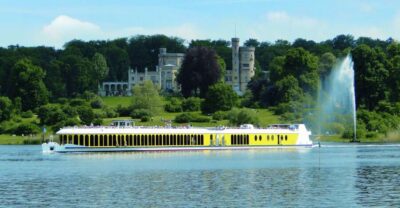 ★ 4.6Potsdam by Boat: Island CruiseFrom $421,308 reviews
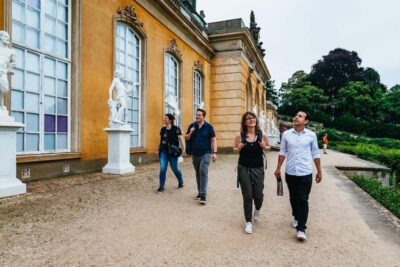 ★ 4.7From Berlin: Potsdam and Sanssouci Palace Tour with EntryFrom $751,219 reviews
 ★ 4.2Potsdam: City Sightseeing Hop-On Hop-Off Bus TourFrom $23864 reviews
Browse the lists this tour appears in