
REVIEW · THIRD REICH & WWII HISTORY
Private Walking Tour Berlin Third Reich Hitler and World War II
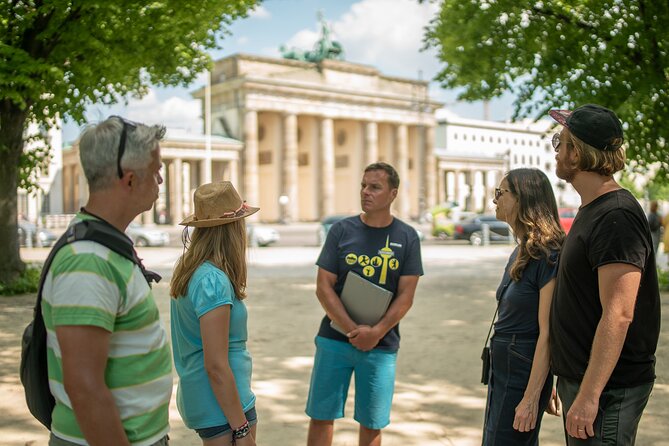
Berlin’s WWII story is close enough to touch. This private, 3 to 4 hour walk strings together many of the most important Third Reich and World War II sites, with an expert guide helping you connect the dots from Nazi rule to the aftermath.
I love two things right away: hotel pickup and drop-off that makes the day easier, and the way the private format keeps the pace human, not rushed. You’ll also spend real time at major memorials, so the walk feels like more than a highlights list.
One possible drawback: the topic is heavy. Even with a good guide, you’ll be standing in places tied to mass murder, persecution, and war crimes, and each stop is only 10 to 20 minutes, so you may want a little follow-up on your own.
In This Review
- Key things that make this tour work well
- Private Hitler and WWII Walking Tour: the core idea
- Hotel pickup and a pace you can actually handle
- Soviet Memorial in Tiergarten: remembering the Battle of Berlin
- Wilhelmstraße sites: how Nazi administration took shape
- Topography of Terror: the systems behind the terror
- Bendlerblock German Resistance Memorial: moral courage and brutal consequences
- Bebelplatz and the empty-book memorial: censorship you can see
- Reichstag Building: power, fire, damage, and what came after
- Holocaust Memorial: learning to slow down in front of loss
- Führerbunker: the last days, watched from above
- Anhalter Bahnhof and Moltkebrücke: routes, war motion, and memory
- T4 Memorial and the ethics of Nazi policy
- Back along Wilhelmstraße: seeing the administration behind the drama
- Who should book this (and who might want a different format)
- A simple packing and mindset checklist
- Should you book this Third Reich and WWII Berlin private tour?
- FAQ
- How long is the private walking tour?
- What language is the tour in?
- Do I get hotel pickup and drop-off?
- Are tickets included for the sites?
- Does the price include food and drinks?
- Is this tour private?
Key things that make this tour work well
- Hotel pickup and drop-off: you start fresh instead of hunting meeting points
- Private only to your group: you can shape the focus to what you care about
- Soviet, Nazi, and resistance narratives: the story is not one-note
- Topography of Terror + Holocaust Memorial: two key places for understanding the machinery of persecution and mass murder
- Resistance at Bendlerblock: you see courage and consequences, not just brutality
- Reichstag included in the arc, with tickets handled separately: you get context, even though admission is not listed as included
More walks through Berlin's wartime history
- Berlin: Third Reich & Cold War Guided Walking Tour★ 4.9 · 8,378 reviews
- Berlin’s Best: 2 Hour Walking Tour Third Reich and the Cold War★ 5.0 · 5,486 reviews
- Third Reich Berlin: Hitler and WWII Walking Tour★ 5.0 · 3,301 reviews
- Berlin: Third Reich, Hitler, and WWII Walking Tour★ 4.9 · 1,757 reviews
Private Hitler and WWII Walking Tour: the core idea
This tour is built like a guided timeline you can walk through. You’re not just looking at buildings; you’re learning how decisions, propaganda, repression, and war changed Berlin block by block. That matters in Berlin, because so much of the city is layered. One street can point in several historical directions at once.
I also like that the route doesn’t stop at Hitler’s downfall and then jump to the Cold War. The walk connects Nazi power and terror to the later fight for Berlin and the long work of remembrance. You finish with a clearer sense of how the past still shapes what the city chooses to memorialize.
Hotel pickup and a pace you can actually handle
You get hotel pickup and hotel drop-off, which is a big deal for a walking tour that runs about 3 to 4 hours. Berlin is great, but it can be awkward if you’re trying to time trains and meet points while carrying winter coats, bags, and your own questions. Being picked up means you can put your attention where it belongs: the story.
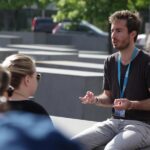
The tour is private, meaning it’s only your group. That usually helps with pacing. In feedback tied to this operator, guides like Georgia and Emma are praised for adjusting to what people want and keeping the day flowing at a comfortable speed. If you’re the type who likes to ask questions, you’ll likely appreciate the room to do it.
One practical note: the tour runs in all weather conditions. You’ll be outside most of the time, so dress like it’s a real walking day.
Soviet Memorial in Tiergarten: remembering the Battle of Berlin
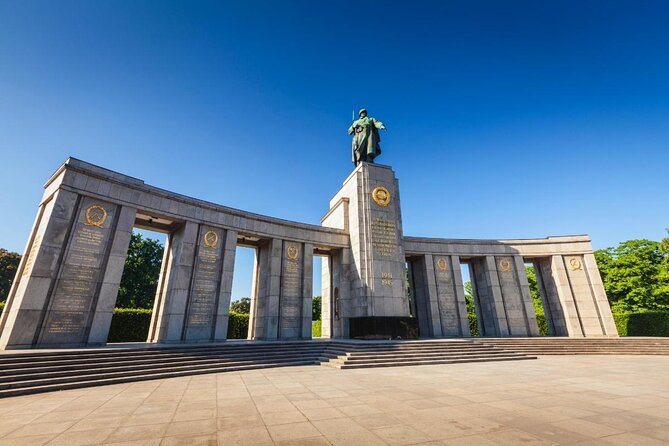
The tour starts at the Soviet Memorial in the Tiergarten, a place that’s easy to underestimate if you only think about Berlin as a Nazi story. It was inaugurated in 1949 and commemorates Soviet soldiers who fell during the Battle of Berlin in 1945.
This is a smart opening because it sets context fast. You see architecture that communicates victory and sacrifice, and your guide frames what the Soviet Army’s advance meant in the collapse of Nazi Germany. If you’re visiting Berlin for WWII history, starting here helps you understand that liberation and loss were both real parts of the ending.
Wilhelmstraße sites: how Nazi administration took shape
Next comes Wilhelmstraße and a major landmark tied to Nazi governance: the Detlev-Rohwedder-Haus, also described here as the Aviation Ministry site tied to Hermann Göring.
In the 1930s, this building began as headquarters connected to the Reichsbank. Later, it served the Ministry of Aviation, which puts you right into the orbit of decision-making and power. A key value of this stop is how it shows continuity and transformation: after WWII it became connected to federal finance again, but the location still carries the weight of what happened there.
This stop also helps you read Wilhelmstraße itself. The street is often talked about as the heart of Nazi government, and on this walk you get the “why” behind that reputation—ministries, offices, and the machinery of state.
More of Berlin on foot

Topography of Terror: the systems behind the terror
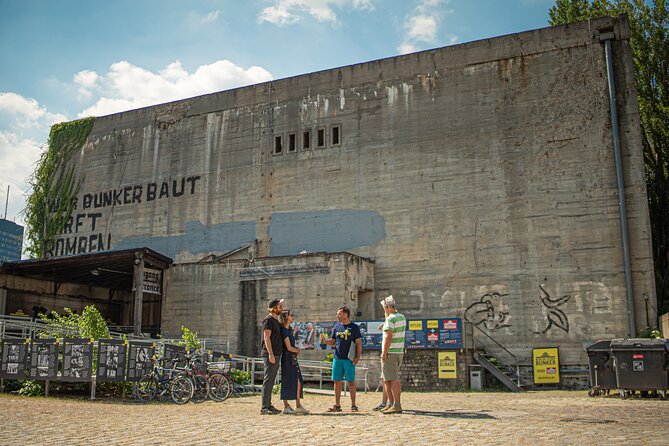
Topography of Terror is the kind of place where your brain knows it’s serious before the first exhibit even starts. This tour takes you through the indoor and outdoor exhibition on the grounds of the former SS and Gestapo headquarters.
You’ll learn how the Nazi regime rose and how political repression worked in practice, including the methods used against dissenters. The exhibits rely on photographs, documents, and testimonies, and the goal is not just information. It’s understanding how state-sponsored violence reshaped society.
A practical consideration: this stop can feel emotionally demanding. If you need a slower pace, this is a good place to ask your guide to pause and explain one thread fully, rather than trying to absorb everything at once.
Bendlerblock German Resistance Memorial: moral courage and brutal consequences
Then you head to the German Resistance Memorial Center at the Bendlerblock. The focus here is on people who opposed the Nazi regime, including key figures such as Claus von Stauffenberg, linked to the July 20, 1944 assassination attempt.
This is an important balance point. Berlin’s WWII story can turn into a one-way march of cruelty. At Bendlerblock, you get motivation and action, plus what resistance meant under a dictatorship: the risks were enormous, and the consequences were immediate.
If you like history that asks a human question—what do you do when law becomes violence—this stop is a highlight.
Bebelplatz and the empty-book memorial: censorship you can see
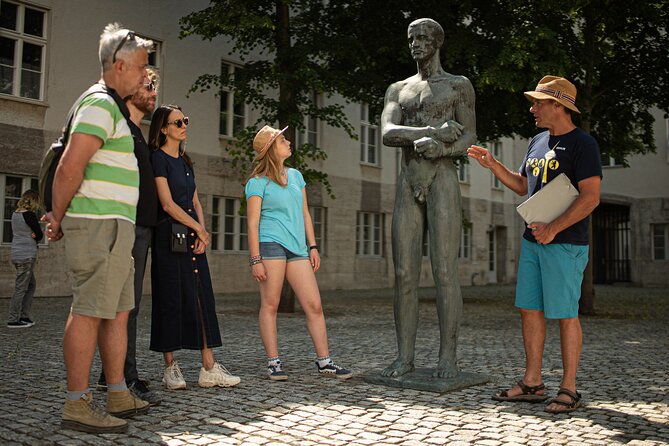
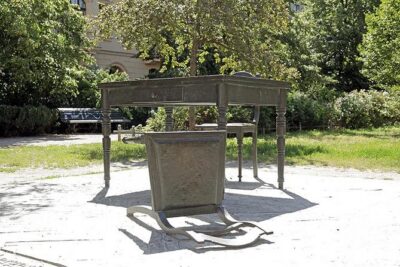
At Bebelplatz, you’ll connect Nazi ideology to something everyday: controlling what people are allowed to read and believe. The square is known for the book burning on May 10, 1933, when thousands of so-called un-German books were destroyed.
Your guide points out architecture around the square, including the State Opera House and Humboldt University area, and then turns your attention to the memorial beneath the square: empty bookshelves symbolizing the loss of literature and ideas.
This stop often lands especially well if you care about how propaganda works. The Nazi project wasn’t only guns and prisons. It was also about shaping culture, language, and access to thought.
Reichstag Building: power, fire, damage, and what came after
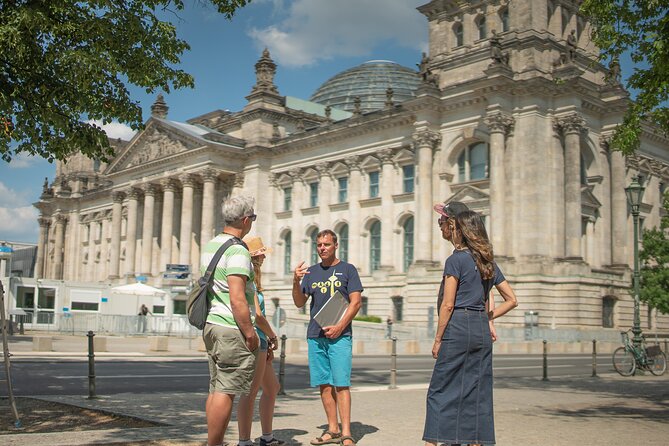
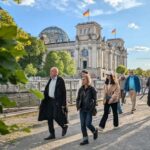
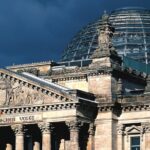
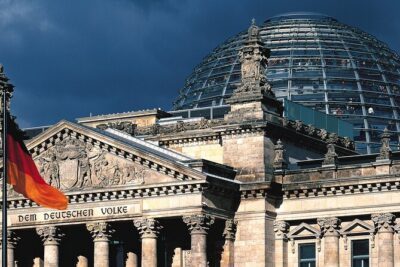
The walk includes the Reichstag Building with a focus on its Nazi-era story. This is an iconic German political symbol, completed in 1894, and during the Nazi rise it became central to how power consolidated.
Expect your guide to cover major events like the Reichstag Fire in 1933, which the Nazis exploited to suppress opposition. You’ll also hear about WWII damage and the building’s later restoration as a symbol of democracy.
A practical heads-up: Reichstag admission is not included here. The time you spend at the building still gives you the historical meaning, but you may need to handle any entry ticket separately if the plan includes going inside.
Holocaust Memorial: learning to slow down in front of loss
One of the most powerful parts of the day is the Memorial to the Murdered Jews of Europe. It’s made up of 2,711 concrete slabs of varying heights, arranged in a grid that creates disorientation as you walk through.
Your guide explains the design’s meaning and places it in the historical context of the Holocaust. The point is remembrance and reflection, and you’re encouraged to take a slower walk through the space rather than treating it like a quick photo stop.
If you’re worried about how to behave in a memorial like this, the best approach is simple: go quiet, give yourself time, and let the guide’s context do its job before you move on.
Führerbunker: the last days, watched from above
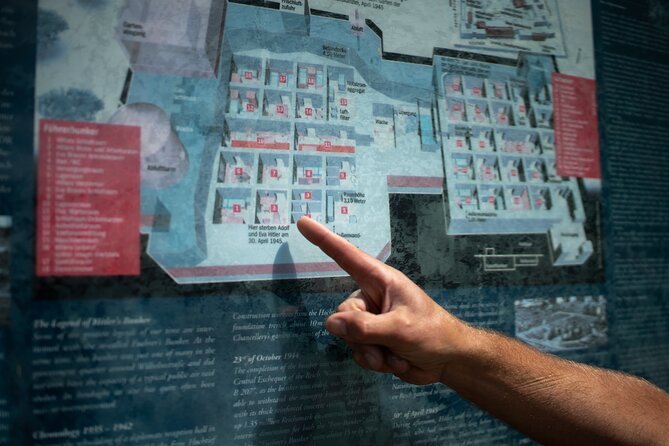
Next is the Führerbunker area, connected to Hitler’s bunker complex beneath the Reich Chancellery. This stop is described as standing above the bunker location—useful because it gives you a perspective on the site without turning the day into sensationalism.
Your guide talks about the bunker’s layout and why it mattered during the final months of WWII, when the Allies closed in on Berlin. Even though much of the original structure was destroyed after the war, the stop still communicates the mindset of Nazi leadership as the war turned decisively against them.
This is one of those moments where you’ll probably notice how quickly certainty collapses. It can be disturbing, but it’s also clarifying—tyranny doesn’t only hurt people on paper.
Anhalter Bahnhof and Moltkebrücke: routes, war motion, and memory
The tour includes Anhalter Bahnhof, once one of Berlin’s busiest railway terminals. The historical angle here is how transportation systems were used during the Nazi period, including the role this station played in deportations of Jews to concentration camps.
This stop matters because stations are where history becomes personal. The trains represent choices and timing, the bureaucratic steps that led families away and never returned them the same way.
Then comes Moltkebrücke, where the story shifts to the final days of the war. In April 1945, Soviet forces crossed nearby, and this bridge functioned as a critical route during the assault on Berlin. You get a clear sense of how military movement reshaped the city in real time.
If you like history that’s physical—routes, bridges, movement—these two stops give you that sense of war as a changing map.
T4 Memorial and the ethics of Nazi policy
At the T4 Memorial for the Victims of the Nazi Euthanasia Program, you’ll learn about a grim Nazi policy campaign aimed at killing people labeled as unworthy of life, including those with disabilities and mental illnesses.
What makes this stop valuable on a guided walk is the framing. You’re shown how state policy became execution, not just ideology. The memorial includes informative displays about the program and its impact, and your guide discusses broader ethical implications and why remembrance matters.
This is not the easiest stop on the route. But it’s also one of the most important, because it shows the logic of persecution extended beyond the battlefield and into everyday life.
Back along Wilhelmstraße: seeing the administration behind the drama
The day ends with more time along Wilhelmstraße, tying the story together as an administrative spine. Your guide highlights key buildings in the Nazi era, including again the Aviation Ministry connection tied to Hermann Göring.
This section is about how regimes function: offices, ministries, and the public face of power through parades and propaganda. Even if you’ve read about Nazi Germany before, seeing the street in context helps the story feel less abstract.
It also helps explain why modern Berlin treats these locations with such care. The city isn’t only remembering victims. It’s also documenting how a system worked.
Who should book this (and who might want a different format)
This is a great fit if you want a structured, guided timeline and you don’t want to piece everything together on your own. It’s also a strong choice for history lovers who like asking questions and hearing connections between political events, repression, and the physical places that remain.
It may be less ideal if you prefer light, scenic sightseeing. This tour is serious, and the intensity doesn’t hide behind clever staging. You’ll also be limited by the short stop times at each site, so if you need long reading and slow museum hours, you’ll probably want to plan extra time on your own afterward.
A simple packing and mindset checklist
Bring shoes you can walk in for hours. Even if the stops are short, the total time adds up fast.
Dress for weather. This tour runs in all conditions, and Berlin can be cold and wet. A warm layer and rain protection matter.
And mentally: expect emotional weight at multiple stops. If you’re traveling with kids or teens, it can still work well—some families in feedback praised how a history teacher guide made the experience thoughtful and moving. Still, you’ll want to judge your group’s readiness for the subject matter.
Should you book this Third Reich and WWII Berlin private tour?
If you want one day that connects the Nazi era to WWII and the work of remembrance across Berlin, this tour is a solid choice. The hotel pickup makes it practical, and the private format makes it easier to ask questions and keep the day paced well.
The main reason to book is clarity. You’ll leave with a better sense of how power operated and how the city remembers—Soviet losses, Jewish persecution, resistance actions, and the brutal policies that went beyond the battlefield.
If you’re choosing between multiple Berlin history options, I’d book this one when you want the “through-line” more than you want a single building. Just be ready for the heaviness, and plan a little extra time later to revisit any memorial that stays with you.
FAQ
How long is the private walking tour?
It runs about 3 to 4 hours.
What language is the tour in?
The tour is offered in English.
Do I get hotel pickup and drop-off?
Yes. Hotel pickup and hotel drop-off are included.
Are tickets included for the sites?
Admission is listed as free for many stops. Reichstag Building admission is not included.
Does the price include food and drinks?
No. Food and drinks are not included.
Is this tour private?
Yes. It’s a private tour, so only your group participates.
More Tours in Berlin



More Tour Reviews in Berlin
Berlin's Wartime History
Round out your days in Berlin

Third Reich & WWII History, compared.
 ★ 4.9Third Reich & Cold War Guided Walking TourFrom $238,378 reviews
 ★ 5.0Berlin’s Best: 2 Hour Walking Tour Third Reich and the Cold WarFrom $245,486 reviews
 ★ 5.0Third Reich Berlin: Hitler and WWII Walking TourFrom $243,301 reviews
 ★ 4.9Third Reich, Hitler, and WWII Walking TourFrom $191,757 reviews
 ★ 5.0Berlin Third Reich Sites: Half-Day Walking TourFrom $21835 reviews
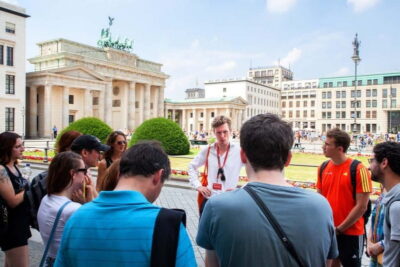 ★ 4.7History of the Third Reich Guided Walking TourFrom $30791 reviews
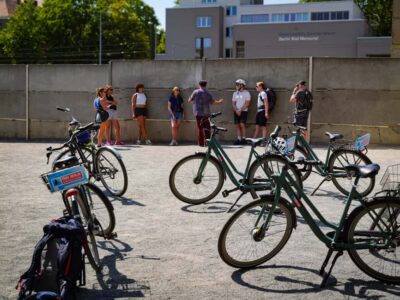 ★ 4.8The Wall and Third Reich Guided Bike TourFrom $41578 reviews
 ★ 4.8Hitler’s Germany: Berlin During the Third Reich & WWIIFrom $23476 reviews
Browse the lists this tour appears in