
REVIEW · TOURS
Queer Berlin Tour: Birthplace of LGTBQ Movements
Berlin has queer stories on every corner. On this 3-hour, small-group walk, I love how you connect street scenes to real people and real turning points in LGBTQ Berlin. You start in Schöneberg, follow the thread through landmarks like Unter den Linden and Alexanderplatz, and you get a licensed English guide keeping it factual, human, and easy to follow.
Two things I really like: first, the way the tour links culture to history, from Christopher Isherwood to the world-famous musical Cabaret and the nightlife energy of places like Chez Romy Haag. Second, the storytelling style—guides such as Dan or Justin (names you may hear from past tours) mix humor with sharp detail, and they help you make sense of what you’re seeing instead of just naming stops.
One consideration: it’s a walking tour, so plan on roughly three hours on your feet. Also, metro tickets aren’t included—the listed 24-hour ticket is 10 EUR—so factor transit into your budget and route, especially since the tour ends at Alexanderplatz.
In This Review
- Key takeaways before you go
- Why this Queer Berlin walk starts in Schöneberg
- Stop 1: Schöneberg’s gay ghetto, Cabaret links, and Chez Romy Haag
- Stop 2: Unter den Linden and how sexuality was disguised publicly
- Stop 3: Alexanderplatz and the cost of being LGBTQ in East Berlin
- The guides: humor, street-level storytelling, and a human pace
- Price and timing: what $156.53 for 3 hours really buys
- What to bring (and what to plan) for an easy day
- Should you book this Queer Berlin Tour
- FAQ
- How long is the Queer Berlin Tour?
- What time does the tour start, and where does it end?
- Where do I meet the guide?
- What’s included in the price?
- What is not included?
- Is the tour offered in English?
- How big is the group?
- Is there an admission fee for the stops?
- How far in advance should I book?
- What’s the cancellation policy?
Key takeaways before you go
- Small group size (max 10): you get a more conversational pace instead of a rushed line.
- Licensed English guide: clear explanations at each stop, with context you can actually use.
- Schöneberg to Cold War East Berlin: the route shows how LGBTQ life changes with politics and power.
- Cinema and real nightlife connections: you’ll hear how names like Christopher Isherwood connect to Cabaret.
- Stops are mostly “see-and-walk” sites: the itinerary lists free admissions for the scheduled stops.
- Ends at Alexanderplatz: convenient for transit, but plan your next move in advance.
Still narrowing down your days in Berlin? Here are more tours to weigh up.
- Berlin: Reichstag, Dome and Government District Guided Tour★ 4.7 · 18,288 reviews
- Berlin: 1-Hour City Tour by Boat with Guaranteed Seating★ 4.3 · 16,993 reviews
- Berlin: TV Tower Standard Entrance Ticket★ 4.4 · 15,883 reviews
- Berlin: Boat Tour Along the River Spree★ 4.4 · 11,252 reviews
Why this Queer Berlin walk starts in Schöneberg
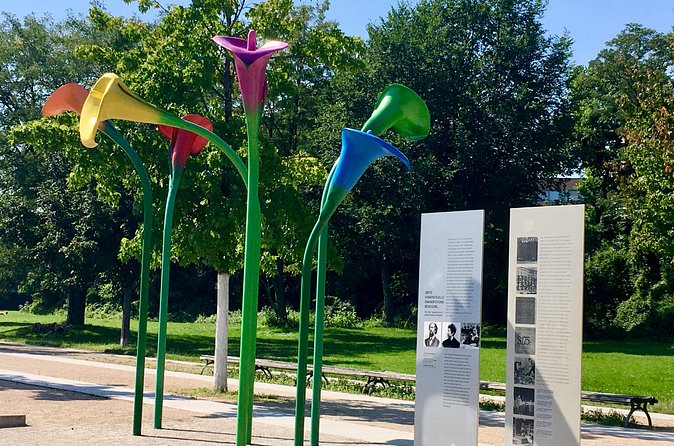
Schöneberg is where the tour finds its heartbeat. This is the neighborhood tied to one of the world’s first “gay ghettos,” and it matters because it’s not presented as a vague vibe. You get specific locations, specific time periods, and specific people—then you see how the neighborhood’s identity formed and reshaped itself across the 20th century.
Starting in the afternoon (the tour begins at 2:00 pm) also helps. By the time you’re walking, you can settle into the idea that Berlin is layered: Weimar-era stories are still present, even when the buildings look plain from the outside. It’s an efficient way to get orientation while learning.
One smart detail: the tour stays focused. Instead of trying to cover every page of LGBTQ history, it chooses chapters that connect. That’s why the itinerary feels like a storyline rather than a checklist.
Stop 1: Schöneberg’s gay ghetto, Cabaret links, and Chez Romy Haag
Schöneberg isn’t just a stop on a map. It’s the tour’s big scene-setting act, and it packs a lot into about 1 hour 30 minutes.
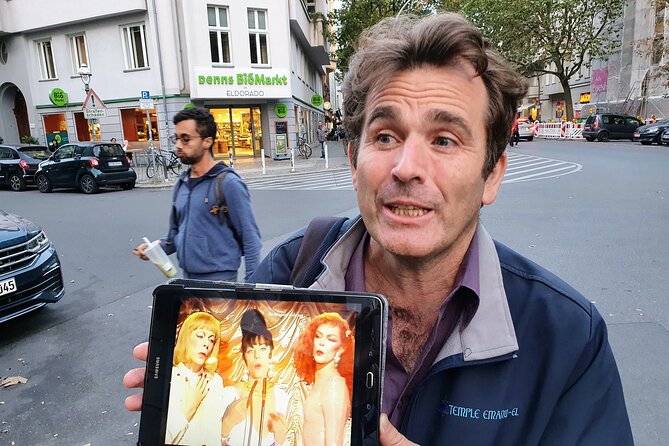
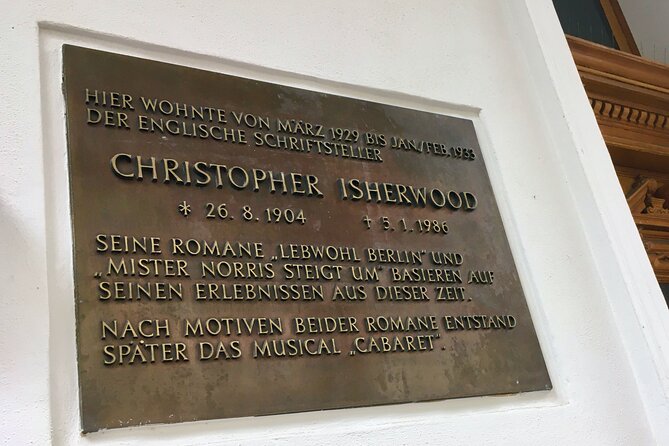
You’ll start by exploring the area’s early LGBTQ presence, including the neighborhood’s legendary lesbian bars. From there, you move into a more cinematic lane: you’ll see Christopher Isherwood’s former flat and learn how his Weimar-era adventures inspired Cabaret. If you’re a music-and-movies person, this section lands hard—because you’re not just hearing trivia. You’re walking through the same streets that fed the stories.
The tour keeps tightening the loop between art and real life. You’ll pass nightclubs linked to nightlife history, including a rent-boy dive that remains gay-run to this day. That kind of detail is why I like this tour: it gives you continuity. It also nudges you to notice what’s changed—and what quietly stayed the same.
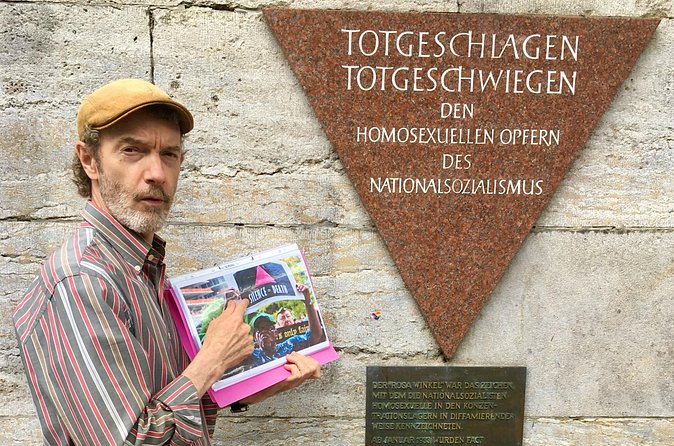
Then comes a more complicated and uncomfortable thread: outside El Dorado Cabaret, you’ll hear how Ernst Röhm—described as the openly gay head of the Sturmabteilung—fit into the Nazi power structure (often called the Nazi Brown Shirts). This is the point where Berlin’s story doesn’t feel neat, and it shouldn’t. The value here is that the guide doesn’t treat LGBTQ history as only uplifting. It shows you how power, danger, and sexuality could collide.
Finally, you pay homage to the post–WWII rebirth of Schöneberg as the gay-heart of the city, with a highlight on Chez Romy Haag, the iconic nightclub of the 70s. This is the part that makes the tour feel alive. You’re learning how spaces and communities rebuilt after catastrophe, and you can still connect that to modern Berlin nightlife.
Possible drawback at this stop: because it’s so dense, you’ll want to stay present. If you’re someone who photos nonstop, you might miss the transitions between eras. I’d treat Schöneberg like a museum without the indoor walls—listen first, snap second.
Stop 2: Unter den Linden and how sexuality was disguised publicly
After Schöneberg, the tour shifts to Unter den Linden, one of Berlin’s most historic boulevard corridors. This is about 45 minutes, and it changes the tone from nightlife energy to public history.
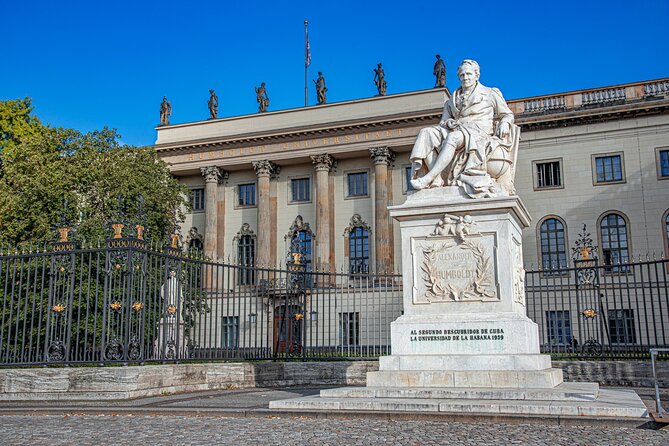
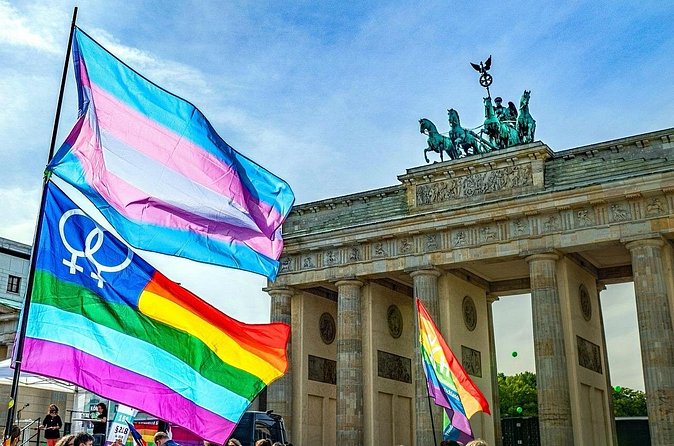
Here, the guide connects early queer figures to spaces that look official and grand. You’ll hear about early gay Berliners tied to the boulevard, including Prussian King Frederick the Great and explorer Alexander von Humboldt. The key theme isn’t gossip for gossip’s sake—it’s the reality that in their times, sexuality often had to be hidden, coded, or strategically disguised.
Why this stop is worth your attention: it forces you to notice that LGBTQ life wasn’t only happening in back rooms. In many eras, it also existed inside the structures of public power and intellectual fame—just under heavy social pressure. Unter den Linden becomes a reminder that the city’s most formal streets still held private lives.
A practical point: this is a great moment to ask questions, because the tour is still in “story mode” but less packed with name-dense nightlife detail. If you want the guide’s take on how historians read evidence, this is often where the conversation clicks.
Stop 3: Alexanderplatz and the cost of being LGBTQ in East Berlin
The last scheduled stop takes you to Alexanderplatz, the heart of Cold War East Berlin. This section is also about 45 minutes, and the tone shifts again—toward hardship and resilience.
The guide explains the suffering endured by gays and lesbians behind the Iron Curtain. I like how this is handled as an historical reality, not a vague statement. You’re looking at a major public space while learning how political systems shaped what could be lived openly—and what had to be hidden or endured.
Why the Alexanderplatz stop matters for value: East and West Berlin created different pressures and different rules. If you’ve only ever experienced Berlin as a modern travel destination, this stop gives you a grounding. It helps you understand why certain LGBTQ spaces and cultural patterns make sense in the way they do today.
Ending here is also convenient. The tour finishes at Alexanderplatz (10178), which is one of the most practical places to connect to transit. It’s not “end of the world” geography—it’s a logical place to transition back into normal travel plans.
Possible drawback at this stop: the subject can be emotionally heavy. If you prefer lighter pacing, you may want to manage your expectations going into this section. I found it made the earlier nightlife stories feel more meaningful, because you could see how different conditions shaped LGBTQ life over time.




The guides: humor, street-level storytelling, and a human pace
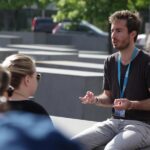
One reason this tour earns such strong ratings is the way the guide works the group. The experience is limited to a maximum of 10 travelers, which changes everything. You’re not lost behind a wave of people holding up phones. You actually hear explanations clearly, and it’s easier for the guide to adjust pacing based on questions.
From the guides’ style described in past outings, you can expect a professional-but-friendly tone. Dan and Justin have both been highlighted for being smart and entertaining, with humor that keeps it from feeling like a lecture. I also like that the storytelling has personality. The tour isn’t only dates and facts. It includes lived-in, city-wise context that helps you understand why these places mattered.
Another practical perk: after the tour, the guide provides extra help—answers to questions and suggested resources for what to explore next. That matters because LGBTQ Berlin history is broad, and one walking tour can’t cover everything. The goal is to leave you with next steps that match your interests, not just a memory of streets.
Price and timing: what $156.53 for 3 hours really buys
At $156.53 per person for about 3 hours, this isn’t the cheapest thing in Berlin. But it also isn’t trying to be a bargain basement “quick walk.” Here’s where the value shows up.
You’re paying for a licensed expert guide, a small group size (max 10), and a route that mixes nightlife history, literature, and political eras. That combination is hard to self-navigate well unless you already know where the key connections are—like the way Christopher Isherwood ties into Cabaret, or how Röhm fits into the Nazi power structure narrative.
There’s also a simple money saver: the itinerary lists admission ticket free for the scheduled stops. So you’re not budgeting for attraction entry fees on top of the tour cost.
Two timing tips based on how this tour typically gets booked:
- It’s commonly booked about 25 days in advance, so if you want a specific day, I’d reserve earlier rather than waiting.
- Starting at 2:00 pm means it fits nicely between a late lunch and your evening plans—especially if you end at Alexanderplatz, where you can keep moving without backtracking.
What to bring (and what to plan) for an easy day
Keep it simple. This is a walking tour, so wear comfortable shoes and dress for Berlin weather. Since the stops include streets and public areas, bring a light layer even if the forecast looks friendly.
You’ll also want to plan transit. Metro tickets aren’t included, and the listed 24-hour ticket is 10 EUR. If you’re doing other Berlin sightseeing after the tour, you might find bundling transit days useful. If you’re not, just make sure you’re not stranded at the end—because you do finish at Alexanderplatz.
Also note a couple small-but-helpful details:
- You’ll get a mobile ticket.
- The tour is offered in English.
- It’s near public transportation, including the meeting area, which should make arrival smoother.
Should you book this Queer Berlin Tour
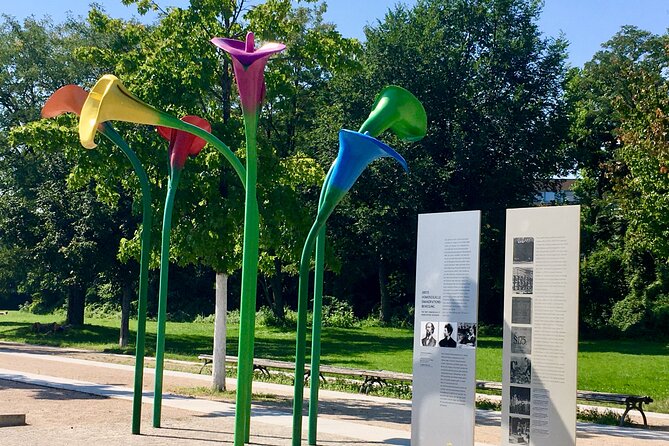
I’d book it if you want LGBTQ Berlin history in a format that feels human: short enough for energy, structured enough to make sense, and focused on real places tied to real turning points. If Schöneberg, Cabaret, and Cold War Berlin sound like your kind of mix, you’ll get a lot out of the route.
Skip it only if you want a very light, purely celebratory tour with no uncomfortable chapters. This one covers the harm and pressure, not just the parties. If you’re okay with that realism—and you’d like your Berlin more specific than generic—this tour is a strong match.
FAQ
How long is the Queer Berlin Tour?
It lasts about 3 hours.
What time does the tour start, and where does it end?
It starts at 2:00 pm and ends at Alexanderplatz.
Where do I meet the guide?
The meeting point is Impala Coffeeshop, Maaßenstraße 5, 10777 Berlin, Germany.
What’s included in the price?
The price includes an expert licensed guide.
What is not included?
You’ll need your own metro tickets. A 24-hour ticket is listed at 10 EUR.
Is the tour offered in English?
Yes, it’s offered in English.
How big is the group?
The tour has a maximum of 10 travelers.
Is there an admission fee for the stops?
The itinerary lists admission ticket free for the scheduled stops.
How far in advance should I book?
On average, it’s booked 25 days in advance.
What’s the cancellation policy?
Free cancellation is available up to 24 hours in advance for a full refund.
If you want, tell me your dates and what else you’re planning to do in Berlin, and I’ll suggest a simple order for the day around this 2:00 pm start.
More Tours in Berlin


More Tour Reviews in Berlin
Round out your days in Berlin
Tours, compared.
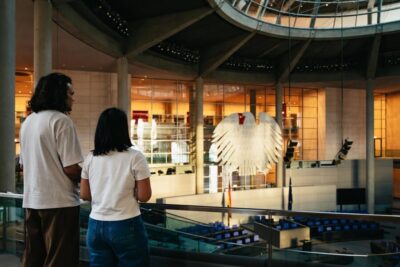 ★ 4.7Reichstag, Dome and Government District Guided TourFrom $1818,288 reviews
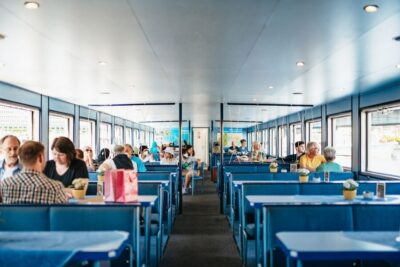 ★ 4.31-Hour City Tour by Boat with Guaranteed SeatingFrom $2516,993 reviews
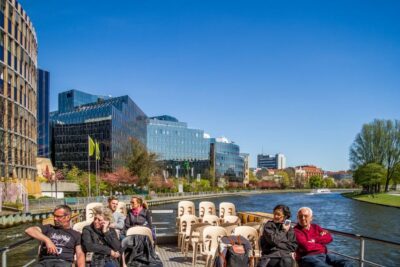 ★ 4.4Boat Tour Along the River SpreeFrom $3411,252 reviews
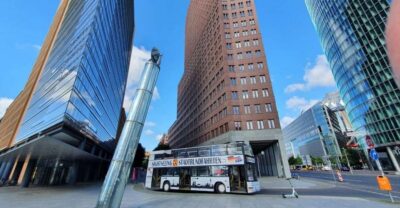 ★ 4.3Hop-on Hop-off Bus Tour with Live CommentaryFrom $228,579 reviews
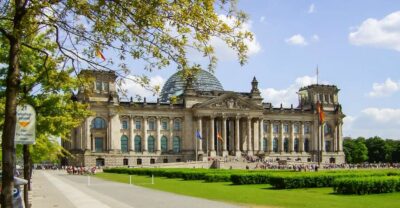 ★ 4.6Reichstag, Plenary Chamber, Cupola & Government TourFrom $188,422 reviews
 ★ 4.9Third Reich & Cold War Guided Walking TourFrom $238,378 reviews
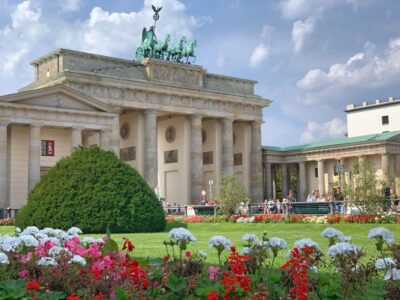 ★ 4.9Discover Berlin Walking TourFrom $235,998 reviews
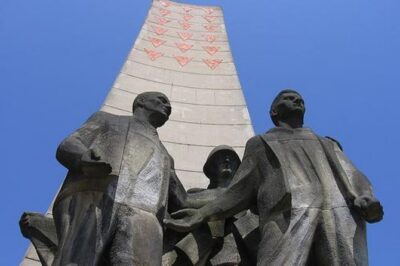 ★ 5.0Sachsenhausen Concentration Camp Tour in EnglishFrom $365,711 reviews