
REVIEW · TOURS
Rickshaw Tours Berlin – Groups of up to 16 people with several rickshaws
Berlin is better from low to the ground.
This rickshaw tour pairs iconic landmarks like the Brandenburg Gate and Reichstag with a very “Berlin pace” you feel in your legs and photos. I also love the mix of big symbolism and practical stops, like the Wall Memorial area and Checkpoint Charlie, where you get context fast. One thing to weigh: the experience quality depends heavily on the guide and timing, and there have been real no-show and pickup delays in past operations.
You’ll ride with a group of up to 16, often spread across several rickshaws, so you’ll move quickly but may not hear every detail if you’re not close to the guide. On the plus side, guides such as Leo and Hugo have been praised for turning landmarks into clear stories, with music used for atmosphere when it’s kept at a reasonable volume.
In This Review
- Key highlights to know before you book
- Why Berlin works from a rickshaw seat
- Brandenburg Gate to Reichstag: classic stone, brutal pivots
- The German Chancellery: architecture built for transparency
- Tiergarten Soviet War Memorial and the zoo history you can still enjoy
- Potsdamer Platz to Topography of Terror: modern reinvention and Nazi crime sites
- Wall-era Berlin: Berliner Mauer memorial to Checkpoint Charlie
- Gendarmenmarkt and German Cathedral area: squares with layered names
- Bebelplatz: the square where Nazi book burning happened
- Museum Island and Berliner Dom: Spree views and cathedral scale
- Lustgarten and Alexanderplatz: finishing with real everyday Berlin
- Price and logistics: where the value really comes from
- How guides can make or break the ride
- Who should book this rickshaw tour
- Should you book this Rickshaw Tour of Berlin?
- FAQ
- How much does the Berlin rickshaw tour cost?
- How long is the tour?
- How far in advance should I book?
- Is pickup available?
- What language is the tour offered in?
- Is WiFi available during the tour?
- Are tickets to entrances included?
- What’s included in the experience besides transportation?
- Are alcoholic beverages included?
- Is the tour affected by weather?
Key highlights to know before you book
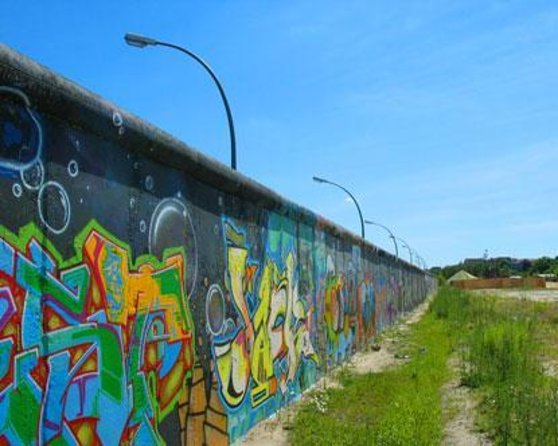
- Up to 16 people split across multiple rickshaws keeps the ride moving without long bus lines
- English-speaking guide and music on request can set the tone you want
- Photographer included means you won’t lose your best shots to fumbling with your phone
- Many major stops are free from the start (you’ll mostly view exteriors, not pay-to-enter buildings)
- Pickup within 2 km of Brandenburg Gate can save time if you’re staying nearby
- Cold weather can be a risk if your vehicle version uses e-assist, based on past battery-related cancellations
Still narrowing down your days in Berlin? Here are more tours to weigh up.
- Berlin: Reichstag, Dome and Government District Guided Tour★ 4.7 · 18,288 reviews
- Berlin: 1-Hour City Tour by Boat with Guaranteed Seating★ 4.3 · 16,993 reviews
- Berlin: TV Tower Standard Entrance Ticket★ 4.4 · 15,883 reviews
- Berlin: Boat Tour Along the River Spree★ 4.4 · 11,252 reviews
Why Berlin works from a rickshaw seat
Berlin has two speeds: the fast one you feel at major intersections, and the slow one you see once you get detail-level close. A rickshaw ride fits the fast speed without the stiffness of a bus tour. You sit lower, glide through streets, and your photos look less like postcards and more like you were right there.
I like that the tour includes WiFi on board, plus a photographer and music on request. That combination matters more than it sounds. It cuts down on logistics stress, and it gives you a “built-in” way to capture the day even if you’re traveling with kids, older relatives, or anyone who prefers not to walk much.
Still, keep expectations realistic. This is a city-coverage ride, not a museum-ticket tour. Some stops have admission options, but they’re not included, so you’ll be making choices on the fly if you want to go inside.
Brandenburg Gate to Reichstag: classic stone, brutal pivots
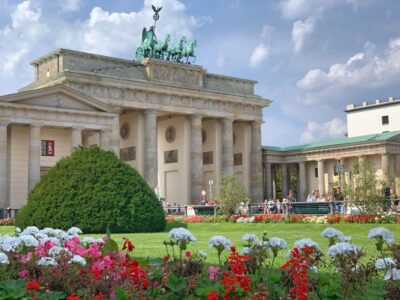
Your ride begins at Brandenburg Gate, the sandstone icon built from 1788 to 1791 under Carl Gotthard Langhans the Elder, inspired by the propylaea idea from Athens. This is the kind of building that looks symmetrical until you read the story behind it, including why King Friedrich Wilhelm II wanted it as the architectural end of Unter den Linden.
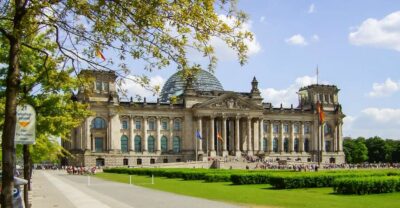
From there you head to the Reichstag/Bundestag area. This is where Germany’s 20th-century turns get hard and immediate: Philipp Scheidemann’s 1918 balcony declaration, the Reichstag fire on Feb 27, 1933, and the later Soviet symbolism in 1945 when soldiers raised a Soviet red flag. Even if you don’t go inside, the exterior context hits because the building has been through so much.
Practical consideration: the tour notes admission tickets aren’t included here. If you want an interior visit, you’ll need to plan separately, since this ride is designed for time on the streets and photo stops.
The German Chancellery: architecture built for transparency
Next comes the German Chancellery, a striking building that rises about 36 meters. The big idea is transparency and lightness: glass surfaces cut into heavy concrete pillars and a tall central volume that feels both official and surprisingly open.
What makes this stop worth your attention is that it’s visual storytelling. You can look at the design and understand why people associate this location with modern governance themes, without needing a long lecture. This also tends to be a quick photo stop, and that’s good if you’d rather spend your day moving.
Again, admission isn’t included, so this is primarily an exterior experience. If you’re the type who likes to go inside major government buildings, factor that into your overall Berlin plan.
Tiergarten Soviet War Memorial and the zoo history you can still enjoy

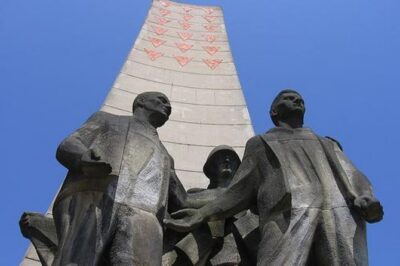
The ride then shifts to the Soviet War Memorial in Tiergarten, with two T 34 tanks and a bronze statue of a Red Army soldier. Names of fallen Soviet soldiers are listed on the pillars behind, and the rear includes graves of around 2,500 soldiers.
This part can feel emotionally heavy, but it’s not vague. It’s specific. The tanks and names make the memorial concrete, and the surrounding park gives it a place to breathe rather than a cold, isolated lot.
After that, the route incorporates a Tiergarten zoo history angle. The area began as a pleasure park from Elector Friedrich III in the late 1600s, later redesigned by Peter Joseph Lenné between 1833 and 1838, shaping it into an English-style public park. The tour also points out that the zoo is about far more than trees and paths, including monuments and memorials, plus an English garden created around a pond.
What I’d watch for: Tiergarten stops can eat time if you decide to wander. On a rickshaw tour, I suggest treating it like a quick orientation plus a few photos, and saving deeper wandering for a separate half-day.
Potsdamer Platz to Topography of Terror: modern reinvention and Nazi crime sites
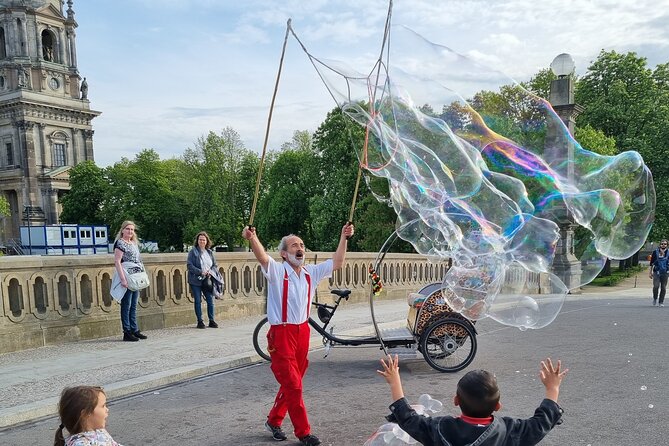
Then you reach Potsdamer Platz, a district designed as an entire neighborhood rather than a single landmark. The basic pitch here is simple: new buildings, cafes, cinemas, and shops that Berliners actually use, not just tourists pass through. The plan covered 6.8 hectares between Potsdamer Platz and Reichpietschufer, and the result is a place that feels like Berlin’s reset button.
From Potsdamer Platz, you’re taken to Topography of Terror, a free stop that became widely known by that name in 1987. This was a central planning and control location for Nazi crimes between 1933 and 1945, housing key Nazi terror institutions connected with the SS and police in the Secret State Police Office and the Reich Security Main Office.
This is one of the stops where quick viewing works if you’re open to learning as you go. If you want an extended, text-heavy visit, plan extra time separately. The tour’s strength is that it places you at the right location with context, then moves on.
Wall-era Berlin: Berliner Mauer memorial to Checkpoint Charlie
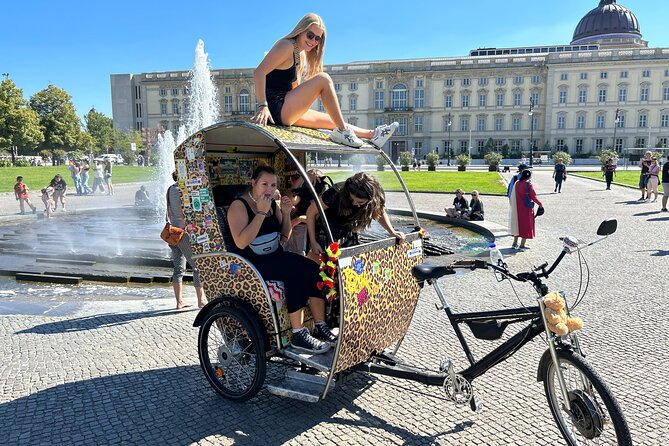
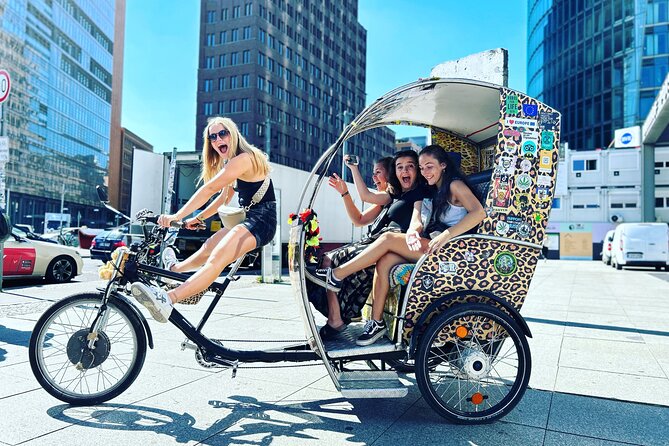
The itinerary continues into Gedenkstätte Berliner Mauer on Bernauer Straße, the area tied to tragic escape attempts. People in East Berlin sometimes threw themselves from windows toward the West side after the Wall cut their lives apart. The memorial opened in 1998 on August 13 at the corner of Ackerstrasse, and it marks the boundary between Wedding (West) and Mitte (East).
Then you roll to Checkpoint Charlie, once the best-known border crossing during Berlin’s division. The tour frames how it worked for foreigners and specific representatives, and it also nods to the other border control points controlled by Americans and elsewhere (Checkpoint Alpha at Helmstedt-Marienborn and Checkpoint Bravo at Dreilinden-Drewitz).
If you’re short on time, this sequence is a smart combo: the Wall memorial sets the emotional geography, while Checkpoint Charlie helps you connect that geography to the Cold War system. Both are free from the start as listed in the tour details.
Gendarmenmarkt and German Cathedral area: squares with layered names
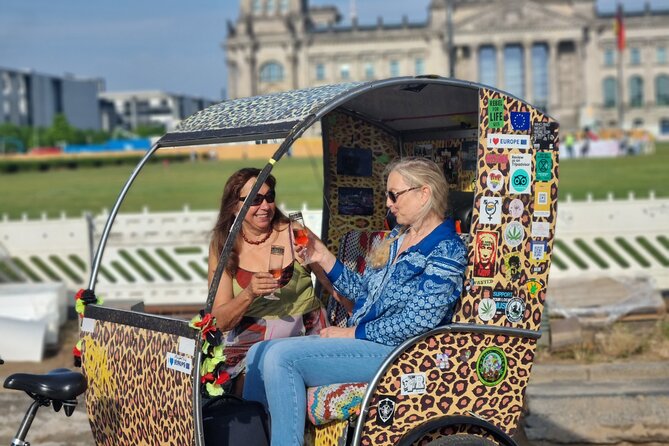
Next up is Friedrichstraße as a north-south axis, then you land in the world of Gendarmenmarkt, a square created in the late 1600s. The tour also gives you a neat thread through time: French Huguenots settled here, and the square’s name changed over centuries until it became Gendarmenmarkt in 1799, linked to the Gens d’armes guard regiment.
A few key stops sit right in this area:
- Deutscher Dom (German Cathedral) with a permanent exhibition about Germany’s path toward liberal parliamentary democracy across five floors, with admission not included
- Konzerthaus by Karl Friedrich Schinkel, a classicist masterpiece and a major music venue, with admission not included
This cluster is great for quick orientation because you can stand in one place and feel how Berlin layers roles: religion, governance, theater, and civic identity. If you’re not entering museums or venues, it’s still a strong visual stop.
Bebelplatz: the square where Nazi book burning happened
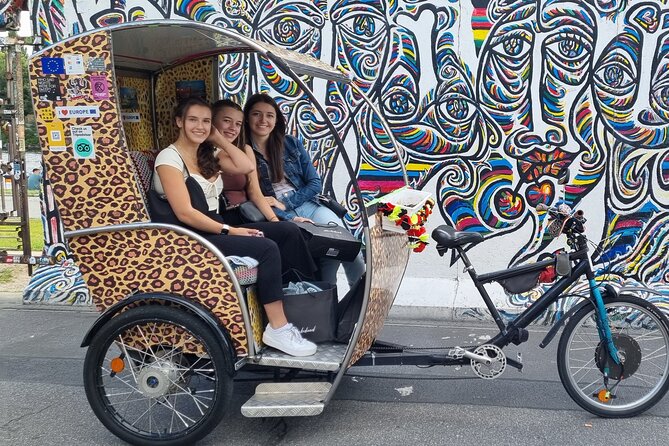
From there you reach Bebelplatz, a memorial in the museum center of Berlin. Here, the Nazis burned books on May 10, 1933, with the event described as over 20,000 books destroyed. The tour also names some authors and idea groups targeted as non-German spirit.
This is not a long stop by design. But it’s memorable because it’s specific, and the building blocks are right in the open square. If you like your history with clear dates, this one works.
Museum Island and Berliner Dom: Spree views and cathedral scale
The route then reaches Museum Island, between the Spree and Kupfergraben, with buildings housing archaeological collections and 19th-century art. It mentions the start point of the ensemble tied to completion of the Old Museum built based on Schinkel’s plans.
Then comes Berliner Dom, the big cathedral with the striking dome. The tour notes the practical highlight: climb the dome for an exciting view over the Spree, Lustgarten, and Museum Island. Tickets aren’t included, so if you want the climb, plan for extra costs and time.
If you do just the exterior, you’ll still get the main payoff: Berlin’s scale. The domed skyline and the river views are hard to replicate later in your trip unless you schedule it.
Lustgarten and Alexanderplatz: finishing with real everyday Berlin
After the cathedral area, you visit Lustgarten, the pleasure garden tied historically to the city palace zone, with double rows of linden trees and a red granite bowl. In summer, the tour notes visitors relax on the lawns and use the fountain.
This is a good reset after heavier memorial stops. It also gives you a moment where Berlin looks like it does for locals: slow breaks and photos without the museum feel.
Finally, the ride lands at Alexanderplatz, one of Berlin’s liveliest squares with different eras visible in the same space: 1920s energy, GDR-era influence, and today’s mix. The tour specifically points to the Berlin TV tower, the world clock, and the fountain of friendship between peoples as highlights.
This ending is practical. It’s easy to keep moving from there—food, shopping, or just hopping back onto public transport.
Price and logistics: where the value really comes from
The price is listed at $53.10 per person, with 1 to 4 hours depending on the version you take. That wide time window matters: a short option is great for covering the big sights fast, while the longer one gives you breathing room for photos and tighter pacing between landmarks.
Most of the listed stops are free to view from the outside as indicated (Tiergarten memorial, Potsdamer Platz, Topography of Terror area, Wall memorial, Checkpoint Charlie, Gendarmenmarkt, Bebelplatz, Lustgarten, Alexanderplatz). A handful of stops note admission tickets aren’t included (Reichstag/Bundestag, German Chancellery, Gropius Bau, Deutscher Dom, Konzerthaus, Museum Island sights, Berliner Dom). So you should treat this as a guided sightseeing ride first, and a ticket-based museum day second.
Also note: alcoholic beverages aren’t included, so if you’re planning to buy anything, budget for it separately.
A quick value tip: if you’re the kind of person who wants to go inside places like the dome or specific exhibitions, consider pairing the rickshaw tour with a timed ticket for one site afterward. You’ll get both the orientation and the deep experience.
How guides can make or break the ride
This is where the past experience stories really matter. The standout praise points to guides who turned the day into a fun, story-driven ride. Names that come up include Leo and Hugo, and also mention of Ufuk Ayik for accommodating a tough situation and keeping things tactful.
The best runs share a theme: they manage the pace. They ask what you want to see, then adjust. They also keep time for photos instead of rushing past every landmark like a checklist.
The risks you should plan around are also real:
- Music volume: one guide reportedly used a speaker behind the rickshaw in a way that drowned out the guide’s speech until asked to turn it down
- Comfort and seating: some parties ended up crammed into fewer rickshaws than ideal
- Driving safety and comfort: at least one review flagged rough driving after an accident with another vehicle
- No-show and pickup issues: there are multiple incidents where the operator didn’t show up or pickup was late, including cases where communication failed
What I’d do if you book:
- Meet early and give yourself a buffer in front of the Brandenburg Gate start point.
- If pickup applies, double-check your exact meeting spot since pickup is only stated within 2 km of Brandenburg Gate.
- Use the guide’s option for music to set the vibe, but ask for lower volume if you need clear explanations.
- If you have mobility or comfort needs, confirm seating and rickshaw count before you roll.
Who should book this rickshaw tour
You’ll likely love this tour if you:
- want a fast, guided orientation across big Berlin areas in one go
- prefer less walking but still want meaningful landmark context
- travel with kids, older adults, or anyone who gets tired on long city days
- care about photo stops and not just buses-and-stops sightseeing
It’s less ideal if you:
- want a full inside-the-building museum day
- hate any chance of sound playing from onboard speakers
- are extremely dependent on tight timing, because no-show and pickup problems have appeared in past operations
Should you book this Rickshaw Tour of Berlin?
I’d book it if your goal is maximum Berlin in limited time, and you’re okay treating ticketed interiors as optional upgrades. The route hits the big hitters: Brandenburg Gate, Reichstag area context, Wall-era Berlin, Checkpoint Charlie, Bebelplatz, and the cathedral and river views.
I wouldn’t book it blindly if your schedule is fragile. Berlin has enough backup plans that you can still enjoy the day without the ride, but you should protect yourself with buffer time and clear expectations.
If you want the smoothest experience, pick a day with good weather, travel light, and bring your patience for a city day that’s meant to move.
FAQ
How much does the Berlin rickshaw tour cost?
The price is listed as $53.10 per person.
How long is the tour?
Duration is listed as 1 to 4 hours (approx.).
How far in advance should I book?
The tour is described as being booked on average 34 days in advance.
Is pickup available?
Yes. Pickup is included within a radius of 2 km from the Brandenburg Gate. More than 2 km has an added 10€ per km charge.
What language is the tour offered in?
The tour is offered in English.
Is WiFi available during the tour?
Yes, WiFi on board is included.
Are tickets to entrances included?
No. Some stops list admission tickets not included, while others are listed as admission ticket free. The specifics vary by stop.
What’s included in the experience besides transportation?
Included items are WiFi on board, private transportation, music on request, a photographer, and a tour guide.
Are alcoholic beverages included?
No, alcoholic beverages are not included.
Is the tour affected by weather?
Yes. The experience requires good weather. If it’s canceled due to poor weather, you’ll be offered a different date or a full refund. Free cancellation is also listed.
More Tours in Berlin


More Tour Reviews in Berlin
Round out your days in Berlin
Tours, compared.
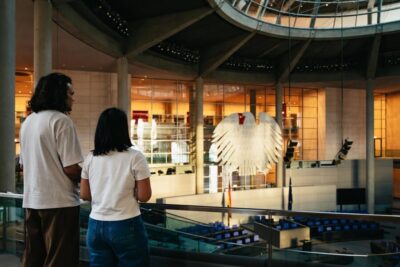 ★ 4.7Reichstag, Dome and Government District Guided TourFrom $1818,288 reviews
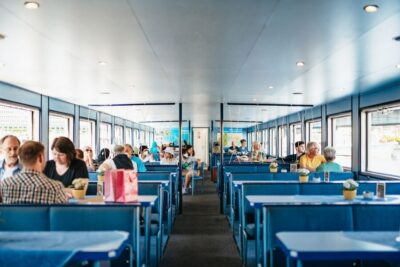 ★ 4.31-Hour City Tour by Boat with Guaranteed SeatingFrom $2516,993 reviews
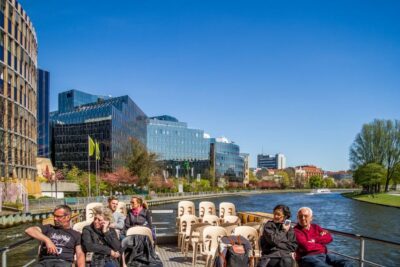 ★ 4.4Boat Tour Along the River SpreeFrom $3411,252 reviews
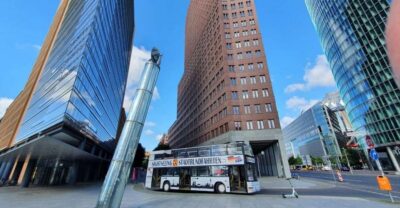 ★ 4.3Hop-on Hop-off Bus Tour with Live CommentaryFrom $228,579 reviews
 ★ 4.6Reichstag, Plenary Chamber, Cupola & Government TourFrom $188,422 reviews
 ★ 4.9Third Reich & Cold War Guided Walking TourFrom $238,378 reviews
 ★ 4.9Discover Berlin Walking TourFrom $235,998 reviews
 ★ 5.0Sachsenhausen Concentration Camp Tour in EnglishFrom $365,711 reviews