
REVIEW · 2-HOUR EXPERIENCES
Berlin: Backyards of Berlin 2-Hour Tour
Courtyards in Berlin feel like secret rooms. This 2-hour walk through Hackesche Höfe and the Spandauer Vorstadt turns quiet courtyards into a story about design, neighborhoods, and Jewish history. I really liked the witty, info-packed guide and the chance to see behind facades instead of just passing by. One heads-up: the full sweep of courtyards can feel like more time than you want if you prefer shorter stops and fewer side detours.
You’ll start at Hackesche Höfe and move through places like Sophienstraße and Oranienburger Straße with a live guide in English or German. If you have specific interests (Jewish history, urban planning, or city history), you can request that focus in advance. The pacing is solid, but cold weather can make you want to speed up—so come dressed for outside time.
In This Review
- Quick courtyards-to-know before you go
- Where Berlin’s Courtyard System Tells the Real City Story
- Meeting Point at Hackesche Höfe: Start Where the Courtyards Begin
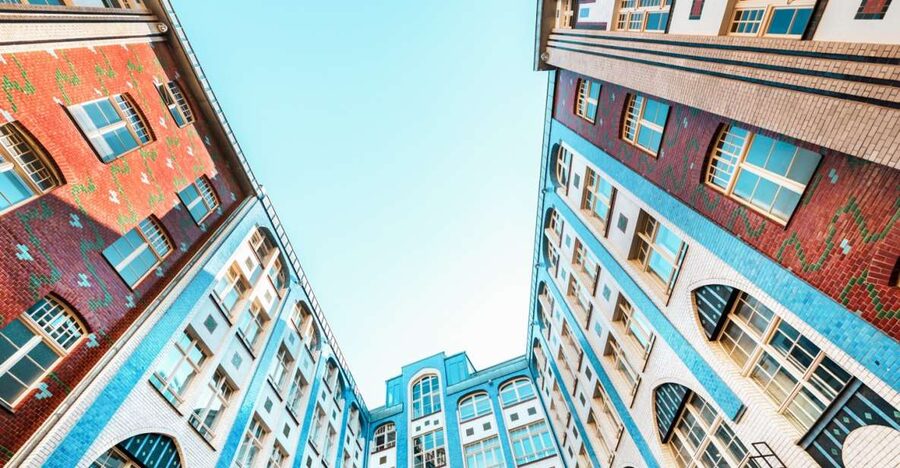
- Hackesche Höfe and Sophienstraße: Renewal That Didn’t Wipe Out the Past
- Courtyard stops you can expect
- Große Hamburger Straße and the Road of Tolerance
- A key historical thread: Jewish life and the early cemetery
- Oranienburger Straße: New Synagogue Area and Postfuhramt Details
- Heckmann Höfe: The Courtyard Finish That Makes the Walk Stick
- Jewish History and Urban Planning, Without the Lecture Feeling
- Price and Value: What $21 Gets You in Two Hours
- Who This Tour Suits Best (and Who Might Want Something Shorter)
- Should You Book the Berlin Backyards Tour?
- FAQ
- What is the duration of the Berlin Backyards of Berlin tour?
- Where do I meet the guide?
- How much does the tour cost?
- What language is the live guide available in?
- Is hotel pickup or drop-off included?
- Are food and drink included?
- Is the tour a private walking tour?
- Can I arrange a focus on Jewish history or urban planning?
Quick courtyards-to-know before you go
- Hackesche Höfe first courtyard: clear, central starting point with the tour already in motion
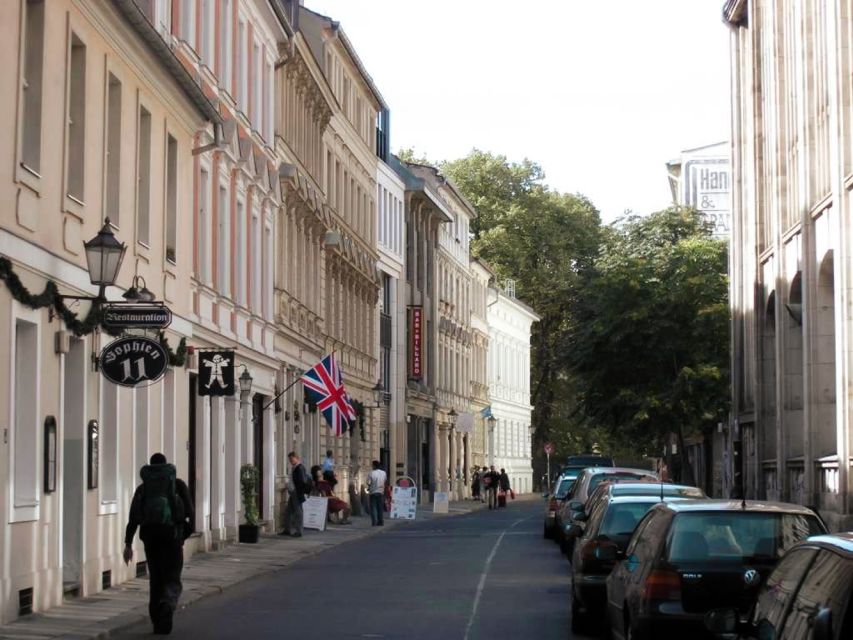
- Sophienstraße’s street life: a close look at how a neighborhood stays alive across decades
- Große Hamburger Straße’s road of tolerance: multiple faiths and institutions sharing the same block history
- Oranienburger Straße landmarks: the New Synagogue area and the nearby Postfuhramt in context
- Heckmann Höfe: a strong finish with one of the neighborhood’s most interesting back courtyards
More Berlin tours to line up side by side
- Berlin’s Best: 2 Hour Walking Tour Third Reich and the Cold War★ 5.0 · 5,486 reviews
- Berlin: 2-Hour Lake Oberhavel Cruise from Tegel★ 4.4 · 577 reviews
- Berlin 2-Hour Segway Tour★ 4.6 · 238 reviews
- East Berlin and the Berlin Wall 2-Hour Walking Tour★ 5.0 · 228 reviews
Where Berlin’s Courtyard System Tells the Real City Story
Berlin does facades well. But the best part is what happens after the doors close. That’s what makes this tour click: you’re walking through courtyards that were built for everyday life, then watching how those spaces shifted when history hit hard and the neighborhood later got renewed.
You’ll spend the time you would normally waste on rushing photos between major streets—then you’ll actually understand why these places look the way they do. In this area, the architecture isn’t just pretty. It’s evidence of how Berlin tried to house people, manage public life, and—over time—absorb major social change.
What I like most is that the walk doesn’t treat the courtyards as disconnected. You go from Hackesche Höfe into nearby streets and institutions, and the guide keeps tying the physical space to the historical events that shaped this part of town.
Meeting Point at Hackesche Höfe: Start Where the Courtyards Begin
You meet at Hackesche Höfe, first courtyard, at the Cash counter of Chamäleon. That matters more than it sounds. Hackesche Höfe is a maze if you arrive confused, and you’ll feel a lot more confident when you know the exact first courtyard and the recognizable storefront reference.
From there, the tour is built like a guided sequence of “look here, then step through.” You’ll move between streets and courtyards without the dead time that often happens on self-guided courtyard hunts. It’s also a big plus that it’s a private walking tour with a live guide—so if something doesn’t make sense, you can ask as you go.
Language is English and German, so you can choose the tour that fits your comfort level.
Hackesche Höfe and Sophienstraße: Renewal That Didn’t Wipe Out the Past
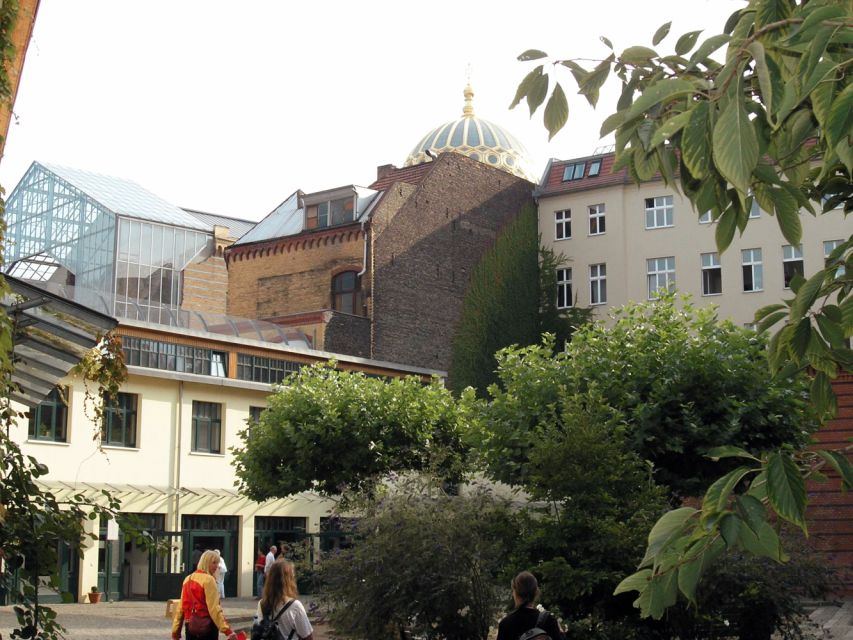
The opening stretch sets your expectations. You’ll explore Hackesche Höfe and get background on the unusual fate of this revitalized district—meaning it’s not a museum idea of history. It’s history still living in the same streets and courtyards.
From there, the walk shifts to Sophienstraße, where the tour emphasizes the multicultural, colorful life of the neighborhood. That’s one of the practical points of this tour: you’re not only learning about buildings. You’re learning how people actually use space—shops, associations, and the kind of mixed street scene that makes a district feel current, not frozen.
Courtyard stops you can expect
- You’ll take a look into the courtyard of the artisan association. This is the kind of place you’d miss without a guide because the real action often sits behind the main street frontage.
- You’ll also visit the Sophie-Gips-Höfe, which helps you see how the courtyard system creates small pockets of activity while still keeping streets calm.
The overall takeaway is that these courtyards weren’t created for tourists. They’re part of how Berlin organizes real city life.




Große Hamburger Straße and the Road of Tolerance
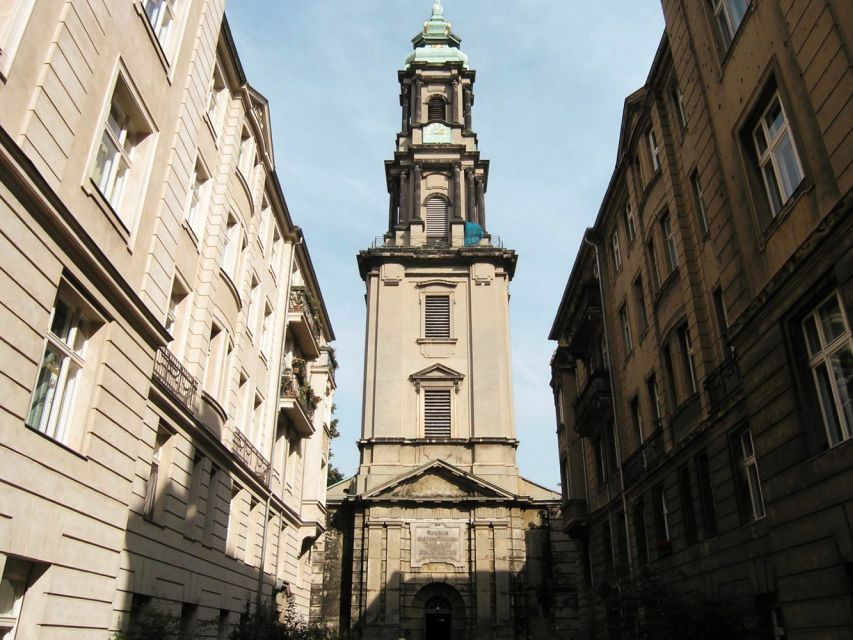
Next comes one of the tour’s strongest themes: Große Hamburger Straße as a kind of “road of tolerance.” The guide frames it as a street where different communities and institutions existed close enough to share space—yet each with their own story.
You’ll get a behind-the-scenes look at a major Catholic institution along the way, and you’ll also have views of the most important Baroque church in the city (the tour focuses on what makes it architecturally and historically significant, and how that presence shaped the area).
This part is worth paying attention to even if your history knowledge is basic. It’s easy to think Berlin’s religious history is only about famous monuments. Here, you see how institutions shape everyday neighborhoods—what people could access, where communities gathered, and how the area evolved around those anchor points.
A key historical thread: Jewish life and the early cemetery
The tour then connects the street view to a deeper subject: the fate of the Jewish community in Berlin and the mention of its first cemetery. Even without huge dramatic set pieces, this matters because it places Jewish history into the map of the district—so it doesn’t feel like an isolated topic.
If Jewish history is one of your main reasons for booking, this is the segment where you’ll get the most direct context. If it’s not your top interest, you’ll still come away with a clearer sense of why this neighborhood is historically loaded.
Oranienburger Straße: New Synagogue Area and Postfuhramt Details
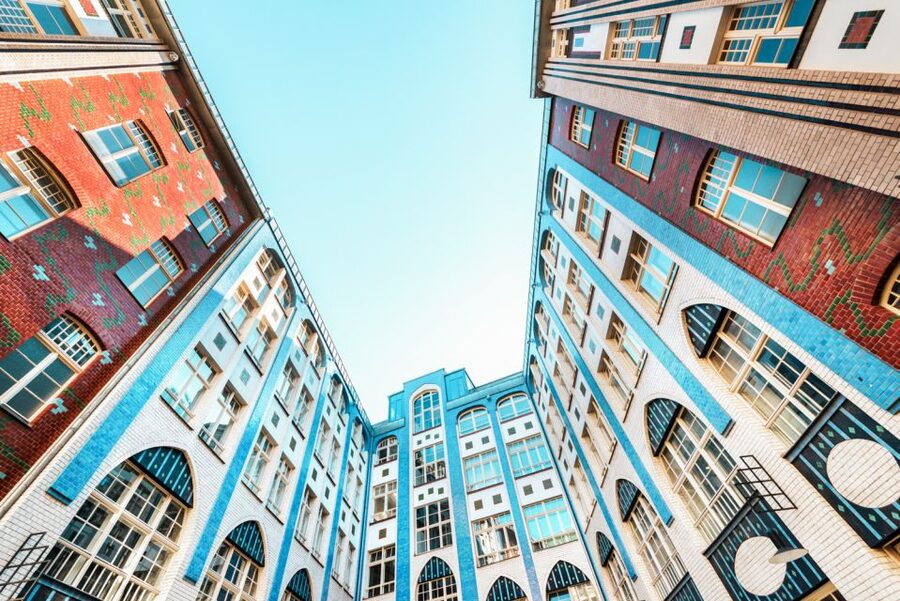
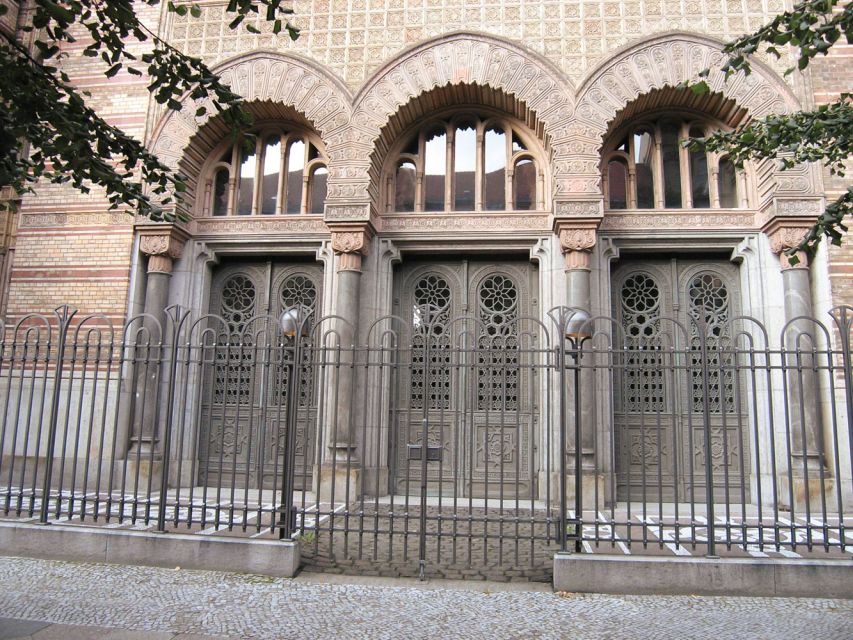
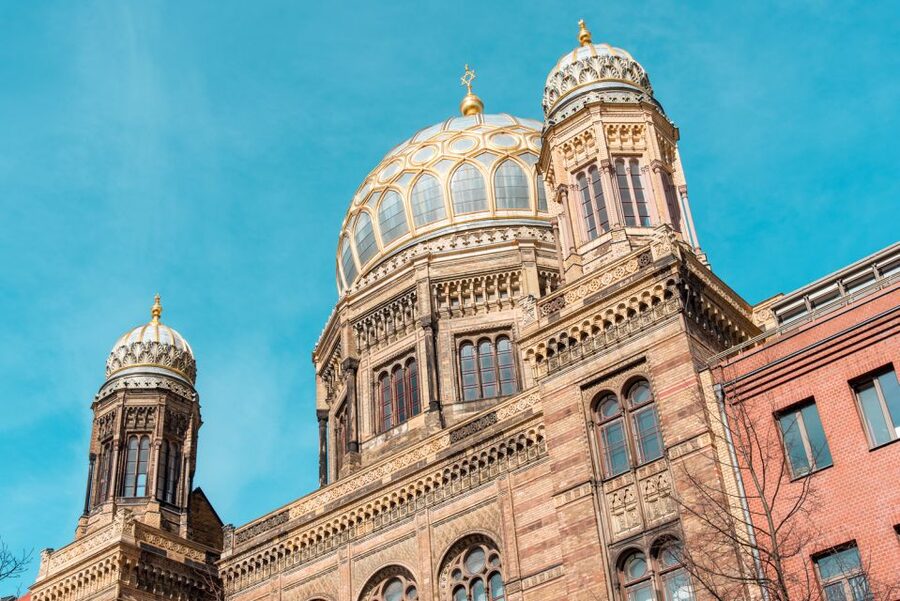
Oranienburger Straße is where the tour really leans into landmarks. You’ll learn about the imposing New Synagogue and how it connects to the neighborhood’s broader history. The guide also points you toward the adjacent Postfuhramt, helping you understand the area as more than a single famous building.
This is where you’ll appreciate the tour’s format. Courtyards are the “stage,” but streets carry the larger narrative. Oranienburger Straße shows how the city’s identity lives in more than one layer—religious architecture, community history, and administrative life all side by side.
For me, the practical value is this: after the walk, you won’t just remember that there’s a synagogue in the area. You’ll understand why the surrounding buildings and street context matter.
Heckmann Höfe: The Courtyard Finish That Makes the Walk Stick
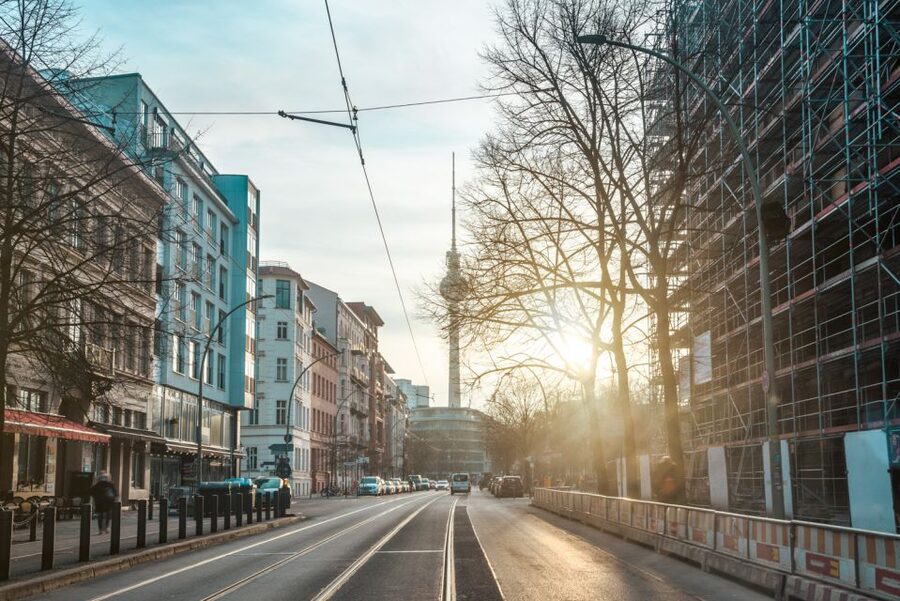
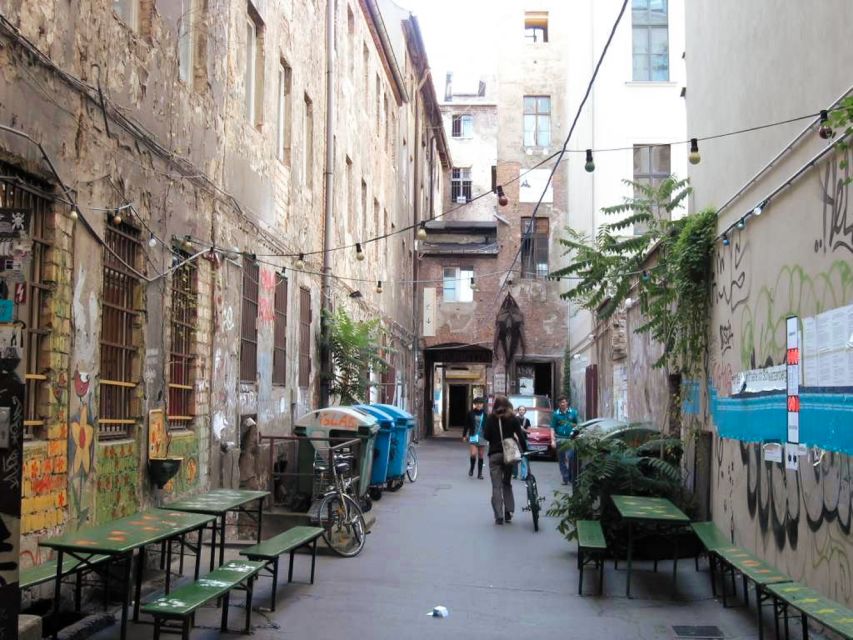
At the end, you’ll look into Heckmann Höfe, described as one of the neighborhood’s most interesting back courtyards.
This last stop is important because it gives your brain a simple “payoff image.” You’ve been learning about urban planning, institutions, and changing communities. Now you see a courtyard where those forces become physical—how light falls, how the street-to-courtyard relationship works, and how a shared space stays usable over time.
If you’ve been taking photos, this is the moment to slow down. Heckmann Höfe is the kind of place where you can spend a little extra time just orienting yourself—what faces what, where people would move, and what it means that the best city views are often inside the block.
Jewish History and Urban Planning, Without the Lecture Feeling
A lot of history tours get stuck in either facts-only talking or “vibes-only” storytelling. This one tries to stay practical: it explains why these spaces existed and what changed.
Two specific things stand out from the way the tour is presented:
- The guide’s style is described as witty and engaging, which keeps the walk from dragging even when you’re exposed to cold.
- The tour feels planned so you always know where you are and why you’re stopping—so the courtyards don’t feel random.
You’ll come away with a better sense of Berlin’s approach to city design: courtyards are not leftovers. They’re tools for organizing privacy, access, commerce, and community space within dense urban neighborhoods.
If you want a tailored version, the operator notes that special interests like Jewish history, urban planning, and city history can be arranged in advance. That’s a smart move if you’re traveling with someone who wants the story focused.
Price and Value: What $21 Gets You in Two Hours
At $21 per person for a 2-hour private walking tour, this is priced like a classic city-history experience: you’re paying mainly for the live guide time and the curated sequence of courtyard stops.
Where the value shows up:
- You’re not spending that time wandering and guessing at courtyards on your own.
- You get context for the places that are easy to misunderstand when you only see the street-facing facade.
- You get history that ties directly to the geometry of the neighborhood, not just dates and names.
Where you might question the value:
- If you’re the type who only wants a couple courtyard photos and zero deeper context, you may feel 2 hours is more than you asked for. One piece of practical advice: in cold weather, choose warm clothes and consider arriving with realistic expectations. This tour works best when you’re okay standing outside a bit.
Who This Tour Suits Best (and Who Might Want Something Shorter)
This tour is a great fit if you:
- Like Berlin history that connects buildings to real community life
- Want Jewish history and the district’s story explained in context
- Enjoy walking tours that treat architecture as a clue, not just a backdrop
- Prefer a guide who answers questions and keeps things moving
It may be less ideal if you:
- Want a super short “quick hits” walk
- Strongly prefer browsing for individual shops instead of focusing on the courtyard-and-history structure
- Get impatient when a route includes multiple courtyards and institutions in one block
If you’re traveling with a group and someone is more interested in photos than facts, I’d suggest making sure your group is aligned on what you want from the experience.
Should You Book the Berlin Backyards Tour?
I’d book it if you want Berlin’s history to feel tangible. This is one of those experiences where courtyards do more than decorate your camera roll—they explain how the city works, how communities formed, and how the neighborhood’s identity changed over time.
I’d hesitate if you’re time-crunched and only want the lightest possible version of courtyard sightseeing. Two hours is enough to learn a lot, but it’s also enough to feel long if your expectations are purely casual.
If you do book, come dressed for the weather and go in curious. The tour’s best moments are the ones where the guide helps you see what you’d otherwise walk past without understanding.
FAQ
What is the duration of the Berlin Backyards of Berlin tour?
It lasts 2 hours.
Where do I meet the guide?
You meet at Hackesche Höfe, first courtyard, at the Cash counter of Chamäleon.
How much does the tour cost?
The price is $21 per person.
What language is the live guide available in?
The guide is available in English and German.
Is hotel pickup or drop-off included?
No, hotel pickup and drop-off are not included.
Are food and drink included?
No, food and drink are not included.
Is the tour a private walking tour?
Yes, it’s a private walking tour with a tour guide.
Can I arrange a focus on Jewish history or urban planning?
Yes. Special interests like Jewish history, urban planning, and city history can be arranged with the tour operator in advance.
More 2-Hour Experiences in Berlin






More Tours in Berlin


More Tour Reviews in Berlin
Round out your days in Berlin
2-Hour Experiences, compared.
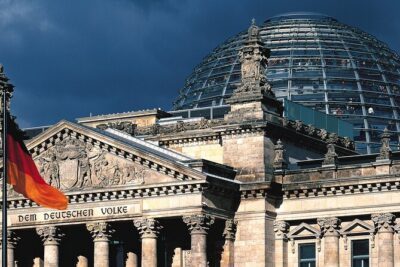 ★ 5.0Berlin’s Best: 2 Hour Walking Tour Third Reich and the Cold WarFrom $245,486 reviews
 ★ 4.42-Hour Lake Oberhavel Cruise from TegelFrom $22577 reviews
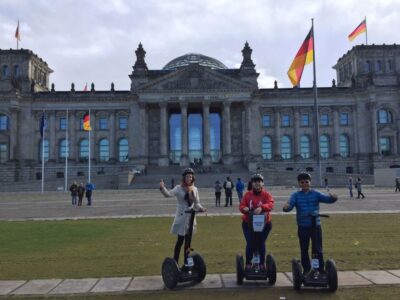 ★ 4.6Berlin 2-Hour Segway TourFrom $69238 reviews
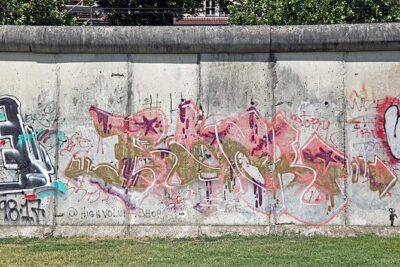 ★ 5.0East Berlin and the Berlin Wall 2-Hour Walking TourFrom $21228 reviews
 ★ 4.52-Hour Premium Segway TourFrom $69185 reviews
 ★ 5.02-Hour Segway Discovery Tour BerlinFrom $83154 reviews
 ★ 4.5Berlin Small Group Segway Adventure: Explore in 2 Hours!From $84140 reviews
 ★ 5.0Berlin Highlights in 2 Hours: Express Walking TourFrom $21120 reviews
Browse the lists this tour appears in