
REVIEW · BERLIN HIGHLIGHTS & HIDDEN GEMS
Berlin Highlights in 2 Hours: Express Walking Tour
Berlin in two hours? Yes, and it matters. I love how this express route hits the major landmarks fast and how the guides make the story feel clear, not like memorizing dates. I also like the small-group pace for a route that covers heavy subjects. One drawback: at this speed, you won’t get long, quiet time at every memorial or building.
This is a history-watcher’s shortcut. You get an English-speaking guide, a mobile ticket, and a route designed for real viewing time outdoors instead of waiting around. With a maximum of 25 people, it stays manageable, and it’s near public transportation if you want to hop on and off the route area easily.
You start in Pariser Platz and end at Checkpoint Charlie, so you’re walking through the heart of central Berlin while Berlin’s 20th-century history unfolds around you. The whole tour runs about two hours, with roughly ten minutes at each stop—enough to orient you and set you up to explore more on your own afterward.
In This Review
- Key things that make this tour worth your time
- Why this 2-hour Berlin “highlights” walk is a smart use of time
- Start at Pariser Platz 1: Brandenburg Gate and the feeling of Berlin’s public memory
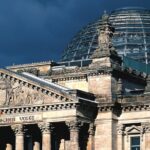
- The Reichstag Building: from parliamentary ambition to modern Germany
- Sinti and Roma Memorial: remembering victims beyond the headline story
- The Holocaust Memorial: walking the concrete slabs and confronting scale
- Fuhrerbunker and the final days of WWII
- Aviation Ministry of Berlin: Nazi-era power architecture, repurposed over time
- Niederkirchnerstraße: a preserved slice of the Berlin Wall and escape stories
- Topography of Terror: where SS, Gestapo, and SD once operated
- Checkpoint Charlie: espionage, escape attempts, and the end of the loop
- Guide quality: the real reason people rave about this route
- Practical notes that affect your day
- So should you book it
- FAQ
- How long is the Berlin Highlights in 2 Hours express walking tour?
- What does the tour cost?
- Where does the tour start and end?
- Is the tour offered in English?
- Do I need to buy separate tickets for the stops?
- What is the cancellation policy?
Key things that make this tour worth your time
- Big Berlin set pieces in one tight loop: Brandenburg Gate, Reichstag, Holocaust Memorial, Fuhrerbunker, Berlin Wall segment, and Checkpoint Charlie
- Free entry at the stops listed: each stop is marked ticket-free, so you’re not adding museum costs on top
- Guides who connect places to events: names like Ryan, Gregor, Dylan, and Giles show up in the lead lineup, with a focus on clear explanations and answering questions
- A pace that works for mixed ages: the walking tempo is described as appropriate even for groups ranging from younger adults to seniors
- You leave with a map in your head: you get the sequence of events from Cold War divisions through WWII atrocities and postwar remembrance
The big Berlin sights, and a few quieter corners
- Berlin: Discover Berlin Walking Tour★ 4.9 · 5,998 reviews
- Berlin: Hidden Backyards Guided Walking Tour★ 4.8 · 5,360 reviews
- Explore Berlin: See All The Iconic Sights & Some Hidden Gems★ 5.0 · 4,429 reviews
- Berlin: Sights and Highlights Bike Tour with a Local Guide★ 4.8 · 2,698 reviews
Why this 2-hour Berlin “highlights” walk is a smart use of time
If your Berlin days are packed, this kind of tour can be a win. Two hours sounds short until you realize what you’re getting: a guided path through the city’s most important WWII and Cold War markers, all within central Berlin. Instead of scattering your time across multiple tickets and museum hours, you get the core storyline first.
The value is also in the “no extra entry fee” setup at the stops. Even when the sites are moving and sometimes uncomfortable, you’re not being nickel-and-dimed to step into something else. For about $21.77, you’re paying for interpretation—someone pointing out what matters and why.
The pace is brisk on purpose. That’s great if you want to get your bearings fast and then choose your own next step. If you’re the type who needs long pauses to absorb what you’re seeing, plan to return later to any site that grabs you.
Start at Pariser Platz 1: Brandenburg Gate and the feeling of Berlin’s public memory
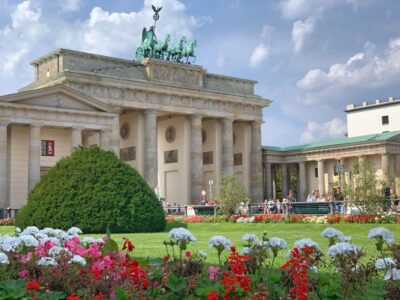
You meet at Pariser Platz 1 and begin right where Berlin likes to stage its big symbols. The first stop is the Brandenburg Gate, introduced as a symbol of unity and peace. From there, you stroll through Pariser Platz, framed by neoclassical architecture that helps the area feel formal and ceremonial rather than random.
This first segment matters because it sets the tone. The gate looks like a monument to stability, but your guide quickly frames how Berlin’s story is anything but simple. By the time you reach the next stops, you’ll have that contrast in your head: a city that performs unity while living through rupture.
A small practical plus: this is an easy opener for first-timers. You don’t need background knowledge to enjoy the setting, and the route starts with a landmark most people instantly recognize.
The Reichstag Building: from parliamentary ambition to modern Germany

Next comes the Reichstag Building, the iconic home of Germany’s parliament. You walk toward it and hear about its history stretching from the Weimar Republic to the present. The key idea here is that this building isn’t just architecture—it’s a stage that reflects political shifts over time.
What I like about this stop on an express tour is how it acts like a hinge. You’re leaving the symbolic “unity” feeling behind and shifting toward the political machinery that shaped the rest of the 20th century. Even if you’ve seen photos before, the guide’s framing helps you read the place differently.
One caution: exterior viewing is limited by the urban setting and the timebox. It’s enough to understand the story, not enough to satisfy someone hoping for deep architectural detailing or long inspection.
Sinti and Roma Memorial: remembering victims beyond the headline story
From the political center, you move toward the Memorial to the Sinti and Roma Victims of National Socialism. This stop focuses on a group that suffered horrific persecution, and the memorial is positioned as a tribute to the thousands who were harmed during the Holocaust.
This is one of those places where the tour’s structure can help you. A ten-minute stop forces you to pay attention to the essentials: what is being remembered, and why that act of remembering matters. If you’ve only heard the broadest versions of WWII history, this is an important course correction.
The drawback is the same as with all heavy memorial stops on a time-limited itinerary: you might want longer. If you feel that, it’s a good sign—you’ll likely want to come back later and spend more time with what stays with you.
More of Berlin on foot


The Holocaust Memorial: walking the concrete slabs and confronting scale
Now you head to the Memorial to the Murdered Jews of Europe. This site is described as haunting and powerful, and your guide leads you through the labyrinth of concrete slabs. The effect is physical: walking through it changes how you experience space, and it can make the scale of what happened feel harder to minimize.
On an express tour, you won’t get the luxury of lingering endlessly. But you do get something crucial: a guided moment of focus. Your guide’s job is to help you understand the memorial’s purpose, not just point out what it looks like.
If you’re sensitive to emotionally difficult places, plan your day accordingly. This stop can hit hard. The upside is that you’ll understand why the route is placing it where it is, within the larger story arc from Nazi power through remembrance.
Fuhrerbunker and the final days of WWII
Next up: Fuhrerbunker, presented as the place where your guide discusses Hitler’s final days and Hitler’s suicide on April 30, 1945. Standing there is not about drama for drama’s sake. It’s about giving the story a concrete ending point—when WWII’s end came with horror, collapse, and refusal to accept defeat.
This stop helps link the earlier Holocaust remembrance to the broader machinery of the war. The memorials keep the focus on victims; the bunker stop gives you the perspective of decision-making at the top and the endgame that followed.
Still, ten minutes is ten minutes. If you came to Berlin hoping to trace the story down to every last detail of the bunker period, you’ll need additional reading or a longer visit somewhere else later.
Aviation Ministry of Berlin: Nazi-era power architecture, repurposed over time
Then comes a standout structure: the Aviation Ministry of Berlin, described as the former Reich Air Ministry and Luftwaffe headquarters. The guide also explains how the same building later served the East German government and is now home to the Federal Ministry of Finance.
That “used again, rebranded, repurposed” pattern is a big theme in Berlin. It’s also why this stop works well on an express tour. Instead of only talking about what happened in the moment, you see how history keeps clinging to the built environment.
You’ll likely appreciate this stop most if you enjoy architecture that carries political weight. It’s presented as a key moment for understanding Germany’s political past and how architectural legacy survives into modern governance.
Niederkirchnerstraße: a preserved slice of the Berlin Wall and escape stories
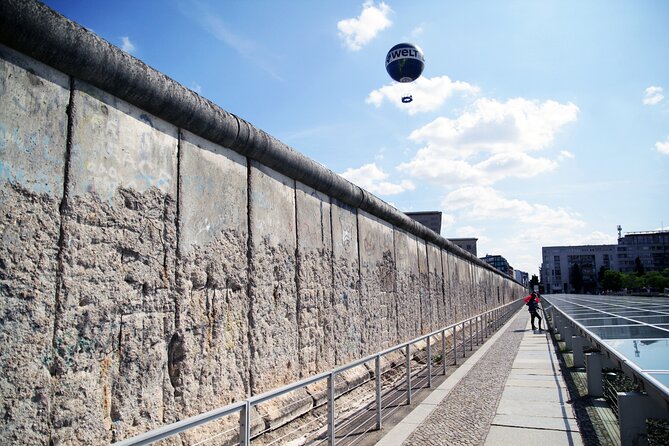
Now the route shifts into division and survival, walking to Niederkirchnerstraße. Here you see a large preserved section of the Berlin Wall, and you hear gripping stories of daring escape attempts—including both successful escapes and tragic failures.
This stop gives you something different from the WWII-focused sections. It’s the Cold War story told through daily life and the risks people took. The guide’s framing includes what life was like in divided Berlin on both East and West sides, which helps the Wall feel like more than a photo-op fence.
One more good reason this fits the express format: even a short visit makes you want to picture regular routines—walking to work, making plans, hoping for information. That’s what turns a monument into lived history.
Topography of Terror: where SS, Gestapo, and SD once operated
From the Wall segment, you head to Topography of Terror, the historic site where the SS, Gestapo, and SD had headquarters in Nazi Germany. Today, it houses the Topography of Terror exhibition, described as offering powerful insights into the atrocities committed during WWII.
If your brain wants connections—who did what, where, and how power worked—this stop helps organize the chaos. The place name alone signals why it’s being included right after the memorials and Nazi-era architecture: it’s part of the “systems” side of history, not just events.
Ten minutes can only scratch the surface of any exhibition site. But as part of a two-hour highlights route, it works as a turning point: you understand why the exhibit exists and what it is trying to prove.
Checkpoint Charlie: espionage, escape attempts, and the end of the loop
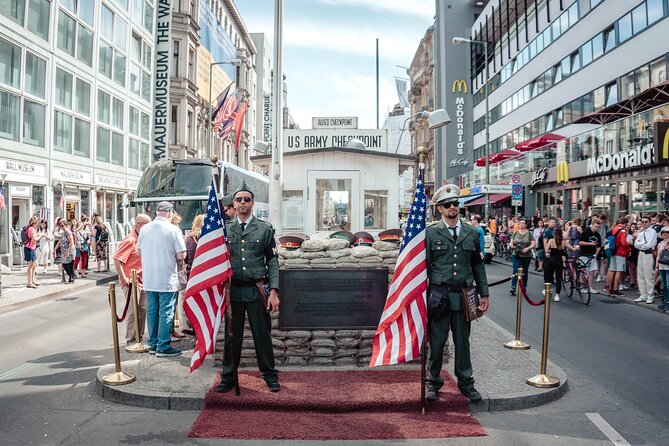
The tour wraps at Checkpoint Charlie, a famous border crossing point during the Cold War. The guide shares tales of espionage and escape attempts, and it’s a strong way to finish because it’s a place people associate with the era—even if they don’t know the details.
This ending also helps you with post-tour planning. Once you leave Checkpoint Charlie, you’ll have a clearer sense of what to look for around you: border infrastructure, the drama of negotiation, and the constant tension of espionage.
And because the tour ends near the area everyone recognizes, it’s convenient to keep exploring on your own afterward.
Guide quality: the real reason people rave about this route
The structure is excellent, but the guide is the difference between a list of places and a story you can keep. The feedback you’ll want to listen for in this tour category is the same pattern that shows up here: guides explain clearly, keep things interesting, and answer questions without sounding like a script.
You may meet guides such as Ryan, Gregor, Dylan, or Giles. Across the names, the common praise is about communication and making meaning out of what you’re seeing—especially on an express route where there’s no time to wander without purpose.
Pacing also seems to be handled with care. One guide is specifically noted for a walking pace that works for a mixed group from 20s to 70s. That matters when you’re trying to cover nine stops without turning the walk into a sprint.
Practical notes that affect your day
This tour is built for people who want coverage without committing half a day. It runs about two hours and keeps you moving, with around ten minutes at each stop. That time structure is ideal for first-timers or anyone building an itinerary around museums later.
Group size is capped at 25, and the experience is offered in English. You’ll also get a mobile ticket, and service animals are allowed. Since it’s near public transportation, you can fit it into a day even if you’re bouncing between other parts of the city.
One more planning point: it’s commonly booked about 12 days in advance, so if you’re traveling in busy periods, don’t wait until the last minute.
So should you book it
Book this tour if:
- You want an organized overview of Berlin’s WWII-to-Cold-War story without spending hours between stops.
- You like guided context at major landmarks, especially when time is tight.
- You’re comfortable with sensitive, heavy sites and want a clear explanation rather than silence.
Skip it or plan something different if:
- You need long, unhurried time at memorials or buildings and don’t like time limits.
- You’re the type who prefers deep museum time over outdoor orientation.
If you’re torn, I’d treat this as your “set the frame” tour. After two hours, you’ll know where to focus next—whether that means returning to a memorial, spending more time around the Wall, or pairing the route with whatever museum visit fits your interests.
FAQ
How long is the Berlin Highlights in 2 Hours express walking tour?
It lasts about 2 hours.
What does the tour cost?
The price is $21.77 per person.
Where does the tour start and end?
It starts at Pariser Platz 1, 10117 Berlin and ends at Checkpoint Charlie (Friedrichstraße 43-45, 10117 Berlin).
Is the tour offered in English?
Yes, it is offered in English.
Do I need to buy separate tickets for the stops?
The stops listed are marked with admission ticket free.
What is the cancellation policy?
You can cancel for a full refund up to 24 hours before the experience starts. If you cancel within 24 hours, the amount paid is not refunded.
More Tours in Berlin





More Tour Reviews in Berlin

Berlin's Icons and Its Quiet Corners

Round out your days in Berlin

Berlin Highlights & Hidden Gems, compared.
 ★ 4.9Discover Berlin Walking TourFrom $235,998 reviews
 ★ 4.8Hidden Backyards Guided Walking TourFrom $235,360 reviews
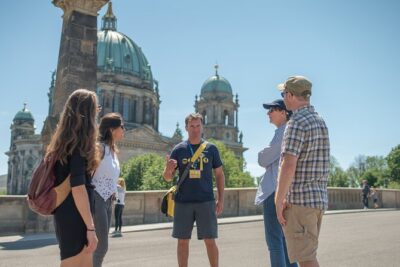 ★ 5.0Explore Berlin: See All The Iconic Sights & Some Hidden GemsFrom $244,429 reviews
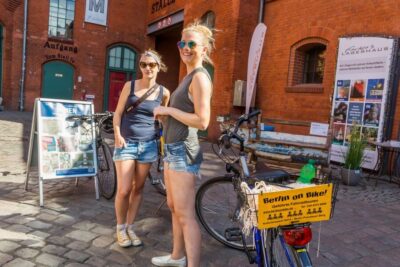 ★ 4.8Sights and Highlights Bike Tour with a Local GuideFrom $412,698 reviews
★ 4.9Explore Berlin: See All The Iconic Sights & Some Hidden GemsFrom $182,018 reviews
★ 4.8Sights and Highlights Bike Tour with a Local GuideFrom $412,698 reviews
★ 4.9Explore Berlin: See All The Iconic Sights & Some Hidden GemsFrom $182,018 reviews
 ★ 5.0Berlin Highlights 3-Hour Bike TourFrom $42948 reviews
★ 4.9Berlin Highlights: 3-Hour Bike TourFrom $37809 reviews
★ 5.0Berlin Highlights 3-Hour Bike TourFrom $42948 reviews
★ 4.9Berlin Highlights: 3-Hour Bike TourFrom $37809 reviews
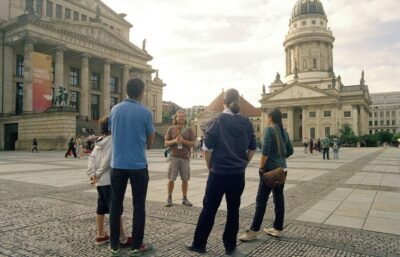 ★ 4.9Berlin Historical Highlights Walking TourFrom $389657 reviews
Browse the lists this tour appears in