
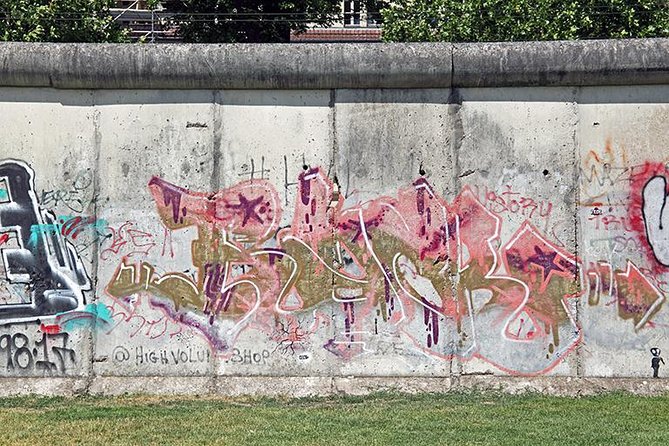
REVIEW · BERLIN WALL & COLD WAR
East Berlin and the Berlin Wall 2-Hour Walking Tour
Two hours from fear to freedom. This East Berlin tour makes the Cold War feel real, with Berlin Wall memorial moments you can actually touch and guide-led context on the Stasi and how control worked. I love the emotional weight of seeing the preserved Wall section, and I also like how the guide ties big events to what life felt like day to day in East Berlin. One possible drawback: if your tolerance for tight station moments is low, be alert—one past guide handling a transit step less smoothly showed how timing matters on a walking tour.
You’ll start near Hackescher Markt and work your way through the Wall’s story in the exact geography Berlin itself still shows: border crossing sites, the Wall memorial area, the place where the Wall fell, and then the institutions that made escape so hard. It’s a short walk, but it covers a lot of ground—enough to give you the big picture without turning into a lecture.
The tour is 2 hours, runs in all weather, and is led in English by a professional guide (with a small group size capped at 20). You’ll use a mobile ticket, and since the Berlin TV tower entrance isn’t included, you can decide on the spot if you want that extra add-on.
In This Review
- Key things that make this tour worth your time
- East Berlin, Told Through the Wall’s Real Geography
- Starting Near Hackescher Markt: Getting the Cold War Frame Fast
- Friedrichstraße and the Palace of Tears: Where Families Said Goodbye
- The Berlin Wall Memorial: Preserved Wall Section and a View of the Death Strip
- Chapel of Reconciliation and the Watchtower Relics: Small Stops, Big Meaning
- Bornholmer Straße: The Night the Wall Came Down
- Stasi Headquarters: From Borders to Surveillance
- Alexanderplatz Finish: Seeing East Berlin’s Center Again
- Price and Value: Does $21.78 Make Sense for Two Hours?
- Guide Quality Is the Difference Maker Here
- Practical Tips for Walking This Tour Comfortably
- Should You Book This East Berlin and Berlin Wall Tour?
- FAQ
- How long is the East Berlin and Berlin Wall walking tour?
- Where does the tour start?
- Where does the tour end?
- Is the tour offered in English?
- What is included in the ticket price?
- Are admission tickets included for all stops?
- Do I need a public transport ticket?
- How large is the group?
Key things that make this tour worth your time
- Touch the Wall remains: a rare, hands-on way to make the Wall more than a photo
- See the Death Strip from a bird’s-eye viewpoint: the guide helps you picture the lethal distance
- Bornholmer Straße and the fall on Nov 9, 1989: you get the story behind the sudden collapse
- Stasi headquarters focus: you’ll connect spying, fear, and daily life—not just politics
- Finish at Alexanderplatz: you end right in the center of former East Berlin culture and landmarks
More of the Wall and the divided city
- Berlin’s Best: 2 Hour Walking Tour Third Reich and the Cold War★ 5.0 · 5,486 reviews
- Skip-the-Line: Berlin Wall Museum at Checkpoint Charlie★ 4.1 · 2,041 reviews
- Berlin: East Side Gallery Spree Cruise in a Solar Catamaran★ 4.1 · 1,086 reviews
- Cold War, Berlin Wall, Spies and the East Side Gallery★ 5.0 · 1,024 reviews
East Berlin, Told Through the Wall’s Real Geography
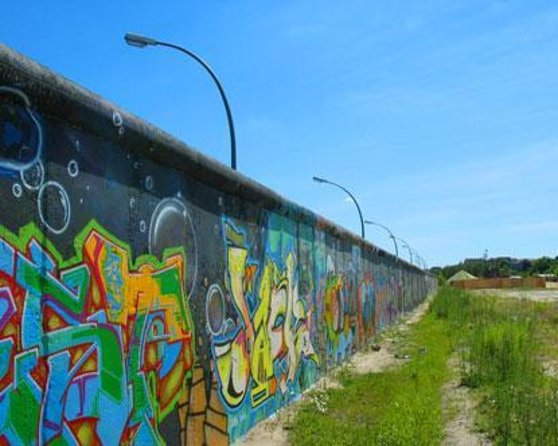
What makes this tour work is that it follows the city layout like a map of power. Berlin isn’t one museum building. It’s streets, stations, and corners that still explain how the Cold War was enforced.
You’ll start in East Berlin and move through key Cold War locations in a planned sequence: the border-crossing context in central areas, then the Wall memorial and the lethal logic behind it, then the 1989 turning point, and finally the state machinery—the Stasi—that kept people in line. That last part matters because the Wall is only one layer. The other layer was surveillance and fear, backed by an entire system.
If you want one practical outcome from this trip, it’s this: by the end, you’ll understand how a city splits, and then how that split collapses. And you’ll understand it without needing to read a book first.
Starting Near Hackescher Markt: Getting the Cold War Frame Fast
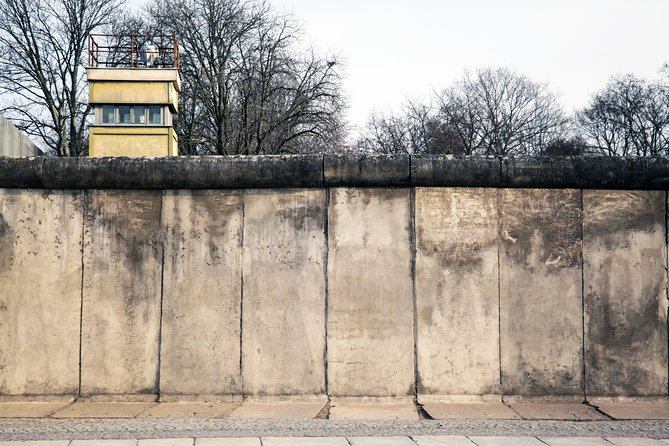
Your tour begins at the meeting point at Neue Promenade 3 (right in central Berlin), and the walk officially starts next to Hackescher Markt train station in East Berlin.
This first stretch is all about setting the mental camera to the right level. Your guide kicks things off with the big questions that explain Berlin’s role in the Cold War: how the U.S. and USSR tensions created pressure, how Berlin got stuck in the middle, and how military pressure turned into a physical split you could walk up to.
Why I like this start: it doesn’t throw you straight at sad photos. It helps you understand why Berlin became a frontline city, and why the Wall wasn’t just a wall—it was enforcement.
Practical tip: since you’re starting near a major station, arrive a little early. Stations make it easy to lose track of where your group is gathering.
Friedrichstraße and the Palace of Tears: Where Families Said Goodbye
Next you move to Friedrichstraße, a central artery of the Friedrichstadt neighborhood. Even if you’ve strolled Berlin before, this part of the city feels different because your guide frames it as a corridor for movement, control, and separation.
The key stop here is the former border crossing station known in Berlin slang as the Palace of Tears. This is where East Germans said goodbye to family members and visitors going back to West Germany.
That detail changes how you look at the architecture. You stop thinking of it as a shopping and culture street and start seeing it as a place designed to regulate movement between two systems. And that’s exactly what you want from a Wall tour: not just landmarks, but how people experienced the transition from one world to the other.
If you’re the type who likes a clear emotional thread, this is where your guide starts sewing one together.
The Berlin Wall Memorial: Preserved Wall Section and a View of the Death Strip
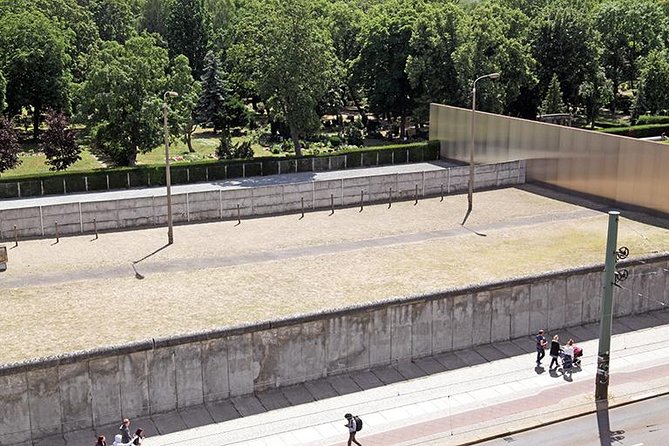
After Friedrichstraße, you reach the Berlin Wall Memorial (Gedenkstätte Berliner Mauer), where you’ll see a section preserved in its original state. This stop is the heart of the physical Wall experience, and it’s also where the emotional impact lands hardest.
You’ll also get a unique opportunity tied to the Wall itself: the chance to touch the remains of the Berlin Wall. That’s the kind of moment that doesn’t stay abstract. It turns the Wall from a concept into something real and tactile.
Another standout part of this area is the birds-eye view explanation of the Death Strip—where East Germany’s shoot-to-kill orders were carried out for would-be escapees. You’re not just learning the words. Your guide helps you visualize why this zone existed and how it worked on the ground.
One thing to consider: this is heavy. If you prefer light sightseeing, you’ll still get a guide-led story and context, but you’ll also be standing in places tied to lethal enforcement.
More of Berlin on foot




Chapel of Reconciliation and the Watchtower Relics: Small Stops, Big Meaning
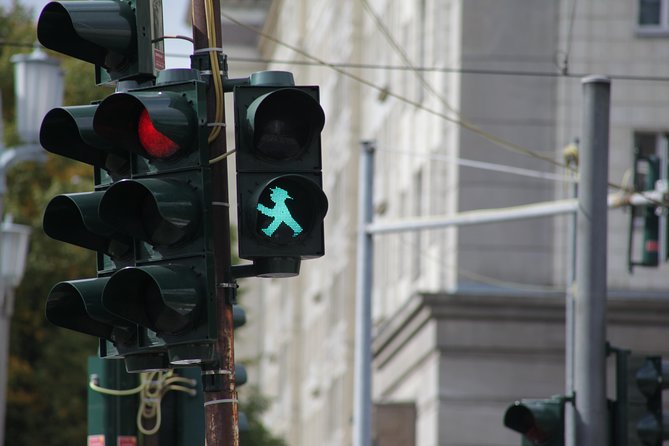
Between the Wall Memorial and the next major location, you’ll pass through smaller, specific sites that add layers to the main story.
You’ll visit the Chapel of Reconciliation (Kapelle der Versöhnung). It’s a place of worship in Berlin, and your guide explains the history of the site. This stop often helps people digest the heavier parts of the walk—because it shifts from pure enforcement toward meaning, memory, and human response.
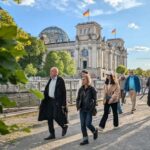
Then comes the GDR Watch Tower area. The watchtower is described as the oldest relic of the Berlin Wall. Even if the tower itself isn’t towering by today’s skyline standards, the point is what it represents: a watch function designed to prevent escape, backed by the wider system that made movement dangerous.
These stops are short, but they’re the kind of details that separate a thoughtful tour from a checklist.
Bornholmer Straße: The Night the Wall Came Down
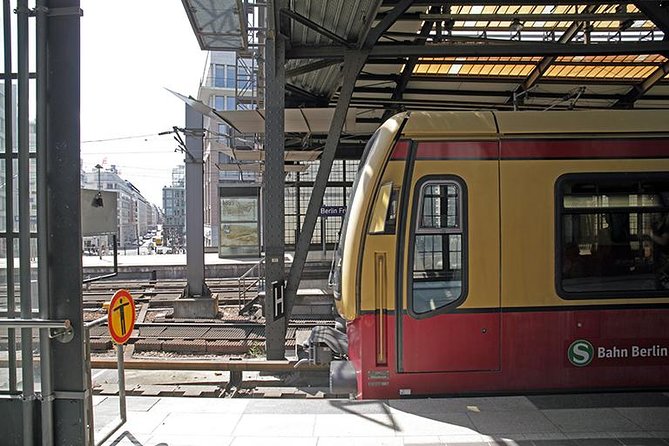
Next you head north to Bornholmer Straße, where the Wall came down on November 9, 1989.
What makes this stop hit is the story your guide tells about how it happened. Instead of presenting the fall as some clean, inevitable movie moment, you’ll hear the unlikely tale of how a mistake by an East German politician contributed to the Wall’s collapse.
That angle matters. It explains why history sometimes turns on human decisions and miscommunication—not just on big superpower plans.
For me, this is the pivot point of the whole walk. You go from a world built to stop people to the moment that barrier suddenly failed. And your guide keeps that contrast clear as you move.
Stasi Headquarters: From Borders to Surveillance
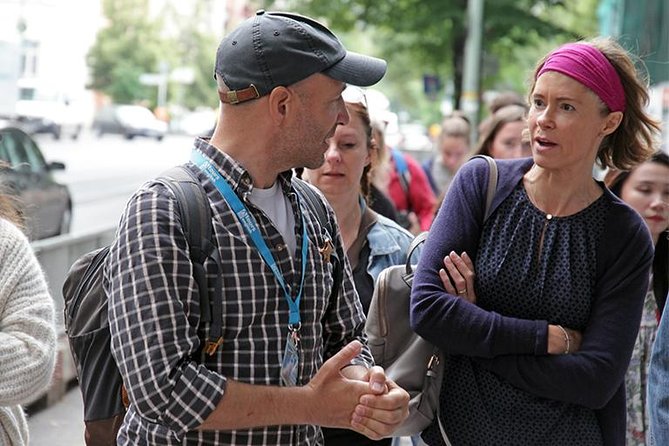
After Bornholmer Straße, you go deeper into East Berlin and land at the headquarters of the Stasi, the secret police.
This is where the tour expands from physical separation to psychological control. Your guide explains how the East German state increasingly spied upon its own people, creating a system of complete government control over citizens.
That framing changes everything you’ve just seen. The Wall is the visible barrier. The Stasi is what made people fear saying the wrong thing, talking to the wrong person, or dreaming too loudly about leaving.
I’ve found that most Wall tours either focus on escape attempts or focus on political history. This one links control mechanisms to daily life, which is a better way to understand why the Wall era lasted so long.
If you like the human side, you’ll likely enjoy this portion most. Guides like Anastasia, Tom, Dylan, Georgia, and Pip are repeatedly praised for bringing the Cold War story down to real people and real choices—so it’s not just dates and acronyms.
Alexanderplatz Finish: Seeing East Berlin’s Center Again
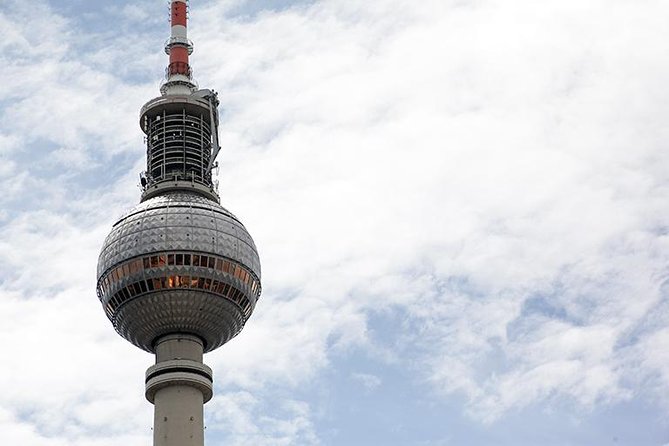
You finish at Alexanderplatz, in the heart of the former East German capital. This is also the site of the iconic Berlin TV tower.
One practical note: the TV tower admission isn’t included. That’s good because it keeps the walking tour focused. If you want the view and you have time later, you can add it yourself.
Finishing here also makes the tour easy to stitch into the rest of your day. Alexanderplatz is a major hub, so you can keep exploring after you finish—without feeling stranded at the edge of the city.
Price and Value: Does $21.78 Make Sense for Two Hours?
At $21.78 per person for about two hours, the value is strong, mainly because a lot of what you’re seeing is tied to meaningful sites where the guide adds interpretation.
Here’s where the math works in your favor:
- You get a professional guide for the full two hours
- Key stops are free to enter (as described for the memorial section and most points along the route)
- The tour includes the story you’d miss if you visited these places on your own without local context
The one extra cost to plan for is transport: you’ll need a Berlin transport AB zone pass (listed as approximately €10.60) since it’s not included. If you’re already using transit for the day, this won’t be a surprise. If not, it’s worth budgeting from the start so the tour doesn’t feel like an add-on bill later.
Also, the tour is booked in advance often (around 18 days on average), which is another sign it’s a popular and time-efficient way to cover East Berlin Wall history.
Guide Quality Is the Difference Maker Here
A walking tour lives or dies on the guide’s ability to turn locations into stories.
This one has consistently strong feedback for engaging delivery, clear explanations, and room for questions. Names that show up often in positive comments include Anastasia, Ariel, Dylan, Tom, Georgia, Jimmy, Nathan, Steve, Pip, Jasper, Tobi, Heidi, Campbell, and Susan. The common thread is that guides helped people feel the emotional weight while still keeping things understandable.
There’s also a small caution. One negative note highlighted a communication issue during a transit step, which created a rush when boarding. That’s not a reason to skip the tour, but it is a good reminder: pay attention to instructions when you’re moving between stops. If a guide asks everyone to regroup, do it quickly.
Practical Tips for Walking This Tour Comfortably
This is an outdoor walk and it runs in all weather, so dress for Berlin conditions, not for your home town expectations. You’ll also be on foot through busy station areas, so comfortable shoes help.
Plan your day around the fact that the subject matter is intense. You’ll want a moment afterward to decompress—maybe a coffee, maybe a longer look at something nearby. The tour ends at Alexanderplatz, so you’ll have plenty of options.
If you’re using transit, make sure you have the right zone pass ready before you set off. The tour is near public transportation and ends close to the S-Bahn station Nordbahnhof, which is helpful if you want to keep moving.
Finally, remember the tour is capped at 20 people. That size tends to keep things interactive and makes it easier for the guide to answer questions.
Should You Book This East Berlin and Berlin Wall Tour?
Yes, I’d book it if you want a guided, time-efficient way to understand the Cold War through places you can still see today. It’s especially worth it if you’re curious about how the Wall worked beyond the concrete—through surveillance, fear, and the daily experience of living inside a controlled system.
Skip or consider alternatives if you mainly want casual sightseeing with minimal emotional heaviness. This tour gives you context and perspective, but it doesn’t sugarcoat what the Wall meant, including the lethal enforcement zone and the Stasi’s role.
If your time in Berlin is tight, this is a smart pick. Two hours can’t cover everything, but it can give you the right framework—and this one clearly does that.
FAQ
How long is the East Berlin and Berlin Wall walking tour?
The tour lasts about 2 hours.
Where does the tour start?
It starts at the meeting point on Neue Promenade 3, 10178 Berlin, and the walking tour begins next to Hackescher Markt train station in East Berlin.
Where does the tour end?
The tour ends close to the S-Bahn station Nordbahnhof, near Alexanderplatz and the Berlin Wall Memorial area (Bernauer Str. 111, 13355 Berlin).
Is the tour offered in English?
Yes, the tour is offered in English.
What is included in the ticket price?
The tour includes a professional guide and the walking tour itself.
Are admission tickets included for all stops?
Admission tickets are included for most stops described as free, but Berlin TV tower admission is not included.
Do I need a public transport ticket?
The Berlin Transport AB Zone pass is not included (listed as approximately €10.60), and you’ll likely need transit for parts of your sightseeing day.
How large is the group?
The maximum group size is 20 travelers.
More Tours in Berlin





More Tour Reviews in Berlin
The Wall and the Cold-War City

Round out your days in Berlin
Berlin Wall & Cold War, compared.
 ★ 4.9Third Reich & Cold War Guided Walking TourFrom $238,378 reviews
 ★ 5.0Berlin’s Best: 2 Hour Walking Tour Third Reich and the Cold WarFrom $245,486 reviews
 ★ 4.1Skip-the-Line: Berlin Wall Museum at Checkpoint CharlieFrom $212,041 reviews
 ★ 4.1East Side Gallery Spree Cruise in a Solar CatamaranFrom $281,086 reviews
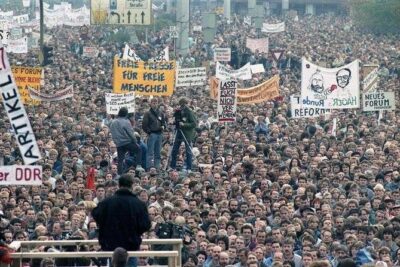 ★ 5.0Cold War, Berlin Wall, Spies and the East Side GalleryFrom $181,024 reviews
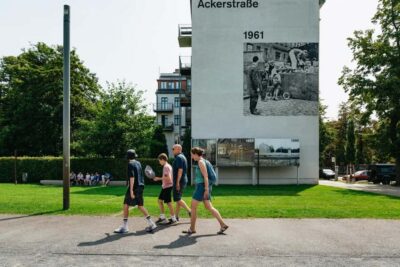 ★ 4.8Wall Tour – Fates, Love Stories, and HeroesFrom $282585 reviews
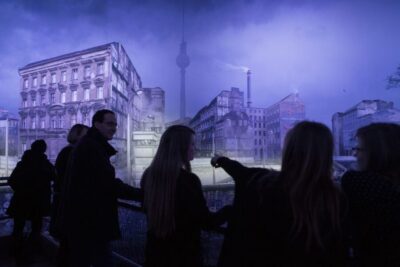 ★ 4.5THE WALL: asisi Panorama Berlin TicketFrom $16580 reviews
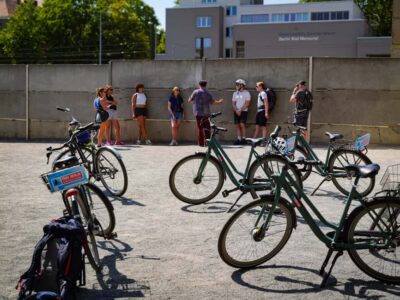 ★ 4.8The Wall and Third Reich Guided Bike TourFrom $41578 reviews
Browse the lists this tour appears in