
REVIEW · TICKETS
Berlin: Berlin Story Bunker Entry Ticket
Berlin’s bunker tells a chilling story of power. The Berlin Story Bunker is a museum inside a Second World War bunker near Anhalter Bahnhof and Potsdamer Platz, where an audio guide takes you through Berlin’s big moments from imperial times to the fall of the Berlin Wall.
I especially like the chronological layout—it keeps your bearings as you move floor to floor—and I like the full-scale Führerbunker replication, which makes the subject feel painfully real.
One drawback: plan for a lot of standing and reading, and note that the last entrance is at 5:30 PM, so late starts can squeeze the experience.
In This Review
- Key things I’d pencil into your day
- Why This Berlin Museum Feels Different from Typical History Stops
- The 800-Year Timeline: 50 Stations That Keep You Oriented
- The Audio Guide: How the Exhibition Tells the WWII Story
- Hitler’s Rise to Power: What You Learn and Why It Matters
- Entering the Führerbunker Replica: Scale, Atmosphere, and Real-Feeling Layout
- Pacing, Comfort, and Timing: Plan for a Reading Day
- Location and Arrival: Near Major Rail, Easy to Find
- What This Ticket Is Best For (and Who Might Want Another Option)
- Value Check: Is $21 a Good Deal?
- Respectful Rules: No Photos or Video Inside
- Should You Book the Berlin Story Bunker Entry Ticket?
- FAQ
- Where is the Berlin Story Bunker meeting point?
- How much does the Berlin Story Bunker entry ticket cost?
- How long is the experience?
- Is an audio guide included, and what languages are available?
- What does the museum cover?
- What is special about the bunker area?
- What are the rules about cameras and recording?
- What time do I need to plan for last entry?
- Is it suitable for people with mobility impairments?
- Can I bring a pet?
Key things I’d pencil into your day
- Full-scale Führerbunker replica and a model of Hitler’s bunker setup
- 50 stations using large installations, photos, and short film sequences
- 800-plus years of Berlin history before and beyond WWII
- Audio guides in many languages (Spanish, English, French, German, Italian, Danish, Dutch, Russian, Hebrew, Portuguese, Ukrainian)
- Rules that keep the space respectful, including no cameras or video
- You’ll likely need 3 to 6 hours to read at a sane pace
More Berlin tours to line up side by side
- Berlin: TV Tower Standard Entrance Ticket★ 4.4 · 15,883 reviews
- Berlin: Berlin Story Bunker Entry Ticket★ 4.6 · 6,759 reviews
- Berlin: Illuseum Berlin Entrance Ticket★ 4.1 · 3,970 reviews
- Berlin: Madame Tussauds Admission Ticket★ 4.6 · 3,941 reviews
Why This Berlin Museum Feels Different from Typical History Stops
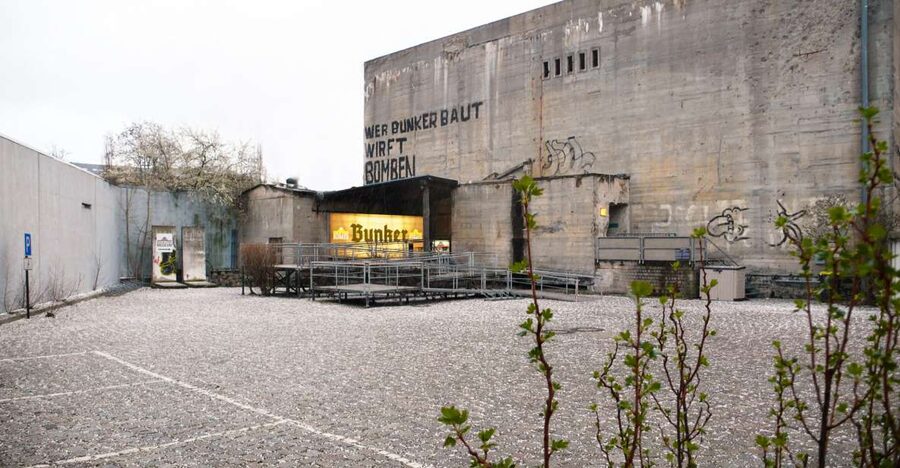
This place doesn’t try to be cute or interactive in the “game” sense. It’s a serious exhibition built around a very specific setting: a bunker. That alone changes how the stories land. You’re moving through rooms that were meant for survival, and the exhibition uses that atmosphere to underline what power and fear can do.
I like that it’s not just a WWI/WWII highlight reel. You get a sense of how Berlin grew into a center of control, and then how that power gets twisted during National Socialism. The audio guide ties the timeline together so you’re not just looking at panels—you’re following a storyline.
The 800-Year Timeline: 50 Stations That Keep You Oriented
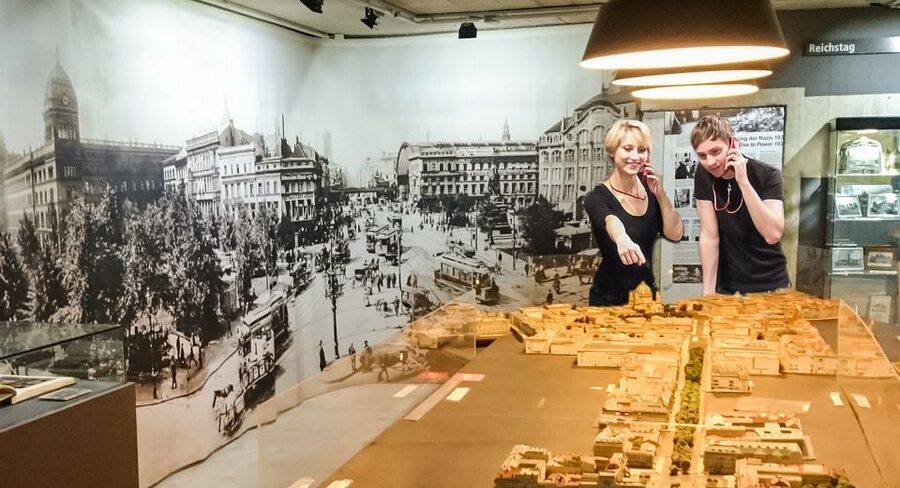
The museum is built as a long walk through history. You’ll see Berlin’s story stretched over more than 800 years, not just the WWII years. The exhibition uses 50 stations, with large installations, lots of photographs, and short film segments.
A practical benefit: the chronological approach helps you stay oriented. Even if some rooms feel busy with text, the flow keeps you from getting lost in details. If you love timelines (and even if you don’t), this structure is one of the reasons the experience gets such high marks.
A second practical benefit: it gives context. WWII in Germany can feel like a wall of dates. Here, you can trace how Berlin’s role evolved, then see how the Nazi system took hold. That makes the bunker section hit harder because you’ve already learned how the city got to that point.
The Audio Guide: How the Exhibition Tells the WWII Story
This ticket includes an audio guide with language options including English, Spanish, French, German, Italian, Danish, Dutch, Russian, Hebrew, Portuguese, and Ukrainian. In other words, you can pick a language that matches your day, not just your comfort level.
Here’s the tip that matters: treat the audio guide like a guide rail, not a stopwatch. The museum is full of reading. Some people start the audio and then feel pushed to move quickly. If you want more from the panels, pause the pace you feel tempted to follow. Read a bit first, then let the audio catch you up.
If you use the device and notice it acting a little weird—one person reported pressing a number sometimes jumped unexpectedly—there’s a fix. They later learned they could move forward using the “next” option instead of tapping numbers. So don’t panic if a button seems to misbehave.
Also, the exhibition can be intense. It includes photographs that can be graphic. The audio and layout work together to keep the presentation firm and respectful, but you should still expect emotional weight.
Hitler’s Rise to Power: What You Learn and Why It Matters
A big part of the exhibition focuses on Hitler’s rise and reign, including how Nazism grew from early steps into state terror. The museum structure follows that arc from early life through the end of the war.
Why that helps you as a visitor: it frames events as a sequence, not a list. You’re more likely to understand what changed when you see cause-and-effect. The audio explanations are described as vivid, and the exhibition leans into the “how it happened” questions instead of only presenting outcomes.
If you’re visiting with teens or family, this can work better than expected. One review mentioned an 11-year-old who found it easier to understand than they expected, which suggests the museum tries to communicate hard material in clear terms.
And yes, the tone is not sugarcoated. The exhibition includes an unfiltered photographic record, and that honesty is part of why people rate it so highly.





Entering the Führerbunker Replica: Scale, Atmosphere, and Real-Feeling Layout
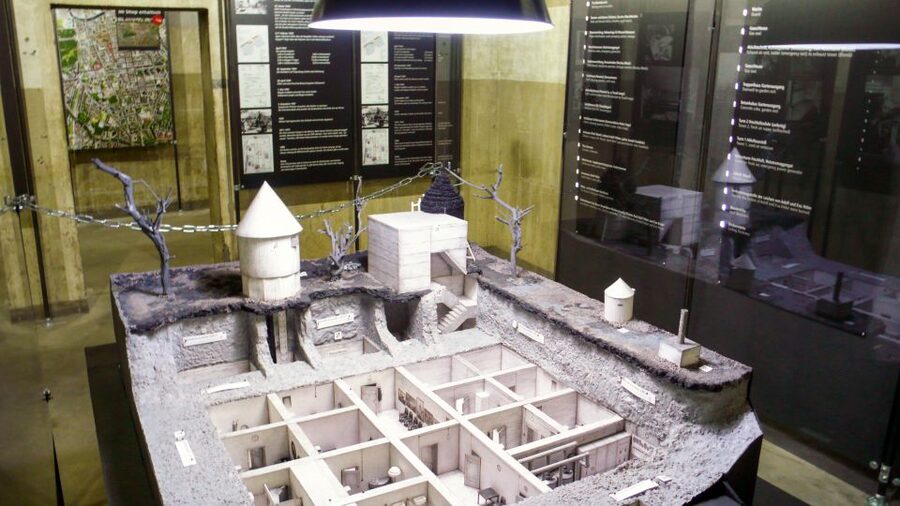
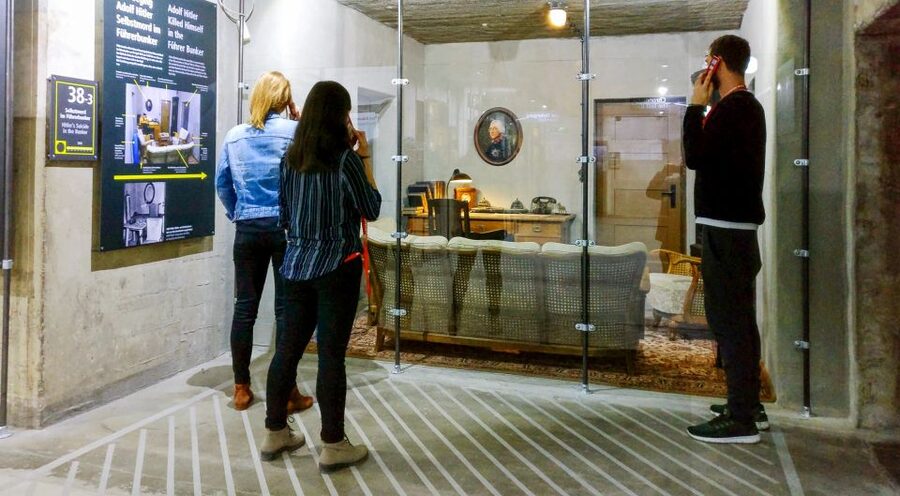
The bottom floor includes a full-scale replication of Hitler’s bunker and you can also see a model of the Führerbunker. This is one of the standout reasons to come, and it’s easy to see why: the physical layout makes the story feel less abstract.
One review described the Führerbunker replica as fantastic. Another noted that it feels closer to a real condition from the period around 1945. Even if you’re not an architecture person, scale does something here. It turns the idea of “power” into a space you can walk through, and that shift is what sticks.
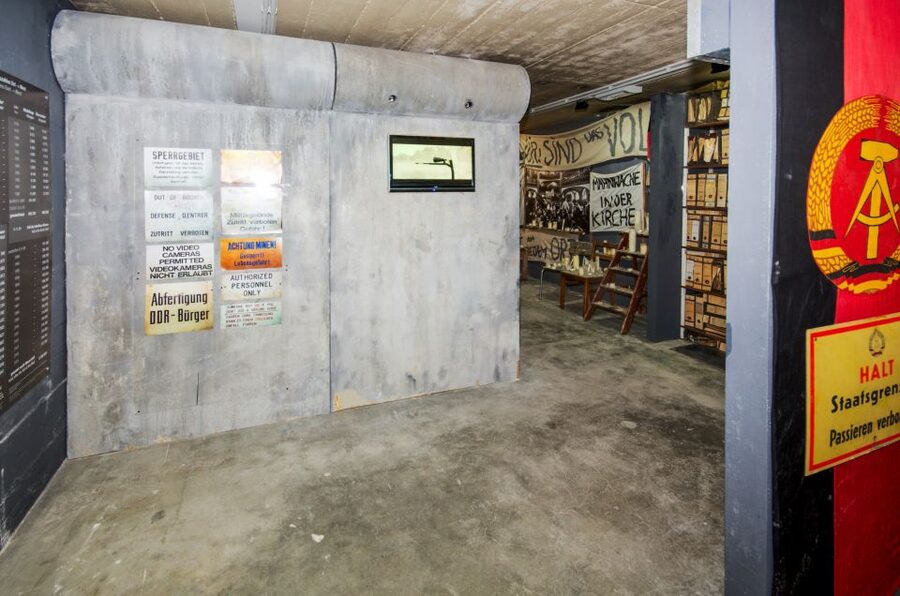
There’s also a conservation angle you might not expect. One visitor said the top floor beneath the bunker has been preserved since the 1940s in its original state, so you can see what it was like rather than only seeing a staged recreation. That combination—replica plus preserved space—adds depth to the visit.
Pacing, Comfort, and Timing: Plan for a Reading Day
This is not a 60–90 minute stop unless you’re determined to skim. Many visitors spent 3 to 6 hours, and the most common advice is to give yourself enough time to read.
A few practical notes based on what people experienced:
- The museum involves a lot of walking and standing, plus stairs. Wear comfy shoes.
- Some rooms can feel warm, so plan for that.
- There are chairs for sitting and reading.
- You can use on-site toilets and a cafe, which helps when you’re there for hours.
If you’re the type who reads every caption, pencil in a longer visit. One person ran out of time after about four hours and suggested planning around six. On the other hand, if you stick to the audio and only skim panels, you might finish faster—but the whole point of this place is absorbing details.
One smart strategy: start with the audio to build the storyline, then slow down where something grabs you. That avoids the common trap of marching through too quickly and forgetting what you just saw.
Location and Arrival: Near Major Rail, Easy to Find
The museum sits near major landmarks—near Anhalter Bahnhof and Potsdamer Platz—and you’ll meet at the ticket office at Schöneberger Str. 23a, 10963 Berlin. Your ticket is designed to let you skip the ticket line, which is helpful if you’re building the day around a packed Berlin itinerary.
Because the exhibition is text-heavy, you’ll get more out of it if you arrive ready to settle in. Grab water if you need it, use the restroom before you go deep, and set expectations that this is a “read and reflect” kind of museum.
One more practical point: signage and navigation can feel minimal in some areas, so if you’re unsure where to go next, ask staff for help early rather than guessing. That small move can save time later.
What This Ticket Is Best For (and Who Might Want Another Option)
This experience is best for you if you want:
- A clear, structured look at Berlin’s WWII story and Nazi rise
- A museum setting where the architecture matters
- Lots of reading and visual material (photos, films, installations)
It may be less ideal if:
- You need a very accessible route. The museum is not suitable for people with mobility impairments, based on the provided information.
- You strongly prefer low-text exhibits or quick visits. The exhibition is information-dense and can feel intensive.
For many people, it’s also a strong “not just for history nerds” visit. One review even said they’re not a history fan, yet they still found it worthwhile. The combination of audio, chronological structure, and unique bunker setting helps non-experts stay engaged.
Value Check: Is $21 a Good Deal?
At $21 per person for a full day ticket, the value comes down to one question: how much reading and context do you want from your Berlin time?
This museum gives you:
- An extended timeline (over 800 years)
- A serious WWII and Nazi-era narrative
- Audio in a wide range of languages
- A unique environment with a real-feeling Führerbunker replica
If you compare that to typical Berlin museum pricing and then factor in the time you’re likely to spend, the price feels fair. Multiple visitors said it was worth more than the price paid. The strongest sign of value is simple: people keep talking about how much information they couldn’t finish in one go.
If your ideal museum day is short, or you’re easily overwhelmed by graphic imagery, you might decide it’s not the right fit. But if you want substance and context, this is a good use of time.
Respectful Rules: No Photos or Video Inside
You should know the rules before you go. Cameras, video recording, and photography inside are not allowed. Pets are also not allowed.
That can be frustrating if you like to capture everything. Still, it makes sense here. For content involving Nazi terror and graphic images, limiting phones and cameras can keep the room focused and respectful.
Also, some people found the space not as claustrophobic as they feared, with fans and mostly large rooms. You may still feel emotionally tight in certain sections—plan to pause if you need a moment.
Should You Book the Berlin Story Bunker Entry Ticket?
I’d book it if your Berlin trip includes a serious WWII history stop and you like learning through a structured exhibit with lots of text, photos, and audio support. It’s also a strong choice if you want a unique “walk-in” setting, especially for seeing the Führerbunker replica.
Skip this one if you want a light, quick museum. The last entrance is 5:30 PM, and the experience often takes half a day or more once you read. And since it’s not suitable for mobility impairments, plan a different history visit if that applies to you.
If you’re on the fence, the best tiebreaker is your reading style: if you’re the type who slows down and absorbs details, this bunker will reward you.
FAQ
Where is the Berlin Story Bunker meeting point?
The meeting point is the ticket office of the Berlin Story Bunker at Schöneberger Str. 23a, 10963 Berlin.
How much does the Berlin Story Bunker entry ticket cost?
The price is listed as $21 per person.
How long is the experience?
The duration is listed as 1 day.
Is an audio guide included, and what languages are available?
Yes. The ticket includes an audioguide in German, English, Spanish, French, or Italian, and additional languages are listed as Danish, Dutch, Russian, Hebrew, Portuguese, and Ukrainian.
What does the museum cover?
It focuses on Berlin’s role as a center of power, the Second World War and National Socialism, and it also includes Berlin history across more than 800 years through multiple stations and media.
What is special about the bunker area?
The bottom floor includes a full-scale replication of Hitler’s bunker and also shows a model of his Führerbunker.
What are the rules about cameras and recording?
Cameras are not allowed, video recording is not allowed, and photography inside is not allowed.
What time do I need to plan for last entry?
The last entrance is at 5:30 PM.
Is it suitable for people with mobility impairments?
No. The experience is listed as not suitable for people with mobility impairments.
Can I bring a pet?
No. Pets are not allowed.
More Tickets in Berlin




More Tour Reviews in Berlin

Round out your days in Berlin

Tickets, compared.
 ★ 4.4TV Tower Standard Entrance TicketFrom $3315,883 reviews
 ★ 4.1Illuseum Berlin Entrance TicketFrom $183,970 reviews
 ★ 4.6Natural History Museum Entrance TicketFrom $123,382 reviews
 ★ 4.4Museum Island Multiple Museum Entry TicketFrom $282,861 reviews
 ★ 4.5Potsdam: Sanssouci Palace and Prussian Palaces Entry TicketFrom $252,101 reviews
 ★ 4.4Charlottenburg Palace Entry TicketFrom $222,076 reviews
 ★ 4.5Berlin Dungeon: Entrance TicketFrom $281,918 reviews
 ★ 4.1Interactive DeJa Vu Museum Entrance TicketFrom $171,338 reviews