
REVIEW · IMMERSIVE & ILLUSION MUSEUMS
Berlin: Interactive DeJa Vu Museum Entrance Ticket
Your eyes will argue with you here. The DeJa Vu Museum turns optical illusions into hands-on rooms, with themed mirror rooms and interactive exhibits that make you part of the artwork.
I also like the art angle: the museum’s gallery of painter Oleg Shupliak adds texture beyond typical trick rooms, with layered portraits that you figure out while you move through the space.
One thing to plan for: some rooms are small, and a few exhibits can involve waiting, so busier times can slow your pace.
In This Review
- Key things to know before you go
- Where the DeJa Vu Museum fits in Berlin
- Pricing: $17 for a 90-minute illusion reset
- The 2-floor route: how the museum keeps you entertained
- Classic illusion exhibits and the stuff you’ll actually try
- Mirror rooms (Starroom and Abyss) and why they’re so fun
- Projector rooms: when the artwork looks back at you
- Oleg Shupliak’s layered portraits: art plus perception
- What the puzzles add (and who will like them most)
- Photo opportunities: best places to aim your camera
- Best time to visit: avoid slowdowns in small rooms
- Practical rules you should know before entry
- Who should book this ticket
- Should you book the Berlin DeJa Vu Museum ticket?
- FAQ
- Where is the museum entrance?
- How long does a visit take?
- What’s included with the ticket?
- What kinds of rooms and exhibits can I expect?
- Is it good for kids and teenagers?
- Are pets allowed inside?
- Can I bring food, drinks, or alcohol?
- Can I cancel for a full refund?
Key things to know before you go
- Two floors of interactive exhibits keep you moving without the pressure of a full-day museum plan
- Mirror rooms like the Starroom and Abyss are built for photos and for that mind-bending, face-to-face feeling
- Projector rooms put you in the picture so illusions react as you change where you stand
- Oleg Shupliak’s artwork and portraits bring an art-and-perception story that feels more intentional than random gadgets
- A lot of the fun is repeatable by design: you can try the same trick again from a new angle and notice what shifts
- Timing matters: small rooms can mean lines for popular stops, especially at peak hours
More immersive rooms and illusions in Berlin
- Berlin: Interactive DeJa Vu Museum Entrance Ticket★ 4.1 · 1,338 reviews
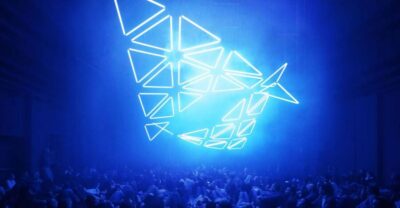
- Berlin: DARK MATTER Experience KOLLEKTION Entry Ticket★ 4.5 · 1,088 reviews
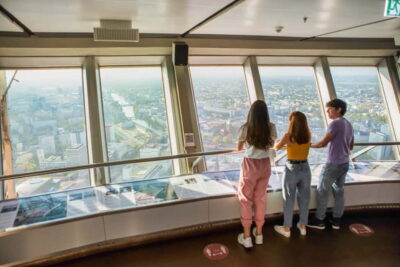
- Berlin: TV Tower Entrance and VR Experience Tickets★ 4.3 · 611 reviews
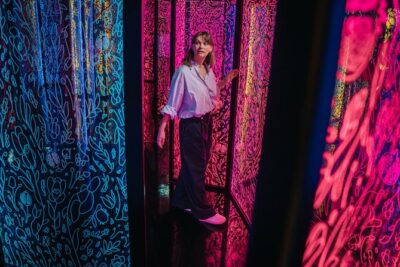
- IKONO Berlin. Immersive Experience★ 4.2 · 575 reviews
Where the DeJa Vu Museum fits in Berlin
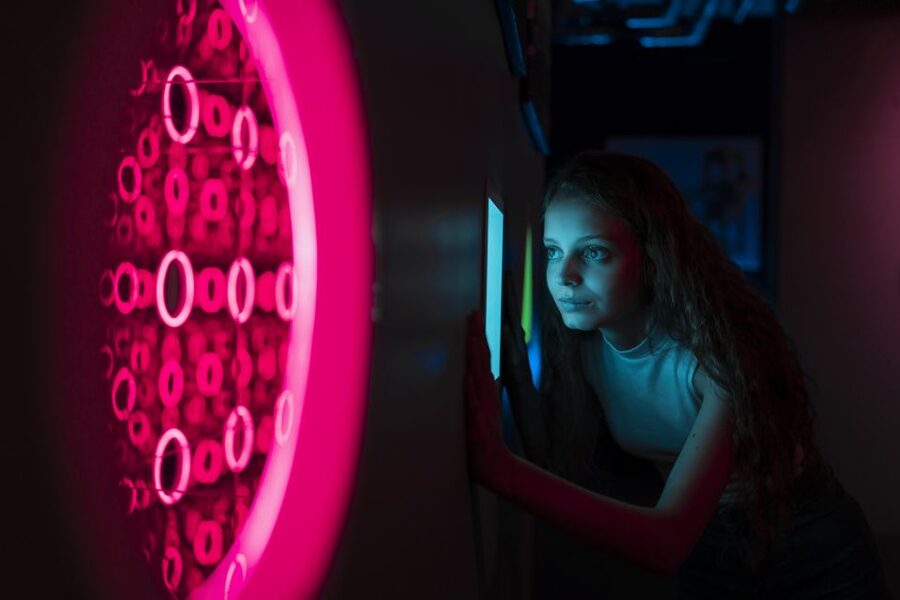
This museum sits right in the action zone near Alexanderplatz—about 300 meters from Fernsehturm. That’s great because it’s easy to tack on to almost any day. You can do it before or after sightseeing in Mitte without getting pulled into a long transit slog.
It’s also a nice choice when you want something different from the usual Berlin circuit. Instead of chasing a single landmark or a single story, you get a sequence of rooms where the theme is the same: perception can be persuaded.
The entry experience is straightforward, and the visit is timed by your ticket duration (think about 1.5 hours). That time window matters. If you like to slow down and test each illusion twice, you’ll feel rushed. If you move room to room with curiosity, it feels like the right amount of weird.
Pricing: $17 for a 90-minute illusion reset
At $17 per person, the math is simple: you’re paying for a focused entertainment-style visit, not an all-day museum experience. What makes it feel like value is the variety packed into the time you have—interactive exhibits, puzzles, mirror rooms, and a dedicated art gallery.
Here’s how I’d judge value for your trip style:
- If you want hands-on activities and photo-worthy moments, $17 doesn’t feel too heavy for a tight Berlin time slot.
- If you prefer quiet galleries and you hate waiting in small rooms, you might feel the cost more.
So treat this like a “do something fun now” ticket. For many people, it’s a great fit as a rainy-day plan or a mid-trip reset when you want movement and laughs.
The 2-floor route: how the museum keeps you entertained
The museum runs on two floors, and the layout is designed so you don’t just shuffle down a hallway. You enter, then work through gallery spaces and themed rooms that each teach your eyes a different lesson.
A helpful way to think about it: the museum cycles between three modes.
1) You interact (press, stand, switch angles, test the effect)
2) You observe (look carefully, compare what you see vs. what you expected)
3) You photograph (mirror layouts and projection effects are built for it)
You’ll also see both “general” optical illusion setups and a more art-forward section tied to painter Oleg Shupliak. That mix is a big part of why the experience works for families and for adults who just want the wow factor.
If you’re going with friends, it’s a good way to break the group into pairs—one person tries the trick from one position while the other watches. You’ll naturally compare results, and the illusions become a shared puzzle.
Classic illusion exhibits and the stuff you’ll actually try
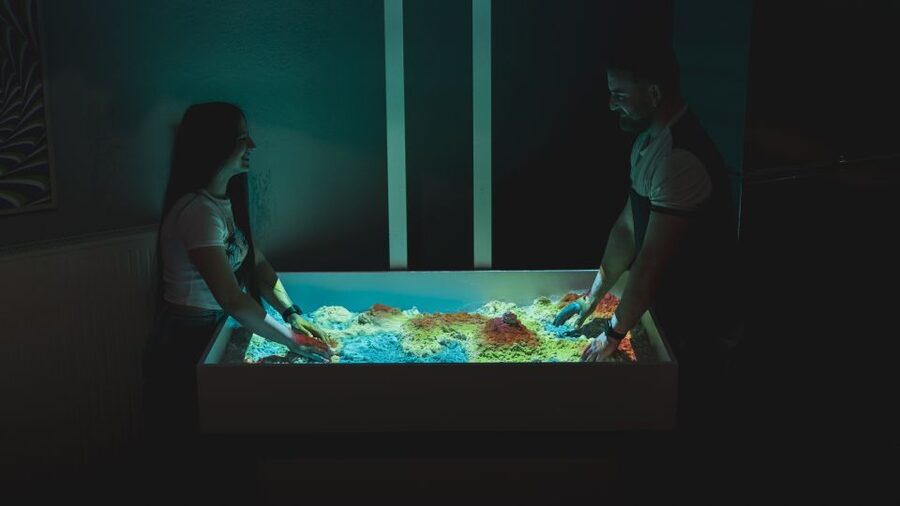
The museum doesn’t rely on one trick. It layers many types of perception challenges, so it stays lively even if you’ve seen optical illusion rooms before.
Some specific interactive stops include:
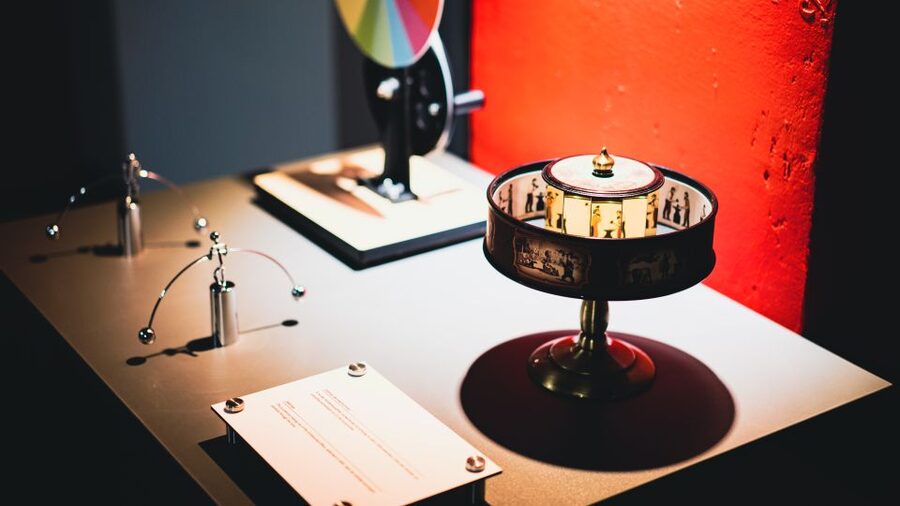
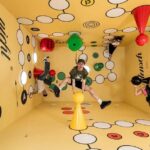
- Beuchet-Stuhl: an illusion-style setup where form and perspective play games with what your brain expects
- The Dark Room: a room experience where darkness changes how you judge space and motion
- The Interactive Sandbox: you can play and manipulate in a way that makes the room feel more like an activity than a display
That matters because interactive exhibits can be hit-or-miss in museums. Here, the whole idea is hands-on: your body and your movement are part of the mechanism. When you’re the variable, the illusion feels less like a trick on you and more like a relationship between your senses and the room.
One practical tip: give yourself permission to look a little silly. When the illusion depends on your position, standing exactly where you were told (or where other people are standing) is often key. If you roam randomly, you might miss the effect.
More Berlin tours to line up side by side


Mirror rooms (Starroom and Abyss) and why they’re so fun
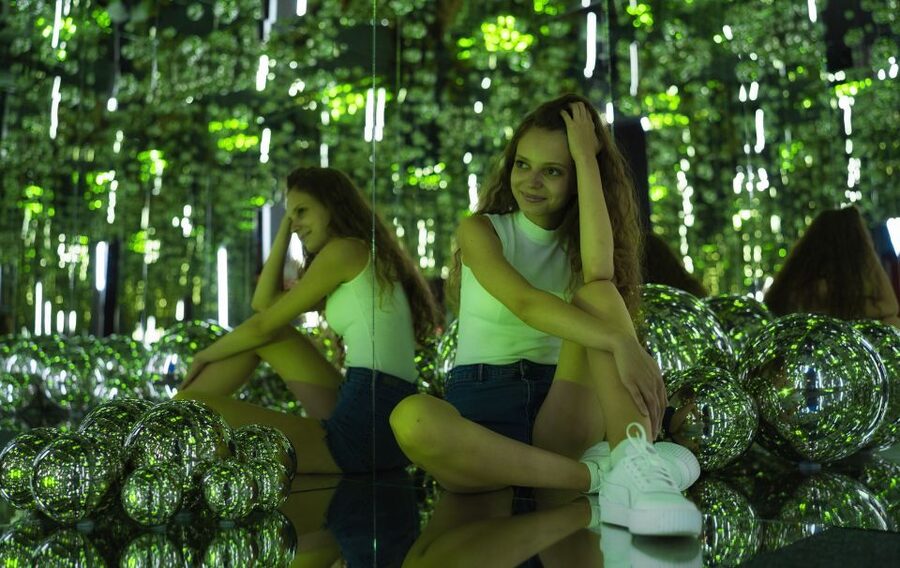
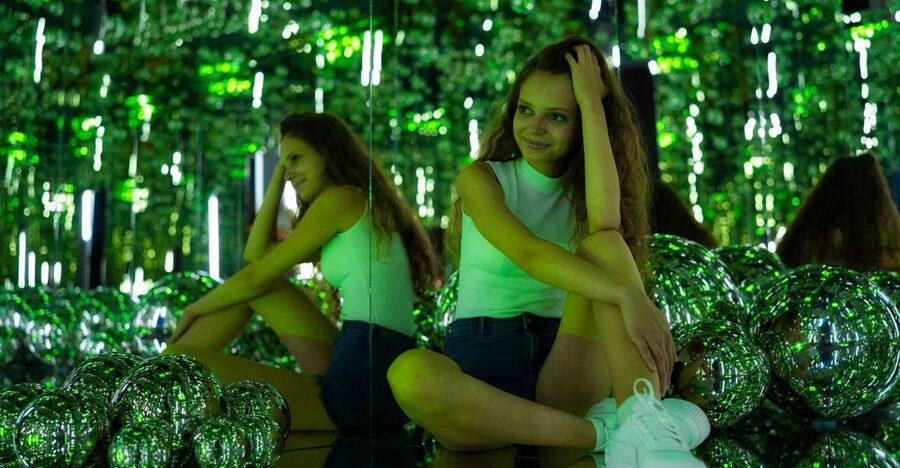
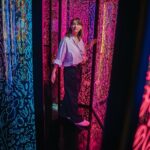
The museum leans hard into mirror rooms, and they’re one of the most memorable parts. The Starroom and the Abyss are built around dramatic reflections and themed lighting that change how distance and scale feel.
Mirror rooms do two things at once:
- They amplify the illusion effect by multiplying surfaces and angles
- They turn your visit into something social and photographic
The photo side is not an afterthought. These rooms make it easy to take striking pictures or short videos because they’re designed around symmetry, reflections, and color patterns. That’s why they’re such a hit for kids and teenagers, and why adults still love them: it feels playful without being random.
If you care about getting the best shot, timing is everything. When a room gets crowded, take a quick lap outside and then re-enter. People move at different speeds in mirror rooms, so you often get a clear window without waiting forever.
Projector rooms: when the artwork looks back at you
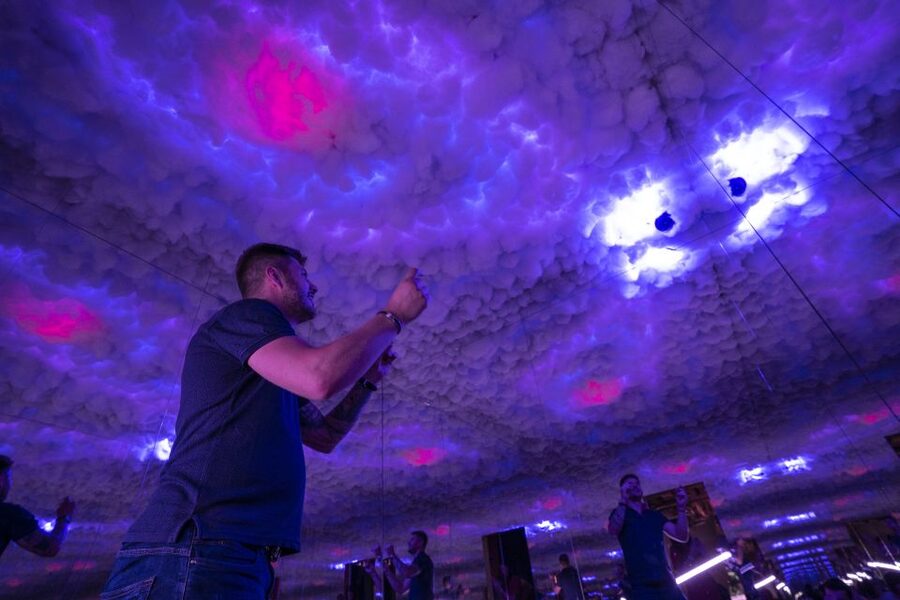
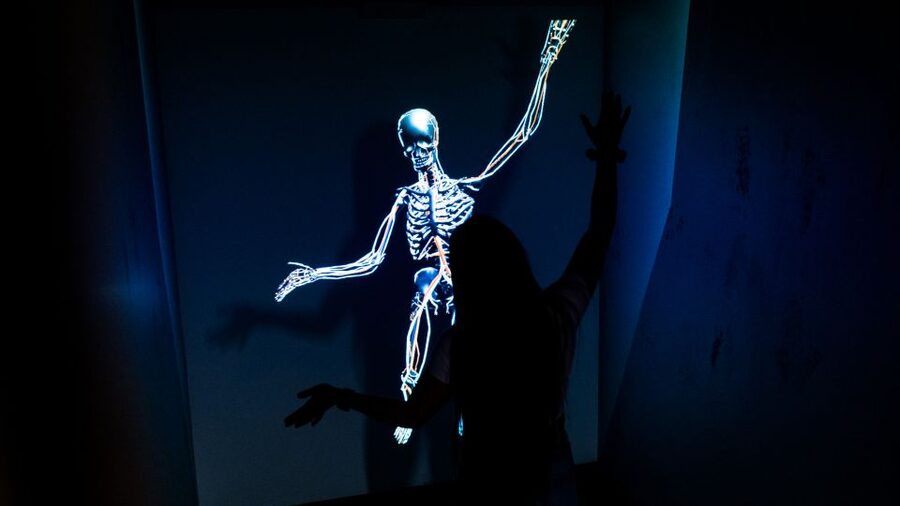
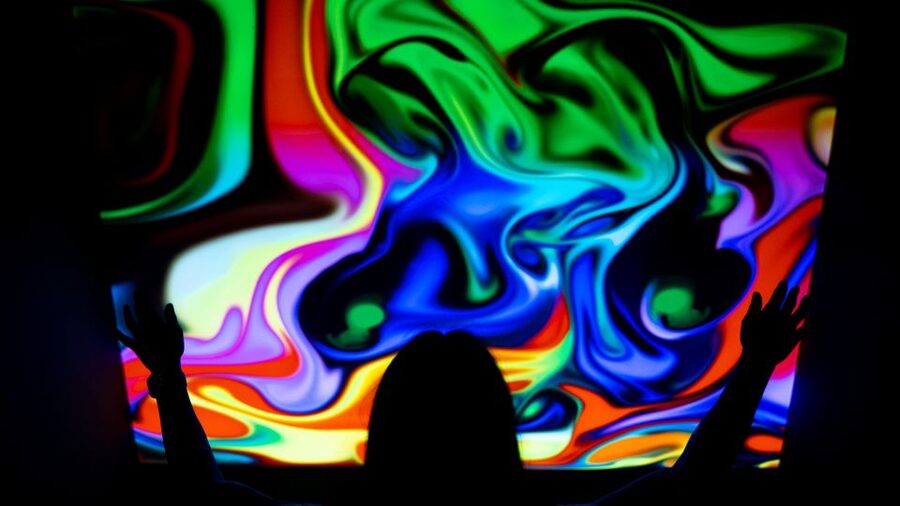
In projector-based rooms, you become the subject of the artwork. Instead of just viewing a fixed display, you’re the moving part—your stance and movement guide what happens in the projected scene.
That’s a big deal. Projection illusions work best when your brain can predict the effect and then immediately fails. The result is that delicious moment of realizing your eyes aren’t in charge the way you thought they were.
These rooms also add a layer of theater to the museum. You’re not only learning about perception; you’re “performing” it. That makes it feel more like an experience than a gallery stop.
And it keeps the visit from turning into a checklist. You’ll probably spend more time than you think in these zones, because they’re interactive in a way that’s almost addictive—try once, then try again from a different spot.
Oleg Shupliak’s layered portraits: art plus perception
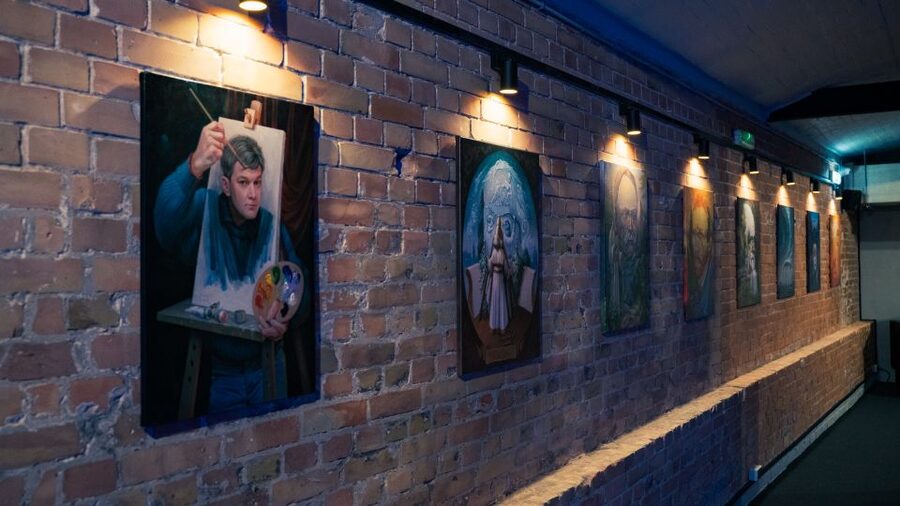
The museum’s art gallery focuses on painter Oleg Shupliak, and it’s more than a backdrop to the rest of the illusions. The standout idea is layered artworks, plus portrait viewing where you’ll find yourself guessing who is depicted.
This is where the museum shifts tone slightly—from pure trick rooms into something closer to visual art that plays with perception. Even if you don’t know anything about Shupliak, the experience encourages you to pay attention: line, color, layering, and how your brain tries to assemble a face from partial signals.
If you enjoy the “why did my brain do that?” side of illusions, this gallery section gives you a satisfying payoff. It’s also a useful contrast when you’re traveling with mixed preferences—some people love interactive rooms, others want art context. Here you get both.
What the puzzles add (and who will like them most)
Between interactive exhibits and mirror/projection rooms, you’ll also find puzzles. These aren’t presented like an escape room, but they keep the pace active and your attention switched on.
Puzzles matter because they change how you experience illusion. Instead of drifting from photo spot to photo spot, you start looking for rules. You test. You adjust. You learn through small failures.
This is a big reason why the museum lands well for kids and teenagers. The experience stays playful while still rewarding careful looking. Adults who like games also tend to enjoy it, because the museum doesn’t ask for deep prior knowledge—just curiosity.
If your group includes people who get bored by repeating the same action, aim to rotate “puzzle people” with “photo people.” It keeps energy high and prevents anyone from feeling like they’re dragging the others through the same kind of room.
Photo opportunities: best places to aim your camera
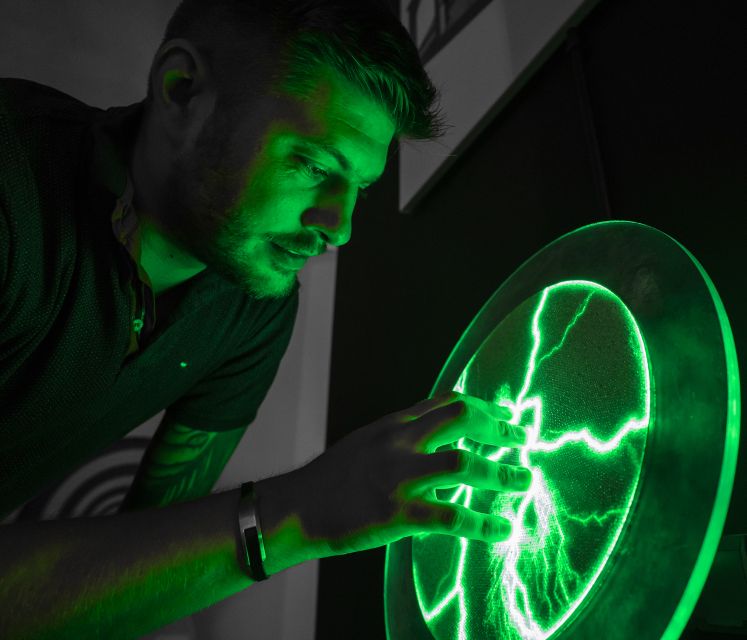
The museum is built for pictures—especially in places where reflections and projections create bold color effects. The highlights call out kaleidoscope visuals, and the mirror rooms are made for dramatic framing.
If you want photos that look like the room design (not just a person in front of a wall), look for:
- Symmetry (mirror patterns and star-like reflections)
- Clear sightlines (rooms where you can stand and let the effect “settle”)
- Color projection moments (where the image changes as you move)
One practical note: wear clothes you don’t mind getting photographed in. You’ll likely be stepping into “center frame” positions in some projector zones and mirror setups.
Also, if you’re sensitive to bright light or patterns, keep that in mind with the projector and mirror sections. The museum itself is not suitable for people with epilepsy, so don’t push it if that applies to you.
Best time to visit: avoid slowdowns in small rooms
There’s a lot to see in about 1.5 hours, but the pace can depend on crowd flow. Some exhibits are in rooms designed to hold only a couple of people at a time, which means you can get waiting pockets.
So, choose your timing with one goal: minimize waiting. If you can go at a quieter hour—often midweek or earlier—you’ll get smoother access and more time to repeat the effects.
Here’s how to make that work in practice:
- Start with the popular rooms first, so you don’t end your visit waiting
- When you hit a line, move to another section and come back
- Treat the museum like a sequence, not a sprint. If you rush, you’ll feel like you missed the point
A museum like this is fun even when you wait, but your enjoyment drops fast if you’re stuck for long stretches in a tight room.
Practical rules you should know before entry
A few house rules can affect your comfort level.
Not allowed:
- Pets
- Food and drinks
- Alcohol and drugs
So plan snacks elsewhere. Keep it simple: water intake is personal, but you’ll need to rely on what’s allowed outside the museum.
Also, the museum is not suitable for people with mobility impairments. If that’s relevant for you or your group, you’ll want to think twice and choose something else that fits your needs better.
And if anyone in your party has epilepsy, this one is a no-go. That isn’t just a “might be uncomfortable” situation; the museum specifically states it’s not suitable.
Who should book this ticket
This is an easy yes if you want:
- A fun, interactive Berlin activity that fits in an afternoon
- Photo-friendly rooms with mirror and projection effects
- Something that keeps both adults and kids engaged
- A shorter plan that still feels like you did something memorable
It’s a weaker fit if you:
- Hate waiting in small rooms
- Prefer quiet, traditional museums
- Need accessibility accommodations that this venue can’t support
- Have epilepsy or are sensitive to illusion-light effects
The best part is that you don’t need to “get it” ahead of time. The museum explains nothing the hard way. You’ll figure it out by doing—standing, looking, and reacting.
Should you book the Berlin DeJa Vu Museum ticket?
Yes, book it if you want a high-interaction experience near Alexanderplatz that you can finish in about 90 minutes. At $17, it’s strong value for a hands-on plan with lots of “I can’t believe my eyes” moments, especially if you’ll enjoy the photo side and the mirror room theater.
Skip it if accessibility needs or epilepsy are factors. Also skip it if your idea of a great museum is long, quiet rooms and minimal crowding. The museum is designed to be played with, not quietly observed from a distance.
If you’re staying in central Berlin and you want a break from the usual sights, this is one of the most practical “do it now” tickets in the area.
FAQ
Where is the museum entrance?
The entrance is by Alexanderplatz, roughly 300 meters from Fernsehturm.
How long does a visit take?
The visit lasts about 1.5 hours.
What’s included with the ticket?
Your ticket includes interactive exhibits, mirror rooms, puzzles, and the art gallery by Oleg Shupliak.
What kinds of rooms and exhibits can I expect?
You’ll see a mix of interactive stops such as the Beuchet-Stuhl, Dark Room, and Interactive Sandbox, plus projector rooms and themed mirror rooms like the Starroom and Abyss.
Is it good for kids and teenagers?
Yes. The experience is designed for people of all ages, and it’s also a common pick for kids and teenagers because of the hands-on, interactive format.
Are pets allowed inside?
No, pets are not allowed.
Can I bring food, drinks, or alcohol?
No. Food and drinks and alcohol are not allowed.
Can I cancel for a full refund?
Yes. You can cancel up to 24 hours in advance for a full refund.
More Tickets in Berlin
More Tour Reviews in Berlin




Immersive Berlin

Round out your days in Berlin
Immersive & Illusion Museums, compared.
 ★ 4.1Illuseum Berlin Entrance TicketFrom $183,970 reviews
 ★ 4.5DARK MATTER Experience KOLLEKTION Entry TicketFrom $261,088 reviews
 ★ 4.3TV Tower Entrance and VR Experience TicketsFrom $43611 reviews
 ★ 4.2IKONO Berlin. Immersive ExperienceFrom $23575 reviews
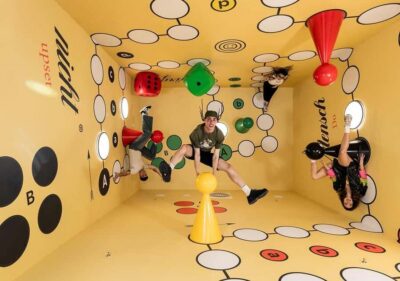 ★ 4.5The Upside Down Experience Entrance TicketFrom $27465 reviews
 ★ 3.9Lighthouse of Digital Art TicketFrom $11311 reviews
★ 4.0IKONO Berlin Immersive ExperienceFrom $26177 reviews
★ 3.9Lighthouse of Digital Art TicketFrom $11311 reviews
★ 4.0IKONO Berlin Immersive ExperienceFrom $26177 reviews
 ★ 3.5Illuseum Berlin admission ticketFrom $19118 reviews
Browse the lists this tour appears in