
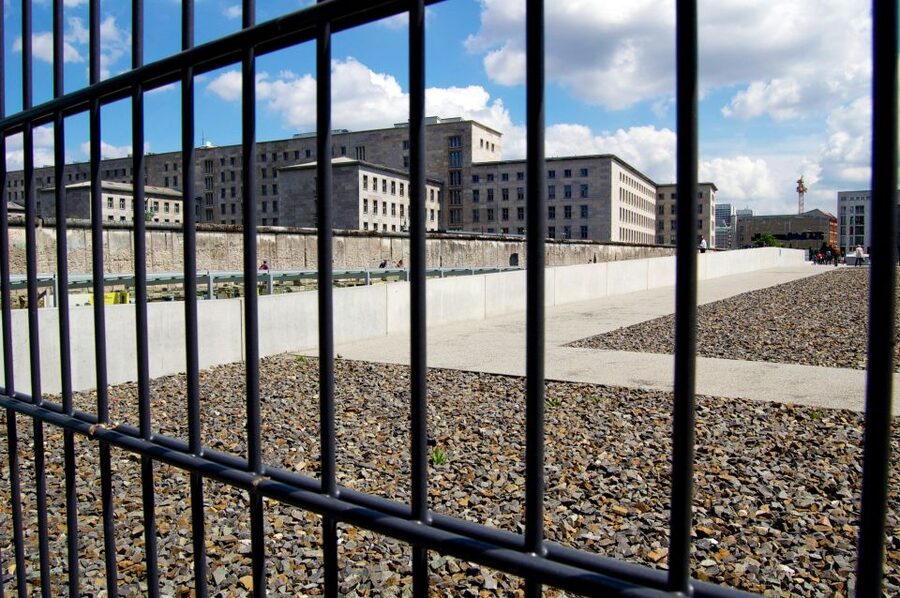
REVIEW · CITY TOURS
Berlin: City Center Walking Tour
Berlin’s landmarks line up like a living timeline, and this walking tour connects them in a smart route. I especially love starting at the World Clock on Alexanderplatz and then working your way along Unter den Linden with real context. One thing to keep in mind: it’s only 2.5 hours, so you’ll get great exterior viewpoints and stories, but not long indoor time.
The tour is easy-going on foot, but it still covers a lot of ground in central Berlin. You’ll be with a live guide in German, and the pace is designed to keep you moving without feeling rushed.
Because Berlin weather happens, plan for the unexpected. On rainy days, you’ll get rain ponchos, and the route keeps going.
Key reasons this tour is worth your time
- Alexanderplatz start: The Weltzeituhr (World Clock) is a perfect place to get oriented fast.
- TV Tower views: You’ll see the Fernsehturm as a key Berlin anchor point.
- Iconic streets in one loop: Unter den Linden and central squares link the story of old and new Berlin.
- A measured look at painful history: The Holocaust Memorial stop is part of the route’s emotional weight.
- Old-meets-new contrasts: From Nikolaiviertel to the Berlin Cathedral area, you’ll notice the city shifting feel block by block.
- Guides who can handle questions: In past groups, guides such as Ferris, Steffen, and Markus have led tours even in the rain and answered what people asked.
In This Review
- Alexanderplatz to Brandenburg Gate: the smart way to see Berlin center
- World Clock and the Fernsehturm: your orientation in the first minutes
- Neptunbrunnen and Rotes Rathaus: classic center landmarks, explained simply
- Nikolaiviertel and Berlin Cathedral: where the city’s feel shifts
- Unter den Linden: the main street that turns into a storyline
- Bebelplatz, Prinzessinnenpalais gardens, and Gendarmenmarkt coffee break
- Holocaust Memorial to Brandenburg Gate: the route ends with real weight
- Price and what you truly get for $24
- Weather, walking comfort, and how to get the most out of it
- How the guides shape the experience (German, with question time)
- Should you book this Berlin City Center walking tour?
- FAQ
- Where does the tour start?
- What time should I arrive?
- How long is the walking tour?
- Is the tour offered in rainy weather?
- What language is the guide?
- Is food or drinks included?
- Can I cancel for a refund?
Alexanderplatz to Brandenburg Gate: the smart way to see Berlin center
This tour is built for people who want the highlights without playing map roulette for hours. You start at Alexanderplatz, then move in a straight line through some of Berlin’s most recognizable spaces, ending near the Brandenburg Gate. In 2.5 hours, that’s a lot of visual payoff.
What makes it work is the pacing. It’s not a long slog, and you’re not stuck sitting through slides. You’ll walk, stop, look, and listen—so you can actually connect what you’re seeing to what it means in Berlin’s story.
The main trade-off is depth. If you’re the type who wants to linger inside major buildings or spend a full afternoon in one museum, you’ll likely want additional time on your own after the tour. Still, as an orientation piece, this is one of the better values in the Berlin center area.
More of Berlin on foot
- Discover Berlin Half-Day Walking Tour★ 5.0 · 9,624 reviews
- Berlin City walk Government District and Places of Democracy★ 4.7 · 8,467 reviews
- Berlin: Third Reich & Cold War Guided Walking Tour★ 4.9 · 8,378 reviews
- Berlin: Discover Berlin Walking Tour★ 4.9 · 5,998 reviews
World Clock and the Fernsehturm: your orientation in the first minutes
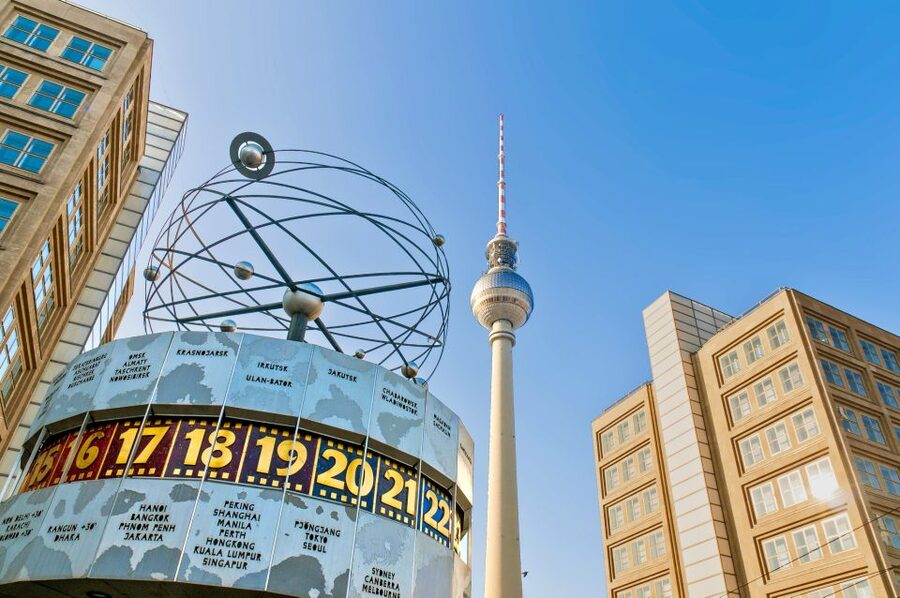
The tour kicks off at the Weltzeituhr on Alexanderplatz, the kind of landmark Berliners use as a meeting point. Seeing it at the start matters because it gives you a reference point immediately. Before you even get into the quieter lanes and grand streets, you learn how the city’s layout pulls people toward these central hubs.
From there, you’ll have sights pointed out across the area, including the Fernsehturm (TV Tower). This tower isn’t just a postcard photo. It’s also a visual reminder of how Berlin’s skyline shifted in the 20th century and why these central spaces feel so intentionally planned.
A practical note: because this is an outside walking tour, the best photos usually come when you can angle the viewpoint to avoid street clutter. If you’re serious about photos, give yourself a little patience at the first few stops, since you’ll be trying to capture big silhouettes.
Neptunbrunnen and Rotes Rathaus: classic center landmarks, explained simply
As the tour continues, you’ll pass by the Neptunbrunnen area—one of those central Berlin features that can look decorative until someone tells you what role it played in the city’s public spaces. It’s a small stop compared with later monuments, but it’s useful for learning how Berlin’s central squares work as everyday stages.
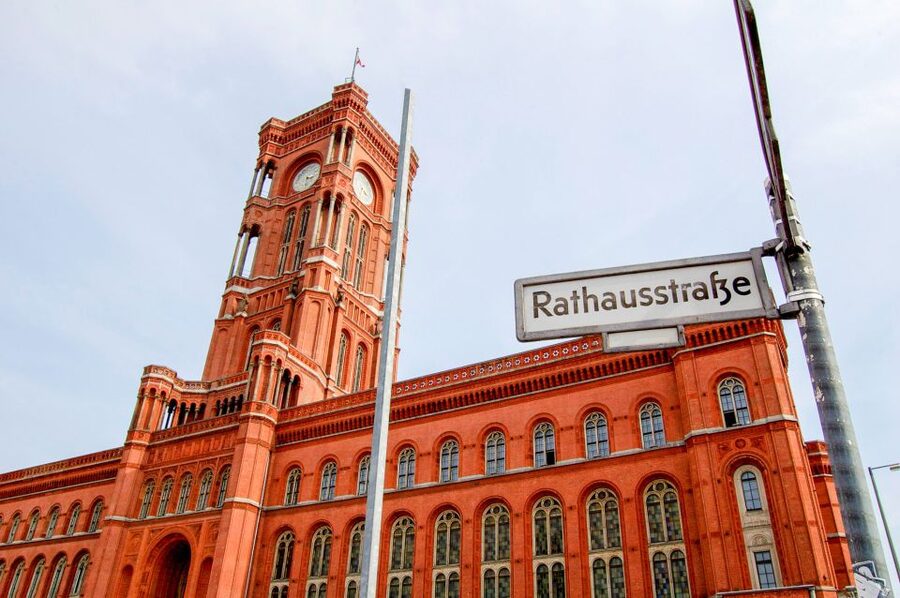
Then comes the Rotes Rathaus (Red Town Hall). This is one of those buildings people recognize from afar, but it lands differently when you see it as part of the administrative and civic identity of Berlin. The color and placement make it easy to spot, and your guide helps you connect it to the surrounding streets and views.
Right after that, you’ll also see Marienkirche (St. Mary’s Church). In central Berlin, churches can feel like tiny time machines. Here, the value is not just the building itself; it’s how it contrasts with newer architecture nearby and how the city keeps visible traces of multiple eras.
Nikolaiviertel and Berlin Cathedral: where the city’s feel shifts

One of the nicest parts of the route is the transition into the Nikolaiviertel area. You don’t just see famous big-name landmarks—you also get a sense of how Berlin’s older neighborhood fabric feels. This part of the tour helps you understand why people describe Berlin center as a mix of grand planning and smaller, human-scale streets.
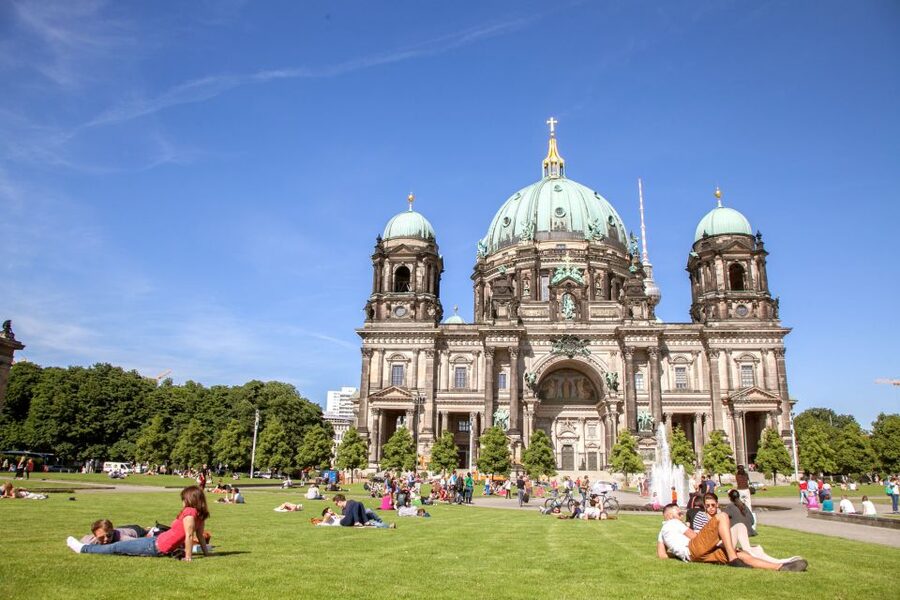
Next, you’ll cross toward Schlossplatz and the Berlin Cathedral area. This is the kind of stop that’s great for visual “map-making” in your head. The cathedral and the palace-squares zone help you connect the story of royal and state power with modern Berlin’s central layout.
A consideration: this section can involve more standing and street watching, so wear comfortable shoes and be ready for some light crowd flow around major sightseeing points. If you prefer walking with minimal waiting, you’ll still enjoy it, but you’ll want to keep a steady rhythm.
Unter den Linden: the main street that turns into a storyline
After you’ve built that sense of place, you walk down Unter den Linden, Berlin’s famous historic main avenue. This is a highlight for a reason. It’s not just a road full of things to see; it’s a corridor where the city’s layers show up in sequence.
On this part of the route, you’ll feel the shift from “look at the landmark” to “understand the direction.” Streets like this are where city design becomes narrative: who wanted people to walk here, how the avenue connected key areas, and how Berlin’s identity shows through the built environment.
If you’re traveling with kids or you’re walking slower than average, this is still manageable because the tour includes stops and explanations that keep it engaging. The key is to stay focused on why each block matters, not just what you can photograph.
More Berlin tours to line up side by side




Bebelplatz, Prinzessinnenpalais gardens, and Gendarmenmarkt coffee break
At Bebelplatz, the tour focuses on the garden of the Prinzessinnenpalais—a beautiful reminder that Berlin isn’t only about monuments. You also get to notice the quieter, more intimate side of the city’s heritage spaces.
This stop is also a strong “pause point.” The area gives you a moment to reset your brain between major visual hits. In a short tour, that matters more than you might think.
Then there’s a coffee break at Gendarmenmarkt. That’s not just a convenience; it helps you keep the whole 2.5 hours enjoyable instead of exhausting. It’s also a good moment to scan the surroundings and re-orient yourself before the emotional part of the route.
One small drawback to plan for: coffee stops can slow down the group slightly, especially if you’re ordering from a busy counter. If you’re the type who likes a quick drink and no waiting, aim to purchase early.
Holocaust Memorial to Brandenburg Gate: the route ends with real weight
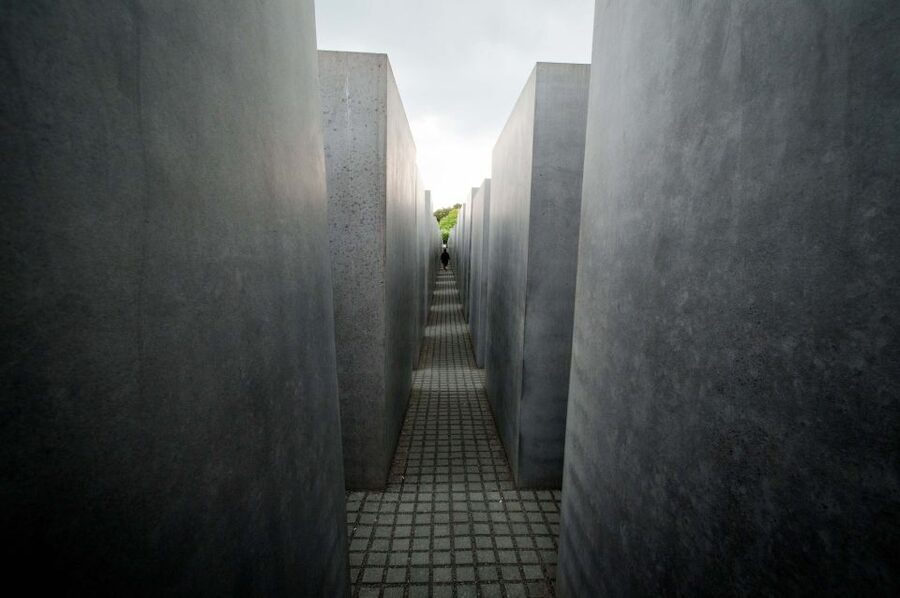
The tour’s emotional centerpiece is the Holocaust Memorial. It’s powerful on its own, but the value here is that it’s placed within the tour’s flow so you don’t treat it like a random detour. Your guide frames what you’re looking at, helping you keep it grounded and respectful.
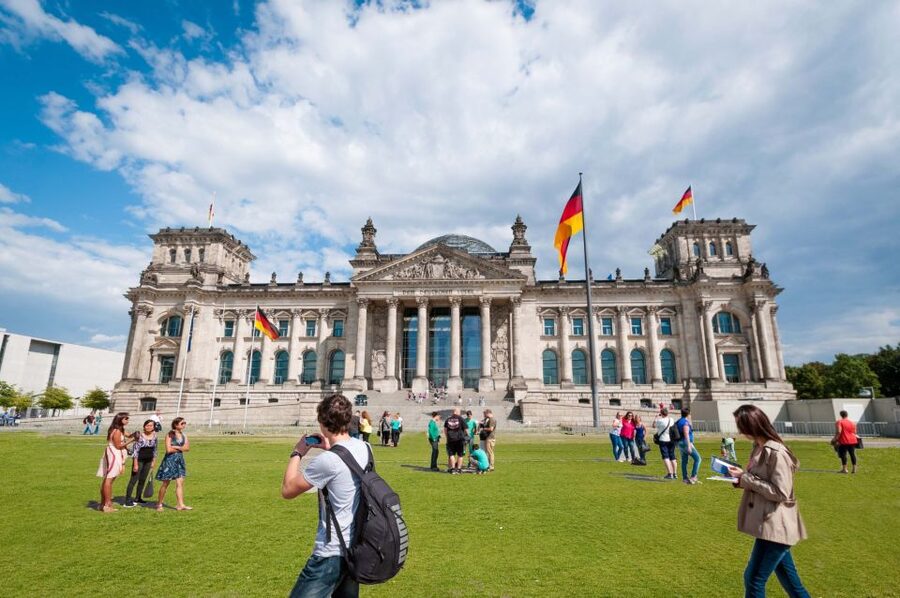
From there, you continue toward the Brandenburg Gate, the classic finish that makes the whole walk feel like a complete loop. It’s the kind of landmark that makes many people slow down automatically—partly because it’s recognizable, and partly because it sits at the crossroads of multiple eras in Berlin.
You’ll also see the Reichstag area on the way. Even from the outside, it helps close the circle: you start with meeting-point modernity and end near symbols of political Berlin.
If you’re booking this tour because you want the “best photos,” you’ll get them. If you’re booking because you want meaning, you’ll still get it. The difference is how you let the moment land. Don’t rush past this segment.
Price and what you truly get for $24
At $24 per person for a 2.5-hour walking tour, you’re paying for a guided route through central Berlin’s heavy-hitters, with context that would take you much longer to piece together on your own. That cost also supports a real-time guide who can answer questions as you go.
What’s included is straightforward:
- a city guide
- the tour operator handles duties (included as part of the package cost)
- a rain poncho if needed
What you’re not getting (and shouldn’t expect):
- food and drinks (you’ll need to cover them yourself)
- hotel pickup/drop-off (you’ll meet the group in the center)
For many visitors, this is good value because the route is dense. You’re not just seeing one neighborhood—you’re connecting multiple iconic stops in a way that makes each one more understandable.
Weather, walking comfort, and how to get the most out of it
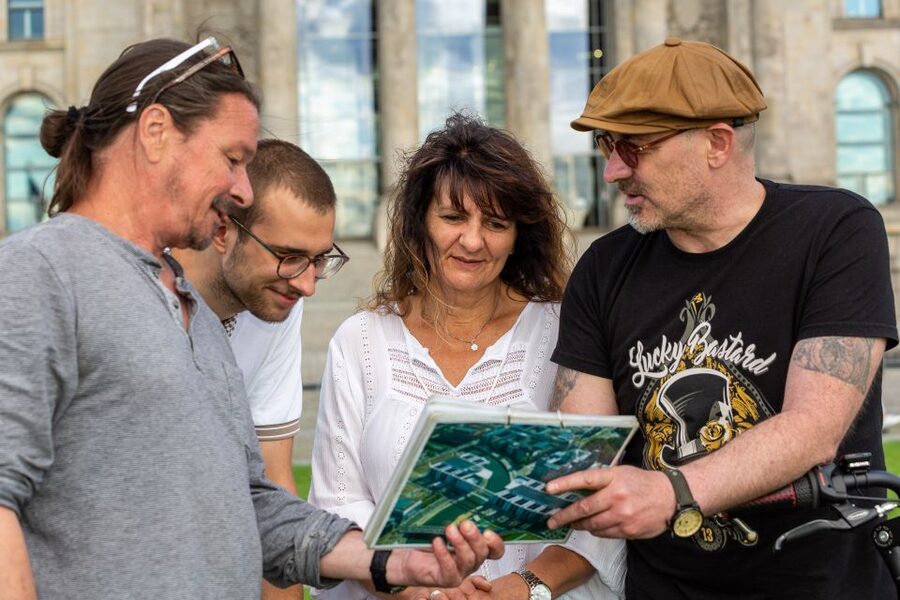
This tour runs in all weathers. Rain ponchos are provided if necessary, which is helpful because the plan stays intact. The route is outdoors for the majority of the time, though, so good footwear matters.
You’ll also do well if you prepare for the usual Berlin center conditions:
- plan for crowds around Alexanderplatz and major squares
- keep your phone charged early since you’ll want photos at multiple stops
- wear layers (temperatures can swing)
One more practical tip: the guide will be carrying a sign with the local partner logo. Show up about 15 minutes early so you don’t end up jogging to find the right group.
How the guides shape the experience (German, with question time)
The tour is led by a live guide in German. If you don’t speak German, this can still be fun for visuals, but your best experience will come when you can follow the explanations. If you do speak enough to track basic ideas, you’ll likely feel the biggest payoff during the history-heavy stops.
Past groups have been led by guides including Ferris, Steffen, and Markus. The common thread in how this tour is run is handling questions well and keeping the pacing easy, even when weather turns. One of the biggest reasons people love this kind of city-center walk is simple: you don’t have to guess what you’re looking at.
Also, the tour requires a minimum number of participants. If the minimum isn’t reached, it can be canceled at short notice, so it’s smart to book with some flexibility.
Should you book this Berlin City Center walking tour?
Book it if you want a high-value orientation walk through Berlin Mitte, with a guided connection between Alexanderplatz, Unter den Linden, the major central squares, the Holocaust Memorial, and the Brandenburg Gate area. It’s ideal for first-timers who don’t want to spend half a day figuring things out.
Skip it or pair it with extra time if you need long museum interiors, deep architectural study, or you prefer to roam at your own pace without stopping often. And if German isn’t in your comfort zone, think carefully, because the tour’s explanations are in German.
If you want a clean, efficient route that helps you understand Berlin center instead of just passing through it, this is a solid choice.
FAQ
Where does the tour start?
Meet at The World Clock on Alexanderplatz, about 1 minute on foot from S- and U-Bahn station Alexanderplatz.
What time should I arrive?
Please be at the meeting point 15 minutes before the beginning of the tour.
How long is the walking tour?
The tour lasts about 2.5 hours.
Is the tour offered in rainy weather?
Yes. The tour takes place in all weathers, and rain ponchos are provided on rainy days.
What language is the guide?
The live tour guide is German.
Is food or drinks included?
No. Food and drinks are not included, though there is a coffee break stop during the route.
Can I cancel for a refund?
Yes. Free cancellation is available up to 24 hours in advance for a full refund. For group bookings of three or more persons, the deadline is 3 days before the scheduled tour.
More of Berlin on Foot





More Tours in Berlin




More Tour Reviews in Berlin

Round out your days in Berlin

City Tours, compared.
 ★ 4.31-Hour City Tour by Boat with Guaranteed SeatingFrom $2516,993 reviews
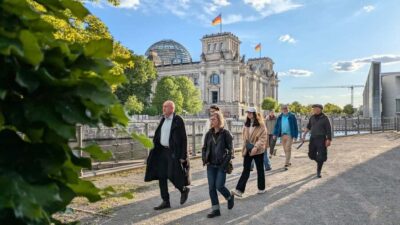 ★ 4.7Berlin City walk Government District and Places of DemocracyFrom $2948,467 reviews
 ★ 4.1City Sightseeing Hop-On Hop-Off Bus TourFrom $254,233 reviews
 ★ 4.7Potsdam: City and Castles TourFrom $293,721 reviews
 ★ 4.41-Hour City Sightseeing CruiseFrom $252,210 reviews
 ★ 3.5Berlin City Hop-on Hop-off Tour with Optional CruiseFrom $311,155 reviews
 ★ 4.8City Street Art Guided Walking TourFrom $231,051 reviews
 ★ 4.1Berlin Combo Package: City Tour & Spree Boat TourFrom $64996 reviews
Browse the lists this tour appears in