
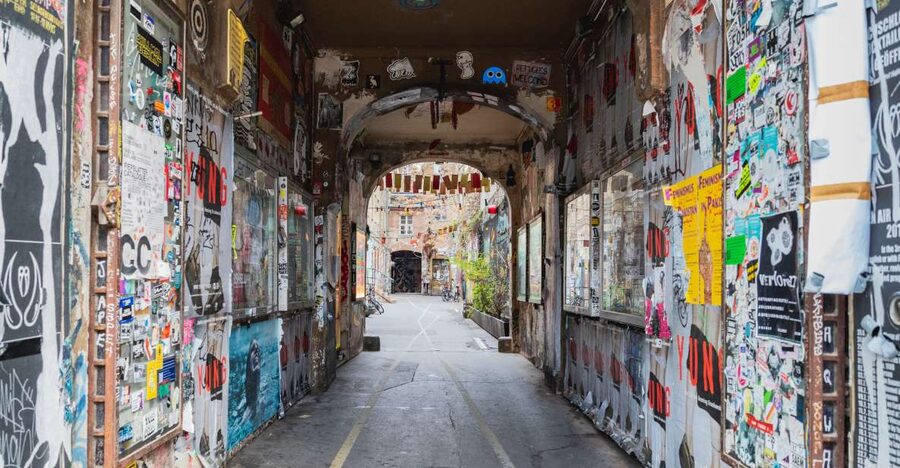
REVIEW · BERLIN HIGHLIGHTS & HIDDEN GEMS
Berlin: Hidden Backyards Guided Walking Tour
Berlin’s best scenes hide behind courtyards. I love how this tour turns the everyday Berlin street into a set of courtyards and passageways, where you can actually see how people live, work, create, and hang out. I also really liked stepping into Haus Schwarzenberg, where the yard’s mix of old structures and art-studio life feels like a window into Berlin’s second acts. The one drawback to plan for is that it runs rain or shine, and there are no included food or drink stops, so you’ll want to dress for weather and bring snacks if you need them.
For a focused 2-hour walk in Berlin-Mitte, I think $23 is good value, especially if you’re the type who enjoys architecture details and local context more than just big-photo monuments. The tour is led live in English or German, and the route is wheelchair accessible, so it’s a solid choice for lots of travelers who want a more human scale of Berlin.
In This Review
- Key highlights you’ll remember
- Starting at Butler’s on Hackescher Markt 4: how you get oriented fast
- Why Berlin’s Höfe matter: seeing the city’s secret address system
- Haus Schwarzenberg: art studios, street art, and a yard with many lives
- Hackesche Höfe and Rosenhöfe: learning the block architecture
- Sophienkirche and Auguststraße: place names that explain shifting communities
- Heckmann-Höfe: bright color, ivy, and a 19th-century pocket of calm
- Pace, weather, and what to wear for courtyard time
- The guide makes or breaks it: the story style you want
- Value for $23: why this beats self-guided wandering
- Who should book this tour, and who might skip it
- Should you book this hidden backyards tour in Berlin-Mitte?
- FAQ
- Where do I meet for the Berlin Hidden Backyards tour?
- How long is the tour?
- What does the tour cost?
- Is the tour guided or self-guided?
- Which languages are offered?
- Does the tour run in bad weather?
- Are food or drinks included?
- Where do you end the tour?
- What is the cancellation policy?
Key highlights you’ll remember
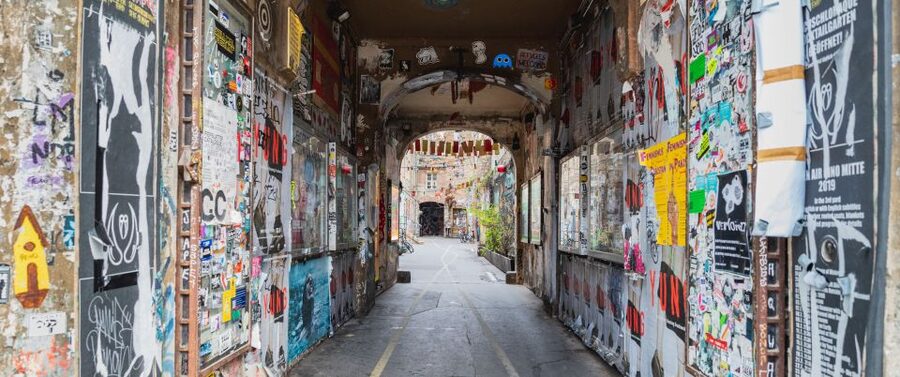
- Courtyard hopping in Berlin-Mitte: you’ll move through tight, in-between spaces that most visitors never notice
- Jewish quarter context near the New Synagogue: stories of the Spandauer Vorstadt’s shift into a center of Jewish life
- Haus Schwarzenberg’s art-studio yard: historic buildings + street art on the walls
- Hackesche Höfe and Rosenhöfe: classic Berlin passages that explain how blocks function
- Sophienkirche and Auguststraße: a useful mix of spiritual landmark and street-level history
- Heckmann-Höfe’s 19th-century courtyard: bright colors, ivy, and a calmer pocket away from the main streets
The big Berlin sights, and a few quieter corners
- Berlin: Discover Berlin Walking Tour★ 4.9 · 5,998 reviews
- Berlin: Hidden Backyards Guided Walking Tour★ 4.8 · 5,360 reviews
- Explore Berlin: See All The Iconic Sights & Some Hidden Gems★ 5.0 · 4,429 reviews
- Berlin: Sights and Highlights Bike Tour with a Local Guide★ 4.8 · 2,698 reviews
Starting at Butler’s on Hackescher Markt 4: how you get oriented fast
You meet at Butler’s Berlin Hackescher Markt 4, which is a smart starting point because you’re in the right part of Mitte to begin walking into the older fabric of the city. Within minutes, the tour stops feeling like a checklist and starts feeling like an urban scavenger hunt, but without the stress. Your guide sets the tone: this is Berlin’s “in-between” world, where the action happens behind gates and down passageways.
One thing I like about the way this walk is structured is that it doesn’t treat the courtyards as random cute side trips. It connects them to the Spandauer Vorstadt and how the area changed over time, especially as the neighborhood became tied to Jewish life around the New Synagogue. That context matters, because the spaces you see make more sense when you understand what the city was trying to do there—housing density, community life, creative work, and the constant reshaping of streets and buildings.
Why Berlin’s Höfe matter: seeing the city’s secret address system
Berlin’s courtyards (the Höfe) are more than photo backdrops. They’re part of how the city organizes daily life: doors front onto streets, but the “real rooms” of the block can open inward. On this tour, you’ll get shown how people use these semi-private spaces to work, create, and socialize—the kind of detail that’s hard to spot when you’re just walking past.
You’ll also learn why this pattern shows up so often here: older urban development plus waves of reinvention. Courtyards helped buildings share light and access without widening streets. And when neighborhoods shift culturally or economically, these inner spaces become perfect places to reinvent the neighborhood at human scale—studio life here, community life there, and local hangouts tucked away from traffic.
If you enjoy city design and want to understand how Berlin functions day to day, this is the kind of tour that makes the rest of your trip click. Afterward, you’ll start noticing Höfe everywhere, not just on the route.
Haus Schwarzenberg: art studios, street art, and a yard with many lives
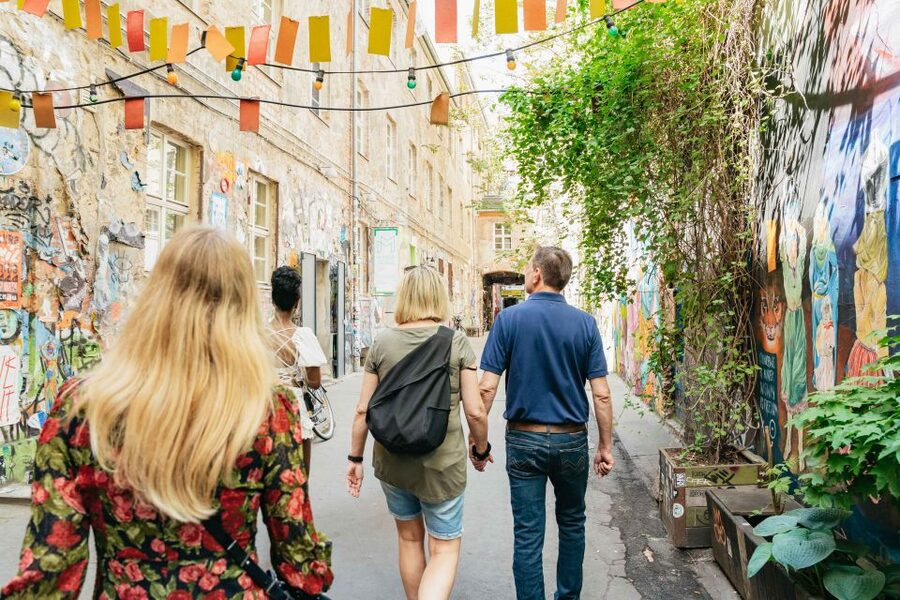
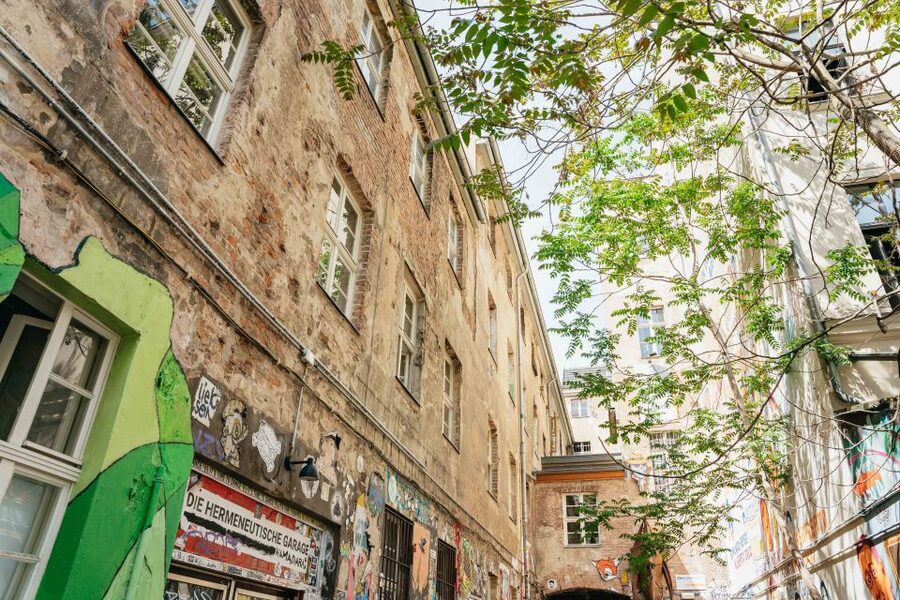
The Haus Schwarzenberg stop is the one that makes this tour feel instantly different from a standard walking route. You’ll head into a historic-feeling courtyard where art studios occupy an older structure, and you’ll notice the way the yard’s walls carry street art alongside the traces of earlier building uses.
What I love here is the contrast: the buildings look like they could belong to a different era, but the space is clearly being used now. That’s the big Berlin lesson of the whole walk—old space doesn’t just get preserved; it gets reassigned. When you’re standing in the yard, you can almost feel how the “same bones” of a block keep supporting new purposes.
If you care about creativity and adaptive reuse, bring your camera. Just remember: courtyards are photogenic, but they’re also lived-in spaces, so keep your pace respectful and don’t linger in ways that block others entering or exiting.
Hackesche Höfe and Rosenhöfe: learning the block architecture
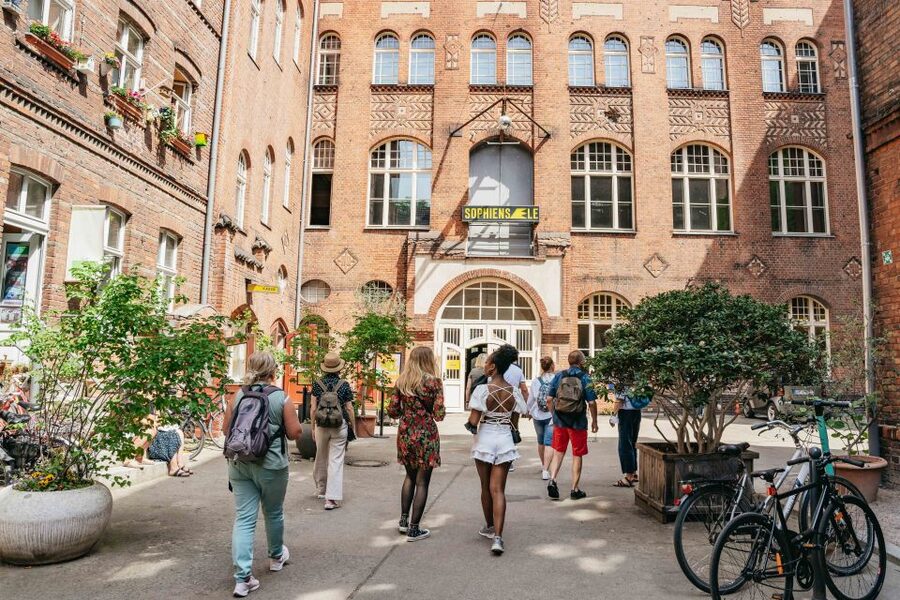
Next comes the kind of Berlin you can easily walk past without realizing how much thought went into it: the Hackesche Höfe and Rosenhöfe areas. Even if you’ve seen these names before, a guided walk changes how you interpret them. You’re not just moving through a pretty corridor; you’re learning how these connected interiors create small worlds.
These stops help you understand the “Berlin mixture” idea—mixed functions, mixed eras, and mixed ways of using space. The Höfe aren’t all the same. Some feel more like passing through, others feel like you’re entering a small neighborhood pocket. Your guide’s job is to point out what you’re looking at and explain why it developed that way.
Practical tip: take a moment at each courtyard edge to look back toward the street. It helps you register the scale difference. Berlin courtyards can feel like they belong to a different city once you’re standing inside them.
More of Berlin on foot


Sophienkirche and Auguststraße: place names that explain shifting communities

The walk doesn’t stay in purely architectural mode. You’ll also connect the courtyards to broader neighborhood storylines as the route moves toward Sophienkirche and Auguststraße. These stops are useful because they help ground the earlier talk about the transformation of the Spandauer Vorstadt and how the area grew into a center for Jewish tradition around the New Synagogue.
Even without getting technical, you can sense how religious and civic landmarks interact with everyday street life. That’s why this tour works well for people who want more than surface sightseeing. You start to see how a neighborhood’s identity builds through institutions, streets, and the courtyards where community life can happen without always being visible from the main road.
If you’re sensitive to the weight of history, keep your pace steady. This isn’t presented as a gloomy tour, but the subject matter is real, and it benefits from a calm, attentive mindset.
Heckmann-Höfe: bright color, ivy, and a 19th-century pocket of calm
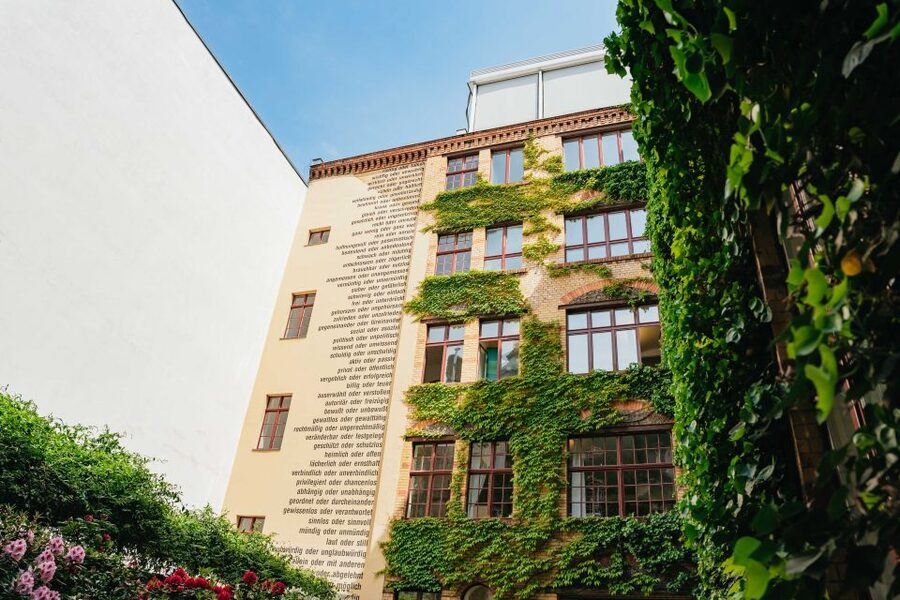
Then you reach Heckmann-Höfe, and it’s one of those moments where the tour pays off visually. The courtyard is known for vibrantly colored character (think bright paint and visual energy) and it sits under trees with ivy-lined buildings around it. Even though you’re in busy Berlin, this space feels designed for pause.
One of the tour’s strengths is that it shows you why these courtyards became popular local hangouts. Heckmann-Höfe reads like a working neighborhood interior: the light, the greenery, the way buildings frame the yard, and the sense that people naturally gather there. It’s the kind of place you’d never stumble upon the same way on your own, because so much of Berlin’s charm hides behind entrances.
If you like people-watching, this is your stop. You’ll see how these spaces function as social glue. And if you’re visiting in colder months, keep an eye on how you can still appreciate the courtyard’s design when the streets are wet or loud.
Pace, weather, and what to wear for courtyard time
This tour is 2 hours of walking, so plan it like a normal city stroll with stops that take time. It runs rain or shine, and that matters for courtyards: sidewalks can be slick, and you may be under umbrellas while you step through passageways.
I recommend comfortable shoes with decent grip, a rain jacket you can actually move in, and a small bag that won’t soak through. If you’re sensitive to cold, bring layers—you’ll step between shaded courtyard areas and open street sections.
Also note: there are no included food or drinks, so if you’re doing this early in the day or you know you get hungry during walks, bring a snack for later or plan a meal right after. It keeps the tour enjoyable rather than “endurance mode.”
The guide makes or breaks it: the story style you want
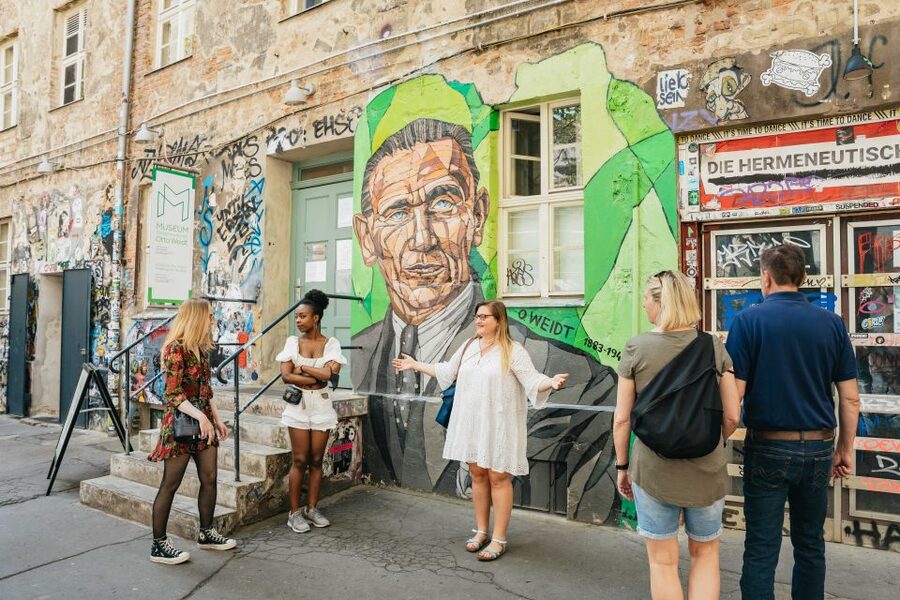
The best part of this experience is how the guide connects the physical spaces to the story behind them. In participant notes, guides are described as friendly and big on detail, with storytelling that feels natural rather than like reciting a script. Names that show up include Minit, Nick, Nicolas, Lydia, Alex, Susanne, and Guillaume—and the common thread is that the history lands because you’re always looking at the thing being explained.
You’ll also appreciate that the tour offers English and German as live guiding languages. Still, if your language comfort is strict, double-check at booking so you know what you’ll get. (One participant comment indicates at least some departures can be German-only, so it’s worth verifying your specific time slot.)
If you like asking questions and getting answers tied to what you’re seeing, this tour style fits you well.
Value for $23: why this beats self-guided wandering
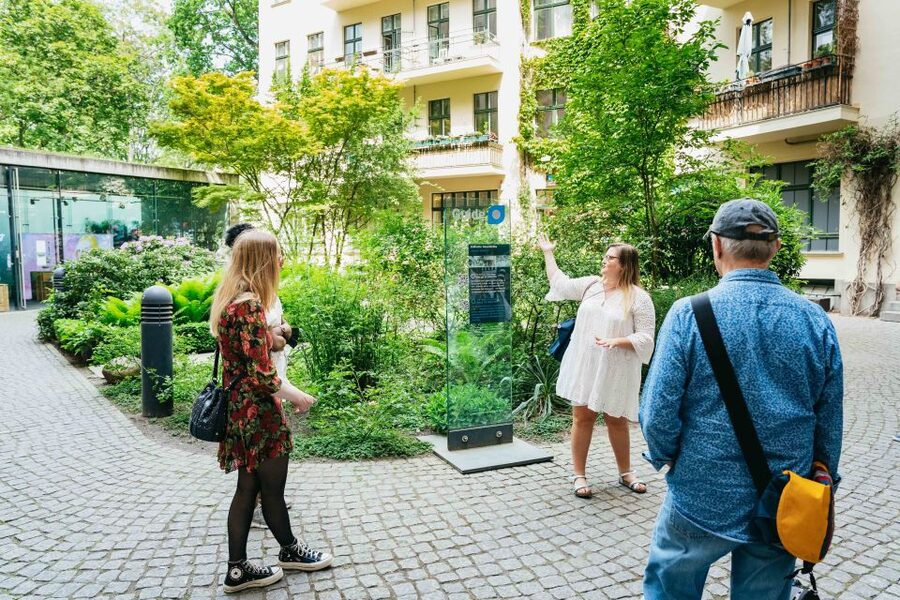
At $23 per person for a guided 2-hour walk, you’re paying for two things: direction and interpretation. Self-guided walks in Berlin are great, but courtyards and passageways can be easy to miss—or to misunderstand. A guide helps you notice entrances, understand how the block design works, and connect architecture to neighborhood change.
You’re also getting a route that covers multiple courtyard types, not just one showpiece. That variety is what makes the price feel reasonable: you move through different Höfe, you hit recognizable local anchors like Sophienkirche, and you end with Heckmann-Höfe as a strong visual payoff.
In plain terms: if you want Berlin’s “backyards” without spending half your time walking in the wrong direction, this tour is a solid use of time.
Who should book this tour, and who might skip it
Book it if you:
- love architecture details and want to understand how neighborhoods function
- want a more human Berlin experience than main-sight sightseeing
- care about Jewish quarter context around the New Synagogue area
- enjoy street art, courtyards, and the creative side of city spaces
You might skip it if you:
- only want the biggest famous landmarks and don’t care about urban interiors
- dislike walking in the rain (since it runs rain or shine)
- need included meals or long breaks (there’s no food stop built in)
Should you book this hidden backyards tour in Berlin-Mitte?
If you’re already spending time in Mitte, I’d strongly consider booking this, especially on a day when you want something calmer and more local than the main tourist routes. It’s one of those experiences that teaches you how to look at Berlin after the tour ends, not just what to see during it.
My final advice: wear weather-ready clothes, plan a snack if you’re hungry, and choose a time slot where you’re comfortable with the guiding language. Do that, and you’ll leave with a better feel for Berlin’s inner life—courtyard by courtyard.
FAQ
Where do I meet for the Berlin Hidden Backyards tour?
Meet your guide in front of the Butler’s shop at Hackescher Markt 4.
How long is the tour?
The tour lasts 2 hours.
What does the tour cost?
The price is $23 per person.
Is the tour guided or self-guided?
It’s a walking tour with a live tour guide.
Which languages are offered?
The live tour guide is available in English and German.
Does the tour run in bad weather?
Yes, it takes place rain or shine.
Are food or drinks included?
No. Food or drinks are not included.
Where do you end the tour?
The tour includes two drop-off locations on Oranienburger Straße.
What is the cancellation policy?
You can cancel up to 24 hours in advance for a full refund.
More Tours in Berlin





More Tour Reviews in Berlin

Berlin's Icons and Its Quiet Corners


Round out your days in Berlin

Berlin Highlights & Hidden Gems, compared.
 ★ 4.9Discover Berlin Walking TourFrom $235,998 reviews
 ★ 5.0Explore Berlin: See All The Iconic Sights & Some Hidden GemsFrom $244,429 reviews
 ★ 4.8Sights and Highlights Bike Tour with a Local GuideFrom $412,698 reviews
★ 4.9Explore Berlin: See All The Iconic Sights & Some Hidden GemsFrom $182,018 reviews
★ 4.8Sights and Highlights Bike Tour with a Local GuideFrom $412,698 reviews
★ 4.9Explore Berlin: See All The Iconic Sights & Some Hidden GemsFrom $182,018 reviews
 ★ 5.0Berlin Highlights 3-Hour Bike TourFrom $42948 reviews
★ 4.9Berlin Highlights: 3-Hour Bike TourFrom $37809 reviews
★ 5.0Berlin Highlights 3-Hour Bike TourFrom $42948 reviews
★ 4.9Berlin Highlights: 3-Hour Bike TourFrom $37809 reviews
 ★ 4.9Berlin Historical Highlights Walking TourFrom $389657 reviews
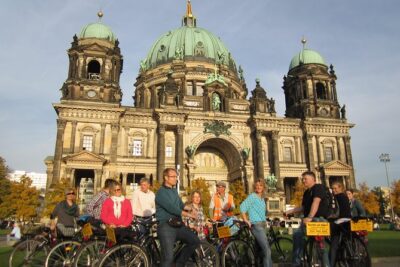 ★ 5.0Berlin Highlights Sightseeing Bike Tour in Small GroupsFrom $43652 reviews
Browse the lists this tour appears in