
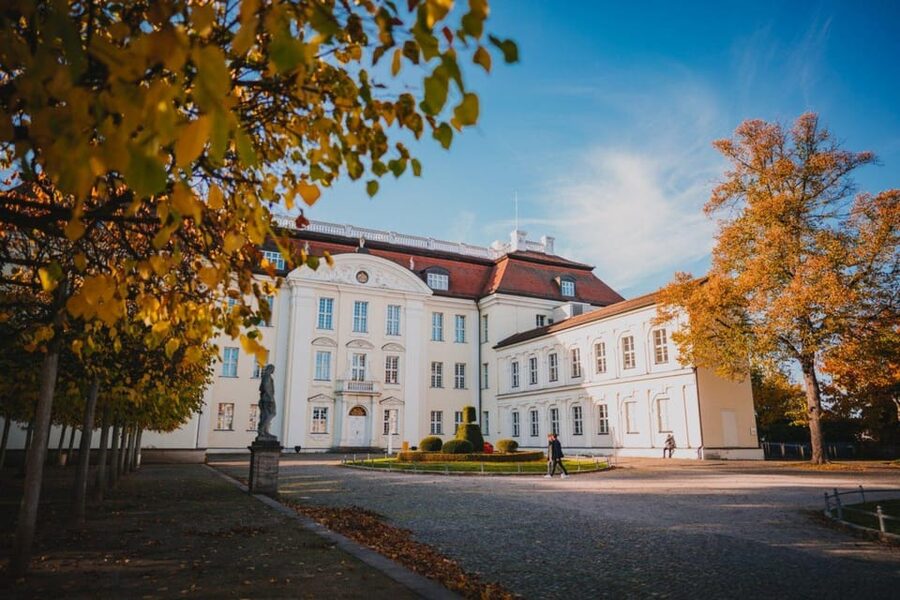
REVIEW · CONCERTS
Berlin: Classical concerts in Köpenick Palace – Aurora Hall
Mozart meets palace grandeur. I love how Aurora Hall turns a regular concert night into something more cinematic, and how the 90 minutes keeps you focused on the music. You get internationally presented voices and instruments in a historic room that feels made for listening.
I also like the way the schedule mixes styles, from romantic opera duets to solo piano marathons like complete Mozart piano works. One possible drawback: one recent show was reported as very warm, so plan clothes accordingly.
In This Review
- Key things I’d circle before you book
- Getting to Köpenick Palace and finding Aurora Hall
- Inside Aurora Hall: what the space means for the music
- The 90-minute experience: what you can actually expect
- How to pick the right date: matching the program to your taste
- February 15, 2026: Pure Romance (Romantic Duets)
- March 8, 2026: Mozart Piano Works, Complete Performance Program 2
- March 22, 2026: Mozart Songs, Arias, and Duets
- March 29, 2026: The Seven Last Words of the Savior on the Cross
- April 3, 2026: The Music Book of Frederick the Great
- April 4, 2026: Mozart Piano Works, Complete Performance Program 3
- April 5, 2026: Piano magic for 4 hands
- April 6, 2026: Classical Violin Sonatas
- May 1, 2026: Schubert Potpourri
- May 10, 2026: Bach Violin Sonatas 2
- May 17, 2026: Piano music to dream to
- May 31, 2026: Iberian sounds
- Value for money: $33 in a palace concert setting
- Comfort tips: warmth, silence, and how to prepare
- Who this concert is best for
- Should you book this Köpenick Palace concert series?
- FAQ
- How long is the concert?
- Where is the meeting point?
- How much does it cost?
- Is it wheelchair accessible?
- Is museum admission included?
- What’s not allowed during the event?
- Can I cancel and get a full refund?
Key things I’d circle before you book
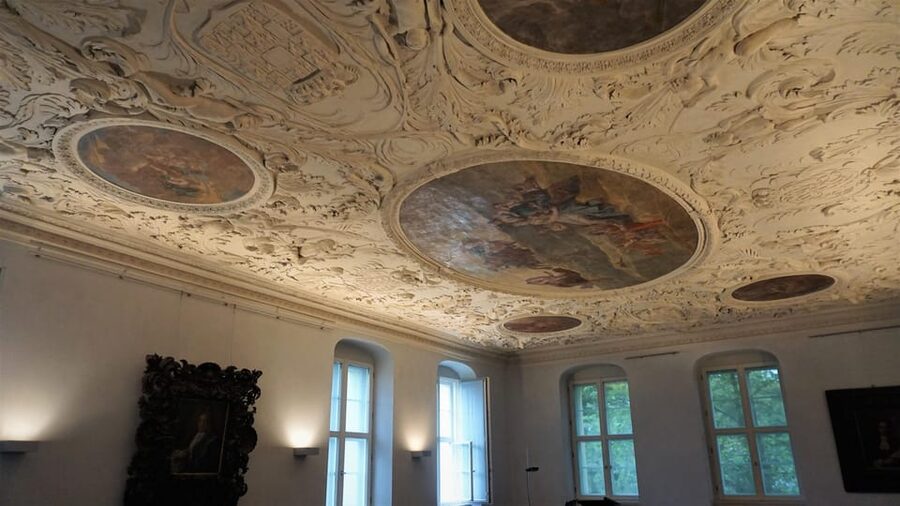
- Aurora Hall inside Köpenick Palace: a real palace setting, not a generic recital room
- Tight 90-minute format: easy to fit into a day in Berlin
- Top-billed classical artists by date: names like Inês Pinto, Stephen Barchi, and Yuko Tomeda
- Choose your mood: romance, Mozart, Bach, Schubert, Iberian sounds, and more
- Free museum admission included: you can pair music with palace sightseeing
- Clear rules for comfort: no alcohol/drugs and no audio recording
More Berlin tours to line up side by side
- Berlin: Classical concerts at the Bode Museum Berlin★ 4.3 · 26 reviews
- Berlin: Stars in Concert★ 4.2 · 25 reviews
- Berlin: Historical Walking Tour with Live Music★ 5.0 · 8 reviews
- Berlin: Classical concerts in Köpenick Palace – Aurora Hall★ 4.1 · 5 reviews
Getting to Köpenick Palace and finding Aurora Hall
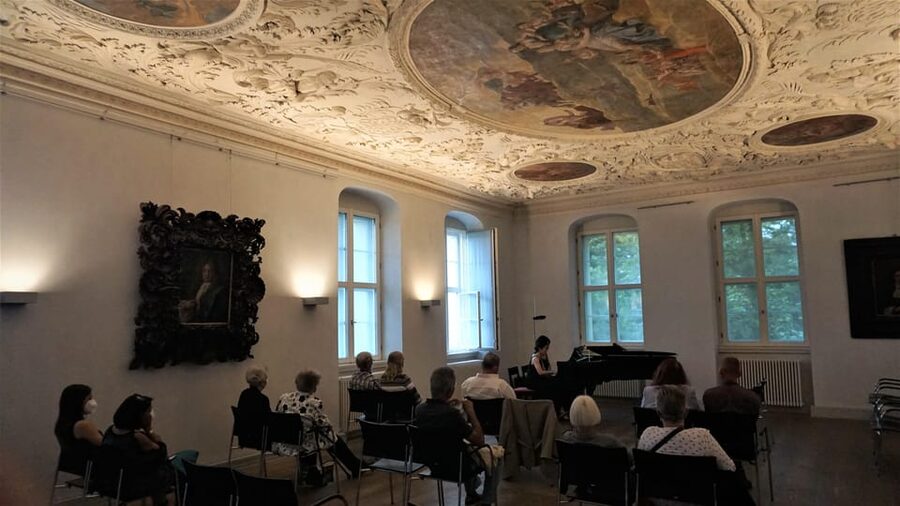
This concert happens in Köpenick Palace, in Berlin’s Köpenick area, and your meeting point is Aurora Hall. The biggest practical tip: treat it like a formal listening event. When you arrive, aim to get seated early enough to settle—palace halls can be echoey, and you want your ears ready for the first notes.
Because you also get free museum admission, you might be tempted to turn this into a half-day. I like that plan if you enjoy context. Music in a palace setting works best when your brain can connect what you’re hearing with where you are.
Inside Aurora Hall: what the space means for the music
Aurora Hall is part of Köpenick Palace, so you’re not just attending a program—you’re stepping into a building with a long relationship to culture and performance. That matters more than you’d think. Classical concerts live or die by atmosphere: sightlines, acoustics, and how “close” you feel to the performers.
There’s one warning from a real-world review: a past concert was described as excessively hot, with apparently no meaningful cooling. That means your best strategy is simple. Dress in light layers and bring a fan-style cooling option if you rely on it. If you hate warm rooms, consider choosing a date when the weather is kinder—or at least arrive expecting it could be warm inside.
The 90-minute experience: what you can actually expect
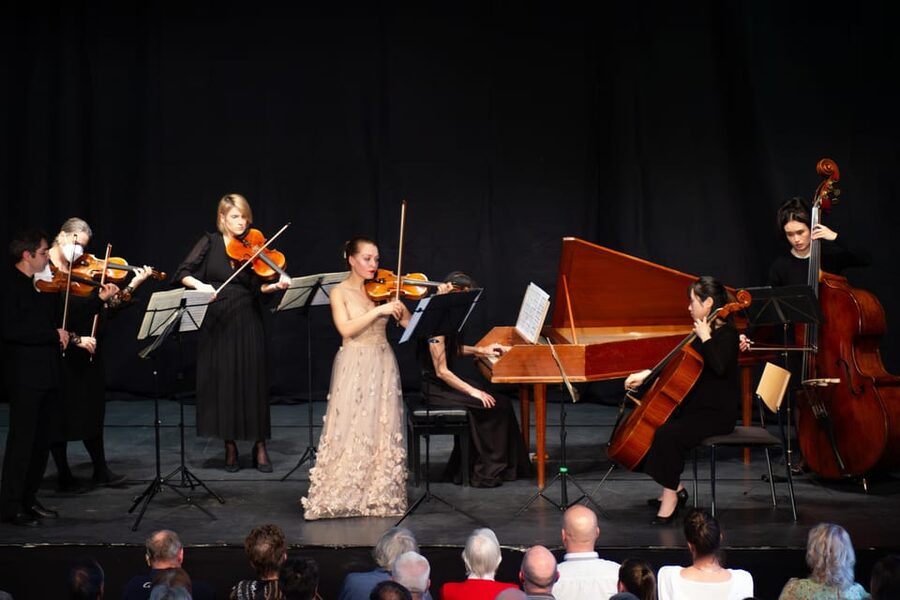
This is a classical concert event with a stated duration of 90 minutes. That time frame is one of the best values here. In many cities, the ticket price can feel high if the performance runs two-plus hours. Here, you get a full evening’s emotional payoff without the “long sit” fatigue.
You should expect a sequence of music appropriate to the program title—whether that’s romantic duets, Mozart songs and arias, piano works, or instrumental chamber-style pieces. The listing also frames these as opera-and-concert evenings, so vocal music is a major part of the lineup on several dates.
Rules are also part of the experience. No audio recording is allowed, and alcohol and drugs are not permitted. That’s good for everyone’s attention and comfort, especially in a room where sound matters.
How to pick the right date: matching the program to your taste
One smart way to get value from a rotating concert series is to pick the date that matches what you feel like hearing, not just the venue. Here are the dates and performers, and what I think each one offers in plain terms.





February 15, 2026: Pure Romance (Romantic Duets)
If you’re in the mood for vocal drama without the heavier subject matter, this is the easy choice. The lineup includes Inês Pinto (soprano), Kristina Naudé (alto), and Beatrice Wehner-Schaller (piano). Romantic duet programs tend to land best when you like strong phrasing and expressive interplay between voices—less about technical puzzles, more about storytelling.
March 8, 2026: Mozart Piano Works, Complete Performance Program 2
This one is for people who love structure. Maria-Magdalena Pitu-Jokisch (piano) is paired with a “complete performance” concept, so you’ll likely hear a concentrated view of Mozart’s keyboard world rather than a scattered sampler. Pick this if you enjoy hearing how a pianist shapes different pieces into one coherent arc.
March 22, 2026: Mozart Songs, Arias, and Duets
This is vocal Mozart with story. Yuri Mizobuchi (mezzo-soprano) and Stephen Barchi (baritone) join Graham Cox (piano). If you like melodies you can follow and enjoy text-driven music, this date is probably the most universally satisfying.
March 29, 2026: The Seven Last Words of the Savior on the Cross
For many people, this is the “serious listening” highlight of the season. It’s centered on Mozart’s well-known work, presented by the Mozart Ensemble Berlin. The appeal here is emotional shape: slow build, intense reflection, and a strong sense of pacing. If you want a concert that feels like a mini journey, this is it.
April 3, 2026: The Music Book of Frederick the Great
This is a fun curveball in a good way. Instead of standard modern strings and grand piano dominance, you get historical textures with Susanne Ehrhardt (recorders) and Yuko Tomeda (harpsichord). If you enjoy early-music color and the sound of older instruments, you’ll likely feel right at home.
April 4, 2026: Mozart Piano Works, Complete Performance Program 3
Another “complete program” option with Naoko Fukumoto (piano). I like having multiple chances to see the “complete performance” idea, because your favorite pianist can change how you experience Mozart’s phrasing, articulation, and dynamics.
April 5, 2026: Piano magic for 4 hands
If you’re curious about what piano music sounds like when two performers share one instrument, this date is made for you. Naoko Fukumoto (piano) and Maria-Magdalena Pitu-Jokisch (piano) play together. The dynamic contrast is often where the excitement lives: conversation between hands, shared momentum, and those moments where it feels like the music expands outward.
April 6, 2026: Classical Violin Sonatas
A classic chamber-music set with Annegret Pieske (violin) and Victoria Litsoukova (piano). Violin sonatas are a great “first chamber music” experience because you get dialogue: the violin sings, the piano answers, and the two voices negotiate the emotional temperature throughout.
May 1, 2026: Schubert Potpourri
For an easier, more varied mood, this Schubert program works well. Stephen Barchi (baritone) joins Maria-Magdalena Pitu-Jokisch (piano). “Potpourri” usually means you’ll hear a mix of Schubert themes and colors, so it’s a good choice if you don’t want a single dense arc.
May 10, 2026: Bach Violin Sonatas 2
This date brings Marianne Boettcher (violin) and Yuko Tomeda (harpsichord). Bach violin sonatas can be gripping because they reward attention. The harpsichord adds crispness and clarity, so you’ll likely hear lines and patterns that feel especially defined.
May 17, 2026: Piano music to dream to
A gentler-sounding title, with Maria-Magdalena Pitu-Jokisch (piano). If you want a calmer evening—still serious, but less “argument-driven”—this is a strong bet.
May 31, 2026: Iberian sounds
For contrast from the Mozart/Bach-heavy center of the season, this one swings toward Spanish and Iberian color with Inês Pinto (soprano), Márcio Silva (guitar), and the vocal-meets-guitar combination. If you like the idea of timbre and rhythm being a bigger part of the emotional story, you’ll probably enjoy it.
Value for money: $33 in a palace concert setting
At $33 per person for 90 minutes, the basic value proposition is straightforward: you’re paying for a real venue and a focused performance time window. In Berlin, that can be the difference between “I paid a lot for one evening” and “I paid a fair price for a clear experience.”
The included free museum admission nudges the value upward. Even if you don’t turn it into a long museum visit, it gives you a built-in plan for arriving early or sticking around after. That flexibility is part of what makes the evening feel like more than just a seat and a ticket.
Also, the fact that the series runs across multiple dates with specific named artists helps you pick your best match. You’re not committing to a one-size program—you’re choosing the chemistry of a particular cast.
Comfort tips: warmth, silence, and how to prepare
The standout comfort issue from a prior review was warmth in the hall—no cooling, or not enough. I’d treat that as a real possibility rather than a one-off complaint. Bring light layers, and if you’re the type who gets uncomfortable in warm spaces, consider bringing a small cooling item you’re allowed to have.
Then there’s the rules side. Because audio recording isn’t allowed, you’ll rely on your own listening. That’s not a downside if you embrace it. Silence from phones and cameras makes it easier to actually hear the musical detail, especially in passages where the performers move fast.
Finally, one data point matters for peace of mind: one earlier booking reportedly did not take place, with no response at the time. I can’t predict your experience, but I do think it’s wise to confirm the date and show status closer to your visit and keep your confirmation handy.
Who this concert is best for
This is ideal if you want:
- A classical program that doesn’t drag on for hours
- A venue that feels historic and “worth the trip”
- A chance to see named performers in a palace setting
- A lineup that spans vocal, piano, and instrumental music without forcing you to learn niche details first
If you’re new to classical music, look for the Mozart vocal dates or the romance program. If you already love classical repertoire, you can go straight for the complete Mozart piano programs, Bach violin sonatas, or the recorder/harpsichord historical-style evening.
Should you book this Köpenick Palace concert series?
Yes, I’d book it if you’re excited by the program lineup and the palace setting, and if you like the idea of a tight 90-minute concert night. The price-to-experience ratio is solid, and the inclusion of free museum admission is a nice bonus.
I’d hesitate only if heat inside can ruin your comfort. Based on at least one report, the hall can run warm. Also, if you’re very risk-sensitive about last-minute changes, it’s worth double-checking close to your chosen date.
If you pick the program that matches your mood—romantic duets, Mozart vocals, Bach sonatas, or Iberian sounds—you’ll likely end up with one of Berlin’s more memorable listening evenings.
FAQ
How long is the concert?
The concert lasts about 90 minutes.
Where is the meeting point?
The meeting point is Aurora Hall.
How much does it cost?
The price is $33 per person.
Is it wheelchair accessible?
Yes, the event is listed as wheelchair accessible.
Is museum admission included?
Yes. Free museum admission is included.
What’s not allowed during the event?
Alcohol and drugs are not allowed, and audio recording is not allowed.
Can I cancel and get a full refund?
Yes. You can cancel up to 24 hours in advance for a full refund.
More Concerts in Berlin



More Tour Reviews in Berlin

Round out your days in Berlin



Concerts, compared.
 ★ 4.6Classical Concert at Kaiser Wilhelm Memorial ChurchFrom $27387 reviews
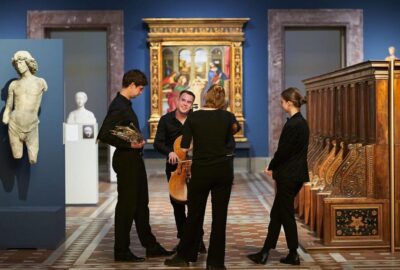 ★ 4.3Classical concerts at the Bode Museum BerlinFrom $3726 reviews
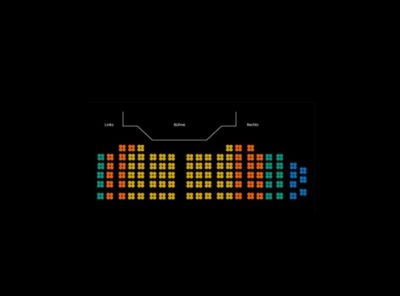 ★ 4.2Stars in ConcertFrom $5825 reviews
 ★ 5.0Historical Walking Tour with Live MusicFrom $128 reviews
Browse the lists this tour appears in