
REVIEW · FOOD & DRINK
Berlin: Disgusting Food Museum Entry Ticket and Tasting
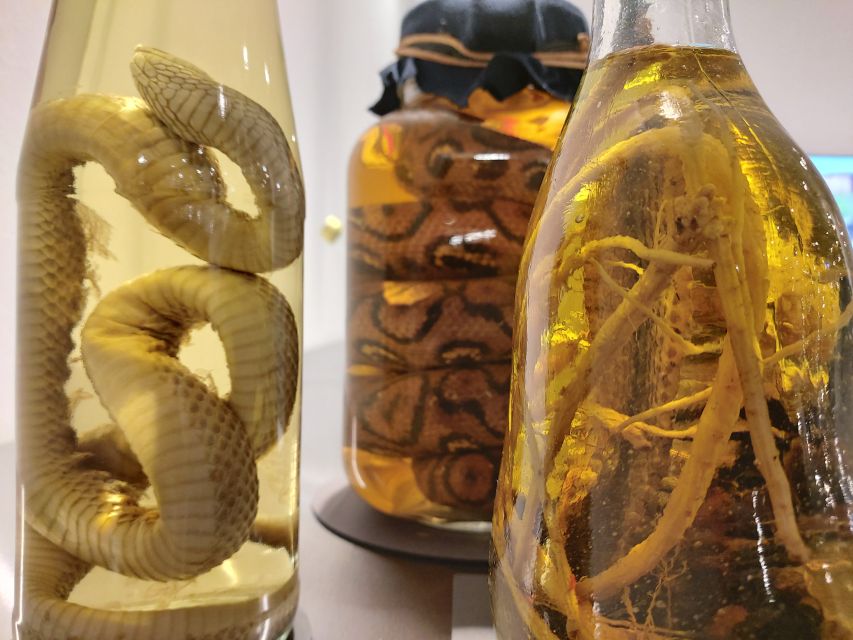
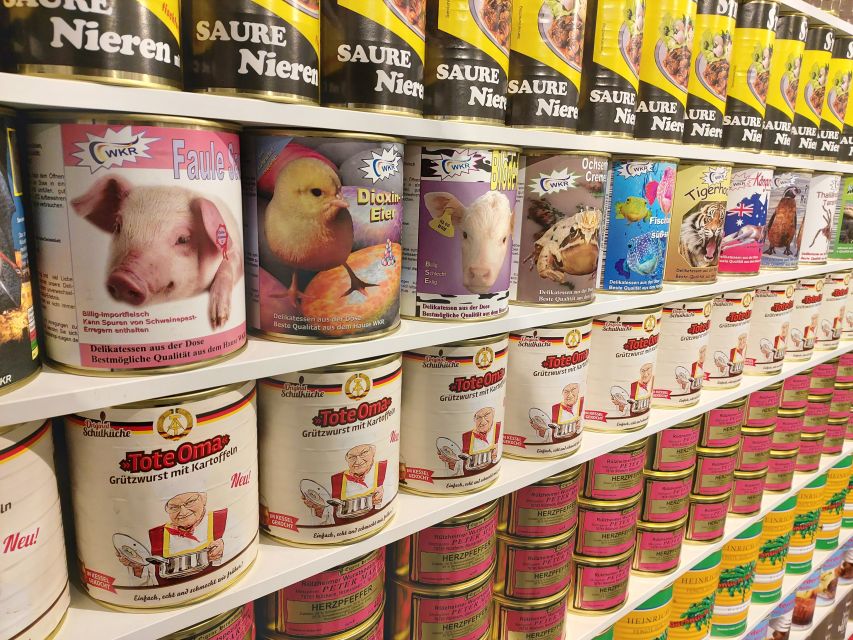
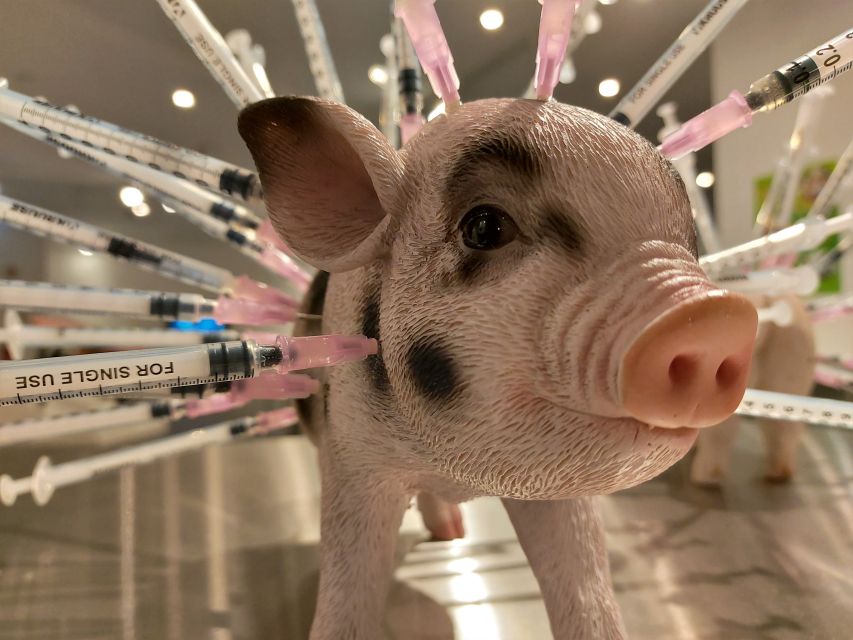
Bad food turns into big lessons here. The Disgusting Food Museum Berlin is built around 90 exhibits from around the world, with a Tasting Bar where you can test your own limits. Expect examples like mouse wine, mite cheese, stinky fish, and more, all framed as a real food-and-health conversation, not just shock value.
I like how the displays connect strange ingredients to culture and nutrition, so you leave with a broader view of what counts as food. You’ll also enjoy the pacing: you don’t have to go all-in at once, because you get small tasting samples instead of an everything-or-nothing ordeal.
One drawback: some parts can be uncomfortable for people who don’t want to see or think about very gross food topics.
In This Review
- Key things I think are worth your attention
- What the Disgusting Food Museum Berlin Does Better Than Shock-Only Attractions
- The 90-Exhibit Route: How “Disgusting” Becomes a Food-Science Lesson
- The Tasting Bar: Small Samples, Big Personal Feedback
- Foods Like Mouse Wine, Mite Cheese, and Stinky Fish (Why They’re Included)
- The Smell and the Senses: What to Expect When Your Brain Gets Busy
- Beyond Gross Food: The Museum’s Food-and-the-Future Discussions
- Price and Value: Is $20 Worth a One-Day Ticket?
- Practical Berlin Tips: What to Bring and How to Use Your Time
- Who This Experience Fits Best (And Who Should Rethink It)
- Should You Book the Disgusting Food Museum Berlin?
- FAQ
- What is the price of the Disgusting Food Museum Berlin ticket?
- How long should I plan to spend at the museum?
- What is included with the entry ticket?
- Are tastings part of the experience?
- Where do I start my visit?
- Is the museum wheelchair accessible?
- What should I bring with me?
- What languages is the experience available in?
- Is any of the content likely to be uncomfortable?
- What are the cancellation rules?
- Is transportation included?
Key things I think are worth your attention
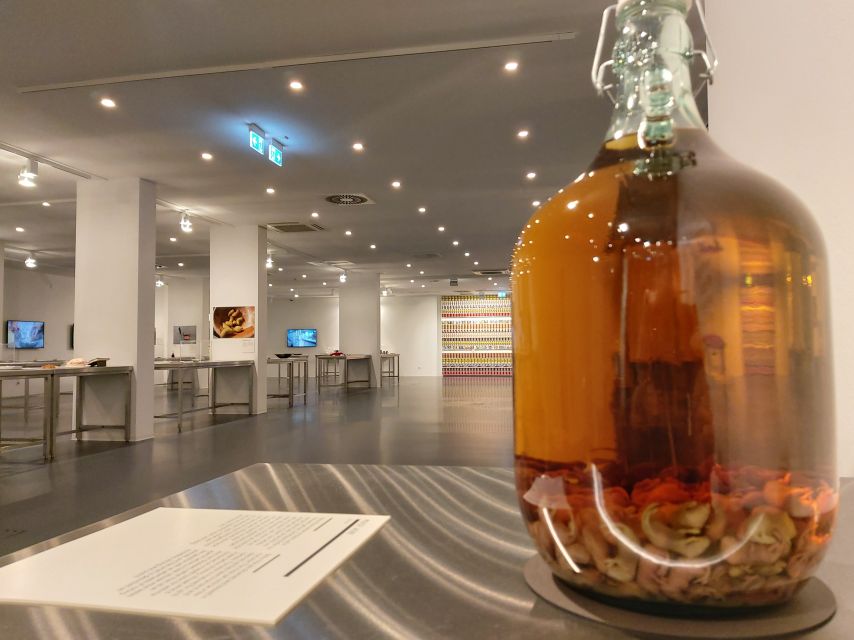
- 90 exhibits worldwide that explain how “disgusting” is often just cultural context
- Tasting Bar samples that help you decide what you like without going too far
- Smell-heavy content that makes you slow down and pay attention to senses
- Food, production, and nutrition themes that turn a gimmick into a discussion
- A Hall of Fame style challenge linked to tastings, which can feel like a real test
More Berlin tours to line up side by side
- Berlin: TV Tower Standard Entrance Ticket★ 4.4 · 15,883 reviews
- Berlin: Berlin Story Bunker Entry Ticket★ 4.6 · 6,759 reviews
- Berlin: Illuseum Berlin Entrance Ticket★ 4.1 · 3,970 reviews
- Berlin: Madame Tussauds Admission Ticket★ 4.6 · 3,941 reviews
What the Disgusting Food Museum Berlin Does Better Than Shock-Only Attractions
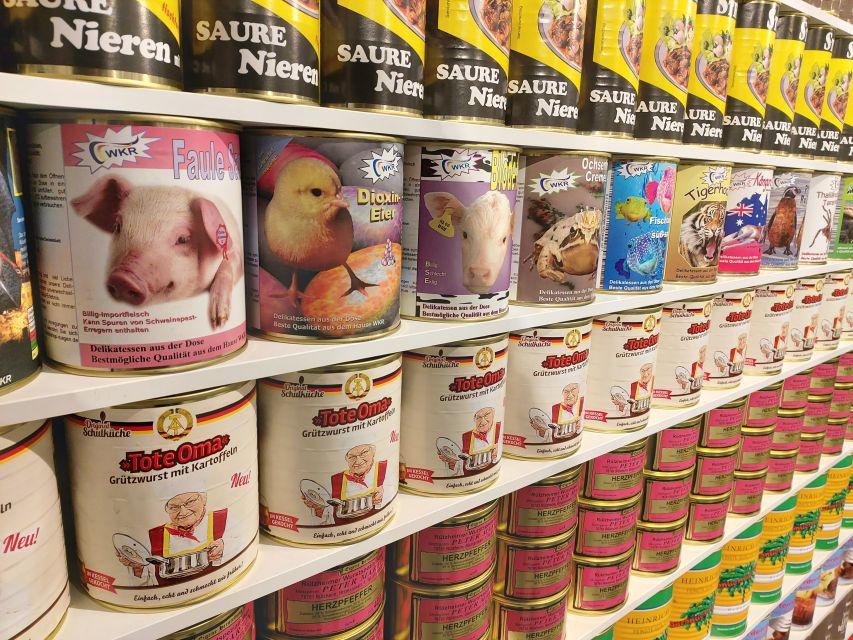
This museum is oddly smart. It doesn’t just show you the gross stuff; it asks why humans eat what they eat, how food gets produced, and what your preferences mean for your health and the planet.
You get to treat it like a one-day activity that’s more interactive than most museum tickets. You’ll walk through themed exhibits built to trigger questions fast, then you can check your own reactions at the Tasting Bar with small samples. That loop is the core of the experience.
I also like that it’s designed for different ages. The material still has gross-factor, but the structure makes it approachable: visuals first, context second, then a guided chance to sample.
The 90-Exhibit Route: How “Disgusting” Becomes a Food-Science Lesson
The big promise is 90 exhibits, and that number matters for your planning. You’re not stuck in a tiny room with a few props. It’s broad enough that you can move at your own pace, linger over the explanations, and still finish in a day.
What you’ll notice as you go:
- The exhibits cover foods from different places, which helps you avoid the trap of thinking one country’s norms are universal.
- The museum frames food as a system: ingredients, preparation methods, and how nutrition can vary depending on what’s common where you live.
- The tone stays curious. Even when something looks extreme, it’s usually paired with why it’s eaten and what it means.
If you tend to get squeamish, plan to take breaks inside the flow. The museum is not trying to trap you in one long sensory assault. It’s more like a series of “stop and think” moments, some of which happen to be gross.
The Tasting Bar: Small Samples, Big Personal Feedback
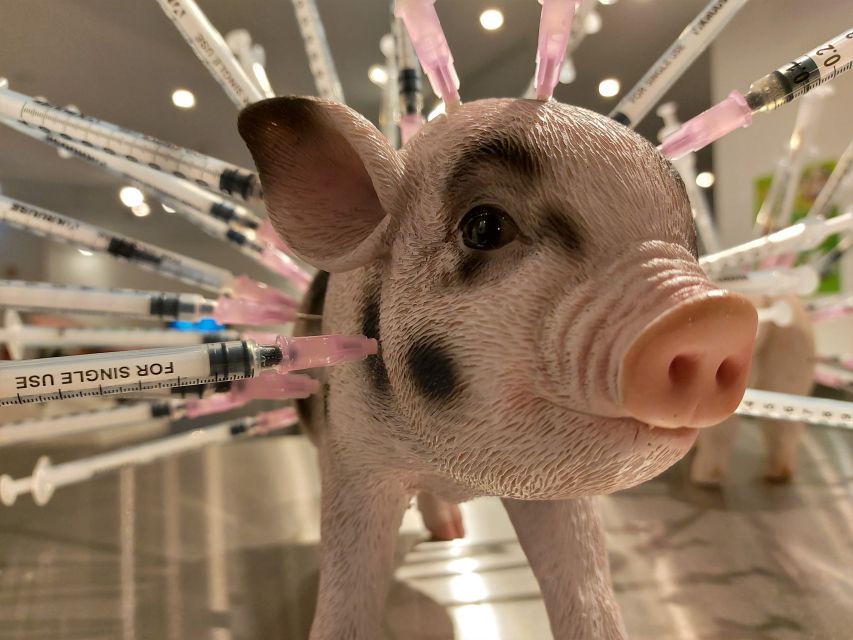
The Tasting Bar is the part that turns passive looking into real decision-making. You’re offered small disgusting samples, which is a practical way to test your tastes without committing to a full plate of something you might hate.
Here’s how to get the most out of it:
- Start with curiosity, not bravado. If you jump straight to the weirdest option, you may shut down before you learn anything.
- Pace yourself. Small samples mean you can go one step at a time and adjust as you learn what kinds of foods bother you most.
- Treat it like data. Your reaction is useful, even if you reject the sample. That’s exactly the kind of reflection the museum is nudging you toward.
One detail I appreciated from visitor comments is that the museum includes areas where you can try items and that some presentations feel less like a display case and more like an experience space. That matters because the museum works best when you’re participating, not just reading.
Foods Like Mouse Wine, Mite Cheese, and Stinky Fish (Why They’re Included)
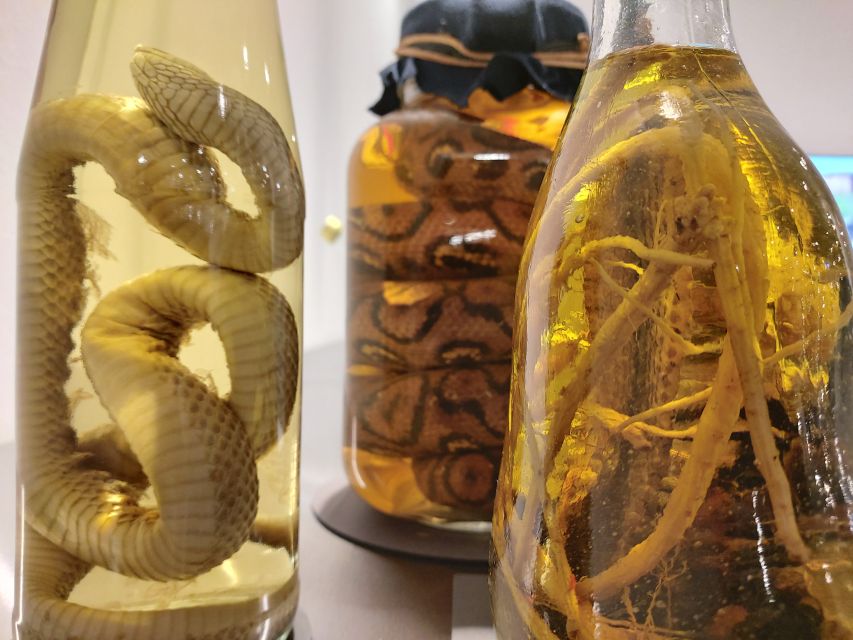
The museum names several headline examples, and that’s not random. Foods like mouse wine, mite cheese, and stinky fish point to three big themes that help you interpret the exhibits.
First theme: taste is culture. If you grow up with one food being normal, something “gross” elsewhere becomes ordinary. The museum’s world-spanning approach makes that hard to ignore.
Second theme: food has a wider range of acceptable inputs than you might think. Mites and fermented drinks might sound like a dare, but many cultures have long traditions around preservation, protein sources, and flavor development.
Third theme: nutrition and consequences. Some exhibits are set up to connect weird ingredients to bigger questions like how food is produced and what certain preferences can lead to.
You don’t have to like everything. In fact, the museum’s value is that your likes and dislikes can become part of the lesson.
More Berlin tours to line up side by side



The Smell and the Senses: What to Expect When Your Brain Gets Busy
A key part of the experience is sensory. Some content is strongly odor-focused, and that’s part of why people find it memorable.
If you know you’re sensitive to smell, you’ll do better by setting yourself up with a simple plan: move through the exhibits without rushing, and pause when you feel overwhelmed. The museum doesn’t ask you to sprint. It rewards attention.
Also, keep in mind that some of the exhibition content may be uncomfortable for some people. That’s not about politeness; it’s about how the museum is designed to provoke strong reactions.
Beyond Gross Food: The Museum’s Food-and-the-Future Discussions
After you’ve seen the exhibits and tried a few samples, the museum shifts tone into conversation mode. You’ll encounter discussions tied to:
- how food is produced
- what happens when people adopt certain preferences
- what we might be eating in the future
- the “abysses” of food and nutrition, meaning the tricky gaps between what we think we know and what’s actually involved
This is where the ticket earns its keep. A lot of attractions stop at the visual shock. Here, the displays push you to consider consequences and trade-offs.
It also helps that you’re encouraged to ask questions. The museum format makes it easier to stay curious instead of getting stuck on one reaction.
Price and Value: Is $20 Worth a One-Day Ticket?
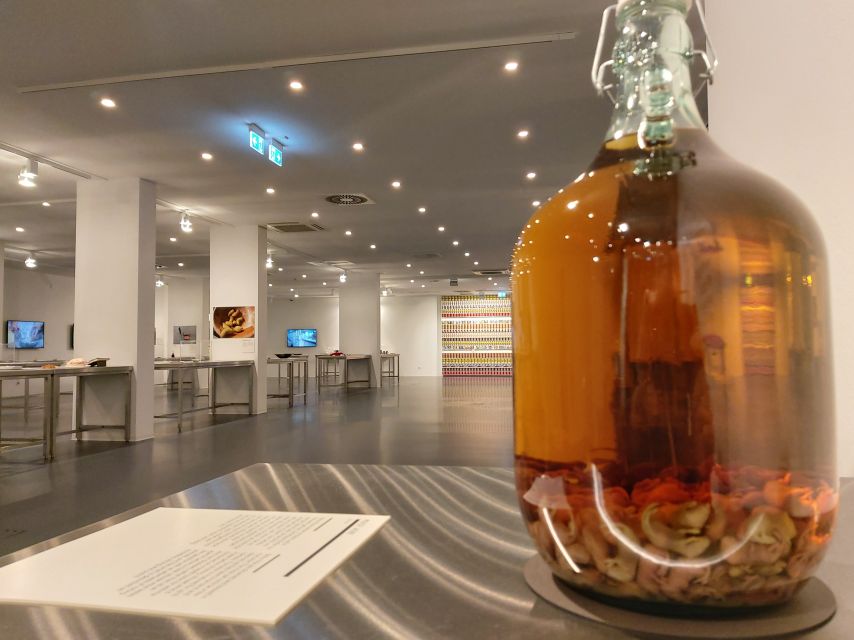
At about $20 per person, this ticket is a pretty efficient deal for Berlin. You’re buying a full day of museum-style exploration plus included tasting samples at the Tasting Bar.
The value comes from two parts:
- Breadth: 90 exhibits gives you enough variety to make the visit feel like a real event, not a quick stop.
- Participation: included tastings turn the experience into something you actively respond to, which tends to stick in your memory longer than reading alone.
If your goal is only a passive museum browse, you might feel the price is geared toward people who want interaction. But if you like playful learning and are open to sensory experiences, the cost-to-time ratio is solid.
Practical Berlin Tips: What to Bring and How to Use Your Time
Transportation isn’t included, so plan how you’ll get to the museum on your own. Once you arrive, your ticket and tastings are valid on the date and time you booked, so treat the scheduled slot like the start of the program, not a vague entry window.
What to bring is simple: a credit card. That’s the one item called out for visitors.
Timing matters because the experience is dense. You’ve got 90 exhibits to work through plus the tasting area and the discussion spaces. If you arrive late, you’ll likely feel rushed. If you arrive on time, you’ll be able to move at a more comfortable rhythm.
If you’re visiting with family, this is one of those rare places where kids might actually be engaged by the topic, as long as they’re okay with the uncomfortable bits.
Who This Experience Fits Best (And Who Should Rethink It)
This museum suits you if you:
- enjoy quirky, hands-on learning
- like food topics that connect culture, nutrition, and real-world choices
- don’t mind strong sensory content like odor-focused exhibits
- want a one-day activity that still leaves you with questions
It may not fit you if you:
- get easily distressed by uncomfortable content
- expect a traditional quiet museum atmosphere
- only want polite, gentle sightseeing
Wheelchair access is available, so mobility shouldn’t block you from the main experience.
Should You Book the Disgusting Food Museum Berlin?
If you’re the type of traveler who enjoys museums that make you think while you laugh a little at your own reactions, book it. For around $20, you get a full set of exhibits, included tastings at the Tasting Bar, and discussion-style content about food production and nutrition.
I’d say go for it if you’re curious and you can handle gross-factor without spiraling. But if you know the topic will make you truly uncomfortable, save the energy for a museum that matches your comfort level better.
FAQ
What is the price of the Disgusting Food Museum Berlin ticket?
The price is listed as $20 per person.
How long should I plan to spend at the museum?
The experience is listed as lasting 1 day.
What is included with the entry ticket?
Your ticket includes museum entry and small disgusting samples at the Tasting Bar.
Are tastings part of the experience?
Yes. Tastings at the Tasting Bar are included with your entry ticket.
Where do I start my visit?
Start your experience at the Disgusting Food Museum Berlin. Your ticket is valid for the date and time you booked.
Is the museum wheelchair accessible?
Yes, the museum is listed as wheelchair accessible.
What should I bring with me?
You should bring a credit card.
What languages is the experience available in?
The experience lists languages, and it notes the cancellation window for those bookings. Specific languages beyond that are not listed in the provided details.
Is any of the content likely to be uncomfortable?
Yes. Some of the exhibition content may be uncomfortable for some people.
What are the cancellation rules?
Free cancellation is available up to 24 hours in advance for a full refund.
Is transportation included?
No. Transportation is not included.
More Food & Drink in Berlin



More Tickets in Berlin





More Tour Reviews in Berlin





Round out your days in Berlin



Food & Drink, compared.
 ★ 5.0Berlin Center Food Tour with 8+ Authentic Local TastingsFrom $1181,227 reviews
 ★ 5.0Berlin City Bike Tour with Beer Garden StopFrom $83917 reviews
 ★ 4.5Kreuzberg: Culinary Food TourFrom $589770 reviews
 ★ 4.4BRLO BRWHOUSE Tour and Craft Beer TastingFrom $21654 reviews
 ★ 4.5Mitte Culinary Food TourFrom $57447 reviews
 ★ 5.0Berlin Craft Beer & Cultural Tour With SnackFrom $143343 reviews
 ★ 4.8Downtown Food Tour with 8 Authentic Local TastingsFrom $89342 reviews
 ★ 4.8Guided Street Food Tour with TastingsFrom $75310 reviews
Browse the lists this tour appears in