
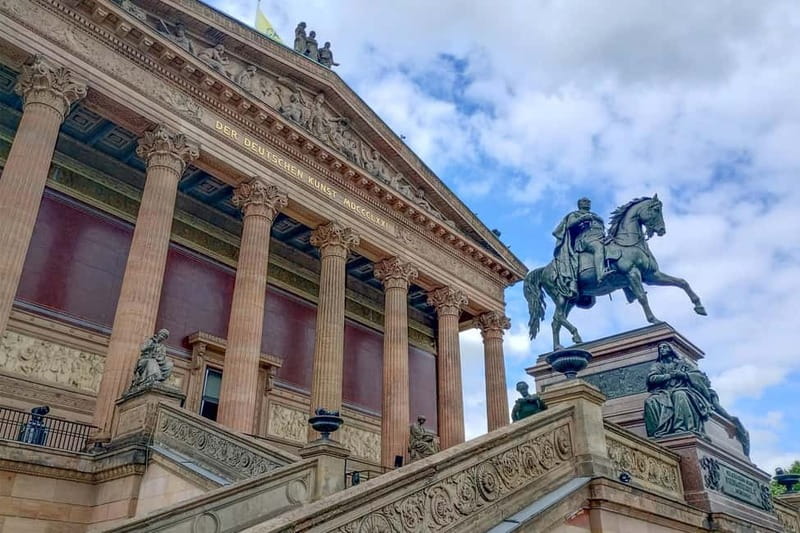
REVIEW · MUSEUM ISLAND & PERGAMON
Berlin: Exclusive Private Tour of the Museum Island
Berlin’s Museum Island can feel like a lot.
That’s why this private tour works: you get a guided route through a UNESCO World Heritage site covering seven major museum areas, with the meaning behind the buildings so the place stops feeling random. I especially like the Bode Museum entrance hall (big, confident, and full of sculpture context) and the Altes Museum rotunda (the kind of space that makes you slow down). One possible drawback: it’s a 2-hour orientation, so you won’t spend long inside every museum, and full entry to galleries isn’t included beyond some entrance halls.
The tour is built for momentum. You start at the Bode Museum, move across the island and nearby landmarks, and finish with a strong intro to the Neues Museum—plus you’ll leave knowing what to prioritize when you return on your own. In the feedback I saw, the guides (notably Klaus) earned praise for being engaging and enthusiastic, with real museum study behind the stories.
Key points to know before you go
- Bode Museum entrance hall + Granitschale story: You’ll start with a dramatic intro and a talk about the world’s largest granite dish.
- Altes Museum rotunda: A quick look at the island’s original vision, explained in plain language.
- Neues Museum after 2009 restoration: You get context for seeing historic ruins paired with modern design.
- Humboldt Forum courtyards: The Schlüter Courtyard helps you read the former palace story without getting lost.
- Optional stops when conditions allow: The Friedrichswerdersche Kirche visit can be added depending on opening days.
- Private group for up to 10: At $293 per group, it can be a very cost-friendly way to do Museum Island with friends or family.
In This Review
- Museum Island feels big. A guide turns it into a plan.
- Starting at the Bode Museum: the imperial mood-setter
- Pergamon Museum area: quick context while you move
- Unter den Linden landmarks: war, reconstruction, and meaning
- Humboldt Forum courtyards: reading the palace story
- Altes Museum rotunda: the island’s original idea made visible
- Neues Museum: where the tour really earns its highlight label
- How museum-entry limits affect your expectations
- Price and logistics: $293 for up to 10 in 2 hours
- Who this tour suits best (and who might prefer solo time)
- Should you book this Museum Island private tour?
- FAQ
- How long is the Museum Island private tour?
- What is the price and group size?
- Where do we meet the guide?
- Which museums and landmarks are covered?
- Is museum entry included?
- What is the biggest highlight of the tour?
- Does the itinerary include optional stops?
- What languages is the live guide available in?
- Is the tour private?
- Is it wheelchair accessible?
- Is free cancellation available?
Museum Island feels big. A guide turns it into a plan.
Museum Island is famous, but it’s also easy to treat like a checklist. You walk from building to building, grab a few highlights, and then—hours later—wonder what you actually understood. This tour tries to fix that.
The value here is orientation. You learn what each museum was meant to be, how royal power and later war and rebuilding shaped what you see today, and why the museum buildings sit where they do. Once you know that, your independent time feels smarter, not rushed.
Also, this is a private group (up to 10). That matters because you can ask quick questions and adjust the pace. And since the guide can adapt to your wishes in advance or during the walk, the tour can fit your “I want art” or “I want history” mood.
Keep going on Museum Island
- Berlin: Museum Island Multiple Museum Entry Ticket★ 4.4 · 2,861 reviews
- Berlin: “Pergamonmuseum. The Panorama” Exhibition Tickets★ 4.6 · 1,245 reviews
- Berlin WelcomeCard: Museum Island & Public Transport★ 4.3 · 999 reviews
- Berlin: Museum Island Guided Walking Tour★ 4.9 · 38 reviews
Starting at the Bode Museum: the imperial mood-setter
You meet in front of the main entrance of the Bode Museum. That’s a smart starting point because the building signals immediately that this wasn’t designed for small-town museum vibes—it’s about ambition.
Inside the Bode Museum entrance hall, the guide sets the stage with imperial ambition and the origins of Museum Island as a public cultural project. The story isn’t just who built what. It’s why it was built, and what “museum” meant in that era: power made visible, collections made official, art turned into identity.
This is also where the tour brings in a truly oddball detail—the Granitschale, described as the largest granite dish in the world. Even if you’re not the type who memorizes object dimensions, stories like this help you remember what you saw and why it matters.
What I like: the tour uses the space to teach. You’re not just looking at architecture; you’re getting a reason to look closely.
A practical consideration: this stop is short (about 15 minutes), and it’s focused on entrance-hall viewing and context. If you want to linger over sculpture, plan to return later with tickets.
Pergamon Museum area: quick context while you move
After the Bode Museum, the route heads toward the Pergamon Museum area. Parts of this segment are more of a pass-by than a full guided museum experience, which makes sense in a 2-hour format.
You’ll get a guided look at what the Pergamon Museum represents and why it’s been under long renovation. If you’re the type who hates arriving at closed doors, the explanation here can help you feel less annoyed and more prepared—especially if you’re planning your self-guided visit for a different day.
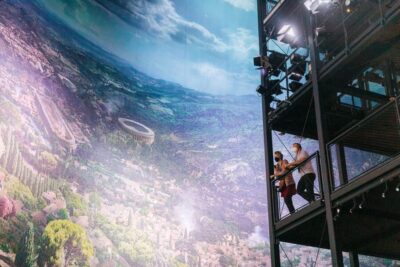
You’ll also see or pass by Pergamonmuseum. Das Panorama, which gives you another entry point to understand how Museum Island isn’t just “a building with exhibits,” but a whole complex shaped by time, politics, and restoration decisions.
Tip for your own planning: use this tour to understand the museum personalities—then decide which ones deserve your paid time and which ones can be a “later” stop.
Unter den Linden landmarks: war, reconstruction, and meaning
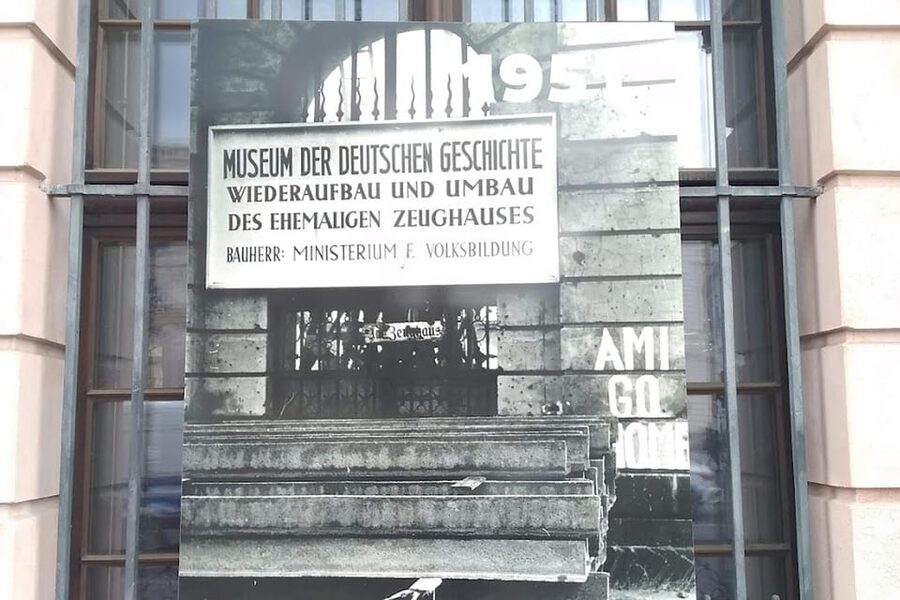
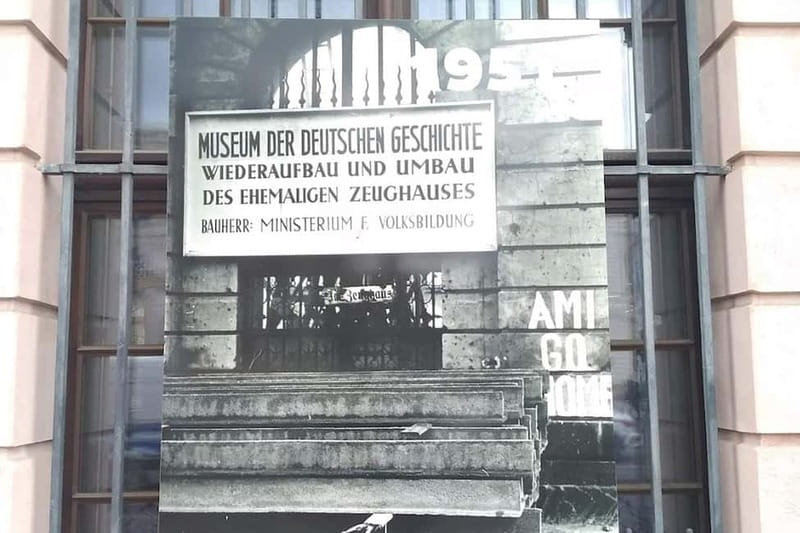
Museum Island sits next to some Berlin landmarks that carry heavy history. On this walk, you pass the Old Arsenal, now home to the German Historical Museum, and you’ll hear how the landmark reflects Berlin’s dramatic past.
This is the section where the tour becomes more than art talk. You get historical framing for why the museum environment looks the way it does—how royal planning met conflict, and how rebuilding shaped the present-day museum map.
Depending on opening days, the tour can include Friedrichswerdersche Kirche, a neoclassical church known here for its sculpture collection. If that stop is available, it’s one of those “surprising on a museum island tour” moments. Churches can be a shortcut to understanding how art and setting worked together in the 19th century, especially when you’re comparing styles across the island.
If the church isn’t open, you still get plenty of other context. But if you care about sculpture presentation, it’s worth keeping your schedule flexible around opening days.
Humboldt Forum courtyards: reading the palace story
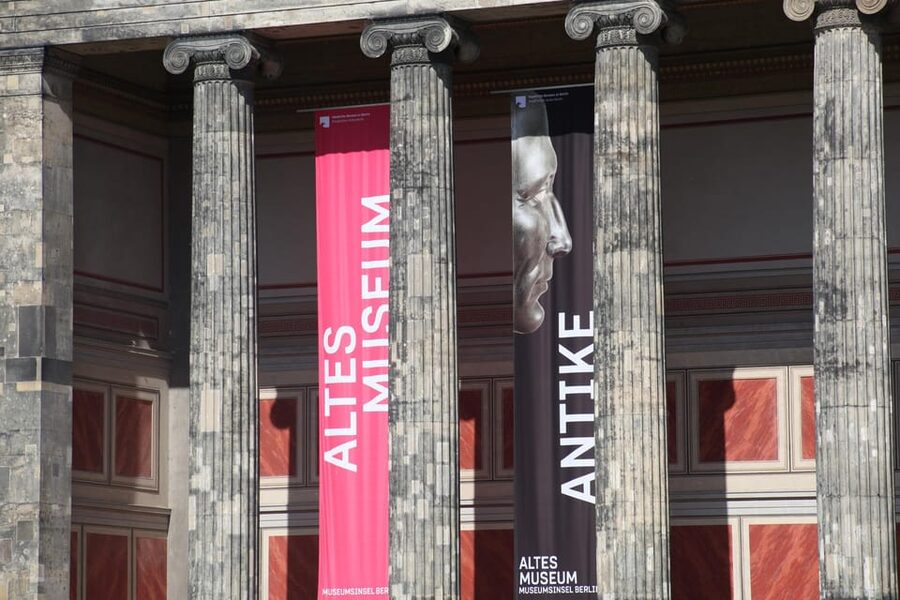
Next up is the Humboldt Forum, including time in the Schlüter Courtyard. This part is great if you ever wished a museum could explain itself in one clean sentence.
The guide helps you uncover the layered history of Berlin’s former royal palace before you stroll through the area. The point isn’t to argue politics. It’s to give you a lens for understanding why today’s institution sits within a complicated setting.
Then you connect the courtyard to the nearby symbolism you see around Lustgarten and the Berlin Cathedral area. The tour focuses on what those spaces represent, so when you look at the cathedral later (or in photos), it’s not just a pretty backdrop. It’s part of the story you just heard.
Good to know: some of the “symbolism and context” moments happen while walking, not while standing in front of a single exhibit. If you prefer to sit and read, you may want to take a slower pace during those stops.
More private tours of Berlin




Altes Museum rotunda: the island’s original idea made visible
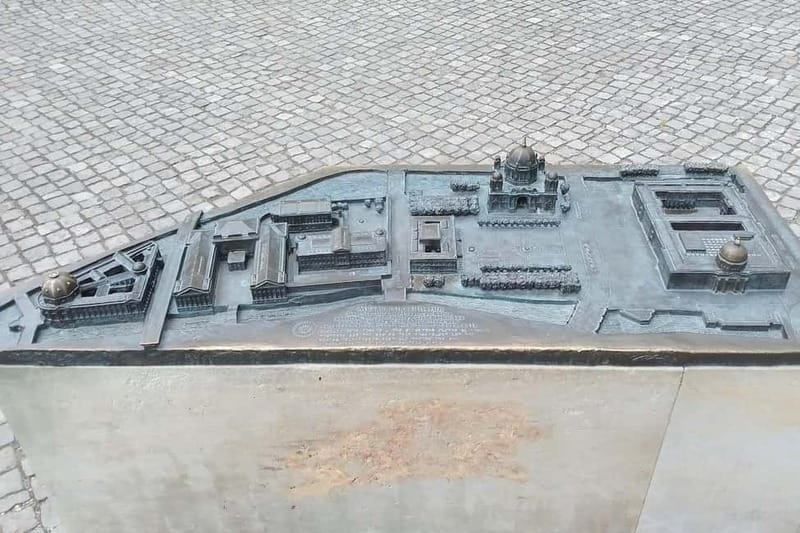
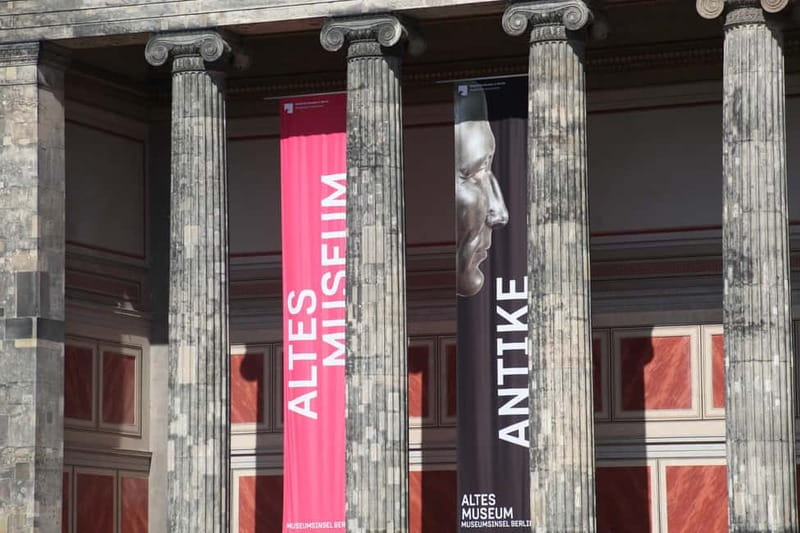
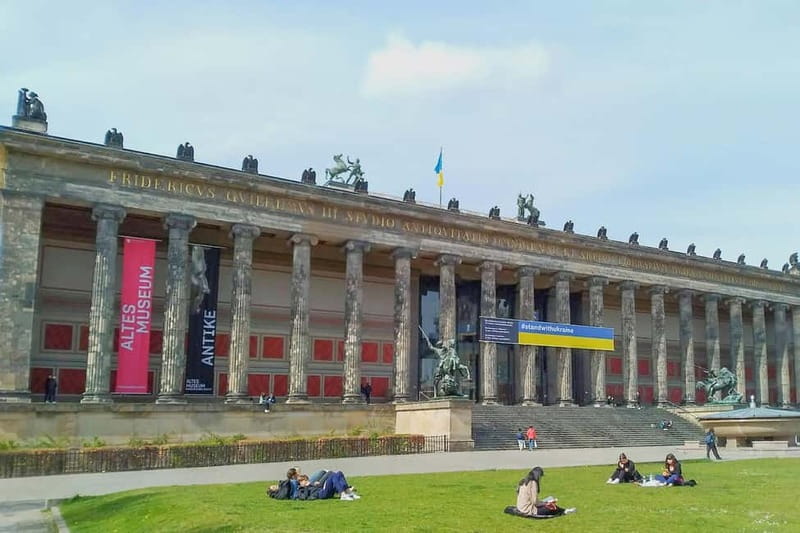
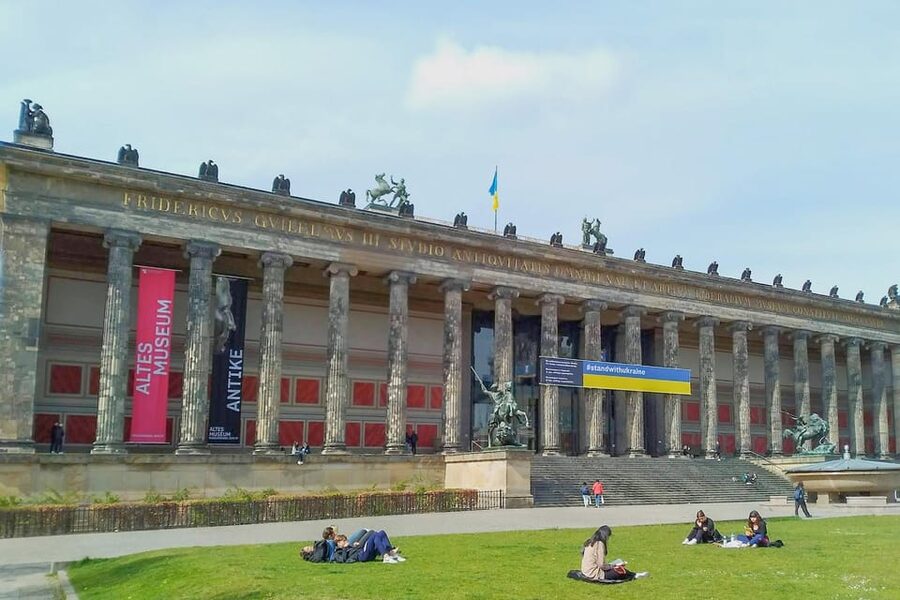
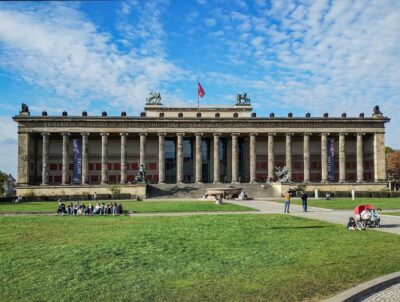
The tour then hits one of the classic “wow” stops: the colonnade and rotunda of the Altes Museum.
The rotunda is iconic for a reason. Standing there (even if your time is brief), you can feel how the original vision of Museum Island relied on grand architectural statements—spaces meant to impress, order the collection, and shape how visitors felt in the presence of art and learning.
The guide also connects this to the broader museum system, including what the Alte Nationalgalerie meant for shaping artistic identity in 19th-century Europe. Even as a pass-by or short stop, this gives you a mental map: what kind of art was being collected, and why it mattered in that century’s cultural competition.
What I like here: the tour doesn’t treat architecture like background. It treats it like evidence.
Possible drawback: like other stops, the time is limited. If the rotunda makes you want to study details, plan to come back with more time after the orientation.
Neues Museum: where the tour really earns its highlight label
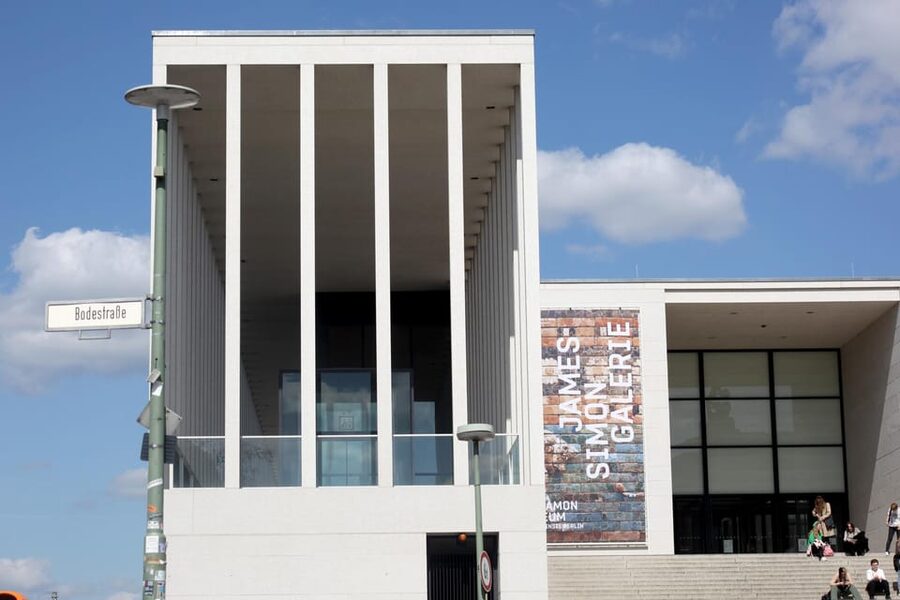
If you only remember one segment, make it the Neues Museum introduction. This is the tour’s big “connect the dots” moment.
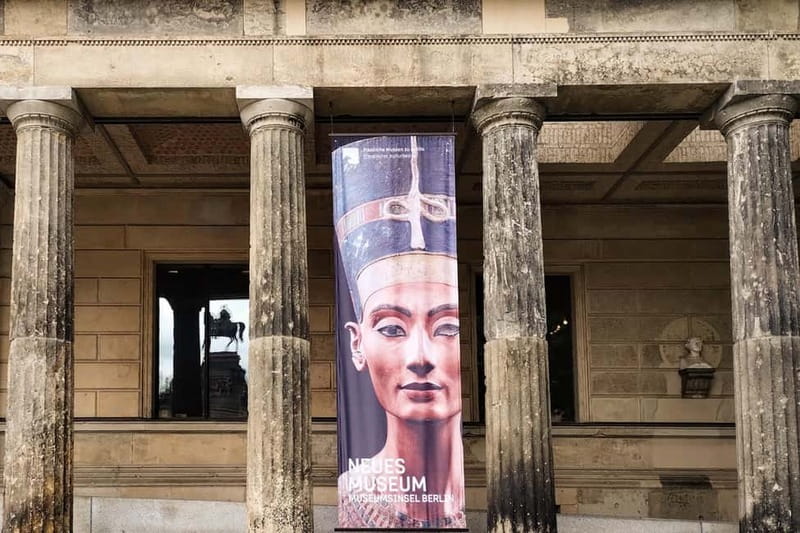
You’ll learn that the Neues Museum reopened in 2009 after an award-winning restoration by David Chipperfield. That restoration story matters because it explains the museum’s character: historic ruins are still part of what you see, but modern design helps carry the building forward.
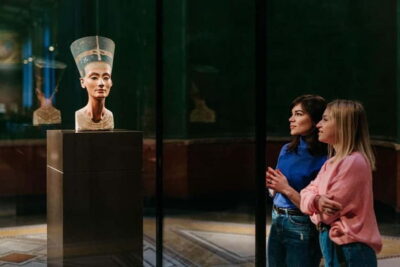
Then comes the star object you came for (even if you didn’t think you did): the Bust of Nefertiti. The guide frames it as a world-famous centerpiece you’ll understand better once you know what the museum’s collections are trying to communicate. You’ll also encounter mentions of Egyptian, prehistoric, and classical collections—so the museum doesn’t feel like one hallway with one celebrity statue.
Why this part is so valuable: lots of people walk into the Neues Museum and focus on Nefertiti (understandable). The tour helps you widen your view, so your visit doesn’t end the moment you find the main face.
One more practical note: entry to museums isn’t included except for some entrance halls. So if you want a long Neues Museum sit-down, you’ll likely want to buy tickets separately. The upside is that you’ll know what to chase first.
How museum-entry limits affect your expectations
This tour is designed as an orientation. That means you’re not getting a full guided ticketed tour of every museum gallery. The listing notes that entry to museums isn’t included, aside from some entrance halls.
So set your expectation like this:
- Think of the tour as your map + meaning session.
- Treat your later independent museum visits as the deep look time.
The smartest way to use what you learn is to decide before you go back:
- Which museum felt most coherent to you after the guide explained it?
- Which stop made you want to see more objects, not just architecture?
- Do you want to return to the Neue Museum for the collections beyond Nefertiti?
The tour also helps you avoid the common Museum Island mistake: spending paid time in the wrong place because you didn’t know how the museums relate to each other.
Price and logistics: $293 for up to 10 in 2 hours
At $293 per group up to 10 people for a 2-hour private tour, the price can be very fair—especially if you’re traveling with a small crew.
Here’s how I think about value:
- If you have 6 to 10 people, your per-person cost drops quickly. For group travel, this can be cheaper than hiring separate guides later.
- If it’s only 1 or 2 people, it’s still not outrageous, but you’ll want the tour to do most of the thinking for you—because the guided time is limited.
The fact that the guide covers multiple landmark-musbotons (Bode, Altes, Neues, Humboldt Forum, plus nearby power-and-history sites) is what justifies the cost. You’re paying to save confusion time and to get context you’d otherwise miss.
Also, the tour is wheelchair accessible, and it runs in English and German. So you can match your comfort level without switching formats.
Who this tour suits best (and who might prefer solo time)
This is ideal if you:
- are visiting Museum Island for the first time and want confidence before you buy tickets
- care about how architecture links to political and cultural change
- want a guided story that helps your independent museum visit feel intentional
- like art and history but don’t want to spend your entire day trying to decode what you’re looking at
You might prefer a self-guided plan if you:
- already know the museum layouts and want maximum time inside specific galleries
- have a strong preference for one museum and want longer guided reading inside that single site
- hate structured walking routes and would rather roam without stops
The tour works best as a primer. If you use it that way, you’ll get more satisfaction out of every later ticketed hour.
Should you book this Museum Island private tour?
I’d book it if you want to see Museum Island with a plan and come away knowing what matters. The strongest case is the combination of architectural highlights (Bode entrance hall, Altes rotunda), the context for Berlin’s big historical arcs, and the guided intro to the Neues Museum—especially the Nefertiti connection and the 2009 restoration story.
I’d think twice if you already have your museum priorities locked in and you’re planning to spend most of your day inside one or two museums. In that case, you may not need as much orientation.
If you do book, do yourself a favor: after the tour, pick your top one or two museums and return on a separate time slot. That’s how this orientation pays off.
FAQ
How long is the Museum Island private tour?
The tour lasts about 2 hours.
What is the price and group size?
It costs $293 per group for up to 10 people.
Where do we meet the guide?
Meet your guide in front of the main entrance of the Bode Museum.
Which museums and landmarks are covered?
The tour focuses on Museum Island’s major museum areas, including the Bode Museum, Altes Museum, Alte Nationalgalerie, Neues Museum, and the Humboldt Forum area, plus several nearby landmarks such as Unter den Linden sights and the Berlin Cathedral area.
Is museum entry included?
Entry to museums is not included, apart from some entrance halls.
What is the biggest highlight of the tour?
The guided introduction to the Neues Museum is the standout highlight, including context for the Bust of Nefertiti and the museum’s 2009 reopening and restoration.
Does the itinerary include optional stops?
Yes. The Friedrichswerdersche Kirche stop is optional and depends on opening days.
What languages is the live guide available in?
The tour is available in English and German.
Is the tour private?
Yes. It’s a private group experience.
Is it wheelchair accessible?
Yes, the tour is wheelchair accessible.
Is free cancellation available?
Free cancellation is offered up to 24 hours in advance for a full refund.
More Tours in Berlin






More Tour Reviews in Berlin

Still on Museum Island



Round out your days in Berlin


Museum Island & Pergamon, compared.
 ★ 4.4Museum Island Multiple Museum Entry TicketFrom $282,861 reviews
 ★ 4.6“Pergamonmuseum. The Panorama” Exhibition TicketsFrom $161,245 reviews
 ★ 4.3Berlin WelcomeCard: Museum Island & Public TransportFrom $70999 reviews
 ★ 4.9Museum Island Guided Walking TourFrom $3438 reviews
 ★ 5.0Highlights Tour: Explore Berlin’s unique Museum IslandFrom $3430 reviews
★ 4.9Museum Island Guided Walking TourFrom $4328 reviews
★ 5.0Highlights Tour: Explore Berlin’s unique Museum IslandFrom $3430 reviews
★ 4.9Museum Island Guided Walking TourFrom $4328 reviews
 ★ 4.3Classical concerts at the Bode Museum BerlinFrom $3726 reviews
 ★ 4.6Short Expert Archaeological tour of the Pergamon PanoramaFrom $4720 reviews
Browse the lists this tour appears in