
REVIEW · TICKETS
Berlin: The Feuerle Collection Guided Tour and Entry Ticket
A bunker, then art that refuses to sit still. This 1-hour guided visit to The Feuerle Collection turns Berlin into a quiet, high-design gallery space, pairing Imperial Chinese lacquer furniture and ancient Southeast Asian sculpture with heavyweight contemporary names like Nobuyoshi Araki and Adam Fuss. It’s also a rare chance to see how architecture can shape the way you read art: the rooms live inside a former WWII telecommunications bunker renovated by John Pawson.
I especially like the calm, guided pace—you’re given just enough direction to notice details without being talked at. I also love the way the collection creates a conversation across time and place, so Khmer stone and bronze don’t feel stuck in the past. One possible drawback: at just about an hour, the tour can feel short if you want to linger and study every object.
In This Review
- Key things to notice on this tour
- Inside the John Pawson bunker: a space that changes how you see
- The 60-minute guided route: what you’ll do and what it feels like
- Imperial Chinese lacquer and stone furniture: the craftsmanship you can’t fake
- Khmer sculpture stops: stone, bronze, and wood with real presence
- Contemporary pairings: Araki and Adam Fuss in practical dialogue
- The underground lake and light design: one of those moments that stays
- Désiré Feuerle’s idea: why the mix feels intentional
- Practical rules that affect your visit (and keep it quiet)
- Price and value for a $25, one-hour guided ticket
- Who this tour suits best (and who might want a different plan)
- Should you book this guided tour of The Feuerle Collection?
- FAQ
- How long is the Feuerle Collection guided tour?
- How much does the guided tour and entry ticket cost?
- What language is the live guide?
- Where do I meet for the tour?
- Is the tour wheelchair accessible?
- Are cameras, cellphones, or video recording allowed?
- Is food and drinks included, and is it allowed inside?
Key things to notice on this tour
- WWII bunker turned gallery: You walk through a former telecommunications bunker redesigned for slow looking.
- Imperial Chinese craftsmanship: Lacquer work and stone furniture are front and center, not background decoration.
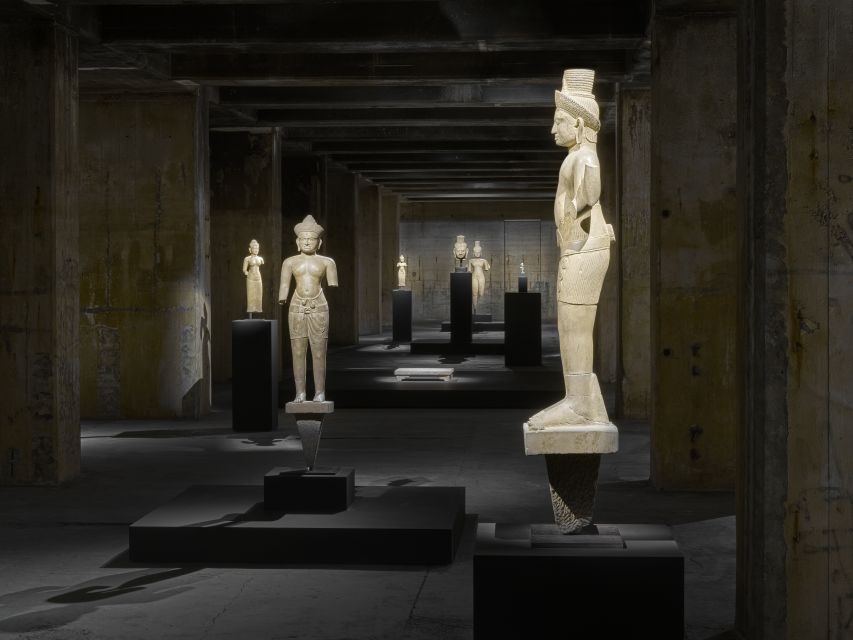
- Khmer sculpture focus: You’ll see stone, bronze, and wood works from roughly the 7th to the 13th century.
- Contemporary pairings that make sense: Artists like Nobuyoshi Araki and Adam Fuss are shown beside antiquities for comparison.
- A light-and-water moment: An underground lake is integrated into the lighting design and the art-viewing experience.
- Some special rooms can be hit-or-miss: If a specific feature room is on your wish list, be aware it may not always be available.
More Berlin tours to line up side by side
- Berlin: TV Tower Standard Entrance Ticket★ 4.4 · 15,883 reviews
- Berlin: Berlin Story Bunker Entry Ticket★ 4.6 · 6,759 reviews
- Berlin: Illuseum Berlin Entrance Ticket★ 4.1 · 3,970 reviews
- Berlin: Madame Tussauds Admission Ticket★ 4.6 · 3,941 reviews
Inside the John Pawson bunker: a space that changes how you see
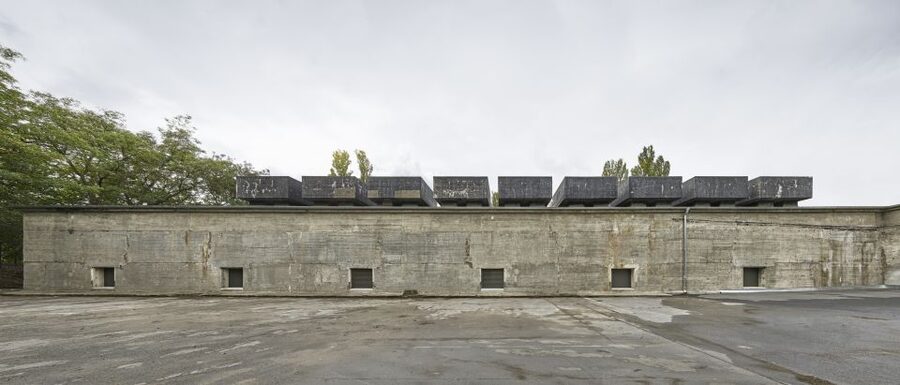
The Feuerle Collection doesn’t look like a typical museum. You start by stepping into a renovated WWII telecommunications bunker—one of those Berlin spaces where the walls feel heavy and the atmosphere turns quiet fast. Then John Pawson’s design language does its job: it strips away distractions so your eyes naturally move from architecture to object to light.
This matters more than it sounds. When art is shown in a purpose-built space, your brain stops asking where to look next. You can actually compare. In this bunker gallery, the geometry and lighting help you slow down, even though the tour itself moves at a steady pace.
You’ll also notice the collection is designed to read in sequences. That underground setting gives the rooms a hushed feel, and the result is that even contemporary art lands differently—less like a separate wing, more like part of the same visual argument.
The 60-minute guided route: what you’ll do and what it feels like
The tour lasts about an hour, and it’s a guided museum walkthrough in English. You meet at the entrance to The Feuerle Collection, then your guide sets up the route so you don’t spend time figuring out where things are.
Expect the visit to be structured around contrasts:
- ancient objects first, then the contemporary pairings
- craftsmanship and material (stone, bronze, lacquer, wood)
- cultural context (Imperial Chinese, Southeast Asian, and modern international artists)
What I like about a guided format here is that it keeps you from getting lost in the sheer variety. The collection spans multiple regions and eras, so without a guide you might end up staring at interesting details without connecting them. With the guide, you’re nudged to make comparisons on purpose.
The flip side is timing. This is one of those tours where you’ll finish with a strong overall impression, but you won’t have an hour’s worth of slow museum wandering. If you’re the type who wants to stand in front of one object for 15 minutes, plan to return on your own time later—or accept that this visit is designed for an overview.
Imperial Chinese lacquer and stone furniture: the craftsmanship you can’t fake
A major strength of The Feuerle Collection is that Imperial Chinese furniture isn’t treated like a side attraction. You get to see lacquer and stone works up close, and the guide’s framing helps you notice how technique becomes meaning.
Imperial lacquer work is all about patience: layers, finish, and the way light travels across a surface. In a dimmer, controlled bunker environment, that shine and depth read more clearly. You’re not just looking at an object—you’re reading material quality.
You’ll also spend time around intricate furniture pieces in stone. Even if you don’t know the details, you can feel how much planning and skill went into the surfaces and form. That tactile, architectural quality pairs well with the bunker’s minimalist design, because nothing competes for attention.
This section is where the tour delivers real “wow” without relying on spectacle. The excitement comes from precision, not special effects.
Khmer sculpture stops: stone, bronze, and wood with real presence
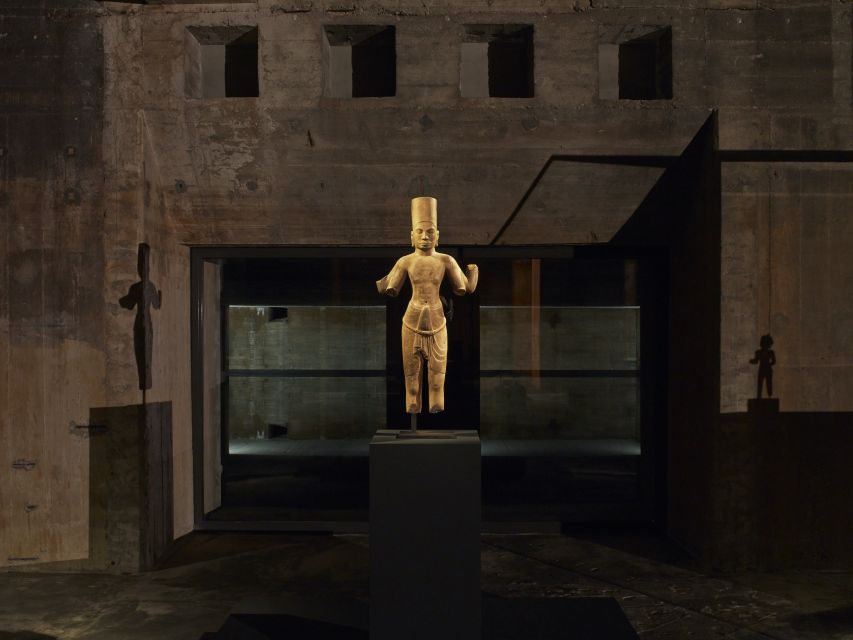
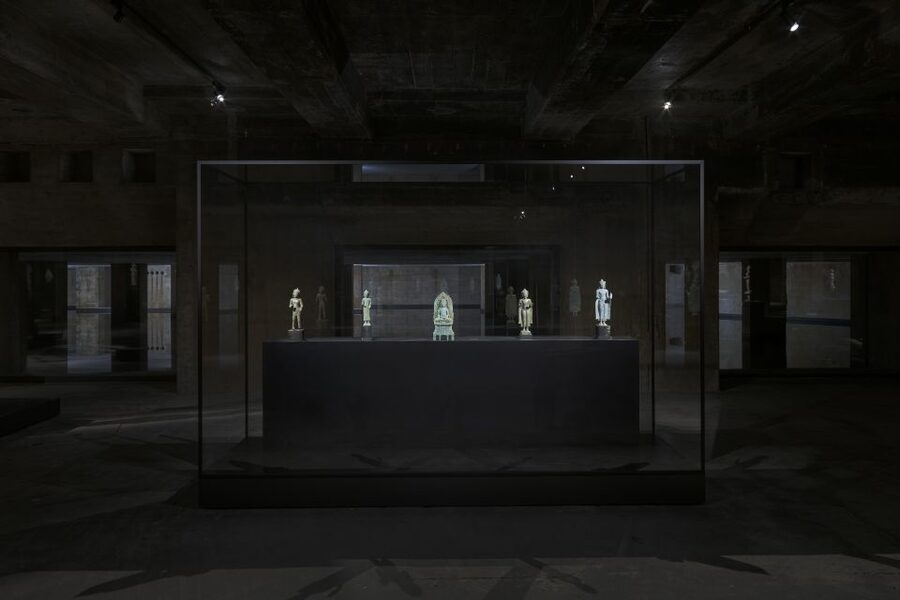
The guided walk then shifts to Southeast Asian art, including Khmer works from roughly the 7th to the 13th century. You’ll encounter sculptures in stone, bronze, and wood, and the variety of materials does something useful: it prevents your attention from flattening out.
Stone brings mass and permanence. Bronze adds casting detail and a different kind of surface behavior under light. Wood, when it’s preserved well, carries a warmth that can surprise people who expect only cold museum material.
What makes this part valuable is how it sets up the later modern comparisons. When you see an ancient form with clarity, contemporary pieces start to feel less like random modern imports and more like responses—different languages for the same human urge to create form, power, and devotion.
More guided walks through Berlin





Contemporary pairings: Araki and Adam Fuss in practical dialogue
A big part of the point here is comparison. The collection doesn’t separate eras into isolated boxes. Instead, it places contemporary artists into dialogue with older works so you can ask better questions: What changes? What stays? How do materials communicate?
Two names you’ll likely hear as examples are Nobuyoshi Araki and Adam Fuss. The tour’s approach encourages you to notice structure and intention, not just style. Even when the subject matter differs, the placement asks you to compare how artists handle form, texture, and meaning.
I like this pairing strategy because it turns contemporary art viewing from a mystery into a process. You don’t need to have a background in art theory to participate. Your own seeing does enough work.
Still, don’t expect every contemporary piece to land the same way for everyone. Some works are more about idea and composition than easy emotion. If you prefer art that tells you exactly what to feel, you might find this section more challenging than the craft-focused rooms.
The underground lake and light design: one of those moments that stays
One standout feature is an underground lake integrated into the museum experience. It’s not just water in a tank; it’s built into the light design and the way you move through the space. That means reflections, brightness changes, and the calm of the environment all become part of the viewing.
In a bunker setting, this works particularly well. Water softens sound and visually breaks up the hard geometry. Light that bounces off surfaces gives certain objects a different look as you change position, so even when you’re not moving fast, you’re still getting new information from the same scene.
This is the sort of design choice that makes the tour feel more like walking through a composed space than checking off rooms.
Désiré Feuerle’s idea: why the mix feels intentional
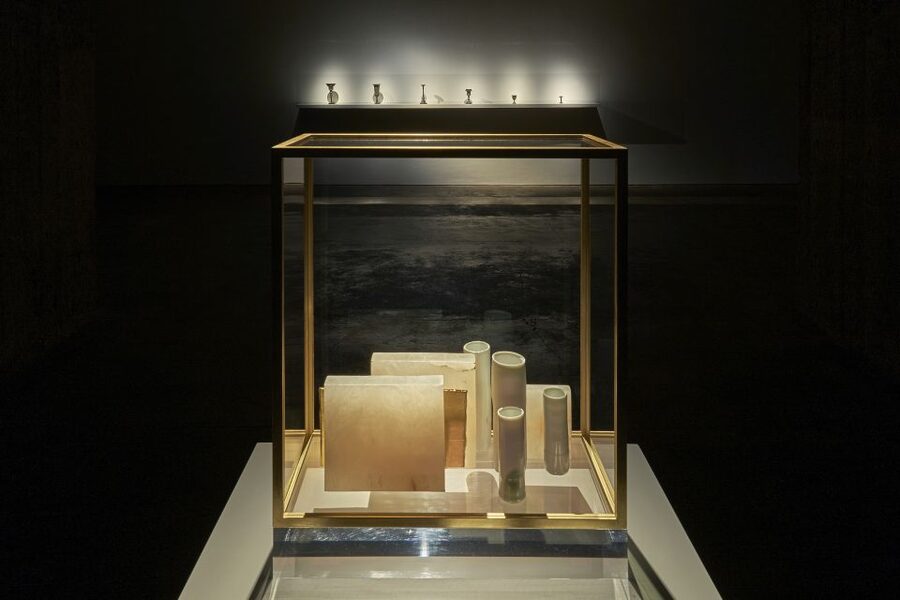
The tour doesn’t just show objects. It explains the logic behind the mix. You’ll learn more about Désiré Feuerle, who is presented as a connoisseur of Asian art and a pioneer of putting antiquities alongside contemporary art.
That context matters because it changes how you judge the collection. Without it, a visitor might think the museum is doing a stunt—old stuff here, new stuff there. With the guide’s framing, it feels more like an argument: that looking across time can reveal patterns in craftsmanship, symbolism, and artistic decision-making.
The guide also helps you see why the conversation matters. It’s not only about collecting good objects. It’s about creating relationships between them—so you can notice how artists and cultures speak, even when they never shared the same world.
Practical rules that affect your visit (and keep it quiet)
This tour has a strict policy list, and it’s not random. Rules like no pets, no food or drinks, and no video recording (plus no cameras and no cellphones) are part of what keeps the bunker experience calm. Also, you can’t touch the exhibits.
From a visitor perspective, that means you’ll be fully focused on looking. No one is fiddling with phones. No one is eating to pass time. That’s why people tend to enjoy the atmosphere—this museum is meant to be treated like a silent room, not a social feed.
One more note: the tour language is English, and it’s live guided. If you’re traveling with someone who doesn’t read art comfortably, this format can be helpful because the guide provides structure and context without turning it into a lecture.
Price and value for a $25, one-hour guided ticket
At $25 per person for a one-hour guided ticket, the value depends on what you want from your Berlin day.
If you want a quick, high-impact art stop, this price makes sense. You’re not just buying entry. You’re paying for a guided walkthrough that connects Imperial Chinese objects, Khmer sculpture, and contemporary works into one guided thread. The “time to understanding” is the deal.
If you prefer long museum sessions where you can wander freely and return to your favorite object multiple times, you may feel the time pressure. The guided portion is still short, and you won’t have time for leisurely detours. In that case, consider it as a focused introduction—then plan independent time later if the building and collection truly click with you.
Also, since food and drinks aren’t included, you’ll want to eat beforehand or after. This is a short cultural block, not a full-day experience.
Who this tour suits best (and who might want a different plan)
This experience is a good match if you:
- love architecture-as-atmosphere and want your art viewed in a designed space
- enjoy seeing how one artist’s idea can echo another era’s craft
- like guided context, especially for art across different cultures
It’s not the best fit if you:
- are traveling with children under 16, since the tour isn’t suitable for them
- want casual, photo-heavy museum time, because cameras and cellphones aren’t allowed
- dislike guided tours and prefer to roam without structure
One small heads-up from practical reality: a specific feature room such as Scent Room may not always be available. If that’s a big part of your plan, accept that it may be closed during your visit.
Should you book this guided tour of The Feuerle Collection?
I think you should book if you’re after a focused, quiet, design-forward art experience that connects ancient Asian craft with contemporary international works. For $25 and about one hour, you get a guided route through a WWII bunker turned gallery, plus meaningful context on why the collection is arranged the way it is.
Skip it only if you need lots of photo freedom, slow wandering time, or a kid-friendly outing. If your ideal museum day is calm looking with clear guidance, this one is an easy yes—and it can slot neatly into a Berlin itinerary without eating your whole day.
FAQ
How long is the Feuerle Collection guided tour?
The tour duration is 1 hour.
How much does the guided tour and entry ticket cost?
The price is listed as $25 per person.
What language is the live guide?
The live tour guide is in English.
Where do I meet for the tour?
You meet at the entrance of The Feuerle Collection.
Is the tour wheelchair accessible?
Yes, it is wheelchair accessible.
Are cameras, cellphones, or video recording allowed?
No. Cameras, cellphones, and video recording are not allowed.
Is food and drinks included, and is it allowed inside?
Food and drinks are not included, and food and drinks are also not allowed.
More Tickets in Berlin



More Tours in Berlin





More Tour Reviews in Berlin
Round out your days in Berlin



Tickets, compared.
 ★ 4.4TV Tower Standard Entrance TicketFrom $3315,883 reviews
 ★ 4.6Berlin Story Bunker Entry TicketFrom $216,759 reviews
 ★ 4.1Illuseum Berlin Entrance TicketFrom $183,970 reviews
 ★ 4.6Natural History Museum Entrance TicketFrom $123,382 reviews
 ★ 4.4Museum Island Multiple Museum Entry TicketFrom $282,861 reviews
 ★ 4.5Potsdam: Sanssouci Palace and Prussian Palaces Entry TicketFrom $252,101 reviews
 ★ 4.4Charlottenburg Palace Entry TicketFrom $222,076 reviews
 ★ 4.5Berlin Dungeon: Entrance TicketFrom $281,918 reviews