
REVIEW · TRABI & VINTAGE CAR TOURS
Berlin Trabi Museum: Day Ticket
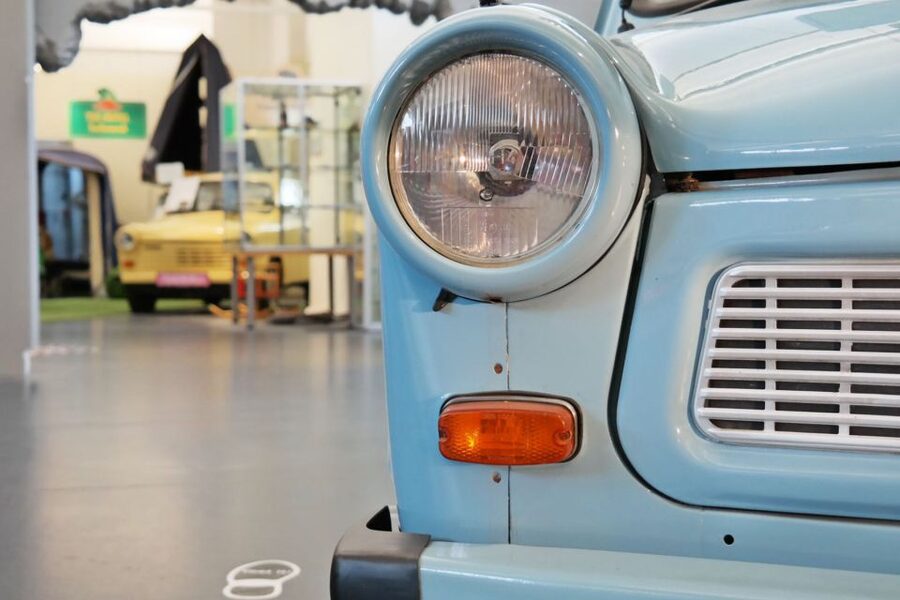
Berlin and the Trabi are hard to separate. This ticket gives you a focused, fun way to understand the iconic Trabant beyond the jokes. You’ll get to see 14 different vehicles at Checkpoint Charlie and follow how the car changed over time and how people used it in daily life and special roles, like camping and even military versions.
I especially like that it mixes real objects with showtime-style storytelling: you sit in the lightshow theater for short films, then you can look around a miniature GDR world. One thing to keep in mind: the museum itself can feel small and fast, so if you’re expecting a huge multi-building automotive museum, this may not scratch that itch.
In This Review
- Key things to know before you go
- Entering the Trabi story at Checkpoint Charlie
- The 14-car display: how the Trabant evolved
- Standout cars that make the visit click
- Reading the car through its uses, not just its specs
- The lightshow theater: short films that make it stick
- Miniature GDR world: why the scale detail matters
- Getting behind the wheel: Trabi Safari options
- Price and value for a one-day ticket
- Timing: how to fit this into your Berlin day
- Who this experience is perfect for
- Should you book the Berlin Trabi Museum day ticket?
- FAQ
- How much does the Berlin Trabi Museum day ticket cost?
- Where is the meeting point?
- How long is the experience?
- What’s included with the ticket?
- What languages are available?
- Is there a way to skip the ticket line?
- Is it wheelchair accessible?
Key things to know before you go
- Checkpoint Charlie location: the Trabi story starts in one of Berlin’s most famous historical spots.
- 14 vehicles on display: you’ll see multiple generations and uses, not just one or two hero cars.
- Lightshow theater films: short, seated content makes the history easy to follow.
- Miniature GDR world: a model-world add-on that helps the setting click.
- Behind-the-wheel option via Trabi Safari: the experience isn’t only look-and-read.
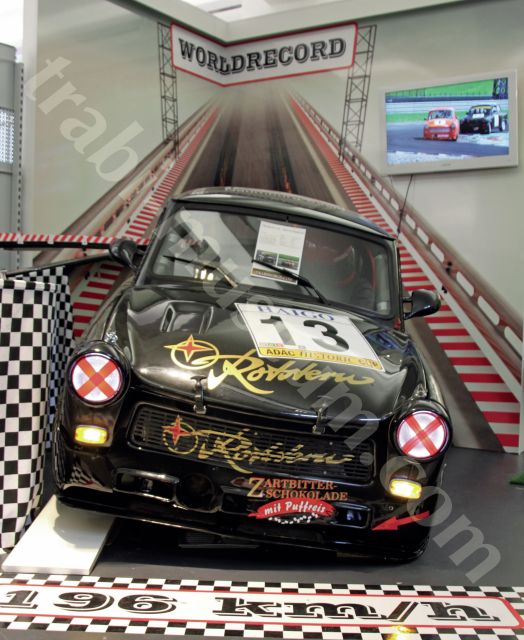
- Standout rarities: include items like the Trabant P70 with a wooden undercarriage and other speed-focused versions.
More Berlin from behind the wheel of a Trabi
- Berlin: Sightseeing Tour in Classic Volkswagen T1 Samba Bus★ 4.9 · 993 reviews
- Berlin Self-Drive Trabi Tour with Guide★ 4.5 · 410 reviews
- Berlin City Tour in a Mini Hotrod★ 4.5 · 283 reviews
- Berlin: City Sightseeing Tour in a Unique BedBike★ 5.0 · 280 reviews
Entering the Trabi story at Checkpoint Charlie
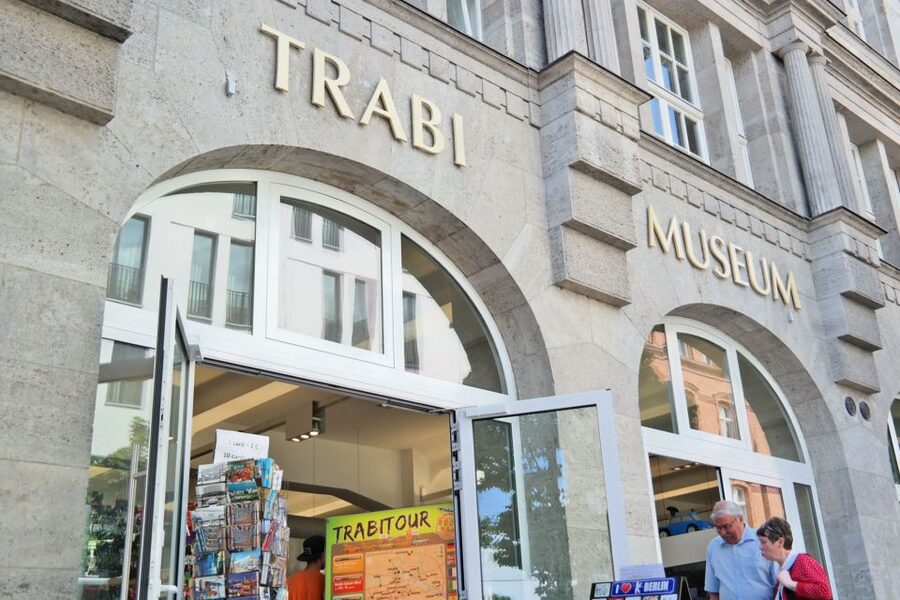
You’re not just walking into a car museum. You’re stepping into a Berlin location where the Cold War still feels close. The meeting point is Zimmerstraße 14-15, 10969 Berlin. If the door looks closed, cross the street and look for TrabiWorld on the left at Zimmerstr. 97-100.
That placement matters. It anchors the Trabi to a real geography of East-West Berlin, instead of treating it like a generic piece of pop culture. Even if you only know the Trabi from photos or TV, the setting pushes you toward the lived-in reality behind it.
The 14-car display: how the Trabant evolved
The heart of this day ticket is the museum visit at Checkpoint Charlie. You’ll admire 14 different vehicles, laid out as a guided-feeling walk through the Trabant’s development and uses. The big name to remember is Rennpappe, which went into production in 1958 at VEB Automobilwerk Zwickau.
Here’s why that detail is worth your attention: it explains how a “people’s car” wasn’t just about design, but about what factories could realistically produce and what materials and constraints shaped the final result. You get the sense of engineering done under pressure, not in a showroom world.
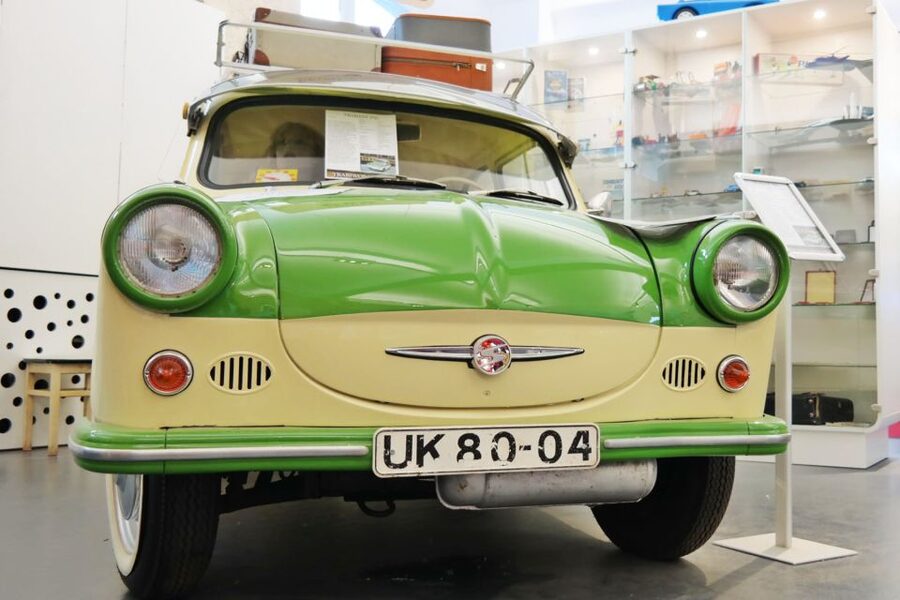
You’ll also see multiple roles the Trabant played. It wasn’t only a commuter car. The displays include camping Trabis and military vehicles, so the museum doesn’t reduce the car to one stereotype.
Standout cars that make the visit click
A couple of rarities are specifically highlighted. The Trabant P70 with a wooden undercarriage is one of them. You’ll also come across “fast Trabi” type displays that focus on performance.
These details help you understand the car’s reputation in a more honest way: yes, it became famous for being quirky and distinctive. But it also inspired people to modify, adapt, and experiment—because that’s what humans do when they own something they want to make their own.
Reading the car through its uses, not just its specs
I like that the museum frames the Trabant through how people used it. That’s a different approach than you’d get from a pure technical exhibit. Instead of only asking what the car could do, it asks what the car meant day to day, and how it worked in a system with limits.
If you’re the type who enjoys historical context, this section is where the story becomes personal. You start noticing how certain versions fit certain needs—travel, gear-carrying, and the very practical idea of getting around with what you had.
And if you’re here mainly for fun, this still works. The vehicles aren’t presented as a lecture. They’re presented as objects with character. That’s why people often leave smiling even if they didn’t know much beforehand.
More Berlin tours to line up side by side





The lightshow theater: short films that make it stick
After walking the vehicle displays, you’ll take a seat in the lightshow theater. This is where the experience shifts gears from looking at cars to watching fast, focused storytelling.
You’ll see short films about the Trabant. Since the films are short, you’re not stuck in a long presentation. That matters in a one-day ticket: you’ll keep your energy instead of burning it on something that drags.
It’s also a good reset if Berlin weather has you tired, or if you want a break from reading labels. The lights-and-screen approach helps the historical material feel like a “story package” rather than facts on walls.
Miniature GDR world: why the scale detail matters
Then comes a miniature GDR world. A model setup can sound like a gimmick until you realize what it does. It gives you a quick, visual map of the environment the Trabant belonged to.
When you’ve just spent time staring at vehicles, it’s easy to think of them as artifacts. The miniature setting helps you remember they were part of a whole everyday scene: streets, routines, and how people moved through that world.
For many visitors, this is the moment where everything clicks into one picture. Even if you only glance at it at first, coming back for a second look usually makes it more satisfying.
Getting behind the wheel: Trabi Safari options
One of the most fun parts of this experience is that it isn’t only indoor. You can get behind the wheel and go on a Trabi Safari.
The experience description says you can drive through options like the East or the West, along the former wall, or choose any route you want. That’s the big “make it real” factor. Car history feels different when you’re hearing how it feels, not just seeing it sitting still.
A practical thought: since the ticket itself lists museum entry, treat the Safari as part of what the experience offers through Trabiworld. If you want to make sure the drive is actually included in your exact booking, check your confirmation details before you arrive. That way there are no surprises.
Price and value for a one-day ticket
At $10 per person for entry, this is one of those Berlin deals that doesn’t try to squeeze you for add-ons just to be worth it. You’re paying for a compact experience with a clear plan: vehicles, theater films, and the miniature world, all tied to a single location.
Where the value really lands depends on what you want:
- If you’re after a fun, quick dose of Berlin-GDR car culture, it’s a good price for a full stop.
- If you want a long, deep automotive museum day with lots of technical detail and time, you may finish feeling like you saw the main story and then some.
The price makes sense because the experience is designed to be efficient. You spend your time on the parts that connect emotionally—cars, films, and an atmosphere—rather than on endless galleries.
Timing: how to fit this into your Berlin day
This is a 1-day ticket, and the exact starting times depend on availability. Plan it like a half-day to full-day stop depending on your pace and how much time you spend reading labels versus watching the theater content.
If you’re doing other history stops around that area, I’d put this earlier in the day. It’s easier to keep the story straight when your brain is fresh and you haven’t overloaded on similar Cold War material.
Who this experience is perfect for
This works best if you’re one of these types:
- You like quirky history and want something more playful than a traditional museum.
- You’re in Berlin for a limited time and want a small, focused stop that still feels meaningful.
- You enjoy hands-on moments. The behind-the-wheel Safari option is a major draw.
- You travel with teens or friends who might roll their eyes at long exhibits. Cars plus a theater plus the chance to drive? That’s an easier sell.
If you’re a hardcore vehicle historian who needs deep technical specs and hours of research, you might find it short. But if your goal is a satisfying experience with context, this is a strong pick.
Should you book the Berlin Trabi Museum day ticket?
I’d book it if you want a fast, story-driven way to understand why the Trabant became such a symbol—and you’re okay with the museum being more compact than huge. The location at Checkpoint Charlie, the mix of 14 vehicles, the lightshow theater, and the option to do a Trabi Safari together create a complete experience for the price.
Skip it only if you know you want an all-day, large-scale museum with lots of technical depth. Otherwise, this ticket is a practical way to get both fun and context in one stop.
FAQ
How much does the Berlin Trabi Museum day ticket cost?
The price is $10 per person.
Where is the meeting point?
The meeting point is at Zimmerstraße 14-15, 10969 Berlin. If the door is closed, cross the street and find TrabiWorld on the left at Zimmerstr. 97-100.
How long is the experience?
It’s listed as a 1-day ticket.
What’s included with the ticket?
Entry to the Trabi Museum is included.
What languages are available?
The experience is available in English and German.
Is there a way to skip the ticket line?
Yes, the listing notes skip the ticket line.
Is it wheelchair accessible?
Yes, it is wheelchair accessible.
More Tickets in Berlin

More Tour Reviews in Berlin





Berlin in a Trabi





Round out your days in Berlin




Trabi & Vintage Car Tours, compared.
 ★ 4.875-minute Trabi SafariFrom $932,854 reviews
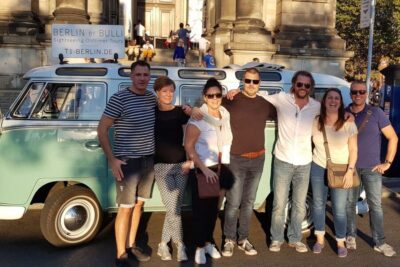 ★ 4.9Sightseeing Tour in Classic Volkswagen T1 Samba BusFrom $51993 reviews
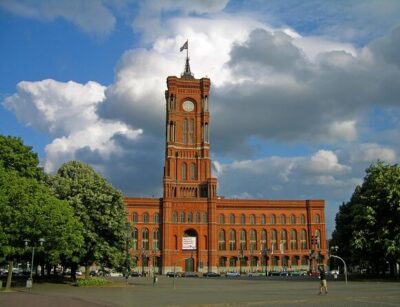 ★ 4.5Berlin Self-Drive Trabi Tour with GuideFrom $95410 reviews
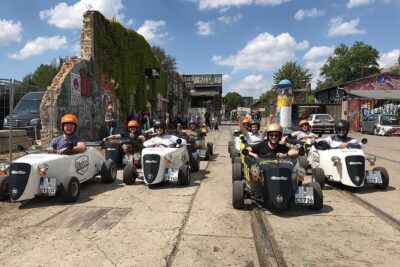 ★ 4.5Berlin City Tour in a Mini HotrodFrom $131283 reviews
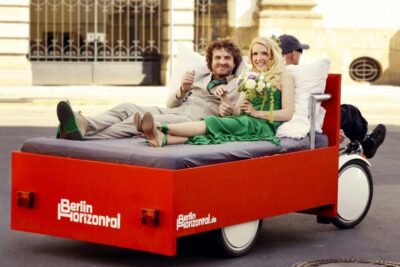 ★ 5.0City Sightseeing Tour in a Unique BedBikeFrom $81280 reviews
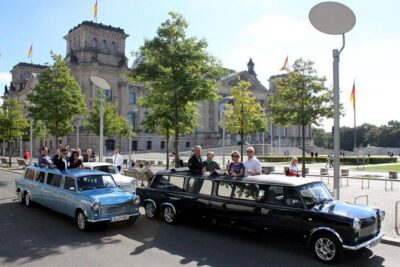 ★ 5.0Private Tour: Berlin by Trabant Stretch-LimousineFrom $299186 reviews
 ★ 4.9Private Sightseeing Tour in Iconic Oldtimer VW BusFrom $347184 reviews
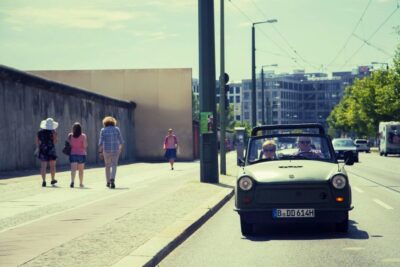 ★ 4.7The Wall Ride Guided Trabi TourFrom $116157 reviews
Browse the lists this tour appears in