
REVIEW · BERLIN FOOD TOURS
Chef Karl’s Berlin Culinary Journey
A chef-led stroll beats the usual Berlin sightseeing. This 5-hour East Berlin culinary journey blends short landmark stops with a seasonal multi-course dinner cooked and hosted by Chef Karl Wilder. It’s the kind of night where the food and the neighborhood story match up.
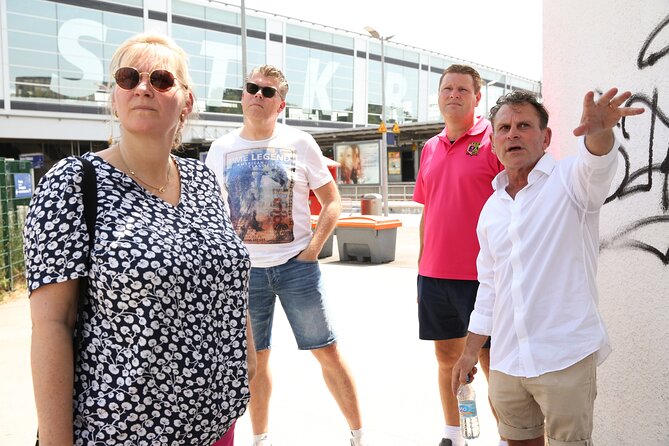
I especially love the way Chef Karl shares real, personal context. His stories come through as family and childhood-friend connections, not just dates on a plaque, and his dog Milo adds a warm, human touch to the walk.
I also like the dinner approach. You get a seasonal 4+ course meal with details like house-cured meats, freshly baked bread, and a pasta course likely influenced by Chef Karl Wilder’s three years working and learning in Italy.
One drawback to think about: this is fast-paced. The five sightseeing stops are brief, so it’s not a slow, museum-style evening, and you’ll want to be comfortable walking and moving between points.
In This Review
- Key highlights
- A 6:30 pm plan that turns sightseeing into dinner conversation
- East Side Gallery: murals that explain the post-fall mood
- RAW-Gelände’s former train station feel meets modern after-hours life
- Oberbaumbrücke: learning why the bridge matters, not just that it’s pretty
- Spree river views with an engineering twist
- Dirschauer Straße and an apartment that still exists in its original form
- What you’ll eat: Chef Karl Wilder’s seasonal 4+ course dinner
- Starter: seasonal, with house-cured meat and bread
- Pasta may be part of the lineup
- Main: local ingredients, international experience
- Dessert: sweet, seasonal, freshly made
- Alcohol and the 18+ rule
- Pace, tips, and staying comfortable through the whole night
- Price and logistics: is $167.21 actually good value?
- Who this Chef Karl culinary journey fits best
- Should you book this tour? My honest take
- FAQ
- How long is Chef Karl’s Berlin Culinary Journey?
- Where does the tour start, and what time is it?
- What is included with the ticket?
- What sites does the itinerary include?
- How large is the group?
- Is there an age requirement for the included alcohol?
- Is free cancellation available, and can I bring a service animal?
Key highlights

- Chef Karl Wilder’s neighborhood stories bring East Berlin’s past into the walk
- A seasonal 4+ course dinner plus alcoholic beverages included with your ticket
- Small group size (max 6) keeps the vibe personal
- Five focused stops tied to history, architecture, and post-reunification Berlin
- Chef Wilder’s Italy connection shows up in the menu, with pasta likely on the way
More tastings around the city
- Kreuzberg: Culinary Food Tour★ 4.5 · 770 reviews
- Berlin: Mitte Culinary Food Tour★ 4.5 · 447 reviews
- Berlin: Downtown Food Tour with 8 Authentic Local Tastings★ 4.8 · 342 reviews
- Berlin: Guided Street Food Tour with Tastings★ 4.8 · 310 reviews
A 6:30 pm plan that turns sightseeing into dinner conversation
This tour starts at 6:30 pm, meeting at Warschauer Straße 10243 Berlin. That timing matters because you’re not stuck choosing between an early meal and a late one. You get to walk East Berlin first, then shift into a longer sit-down dinner where you can ask questions and talk through what you saw.
The pace is part of the design. Each stop is short, which means you cover a lot without spending the whole night traveling back and forth. With a group capped at 6 travelers, you’re less likely to get lost in the shuffle, and the guide can actually connect the history to the food.
If you prefer your evenings structured around one big meal, this fits well. You’ll also like the plain, practical angle: it’s not about checking boxes. It’s about seeing a handful of meaningful places and then tasting what local seasonal cooking feels like.
East Side Gallery: murals that explain the post-fall mood
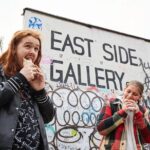
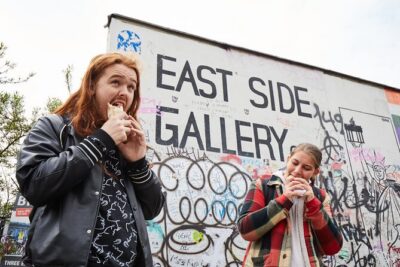
Stop 1 is the East Side Gallery, with about 15 minutes to take it in. It’s an outdoor stretch of murals painted by artists after the fall, and the key idea here is political and emotional—how art responded when the city’s lines shifted.
Don’t treat it like a quick photo stop. Plan to look slowly at how the images communicate power, control, and change. It’s also one of those places where the details reward curiosity, because you’re seeing a visual record of attitudes right after a historic turning point.
A practical note: since it’s outdoors, it’s best to dress for the evening temperature and bring a camera strap or secure bag if you’re worried about pockets and movement.
RAW-Gelände’s former train station feel meets modern after-hours life
Stop 2 is the Historischer Weihnachtsmarkt on the RAW-Gelände, timed at about 20 minutes. The hook is the setting: the buildings once housed a train station, and now they’re part of one of Berlin’s most active scenes—mixing social spaces like a swimming pool, climbing wall, liquor store, and multiple nightclubs and restaurants.
What you get from this stop is a contrast lesson. East Berlin isn’t only about the past. It’s about how spaces transform when the city reinvents itself. RAW-Gelände is a good example of that idea because you can sense the industrial bones underneath the nightlife energy.
The only catch is that this stop is short by design. You won’t get a full wander through every corner, so if you love exploring at your own pace, plan to treat this as an orientation stop. After the tour, you’ll know where you might want to return later on your own.
Oberbaumbrücke: learning why the bridge matters, not just that it’s pretty
Stop 3 is Oberbaumbrücke, around 10 minutes. This bridge was once a lookout spot for people trying to escape the East, and war damage later left it in rough shape. The story here includes how and why it was restored, which turns the structure from scenery into a memory marker.
I like this stop because it teaches you to read architecture with context. When you understand what the bridge meant during escape attempts, the crossing becomes more than a view—it becomes a reminder of risk and hope.
Because the time is brief, focus on one thing: the restoration story. Look at the mix of surviving elements and repaired sections, and keep your attention on the why behind the rebuilding rather than trying to memorize every structural detail.

Spree river views with an engineering twist
Stop 4 is the Spree, with about 10 minutes. This isn’t just a pretty river moment. You’ll learn about the river and its anti-flooding system, plus you get the payoff: some of the most Instagram-worthy city views in Berlin.
This stop works well if you like “how things work” stories. Flood control is not usually the headline in travel plans, but in Berlin it directly shapes how the city lives with water. Seeing it while looking across the river helps connect engineering to daily life.
Because you’re there in the evening, light can change quickly. If you care about photos, take a couple shots early and then return to your spot for another round after a few minutes when the light shifts.
Dirschauer Straße and an apartment that still exists in its original form
Stop 5 is Dirschauer Straße, also about 10 minutes. Here the learning is specific: the street was built up after the first world war, with one side fully intact and the other partially destroyed during the second war. The standout part is that you can see inside an apartment that remains in the original form today.
This is one of those moments where you stop thinking about history as distant and start feeling it as physical space. Rooms, doorways, and the everyday layout of an apartment become the story. It’s also a reminder that survival and loss happened block by block, not as a single big event.
A practical thought: since this includes going inside, wear shoes you’re happy to stand and walk in. Keep your hands free for any security checks or coat handling, since details vary at each indoor stop.
What you’ll eat: Chef Karl Wilder’s seasonal 4+ course dinner
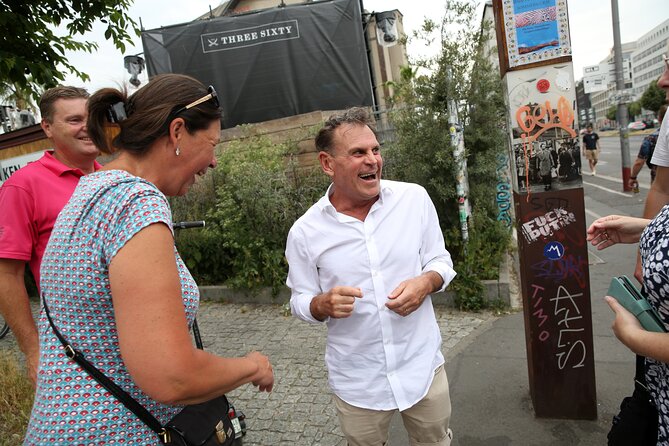
The dinner is the heart of the experience: a seasonal 4 or more course meal, plus alcoholic beverages included. You’ll also get a personal tour of East Berlin, which sets up the meal so the dinner doesn’t feel random or tacked on.
Starter: seasonal, with house-cured meat and bread
Your starters are seasonal, and you’ll often see house-cured meats paired with freshly baked bread. This style of start makes sense for a neighborhood dinner: it’s comforting, local-feeling, and not trying to impress you with tricks.
Pasta may be part of the lineup
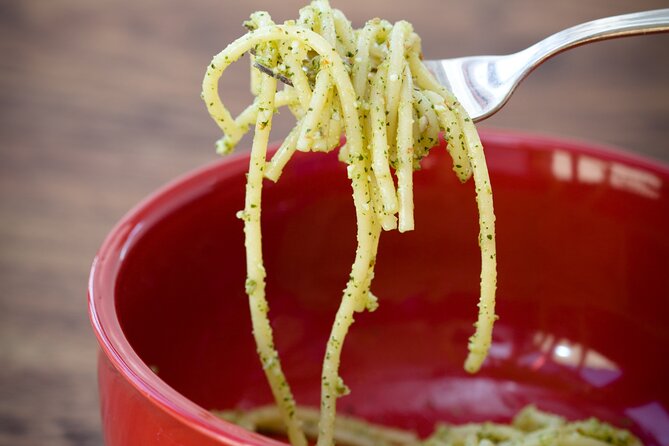
A pasta course is likely because Chef Wilder spent three years working and learning in Italy after culinary school. Even if you don’t order pasta at home, you’ll probably notice how the menu’s rhythm and timing reflect that training.
Main: local ingredients, international experience
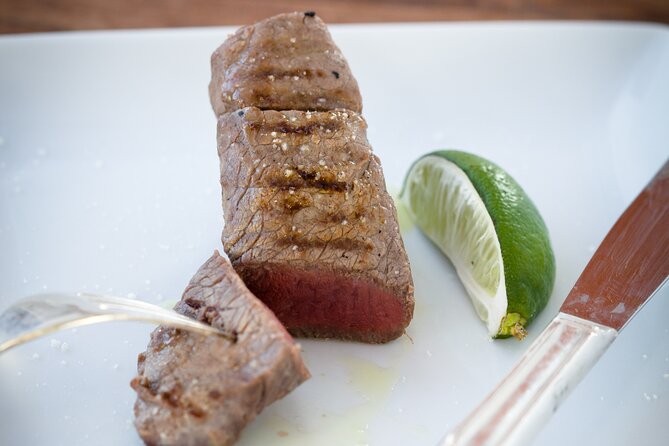
The main course is also seasonal and built around local ingredients with an international approach. Think of it as the “Berlin meets beyond Berlin” phase of the meal: grounded in what’s available, but treated with technique Chef Wilder picked up over time.
Dessert: sweet, seasonal, freshly made
Dessert is a sweet course, again described as seasonal and freshly made. This keeps the end of the meal from feeling like an afterthought.
Alcohol and the 18+ rule
Alcoholic beverages are included, but you must be 18 or older to consume them. If you’re under 18, the safe plan is to treat the dinner as a food experience first and confirm how alcohol is handled for your situation when you arrive.
Pace, tips, and staying comfortable through the whole night

This tour is built for a relaxed night, but it still has movement. You’ll spend your time on five separate stops that range from 10 to 20 minutes each, then shift into a longer dinner. That’s a good structure if you want history plus food without turning the evening into a full all-nighter.
Tips aren’t included. If you’re used to tipping, budget for it. If you’re not, decide on a tipping style ahead of time so you don’t feel awkward at the end.
Also, it’s small-group friendly. With a maximum of 6 travelers, questions come easier, and you’re more likely to get food explanations that match your tastes and interests.
If you’re bringing a service animal, that’s allowed. And since the meeting point is near public transportation, you shouldn’t need a long taxi ride to get started.
Price and logistics: is $167.21 actually good value?
At $167.21 per person for about 5 hours, this isn’t a budget snack tour. But when you look at what you’re paying for, it makes more sense.
Your ticket includes:
- A seasonal 4 or more course dinner
- Alcoholic beverages
- A personal East Berlin tour
That’s why it can feel like better value than doing separate plans. Instead of paying for dinner and then separately booking a guide or chasing neighborhood stories on your own, you’re bundling them into one night with a chef-host. And because the group is capped at 6, you’re not paying a premium for a big crowd where your questions get lost.
One more detail I like: the tour is described as being booked about 32 days in advance on average. That doesn’t guarantee anything, but it tells you this is a popular slot. If you’re set on doing it, earlier booking helps you lock in a date instead of gambling on last-minute availability.
Who this Chef Karl culinary journey fits best
This is ideal if you want East Berlin with a food-first lens. It’s also a good match if you like learning history through people and places instead of only through guide talk.
You’ll likely enjoy it if:
- You like small groups and conversations
- You care about food details like seasonal cooking and Italy-influenced pasta
- You want to see East Berlin landmarks without spending hours on a single stop
- You’d rather have a chef-hosted evening than a generic tourist restaurant
It might be less ideal if you want a long, slow walking tour with lots of downtime or if you’re hoping for museum-style stops. The story here moves fast, then slows down at dinner.
Should you book this tour? My honest take
If you want a single night that blends East Berlin history, neighborhood transformation, and a real seasonal dinner cooked and guided by Chef Karl Wilder, I’d say it’s a strong choice. The mix of short, meaningful stops and a full dinner makes it a smart use of your time, and the small group size helps keep it personal.
Book it if you’re hungry for more than landmarks. This tour treats food like a way to understand a place, not just something to eat between photos.
FAQ
How long is Chef Karl’s Berlin Culinary Journey?
It’s about 5 hours.
Where does the tour start, and what time is it?
The meeting point is Warschauer Straße 10243 Berlin, Germany, and the start time is 6:30 pm. The tour ends back at the meeting point.
What is included with the ticket?
Your ticket includes a seasonal 4 or more course dinner, alcoholic beverages, and a personal tour of East Berlin.
What sites does the itinerary include?
It includes stops at East Side Gallery, Historischer Weihnachtsmarkt on the RAW-Gelände, Oberbaumbrücke, Spree, and Dirschauer Straße, with admission ticket noted as free.
How large is the group?
The tour has a maximum of 6 travelers.
Is there an age requirement for the included alcohol?
Yes. Guests must be 18 or older to consume alcohol.
Is free cancellation available, and can I bring a service animal?
You can cancel for a full refund up to 24 hours before the experience starts. Service animals are allowed.
More Tour Reviews in Berlin
Eating Your Way Through Berlin

Round out your days in Berlin
Berlin Food Tours, compared.
 ★ 5.0Berlin Center Food Tour with 8+ Authentic Local TastingsFrom $1181,227 reviews
 ★ 4.5Kreuzberg: Culinary Food TourFrom $589770 reviews
 ★ 4.5Mitte Culinary Food TourFrom $57447 reviews
 ★ 4.8Downtown Food Tour with 8 Authentic Local TastingsFrom $89342 reviews
 ★ 4.8Guided Street Food Tour with TastingsFrom $75310 reviews
 ★ 5.0East Berlin Food & History Tour with Eating EuropeFrom $107204 reviews
 ★ 5.0Classic Bites and Culinary Trends Neighborhood Food Tour in BerlinFrom $205191 reviews
 ★ 4.5Berlin Private Walking Food Tour With Locals: the 10 TastingsFrom $184139 reviews
Browse the lists this tour appears in