
REVIEW · 3-HOUR EXPERIENCES
Berlin: 3-Hour Private Tour in French or Italian
Berlin’s story is written in streets and buildings. In just three hours, I love how this private format lets you choose your sights, and I also love the comfort of an air-conditioned vehicle with clear, heard-by-everyone commentary.
The main thing to consider is time: with only a few stops possible, you’re getting a smart orientation and best-of views, not a slow, ticket-and-museum kind of day. If you’re dreaming of long interior visits, plan on extra time and entrance tickets.
In This Review
- Key Points You’ll Care About
- Private 3 Hours, Berlin’s Best-Next Steps
- The Comfort Factor: A/C, Microphones, and a Driver Who Handles the Pace
- How You Choose the Stops Without Losing the Big Picture
- WWII and Cold War Context: Seeing the Berlin Wall Without the Confusion
- Reichstag, Government Quarter, and the City’s Political Spine
- Brandenburg Gate and Unter den Linden: Icon Views With Explanation
- Museum Island, Nikolaiviertel, and Gendarmenmarkt: Pick Your Atmosphere
- TV Tower Views, Potsdam Square, and Victory Column: Time-Saving Icons
- Palaces, Memorial Church, and Charlottenburg: Choosing Beauty vs. Symbol
- KaDeWe, Synagoges, Philharmonie: The Modern City Has Many Stories
- Price and Value: When Private Makes Sense
- Who This Tour Fits Best
- Small Limitations to Plan Around
- Should You Book This 3-Hour Private Berlin Tour?
- FAQ
- How long is the Berlin private tour?
- What languages is the live guide available in?
- How many people are in the group?
- What’s included in the price?
- Are entrance fees included?
- Where does pickup happen?
- Is there free cancellation?
Key Points You’ll Care About
- Private, up to 8 people: you get a quieter, more adjustable tour than a big group bus day
- French or Italian live guide: real-time explanations with microphones in the vehicle
- Pick 1–2 stops your way: you can prioritize Berlin Wall remnants, palaces, shopping areas, or viewpoints
- Comfort with an A/C ride: ideal for summer heat or when you want less standing around
- Icon-first route: you’ll see major landmarks tied to WWII and the Cold War, with context you can actually use
More private tours of Berlin
- Berlin: Private Reichstag and Glass Dome Tour★ 4.8 · 2,226 reviews
- Berlin Private Complete History All Day Walking Tour★ 5.0 · 474 reviews
- Private Walking Tour Berlin Third Reich Hitler and World War II★ 5.0 · 360 reviews
- Private Berlin: Iconic Sights and Hidden Gems Walking Tour★ 5.0 · 292 reviews
Private 3 Hours, Berlin’s Best-Next Steps
If you’re short on time, Berlin can feel like a lot at once. This tour is built for that reality. You get a compact introduction to how the city evolved, from the era of WWII to the fractures of the Cold War, and you do it with a guide who can shape the route around what matters most to you.
I like private tours because you stop wasting time “figuring things out.” The guide can help you understand what you’re looking at as you pass it, then slow down for the spots you care about most. And with a small group size (up to eight), the conversation stays personal enough to ask questions without shouting across a bus.
You also avoid a common Berlin problem: seeing iconic places but missing the meaning behind them. Here, you’re not just taking photos at the Brandenburg Gate and moving on. You’re getting the political and human story of why those places look the way they do today.
The Comfort Factor: A/C, Microphones, and a Driver Who Handles the Pace
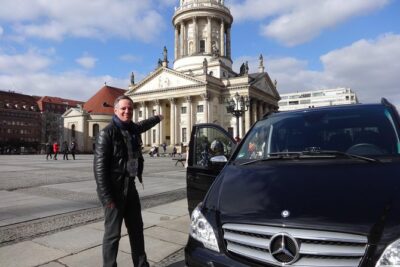
Berlin is a city of walking paths, big squares, and stretches where it’s nice to have wheels. This tour uses a private sedan or minivan with air-conditioning, so you can stay comfortable while you cover more ground in fewer minutes.
The other practical win is the microphone setup. In a city with traffic noise and lots of outdoor sightseeing, clear audio can make or break a short tour. With microphones, the guide’s explanations come through without you constantly leaning in or giving up and nodding along.
The driver role matters too. In three hours, you don’t want to spend time negotiating curbside locations, finding meeting points, or figuring out logistics. The vehicle and pickup/drop-off in central Berlin take that off your plate.
How You Choose the Stops Without Losing the Big Picture
Here’s the clever part: you can choose which landmarks you want, but you’re still getting a coherent story. In a three-hour private format, the tour doesn’t pretend you’ll cover everything. Instead, it gives you a selection of key sights and then lets you personalize with 1–2 stops based on your interests.
So think of your selection like a puzzle with two goals:
1) Get your “must-sees.” Brandenburg Gate, the Reichstag area, and the Berlin Wall remains are the kind of landmarks that anchor your understanding of Berlin’s modern identity.
2) Add your “I’ll remember this.” If palaces are your thing, you can steer toward Charlottenburg Palace. If you’re more into symbolism and civic spaces, you might favor the Government Quarter or memorial sites.
A nice touch from the way people talk about the experience: the guides are flexible when you want route changes. One guide named Cristina is specifically mentioned as kind, helpful, and giving a VIP-feeling experience, which matches the overall tone of this tour style.
WWII and Cold War Context: Seeing the Berlin Wall Without the Confusion
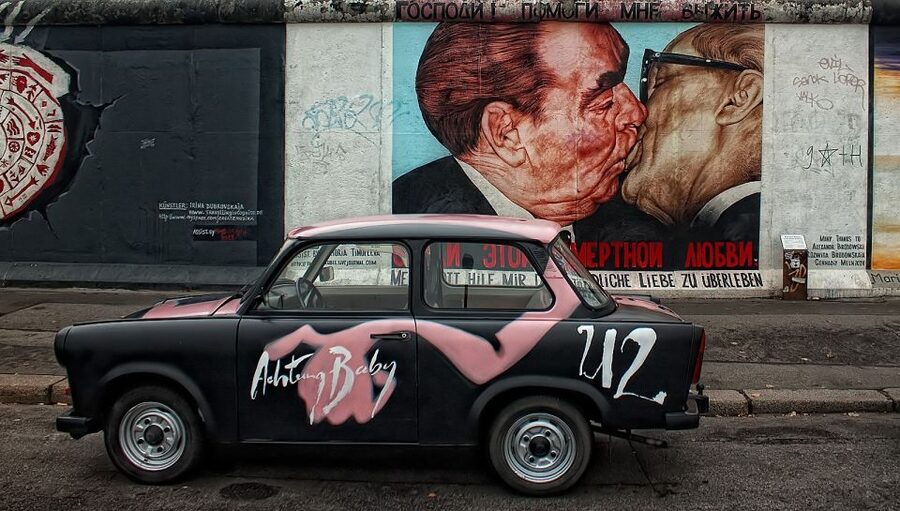
Berlin’s past is big, and it can be easy to get lost in dates. The tour’s focus on WWII and the Cold War helps you connect the dots between what you see now and what happened before. That’s especially true for the Berlin Wall remnants.
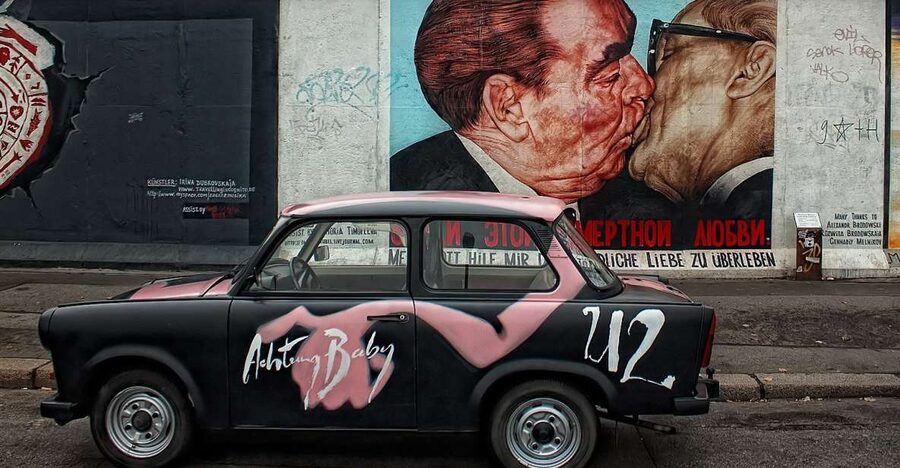
Seeing the remains in context is one of the most powerful ways to understand how division reshaped daily life. The Wall wasn’t just a political symbol; it changed movement, families, and the way people built their futures.
What I’d suggest for your planning: if the Berlin Wall is a priority, treat the Wall stop as one of your personalization choices. You’ll get more value from hearing the story while you’re looking at the physical remnants, instead of trying to piece it together later from random photos and guidebook paragraphs.
More Berlin tours to line up side by side



Reichstag, Government Quarter, and the City’s Political Spine
The Reichstag area shows up for a reason. It’s tied to Berlin’s role as a political center, and it’s also a reminder of how the city’s identity has been rebuilt over time.
Along with the Reichstag, you can expect the Government Quarter’s newer buildings to come up. That contrast matters: Berlin isn’t just old monuments. It’s also modern architecture expressing how the country wants to present itself now.
If you like architecture and politics, this is a satisfying combination. You get both the famous landmarks people point to on maps and the broader idea of where governmental power sits in the modern city.
One practical note: since entrance fees aren’t included, if you want interior access to anything that requires a ticket, you’ll likely need to arrange that separately.
Brandenburg Gate and Unter den Linden: Icon Views With Explanation
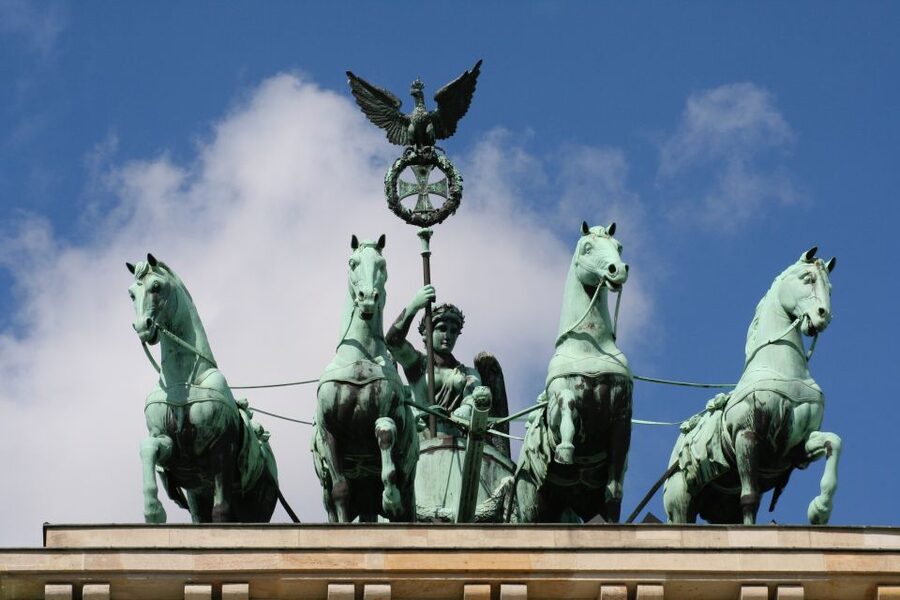
The Brandenburg Gate is one of those places you can recognize instantly, even if you’ve never been to Berlin. But a short tour can make it too easy to treat it as a postcard.
This tour helps you avoid that. With the guide’s explanation, you’ll understand why the Gate became more than just a gate. It’s wrapped up in major turning points, and the city’s later history reframed its symbolism.
Unter den Linden is the next layer. It’s one of Berlin’s most recognizable boulevards, and it makes sense as a viewpoint corridor for a tight schedule. You’re moving along a route that shaped how the city’s center developed, so you’re seeing a physical map of Berlin’s “then and now.”
If you enjoy walking, you may find yourself wanting to linger at the corners for photos. With only three hours, I’d treat those moments as quick stops and trust the guide’s pacing—otherwise you’ll run out of time for the more personal choices.
Museum Island, Nikolaiviertel, and Gendarmenmarkt: Pick Your Atmosphere
Berlin has multiple “types” of central areas, and a short tour is where you should choose the one mood you want.
Museum Island can fit if you like the big cultural brand of a city. It signals Berlin’s role as a home for major institutions, and it’s a good place for a quick orientation: you’ll see why the area matters even if you skip a museum visit.
Nikolaiviertel offers a different vibe. It’s more compact and historic-looking, which can be great if you want something that feels “human scale” compared with big government spaces.
Gendarmenmarkt is another mood shift, more formal and scenic. If you like squares and architectural balance, it’s a strong stop that helps you understand why Berlin isn’t only about politics and division.
Here’s the practical advice: choose one of these “atmosphere” areas as your second personalization stop. Don’t try to take all three in deeply within three hours; it’ll dilute what you remember.
TV Tower Views, Potsdam Square, and Victory Column: Time-Saving Icons
A few landmarks on the list are built for quick meaning. They’re not about sitting for hours; they’re about getting the right perspective fast.
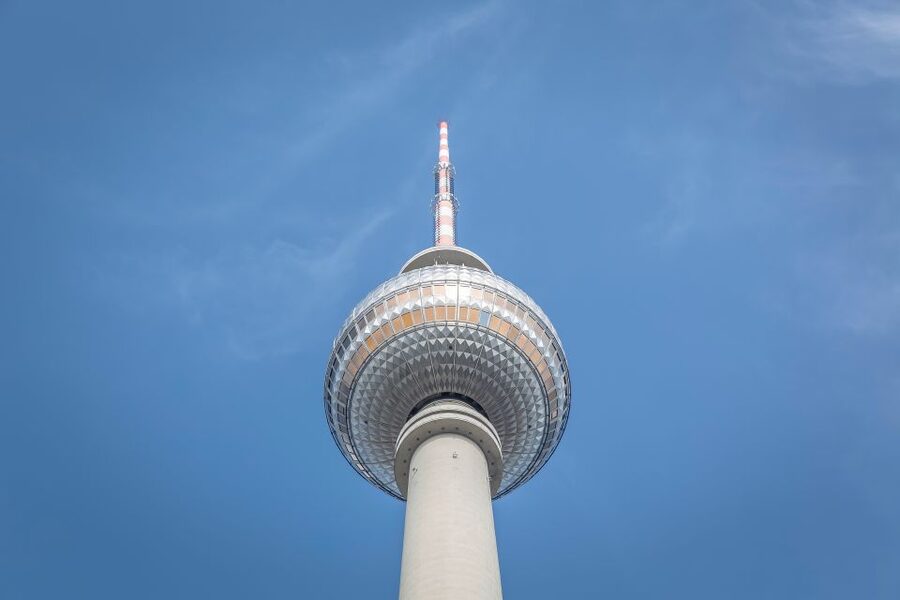
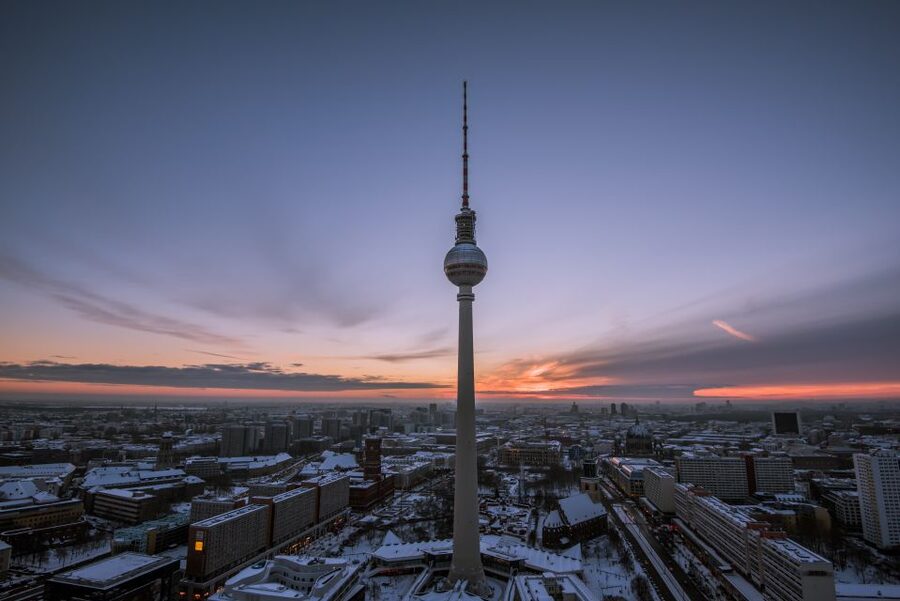
The TV Tower gives a sense of Berlin’s modern skyline and scale. Even without going up, the sightline itself is useful for orientation. It’s the kind of landmark that helps you picture where everything sits relative to your other stops.
Potsdamer Platz (often called Potsdam Square) is another place where a short tour can work well. It’s central, easy to read as a city hub, and it connects Berlin’s past and redevelopment story in visible ways.
The Victory Column is all about monumental scale. It helps explain Berlin’s long tradition of civic symbols—and it gives you a recognizable shape to remember long after you leave.
Palaces, Memorial Church, and Charlottenburg: Choosing Beauty vs. Symbol
If you’re the type who wants Berlin to feel elegant, Charlottenburg Palace is a smart personalization option. It’s a different side of the city than Wall remnants or political architecture, and that contrast can make your overall experience feel more rounded.
You also may encounter the Memorial Church. Memorial sites can be emotionally heavy, but they also provide clarity. The goal isn’t to process everything alone; it’s to understand the meaning while you’re in front of the physical reminder.
Bellevue Palace and other prominent civic buildings add another layer: how Berlin’s leadership and public identity have been shaped over time.
If you’re unsure what to pick, here’s a simple rule:
- If you want emotion and meaning, choose a Wall/remembrance stop.
- If you want visual payoff and contrast, choose Charlottenburg or the palace/civic architecture stops.
KaDeWe, Synagoges, Philharmonie: The Modern City Has Many Stories
Berlin isn’t one story, and this tour reflects that by including places that represent everyday life and culture, not just major monuments.
KaDeWe is a shopping destination, but it also signals Berlin’s modern consumer culture and cosmopolitan identity. If you’re planning to shop or you just want a feel for the city’s present-day rhythm, it’s a meaningful stop within a short tour window.
The inclusion of a synagogue stop can add an important perspective on the city’s religious and community history. It’s worth treating that part with attention and context, especially when your tour already covers WWII and Cold War themes.
The Philharmonie gives you a cultural anchor. Even if you don’t go inside, it helps explain how Berlin supports world-class arts alongside political landmarks.
Price and Value: When Private Makes Sense
This tour costs $542 per group up to eight, which means the real value depends on how you travel.
If you’re a solo traveler, you might feel the price more than if you share the vehicle with friends or family. But you’re not just paying for a car. You’re paying for:
- a private driver/guide
- air-conditioned transport
- live French or Italian narration
- microphones for clear listening
- pickup and drop-off in central Berlin
With a short duration, you’re essentially buying time and clarity. Instead of piecing together a half-day of public transport and guesswork, you get a guided overview that helps you decide what’s worth a second visit later.
For up to eight people, it can also be a cost-effective way to do Berlin as a group without splitting up or losing the conversation.
Who This Tour Fits Best
This experience is a strong match if:
- you have limited time and want the major Berlin landmarks with context
- you prefer a private guide over group bus noise
- you want to choose a couple of priorities, rather than follow a fixed checklist
- you’re traveling in France- or Italy-language comfort and want the guide speaking French or Italian
It’s also a good option if you already know you’ll come back to Berlin. Think of it as getting your bearings fast so your later self-planned day makes more sense.
Small Limitations to Plan Around
The tour’s biggest constraint is simple: three hours is not enough for deep, ticket-based sightseeing. Entrance fees are not included, so you’ll likely be doing mostly exterior views unless you add separate timed entries.
Also, if your personal must-sees require long walking segments or prolonged indoor time, you’ll want to decide what matters most. The best move is to choose one emotional/symbolic stop (Wall or memorial-related) and one “you’ll love looking at this” stop (palace, square, or viewpoint).
Should You Book This 3-Hour Private Berlin Tour?
Yes—if you want a clear, comfortable orientation to Berlin’s defining landmarks and major WWII/Cold War story points, this private format is a smart use of limited time. The combination of a small group, microphones, and a French or Italian live guide makes it feel effortless, and the ability to steer toward your top priorities is exactly what short tours should offer.
Book it if:
- you’re coming for a first look and want to understand what you’re seeing
- you’d rather ask questions in real time than read later
- you want a VIP-feeling, small-group ride with flexible pacing
Skip or supplement it if:
- your plan depends on multiple interior ticketed sites in one day
- you need a long, slow museum experience
If that sounds like your trip, you’ll probably come away with more than photos—you’ll come away with a route through Berlin’s story that you can actually remember.
FAQ
How long is the Berlin private tour?
It lasts 3 hours.
What languages is the live guide available in?
The live guide speaks French or Italian.
How many people are in the group?
It’s a private group for up to 8 people.
What’s included in the price?
You get a private sedan or minivan, a private driver/guide, and pickup and drop-off in Berlin city center.
Are entrance fees included?
No. Entrance fees are not included.
Where does pickup happen?
Pickup is included in Berlin’s city center, and the driver will hold a sign with your last name. You need to specify your pick up location, and pickups outside the city center can require an additional fee.
Is there free cancellation?
Yes. You can cancel up to 24 hours in advance for a full refund.
More Private in Berlin





More Tours in Berlin





More Tour Reviews in Berlin

Round out your days in Berlin
3-Hour Experiences, compared.
 ★ 4.53-Hour World Heritage Cruise to PotsdamFrom $251,569 reviews
 ★ 5.0Berlin Highlights 3-Hour Bike TourFrom $42948 reviews
★ 4.9Berlin Highlights: 3-Hour Bike TourFrom $37809 reviews
★ 5.0Berlin Highlights 3-Hour Bike TourFrom $42948 reviews
★ 4.9Berlin Highlights: 3-Hour Bike TourFrom $37809 reviews
 ★ 4.73-Hour Street Art TourFrom $23778 reviews
 ★ 4.73-Hour Segway TourFrom $100112 reviews
 ★ 5.0Berlin Private Custom 3-Hour Tour by CarFrom $33784 reviews
 ★ 4.53 Hours Segway Discovery Tour BerlinFrom $10258 reviews
 ★ 5.0Private Berlin tour by car: 3 hours Highlights > 1 to 6 peopleFrom $65441 reviews
Browse the lists this tour appears in