
REVIEW · BERLIN WALL & COLD WAR
Private Walking Tour: World War 2 and Cold War Sites in Berlin
Berlin has scars you can walk. This private half-day tour strings together World War II and Cold War landmarks in central Berlin, with hotel pickup so you spend less time figuring out transit and more time making sense of what you’re seeing. You can also choose to focus on one era or mix both, which is a big deal in a city where the stories overlap.
Two things I really like: the tour can be tailored to your questions, and the guide’s job is pacing the day so you get context without sprinting. You’re not just hitting famous photos; you’ll get explanations tied to places like the Reichstag area, Checkpoint Charlie, and the Berlin Wall sites.
One drawback to plan for: this is a walking-heavy route through emotional, serious sites. There aren’t food breaks included, so you’ll want to bring water and be ready for cold, rain, or big crowds near major memorials.
In This Review
- Key highlights to look forward to
- Price and what you’re really paying for
- How the tour works: private, timed, and built for your questions
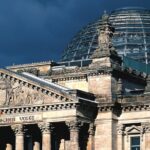
- Reichstag Building first: the political story behind the stones
- Brandenburg Gate and the Reichstag area: from division symbol to unity symbol
- Memorial to the Murdered Jews of Europe: quiet, disorienting, and explained well
- Fuhrerbunker: where the regime’s center-of-gravity used to be
- Nazi power in brick and stone: Aviation Ministry and Topography of Terror
- Aviation Ministry of Berlin
- Topography of Terror
- Cold War border reality: Checkpoint Charlie and Tränenpalast
- Checkpoint Charlie
- Tränenpalast (Palace of Tears)
- Tempelhofer Feld: the airlift story, plus modern-day open space
- Berlin Wall Memorial at Bernauer Strasse: escape stories in the street
- Prenzlauer Berg and an old NKVD/Stasi prison: how control worked
- East Side Gallery: the long Wall still visible
- Which stops work best for different interests
- What to bring (so the day feels good)
- Should you book this WWII and Cold War private walking tour?
- FAQ
- How long is the private walking tour?
- Is this tour private or shared with strangers?
- Can I choose whether to focus on WWII, the Cold War, or both?
- Does the tour include hotel pickup and drop-off?
- Which major sites are included on the route?
- Are food and drinks included?
- What’s the tour language?
- FAQ
- Can I get a full refund if I cancel?
- Is the tour wheelchair accessible?
- What’s included in the ticket?
Key highlights to look forward to
- Choose WWII, Cold War, or a blend so the story matches your trip
- Hotel pickup and drop-off to cut down time and stress
- Reichstag + Brandenburg Gate pairing for seeing how Germany’s political story changed
- Checkpoint Charlie and Tränenpalast for the human side of Berlin’s division
- Berlin Wall Memorial at Bernauer Strasse plus escape-story stops nearby
- East Side Gallery as a final visual punch of how Berlin remade itself
More of the Wall and the divided city
- Berlin’s Best: 2 Hour Walking Tour Third Reich and the Cold War★ 5.0 · 5,486 reviews
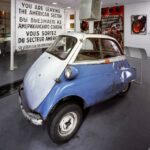
- Skip-the-Line: Berlin Wall Museum at Checkpoint Charlie★ 4.1 · 2,041 reviews
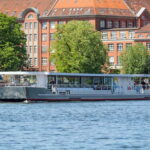
- Berlin: East Side Gallery Spree Cruise in a Solar Catamaran★ 4.1 · 1,086 reviews
- Cold War, Berlin Wall, Spies and the East Side Gallery★ 5.0 · 1,024 reviews
Price and what you’re really paying for
At $192.97 per person for a private 3 to 4 hour walking tour, you’re paying for four things at once: (1) a guide who can steer the narrative, (2) a route that fits the time window, (3) hotel pickup and drop-off, and (4) the ability to customize your focus.
If you’re doing Berlin on a first visit, the “expensive private guide” instinct can kick in. But this itinerary is packed: Reichstag-area WWII references, Holocaust remembrance, multiple Cold War border and wall-related locations, plus sites tied to Nazi and East German security history. In that sense, the price is less about “walking with someone” and more about getting a clean explanation thread across major districts without wasting time.
Food and drinks aren’t included, so the value equation depends on how you handle that. If you plan a meal before or after, this becomes a great use of half a day. If you’re hoping the tour will also solve lunch, you’ll need to handle that yourself.
How the tour works: private, timed, and built for your questions
You’ll start with a hotel lobby meet and greet in central Berlin, with morning or afternoon departure options. From there, you’ll walk with an expert local guide who builds the route around your preference: World War II, Cold War, or both.
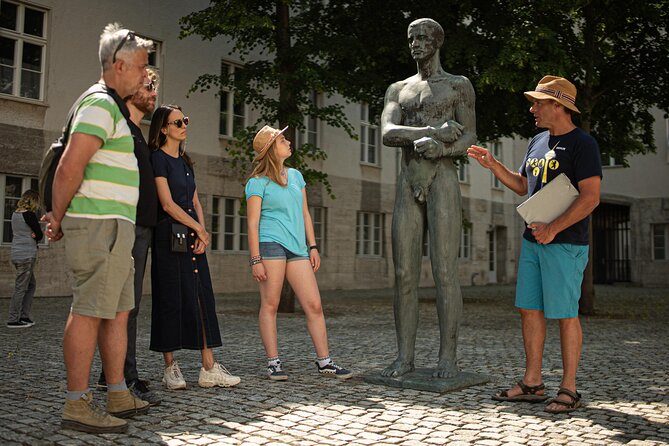
What I like about the private format is control. You can slow down at the parts that matter to you and skip what doesn’t. It’s also where the reviews make sense: guides like Jeff, Hannah, Emma, Daniel, Glen, Ariel, Maria, and Klaus were repeatedly praised for adjusting the agenda to what the group wanted and for answering questions clearly.
If you like learning by asking, this kind of tour is often the fastest way to turn “I recognize the landmark” into “I understand why it’s there.”
Reichstag Building first: the political story behind the stones
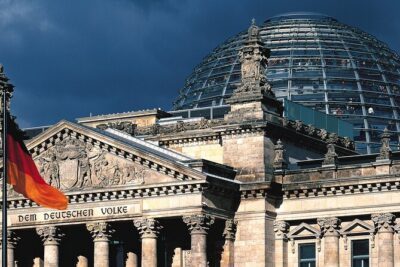
A short stop at the Reichstag Building sets the tone for how power in Germany changed over time. If your interest leans WWII, this is where the guide can point you toward monuments for those who opposed the Nazi regime, including Claus von Stauffenberg, and for people who lost their lives during that era.
You also get context around Albert Speer’s Berlin plans and the idea of Soviet monumentalism in the postwar landscape. The Battle of Berlin storyline—from Stalingrad through the fall of the Third Reich’s capital—is the kind of narrative anchor that makes later stops click. Even if you’re not obsessed with dates, the guide’s job is to connect the dots between political ambition and the physical city you’ll walk through.
Possible drawback here: if you’re hoping for long time inside the building itself, the stop length is short and the tour is designed for exterior viewing and street-level interpretation.
Brandenburg Gate and the Reichstag area: from division symbol to unity symbol
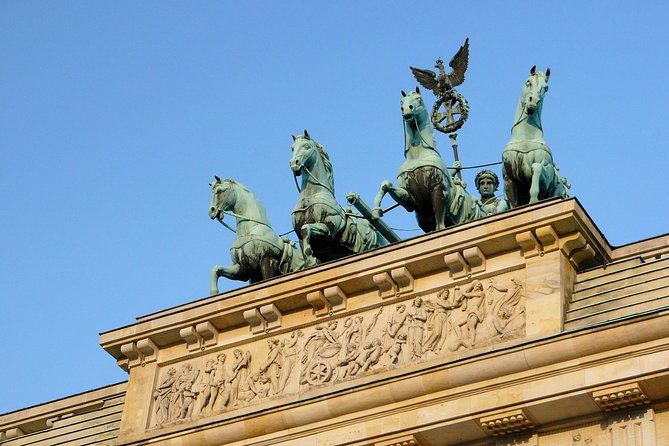
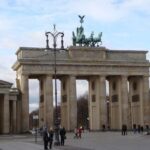
Next comes the Brandenburg Gate, one of Berlin’s biggest monuments, and a perfect location for the “history turns” theme. During the Cold War, it carried the weight of division—now it functions more as a national symbol of peace and unity.
On this stop, I’d expect the guide to connect WWII-era power to Cold War-era realities. It’s also an ideal place to ground yourself visually before you move into sites tied directly to the border and the Wall.
If you’re trying to photograph without feeling rushed, this stop can be satisfying—but major landmarks can attract crowds, so go in expecting it to be busy.
More walks through Berlin's wartime history

Memorial to the Murdered Jews of Europe: quiet, disorienting, and explained well
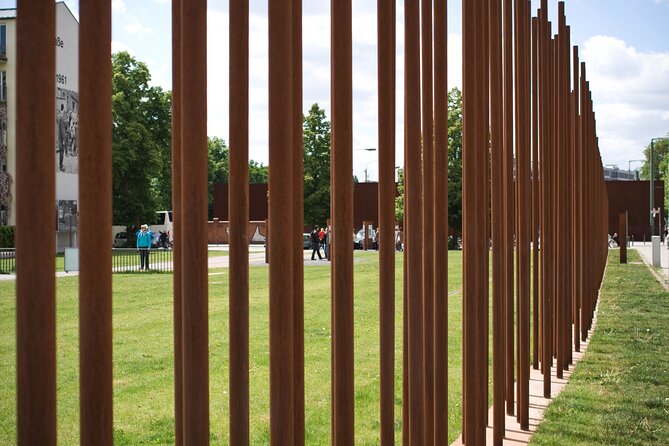
The Memorial to the Murdered Jews of Europe is not just a landmark. It’s designed to create an unsettling experience: 2,711 concrete slabs in a grid that feels intentionally disorienting, with varying heights that suggest unease and loss.
What makes this stop valuable on a tour is the underground information center. You’ll get historical context and personal accounts that help you connect the physical design to the human scale of the tragedy. The point isn’t to “see and move on.” It’s to leave with a clearer understanding of what remembrance is trying to do here.
Because this is somber, you’ll want to pace yourself. If you’re sensitive to heavy topics, tell your guide early so they can adjust how much time you spend in each section.
Fuhrerbunker: where the regime’s center-of-gravity used to be
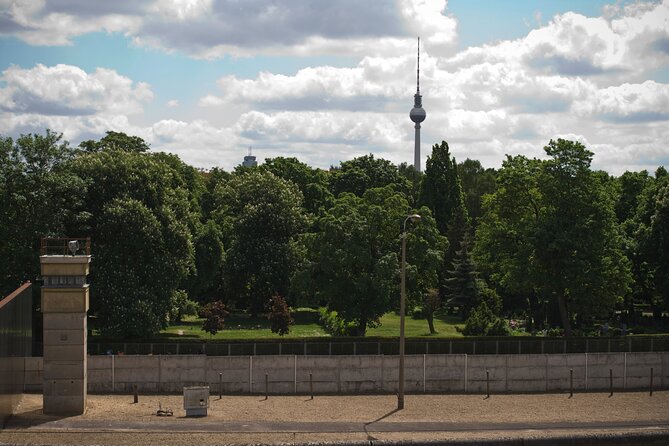
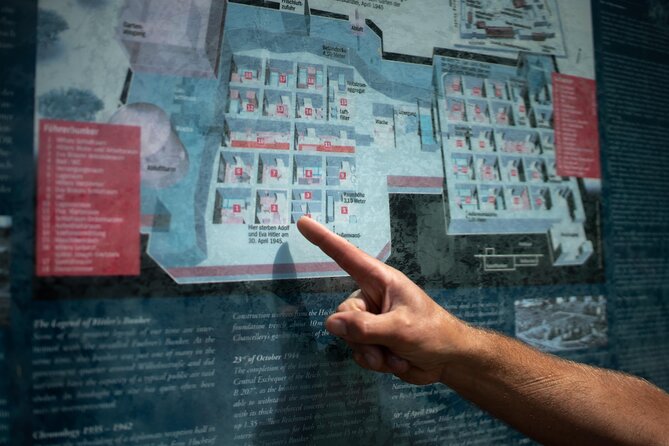
The stop at the Fuhrerbunker is a short one but important. This is where your tour can connect leadership, concealment, and collapse—especially within the WWII story. Even without walking through something intact, the guide can explain why Berlin became the epicenter at the end.
This is the kind of stop that works best when your guide ties it into nearby context you’ve already heard at the Reichstag and the Holocaust memorial.
Nazi power in brick and stone: Aviation Ministry and Topography of Terror
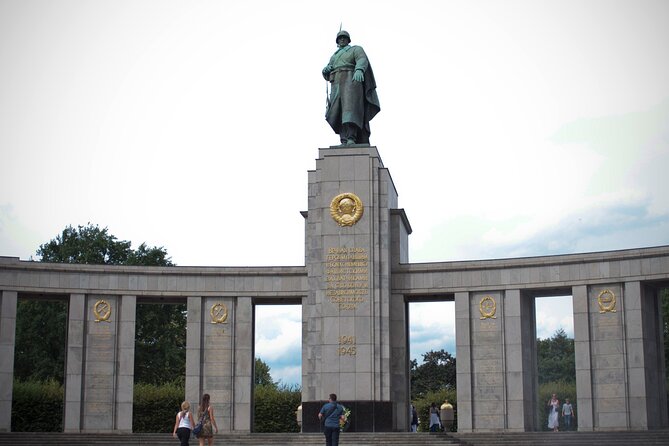
Then you get into two buildings that show how regimes used architecture and administration to control a city.
Aviation Ministry of Berlin
At the Reich Air Ministry (completed in 1936), the guide can explain how Hermann Göring and the Luftwaffe tie into the Nazi power structure. You’ll also hear about the building’s role as a headquarters and how the regime tried to project strength through scale and design. Damage during the war didn’t erase its survival, and East Germany later repurposed it as the Ministry of Transport.
If you like “how power looked on the ground,” this stop delivers. It also helps you see the city’s layers: the same walls serving different eras and ideologies.
Topography of Terror
Next is Topography of Terror, tied to where the SS, Gestapo, and SD had their HQ. Today, the location functions as an exhibition focusing on perpetrators during the Nazi era.
This is a strong stop for people who want more than slogans. The tour framing matters a lot here: it’s not just about what happened, but who ran the machinery.
Practical consideration: these stops tend to be emotionally heavy and information-dense. If you ask questions and want more detail, you’ll likely eat up time—good, if your group can handle it.
Cold War border reality: Checkpoint Charlie and Tränenpalast
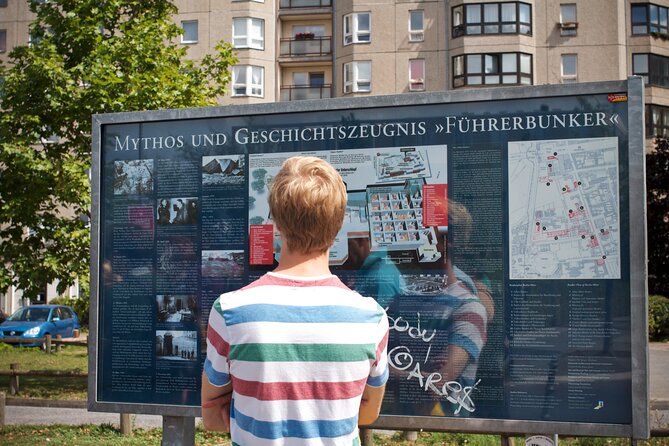
Now the narrative shifts from WWII aftermath into East-West division you can feel in Berlin’s streets.
Checkpoint Charlie
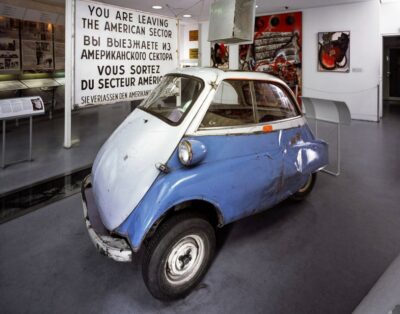
At Checkpoint Charlie, the guide can explain why this became the most famous crossing point between East and West Berlin. You’ll hear about espionage, escape attempts, and the human cost of separation—then zoom into the famous 1961 standoff when American and Soviet tanks faced off and the world teetered.
What I like about including Checkpoint Charlie on this tour is that it gives you a “symbol with mechanics.” It’s not just a sign. It’s a place where the Cold War became personal.
Tränenpalast (Palace of Tears)
Then comes Tränenpalast at Friedrichstrasse Station, described as the Palace of Tears. This was the departure hall for East Germans crossing into West Berlin between 1961 and 1989.
The name matters because it points to the emotional reality: families and friends often had to say goodbye under strict restrictions, with some people never seeing each other again. Today, the museum there explores the Wall’s history and personal stories, turning big geopolitics into lived outcomes.
If you’re imagining this stop as purely “interesting history,” you might be surprised by how much it affects you. That’s also why I’d rate this tour as more than a photo-walk.
Tempelhofer Feld: the airlift story, plus modern-day open space
A walk around the old Nazi airport at Tempelhofer Feld changes the tone again. The airport was used by the Allies during the Berlin airlift of 1948/49, and now it’s no longer an operating airport—people use the space as a huge open playground.
This stop is useful because it shows how the city’s worst moments can end up shaping future survival and civic space. If the day is running emotional, this can act like a reset—though you’ll still be thinking about what you learned.
Berlin Wall Memorial at Bernauer Strasse: escape stories in the street
The most moving “Cold War” stop on this route is often Berlin Wall Memorial on Bernauer Strasse. This area is powerful because the Wall split the street in half, trapping East Berlin residents while their neighbors in the West watched.
Your guide can also connect this to specific escape attempts, including Tunnel 29 (built in 1962 for 29 people) and Tunnel 57 (constructed in 1970 to help 57 people escape).
You’ll see preserved sections of the Wall, a watchtower, and a documentation center. That combination matters: it’s not just one artifact; it’s an explanation system.
Timing note: this is also the kind of stop where 25 minutes can fly by. If you want more time, tell your guide. Private format means you can shift.
Prenzlauer Berg and an old NKVD/Stasi prison: how control worked
Then you head to an old prison complex in Prenzlauer Berg, originally an NKVD prison (a precursor to the KGB) and later used by East Germany’s secret police, the Stasi.
Your guide should explain methods used to extract information from prisoners, and then show how the site is used today—because what you do with the past is part of how a society changes.
This is a hard stop, but it gives Berlin’s Cold War meaning beyond flags and fences. It’s about systems.
East Side Gallery: the long Wall still visible
To finish strong, you walk along the East Side Gallery, described as the longest permanent open-air graffiti wall in the world, and also one of the longest pieces of the Berlin Wall still standing.
The murals are meant to promote justice and freedom, and the best part is the contrast: after hearing about walls as barriers and tools of oppression, you see walls reimagined as public art.
This ending can feel like a relief—but also a reminder that Berlin chose visibility over erasure.
Which stops work best for different interests
Here’s a practical way to decide what you should ask your guide to emphasize:
- If you’re mainly focused on WWII: ask for extra time around the Reichstag area, Fuhrerbunker, and the Nazi administrative stops like the Aviation Ministry and Topography of Terror.
- If you’re mainly focused on the Cold War: push for more time at Checkpoint Charlie, Tränenpalast, Bernauer Strasse Wall Memorial, and the Stasi/NKVD prison.
- If you’re mixing both: tell your guide you want a clear through-line from Nazi rule to postwar division. The sequence of symbolic political sites plus border/wall sites makes that easier.
Also, when I see repeated praise for guides adapting the pace—like Jamie G building narrative threads, or Peter adjusting for an older pace—it’s a hint that the tour can flex without losing coherence.
What to bring (so the day feels good)
Food and drinks aren’t included, so plan for yourself:
- Bring water, especially if you’ll be out in warm or rainy weather.
- Wear shoes you can walk in for several hours.
- If you use photo-heavy landmarks, bring a battery plan so you’re not running for power halfway through memorial sites.
If you know you’ll want to read while you walk, bring a small option for notes. This tour’s stops can be information-dense, and writing down questions is a good trick when you have a private guide who can answer right away.
Should you book this WWII and Cold War private walking tour?
I’d book this tour if you want Berlin history that’s tied to real places and explained in plain, human terms—not just plaques. The biggest reason is the private setup: you can steer the day toward WWII, Cold War, or both, and the guide role is to connect the dots across major monuments.
I’d hesitate if you hate long walks, get overwhelmed by heavy topics, or need a slow, sit-down day with lots of breaks. Also, if you expected specific stops like the Berlin Wall Memorial’s nearby East Side Gallery time to be guaranteed in a certain way, clarify your priorities in advance so the guide can match your expectations.
If you want a smart first half-day in Berlin that helps you see the city with better “what am I looking at?” instincts, this is a strong choice. And if your guide ends up being someone like Hannah, Daniel, Glen, Ariel, Maria, Klaus, or Joerg—based on the guide names people mention—you’re likely in for a tour where your questions get handled and your time feels well paced.
FAQ
How long is the private walking tour?
It runs about 3 to 4 hours, depending on the departure time and how your route is tailored.
Is this tour private or shared with strangers?
It’s private. Only your group participates.
Can I choose whether to focus on WWII, the Cold War, or both?
Yes. You can pick WWII focus, Cold War focus, or request a combination of both, and your walking tour is customized to your interests.
Does the tour include hotel pickup and drop-off?
Yes. Hotel pickup and drop-off are included, and pickup is offered.
Which major sites are included on the route?
Key stops include the Reichstag Building, Brandenburg Gate, the Memorial to the Murdered Jews of Europe, Fuhrerbunker, Topography of Terror, Checkpoint Charlie, Tränenpalast, Tempelhofer Feld, Berlin Wall Memorial at Bernauer Strasse, an NKVD/Stasi prison site in Prenzlauer Berg, and the East Side Gallery.
Are food and drinks included?
No. Food and drinks aren’t included.
What’s the tour language?
The tour is offered in English.
FAQ
Can I get a full refund if I cancel?
You can cancel up to 24 hours in advance for a full refund. If you cancel less than 24 hours before the start time, you won’t receive a refund.
Is the tour wheelchair accessible?
The provided info says most travelers can participate, but it doesn’t specify wheelchair access details. If that’s important for you, check with the provider before booking.
What’s included in the ticket?
Included are a professional guide and hotel pickup and drop-off. Some stops list free admission, but the tour itself covers the guiding and route.
More Tour Reviews in Berlin


Berlin's Wartime History

The Wall and the Cold-War City
Round out your days in Berlin
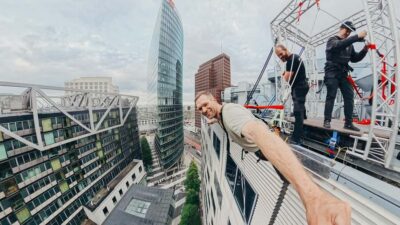
Berlin Wall & Cold War, compared.
 ★ 4.9Third Reich & Cold War Guided Walking TourFrom $238,378 reviews
 ★ 5.0Berlin’s Best: 2 Hour Walking Tour Third Reich and the Cold WarFrom $245,486 reviews
 ★ 4.1Skip-the-Line: Berlin Wall Museum at Checkpoint CharlieFrom $212,041 reviews
 ★ 4.1East Side Gallery Spree Cruise in a Solar CatamaranFrom $281,086 reviews
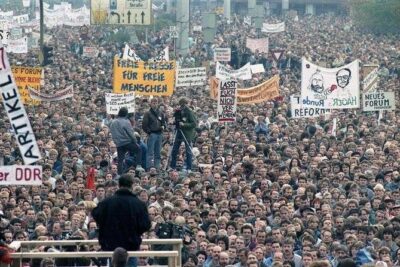 ★ 5.0Cold War, Berlin Wall, Spies and the East Side GalleryFrom $181,024 reviews
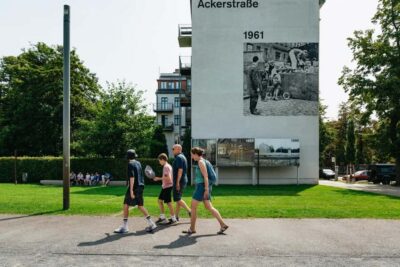 ★ 4.8Wall Tour – Fates, Love Stories, and HeroesFrom $282585 reviews
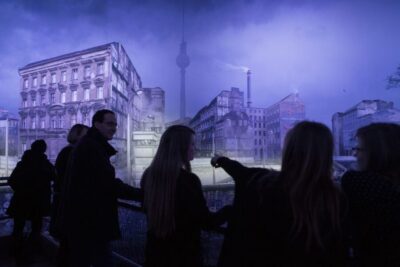 ★ 4.5THE WALL: asisi Panorama Berlin TicketFrom $16580 reviews
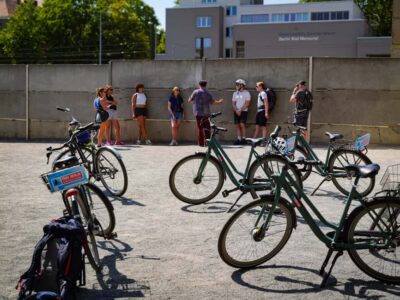 ★ 4.8The Wall and Third Reich Guided Bike TourFrom $41578 reviews
Browse the lists this tour appears in