
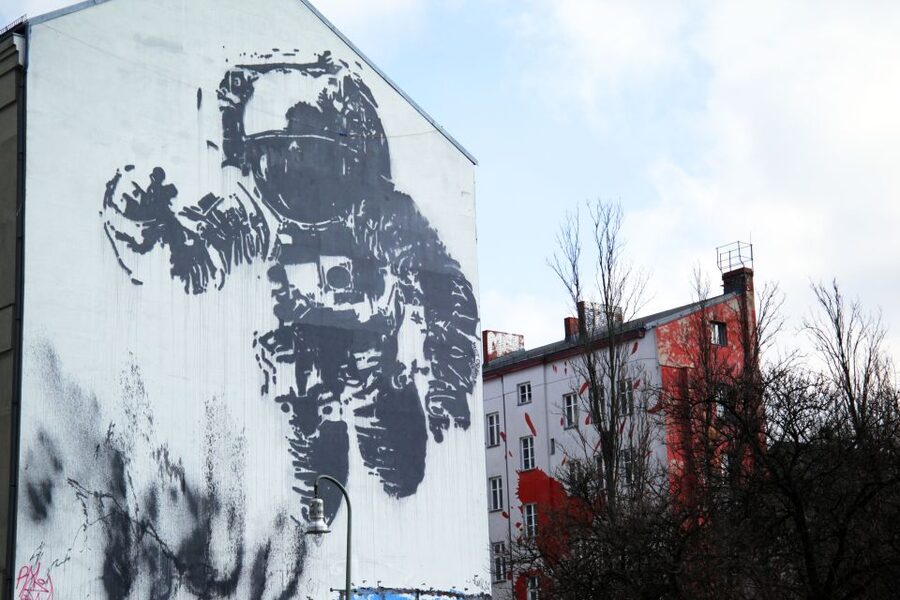
REVIEW · STREET ART & ALTERNATIVE BERLIN
Berlin: 3-Hour Street Art Tour
Street art in Berlin is a living archive. This 3-hour tour is a smart way to connect Wall-era murals to the city’s current alternative scene, with guides who point out what most people miss.
I love the inside context you get while you’re walking: not just what the art looks like, but why it shows up where it does. One thing to plan for: this is still a walking tour in all kinds of weather, so comfortable shoes and patience for moving between spots matter.
In This Review
- Key things you’ll notice on this Berlin street art tour
- Why Berlin street art hits differently than everywhere else
- How the 3-hour walk actually works on your feet
- The Wall-to-1990s story you’ll carry into every stop
- Hidden spots and why lesser-known walls matter
- Markthalle Neun: a street art stop that feels like a real break
- Your guide makes the difference (and you’ll see that fast)
- What to look for while you’re walking (so you don’t miss the point)
- Getting around and what to pack for Berlin street art weather
- Who this tour suits best (and who might want a different style)
- Should you book this Berlin Street Art Tour?
- FAQ
- How long is the Berlin Street Art Tour?
- What language is the guide available in?
- Is a guided tour included in the price?
- Do I need to buy public transport tickets?
- Where do I meet the group?
- Does the tour run in bad weather?
- What is the cancellation policy?
Key things you’ll notice on this Berlin street art tour
- Expert guides in English or German who explain styles, movements, and the city’s cultural mood
- Lesser-known side streets and courtyards where the best work often hides
- A history thread from the 1960s to the 1990s, when Berlin became a magnet for artists
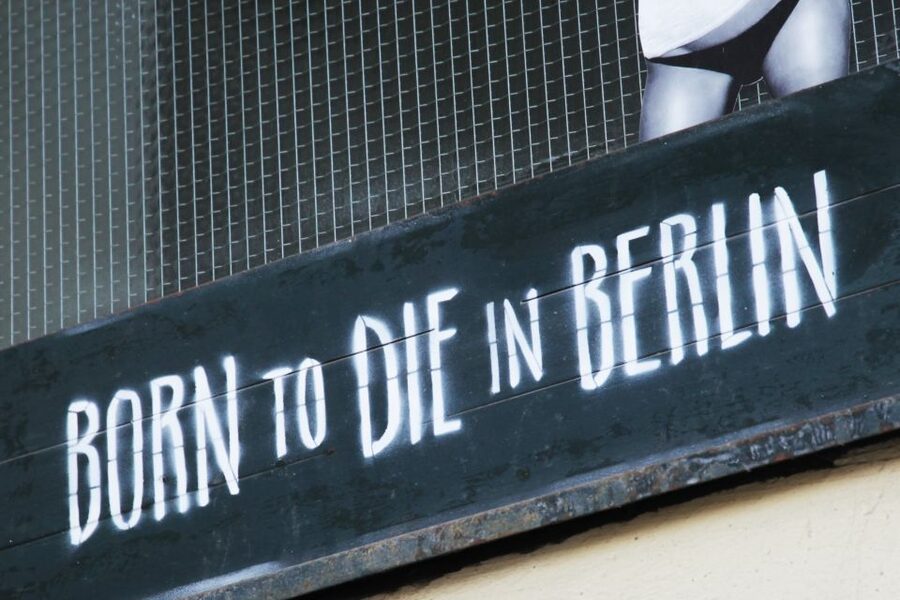
- More than just murals, since you may see letter styles, stencils, and sometimes sculptures or architecture
- A standout stop at Markthalle Neun, a welcome break from pure street-wall viewing
- Plenty of looking time, with chances to slow down for photos and details
More murals and back-street Berlin
- Berlin: City Street Art Guided Walking Tour★ 4.8 · 1,051 reviews
- Berlin: 3-Hour Street Art Tour★ 4.7 · 778 reviews
- Berlin: Alternative Bike Tour of Kreuzberg & Friedrichshain★ 4.7 · 548 reviews
- Berlin Off-the-Beaten-Path Walking Tour: Kreuzberg, Mitte and Friedrichshain★ 5.0 · 412 reviews
Why Berlin street art hits differently than everywhere else
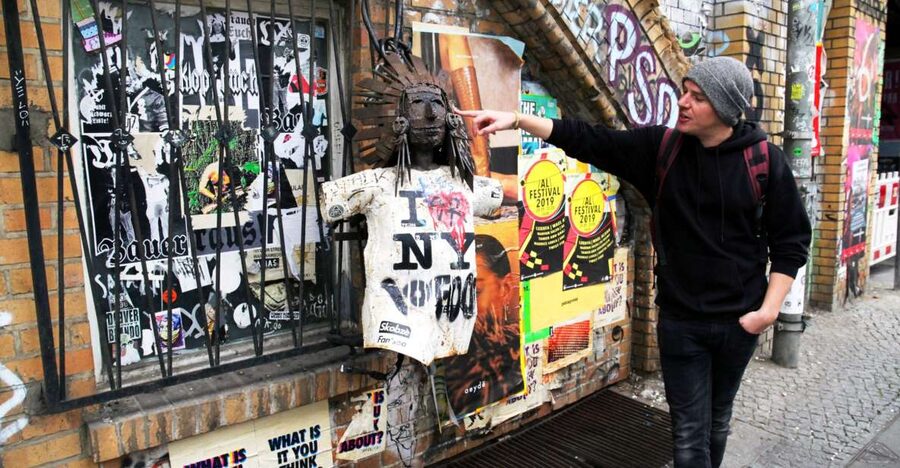
Berlin doesn’t treat street art like a temporary outdoor festival. The city has a longer memory than most places, and that shows up in the walls, courtyards, and even the way people talk about creativity.
The big story line is simple: people began painting on the Berlin Wall starting in the 1960s. Later, in the 1990s, the city’s louder, wilder energy pulled artists from far beyond Germany, and the marks left behind became part of Berlin’s identity. On this tour, you’ll feel that timeline as you move, because your guide keeps tying what you’re seeing to what was happening around it.
I also like how this tour frames street art as culture, not just decoration. Berlin’s alternative scene has always been about using public space to argue, remember, protest, and play. When your guide explains that, the art clicks faster. You start seeing patterns in colors, lettering, and styles the way you would while reading a book.
How the 3-hour walk actually works on your feet
This is a focused 3-hour guided route meant for real seeing, not racing. You’re moving often enough to cover a good chunk of ground, but the pacing leaves room to slow down at the pieces that deserve attention.
In practice, that means you’ll get a mix of close-up looking and short context stops. One guide might spend extra time on how artists build a visual argument with layers and contrast. Another might zoom in on letters and graffiti style—how words get shaped, why certain lettering reads as aggressive or playful, and how tag styles evolved.
You’ll also notice the tour isn’t stuck on one type of art. Some guides bring in street art forms beyond murals, including letterwork and larger pieces. One group also got a wider view with nearby sculptures and architecture woven into the story, which is useful if you like urban design as much as paint.
Possible drawback: depending on your group and guide pace, the schedule can feel tight. If you prefer super-long photo time at every stop, you might want to add extra time to your day after the tour, so you can revisit what you liked most.
The Wall-to-1990s story you’ll carry into every stop
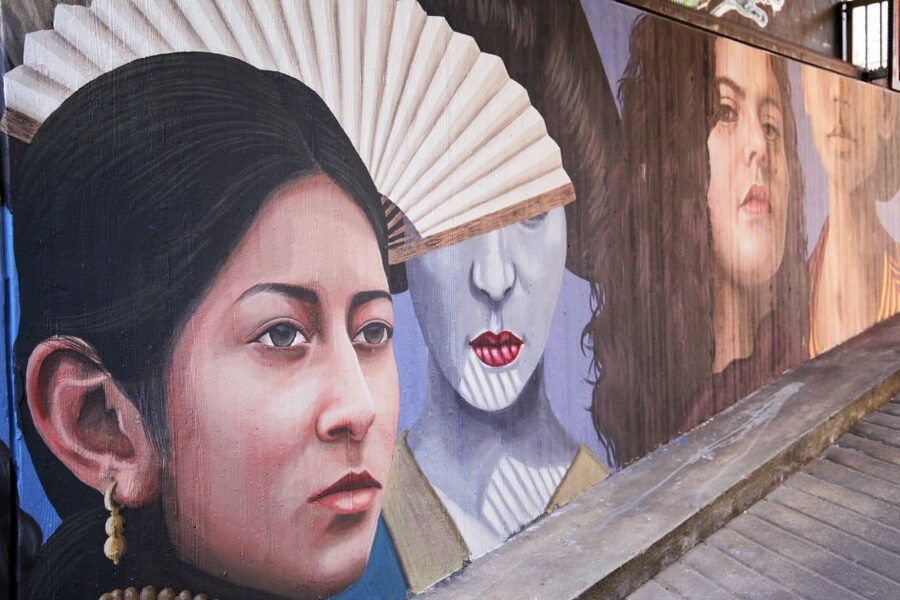
Here’s the mental trick that makes this tour pay off: your guide doesn’t treat history like a lecture. They use it as a lens.
When you learn that street art in Berlin started on the Berlin Wall back in the 1960s, the whole vibe changes. The art becomes more than graffiti. It becomes commentary on division, freedom, and what people needed to say in public when private space wasn’t safe.
Then the timeline shifts into the 1990s, when Berlin turned into a magnet. Artists came from everywhere to leave their mark during that era of cultural push-and-pull—hedonism on the surface, politics underneath. As you walk, your guide helps you connect those eras to styles you can still spot today: the boldness, the mix of humor and anger, and the way artists use recognizable symbols in new ways.
What I find helpful is that you’re not asked to memorize facts. Instead, you learn how to interpret clues. You start noticing whether a piece feels like a public message, an act of tagging territory, a love letter to the city, or a visual protest. By the end, your eyes move differently.
Hidden spots and why lesser-known walls matter
Street art tours can become repeat tours of the obvious spots. This one aims for the opposite direction: lesser-known spots where the best street art hides.
That approach matters because Berlin’s best works don’t always live on the main drag. Many of the stronger pieces sit in side streets, courtyards, and places you’d pass by without a reason to stop. When a guide brings you there, the tour feels like problem-solving: you’re learning where the city keeps its secrets.
Another plus is that your guide stays on what’s happening now. The tour description talks about a team that keeps on top of who’s who and what’s fresh. Practically, that translates into a tour that doesn’t feel frozen in time. The city changes, paint gets covered, tags appear, and larger murals get replaced. If you care about seeing Berlin as a living scene, not a museum, this matters.
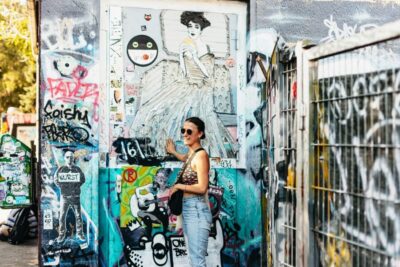
And if you’re a detail person, you’ll probably enjoy it. Guides tend to highlight how techniques show up visually—spray-work texture, stencil edges, brush layers, and how different artists build recognizable personal style. That turns a wall from a picture into evidence.
More Berlin tours to line up side by side



Markthalle Neun: a street art stop that feels like a real break
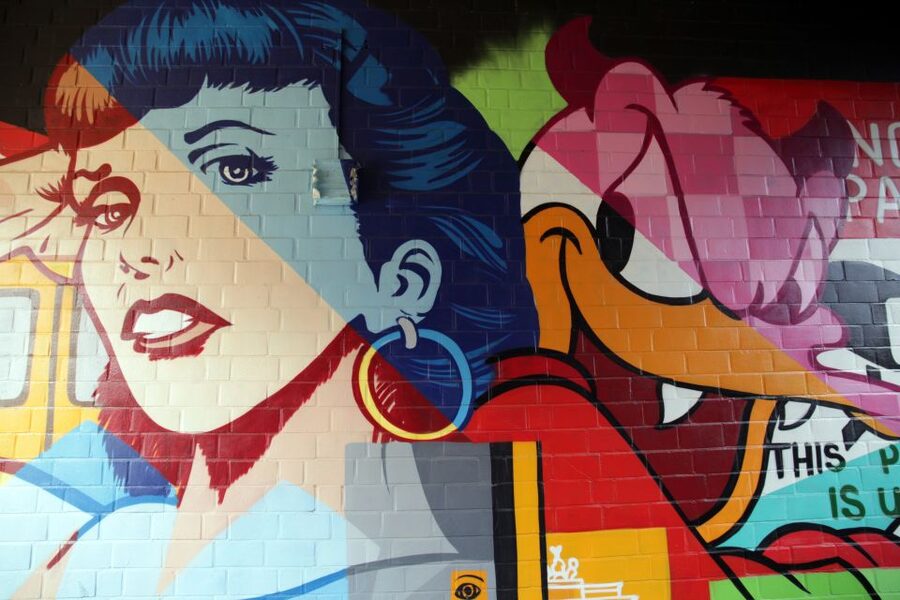
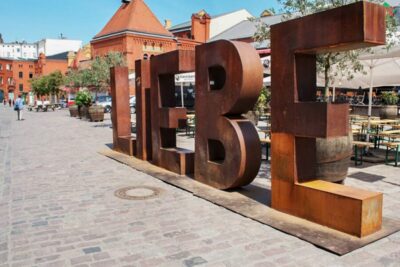
One stop that consistently lands well is Markthalle Neun. People mention it as a welcome pause, and I get why. Market halls and food spaces give you a different kind of reset: you’re not just staring at paint, you’re breathing, checking your photos, and recharging before the next stretch.
Even if you’re not there to eat, the setting helps you absorb what you’ve learned. Street art can be emotionally heavy—political, messy, sometimes angry. A normal-life space nearby makes the whole experience feel more human, like Berlin street art is part of everyday life, not an escape from it.
If your guide brings the story into this stop, you’ll also get a contrast between art as public wall language and art as something people discuss, support, and consume around them. That contrast helps the city feel less like a backdrop and more like a community.
Your guide makes the difference (and you’ll see that fast)
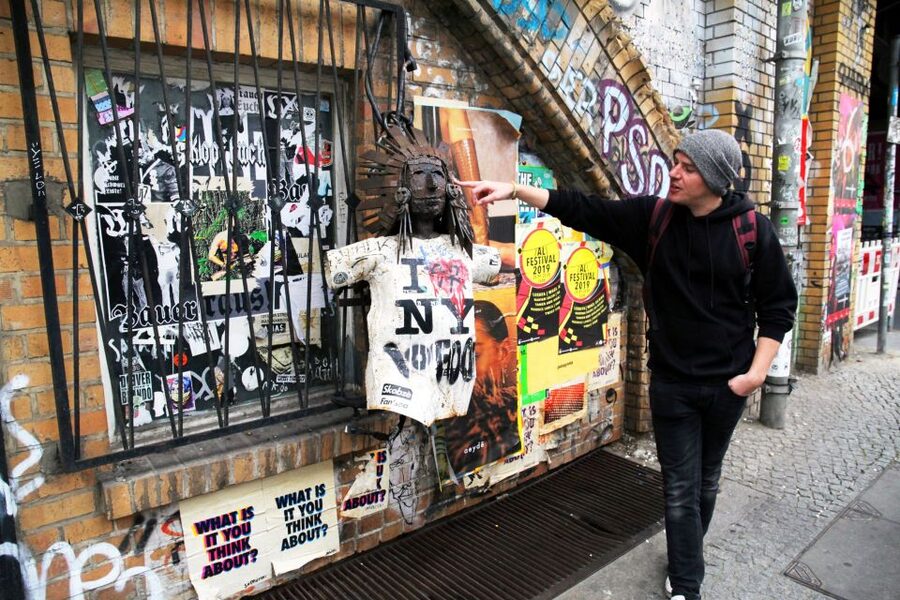
For this tour, the guide isn’t a passive narrator. They’re the point.
A lot of the strongest feedback focuses on guides who tell stories with real passion and strong command of street art movements. Names you might hear include Gal, Lewis, Amanda, Maike, Anja, Annika, Sam Z, Bastian, Cammy, Debbi, Xavier, Gregor, Sebastian, Georgia, Lynsey, and others. Even when you don’t get one of those exact names, the pattern stays: the guides usually bring both art interpretation and Berlin context.
Some guides are also artists themselves, like Maike, which can change how you understand techniques. If your guide has that hands-on background, you’ll likely hear more about how artists think while creating—why a piece looks the way it does, how they handle color, and what they’re trying to communicate beyond the final image.
Expect humor and energy from many guides too. People consistently describe guides as funny, cheerful, friendly, and entertaining, which matters because street art walks can otherwise turn into a steady drip of information. The best version of this tour keeps you alert, making each stop feel like it has a payoff.
What to look for while you’re walking (so you don’t miss the point)
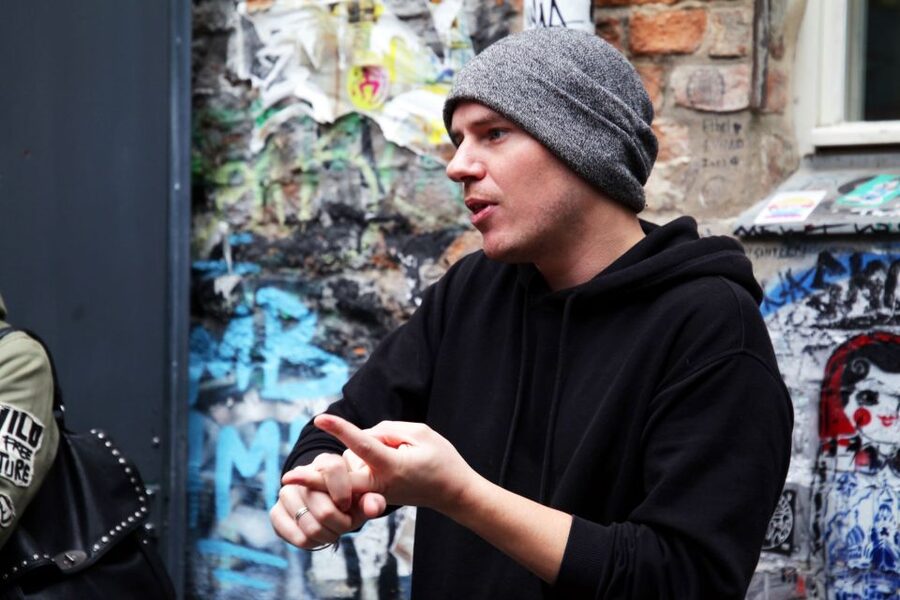
You’ll get explanations from the guide, but you’ll get more out of it if you know what to notice yourself. Here are the things I’d keep an eye on while you’re stopped at a wall.
First, look at the language of the piece. Is it mostly lettering and tags, or is it a full scene? Even without understanding every reference, the style tells you the intent.
Second, check the placement. Street art in Berlin often reacts to its surroundings—near institutions, in everyday pedestrian paths, or in tucked-away courtyards. Placement can signal whether something is meant for public confrontation or more local recognition.
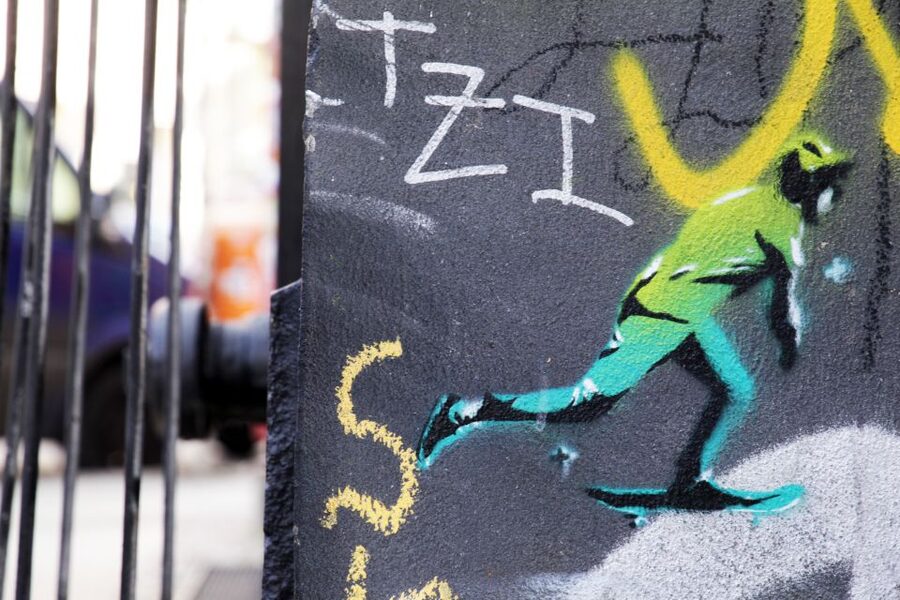
Third, watch for technique cues. Stencils tend to look crisp and repeatable. Spray layering can create depth and haze. Large brushwork can look more personal, like a signature you can feel. Your guide will point these out, and once you see them, you’ll start spotting them everywhere.
Finally, listen for the politics and social context. One of the most useful parts of the tour experience is learning how artists connect their work to reconstruction, reunification, and the city’s tensions. When you hear those threads explained, even a simple-looking piece becomes more meaningful.
Getting around and what to pack for Berlin street art weather
The tour runs in all types of weather, so plan for cold wind, rain, or damp days. You’ll want weather-appropriate clothing and shoes that can handle frequent stops and uneven sidewalk moments.
Also, keep your transportation plan flexible. A public transport ticket is not included if needed, so if your route uses trams or the metro, you’ll want to have a way to pay for it. In Berlin, one short ride can save you from a long walk in bad weather.
Lastly, wear something you can move in. Even if the tour feels casual, it’s still three hours of active city walking, and the best street art looks take patience and closeness.
Who this tour suits best (and who might want a different style)
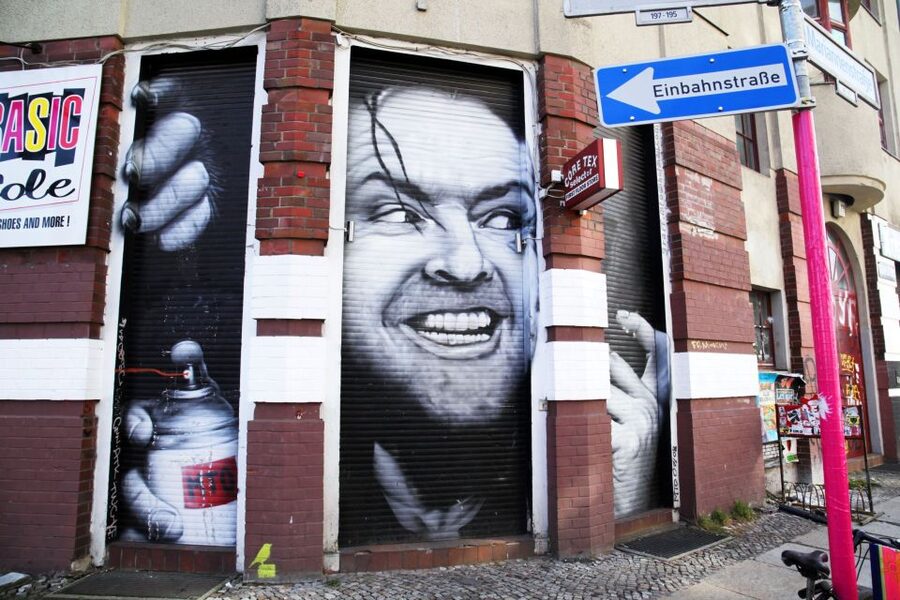
This tour is a strong fit if you:
- want Berlin history without museums, tied directly to what you can see outside
- love street art enough to care about techniques, not just pictures
- enjoy tours led by people who talk like insiders
- want a guided way to find spots you’d probably walk past alone
It may be less satisfying if you:
- prefer fully self-paced exploring with no structure
- hate weather-dependent walking and want indoor-only options
- need lots of downtime between stops
One nice option is private group availability. If you’re traveling with friends, want a quieter pace, or prefer more Q&A time, a private setup can make it easier to match your interests to your guide’s approach.
Should you book this Berlin Street Art Tour?
I’d book it if you want a high-value, human-scaled street art experience. At $23 per person for a 3-hour guided walk, you’re paying for something most people can’t replicate easily on their own: interpretation plus direction. The art is everywhere in Berlin, but the stories, styles, and context are what turn it from sightseeing into understanding.
This is also a good choice if you like the idea of being shown lesser-known locations. Berlin rewards people who slow down and look. A guide helps you do that without wasting time guessing where to stand.
If your ideal day is one where you can fully control pace, bring your own route ideas, and spend hours at each wall, you might decide to pair this with self-exploring afterward. But for most people, the mix of expert guidance, Wall-to-1990s context, and real time to look makes this a smart buy.
FAQ
How long is the Berlin Street Art Tour?
The tour lasts 3 hours.
What language is the guide available in?
The live guide is available in English and German.
Is a guided tour included in the price?
Yes. A guided tour is included.
Do I need to buy public transport tickets?
A public transport ticket is not included if needed, so you may want to have one ready.
Where do I meet the group?
The meeting point may vary depending on the option booked.
Does the tour run in bad weather?
Yes, the tour runs in all types of weather.
What is the cancellation policy?
You can cancel up to 24 hours in advance for a full refund.
More Tours in Berlin


More Tour Reviews in Berlin
Street Art and Alternative Berlin
Round out your days in Berlin
Street Art & Alternative Berlin, compared.
 ★ 4.6Alternative Berlin Walking TourFrom $291,204 reviews
 ★ 4.8City Street Art Guided Walking TourFrom $231,051 reviews
 ★ 4.7Alternative Bike Tour of Kreuzberg & FriedrichshainFrom $41548 reviews
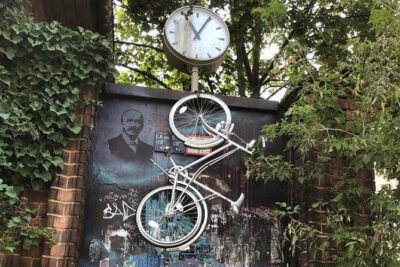 ★ 5.0Berlin Off-the-Beaten-Path Walking Tour: Kreuzberg, Mitte and FriedrichshainFrom $30412 reviews
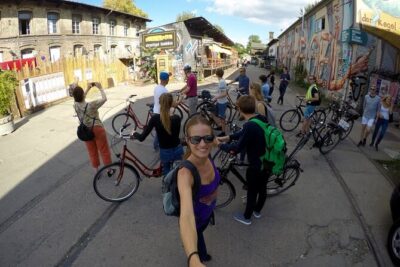 ★ 4.8Experience the Alternative Kreuzberg on a Bike TourFrom $41395 reviews
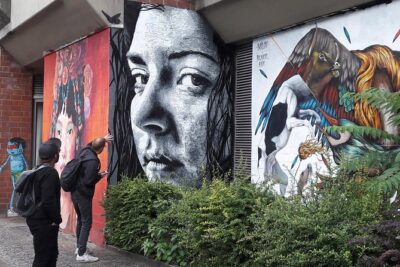 ★ 5.0Berlin Street Art Walking Tour – Off The GridFrom $24270 reviews
 ★ 5.0East Meets West: Berlin Food Culture & Street ArtFrom $169157 reviews
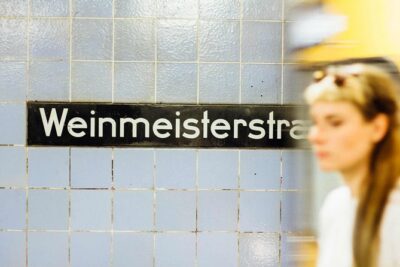 ★ 5.0Kreuzberg Berlin: Off the Beaten Track PRIVATE Walking TourFrom $123128 reviews
Browse the lists this tour appears in