
REVIEW · BERLIN HIGHLIGHTS & HIDDEN GEMS
Berlin: 4-Hour Guided Highlights Tour in Spanish
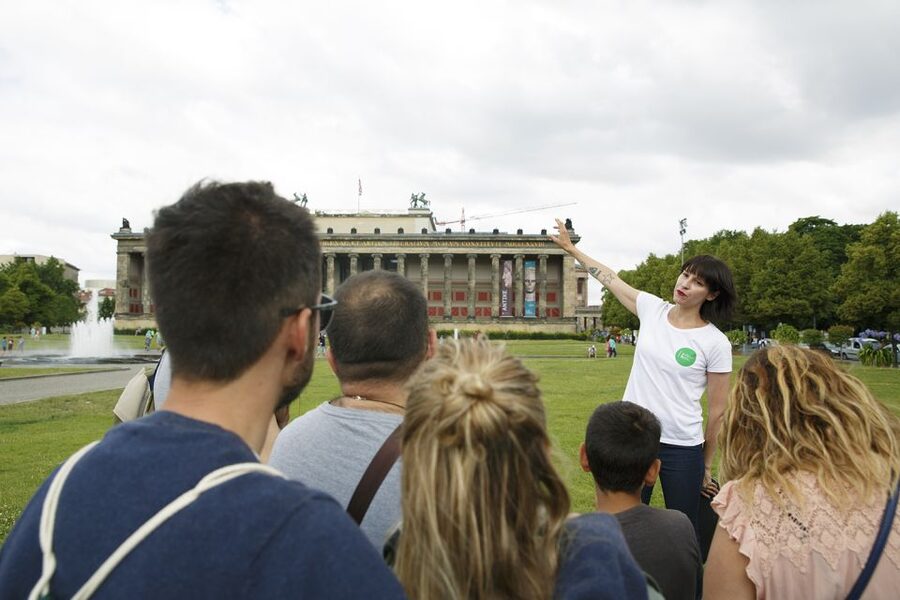
Berlin tells its story on foot. This 4-hour walking highlights tour strings together major landmarks and the big turning points of modern Berlin, with a Spanish-speaking guide who keeps the pace humane.
I like the way the tour focuses on what life felt like on both sides of the wall, not just dates and monuments. And I love the clear, practical explanations I’ve seen in guides like Evelyn and Celia, who make heavy topics easier to follow without turning them into a lecture.
One thing to consider: the tour is Spanish only, and it runs rain or shine, so you’ll want comfortable clothes for a few hours outdoors.
Key things to know before you go
- Spanish-led route: you’ll get the whole story in Spanish, from East-West division to everyday survival choices
- Alexanderplatz meeting point is easy to spot: look for the green flag by the Fernsehturm entrance
- Museum Island + Berliner Dom area: UNESCO setting and landmark-scale architecture close together
- Gendarmenmarkt photo moment: a classic Berlin square break in the middle of the walk
- Wall and Holocaust context: stops include the memorial and the reasons the Berlin Wall existed
- A practical break: the walk includes time for a coffee, bathroom, and rest
In This Review
- Why Start at Alexanderplatz’s TV Tower and That Green-Flag Meet-Up?
- Walking Berlin’s Origins in the San Nicolás Area
- Museum Island and the Berliner Dom: UNESCO Setting Without the Museum-Stress
- Unter den Linden and Kaisers Avenue: The City’s Long Spine
- Gendarmenmarkt: A Beautiful Square Break With Real Historical Contrast
- From Hitler’s Rise to Gestapo Headquarters Remains
- The Memorial to the Murdered Jews of Europe: Remembering With Context
- Why the Berlin Wall Happened, Why It Fell, and What Daily Life Looked Like
- Potsdamer Platz to Brandenburg Gate: Modern Berlin Ends the Story
- Spanish Guides, Real Pacing, and That Extra Half Hour to Reset
- Price and Value: $29 for a Focused 4-Hour Orientation
- Who This Tour Fits Best (and Who Might Want Something Else)
- Should You Book This Spanish Berlin Highlights Tour?
- FAQ
- Is this tour only offered in Spanish?
- How long is the tour?
- What time does the tour start and does it run every day?
- Where exactly is the meeting point?
- Is the tour wheelchair accessible?
- Is hotel pickup available?
- Is there a private group option?
- What should I bring for the tour?
- Can I cancel and get a full refund?
Why Start at Alexanderplatz’s TV Tower and That Green-Flag Meet-Up?
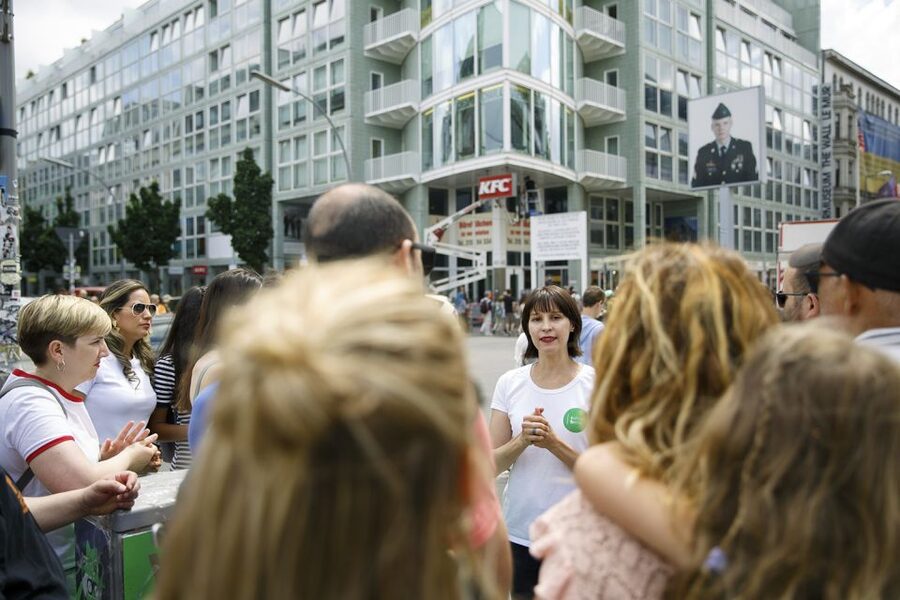
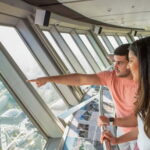
Meeting up is part of the success of any walking tour, and this one makes it simple. You’ll meet by a green flag that says tours en español, next to the TV Tower (Fernsehturm) entrance in Alexanderplatz. You’re also between the tower and the Alexanderplatz train station, by Espresso House, so you’re not hunting all over the square.
The choice of location is smart. Alexanderplatz is one of Berlin’s main hubs, so the tour starts where your bearings can reset fast. It also sets a tone: Berlin isn’t just a museum city. It’s living, modern, and a bit loud at times. Starting at the Fernsehturm area helps you feel the city as you move through it.
If you’re arriving by train or just want an easy starting point without complicated metro transfers, this is the kind of plan that makes the day smoother.
The big Berlin sights, and a few quieter corners
- Berlin: Discover Berlin Walking Tour★ 4.9 · 5,998 reviews
- Berlin: Hidden Backyards Guided Walking Tour★ 4.8 · 5,360 reviews
- Explore Berlin: See All The Iconic Sights & Some Hidden Gems★ 5.0 · 4,429 reviews
- Berlin: Sights and Highlights Bike Tour with a Local Guide★ 4.8 · 2,698 reviews
Walking Berlin’s Origins in the San Nicolás Area
From the meeting point area, the tour heads toward the origins of Berlin in the San Nicolas neighborhood. This is one of those stops where a good guide matters. Instead of treating Berlin like a straight line of rulers and dates, you get a sense of how the city formed in the first place.
What I appreciate here is the balance: you’re not only going to “big-famous” sights. You’re also getting the logic of where things grew. That helps when later the story turns toward division and the Berlin Wall, because the city feels more grounded than abstract.
This first stretch also helps you settle into the rhythm of the group. You start with landmarks and story context, then later you’ll move into heavier historical stops when you’re already warmed up and oriented.
Museum Island and the Berliner Dom: UNESCO Setting Without the Museum-Stress
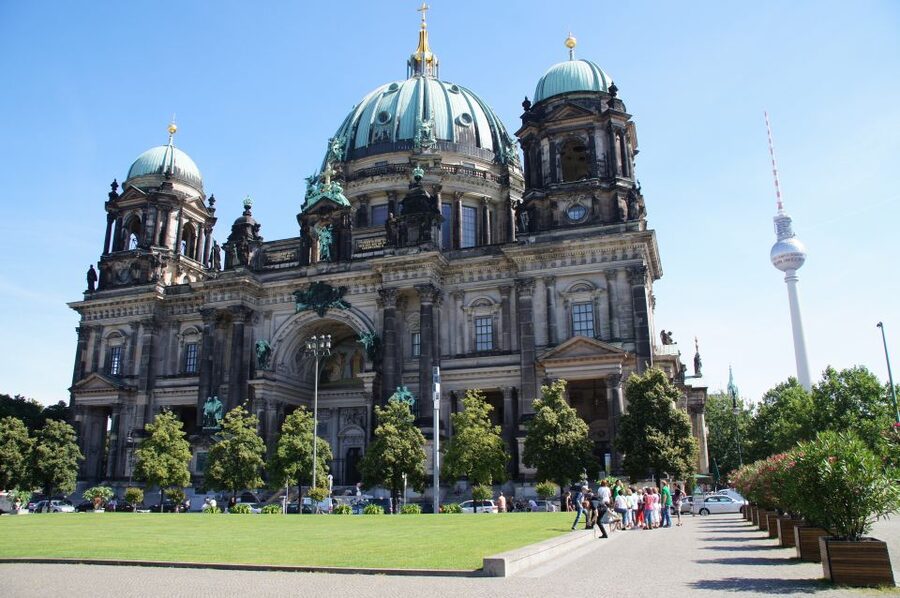
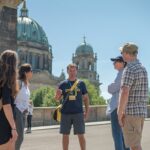
Next comes Museum Island, a UNESCO World Heritage Site, and the surrounding area connected with the Berlin Cathedral (Berliner Dom). Even if you don’t go inside, the setting tells you a lot. You’re in the “Berlin looks official and monumental” zone, where architecture and state power were always closely linked.
Museum Island works well on a walking highlights tour because you get the scale without needing a full museum day. It’s a short detour in time that gives you big visual payoff: a concentrated pocket of major cultural buildings, all within walkable reach.
If you’ve only seen Berlin from photos, this stop can recalibrate your understanding quickly. The island feels intentional—designed to impress—and your guide can connect that aesthetic to the city’s shifting identities over time.
Unter den Linden and Kaisers Avenue: The City’s Long Spine
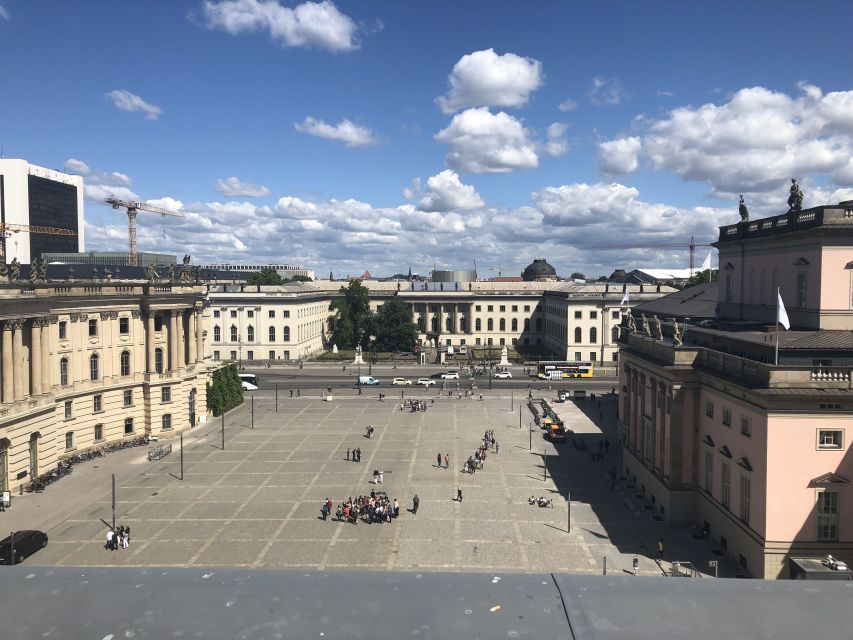
After Museum Island, you’ll stroll down Kaisers Avenue and see Unter den Linden, Berlin’s famous boulevard that functions like a backbone for the city center. This is the classic “walk and absorb” segment: wide views, prominent façades, and a street layout that makes it easy to understand how different eras wanted the city to look.
On this part of the walk, you’ll pass landmarks tied to Berlin’s cultural and civic life, including Humboldt University, the Royal Library, and the State Opera. Even if you don’t stop for long at each, seeing them in one continuous corridor helps you connect the dots between learning, performance, and power.
One practical tip: on sunny days, this kind of avenue can be great for quick photos. On colder or rainy days, it can feel a little slippery and exposed. Bring shoes you trust on wet pavement and keep your outer layer ready.
Gendarmenmarkt: A Beautiful Square Break With Real Historical Contrast
Gendarmenmarkt is one of those Berlin squares that gives you a chance to breathe. You’ll reach it after the Unter den Linden stretch, and you’ll get a pause for a photo opportunity in this picturesque plaza.
This matters more than it sounds. After walking through major state-looking buildings, Gendarmenmarkt gives you a more human-scale “pause” in the middle of the tour. It’s also an intentional contrast with what comes next: beauty and order, followed by the darker parts of the 20th century.
You’ll also learn why this stop is part of the narrative. A guide can point out how Berlin’s public spaces held different meanings depending on who controlled the city and what they wanted people to believe.
In short: it’s a scenic break, but it’s still part of the story.
More guided walks through Berlin




From Hitler’s Rise to Gestapo Headquarters Remains
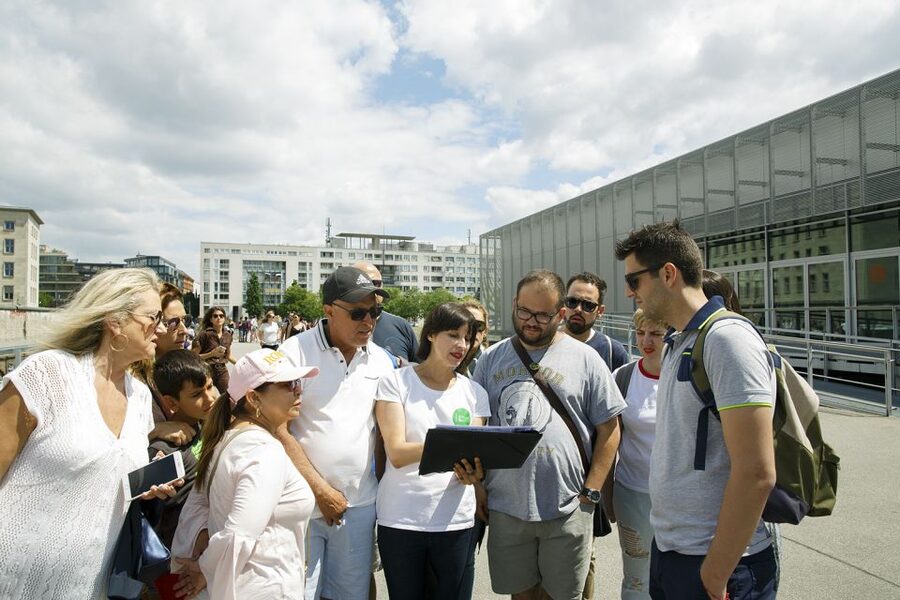
Then the tour shifts into the brutal logic of the 1930s. You’ll hear details about Hitler’s rise to power, and you’ll also see the remains connected to the Gestapo Headquarters.
This is one of the most important segments of the walk because it explains how political change can turn everyday life into fear. The best guides don’t just list events—they translate them into how power gets enforced.
In the reviews, the strongest praise is for guides who can handle this material in a way that stays clear and human. I love that the tour doesn’t rush past the weight of this era. It treats the story with the seriousness it deserves, while still keeping it understandable over a 4-hour walking format.
If you’re sensitive to heavy topics, give yourself permission to take a few seconds before moving on. A moment of stillness helps you absorb what you’re seeing.
The Memorial to the Murdered Jews of Europe: Remembering With Context
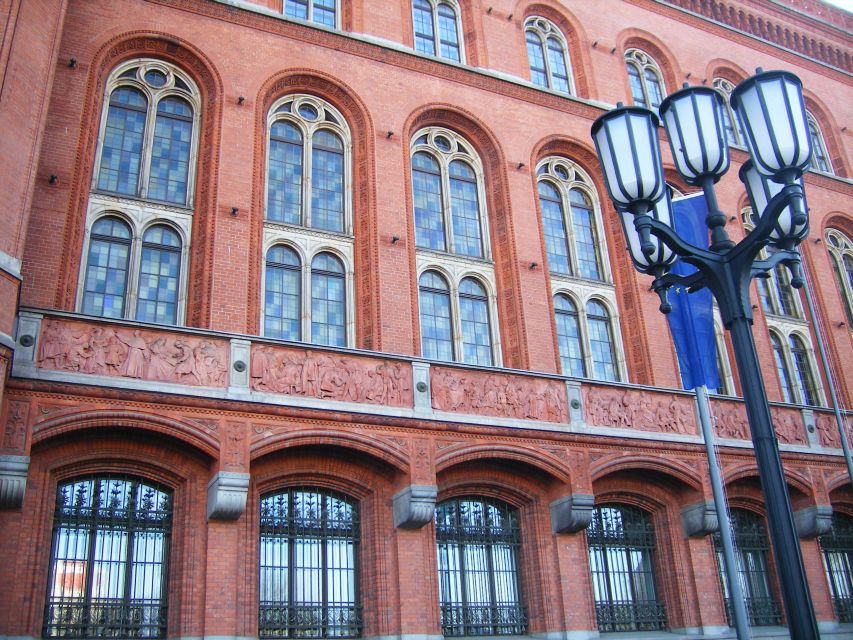
Next comes the Memorial to the Murdered Jews of Europe. This stop matters because it anchors the tour’s discussion of Nazi terror in a place designed for remembrance.
A good guide will connect the memorial to the broader story—how persecution escalated, how the machinery of violence worked, and what the loss meant for families and communities. Even on a short tour, this gives you a moral and historical “center point.”
You’ll also be walking with a guide who can answer the unspoken questions: what did people do, what did they believe, and how did the city’s power structure change.
This is also where the Spanish-language aspect becomes especially valuable. If you’re not fluent, it can be hard to process complex history in a foreign language. Here, you’re hearing the material in your own ability range, which makes a difference when the content is difficult.
Why the Berlin Wall Happened, Why It Fell, and What Daily Life Looked Like
After the Holocaust-related stop, the tour pivots directly to the Berlin Wall: how it was constructed, why it existed, and how it eventually fell. You’ll hear stories that focus on what local residents experienced day to day.
This is the heart of why the tour feels more than “landmarks plus photos.” The wall didn’t just change borders. It changed routines, friendships, and the simple act of going somewhere without permission.
The tour also includes stories of East Germans who risked their lives to reach West Berlin. That human angle is exactly what makes the wall story stick. It turns an enormous historical symbol into individual choices and daily danger.
One of the most useful things you’ll get from this part is perspective. Instead of treating East and West as just political teams, the tour frames them as lived realities. That makes it easier to understand why the fall of the wall wasn’t just a political event—it was a shockwave through ordinary life.
Potsdamer Platz to Brandenburg Gate: Modern Berlin Ends the Story
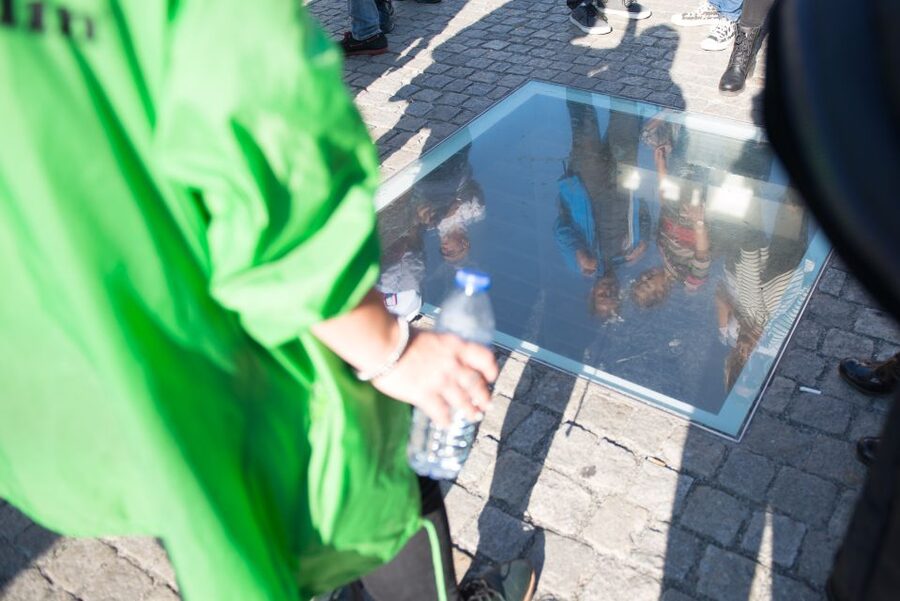
Near the end, you’ll see the spectacular modern Potsdamer Platz, a contrast to the older, more symbolic parts of the walk. Potsdamer Platz reads like Berlin answering the past with modern confidence—buildings, movement, and that sense of a city rebuilding itself forward.
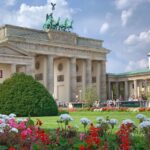
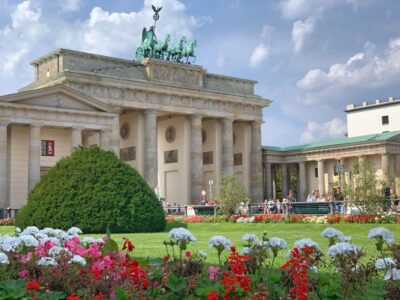
Finally, the tour ends at the Brandenburg Gate, Berlin’s symbol. It’s a fitting finish because the gate has always represented power, identity, and the tension of who controls what.
If you only have a half day for orientation, ending at Brandenburg Gate is smart. You can easily plan what comes next—dinner nearby, another museum stop, or simply a last walk through the area.
Spanish Guides, Real Pacing, and That Extra Half Hour to Reset
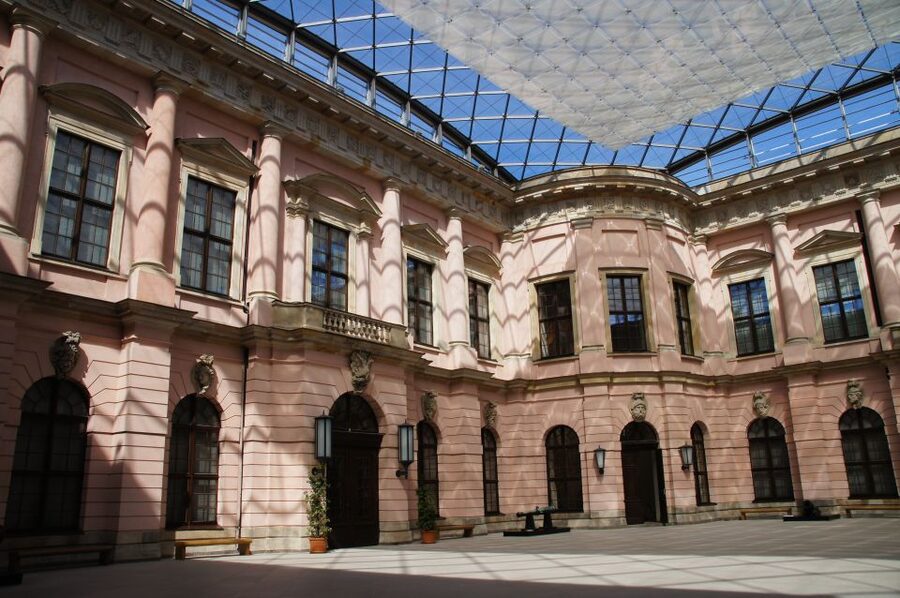
A major reason this tour gets such high marks is the guidance style. In particular, guides like Constantino have been praised for making the experience feel organized even when the weather or walking pace is tough. There’s typically an interval of around half an hour for a coffee, bathroom, and a real rest.
That break is not a luxury. On a 4-hour walking tour, it’s what keeps the day enjoyable instead of exhausting. It also helps you keep listening rather than drifting into fatigue.
You’ll also get a big value boost from having Spanish throughout. The tour is only offered in Spanish, so you’re not constantly decoding. For many visitors, that alone is worth choosing this format over a multilingual or English-only alternative.
Two quick practical notes:
- Wear comfortable clothes and shoes for real walking time, not sightseeing stroll time.
- If you’re traveling in winter or with unpredictable weather, pack a warm layer even if the forecast looks mild. Berlin can change fast.
And yes, the tour runs rain or shine, so your plan should include that reality.
Price and Value: $29 for a Focused 4-Hour Orientation
At about $29 per person, this tour prices itself like a solid introduction to the city. You’re not paying for museum tickets across the board. You’re paying for something harder to DIY: a guided narrative that connects major sights to political and social change, in Spanish, over a manageable 4-hour window.
Here’s how the value adds up:
- You cover a dense set of central landmarks in one sitting
- You get history explained in a way designed for a walking route, not a classroom
- You get the human-side storytelling of East and West Berlin, including crossing attempts
- You end at the Brandenburg Gate, which is perfect for continuing your day without backtracking
If you’re the kind of traveler who wants the big picture quickly—without turning your whole vacation into a guided-tour marathon—this is the right time-and-money match.
It’s also a good deal for groups. A private group option exists, which can be helpful if you want a calmer pace or are traveling with friends/family who prefer their own setting.
Who This Tour Fits Best (and Who Might Want Something Else)
This tour is ideal if you:
- Want a Spanish-led overview of Berlin’s most famous sites and the wall-era story
- Prefer walking with context rather than just photo stops
- Want a structured route that gets you from Alexanderplatz to Brandenburg Gate in a single afternoon
- Like history with human details, not only dates and names
It may be less ideal if:
- You need guided content in a different language
- You get easily overwhelmed by heavier historical topics without extra time to process
- You’d rather spend your day deeper inside museums (this is a highlights walk, not a museum pass)
One more point: the tour is wheelchair accessible. If you or someone in your group uses a mobility device, it’s still smart to contact the provider in advance so you can confirm the practical details of the route for your needs.
Should You Book This Spanish Berlin Highlights Tour?
If you’re planning a first or early visit to Berlin, I’d book this. The combination is exactly what makes it useful: central sights, a coherent storyline, and Spanish interpretation that keeps complex material understandable.
I’d skip it only if language is a deal-breaker for your group or if you strongly prefer to avoid organized history while walking. Otherwise, this is a well-structured way to get your bearings fast—then keep exploring on your own with a much clearer mental map of what Berlin went through and why the wall mattered.
FAQ
Is this tour only offered in Spanish?
Yes. The tour is only offered in Spanish.
How long is the tour?
The tour duration is 4 hours.
What time does the tour start and does it run every day?
It runs every day at 10:00, and it operates rain or shine.
Where exactly is the meeting point?
You’ll find the guide next to a green flag with the text tours en español, just beside the only entrance to the TV Tower (Fernsehturm) in Alexanderplatz, between the tower and the Alexanderplatz train station, next to Espresso House.
Is the tour wheelchair accessible?
Yes, the tour is wheelchair accessible.
Is hotel pickup available?
Pickup is optional, and it can be from your hotel lobby.
Is there a private group option?
Yes, private group availability is offered.
What should I bring for the tour?
Wear comfortable clothes.
Can I cancel and get a full refund?
You can cancel up to 24 hours in advance for a full refund.
More Tours in Berlin



More Tour Reviews in Berlin
Berlin's Icons and Its Quiet Corners
Round out your days in Berlin
Berlin Highlights & Hidden Gems, compared.
 ★ 4.9Discover Berlin Walking TourFrom $235,998 reviews
 ★ 4.8Hidden Backyards Guided Walking TourFrom $235,360 reviews
 ★ 5.0Explore Berlin: See All The Iconic Sights & Some Hidden GemsFrom $244,429 reviews
 ★ 4.8Sights and Highlights Bike Tour with a Local GuideFrom $412,698 reviews
★ 4.9Explore Berlin: See All The Iconic Sights & Some Hidden GemsFrom $182,018 reviews
★ 4.8Sights and Highlights Bike Tour with a Local GuideFrom $412,698 reviews
★ 4.9Explore Berlin: See All The Iconic Sights & Some Hidden GemsFrom $182,018 reviews
 ★ 5.0Berlin Highlights 3-Hour Bike TourFrom $42948 reviews
★ 4.9Berlin Highlights: 3-Hour Bike TourFrom $37809 reviews
★ 5.0Berlin Highlights 3-Hour Bike TourFrom $42948 reviews
★ 4.9Berlin Highlights: 3-Hour Bike TourFrom $37809 reviews
 ★ 4.9Berlin Historical Highlights Walking TourFrom $389657 reviews
Browse the lists this tour appears in