
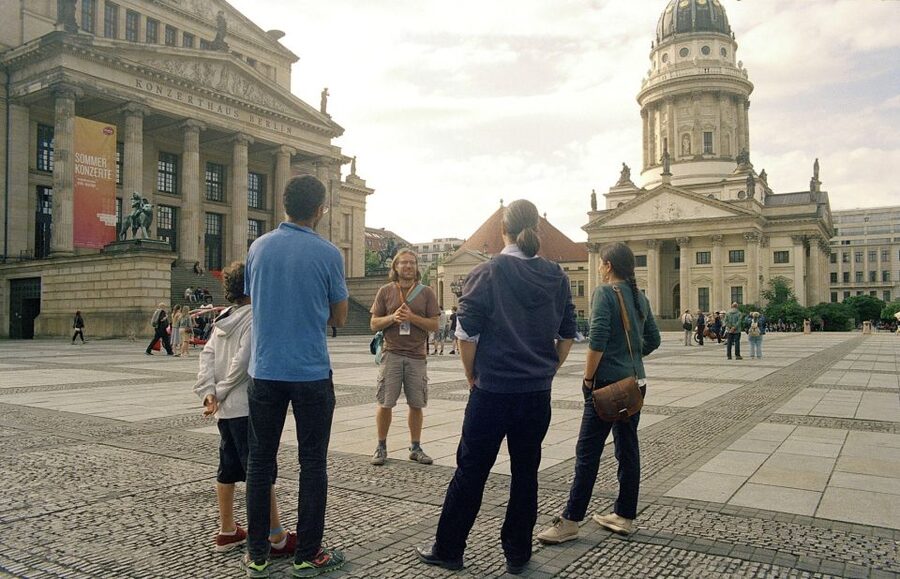
REVIEW · BERLIN HIGHLIGHTS & HIDDEN GEMS
Berlin Historical Highlights Walking Tour
Berlin can feel like a textbook. This route turns it into something you can actually walk and understand, with Cold War landmarks and major memorials placed in one smart path. I especially like how the stops link together into a clear story, and how guides such as Paul, Céline, Jean Charles, and Paolo are praised for making the walking feel easier through sharp, on-the-spot explanations. One thing to plan for: you’ll cover a lot of ground on foot, and the schedule can flex in bad weather, so good shoes and a transit plan matter.
You start around Potsdamer Platz and head through the center toward the kind of Berlin everyone recognizes on postcards, but you also get the darker context that sits right behind those views. Expect a lot of emotion and a lot of history in a short window: the division of the city, the ideology of the Nazi era, and the rebuilding afterward. If you want only light sightseeing, this isn’t it. If you want real context, it’s a strong choice.
In This Review
- Key highlights that make this tour work
- Potsdamer Platz to the Berlin Wall: Cold War symbols in walking distance
- Topography of Terror and Checkpoint Charlie: politics you can read in the streets
- Hitler’s bunker area and the Holocaust Memorial: where the tour slows down for meaning
- The Reichstag area, Brandenburg Gate, and Unter den Linden: power and democracy in one line
- Bebelplatz and Museum Island: intellectual Berlin meets big political turns
- Humboldt Forum: modern architecture with historical homework
- Guide-led pacing: why the walking feels manageable
- Timing, weather, and practical prep for a 3–6 hour day
- Getting to and from the route: transit tips that prevent frustration
- Price and value: $389 per group up to 6, and what that buys you
- Who should book this Berlin walking tour?
- FAQ
- How long is the Berlin Historical Highlights Walking Tour?
- Where does the tour start?
- What stops are included?
- Is the tour wheelchair accessible?
- Does the price include a public transport ticket?
- Do I need comfortable shoes?
- Are there multiple languages for the guide?
- Can I request hotel pickup?
- Can I book a private group?
- Should you book this tour?
Key highlights that make this tour work
- A history-heavy 3-hour spine: the tour is designed around storytelling, not just photo stops.
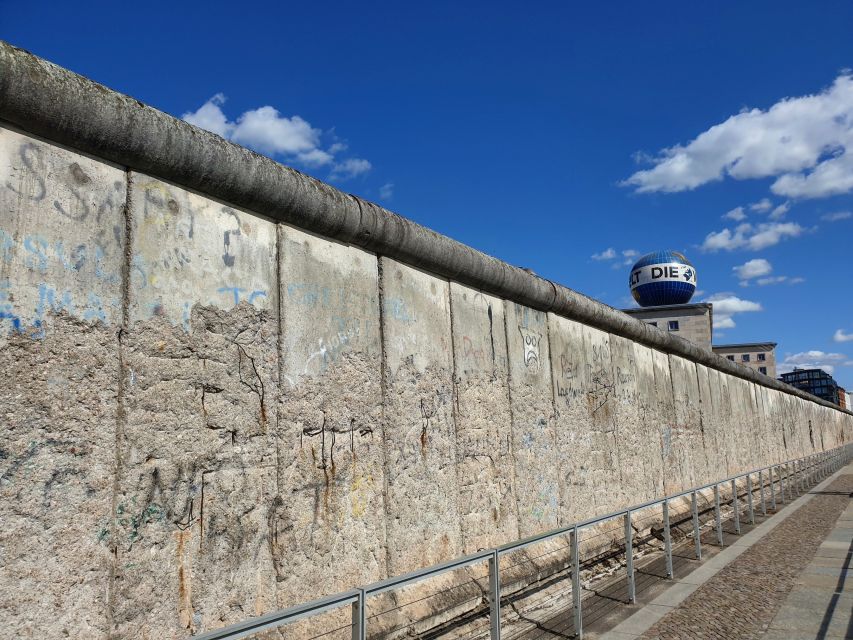
- Cold War stops in one loop: Berlin Wall remnants, Checkpoint Charlie, and Hitler’s bunker area are all part of the same narrative.
- Memorial pacing that fits the gravity: time at the Holocaust Memorial is built in so you don’t rush through it.
- Big landmarks, explained at street level: Brandenburg Gate, Unter den Linden, Reichstag area viewpoints, and beyond.
- Guide-led clarity in multiple languages: English, French, Italian, Spanish.
- Small-group feel: private group options exist if you want more control over pace and questions.
The big Berlin sights, and a few quieter corners
- Berlin: Discover Berlin Walking Tour★ 4.9 · 5,998 reviews
- Berlin: Hidden Backyards Guided Walking Tour★ 4.8 · 5,360 reviews
- Explore Berlin: See All The Iconic Sights & Some Hidden Gems★ 5.0 · 4,429 reviews
- Berlin: Sights and Highlights Bike Tour with a Local Guide★ 4.8 · 2,698 reviews
Potsdamer Platz to the Berlin Wall: Cold War symbols in walking distance
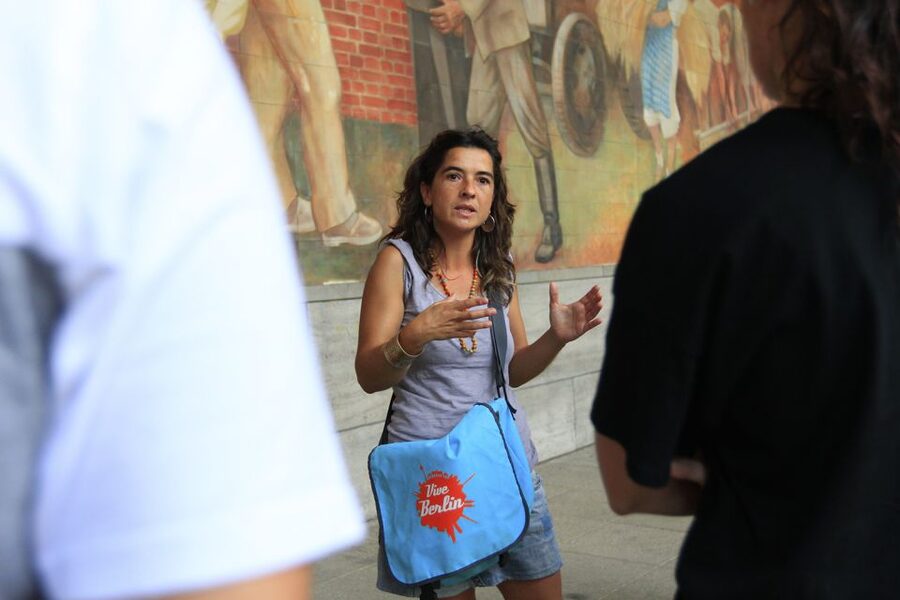
Berlin starts fast on this tour. You begin at Potsdamer Platz, a modern hub that also acts like a visual switch from today’s city life into the story of what used to be here. From the first stretch, you get the big idea: Berlin wasn’t just affected by the 20th century. It was shaped by it.
Next up are visits tied to the Berlin Wall and the way the city split in two. You’re not simply looking at a leftover section; you’re learning how walls work as psychology, not only as concrete. That makes later stops like Checkpoint Charlie and the Holocaust Memorial more coherent, because you understand the logic behind division and control before the tour turns toward memory.
One practical note: this segment is where the route feels most “walking-tour-ish.” Bring comfortable shoes and expect a steady pace. If weather is rough, you might take metro during the experience, but you should still dress as if you’ll walk for real.
Topography of Terror and Checkpoint Charlie: politics you can read in the streets
After the Wall, you move to Topography of Terror, which helps connect Nazi-era power to what followed in Berlin’s later years. This stop matters because it explains how institutions and propaganda shaped daily life, not just high-level decisions. Then the tour keeps that storyline tight as you head toward Checkpoint Charlie.
At Checkpoint Charlie, the focus shifts to symbolism. You’re seeing the iconic crossing that represents the face-to-face tension between East and West. The way the guide explains it can change everything: you start to notice how Berlin’s most famous images were built from very real routines, rules, and fear.
The payoff here is the contrast. Brandenburg Gate and the Reichstag are often discussed in terms of architecture and “great city” identity. Checkpoint Charlie forces you to see what that identity cost—plus how quickly it became contested again.
Hitler’s bunker area and the Holocaust Memorial: where the tour slows down for meaning
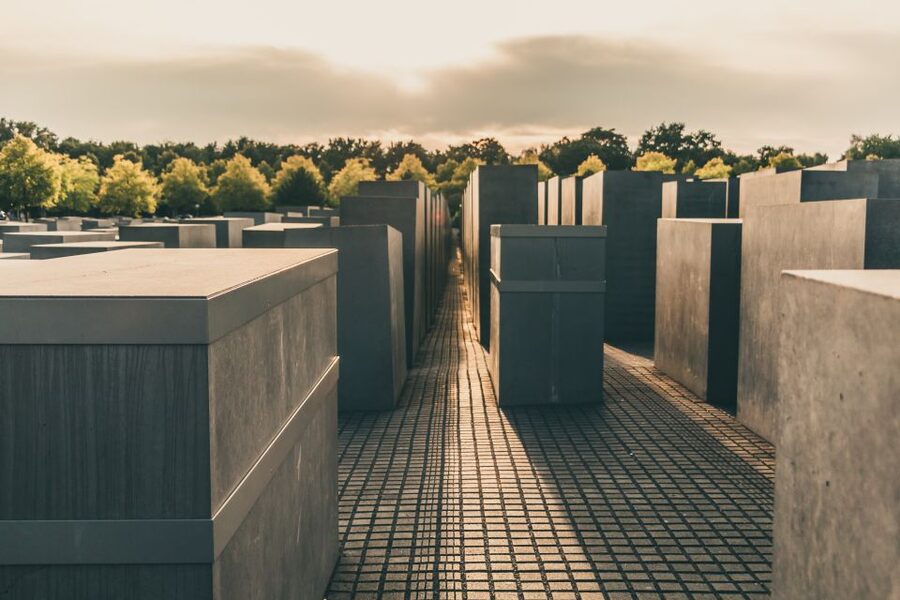
This route includes a visit around Hitler’s bunker and then moves to the Memorial to Murdered Jews of Europe. Those two stops are not the same kind of experience, and the tour design reflects that. One is about historical geography tied to the Nazi endgame; the other is about public remembrance.
At the bunker-related area, the key value is understanding Berlin during the collapse of the Nazi regime. Even if you know the broad facts, guides often bring in specifics that help you locate the events in the city itself—so the history stops floating in generalities.
Then comes the Holocaust Memorial. This is where I’d encourage you to mentally switch modes. Take your time with it. The tour includes about 20 minutes here, which is long enough to notice how the memorial changes your movement and sense of scale. When you’re done, you’ll understand why this stop isn’t meant to be a quick checkmark.
The Reichstag area, Brandenburg Gate, and Unter den Linden: power and democracy in one line
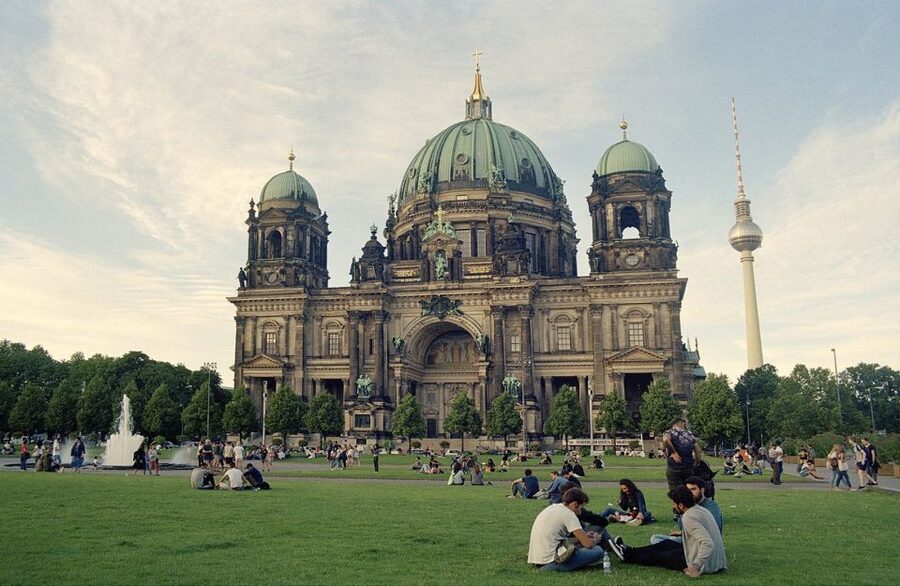
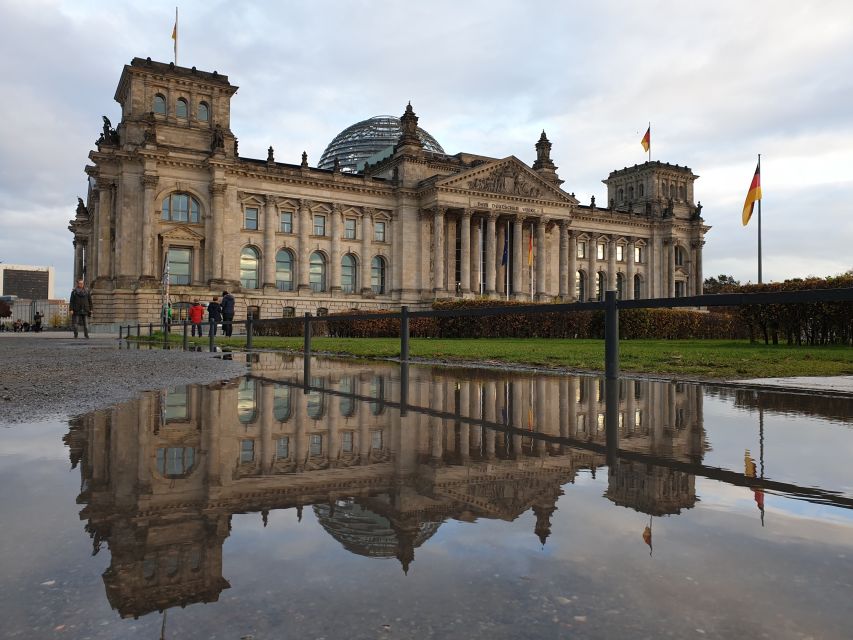
From the darker stops, the tour shifts toward Berlin’s “great landmarks,” starting with the Reichstag area and then heading to the Brandenburg Gate. The Brandenburg Gate is more than a photo site. With the background the guide gives you, it becomes a symbol with different meanings depending on the era.
This is also where Unter den Linden helps. The boulevard is famous, but the tour frames it in time—showing how one city can wear many outfits: monarchy-era elegance, Nazi-era brutality, Cold War division, and post-reunification rebuilding.
The best part is that you’re not just told what each building represents. You’re guided to understand how Berlin repeatedly reinvented itself while carrying heavy memories. That’s why the earlier stops don’t feel like a detour; they make the later scenery land harder—in a good way.
More of Berlin on foot

Bebelplatz and Museum Island: intellectual Berlin meets big political turns
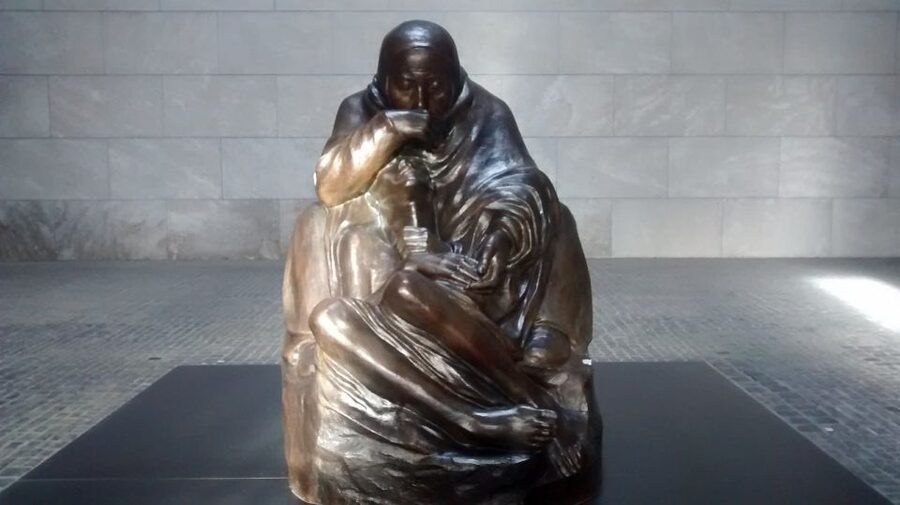
After Unter den Linden, you’ll reach Bebelplatz, where the guided context helps you connect ideology and culture in a place that has seen shifting power. Even if you’re not a deep literature nerd, you’ll find the explanation makes sense of why moments like this are worth a pause in Berlin.
Then the route moves to Museum Island, including guided time that helps you appreciate why this area became such a cultural magnet. Museums here are not only about art and artifacts; they’re also about how states build identity through scholarship and collections.
This is one of the “quiet wins” of the tour. The key landmarks can feel dramatic, but the Museum Island segment helps you see Berlin as a city that keeps arguing with itself—through education, preservation, and public institutions.
Humboldt Forum: modern architecture with historical homework
Next is the Humboldt Forum, a modern stop that still feels tied to earlier chapters of Berlin. The way the guide explains it matters because it’s not just an exterior you pass by. It’s part of the conversation about how Germany has handled history: what to rebuild, what to reinterpret, and what to frame for the next generation.
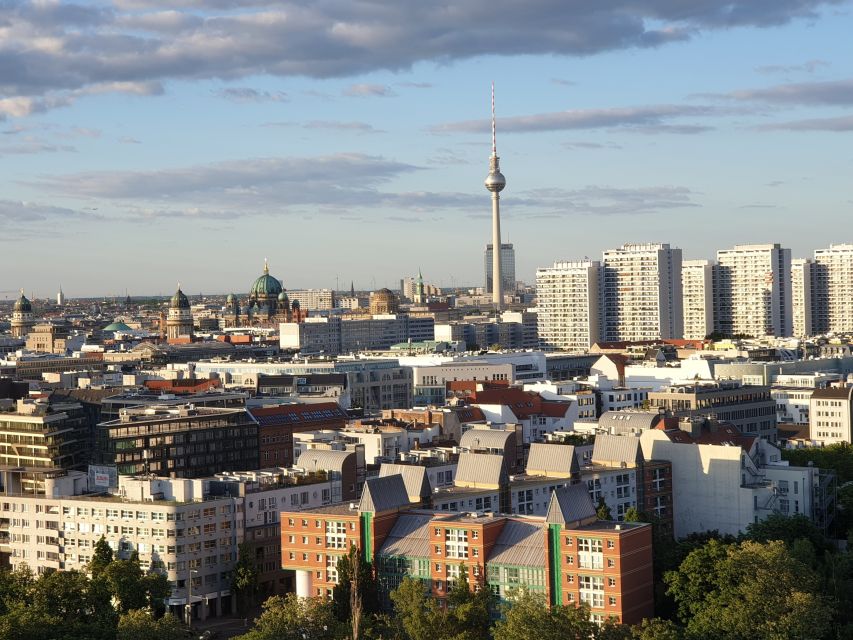
Humboldt Forum also rounds out the tour’s arc. You start in a place that feels contemporary. You get the Wall, the propaganda shadow, the moral weight of mass murder, and then you end in a cultural space built to shape today’s public life.
The tour’s final positioning near Unter den Linden 5 helps too. It drops you back near the city’s core, so you can keep exploring without feeling stranded.
Guide-led pacing: why the walking feels manageable
The guides are a major reason this tour earns such high marks. The most praised trait isn’t just facts—it’s clarity. Multiple guide names come up strongly (Paul, Céline, Jean Charles, Paolo), and the consistent message is that their explanations make you look at the landmarks differently. People also highlight that the walking doesn’t feel as exhausting when the guide keeps the story moving.
That matters in Berlin, because you can otherwise end up doing what’s basically a monument scavenger hunt. Here, you get a guide who ties each stop to the next, so you know what you’re looking at and why it’s placed where it is.
Also: the tour runs with a live guide in English, French, Italian, or Spanish. If you’re picking between languages, choose the one you feel most confident speaking if you want to ask questions.
Timing, weather, and practical prep for a 3–6 hour day
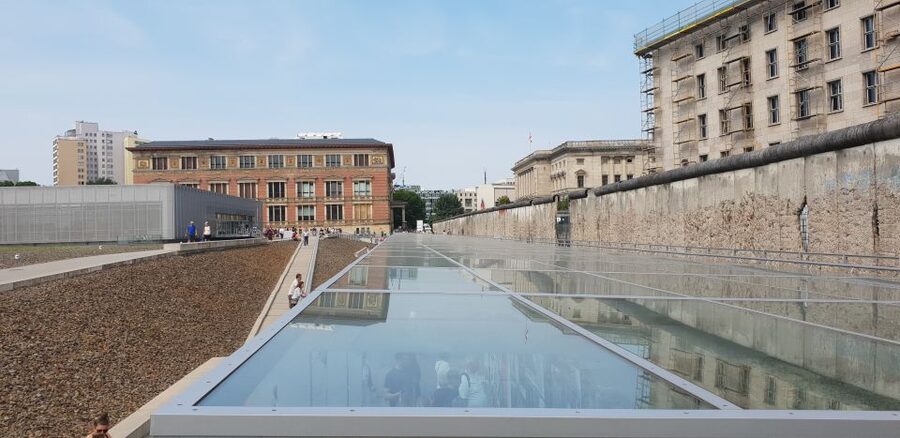
The duration is listed as 3 to 6 hours, and the “real” feel can change based on conditions. It starts with guided segments at each stop and includes breaks, including a break near the Brandenburg Gate.
Berlin weather can be a plot twist. During difficult conditions, the tour may take the metro during the walk. That’s why you should not plan on this being only outdoor time. Dress in layers and expect to move between street corners and transit.
What to bring is simple: comfortable shoes. That’s not a generic tip. This route mixes tight historical spaces with walking stretches, and your feet will notice the difference.
Getting to and from the route: transit tips that prevent frustration
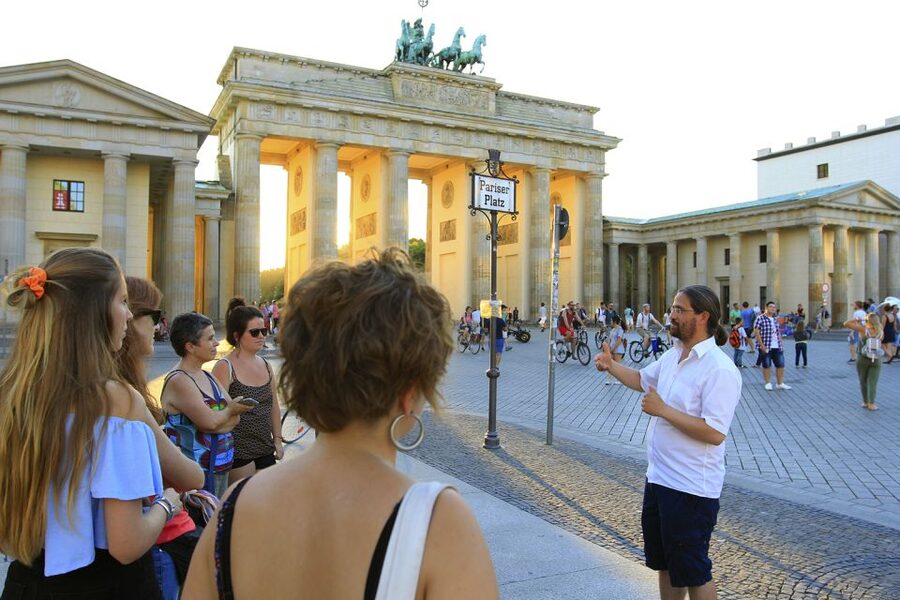
The tour does not include public transport. You’ll be happier if you plan for a public transport ticket for the AB zones for the day so you can reach the meeting point and continue afterward. Berlin is huge, and the tour is not designed as a “walk until the next stop is right at your hotel” experience.
Also check where you’ll end. The tour lists drop-off at Unter den Linden 5 (10117), so you can plan a nearby lunch or a follow-up museum visit without doubling back.
Meeting point can vary by option, so make sure your selected start point matches how you’re arriving that day. If pickup is optional for your booking, you’ll generally meet the guide at your hotel lobby and should be ready about 10 minutes early.
Price and value: $389 per group up to 6, and what that buys you
The price is $389 per group for up to 6 people. That’s not “cheap,” but it can be good value if you split it and you care about guided interpretation at multiple high-stakes sites.
Think of it this way: you’re covering a dense set of locations that are not random. They’re placed to tell a single arc from Cold War tension through moral remembrance to modern Berlin’s cultural re-framing. If you try to replicate that on your own with audio and map reading, you’ll likely spend extra time figuring out context, plus you’ll miss the pacing that keeps the stops meaningful.
Small group or private group options also matter. A smaller group makes it easier to hear the guide and ask questions when you hit a sensitive topic. If you’re traveling as a couple or family unit with another household, this can end up feeling like a comfortable, guided “custom” day rather than a crowded bus tour.
If budget is tight, compare what you get here versus doing fewer memorial sites plus general sightseeing. You’re paying for the order, the explanations, and the time at major stops like the Holocaust Memorial.
Who should book this Berlin walking tour?
This is a great fit if you want Berlin’s story in a human scale: history you can understand while you’re standing in the exact spaces where it happened. It’s also a good choice if you prefer guided context over reading plaques alone.
You’ll likely enjoy it most if:
- you like walking with meaning, not just “see everything fast”
- you want Cold War landmarks tied together into one explanation
- you’re comfortable with emotional, difficult subject matter (the tour includes a memorial and Nazi-era context)
You might want to skip (or at least adjust expectations) if you want a purely scenic day, or if long indoor museum time is your priority. This route is designed for walking and storytelling across iconic areas, not a deep museum day.
FAQ
How long is the Berlin Historical Highlights Walking Tour?
The duration is listed as 3 to 6 hours, depending on the selected time slot and conditions during the day.
Where does the tour start?
The tour starts from Potsdamer Platz, though the exact meeting point can vary depending on the option you book.
What stops are included?
You’ll visit landmarks including Potsdamer Platz, parts of the Berlin Wall, Topography of Terror, Checkpoint Charlie, the Hitler’s bunker area, the Holocaust Memorial, the Reichstag area, Brandenburg Gate, Unter den Linden, Bebelplatz, Museum Island, and Humboldt Forum.
Is the tour wheelchair accessible?
Yes, the tour is listed as wheelchair accessible.
Does the price include a public transport ticket?
No. Public transport tickets are not included, and it’s recommended that you buy a day ticket for the AB zones.
Do I need comfortable shoes?
Yes. The tour specifically recommends bringing comfortable shoes because it is designed to be done on foot.
Are there multiple languages for the guide?
Yes. Live guides are available in French, Italian, Spanish, and English.
Can I request hotel pickup?
Pickup is optional. You should wait in the hotel lobby 10 minutes before your scheduled pickup time, and you’ll need to contact the provider a few days ahead to discuss details.
Can I book a private group?
Yes, a private group is available, and the private tour cannot be organized less than 72 hours after booking.
Should you book this tour?
If you want Berlin’s big landmarks with a clear thread—division, dictatorship, remembrance, and then rebuilding—this is a smart way to do it. The price makes the most sense when you split the group cost and care about expert guidance at sensitive stops. If you’re okay with a longer walking day and you want your history grounded in place, book it.
More Tours in Berlin





More Tour Reviews in Berlin

Berlin's Icons and Its Quiet Corners

Round out your days in Berlin
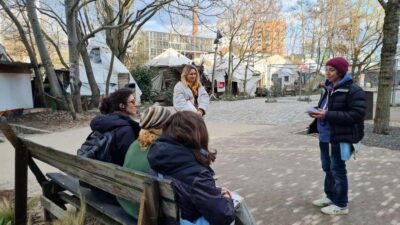
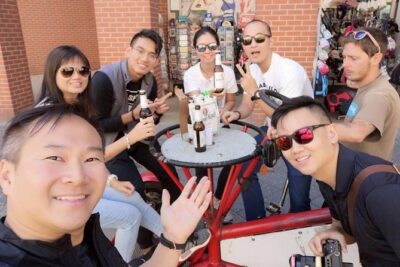
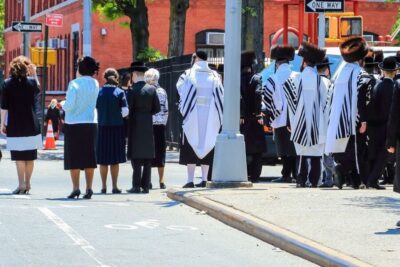
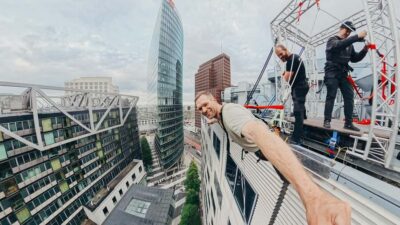
Berlin Highlights & Hidden Gems, compared.
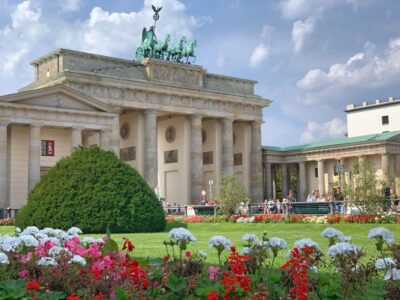 ★ 4.9Discover Berlin Walking TourFrom $235,998 reviews
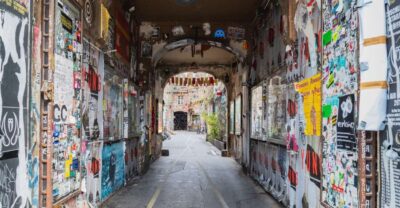 ★ 4.8Hidden Backyards Guided Walking TourFrom $235,360 reviews
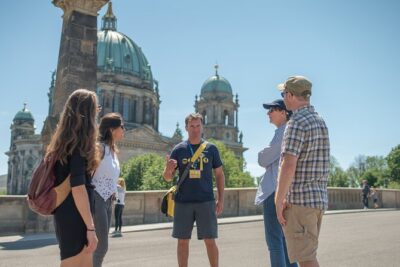 ★ 5.0Explore Berlin: See All The Iconic Sights & Some Hidden GemsFrom $244,429 reviews
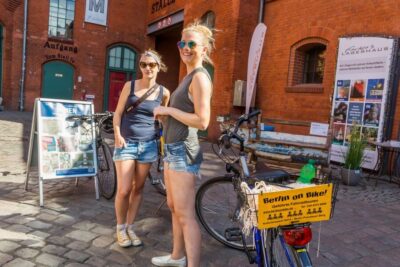 ★ 4.8Sights and Highlights Bike Tour with a Local GuideFrom $412,698 reviews
★ 4.9Explore Berlin: See All The Iconic Sights & Some Hidden GemsFrom $182,018 reviews
★ 4.8Sights and Highlights Bike Tour with a Local GuideFrom $412,698 reviews
★ 4.9Explore Berlin: See All The Iconic Sights & Some Hidden GemsFrom $182,018 reviews
 ★ 5.0Berlin Highlights 3-Hour Bike TourFrom $42948 reviews
★ 4.9Berlin Highlights: 3-Hour Bike TourFrom $37809 reviews
★ 5.0Berlin Highlights 3-Hour Bike TourFrom $42948 reviews
★ 4.9Berlin Highlights: 3-Hour Bike TourFrom $37809 reviews
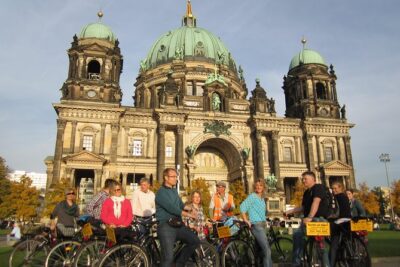 ★ 5.0Berlin Highlights Sightseeing Bike Tour in Small GroupsFrom $43652 reviews
Browse the lists this tour appears in