
REVIEW · MUSEUMS
Berlin’s Gallery Scene
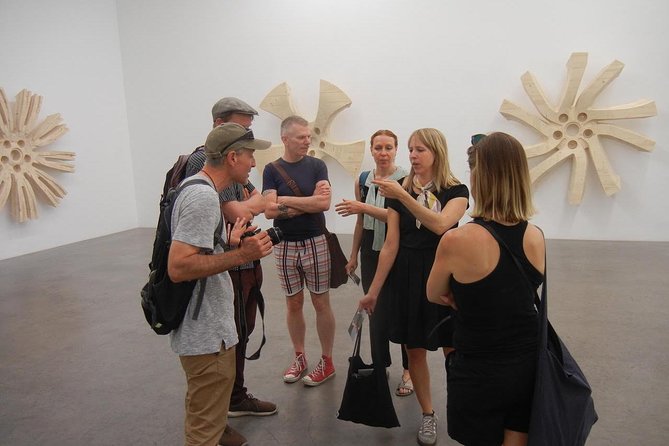
Berlin hides art in plain sight. In just a few hours in Berlin’s Mitte, this small-group walk turns that feeling into a guided circuit through contemporary galleries, with an art historian explaining the why behind the what. It focuses on how Berlin’s art scene took off after the fall of the Wall in 1989.
I like this format for two reasons: you get a professional art historian voice in your ear, and the route mixes eye-catching contemporary shows with stops that are easy on your wallet. One thing to plan for: KW Institute ticket costs extra (and the building is closed on Tuesdays, so the day shifts to the walking portion).
In This Review
- Quick hits before you go
- Why Berlin’s Mitte gallery scene feels like a living map
- Price and logistics: a private group, a short time window, real value
- Stop 1: KW Institute for Contemporary Art and the idea of a gallery-lab
- Stop 2: Auguststrasse (Michael Fuchs Galerie) in a former Jewish Girls’ School
- Stops 3 and 4: Potsdamer Straße and the repurposed-school feel of contemporary galleries
- Stop 5: Galerie Giti Nourbakhsch and the Berlin Gallery Weekend connection
- The art historian guide: what you gain beyond good-looking rooms
- How you’ll read Berlin differently after the walk
- Should you book this Berlin Gallery Scene tour?
- FAQ
- How long is the Berlin Gallery Scene tour?
- What does it cost, and how many people are in a group?
- Is this a private tour?
- Is pickup offered, and where do we meet?
- How do I get my ticket?
- Are entrance fees included?
- What is the admission price for KW?
- Does the itinerary change on Tuesdays?
- When will I receive confirmation after booking?
- Can I cancel for a full refund?
Quick hits before you go
- Art historian-led context: you’ll connect artworks to Berlin’s post-1989 creative boom
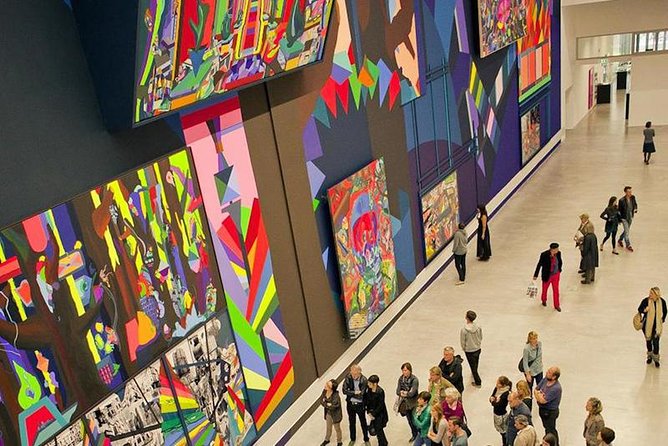
- KW Institute for Contemporary Art: a major contemporary space with no permanent collection—more like a lab for exhibitions and events
- Free gallery stops: Auguststrasse, Esther Schipper, and Galerie Eigen & Art have free admission
- Art in historic school buildings: former Jewish Girls’ School spaces and other repurposed sites add extra meaning
- Potsdamer Platz gallery network: the route includes a gallery run by Giti Nourbakhsh, tied to Berlin Gallery Weekend
More of Berlin's museums and galleries
- Berlin: Natural History Museum Entrance Ticket★ 4.6 · 3,382 reviews
- Berlin: Museum Island Multiple Museum Entry Ticket★ 4.4 · 2,861 reviews
- Skip-the-Line: Berlin Wall Museum at Checkpoint Charlie★ 4.1 · 2,041 reviews
- Berlin: Interactive DeJa Vu Museum Entrance Ticket★ 4.1 · 1,338 reviews
Why Berlin’s Mitte gallery scene feels like a living map
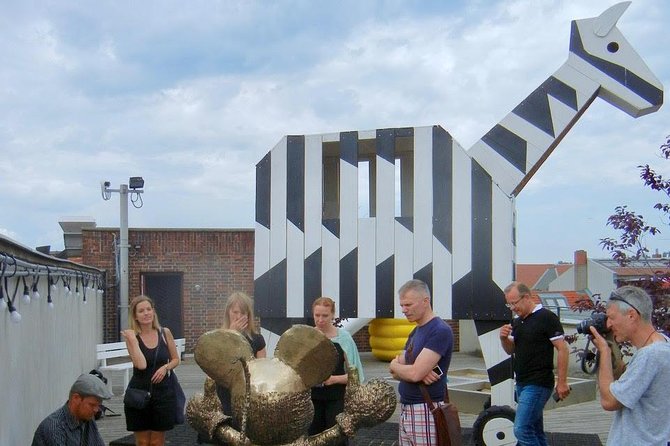
Berlin’s art world isn’t stuck in one museum wing. In Mitte, you get the sense that galleries pop up where history already left fingerprints—old civic spaces, schools, and repurposed rooms. That matters, because the city’s creative lift after 1989 wasn’t just about new buildings. It was about new permission: artists, curators, and collectors testing ideas in public-facing spaces.
This tour is built around that idea of movement. You’re walking between institutions and gallery programs, not staring at one static timeline. The guide’s job is to make each stop legible: what you’re looking at today, how the gallery’s mission shapes what you see, and how Berlin’s post-Wall energy helped make the city a magnet for contemporary culture.
Also, you’re in a neighborhood where art isn’t a side quest. It’s part of how Mitte feels day-to-day. That gives you a better chance of understanding Berlin beyond the usual postcard highlights.
Price and logistics: a private group, a short time window, real value
The price is $330 per group with up to 10 people, for about 3 hours. If you max out the group size, that’s roughly $33 per person—a workable deal for a private, historian-led route. Even if your group is smaller, you’re paying for structure: someone else handles the sequencing and context while you focus on seeing.
A few practical perks make the experience smoother. The tour offers pickup, and you receive a mobile ticket. You’ll also be near public transportation, so you’re not forced into a long pre-walk just to reach the starting area.
One detail that matters: the operator says the route can change based on what’s on view and major events. That’s not a downside—it’s often how you get the most current experience in gallery land. The only real scheduling curveball is Tuesday, when the KW Institute is closed (more on that below).
Stop 1: KW Institute for Contemporary Art and the idea of a gallery-lab
KW Institute for Contemporary Art (KW) is one of the major contemporary players in Germany. The key point is right in the institution’s philosophy: KW has no collection of its own. Instead, it functions like a laboratory for exhibitions, artist ateliers, and international contemporary culture events.
That changes how you should experience the space. You aren’t just looking for famous masterpieces stored on-site. You’re stepping into a facility designed for present-tense art-making and presentation. So even if you’re not a contemporary specialist, you’ll still get a useful brain reset: the guide can help you treat the visit as a snapshot of what Berlin is actively wrestling with right now.
Timing is about 40 minutes here. The tour also notes the admission is not included: it’s €10 for adults and €6 for seniors/students. If you’re budgeting, this is the one place you’ll likely spend extra.
And yes, there’s a second planning note: KW is closed on Tuesday. On those days, the tour operates as a walking portion only, meaning you’ll get the route’s context but not the KW interior visit.
Stop 2: Auguststrasse (Michael Fuchs Galerie) in a former Jewish Girls’ School
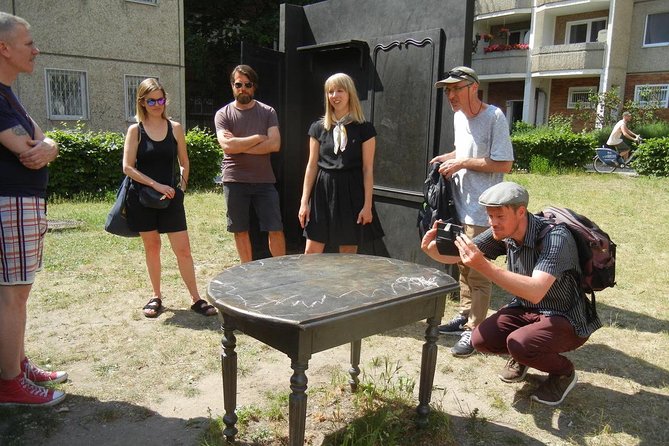
Next you head to the Auguststrasse area, stopping at a gallery connected to Michael Fuchs Galerie. What makes this stop meaningful is the building itself. The gallery is hosted in the former assembly hall and classrooms of the former Jewish Girl’s School in Berlin.
That’s more than trivia. When a gallery sits inside a repurposed civic or educational space, the room adds a layer of atmosphere: sound carries differently, and the architecture changes how you interpret scale and intention. The guide can also point out how this kind of space has helped Berlin’s gallery culture develop a voice that’s both forward-looking and deeply aware of place.
This stop is about 30 minutes, and admission is free. So it’s a good place to slow down and actually look, not rush.
Also, Michael Fuchs Galerie is described as showing contemporary art and classical modernist works. That mix can be a relief if you want variety without the tour feeling like it’s skipping over the canon. You’ll get a sense of how Berlin contemporary programming sometimes talks to older modernist ideas rather than ignoring them.


Stops 3 and 4: Potsdamer Straße and the repurposed-school feel of contemporary galleries
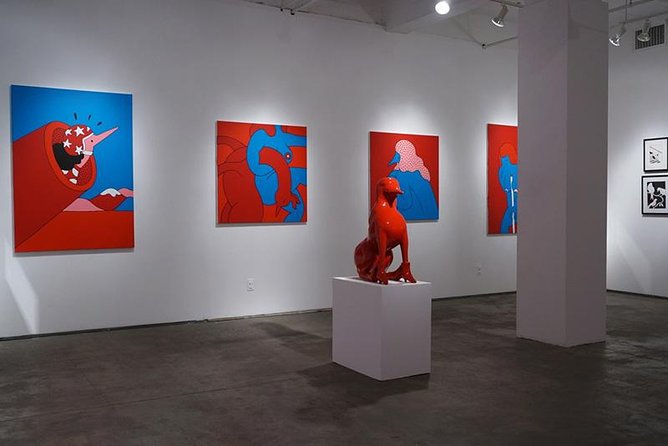
On Potsdamer Straße, you’ll find Esther Schipper, a contemporary art gallery in Berlin known for its role in the contemporary scene. This stop is shorter—about 20 minutes—but it’s placed to keep your momentum. You won’t be stuck in one building for too long, which helps when you’re combining art viewing with walking.
Admission here is free, which is another win for value. And the location is practical: Potsdamer Straße is easy to reach from transit, so your day still feels efficient even if you’re running on a tight itinerary.
Then comes Galerie Eigen & Art, described as a gallery in a former school hosting temporary exhibitions of international contemporary artists. Again, the building matters. Former school spaces tend to have a straightforward “learning” geometry—long rooms, classroom-like layouts, and natural light patterns that make art feel like a lesson rather than just decor.
This stop is also about 20 minutes, with free admission.
A downside to keep in mind: these free stops are time-boxed. That’s great for coverage in a short walk, but if you’re the type who likes to spend a long, quiet hour with one painting, you’ll need to plan a follow-up visit later in the week.
Stop 5: Galerie Giti Nourbakhsch and the Berlin Gallery Weekend connection
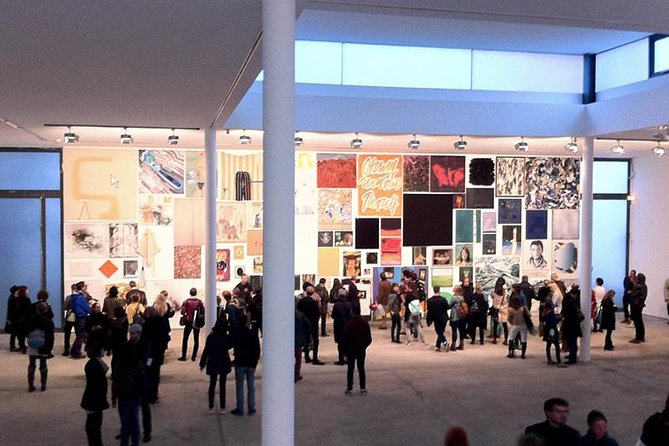
The last gallery stop in the route is Galerie Giti Nourbakhsch near Potsdamer Platz. The gallery is run by Giti Nourbakhsh, and the tour notes she’s a founding member of Berlin Gallery Weekend—a clue that this isn’t just a one-off address, but a node in Berlin’s broader public-facing art calendar.
This stop is about 20 minutes. Admission is not included, so you may pay here depending on current pricing.
What I like about closing with a gallery tied to a weekend format is that it broadens your picture. Berlin Gallery Weekend (as a concept) suggests the art world isn’t only private openings and insider talk. It’s also something designed to be shared with a wider public at certain times. Even if you don’t attend that specific weekend, the tour helps you understand why the city feels so active on the cultural calendar.
The art historian guide: what you gain beyond good-looking rooms
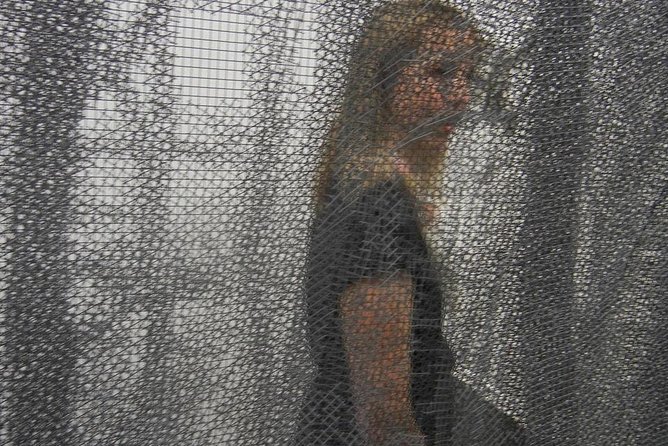
The tour’s big differentiator is the guide—an art historian leading a private route for just your group. That changes the whole experience. Without context, contemporary art can feel like you’re missing a rulebook. With the right guide, you learn what questions to ask while you look.
The reviews line up with this theme, mentioning guides like Justin and Laureline and praising the range of galleries and the depth behind what they discussed. One review highlights how the guide offered insight not only into local artists but also into iconic German painters. Another emphasizes an expert’s homework and the way the guide connected the artworks to their creators and motivations. That’s exactly the service you want on a short 3-hour day: help you see patterns you would otherwise miss.
Expect the guide to place what you’re seeing in historical context. The tour’s framing stresses Berlin’s transformation after 1989, and that context matters because the city’s gallery scene grew into a hot spot for creativity over roughly the last 25 years. The result is that Berlin contemporary art often carries both urgency and experimentation—two qualities that are easier to spot when someone points out what to look for.
How you’ll read Berlin differently after the walk
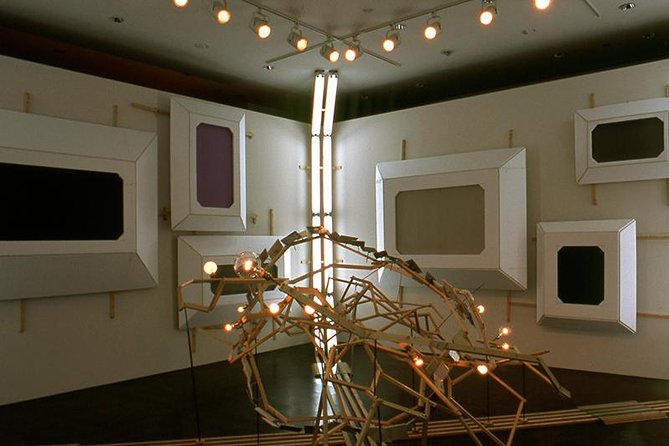
This tour doesn’t just teach you names and dates. It teaches you how to interpret the city as a system of spaces and ideas. You start to notice how former institutional buildings are reused for art, how gallery missions shape what appears on the walls, and how Berlin’s post-Wall momentum turned local scenes into international attention.
You also learn to connect art programs to the city’s broader cultural rhythm. Contemporary culture moves fast, but it still needs a structure—artist ateliers, exhibition formats, and events. KW’s “no collection” model is the clearest example: it’s built to keep changing. Once you understand that, other stops start to make more sense.
And because the tour is walking-based, you’ll absorb the geography. You won’t just remember the galleries as isolated stops. You’ll remember the feel of Mitte and the way Potsdamer Straße/Potsdamer Platz links into the art district logic.
Should you book this Berlin Gallery Scene tour?
Book it if you want a tight, art-smart introduction to Berlin’s gallery world in a short time. It’s ideal for first-timers who don’t want to guess which galleries are worth your energy, and for anyone who appreciates contemporary art but would like better context to make the experience land.
Skip it (or plan for additions) if your idea of art touring is mostly permanent collections and long museum hours. The route is fast and focused, and it’s very gallery-program dependent. Also, budget for extra admission at KW and possibly Galerie Giti Nourbakhsch, since those aren’t included.
If you enjoy walking, like seeing how art is presented in real city spaces, and want a guide who can explain the why, this is a strong value way to get oriented in Berlin’s contemporary scene.
FAQ
How long is the Berlin Gallery Scene tour?
It runs for about 3 hours.
What does it cost, and how many people are in a group?
The price is $330 per group, with a maximum of up to 10 people.
Is this a private tour?
Yes. It’s a private tour/activity, and only your group participates.
Is pickup offered, and where do we meet?
Pickup is offered, and the start point is Schöneberger Ufer 65, 10785 Berlin, Germany.
How do I get my ticket?
You receive a mobile ticket.
Are entrance fees included?
Admission is not included for some stops. KW Institute for Contemporary Art has an admission fee, while Auguststrasse (Michael Fuchs Galerie), Esther Schipper, and Galerie Eigen & Art are listed as free.
What is the admission price for KW?
KW is listed as €10 for adults and €6 for seniors/students.
Does the itinerary change on Tuesdays?
Yes. KW Institute for Contemporary Art is closed on Tuesday, and the tour will operate as the walking portion only.
When will I receive confirmation after booking?
Confirmation is received within 48 hours, subject to availability.
Can I cancel for a full refund?
Yes. You can cancel for a full refund up to 24 hours in advance of the experience start time.
Berlin's Museums and Galleries


More Tour Reviews in Berlin

Round out your days in Berlin
Museums, compared.
 ★ 4.6Natural History Museum Entrance TicketFrom $123,382 reviews
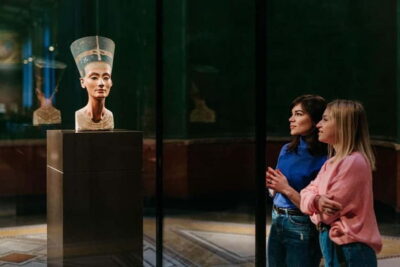 ★ 4.4Museum Island Multiple Museum Entry TicketFrom $282,861 reviews
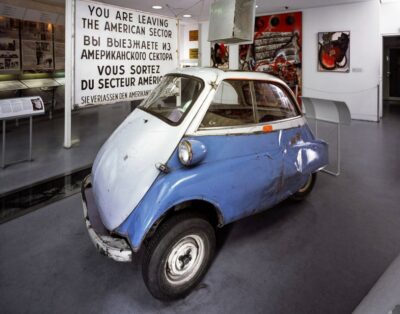 ★ 4.1Skip-the-Line: Berlin Wall Museum at Checkpoint CharlieFrom $212,041 reviews
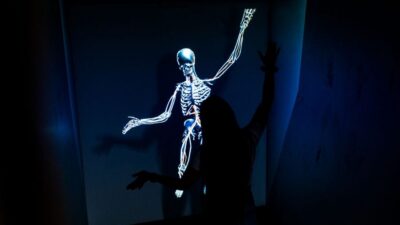 ★ 4.1Interactive DeJa Vu Museum Entrance TicketFrom $171,338 reviews
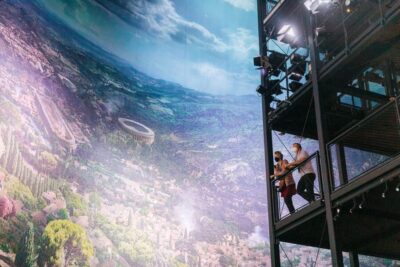 ★ 4.6“Pergamonmuseum. The Panorama” Exhibition TicketsFrom $161,245 reviews
 ★ 4.1East Side Gallery Spree Cruise in a Solar CatamaranFrom $281,086 reviews
 ★ 5.0Cold War, Berlin Wall, Spies and the East Side GalleryFrom $181,024 reviews
 ★ 4.3Berlin WelcomeCard: Museum Island & Public TransportFrom $70999 reviews
Browse the lists this tour appears in