
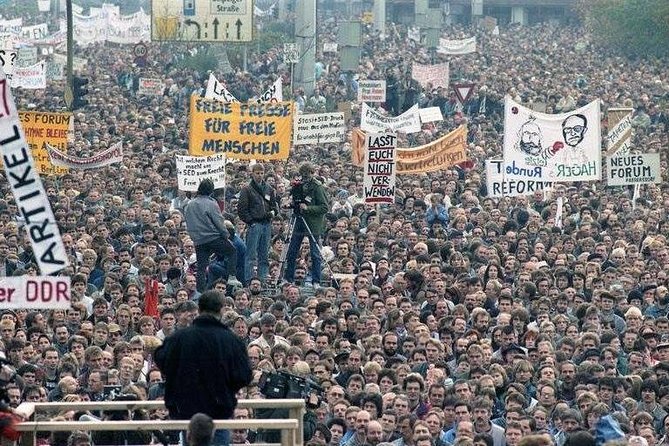
REVIEW · BERLIN WALL & COLD WAR
Cold War, Berlin Wall, Spies and the East Side Gallery
Cold War Berlin still sends chills. This tour turns the big US-versus-Soviet Cold War into street-level stories, from CIA and KGB rivalry to daily-life surveillance in the GDR. I love the personal, emotional anchor points like the Palace of Tears, and I love how you retrace the Wall’s path and understand the death-strip logic at ground level. One drawback: it’s a fast-moving 3-hour circuit with some public transit, so you’ll want warm clothes and your AB-zone ticket ready.
Guides like Klaus and Maria (and other named experts in recent groups) are repeatedly praised for keeping the story clear and for answering questions in plain language, which matters for a topic this tense. You end at the East Side Gallery, where the Cold War story shifts from control and fear to public defiance.
In This Review
- Key things you’ll notice on this Cold War and East Side Gallery tour
- Friedrichstrasse: where the Cold War stops being abstract
- The “ghost train” moment that makes the division feel real
- Palace of Tears (Tränenpalast): the emotions behind separation
- Tracing the Death Strip and Wall remains: the sobering part
- Alexanderplatz and Karl-Marx-Allee: ideology you can walk through
- East Side Gallery: when concrete turns into protest
- Price and logistics: why the value is strong (and what to plan)
- Who should book this Cold War tour?
- Should you book this Cold War, Berlin Wall, and East Side Gallery tour?
- FAQ
- How long is the tour?
- Where does the tour start and where does it end?
- What is the price and what’s included?
- What isn’t included in the price?
- Do I need a specific transport ticket?
- What language is the tour offered in?
- How large are the groups?
- FAQ
- Can I get a refund if I change my mind?
Key things you’ll notice on this Cold War and East Side Gallery tour
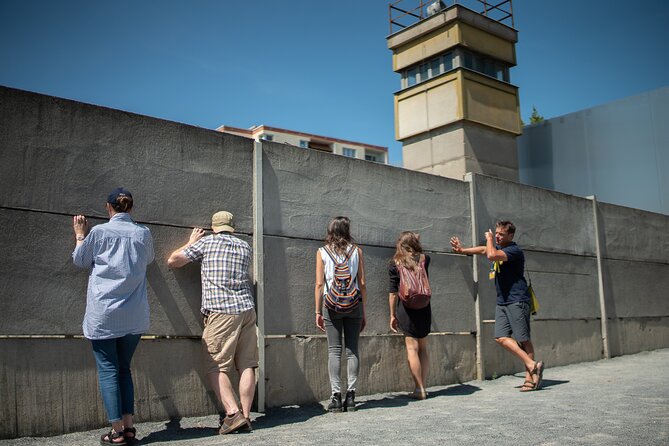
- Friedrichstrasse is the doorway to divided Berlin: the meeting area and early stops sit in the heart of the border story.
- A ghost-train segment sets the scene fast: it helps you understand how East and West were linked even when they were separated.
- Palace of Tears (Tränenpalast) hits emotionally: good for learning, but also for feeling what division did to families.
- You’ll follow the Wall’s logic, not just the wall: including the tense “death strip” context and Wall remains.
- Alexanderplatz and Karl-Marx-Allee show propaganda in everyday life: big architecture with a real-world purpose.
- East Side Gallery gives the ending real meaning: it’s the Wall turned into public art and protest.
More of the Wall and the divided city
- Berlin’s Best: 2 Hour Walking Tour Third Reich and the Cold War★ 5.0 · 5,486 reviews
- Skip-the-Line: Berlin Wall Museum at Checkpoint Charlie★ 4.1 · 2,041 reviews
- Berlin: East Side Gallery Spree Cruise in a Solar Catamaran★ 4.1 · 1,086 reviews
- Cold War, Berlin Wall, Spies and the East Side Gallery★ 5.0 · 1,024 reviews
Friedrichstrasse: where the Cold War stops being abstract
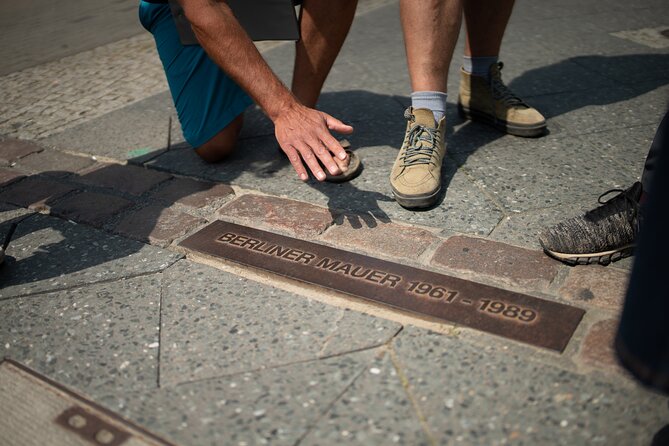
Berlin’s Cold War didn’t happen in a museum. It happened in stations, checkpoints, and the daily grind of people trying to live normal lives under abnormal pressure. That’s why starting around Friedrichstrasse works so well: you’re in the right neighborhood for understanding how the city functioned when it was split into competing systems.
The tour’s early theme is the collision of power blocs. You’ll hear the tension between the United States and its NATO allies versus the Soviet Union and its allies, and you’ll also connect that geopolitical clash to Berlin’s local reality. The story doesn’t stay at “America vs Russia.” It gets specific about how surveillance and fear were built into daily routines—through the kinds of agencies you hear about in history books, like the CIA, KGB, and the Stasi.
And you’ll see the human side of this—especially once you reach the emotionally charged border-crossing sites. This isn’t only about concrete and dates.
The “ghost train” moment that makes the division feel real
Right at the start, you get a segment tied to the idea of a ghost train: an underground route that once connected East and West Berlin during the Cold War. Even if you’ve read about the division before, that concept changes how you picture it.
Because here’s the key point: division wasn’t just a wall. It was infrastructure, movement control, and the choreography of where people could and couldn’t go. When the tour introduces that underground connection, you understand why border politics could be both rigid and oddly intertwined—systems could share physical space while enforcing total separation in practice.
You’ll also be guided in a way that helps you keep the “why” in your head, not only the “what you saw.” A good guide matters here. The guides named in recent groups are repeatedly praised for giving clear explanations and for taking questions without shutting people down. That makes the ghost-train setup feel less like a trivia stop and more like a foundation.
Palace of Tears (Tränenpalast): the emotions behind separation
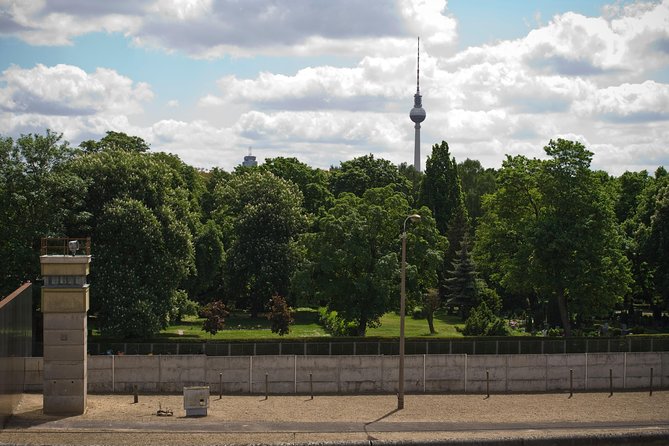
The Palace of Tears is one of those places where your brain tries to catch up to your body. Even before you get into details, it’s hard not to feel that this was engineered for heartbreak. This was the former border crossing where East and West Berliners faced tearful goodbyes as families and loved ones were separated by the Wall.
What I like about this stop is that it doesn’t treat emotion as a side note. It’s central to understanding how the Wall functioned. It tells you that division was not only about keeping people from escaping—it was about controlling family life, future plans, and personal relationships.
The tour also helps you frame what the museum tells you: escape attempts, the physical harshness of separation, and what reunification meant after years of enforced separation. If you’re the type who prefers “story-based history,” this is the anchor you’ll remember.
Practical note: this kind of stop is where you’ll want a calm moment to look carefully, even if the tour pace remains active.
Tracing the Death Strip and Wall remains: the sobering part
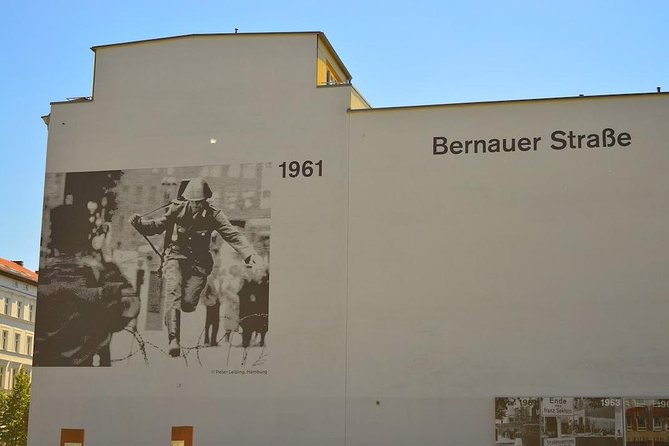
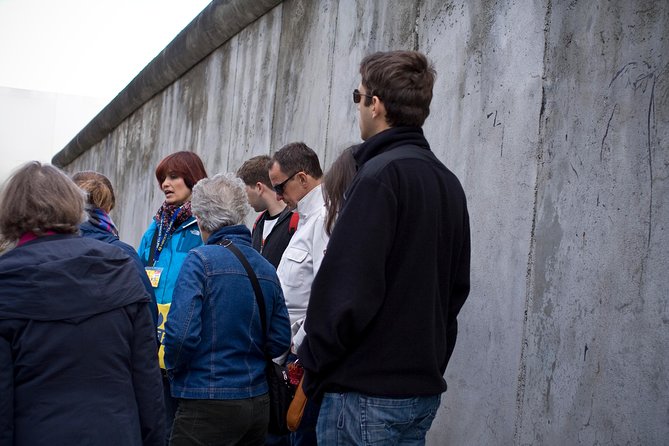
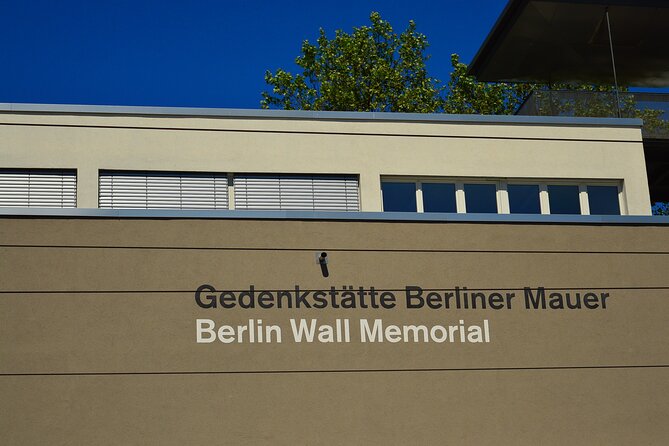
The Wall isn’t just a line on a map. The tour focuses on the trail of the “death strip” and the Wall itself, including areas that reveal how deadly the setup could be. You’ll walk along Bernauer Strasse, a place linked with remarkable escape attempts, and you’ll get to see remains of the Wall connected to the Berlin Wall Memorial and former Stasi areas.
This is where the topic can hit hard, so it helps that the guide explains the logic clearly: this wasn’t random danger. It was designed. The “death strip” concept is what turns the Wall from “a barrier” into “a system of control,” where distance, visibility, and movement rules mattered.
One of the most memorable moments for people on this kind of route is often the feeling of looking at the West Wall from an East-side perspective across the dangerous zone. You don’t need to be dramatic about it; the layout does the work. The tour uses that geography to teach you how fear was built into the street plan.
If you want to understand what it meant to live in a state that treated surveillance as normal life, this is the portion that delivers.
More of Berlin's museums and galleries

Alexanderplatz and Karl-Marx-Allee: ideology you can walk through
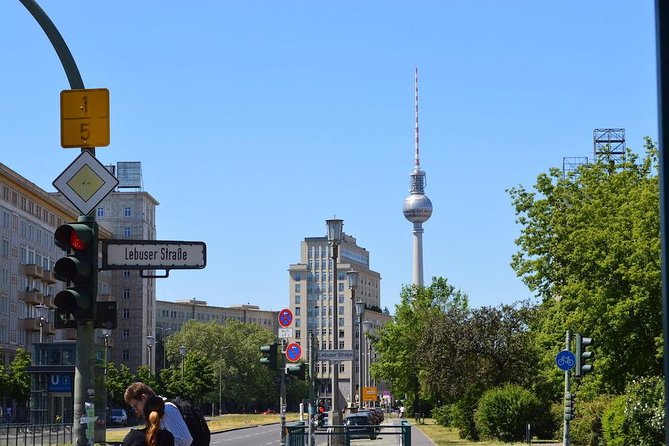
After the heavy Wall-and-border sequence, the tour shifts gears into East Berlin’s public spaces. Alexanderplatz is described as the beating heart of East Berlin—where communist power played out in rallies and where daily life ran under the shadow of surveillance.
I like this part because it forces you to see propaganda as architecture and routine, not only as posters. The surrounding GDR-style buildings and socialist symbols aren’t just background. They explain how ideology was made visible, constant, and unavoidable.
Then you move to Karl-Marx-Allee, East Germany’s showcase boulevard. Expect grand, monumental buildings tied to Stalinist design and world-facing display. The key is that the boulevard was more than pretty symmetry. It symbolized power and control, while hiding the everyday reality most people actually lived.
On a good tour, this stops you from oversimplifying the past. It reminds you that systems rely on both fear and performance. One moment you’re processing the edge of escape and punishment; the next you’re seeing how the regime presented itself to residents and visitors.
East Side Gallery: when concrete turns into protest
By the time you reach the East Side Gallery, you’re arriving at the story’s turning point. The East Side Gallery is the longest permanent graffiti wall in the world, and it’s also the largest remaining section of the Berlin Wall. That combination is exactly why it works as an ending.
You’re looking at concrete that used to mean restriction, now covered with murals that speak the language of freedom and resistance. The tour frames it as a transformation: oppression turned into art, and the fall of the Cold War’s divide turned into visible public meaning.
This part is also great for photos, but don’t treat it as only “pictures and vibes.” The guide helps you connect the murals to the larger historical arc—what changed, what stayed in memory, and how people use visual culture to keep the lessons from fading.
If you’ve felt the weight of the earlier stops, the East Side Gallery reads like a release valve. It lets you close the loop on what control looked like—and what defiance became afterward.
Price and logistics: why the value is strong (and what to plan)
The price listed for this experience is $18.04 per person, and for a guided 3-hour route that connects multiple major Cold War locations, that can be strong value. The big reason is time: you’re not only visiting sites, you’re getting a guide who connects the dots between surveillance, the US/Soviet power struggle, and the Berlin-specific lived experience.
Still, you need to manage two practical items:
- You’ll need a Berlin transport daypass for AB Zone, since the tour uses public transport connections. Plan on buying the ticket (it’s listed as costing €10.00 per person).
- You’ll be moving, with a mix of walking and transit. This isn’t the kind of tour where you can casually stroll while ignoring your feet.
Also consider the structure of the day: it starts around late morning (10:00 am) and runs about three hours. That’s a sweet spot for pairing with other Berlin highlights the same day, but you’ll want to keep your schedule realistic.
Group size is capped at 22, which is small enough to keep the experience from turning into a moving crowd. In the best versions of this tour, your guide can also keep track of questions, and the named guides in recent groups are often praised specifically for being responsive.
Finally, the tour uses a mobile ticket. That’s helpful if you like not digging through paper.
Who should book this Cold War tour?
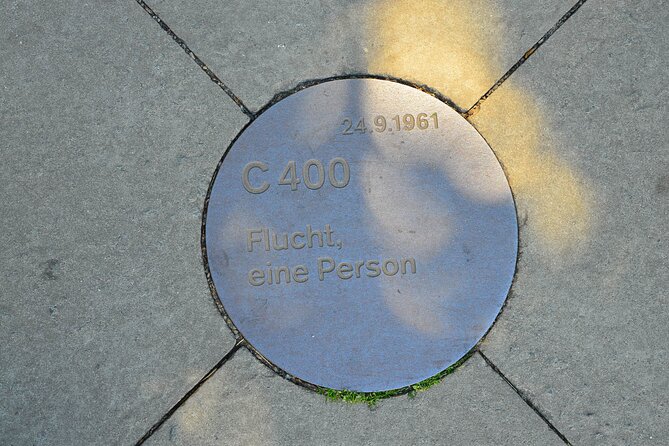
This tour is a great fit if you want Berlin’s Cold War story to feel grounded. If you like history that connects big politics to daily life—especially surveillance and the lived reality of the GDR—you’ll probably have a strong time.
It also works well for first-timers because it covers the main geographic beats in a logical flow: border-crossing emotion, Wall and death-strip context, East Berlin’s public power spaces, then the East Side Gallery’s aftermath.
If you’re sensitive to heavy themes, this may still be manageable, but you should go in with that awareness. The Palace of Tears and death-strip parts aren’t light stops.
If you prefer highly technical detail only (names, dates, and organizational structure), you might want to pair the tour with additional independent reading afterward. This kind of guided walk is built to explain and connect, not to turn into an academic lecture.
Should you book this Cold War, Berlin Wall, and East Side Gallery tour?
Yes—if you want a clear, guided path through Berlin’s Cold War geography and you care about understanding how control affected real people. The combination of the Palace of Tears, Wall/death-strip context, and ending at the East Side Gallery gives you a satisfying arc: fear and separation, then the visual proof of change.
I’d especially book it if:
- You want both the emotional border story and the political surveillance angle.
- You like a guide who can handle questions without making you feel rushed.
- You’d rather learn from a local expert than piece together the Cold War map on your own.
Just be ready for the practical reality: it’s a 3-hour moving experience, so dress for walking and transit.
FAQ
How long is the tour?
It runs for about 3 hours (approx.).
Where does the tour start and where does it end?
The experience starts around Friedrichstrasse Station for the meet-and-greet, and it ends at the East Side Gallery area (Mühlenstraße, 10243 Berlin). The listed meeting point address is Reichstagufer 17, 10117 Berlin, so follow the exact spot shown in your booking confirmation.
What is the price and what’s included?
The price is $18.04 per person. It includes a local expert guide and uses a mobile ticket.
What isn’t included in the price?
A Berlin Transport daypass AB Zone ticket is not included (listed as €10.00 per person). Food and drinks and hotel pickup/drop-off are also not included.
Do I need a specific transport ticket?
Yes. You’ll need a Zone AB transportation ticket.
What language is the tour offered in?
The tour is offered in English.
How large are the groups?
The tour has a maximum of 22 travelers.
FAQ
Can I get a refund if I change my mind?
Yes. Free cancellation is available up to 24 hours in advance for a full refund.
Berlin's Museums and Galleries
More Tour Reviews in Berlin



The Wall and the Cold-War City

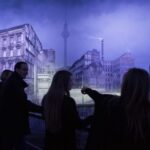
Round out your days in Berlin
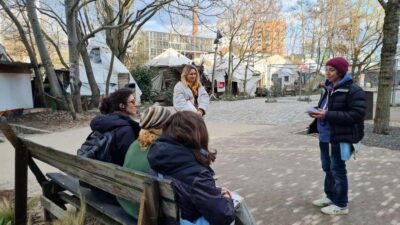
Berlin Wall & Cold War, compared.
 ★ 4.9Third Reich & Cold War Guided Walking TourFrom $238,378 reviews
 ★ 5.0Berlin’s Best: 2 Hour Walking Tour Third Reich and the Cold WarFrom $245,486 reviews
 ★ 4.1Skip-the-Line: Berlin Wall Museum at Checkpoint CharlieFrom $212,041 reviews
 ★ 4.1East Side Gallery Spree Cruise in a Solar CatamaranFrom $281,086 reviews
 ★ 4.8Wall Tour – Fates, Love Stories, and HeroesFrom $282585 reviews
 ★ 4.5THE WALL: asisi Panorama Berlin TicketFrom $16580 reviews
 ★ 4.8The Wall and Third Reich Guided Bike TourFrom $41578 reviews
 ★ 4.4German Spy Museum Flexible Entry TicketFrom $27472 reviews
Browse the lists this tour appears in