
REVIEW · WALKING TOURS
Berlin: David Bowie & 1970s Berlin Guided Walking Tour
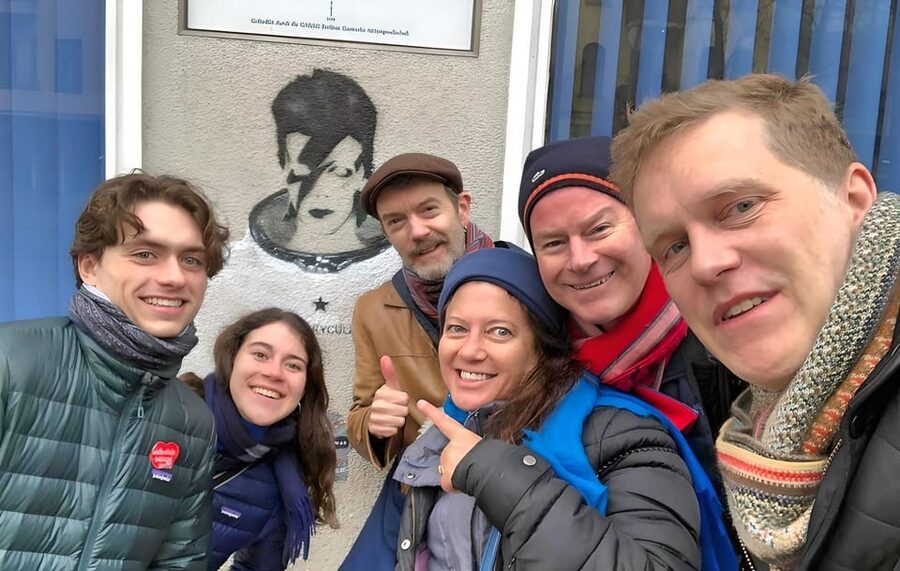
Bowie’s Berlin feels real, not myth. This 3-hour walk through Cold War West Berlin shows you Hansa Studios and the places that fed Low, Heroes, and Lodger, with a guide who ties it all to the music and the mood of the time. I also like that you get a historian guide-style approach, not just song trivia, plus lots of visuals and music excerpts along the way. The main catch: you’ll use public transport a few times, so wear comfy shoes and plan for some walking in changing Berlin weather.
The tour starts at Ständige Vertretung, a memorabilia-filled cafe at Schiffbauerdamm 8 (near the Zoo Station area), then you move through key sites linked to Bowie and his Berlin-life orbit. Expect stops such as Bahnhof Zoo, the former Dschungel Club, KaDeWe, Potsdamer Platz, the Berlin Wall area, Topographie of Terror, Bowie’s former home, and Café Neues Ufer, with guided context at each stop. In the best versions of the experience, guides like Dan, Klaus, Lee, Ronen, and Martin (names I saw in guides) use photos and short video clips to make the era snap into focus, and they’ll often play excerpts from Bowie’s Berlin albums while you walk.
One more consideration: the tour price is $135 per person, which is fair if you’re getting a lot of structured storytelling and a multi-stop route, but it can feel steep if you’re only chasing a single landmark. Also, double-check how tickets are handled for your exact booking situation if you’re traveling solo.
In This Review
- Key highlights you’ll actually care about
- 1970s Berlin through Bowie’s eyes
- Meeting at Ständige Vertretung, then starting near the Zoo Station core
- Bertolt-Brecht-Platz, Tränenpalast, and Anhalter Bahnhof: how transit shaped the era
- Martin-Gropius-Bau and Topographie of Terror: the dark backdrop behind the glitter
- Hansa Studios: the creative center of Bowie’s Berlin sound
- KaDeWe and Zoologischer Garten: West Berlin’s public life
- Café Neues Ufer: where you slow down and connect the dots
- Bowie’s orbit: the flat with Iggy Pop, nightlife stops, and the Berlin Wall
- Price and logistics: is $135 worth it?
- Who should book this Bowie Berlin walking tour?
- Should you book it?
- FAQ
- FAQ
- How long is the David Bowie & 1970s Berlin guided walking tour?
- How much does the tour cost?
- Where do I meet the guide?
- Is the tour in English?
- Do I need to bring a public transport ticket?
- Is food or drink included?
- What sites are included besides Hansa Studios?
- Can I book a private or small group tour?
- Is free cancellation offered?
Key highlights you’ll actually care about
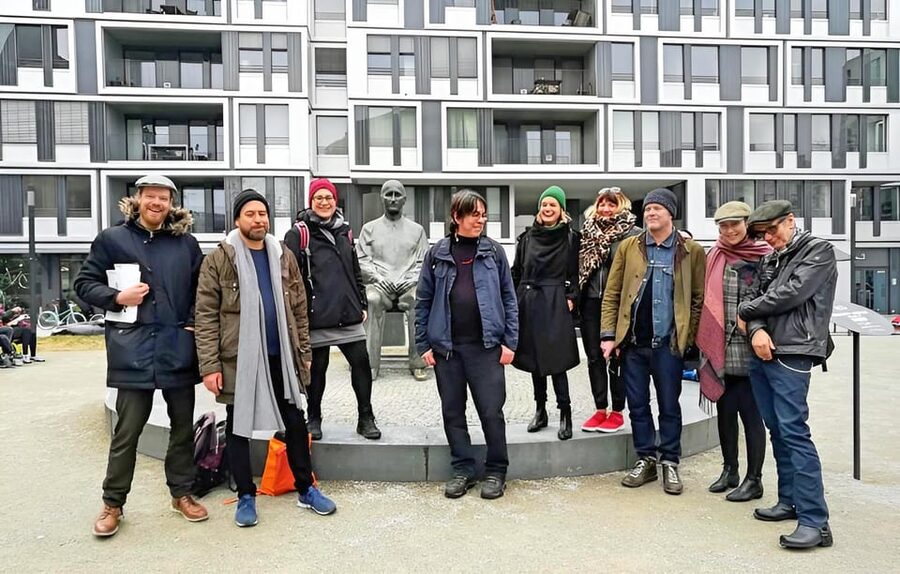
- Bowie’s Berlin trilogy mapped to real streets tied to Low, Heroes, and Lodger
- Hansa Studios visit as the creative centerpiece of Bowie’s late-1970s sound
- Iggy Pop connection through the flat Bowie shared with him
- Cold War contrast sites including the Berlin Wall area and Topographie of Terror
- Music + visuals while you walk (excerpts from Heroes and Low show up often)
- West Berlin daily-life stops like KaDeWe and Café Neues Ufer, not just “important history”
More of Berlin on foot
- Discover Berlin Half-Day Walking Tour★ 5.0 · 9,624 reviews
- Berlin City walk Government District and Places of Democracy★ 4.7 · 8,467 reviews
- Berlin: Third Reich & Cold War Guided Walking Tour★ 4.9 · 8,378 reviews
- Berlin: Discover Berlin Walking Tour★ 4.9 · 5,998 reviews
1970s Berlin through Bowie’s eyes
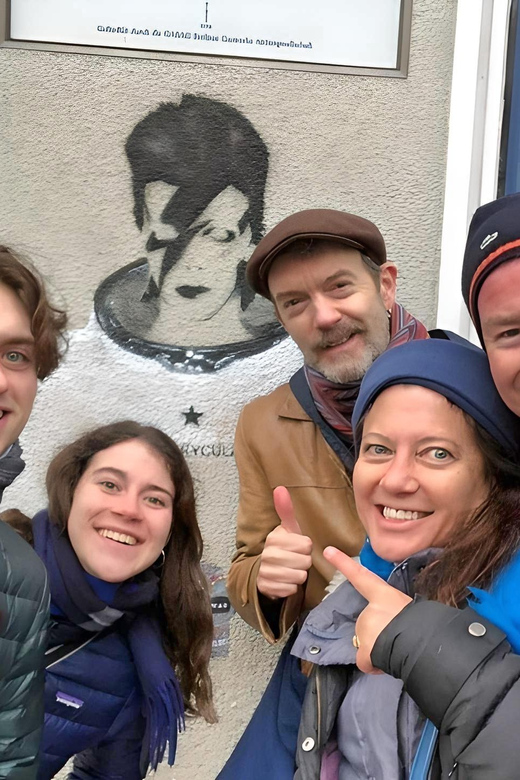
Berlin in the late 1970s wasn’t a theme park. It was a tense, divided city where culture moved fast and privacy felt fragile. That’s why this tour works: it doesn’t treat Bowie like a distant pop star. It shows how his Berlin period grew out of the city’s pressure, contradictions, and nightlife rhythm.
I like that the story stays focused on what you came for—Bowie’s Berlin albums—and then pulls you outward to understand why the places mattered. You’ll hear how Cold War stress and creative risk fed the tone of the music, not just the lyrics. And because the route includes both art-world landmarks and everyday hangouts, the city feels like a lived-in machine rather than a list of famous photos.
Meeting at Ständige Vertretung, then starting near the Zoo Station core
Your meetup point is Ständige Vertretung, a memorabilia-filled cafe at Schiffbauerdamm 8, 10117 Berlin. It’s a good start because it sets the tone early—music nerds, Bowie details, and an easy way to spot your group before you head out.
From there, you’ll work toward the Zoo Station heart of West Berlin (the tour is described as starting at Zoo Station). That matters because it gets you into the right part of the map before the storytelling really kicks in. In Berlin, “Bowie Berlin” isn’t evenly spread; the route is meant to take you through clusters—transit hubs, creative spaces, and nightlife zones—so the context builds instead of feeling scattered.
Practical tip: arrive about 10 minutes early if you can. One guide-specific tip I saw repeatedly was that being early helps you get settled and reduces the usual start-of-tour scramble.
Bertolt-Brecht-Platz, Tränenpalast, and Anhalter Bahnhof: how transit shaped the era
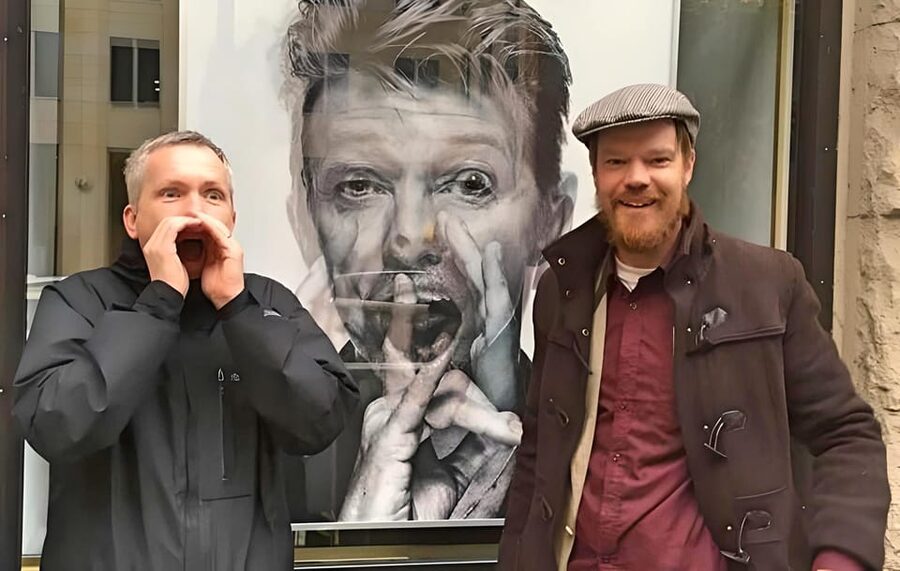
The tour’s early stops are built around the idea that Berlin’s movement—people, borders, noise—shaped what art sounded like. You’ll hit Bertolt-Brecht-Platz, then Tränenpalast, and later Anhalter Bahnhof. Even if you’re not a history buff, these are the kinds of spaces where your brain starts to feel the city’s division because they’re tied to how the city functioned.
What you’ll likely get from the guide here is more than a date-and-fact walk. The goal is to connect the Cold War atmosphere to Bowie’s creative choices—his mood, his pacing, and the strange beauty that comes from living near tension. If your guide uses music clips (several guides did), you’ll often hear how the sound of a track matches the setting you’re standing in.
Downside to know up front: this portion is best for people who don’t mind walking and small hops by public transport. The tour explicitly uses transit a few times because some key distances are too far to cover on foot.
Martin-Gropius-Bau and Topographie of Terror: the dark backdrop behind the glitter
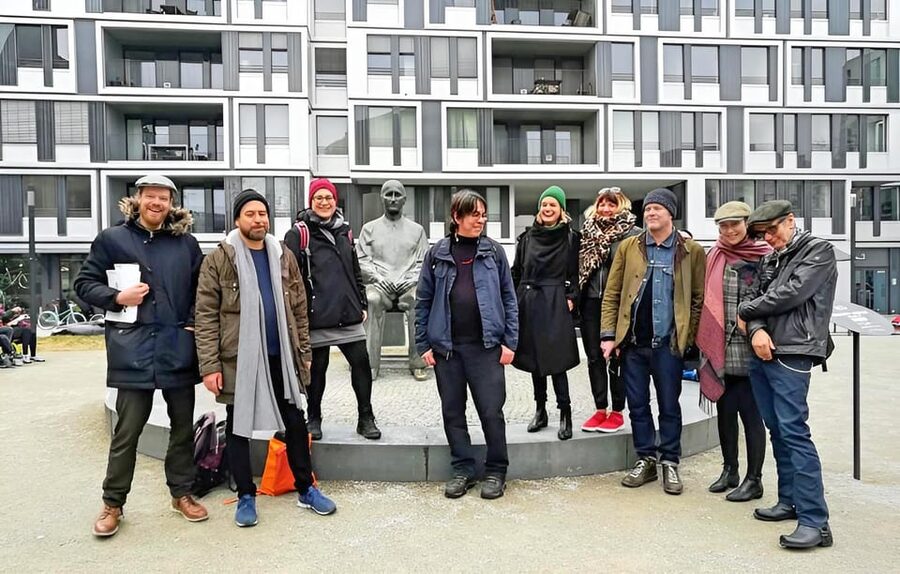
Next comes a more serious tone shift, with stops including Martin-Gropius-Bau and Topographie of Terror. Topographie of Terror is one of the places where Berlin’s 20th-century weight shows up fast, and it’s an important pairing for a Bowie tour. Bowie’s Berlin period was stylish, but it still sat on top of a city with brutal memory.
This is where the tour adds depth for music lovers who want more than surface culture. The guide’s job is to link the artistic reinvention Bowie pursued to the reality of what Berlin had gone through and what it still was dealing with. You get a sense of why certain creative scenes felt urgent: art wasn’t floating above reality—it was reacting to it.
One practical note: since this segment can be emotionally heavy, I recommend keeping expectations balanced. If you’re coming mainly for the “clubs and albums,” you’ll still get those. This just makes the contrast sharper.
More guided walks through Berlin




Hansa Studios: the creative center of Bowie’s Berlin sound
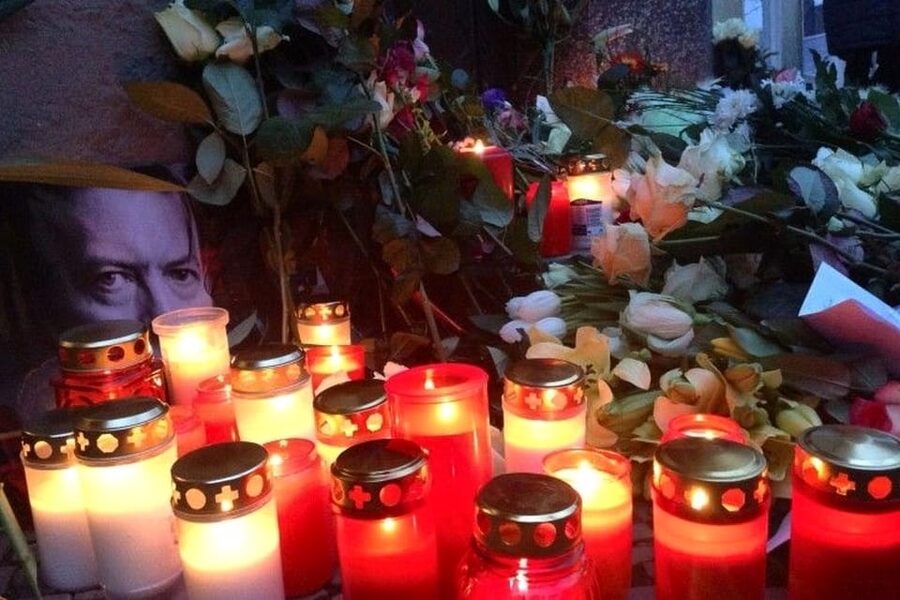
Hansa Studios is the centerpiece stop on the itinerary. It’s where the tour’s focus tightens: Bowie’s music reached its creative peak in Berlin, and Hansa is part of that story.
In a tour like this, your guide isn’t just pointing at a building. They’re helping you understand what it means that so much of Bowie’s Berlin work was shaped in a specific place and production environment. If your guide plays excerpts along the way, Hansa is where those clips feel most meaningful, because the sound you’re hearing starts to feel physically connected to the studio world.
I also like that the route doesn’t treat Hansa as a generic “recording studio sight.” It’s placed after you’ve seen the surrounding Berlin tension and history. By the time you reach it, you’re ready to appreciate why the music landed the way it did.
KaDeWe and Zoologischer Garten: West Berlin’s public life
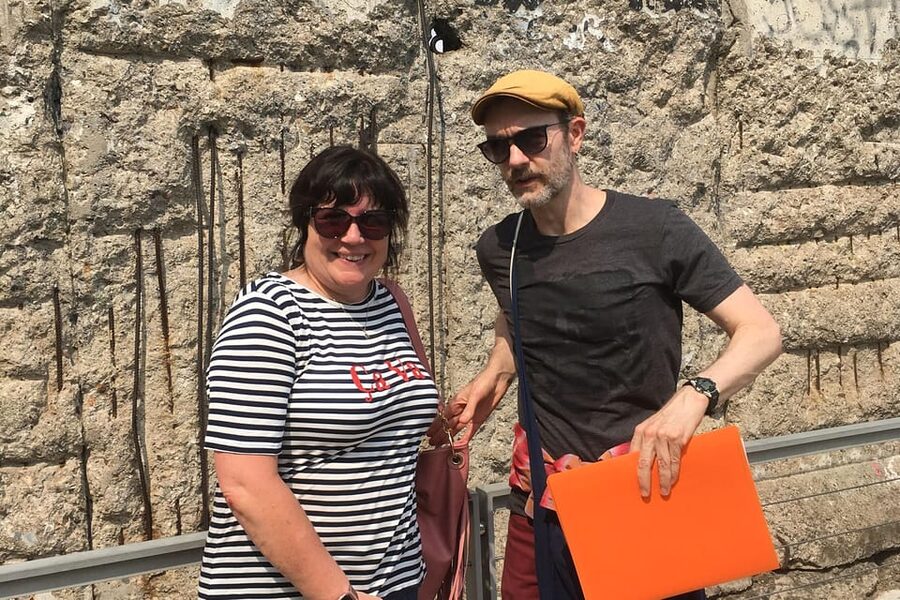
Then you shift into a different kind of Berlin: consumer energy, city bustle, and the everyday West Berlin spaces that Bowie would have passed through. Stops here include KaDeWe and Zoologischer Garten Station, plus the broader Zoo Station area focus.
KaDeWe matters because it shows a side of West Berlin that’s not purely underground or political. It’s a reminder that creativity also happens in ordinary routines—people going out, window-shopping, crossing the city, and taking in the visual culture. If your guide shares photos or short videos at this point (some guides did), you’ll often see how the city’s look and pace fed Bowie’s sense of character and atmosphere.
Zoologischer Garten Station also makes sense for the route structure. It’s a transit anchor, so it naturally ties back to the Cold War theme: Berlin wasn’t just a backdrop; it was a system people navigated daily.
Café Neues Ufer: where you slow down and connect the dots
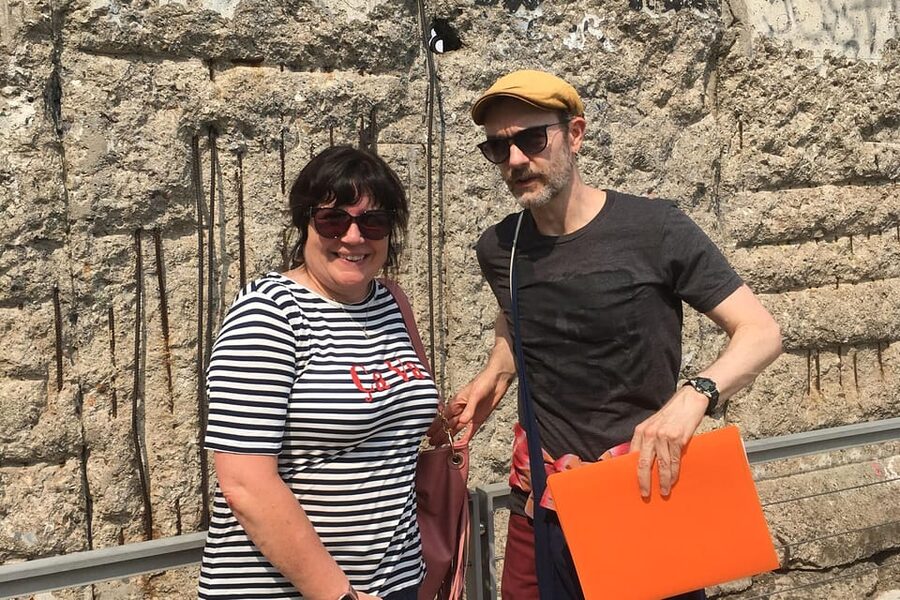
One of the easier-to-love stops is Café Neues Ufer. It gives you a break from moving and lets the guide land the broader points: why Bowie’s Berlin worked as both an escape and a pressure cooker.
Cafés are valuable on tours like this because they reset your brain. You’re not just chasing sites—you’re taking in how the guide framed the era: the mix of art ambition, Cold War reality, and nightlife culture. If the guide uses music clips here too, it can be a great moment to listen with a new mental map.
Food and drink aren’t included, so plan to buy something if you want it, but don’t assume the tour will provide a meal. Use this stop to recharge and decide what you want to explore next on your own.
Bowie’s orbit: the flat with Iggy Pop, nightlife stops, and the Berlin Wall
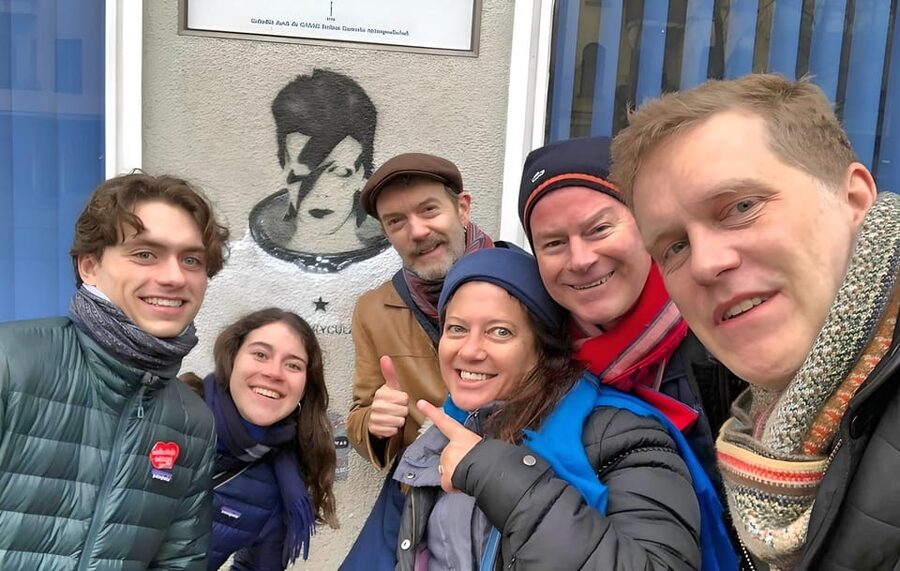
The tour leans hard into Bowie’s personal Berlin world. You’ll follow the trail to the flat he shared with Iggy Pop, plus club and nightlife locations tied to that scene. You’ll also visit the Berlin Wall area, which adds a blunt reminder that all this creativity existed in a city where movement and freedom were controlled.
What makes this section click is the connection between the places and the music themes. Bowie wasn’t just collecting cool locations—he was building a new kind of identity through Berlin’s atmosphere. When guides describe the club culture and connect it to Bowie’s sound, the tour stops being a scavenger hunt and starts feeling like a story.
I also appreciated how some guides brought in less obvious details beyond Bowie alone. One review noted a guide going out of his way to show the apartment where Christopher Isherwood lived, with a plaque. That kind of side context can turn the walk into a mini history of artistic Berlin, not just a Bowie highlight reel.
Price and logistics: is $135 worth it?
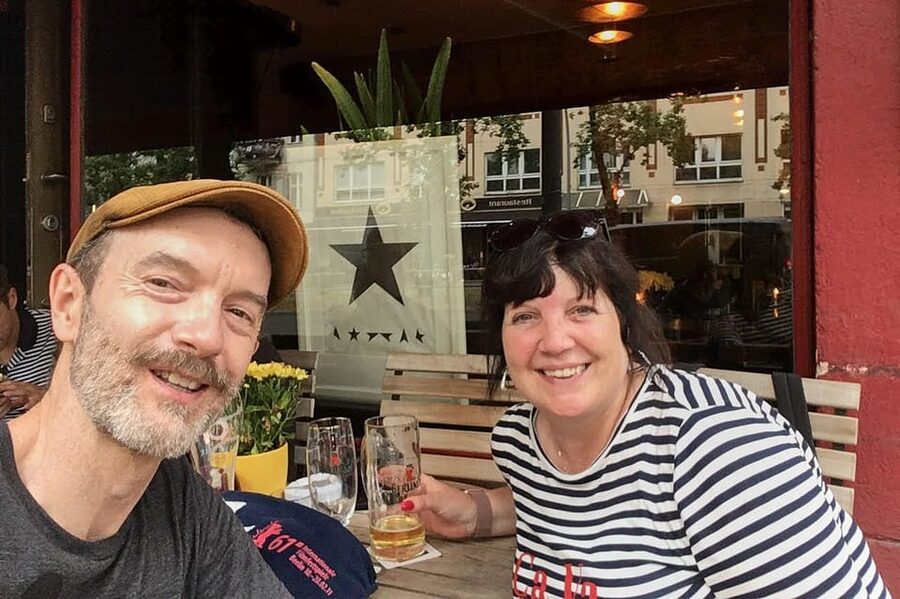
At $135 per person for 3 hours, you’re paying for more than a casual stroll. You’re getting a guided route packed with major, specific stops—Hansa Studios, the Berlin Wall area, Topographie of Terror, KaDeWe, and Bowie-linked locations—and you’re doing it with a historian guide format.
Here’s how I’d judge value for you:
- If you’re a Bowie fan who wants the “why,” not just the “where,” the price usually makes sense. The strongest comments I saw centered on guides who explained context and used music excerpts, photos, and video clips.
- If you mostly want one or two famous landmarks, you might feel it’s pricey for the amount of time. In that case, pick the day you’re most ready to walk, and treat this like a guided story experience, not a sightseeing shortcut.
Logistics are mostly manageable, but you should plan for transit. The tour says you’ll use public transport a few times because some distances are too far to walk. If you don’t already have a Berlin visitor transit pass, it’s advised to purchase a day metro pass. If you can’t buy in advance, the guide helps you purchase at the first metro station on the tour.
And please, wear sturdy shoes. One guide-tied tip was to dress for inclement Berlin weather because it can shift fast.
Who should book this Bowie Berlin walking tour?
Book it if you want Berlin through an artist’s lens and you like your music with context. It’s a strong fit for:
- Bowie fans who already know Low, Heroes, and Lodger and want the city behind them
- Iggy Pop fans who want the overlap in their Berlin lives
- People who care about how politics and place affect art—this tour doesn’t ignore the Cold War weight
- Anyone who enjoys guides with extra layers, like side cultural history and music-based storytelling
It can also work even if you’re not a diehard Bowie fan. The tour includes major Berlin sites and a broader look at creative life under division, so you’ll still get value from the city-learning angle.
Should you book it?
I’d book it if Bowie’s Berlin era matters to you more than checking boxes. The combination of Hansa Studios, Iggy Pop-linked context, club and café stops, and Cold War anchors like the Berlin Wall area and Topographie of Terror gives you a route that feels like a coherent narrative, not random hopping.
If $135 feels steep, the decision comes down to one thing: do you want the story told by a historian-style guide with visuals and music excerpts? If yes, this is the kind of tour that makes you hear the albums differently afterward. If you only want a quick hit of Bowie landmarks, you might do better planning a lighter, self-guided day around one or two sites.
FAQ
FAQ
How long is the David Bowie & 1970s Berlin guided walking tour?
It lasts 3 hours.
How much does the tour cost?
The price is $135 per person.
Where do I meet the guide?
You meet at Ständige Vertretung, a memorabilia-filled cafe, at Schiffbauerdamm 8, 10117 Berlin.
Is the tour in English?
Yes, the live tour guide speaks English.
Do I need to bring a public transport ticket?
Public transport tickets are not included, and you’ll use public transport a few times. If you don’t already have a visitor transit pass, it’s advised to buy a day metro pass, and the guide can help you buy at the first metro station if needed.
Is food or drink included?
No, food and drink are not included.
What sites are included besides Hansa Studios?
The tour covers multiple Bowie and Berlin-related stops, including Bahnhof Zoo, the former Dschungel Club, KaDeWe, Potsdamer Platz, the Berlin Wall, Topographie of Terror, Bowie’s former home, and the Neues Ufer Café.
Can I book a private or small group tour?
Private or small groups are available.
Is free cancellation offered?
Yes, you can cancel up to 24 hours in advance for a full refund.
More of Berlin on Foot


More Tours in Berlin




More Tour Reviews in Berlin

Round out your days in Berlin
Walking Tours, compared.
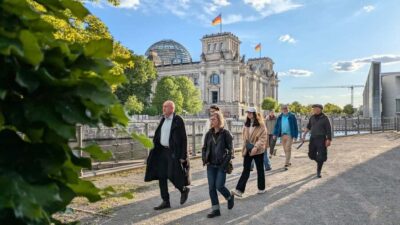 ★ 4.7Berlin City walk Government District and Places of DemocracyFrom $2948,467 reviews
 ★ 4.9Third Reich & Cold War Guided Walking TourFrom $238,378 reviews
 ★ 4.9Discover Berlin Walking TourFrom $235,998 reviews
 ★ 5.0Berlin’s Best: 2 Hour Walking Tour Third Reich and the Cold WarFrom $245,486 reviews
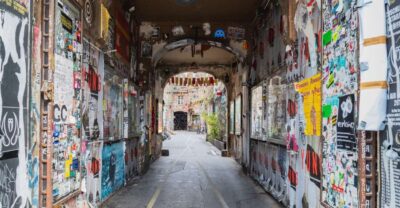 ★ 4.8Hidden Backyards Guided Walking TourFrom $235,360 reviews
 ★ 5.0Third Reich Berlin: Hitler and WWII Walking TourFrom $243,301 reviews
 ★ 4.9Third Reich, Hitler, and WWII Walking TourFrom $191,757 reviews
 ★ 4.6Alternative Berlin Walking TourFrom $291,204 reviews
Browse the lists this tour appears in