
REVIEW · WALKING TOURS
Berlin: Guided walking tour of the must-see sights
Berlin clicks on foot. In just two hours, this guided walk gives you a tight orientation to the city, with juicy anecdotes that bring the big monuments to life. I especially liked how the route doesn’t treat the memorial sites as just photos, including the Memorial to the Murdered Jews of Europe. One catch: the tour is in French, so you’ll want at least a basic level to fully enjoy the narration.
You start near the Swiss Embassy area and move through the parliamentary core—Reichstag, Brandenburg Gate, the memorial zones, and the Führerbunker area—then end at Potsdamer Platz. The group is kept small (up to 15), which means questions don’t get swallowed by a crowd, and you can actually talk with the guide instead of just walking.
In This Review
- Key things to know before you go
- Meeting at the Swiss Embassy: finding your guide without stress
- German Chancellery and Reichstag: politics you can actually picture
- Brandenburg Gate and Tiergarten: the walkable center of Berlin
- Memorials that change your pace: Holocaust Memorial and the homosexuals memorial
- Wall traces without a detour: connecting geography to Berlin’s division
- Hitler’s Bunker area: why the Führerbunker stop is brief but important
- Bundesrat and the long finish toward Potsdamer Platz
- How the 2-hour pacing works (and why it’s a good first bite)
- Price and value: $23 for a guided Berlin orientation
- Who this tour suits best (and who might prefer another option)
- Should you book this Berlin walking tour?
- FAQ
- How long is the guided walking tour?
- What language is the tour in?
- Where does the tour meet, and how do I find the guide?
- How large are the groups?
- Is the tour wheelchair accessible?
- Will the tour run in bad weather?
- Can I cancel for a refund or pay later?
Key things to know before you go
- Small group pacing (15 people max) keeps it lively and question-friendly
- Memorial-focused route includes the Holocaust Memorial and a Nazi-era persecuted minorities stop
- Wall era context on the walk connects locations you see with what happened there
- Government district highlights cover the Reichstag, Brandenburg Gate, and Bundesrat area
- Short, timed stops mean you cover a lot without feeling rushed
- French guide + clear meeting point (white cap/bonnet, Direction Berlin sign)
More of Berlin on foot
- Discover Berlin Half-Day Walking Tour★ 5.0 · 9,624 reviews
- Berlin City walk Government District and Places of Democracy★ 4.7 · 8,467 reviews
- Berlin: Third Reich & Cold War Guided Walking Tour★ 4.9 · 8,378 reviews
- Berlin: Discover Berlin Walking Tour★ 4.9 · 5,998 reviews
Meeting at the Swiss Embassy: finding your guide without stress
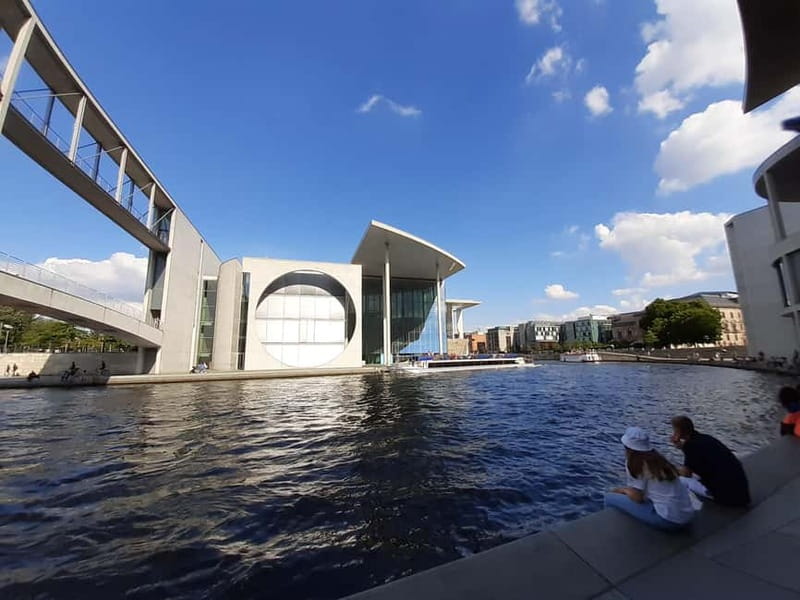
The tour starts near the Schweizerische Botschaft (Swiss Embassy), along Otto-von-Bismarck-Allee close to the Bundestag U5 subway station. This is a smart meeting point: you’re already in the Berlin government district, so you don’t burn time crossing the city just to reach the real sights.
Look for the guide wearing a white cap or bonnet and holding a Direction Berlin sign. If you like smooth logistics, this is about as clear as walking tours get.
The tour runs in all weathers, so dress for walking and bring a rain layer. Berlin weather loves surprises, and a two-hour outdoor route won’t pause just because a cloud looks dramatic.
German Chancellery and Reichstag: politics you can actually picture
Right out of the gate, the walk treats the government zone like a storybook page—buildings first, then meaning. You’ll get a guided stop at the German Chancellery area (short and focused), which sets the tone for how power is staged in Berlin.
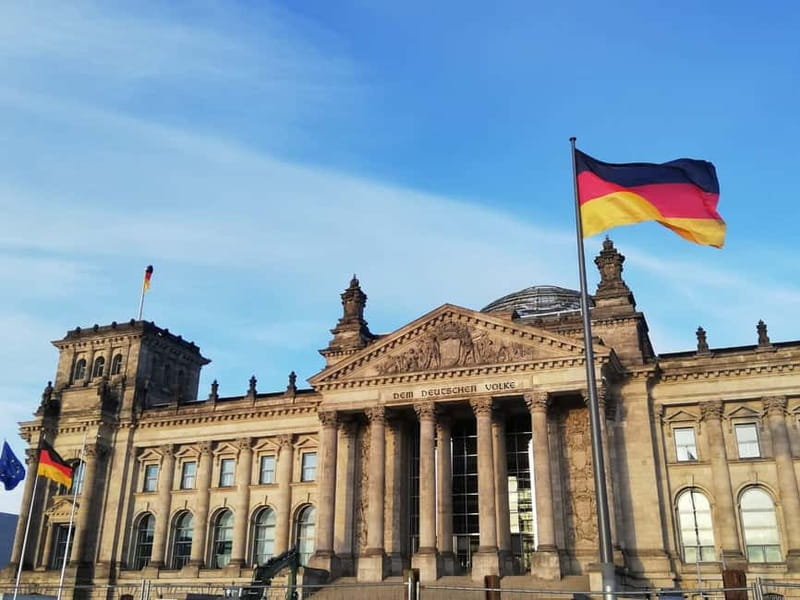
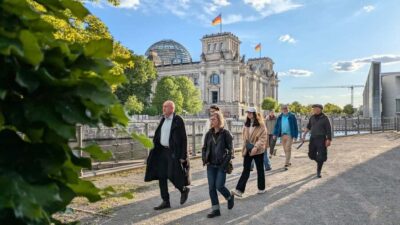
Next comes the Reichstag. Even if you’ve seen it in pictures a thousand times, it lands differently when someone explains what you’re looking at and how the building fits into the city’s political turning points. The guide’s style matters here, and from what I’ve seen on this tour, they use direct explanations plus quick anecdotes that make the place feel less distant.
Practical tip: this is the section where you’ll want to keep your phone charged. Not for selfies—just so you can quickly re-orient yourself after each stop and connect the dots.
Brandenburg Gate and Tiergarten: the walkable center of Berlin
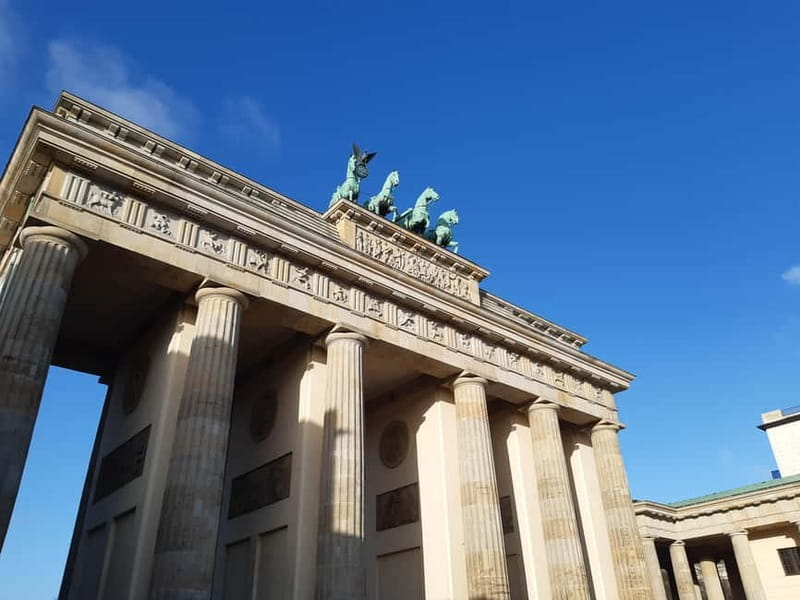
From the Reichstag area, you move toward the Brandenburg Gate and then pass through the Tiergarten. This matters because Berlin’s most famous sights are also at the center of the city’s contradictions: democracy and dictatorship, reunification and division, old stone and modern speed.
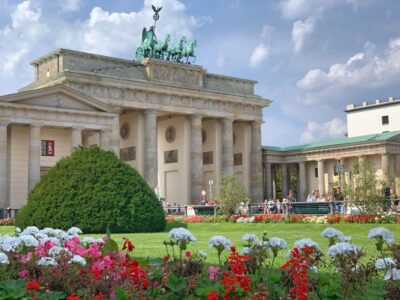
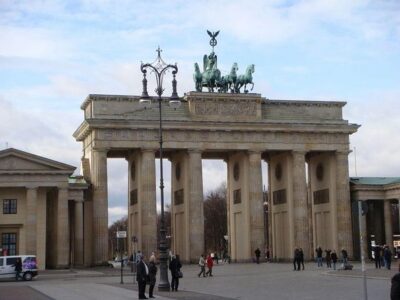
The Brandenburg Gate stop is timed and guided (so you’re not standing there forever), but it’s also the kind of place where the guide can point out details you would normally miss. You get the monument as an icon, plus the “why this spot matters” layer that makes the gate feel more than a postcard.
Then Tiergarten offers a brief palate cleanser. It’s a chance to reset your mind before the memorial zones. Even a short stop here helps the walk feel like a route through different emotional chapters, not just a list of landmarks.
Memorials that change your pace: Holocaust Memorial and the homosexuals memorial
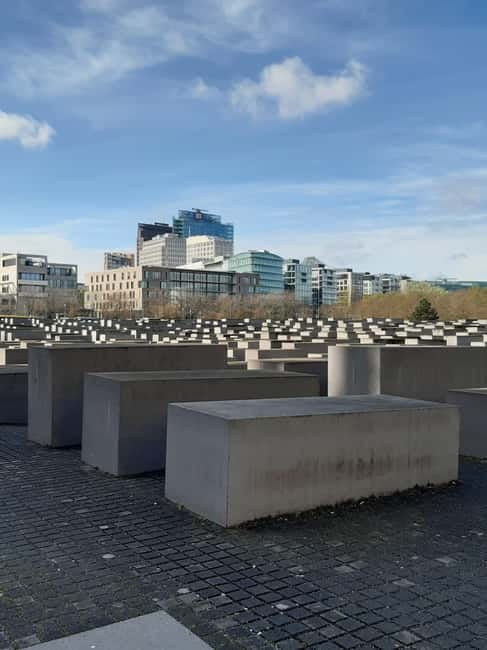
This is the most serious part of the tour, and it’s handled as such: you visit the Holocaust Memorial (Memorial to the Murdered Jews of Europe) for a guided segment, so you don’t end up treating it like a background scene. The guide’s job here is tough—linking historical events with what you’re seeing in front of you—yet this is also where a well-told explanation can make your visit land.
Right before the main Holocaust stop, the itinerary includes the Memorial to the Homosexuals Persecuted Under Nazism. I like that the tour doesn’t compress everything into one moment. It broadens the frame so the memorial story includes different victims of Nazi persecution, not only the most commonly referenced groups.
How it feels on foot: you slow down naturally. The walk shifts from “look, photo, next” to “stand, listen, understand.” If you’re the type who enjoys learning while walking, you’ll likely appreciate this pacing.
More guided walks through Berlin





Wall traces without a detour: connecting geography to Berlin’s division
The tour explicitly touches the Wall era and includes traces of the Wall as part of what you learn. That’s valuable because Berlin’s division wasn’t just an abstract political idea—it was visible in the city’s layout, the routes people could take, and the boundaries created right where you now stroll.
On a two-hour itinerary, you won’t get a full Wall-history lecture or a dedicated East Side Gallery detour. What you do get is a guided link between the places you’re seeing and the way Berlin functioned during and after the split. This is the right approach for a first visit: enough context to make later exploration more meaningful.
If you plan to return to Berlin, this is the section that plants questions for you to pursue on your own later—where exactly barriers stood, how neighborhoods were affected, and how reunification reshaped daily movement.
Hitler’s Bunker area: why the Führerbunker stop is brief but important
The walk includes a guided visit near the site of Hitler’s bunker (the Führerbunker). You’ll spend a short amount of time here, which is appropriate for the setting and the topic. This kind of stop can’t be “enjoyed” in the normal sense, but it can be understood—and understanding is what you’re after.
I like that the tour frames this as part of the city’s timeline rather than isolating it as a shock-value moment. The guide helps you connect it to the larger story of World War II-era Berlin and the political decisions that shaped the city’s fate.
A practical mindset: come ready to listen. If you treat this segment like a quick checklist item, you’ll miss the emotional weight of what you’re standing near.
Bundesrat and the long finish toward Potsdamer Platz
After the memorial and bunker-area context, the tour moves back toward the living, functioning city. You’ll have a guided stop at the Bundesrat area, which is one more way to understand Berlin’s governance structure in the present day. It’s not just about old stones—it’s about who makes decisions now, and how that differs from what you learned earlier.
Then you finish at Potsdamer Platz. Ending here makes sense. It’s a place where Berlin feels modern and kinetic, with broad open sightlines compared to some of the tighter memorial zones. After a serious route, arriving at Potsdamer Platz can feel like your brain gets a chance to breathe.
How the 2-hour pacing works (and why it’s a good first bite)
This is a tight itinerary: about 2 hours, with short guided segments at each stop. The timing matters because it prevents a common walking-tour problem: you spend too long at one location and rush the rest.
You’ll move through multiple key areas:
- German Chancellery (short stop)
- Reichstag (longer than some, still efficient)
- Brandenburg Gate and Tiergarten (brief but meaningful)
- Holocaust Memorial and the homosexuals memorial (serious segments)
- Hitler’s bunker site (short, contextual)
- Bundesrat (quick context)
- Finish at Potsdamer Platz
If you’re doing Berlin for the first time, this pacing is exactly what you want. It gives you a framework to turn into deeper visits later—whether you come back for architecture, museum time, or a slower Wall-focused day.
Price and value: $23 for a guided Berlin orientation
At $23 per person for a 2-hour guided walk, you’re paying for three things: local interpretation, route efficiency, and attention to details you’d likely miss on your own. Berlin has plenty of free sights, but the challenge is understanding what you’re looking at and why it matters.
This tour’s value is strongest if you:
- want a structured intro without researching for hours
- like learning while walking
- appreciate someone connecting buildings to history
It’s also a good deal for small groups—since it’s capped at 15—because your guide can actually tailor pacing to the group and answer questions. In a city where self-guided exploring is easy, a well-run guided walk is what keeps the first visit from feeling like a blur.
Who this tour suits best (and who might prefer another option)
This walking tour is a great fit if you want a first-pass understanding of Berlin’s major eras—World War II, the Wall period, and the modern city. It also suits you if you value memorial visits with context, because the Holocaust Memorial and the homosexuals memorial are built into the route instead of being optional add-ons.
You might want to think twice if:
- you don’t speak French well, since the tour is French
- you prefer long unbroken time in one place (this itinerary spreads time across multiple stops)
- you want a highly detailed history lecture with no walking between locations
If your ideal day is efficient, thoughtful, and guided, you’ll likely like it.
Should you book this Berlin walking tour?
Yes—if you want a fast orientation that includes the essential memorial sites and clear context for Berlin’s most important political landmarks, this tour does the job. The small group size helps it feel human, and the guide-led anecdotes (the kind that turn monuments from names into stories) are a big part of the experience.
Just be honest with yourself about the French language requirement and plan to dress for weather. If you do, you’ll leave with a stronger mental map of Berlin—and with enough context to make your later independent exploring feel sharper.
FAQ
How long is the guided walking tour?
The tour lasts 2 hours.
What language is the tour in?
The live guided tour is in French.
Where does the tour meet, and how do I find the guide?
You meet next to the Swiss Embassy along Otto-von-Bismarck-Allee near the Bundestag U5 subway station. The guide will wear a white cap or bonnet and carry a Direction Berlin sign.
How large are the groups?
Groups are limited to 15 people.
Is the tour wheelchair accessible?
Yes, the tour is wheelchair accessible.
Will the tour run in bad weather?
Yes, it will take place in all weathers, so come prepared.
Can I cancel for a refund or pay later?
You can cancel up to 24 hours in advance for a full refund, and you can reserve now and pay later to keep your plans flexible.
More of Berlin on Foot


More Tours in Berlin




More Tour Reviews in Berlin

Round out your days in Berlin

Walking Tours, compared.
 ★ 4.7Berlin City walk Government District and Places of DemocracyFrom $2948,467 reviews
 ★ 4.9Third Reich & Cold War Guided Walking TourFrom $238,378 reviews
 ★ 4.9Discover Berlin Walking TourFrom $235,998 reviews
 ★ 5.0Berlin’s Best: 2 Hour Walking Tour Third Reich and the Cold WarFrom $245,486 reviews
 ★ 4.8Hidden Backyards Guided Walking TourFrom $235,360 reviews
 ★ 5.0Third Reich Berlin: Hitler and WWII Walking TourFrom $243,301 reviews
 ★ 4.9Third Reich, Hitler, and WWII Walking TourFrom $191,757 reviews
 ★ 4.6Alternative Berlin Walking TourFrom $291,204 reviews
Browse the lists this tour appears in