
REVIEW · MUSEUMS
Berlin: Museum of Communication Entrance Ticket
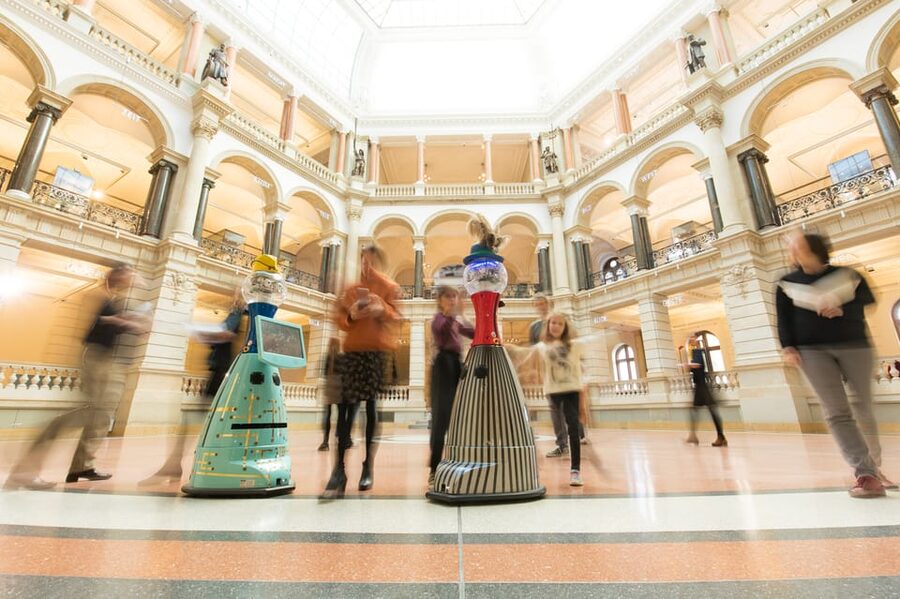
One message can change everything. At Berlin’s Museum for Communication, you trace how humans have sent news for thousands of years, and you get face-to-face with the famous Blue Mauritius stamp. I love the mix of big ideas and hands-on stations where you can try signals yourself. You also get a self-paced layout with an audio-visual app that helps you move at a comfortable speed. The only real drawback is that it’s broad and interactive, so if you hate walking and reading labels, you might feel a bit pulled in different directions.
What makes this ticket worth your time is how practical the museum feels. It doesn’t just show objects behind glass; it turns communication into something you can experience, from the hand-axe era to smartphones. And even if you don’t plan a long museum day, you can still do a strong loop thanks to the atrium-centered gallery with interactive terminals and clear exhibits.
In This Review
- Key things to know before you go
- Why the Museum for Communication feels different in Berlin
- Price and value for a one-day museum stop
- Getting in and making your visit stress-free
- Your self-guided route: from greeting to smartphone
- The Blue Mauritius: why one stamp gets people talking
- Interactive terminals around the atrium: try the signals yourself
- The audio-visual app: keep control of your pace
- How much time you really need (without wasting your day)
- Best times and practical tips for a smooth visit
- Who this museum is perfect for
- Should you book the Museum for Communication entrance ticket?
- FAQ
- Do I need to reserve a time slot to visit?
- How long is the museum visit?
- What is included with the entrance ticket?
- Can I pay with cash at the museum?
- Is the museum wheelchair accessible?
- When is the museum closed?
Key things to know before you go

- Blue Mauritius stamp display: One of the world’s best-known and rare stamps is part of the experience.
- Hands-on communication terminals: Try out different ways messages were sent, including signals like smoke, light, and acoustic methods.
- Audio-visual app guidance: Use the app to shape your visit without needing a timed tour.
- 40,000 years, 2,000 objects: A huge time span is covered through a lot of real-world material.
- No time-slot reservation requirement: You can buy and enter without locking yourself into a specific minute.
- Good for families: The touch-and-do approach makes it easier for kids to stay engaged.
More Berlin tours to line up side by side
- Berlin: TV Tower Standard Entrance Ticket★ 4.4 · 15,883 reviews
- Berlin: Berlin Story Bunker Entry Ticket★ 4.6 · 6,759 reviews
- Berlin: Illuseum Berlin Entrance Ticket★ 4.1 · 3,970 reviews
- Berlin: Madame Tussauds Admission Ticket★ 4.6 · 3,941 reviews
Why the Museum for Communication feels different in Berlin

Berlin has no shortage of museums, but this one works like a workshop for ideas. Instead of treating communication as a dry history topic, it frames it as a human skill: how we greet each other, share news, signal danger, trade information, and build communities. That angle matters, because it turns a visit into something you can connect to instantly. You’re not far from modern messaging while you’re learning how people solved the same problem with whatever tools they had.
I also like the museum’s scale. You’re looking at 40,000 years of communication through around 2,000 objects, but the experience is organized so you don’t feel lost. The atrium-level communication gallery gives you a readable starting point, and the interactive terminals help you understand concepts fast—then the exhibitions give you the deeper context.
One more thing: the museum openly points to current debates and asks visitors to participate. You may come in thinking you know how messaging works; you leave thinking about how power, culture, and technology shape what gets heard.
Price and value for a one-day museum stop
This entrance ticket is listed at about $9 per person, and it includes the audio-visual app. For Berlin, that’s a very reasonable price point—especially because the museum is not only about viewing. You get interactive stations, a large collection of communication milestones, and an app that helps you navigate without needing a guide.
If your schedule is tight, the value gets even clearer. The ticket is valid for one day, and the visit is doable in roughly 1.5 hours if you want a solid highlights loop. If you’re the type who reads carefully and plays with interactive displays longer, you can stretch it further without feeling like you’re paying for a rushed, timed experience.
Getting in and making your visit stress-free
You don’t need to reserve a time slot to visit. That’s rare for museums, and it matters if your day in Berlin changes hour by hour. You can plan the rest of your itinerary first—parks, neighborhoods, food stops—then decide when the museum fits.
Payment is also flexible. The information says tickets can be purchased without cash options, and you can pay with cash at the museum counter. So you’re not stuck hunting for the one payment method you forgot to prepare.
Practical note: the museum is closed on Mondays, and on December 24, 25, and 31. On public holidays it runs 10:00 AM to 6:00 PM, so check the calendar if you’re traveling around those dates.
Your self-guided route: from greeting to smartphone
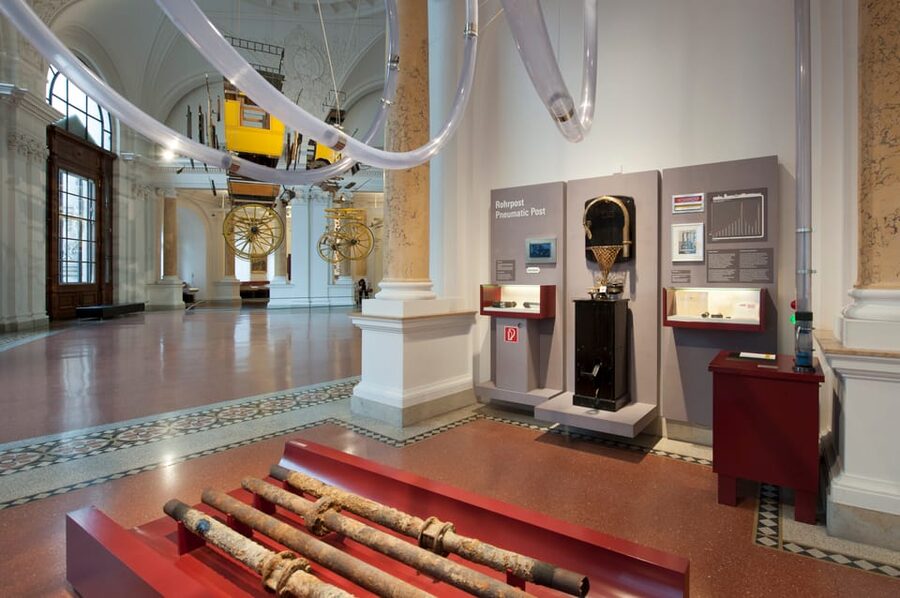
Plan for a self-guided visit that feels like a journey. The museum’s exhibitions connect milestones from the early tools of communication to modern devices, with an emphasis on how people actually used messages in real life. You’ll see how methods changed as environments changed—distance, speed, and access all shaped what communication looked like.
A good way to structure your day inside is to start with the atrium area, then move into the main exhibition galleries. The museum’s design helps with this: the communication gallery around the atrium acts like a hub where concepts become practical. That’s where you can try interactive terminals and get your brain in the right mode—less passive viewing, more testing and noticing.
Then follow the larger exhibits at your own pace. Because the museum references current debates, you’ll likely find yourself slowing down at topics that relate to modern messaging—how signals spread, how people interpret them, and what gets lost or distorted along the way.
More of Berlin's museums and galleries





The Blue Mauritius: why one stamp gets people talking

The Blue Mauritius is one of the museum’s standout attractions. The display is described as being among the world’s most famous and rarest stamps, and that alone draws stamp lovers. But even if you’re not into philately, this kind of item works as a gateway to bigger ideas.
A rare stamp is never just a collector’s object. It represents a moment when a specific system of communication—postal services and schedules—became part of everyday identity. It connects geography, institutions, and the human need to send messages reliably. Standing there, you can see how communication isn’t only about tech; it’s also about infrastructure and trust.
If you’re visiting with kids, this is a smart stop. It gives them something concrete and surprising to react to. If you’re visiting as an adult, it’s a reminder that communication history is full of objects with real-world importance, not just inventions on paper.
Interactive terminals around the atrium: try the signals yourself
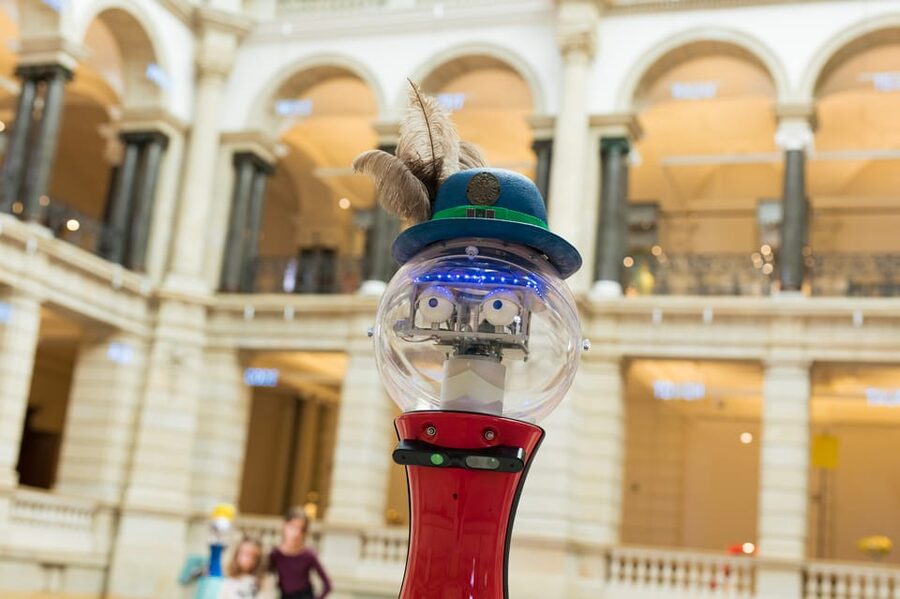
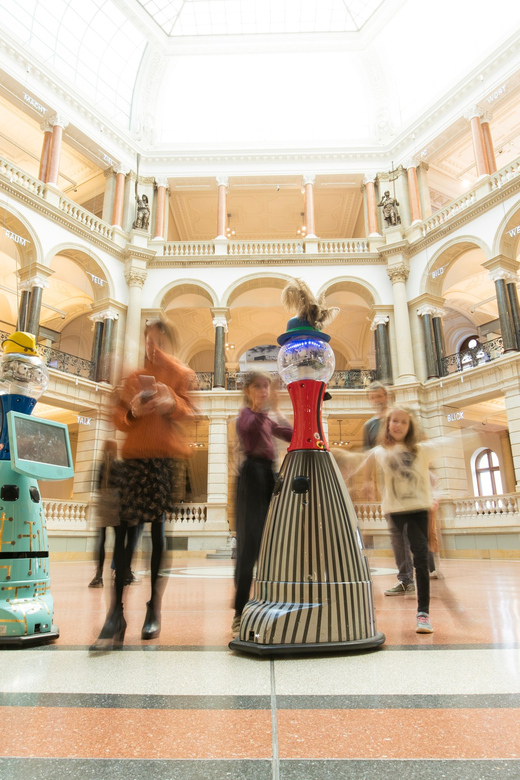
This museum doesn’t just explain communication methods. It gives you chances to test the basics through interactive terminals. Around the atrium communication gallery, you’ll find stations that let you explore how messages can be exchanged through different channels—like smoke, light, or acoustic signals.
That matters because it takes the abstract out of the lesson. You’re not only reading about how people signaled information before modern networks. You’re experiencing the constraints: what works, what’s hard to interpret, and how context changes meaning.
For me, this is where the museum earns its energy. When you try a communication concept yourself, you remember it later. You also notice how much modern life relies on constant, invisible systems—something you can easily forget when you’re used to instant messages.
Also, the terminals are a fun way to learn how greeting and communication styles vary across the world. The museum highlights that idea, and it shows up in the way the exhibits invite you to compare approaches rather than treat communication as one-size-fits-all.
The audio-visual app: keep control of your pace
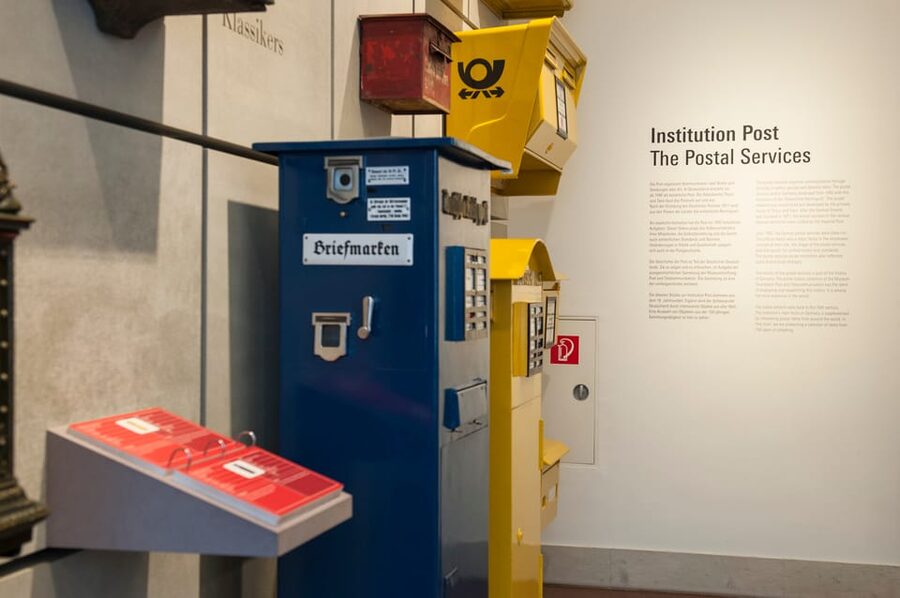
The ticket includes an audio-visual app, and you’ll feel the difference in how the visit flows. You can move when you want, pause when something catches your attention, and skip what doesn’t. That’s a big deal in a museum with 2,000 objects and a huge time range.
I like apps that don’t replace the museum—they support it. Here, the app helps you navigate at your own pace, so you’re not trapped in a rigid route. You can spend more time near interactive areas if you want a hands-on approach, or go deeper into exhibit themes if you prefer reading and context.
One caution: bring your curiosity, not your need to multitask. If you try to do the app while sprinting through exhibits, you’ll miss what the stations are trying to teach you. Better to slow down for a few minutes at key spots.
How much time you really need (without wasting your day)

The museum listing gives a 1-day validity window, and the visit block is often planned around about 1.5 hours. That’s enough time for a highlights route: start near the atrium, run the interactive terminals, then spend concentrated time in the main exhibition galleries and the Blue Mauritius area.
If you have more time in Berlin, you can add breathing room. Communication history touches lots of themes—technology, culture, and daily life—so lingering can be worthwhile. But if you’re on a tight schedule, don’t let the museum expand into an all-day project. A focused loop works well here.
Best times and practical tips for a smooth visit

Since it’s a museum with interactive areas, you’ll enjoy it more when you’re not rushing. Early in the day can help you take your time with terminals and avoid feeling like you’re always waiting for space.
Also, plan to give yourself a simple rhythm: hub first (atrium terminals), then gallery time (bigger exhibits), then a final pass if you want to re-check anything that surprised you. Because it’s self-guided, that structure makes the museum feel organized even when you’re not following a fixed tour.
If you’re visiting with kids, this is one of those places where hands-on wins. I’d prioritize the terminals and the areas where you can interact, then use the app to keep the momentum without making them sit through long stretches of reading.
Who this museum is perfect for
This ticket is a great match if you like:
- Interactive museums where you can try things, not just look
- Families who need activities that keep attention
- History with real-world connections, from early signaling to modern devices
- People who enjoy seeing how culture shapes communication, including greetings and message styles
If you hate hands-on or prefer quiet, object-only museums, you might find the interactive stations distracting. The museum tries to balance display and participation, so your enjoyment will depend on whether you like that style.
Should you book the Museum for Communication entrance ticket?
Book it if you want a smart, moderately priced museum that feels active instead of passive. For $9 with an audio-visual app, you’re getting a big time span of communication history, major highlights like the Blue Mauritius, and interactive signal stations you can actually use.
Skip it only if your idea of a museum day is strictly quiet and you don’t want to engage with hands-on exhibits. Otherwise, this is one of those Berlin stops that keeps paying off after you leave, because you start noticing how communication really works in everyday life.
FAQ
Do I need to reserve a time slot to visit?
No. The visit does not require time-slot reservations, and you can purchase tickets for entry without locking into a specific slot.
How long is the museum visit?
The ticket is valid for one day. The planned visit time is about 1.5 hours for a self-guided experience, but you can go at your own pace.
What is included with the entrance ticket?
Your ticket includes admission to the museum and the audio-visual app.
Can I pay with cash at the museum?
Yes. The information says you can pay with cash at the museum counter. Tickets can also be purchased without cash.
Is the museum wheelchair accessible?
Yes. The museum is listed as wheelchair accessible.
When is the museum closed?
It is closed on Mondays, and it is also closed on December 24, 25, and 31. On public holidays, it is open from 10:00 AM to 6:00 PM.
Berlin's Museums and Galleries


More Tickets in Berlin




More Tour Reviews in Berlin





Round out your days in Berlin




Museums, compared.
 ★ 4.6Natural History Museum Entrance TicketFrom $123,382 reviews
 ★ 4.4Museum Island Multiple Museum Entry TicketFrom $282,861 reviews
 ★ 4.1Skip-the-Line: Berlin Wall Museum at Checkpoint CharlieFrom $212,041 reviews
 ★ 4.1Interactive DeJa Vu Museum Entrance TicketFrom $171,338 reviews
 ★ 4.6“Pergamonmuseum. The Panorama” Exhibition TicketsFrom $161,245 reviews
 ★ 4.1East Side Gallery Spree Cruise in a Solar CatamaranFrom $281,086 reviews
 ★ 5.0Cold War, Berlin Wall, Spies and the East Side GalleryFrom $181,024 reviews
 ★ 4.3Berlin WelcomeCard: Museum Island & Public TransportFrom $70999 reviews
Browse the lists this tour appears in