

REVIEW · WALKING TOURS
Berlin: Schillerkiez and Rollberg Walking Tour
A neighborhood tour that reads like a mini novel. I like how this walk flips between Schillerkiez and Rollberg in a way that actually makes sense, not just a random zip-through of streets. Two things really sold me: the chance to see Tempelhofer Feld from the Neukölln side with historical context, and the way the guide brings the area to life with stories you can remember—then hands you a written summary at the end.
The one practical catch: the tour is German only, and it’s a walking format, so if you need step-free routes or extra mobility support, this probably won’t work well. Also, there’s no hotel pickup, so you’ll want to arrive on time at Hermannstraße 221.
In This Review
- Key highlights at a glance
- Why Schillerkiez and Rollberg fit together in one walk
- Starting at Hermannstraße 221: easy meeting, but plan your arrival
- Schillerkiez origin story: a residential neighborhood with an airport-shaped twist
- Schiller Promenade area: locals’ life, not museum Berlin
- Seeing Tempelhofer Feld from the Neukölln point of view
- Rollberg: reputation changes you can feel in the stories
- The Captain from Köpenick connection: a cultural thread through the district
- The guide experience: Reinhold Steinle’s detail and personal tone
- What you actually get at the end: a written summary you can use
- Price and value for a private group up to 6
- Who should book this walking tour
- Should you book Berlin: Schillerkiez and Rollberg Walking Tour?
- FAQ
- Where is the meeting point for this tour?
- How long is the Berlin Schillerkiez and Rollberg walking tour?
- How much does the tour cost?
- What language is the guide?
- Is food or drinks included?
- Is the tour private?
- Do I need hotel pickup or drop-off?
- Is the tour accessible for mobility impairments?
Key highlights at a glance
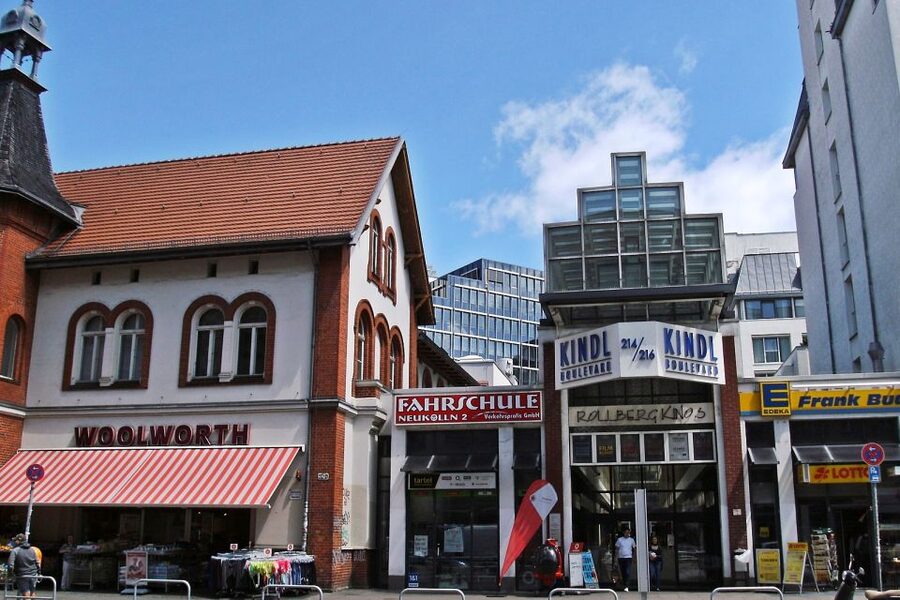
Tempelhofer Feld from Neukölln viewpoints: You get the sightline plus the airport story that shaped nearby streets.
Schillerkiez early-1900s residential design: You learn why this area was built the way it was—and what changed after the airfield era.
Rollberg’s reputation shifts: You’ll hear how the neighborhood’s image has evolved over time.
Captain from Köpenick connection: A literary/cultural figure is tied directly to what you’ll see on the ground.
Written summary at the end: You leave with a clean recap, not just memories.
Reinhold Steinle’s story-first guiding style: Passionate, detail-heavy, and personal to the Kiezen.
More of Berlin on foot
- Discover Berlin Half-Day Walking Tour★ 5.0 · 9,624 reviews
- Berlin City walk Government District and Places of Democracy★ 4.7 · 8,467 reviews
- Berlin: Third Reich & Cold War Guided Walking Tour★ 4.9 · 8,378 reviews
- Berlin: Discover Berlin Walking Tour★ 4.9 · 5,998 reviews
Why Schillerkiez and Rollberg fit together in one walk
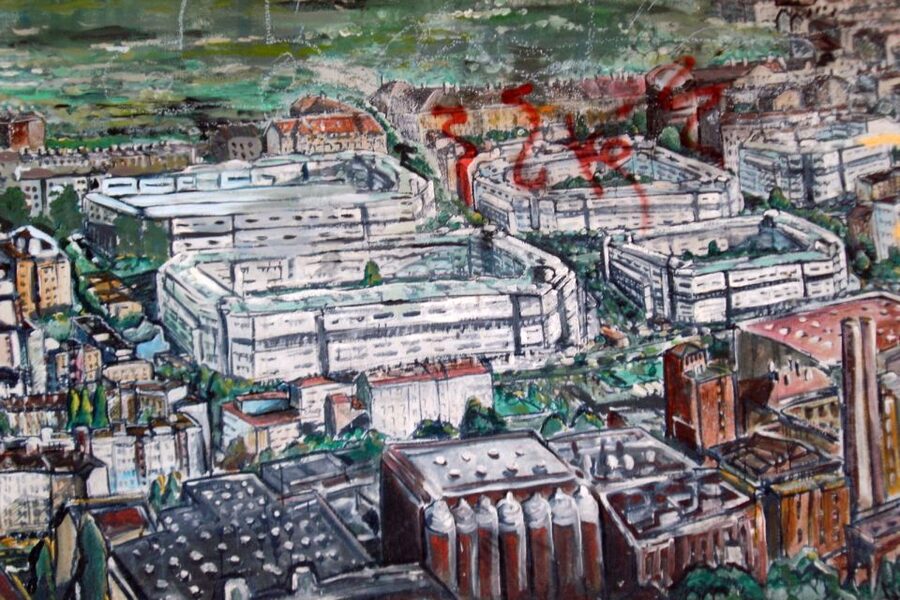
This tour works because the two districts sit next to each other, but they don’t feel the same. Schillerkiez comes off as more residential and street-level charming, with cafes and tree-lined blocks that suggest everyday life. Rollberg, by contrast, gets more complicated—its reputation has changed, and the stories you hear match that back-and-forth history.
What I like is the cause-and-effect approach. Instead of giving you vague vibes, the guide ties visible places to decisions Berlin made—especially around the former airfield and what that meant for the surrounding streets. That makes it easier for you to spot patterns while you walk.
You also get a “then and now” rhythm. Schillerkiez explains how the neighborhood formed, then the route pulls you toward what shaped the next chapter. Then Rollberg shows how a place can carry more than one identity at once.
Starting at Hermannstraße 221: easy meeting, but plan your arrival
You meet at Hermannstraße 221, 12049 Berlin in Neukölln. It’s a practical choice: you’re already in the area you’re learning about, so you don’t waste time commuting across town before the tour even begins.
Because there’s no hotel pickup and drop-off, your best move is simple: show up a few minutes early and get yourself settled. If you’re using transit, give yourself extra buffer time; the tour runs 90 minutes, so late arrivals can cut into the stories you came for.
Private group also means the pace is likely more tailored. Even though you’re not in a giant crowd, you still get a guided walk with stops and explanations, which is exactly what helps you connect streets to history.
Schillerkiez origin story: a residential neighborhood with an airport-shaped twist

The walk begins with the historical roots of Schillerkiez. You’ll learn that it was developed in the early 20th century as a residential area—built to house people and support daily life. That matters because the “feel” of the streets isn’t random. The layout and the kinds of buildings you see are connected to that original planning.
Then the story shifts with the nearby Tempelhofer Feld airport—including how its opening and closure changed the neighborhood. In plain terms, you get a sense of how a major transport site can reshape local routines. It affects movement, noise, land use, and what happens nearby as the city changes.
As you stroll, you’ll notice the guide steering your attention toward street scale things: where you can read the neighborhood’s character, and how institutions and routes influenced where life concentrated. It’s less about monuments and more about “how it works,” which is what makes this part feel grounded.
Schiller Promenade area: locals’ life, not museum Berlin
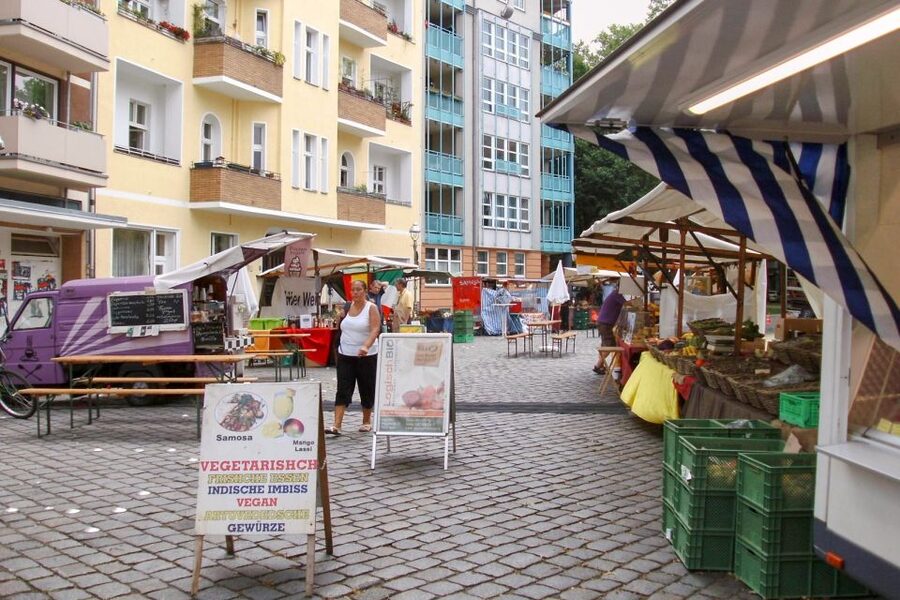
In Schillerkiez, the atmosphere is built around everyday Berlin: restaurants and cafes and a street rhythm that feels like people actually live here. The guide links that lived-in feel to the neighborhood’s past, including the idea of the famous residents along the Schiller Promenade.
This is where the tour stays fun and readable. You’re not just walking past sights—you’re learning why these streets became the kind of place people spend time. When a guide ties current habits to historical reasons, your brain does the useful thing: it starts to predict what you’ll see next.
One more reason I like this section: it’s a break from the “big-city only” approach. If you’ve spent previous days in Berlin doing only major landmarks, this keeps you balanced and gives you a more human slice of how the city grew.





Seeing Tempelhofer Feld from the Neukölln point of view
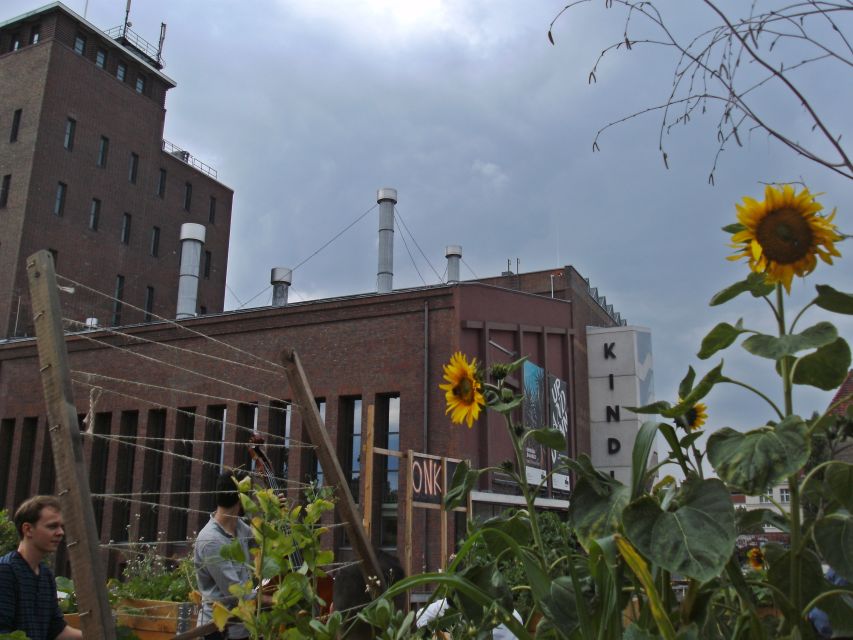
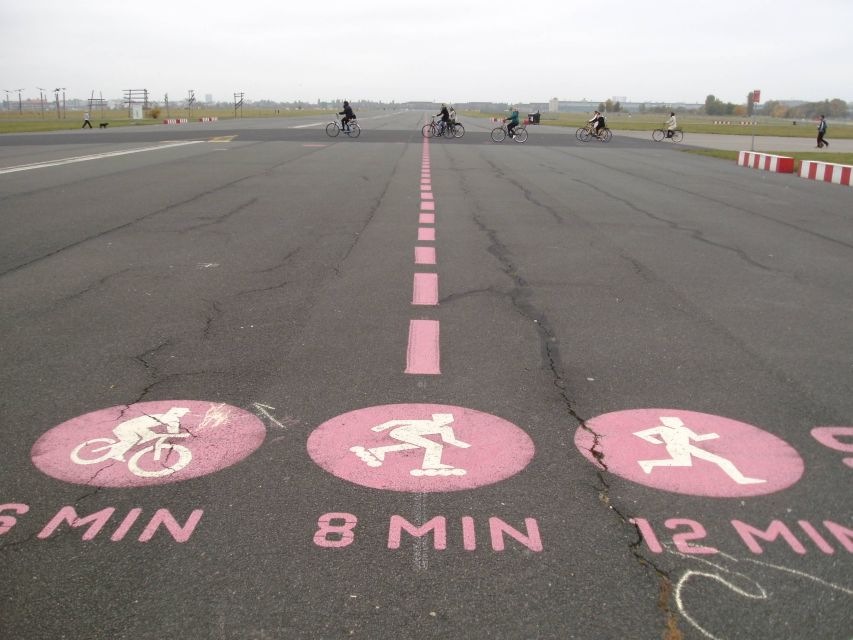
A major highlight is the chance to see the giant Tempelhofer Feld from the Neukölln side. Even if you’ve heard of Tempelhof as a concept, seeing it in context through this walk is different. The guide frames what you’re looking at so it doesn’t feel like just an open space.
You’ll hear the airport connection again, but with a street-level lens. Tempelhofer Feld isn’t just scenery—it’s an outcome. The land mattered to Berlin when it was an airport, and it still matters as a public space. The neighborhood around it adjusted to the presence of that airfield and, later, to its closure.
For you, this means you leave with a clearer mental map. You’ll know how a large, city-shaping site can influence nearby districts without turning every street into a landmark. It’s a great reminder that Berlin’s history often shows up indirectly.
If you enjoy walking tours that explain what you’re seeing right now in addition to what happened long ago, this stop is one of the best on the route.
Rollberg: reputation changes you can feel in the stories
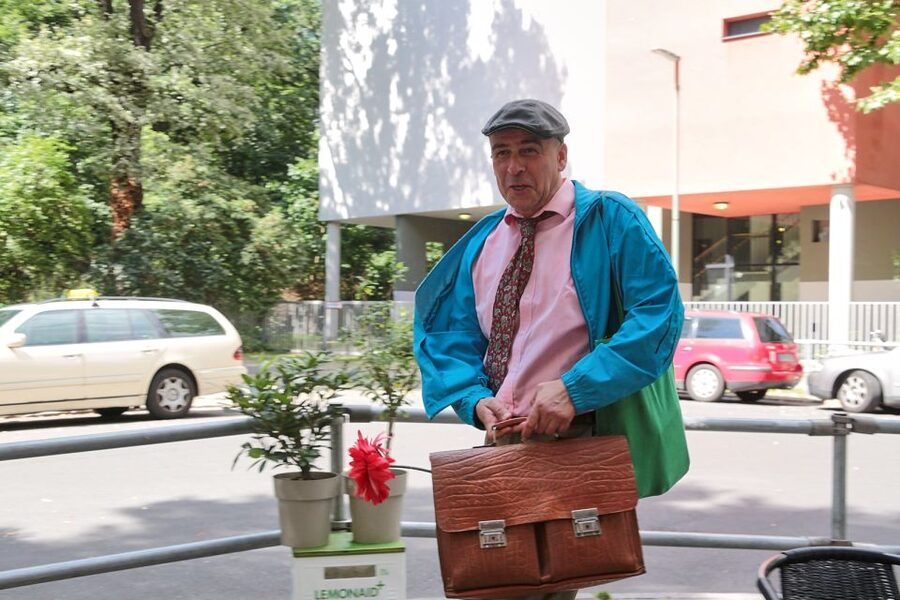
Then you move into Rollberg, and the tone shifts. This district has had a changing reputation in recent years, and the guide helps you understand that story rather than just label the neighborhood.
The important part here is how the guide treats reputation as something historical. A neighborhood’s image doesn’t appear out of thin air—it comes from events, media narratives, demographics, policy, and how people experience the streets. So instead of telling you what to think, the tour gives you context to interpret it.
This is also where the walk becomes more thought-provoking. You might find yourself comparing the earlier residential feel of Schillerkiez with the way Rollberg is described and framed. That contrast is the point: Berlin isn’t one single story, and it’s rarely simple.
The Captain from Köpenick connection: a cultural thread through the district
One of the most memorable elements is the tie to the Captain from Köpenick. You’ll learn what the Captain has to do with Rollberg, and you’ll connect the figure to the district’s story as you walk.
This kind of cultural reference is more useful than it sounds. It’s not just trivia—it’s a doorway into how Berliners think about authority, identity, and everyday life. When you’re walking a neighborhood, those themes help you understand why certain stories get repeated and how culture becomes part of a place’s reputation.
It’s also a satisfying stop for you if you like Berlin as more than buildings. When literature and local history overlap, the streets stop feeling like they belong to nobody. They start feeling like a stage with characters you can recognize.
The guide experience: Reinhold Steinle’s detail and personal tone
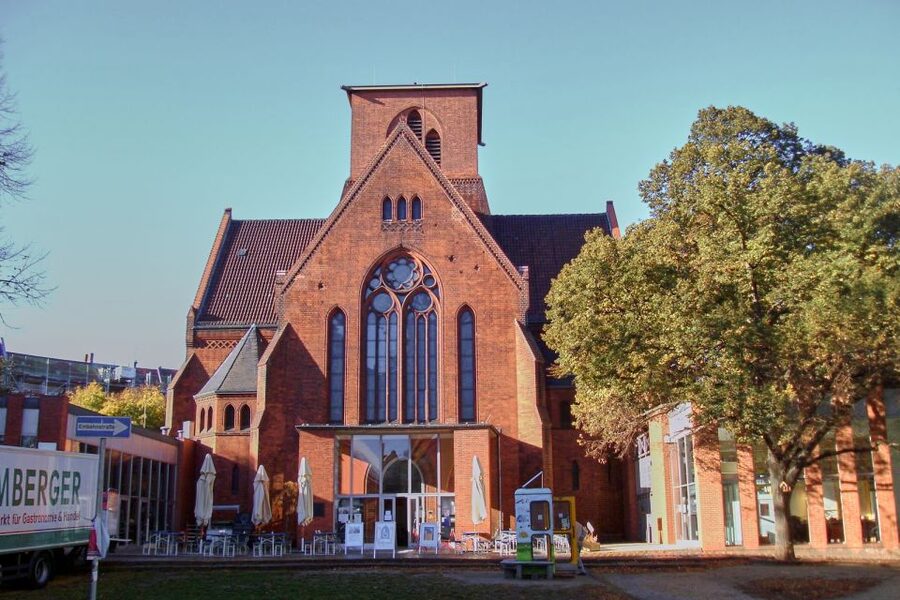
The tour is led by Reinhold Steinle, and the standout theme from his guiding style is how passionate and detail-driven the walk feels. You’ll get anekdotes—short, vivid stories—that keep the history from staying abstract. The guide’s tone comes across as personal, including the fact that he lived in the area for years, which helps when he describes how the neighborhood feels.
For you, that matters because it changes what you remember. Facts are fine, but a good guide makes you remember patterns: how the neighborhood developed, what changed, and what stayed consistent.
The written summary at the end is part of this too. After the last stop, you’re not left scrambling to jot down everything. You get a clean recap of the tour’s key points, plus tips for where to go next.
What you actually get at the end: a written summary you can use
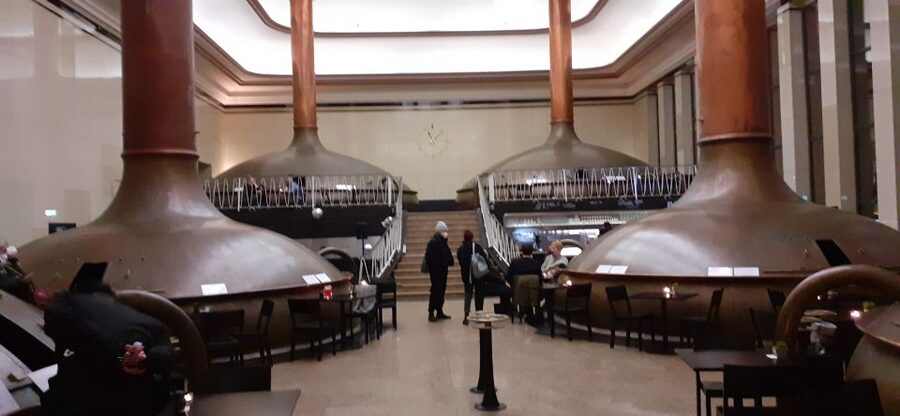
A lot of walking tours end with a handshake and a hope you’ll remember. Here, you get something practical: a written summary of the most important content at the end of the tour. That’s genuinely useful, especially if you’re moving through Berlin quickly.
Here’s how I’d use it: read the summary soon after the walk while the streets are still in your head. Then pick one or two suggestions for a follow-up. That’s how you turn a short experience into longer understanding without adding extra tour costs.
You’ll also receive tips from the guide for further ventures and places worth seeing. Because the tips come from someone who knows the district, they tend to be the kind of suggestions that help you avoid tourist-only loops.
Price and value for a private group up to 6
At $70 per group up to 6, the price isn’t about squeezing you for per-person costs—it’s about buying a focused guide experience for a small group. For a family or a couple of friends, it can be a strong deal compared with paying individually for multiple tours.
You should think about value in terms of time and output:
- You get 90 minutes of explanation plus walking context.
- You get a recap in writing, not just spoken narration.
- You get targeted neighborhood knowledge for Schillerkiez and Rollberg, including the Tempelhofer Feld connection and the Captain from Köpenick link.
If you’re the kind of person who likes to learn while you walk, this format is efficient. If you mostly prefer quiet sightseeing with no talking, you might find it less worth it.
Also note the tour duration: 90 minutes means you’ll cover key beats without drifting into “tour fatigue.” You’ll likely finish with a sense of what each district is about, not confusion.
Who should book this walking tour
This tour fits best if you want Berlin at street level. It’s for you if you like learning how neighborhoods changed over time—especially when a specific city site, like Tempelhofer Feld, shaped the story.
It’s also a good match if you enjoy a guided style with stories, details, and clear takeaways you can review later through the written summary. If you’re traveling with friends or family and want a small, private-group feel, the “up to 6” structure is ideal.
On the other hand, it’s not suitable for people with mobility impairments, and it’s German only. If you need step-free mobility or a different language, you’ll want to look for alternatives.
Should you book Berlin: Schillerkiez and Rollberg Walking Tour?
I’d book it if you want a compact, high-context walk that connects visible streets to big turning points—then gives you something usable afterward (the written recap and guide tips). The Tempelhofer Feld viewpoint and the way the guide ties Schillerkiez and Rollberg together are the main reasons this feels worth your time.
If German-only tours are a deal-breaker, or if you can’t comfortably do a walking format, skip it. Otherwise, this is a strong way to understand two contrasting parts of Berlin without spending all day on transit or bouncing between far-flung attractions.
FAQ
Where is the meeting point for this tour?
You meet at Hermannstraße 221, 12049 Berlin, Neukölln.
How long is the Berlin Schillerkiez and Rollberg walking tour?
The tour lasts 90 minutes.
How much does the tour cost?
It costs $70 per group, up to 6 people.
What language is the guide?
The live tour guide speaks German.
Is food or drinks included?
No. Food and drink are not included.
Is the tour private?
Yes. It is listed as a private group.
Do I need hotel pickup or drop-off?
No hotel pickup and drop-off is included.
Is the tour accessible for mobility impairments?
The tour is not suitable for people with mobility impairments.
More of Berlin on Foot





More Tours in Berlin


More Tour Reviews in Berlin
Round out your days in Berlin


Walking Tours, compared.
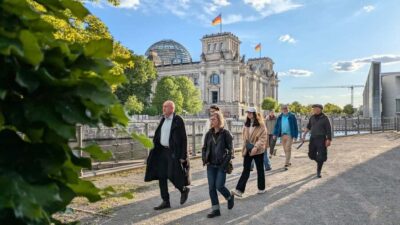 ★ 4.7Berlin City walk Government District and Places of DemocracyFrom $2948,467 reviews
 ★ 4.9Third Reich & Cold War Guided Walking TourFrom $238,378 reviews
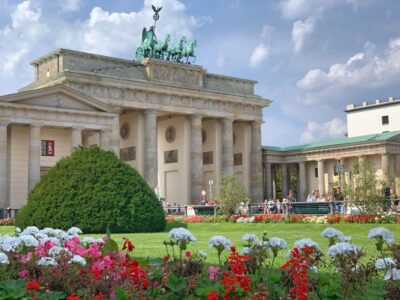 ★ 4.9Discover Berlin Walking TourFrom $235,998 reviews
 ★ 5.0Berlin’s Best: 2 Hour Walking Tour Third Reich and the Cold WarFrom $245,486 reviews
 ★ 4.8Hidden Backyards Guided Walking TourFrom $235,360 reviews
 ★ 5.0Third Reich Berlin: Hitler and WWII Walking TourFrom $243,301 reviews
 ★ 4.9Third Reich, Hitler, and WWII Walking TourFrom $191,757 reviews
 ★ 4.6Alternative Berlin Walking TourFrom $291,204 reviews
Browse the lists this tour appears in